Google: 4.6 · 646 reviews
Restaurant Le Gourmand
On the western edge of Montreal's Island, Pointe-Claire's Avenue Ste-Anne anchors a dining scene that quietly punches above its suburban weight. Restaurant Le Gourmand sits on this storied strip, drawing a local crowd that expects French-inflected cooking rooted in Quebec's seasonal larder. For visitors approaching from the city, it represents a different register of Quebec dining: neighbourhood-scaled, produce-led, and several degrees removed from downtown spectacle.
 Discover on Pearl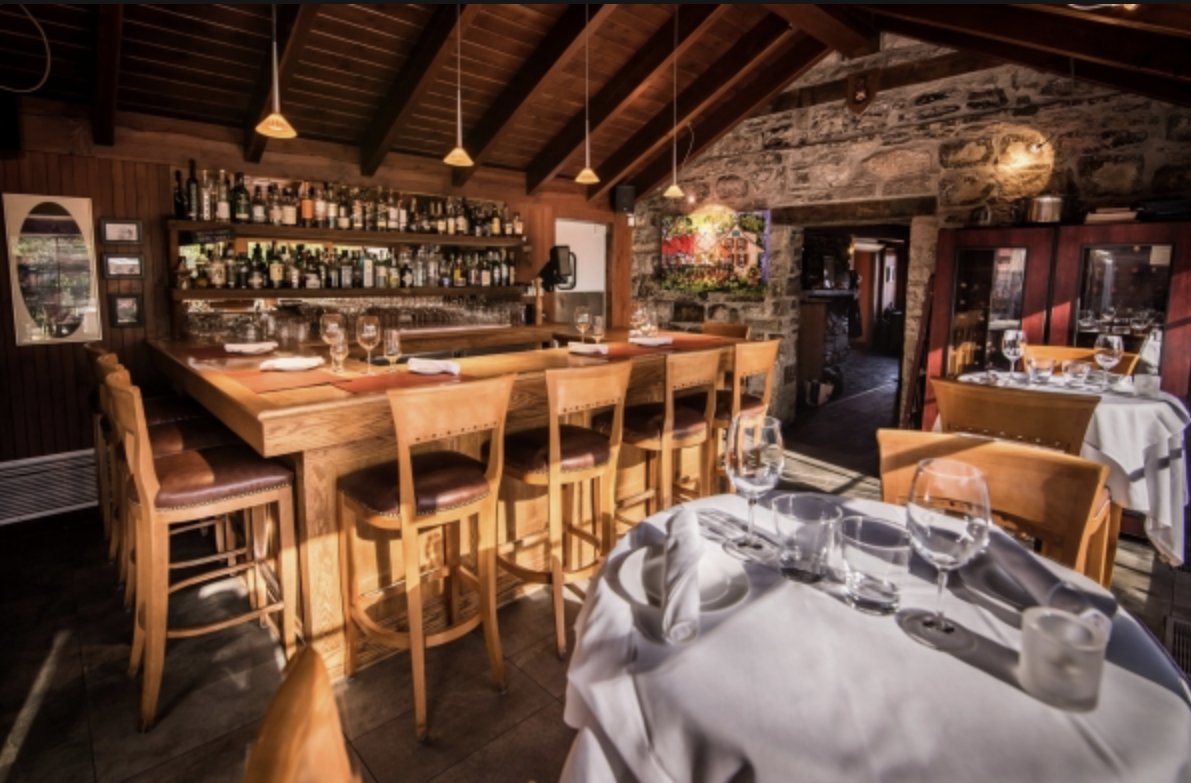
Where the West Island Meets the Table
Pointe-Claire occupies an interesting position in the Montreal dining map. Far enough from the Plateau and Old Montreal to escape the trend cycle, close enough to draw weekend visitors who want a meal that feels considered without the theatre of the city's top-end rooms. Avenue Ste-Anne is the neighbourhood's main commercial artery, a street where independent restaurants and local institutions coexist with a durability that downtown corridors rarely sustain. Restaurant Le Gourmand at 42 Avenue Ste-Anne sits inside that context: a dining room shaped by the rhythms of the West Island rather than the pressures of a competitive urban dining scene.
That physical remove matters when thinking about how ingredient-led cooking operates in a suburban setting. In the city, sourcing credentials have become a kind of marketing shorthand. In a neighbourhood like Pointe-Claire, the relationship between a kitchen and its suppliers tends to be more functional and less performative. Proximity to the Laurentian producers, Quebec's agricultural belt, and the seasonal market calendars of the province gives kitchens in this part of the island direct access to the same raw materials that define serious cooking at a higher price tier, but without the same promotional apparatus around them.
Quebec's Seasonal Larder and What It Demands of a Kitchen
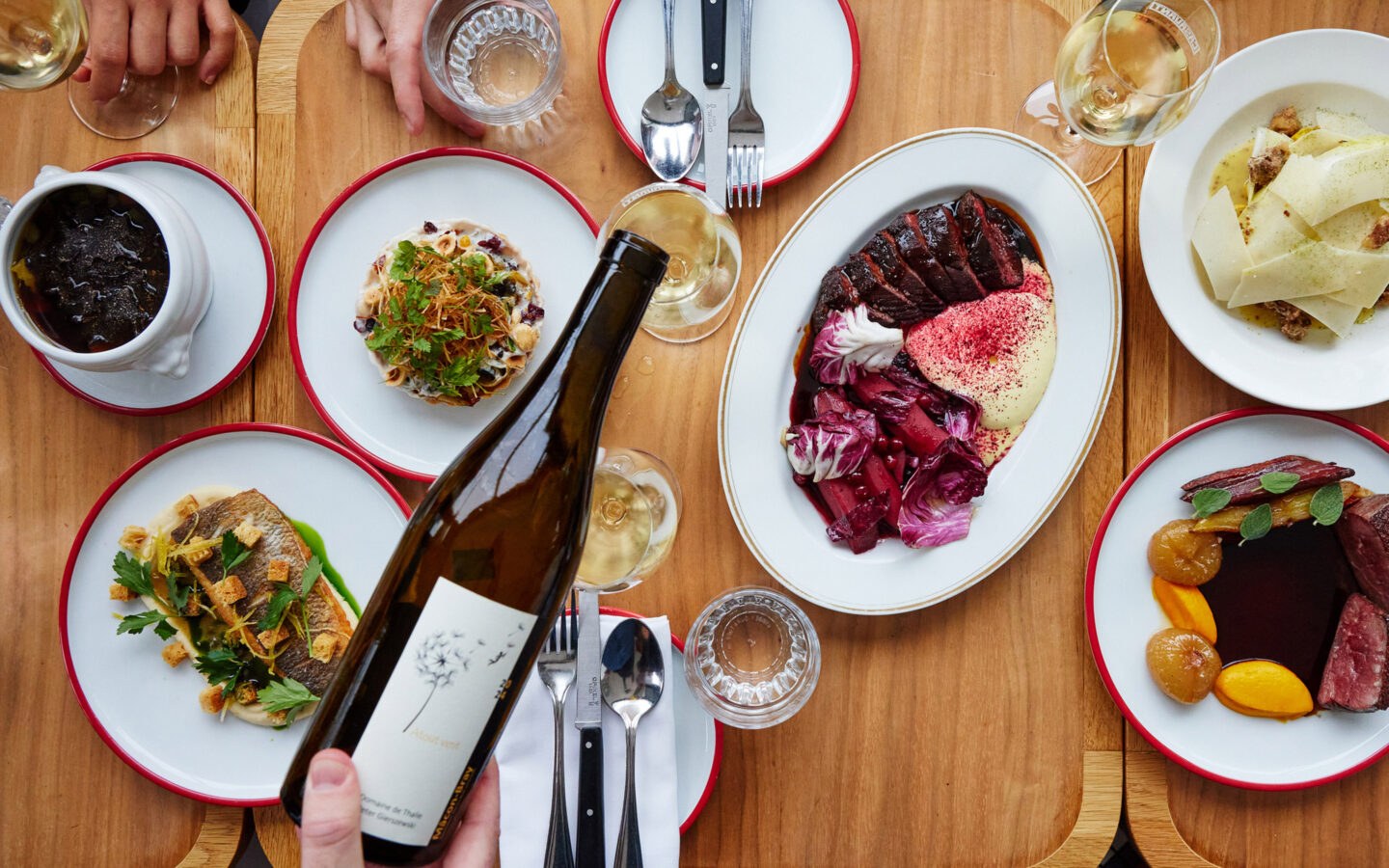
To understand what a restaurant like Le Gourmand is working with, it helps to know what Quebec's seasons actually impose on a kitchen. Spring brings fiddleheads, ramps, and the first morels from the forests north of the St. Lawrence. Summer accelerates into strawberries from the Montérégie, heritage tomatoes, and corn that ripens fast in the humid July heat. Fall is defined by root vegetables, wild mushrooms, Quebec lamb, and the duck and foie gras production centred around the Eastern Townships. Winter demands preservation, charcuterie, and an ability to cook with depth when fresh options narrow.
This calendar is not decorative. It structures what is possible and what is honest on a given menu at a given time of year. Restaurants in this part of Quebec that commit to working within those constraints produce food that reads very differently from kitchens importing ingredients to smooth out seasonal gaps. The cooking becomes a record of where and when rather than a generic expression of technique applied to available product. For context on how the province's most ambitious kitchens handle these same materials at the highest level, Tanière³ in Quebec City and Jérôme Ferrer's Europea in Montreal represent the upper bracket against which Quebec sourcing ambition is typically measured.
The Neighbourhood Register: What Suburban Fine Dining Actually Means
A useful frame for Le Gourmand is the distinction between destination dining and neighbourhood dining, a split that has sharpened across Canadian cities over the past decade. Destination rooms — places like Alo in Toronto or AnnaLena in Vancouver — depend on drawing guests from outside their immediate area and pricing accordingly. Neighbourhood rooms serve a repeat clientele whose tolerance for format, price, and length of meal is shaped by different expectations. The latter model requires a kitchen to maintain quality across a wider range of occasions: a Tuesday dinner for two, a Saturday family celebration, a quick lunch that doesn't demand an hour and a half.
Pointe-Claire's dining scene is primarily built on this neighbourhood model. It is not a district that produces many national media profiles or award citations, which means individual restaurants earn their regulars through consistency rather than visibility. That mechanism tends to produce cooking that is technically sound and ingredient-aware without the self-consciousness that press attention can introduce. Comparable dynamics play out in dining scenes like Narval in Rimouski, where a smaller city forces a kitchen to do more with local materials and fewer external validators.
Across English Canada, similar patterns appear in rooms like The Pine in Creemore and Eigensinn Farm in Singhampton, both of which built reputations at remove from major urban centres by committing to sourcing practices that made geographic sense rather than marketing sense. The lesson those examples carry applies to Pointe-Claire: when a restaurant's identity is tied to a specific place, its cooking tends to age better than trend-led rooms that chase external recognition.
French-Inflected Cooking and the Quebec Context
The French culinary inheritance in Quebec is not the same thing as French restaurant cooking imported wholesale. It is a distinct tradition that absorbed Indigenous food knowledge, adapted to a harsher climate, and evolved through the province's particular patterns of agriculture, fishing, and trade. Classic preparations like tourtière, pea soup, and maple-cured proteins are starting points rather than museum pieces in contemporary Quebec kitchens. The more interesting work happens when a kitchen treats that inheritance as a set of techniques and flavour logics rather than a menu of heritage dishes.
French-inflected cooking at the neighbourhood level in Quebec typically means an emphasis on stocks and reductions, a respect for whole-animal and whole-fish use, and a preference for building flavour through time rather than novelty. That approach suits the West Island's clientele, which skews toward an older demographic with strong opinions about what good cooking actually involves. It is not a scene that rewards gimmickry. For a parallel at the institutional end of this tradition, Aux Anciens Canadiens in Quebec City holds one reference point for how deep the regional cooking vocabulary runs.
At a broader international level, the rigour applied to sourcing and classical technique in this French-influenced register finds its clearest expression in rooms like Le Bernardin in New York City, where ingredient provenance is treated as the primary design decision rather than a finishing credential. The standards that framework implies are worth keeping in mind when assessing any serious kitchen that positions sourcing at the centre of its proposition.
Planning a Visit
Pointe-Claire is accessible from central Montreal by commuter rail, with the Pointe-Claire station on the Vaudreuil-Hudson line placing travellers within easy reach of the Avenue Ste-Anne strip. By car, the drive from downtown Montreal runs approximately twenty minutes outside peak traffic. Visitors combining Le Gourmand with broader West Island exploration will find the village's lakefront and heritage architecture a natural extension of an evening in the area.
Given the neighbourhood character of the room, advance reservations are advisable for weekend evenings, particularly during Quebec's peak dining seasons in fall and early winter. Dress expectations align with the casual-formal register typical of Montreal's neighbourhood fine dining , considered without being ceremonious. For context on what the broader Canadian dining scene offers at comparable and higher price tiers, our full Pointe-Claire restaurants guide maps the area's options in more detail. Further afield, rooms like Restaurant Pearl Morissette in Lincoln, Barra Fion in Burlington, Bonimi in Etobicoke, Biagio's Kitchen in Ottawa, Cannery Restaurant in Niagara-on-the-Lake, Bearspaw Golf Club in Calgary, Bubi's Awesome Eats in Windsor, and Atomix in New York City represent different points on the spectrum of serious regional cooking across North America.
Comparison Snapshot
These are the closest comparables we have in our database for quick context.
| Venue | Cuisine | Price | Awards | Notes |
|---|---|---|---|---|
| Restaurant Le Gourmand | This venue | |||
| Alo | Contemporary | $$$$ | Michelin 1 Star | Contemporary, $$$$ |
| Sushi Masaki Saito | Sushi, Japanese | $$$$ | Michelin 2 Star | Sushi, Japanese, $$$$ |
| Aburi Hana | Kaiseki, Japanese | $$$$ | Michelin 1 Star | Kaiseki, Japanese, $$$$ |
| AnnaLena | $$$$ · Contemporary | $$$$ | Michelin 1 Star | $$$$ · Contemporary, $$$$ |
| Don Alfonso 1890 | Contemporary Italian, Italian | $$$$ | Michelin 1 Star | Contemporary Italian, Italian, $$$$ |
Continue exploring
More in Pointe Claire
Restaurants in Pointe Claire
Browse all →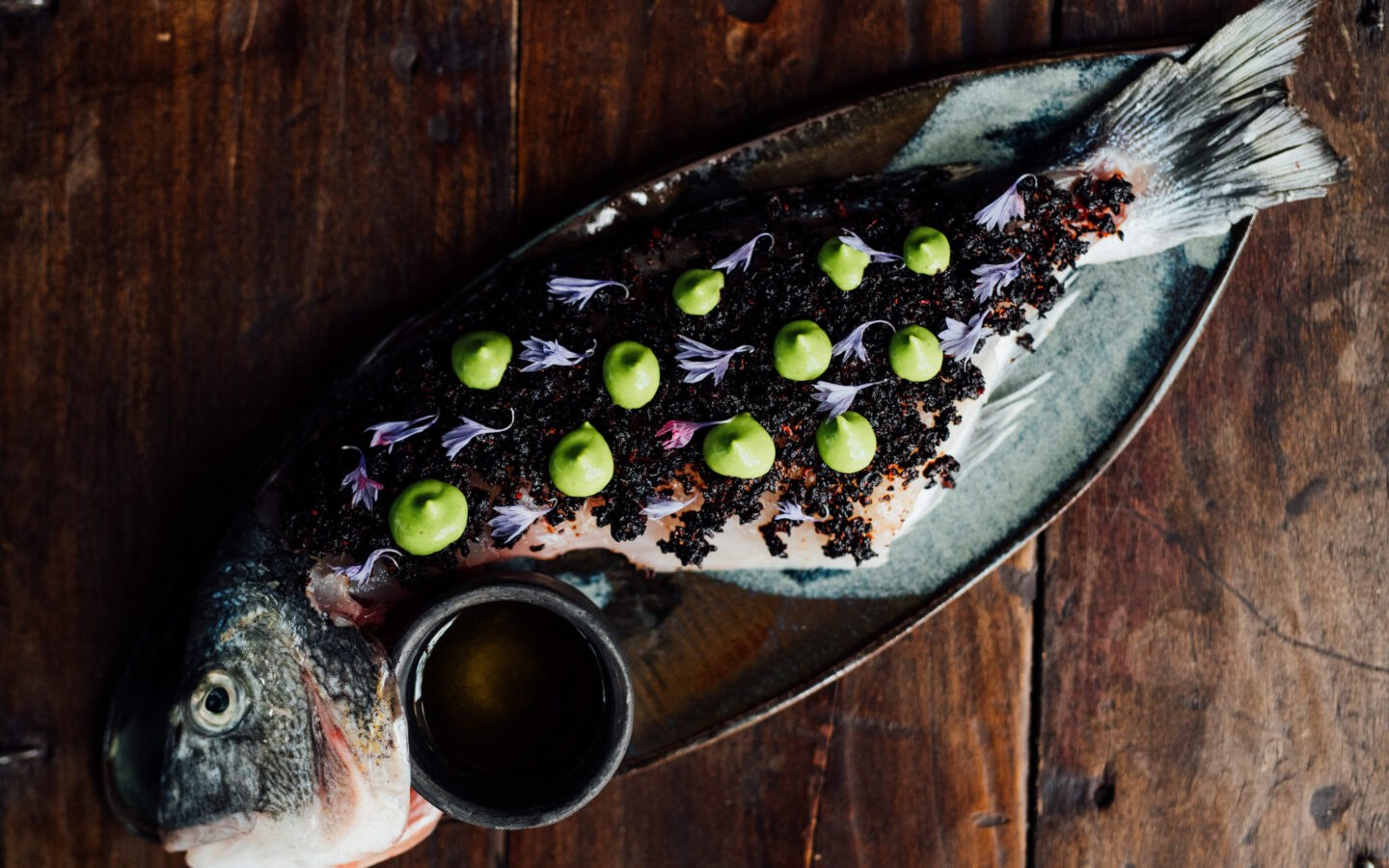
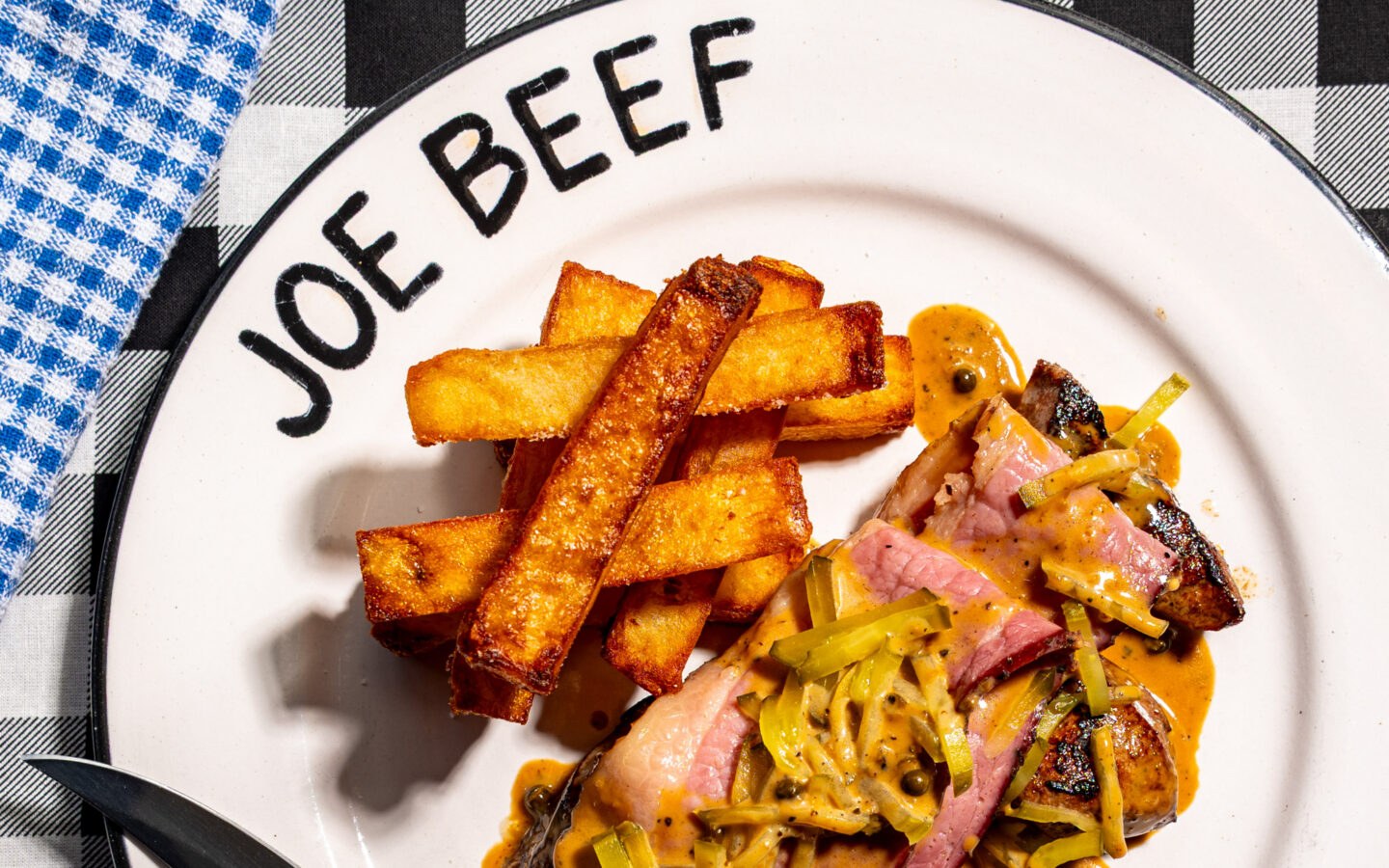
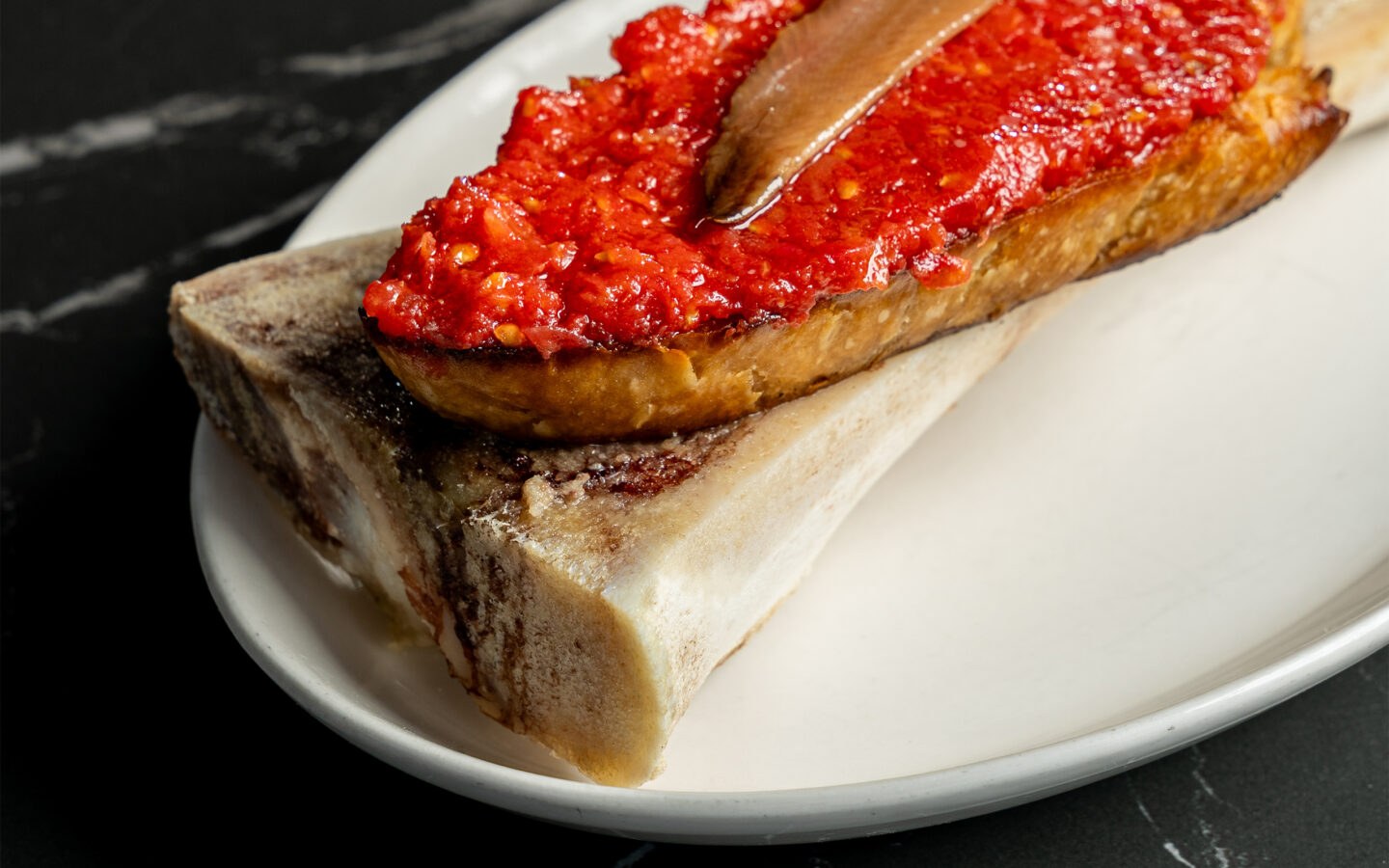
Bars in Pointe Claire
Browse all →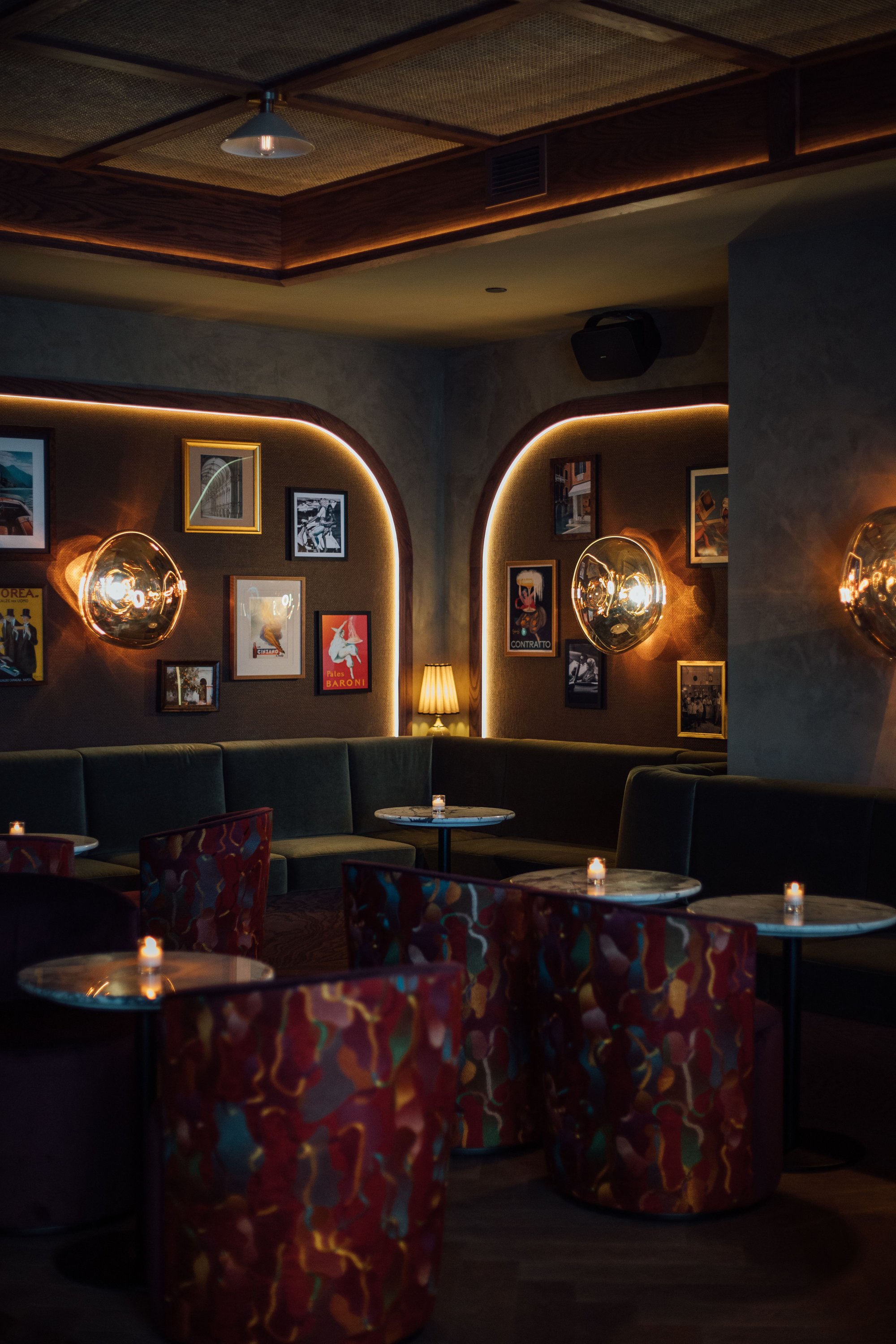
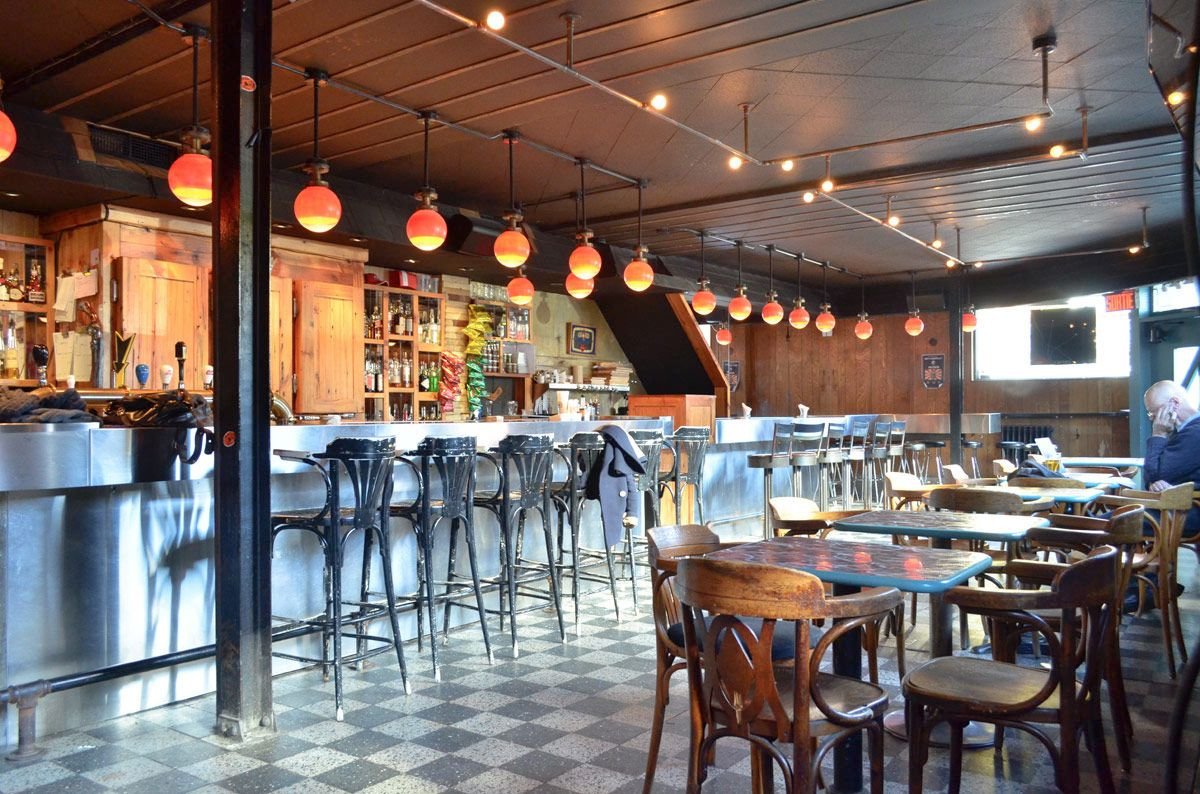
At a Glance
- Romantic
- Cozy
- Elegant
- Classic
- Intimate
- Date Night
- Special Occasion
- Business Dinner
- Historic Building
- Terrace
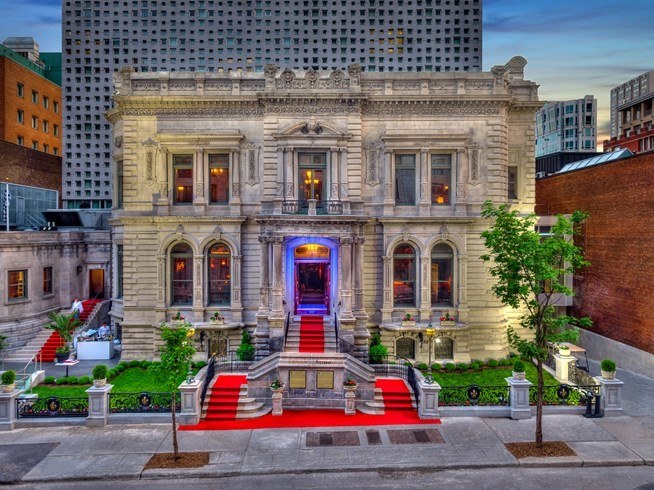
Cozy and romantic atmosphere in a historic stone building with a grand indoor fireplace for warmth and a garden terrace for summer dining.