Cannery Restaurant
Cannery Restaurant occupies a John Street address in Niagara-on-the-Lake, a town whose dining scene has shifted decisively toward wine-country sophistication over the past decade. Positioned alongside estate restaurants and chef-driven independents, the Cannery draws on the region's agricultural depth and Niagara Peninsula wine culture to frame its offer for visitors and locals alike.
 Discover on Pearl
Pearl is the En Primeur Club membership app — saves, bookings, and concierge access live there. Same editors, same standards.
- Address
- 48 John St W, Niagara-on-the-Lake, ON L0S 1J0, Canada
- Phone
- +19054686011
- Website
- vintage-hotels.com
Wine Country's Quieter Address
Cannery Restaurant is a steakhouse with local Niagara flavors in Niagara-on-the-Lake, Ontario, with a Google rating of 4.5 and an average price of about USD 60 per person. The town sits at the northeastern tip of the Niagara Peninsula, where Lake Ontario moderates temperatures enough to sustain one of the country's most serious wine regions. The restaurants that hold up in this environment tend to share one quality: they understand that the setting does not do the work for them. At 48 John Street West, Cannery Restaurant sits within walking distance of the historic Old Town core.
That density matters for context. Niagara-on-the-Lake's dining market has bifurcated over the past decade into estate properties with deep wine lists and captive winery audiences on one side, and independent town restaurants on the other. The independents compete on different terms: they are not selling a landscape or a winery tour add-on, so the menu has to carry more of the argument. The Cannery sits in the town category, which means its editorial interest lies in how it positions itself relative to both the estate dining circuit and the broader independent scene.
Reading the Menu's Logic
The editorial angle that reveals most about any restaurant in a wine-forward destination is menu architecture. In Niagara-on-the-Lake specifically, the question worth asking of any independent is whether the menu treats the region's produce and wine culture as a genuine structural principle or as decoration. Across Canada's premium wine country restaurants, the strongest examples use menu structure to signal alignment with their geography: seasonal pivots that mirror harvest cycles, protein sourcing from the Niagara Escarpment's farms, and wine list curation that reflects the Peninsula's strengths in Riesling, Chardonnay, and Pinot Noir alongside the icewine production that originally put the region on the map internationally.
This approach is visible at the more established end of the Niagara-on-the-Lake dining circuit. Aura On The Lake and Benchmark each frame their menus around regional sourcing as a declared commitment, while HOBNOB Restaurant operates at a more accessible register. Kitchen76 at Two Sisters Vineyards and LIV Restaurant represent the estate-integrated end of the spectrum. The Cannery's position in relation to these peers shapes what a visiting diner should weigh before booking.
Across Canadian wine country dining more broadly, the strongest regional models tend to keep their menus short enough that every dish reflects a deliberate sourcing or technique decision. Restaurant Pearl Morissette in Lincoln, roughly twenty minutes southwest along the Bench, has set a high standard for how a wine-country restaurant can align its kitchen philosophy with its cellar without either element subordinating the other. At the other end of the ambition spectrum, places like Eigensinn Farm in Singhampton demonstrate how an extreme commitment to place can generate its own category of recognition. These are not direct competitors to the Cannery, but they define the upper register of what wine-country dining in Ontario can look like.
Where It Sits in the Broader Canadian Scene
Canada's fine dining conversation has become increasingly geographically distributed. The national conversation used to run almost entirely through Toronto and Montreal, anchored by restaurants like Alo in Toronto and Jérôme Ferrer - Europea in Montreal. But the past several years have seen serious cooking emerge from smaller markets: Tanière³ in Quebec City, Narval in Rimouski, AnnaLena in Vancouver, and the remarkable Fogo Island Inn Dining Room in Joe Batt's Arm, which has arguably done more than any single venue to prove that geographic remoteness can itself be a form of culinary argument. Even at the more approachable end, restaurants like Busters Barbeque in Kenora and The Pine in Creemore demonstrate how smaller Ontario towns have absorbed serious kitchen talent that was once only concentrated in major cities.
Niagara-on-the-Lake benefits from this shift. The town receives visitors year-round but concentrates its dining traffic heavily in the summer and fall harvest season, which runs from late August through October. For a town-based restaurant like the Cannery, the harvest season represents both its peak commercial period and its strongest editorial case: local produce is at its most varied, wine-country visitors are in a spending mindset, and the competition for a dinner reservation at the estate restaurants creates genuine overflow demand for well-run independents.
For international reference, the wine-country independent model in Niagara-on-the-Lake rhymes with what visitors find in Napa's Yountville district or in Burgundy's smaller village restaurants. Places like Lazy Bear in San Francisco or Le Bernardin in New York City represent very different tiers of ambition and formality, but they share a common structural logic with any serious regional restaurant: the menu's architecture should answer the question of why you are here, in this place, eating this food tonight, rather than somewhere else.
Planning Your Visit
48 John Street West places the Cannery in the walkable core of Old Town Niagara-on-the-Lake, making it accessible on foot from the majority of the town's hotels and inns. The town itself is roughly a ninety-minute drive from Toronto via the QEW and approximately thirty minutes from Niagara Falls, making it a practical day-trip or weekend-stay destination from either direction. Visitors arriving from the United States cross at the Lewiston-Queenston Bridge or the Rainbow Bridge, both within a forty-minute drive. Peak season reservations across Niagara-on-the-Lake tend to fill several weeks in advance, particularly on weekends in September and October when harvest events draw additional visitors to the region. Reservations are recommended, and the restaurant is open daily, with Saturday hours extended to 11 PM.
Accolades, Compared
Comparable venues nearby, for context on price, style, and recognition.
| Venue | Cuisine | Price | Awards | Notes |
|---|---|---|---|---|
| Cannery RestaurantThis venue — the venue you are viewing | Steakhouse with Local Niagara Flavors | $$$ | , | |
| Benchmark | Contemporary American with Seasonal Seafood | $$$ | , | Niagara-on-the-Lake |
| Queenston Heights Restaurant | Contemporary Canadian Fine Dining | $$$ | , | Queenston |
| HOBNOB Restaurant | Contemporary French with Regional Flair | $$$ | , | Niagara-on-the-Lake |
| Oaklands at Riverbend Inn | French-Canadian Farm-to-Table | $$$$ | , | Niagara-on-the-Lake |
| Noble | Wine Country French Fine Dining | $$$$ | , | Niagara-on-the-Lake |
Continue exploring
More in Niagara-on-the-Lake
Restaurants in Niagara-on-the-Lake
Browse all →
Bars in Niagara-on-the-Lake
Browse all →
Hotels in Niagara-on-the-Lake
Browse all →
Wineries in Niagara-on-the-Lake
Browse all →
At a Glance
- Romantic
- Rustic
- Historic
- Elegant
- Date Night
- Special Occasion
- Group Dining
- Brunch
- Historic Building
- Hotel Restaurant
- Extensive Wine List
- Local Sourcing
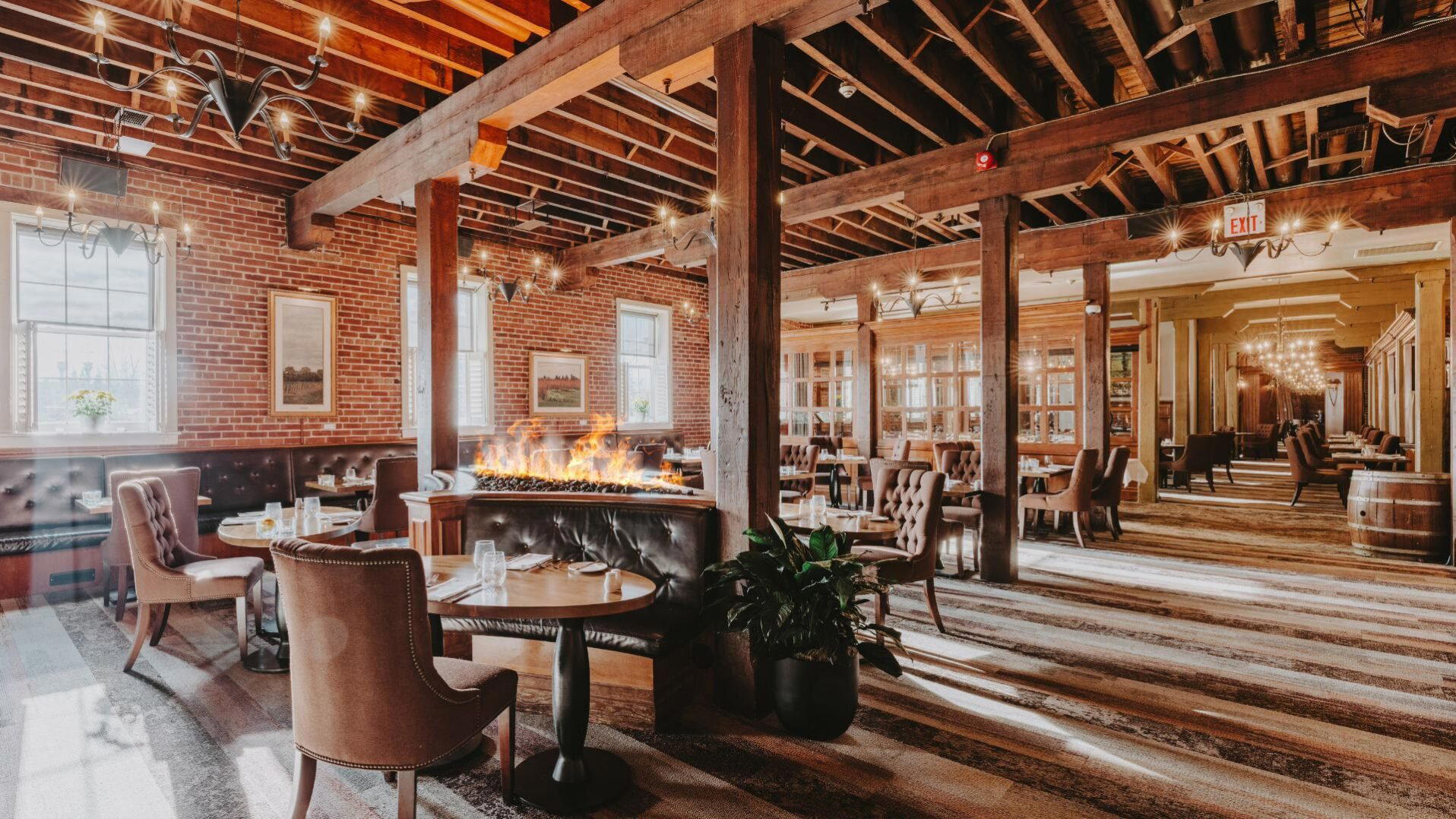
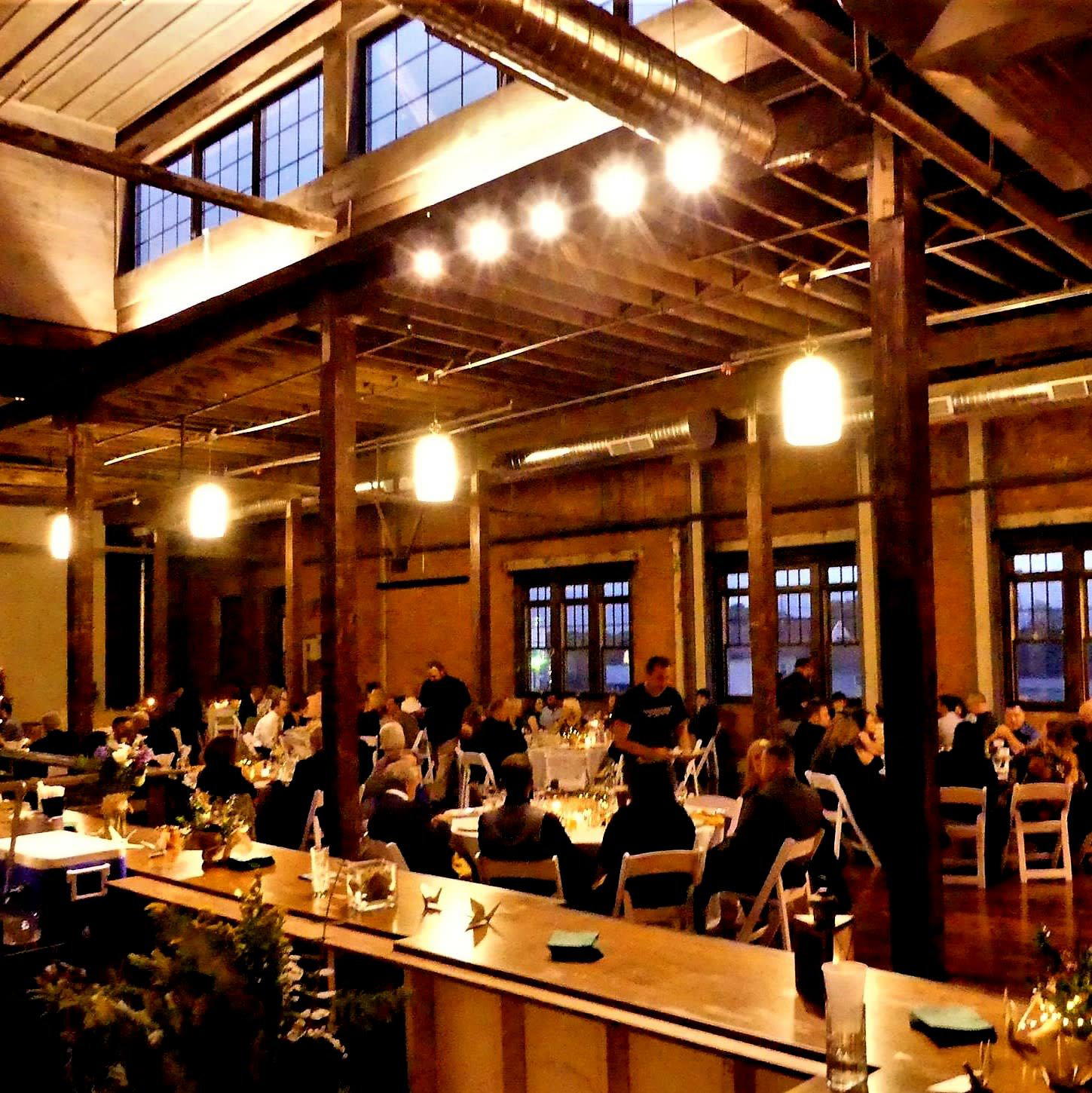
Rustic and romantic atmosphere with rough hewn wooden beams, rich red brick walls, and a central hearth.