Restaurant Landwirtschaft on Klosterweg in Willich sits within a tradition of farm-rooted German dining where the sourcing logic precedes the menu. The name itself, meaning 'agriculture' in German, signals the kitchen's orientation toward the land rather than the plate as spectacle. For readers exploring the western Rhineland dining circuit, it represents a counterpoint to the region's more formal fine-dining tier.
Pearl is the En Primeur Club membership app — saves, bookings, and concierge access live there. Same editors, same standards.
- Address
- Klosterweg 32, 47877 Willich, Germany
- Phone
- +4921544868630
- Website
- berderhof-landwirtschaft.de
- Directions
- Get directions
 Saves & bookings on Pearl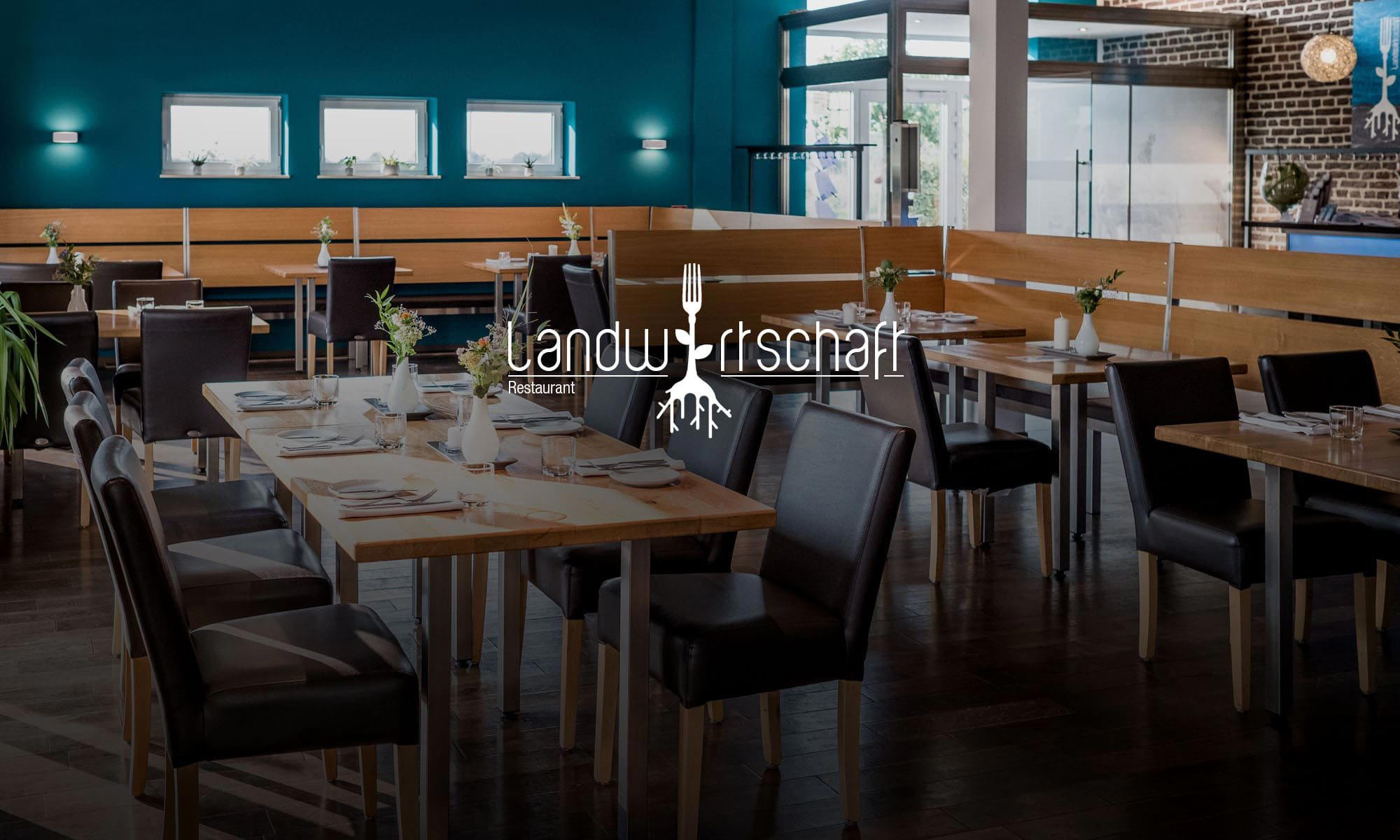
Where the Name Is the Concept
In the German-speaking world, Landwirtschaft means agriculture, farming, the working of land. When a restaurant adopts the word as its identity rather than its marketing footnote, it announces a particular hierarchy of priorities: the source comes before the technique, the field before the kitchen. This is a different proposition from the farm-to-table branding that became decorative across European menus in the 2010s. It is a structural commitment, one that shapes what appears on the menu, how it changes, and what the kitchen declines to serve when the supply cannot support it.
Restaurant Landwirtschaft occupies an address at Klosterweg 32 in Willich, a mid-sized town in the western edge of the Rhineland, close to the Dutch border and within practical reach of Düsseldorf and Krefeld. The name Klosterweg, meaning 'monastery path', places the restaurant within a layered geography: this is agricultural and ecclesiastical country, where the tradition of tending land for sustenance rather than spectacle runs deep. The physical approach along that address frames expectations before a guest crosses the threshold.
The Sourcing Logic of the Western Rhineland
The region around Willich sits in the Lower Rhine plain, a flat, fertile stretch that has supported market gardening, grain cultivation, and livestock farming for centuries. Restaurants in this part of North Rhine-Westphalia that commit to ingredient sourcing have a relatively rich local supply network to draw from, compared with urban dining destinations that must import the premise of locality from greater distances. The proximity of the Dutch border also introduces cross-border agricultural exchange, with the Netherlands being one of Europe's most productive horticultural economies. A kitchen oriented toward this geography has genuine material to work with, not a narrative constructed from exception.
This matters in the context of how German fine dining has evolved. The country's most decorated kitchens, including Aqua in Wolfsburg, Schwarzwaldstube in Baiersbronn, and Vendôme in Bergisch Gladbach, have largely built their reputations on technique and classical refinement, with sourcing as one supporting element among several. Restaurants that invert that priority structure, placing sourcing as the primary editorial lens, occupy a distinct and smaller tier. They tend to attract a different kind of attention: less from the awards circuit, more from readers looking for a specific type of experience rooted in place.
For context on how German kitchens at different price points handle this orientation, the range is wide. At the formal end, places like Victor's Fine Dining by Christian Bau in Perl and Waldhotel Sonnora in Dreis operate within classical frameworks where provenance is cited but rarely foregrounded structurally. At the more experimental end, CODA Dessert Dining in Berlin reworks the format itself. Landwirtschaft, at least by name, positions itself differently from both: neither classical refinement nor format experiment, but something closer to ingredient advocacy expressed through cooking.
Willich in the Dining Circuit
Willich does not figure prominently in the international food press the way Düsseldorf, Cologne, or Hamburg do. It is not the kind of city that generates its own dining tourism. That fact shapes what a restaurant here can be: it serves its community first, with visitors arriving deliberately rather than incidentally. This is a different operating logic from destination restaurants in smaller German towns like Schanz in Piesport or Bagatelle in Trier, where the awards profile generates inbound travel. Without that machinery, a restaurant's reputation spreads through direct experience and word of mouth within the regional circuit.
For a reader coming from Düsseldorf, Willich sits roughly 25 kilometres northwest, accessible by car in under 30 minutes depending on traffic. From Krefeld, the distance is shorter still. This positions Restaurant Landwirtschaft as a genuine regional option rather than a detour from an urban dining itinerary, which is precisely the kind of restaurant that often delivers more honest cooking than its better-promoted counterparts. You can explore the wider regional picture in our full Willich restaurants guide.
For readers who want to build a broader German dining itinerary, the country's farm-oriented and regionally rooted kitchens are scattered rather than clustered. ES:SENZ in Grassau and AURA by Alexander Herrmann and Tobias Bätz in Wirsberg each connect to their geographic surroundings in distinct ways. AUGUST in Augsburg and ATAMA by Martin Stopp in Sankt Ingbert represent further points on that map. The pattern across these addresses is that regional grounding tends to produce cooking that changes with the season in ways that tasting menus built around a fixed brand identity do not.
What Ingredient-First Means in Practice
The ingredient-sourcing model imposes real constraints. A menu that follows supply cannot guarantee dishes across seasons. The kitchen's skill is demonstrated partly through adaptation: what do you serve when the early crop fails, when the autumn harvest comes late, when a supplier cannot deliver? In this sense, ingredient-forward restaurants are harder to maintain consistently than technique-forward ones. The leading practitioners, from the Nordic model that shaped a generation of European chefs to the German regional kitchens finding their own version of that commitment, have learned to make constraint visible as a virtue rather than hiding it as a limitation.
Internationally, the ingredient-first approach has produced some of the most critically examined restaurants of the past decade. Le Bernardin in New York City built its entire identity on the primacy of the ingredient over technique in seafood cooking, a position that has sustained it across multiple decades and earned consistent recognition. Atomix in New York City takes a different route, using Korean ingredient traditions as the intellectual core of its tasting format. JAN in Munich and Restaurant Haerlin in Hamburg offer further reference points within Germany itself. Ammolite in Rust demonstrates how an unusual setting can anchor a sourcing story in a specific place.
What unites these references is not geography but an editorial stance: the belief that the most interesting thing on the plate is what it is made of, and where that came from, before it is what the chef did to it.
Planning Your Visit
Restaurant Landwirtschaft is at Klosterweg 32, 47877 Willich, Germany. Given the limited publicly available data on booking method, hours, and pricing, contacting the restaurant directly before visiting is advisable. This is a pattern common to smaller, independently operated German restaurants that prioritise regulars and word-of-mouth over online booking infrastructure. Arriving with realistic expectations about format flexibility, and with an openness to whatever the kitchen is working with that week, is the appropriate orientation for this type of address.
How Restaurant Landwirtschaft Willich compares with similar nearby venues.
| Venue | Cuisine |
|---|---|
| Dieter Mueller | German Fine |
Continue exploring
More in Willich
Restaurants in Willich
Browse all →
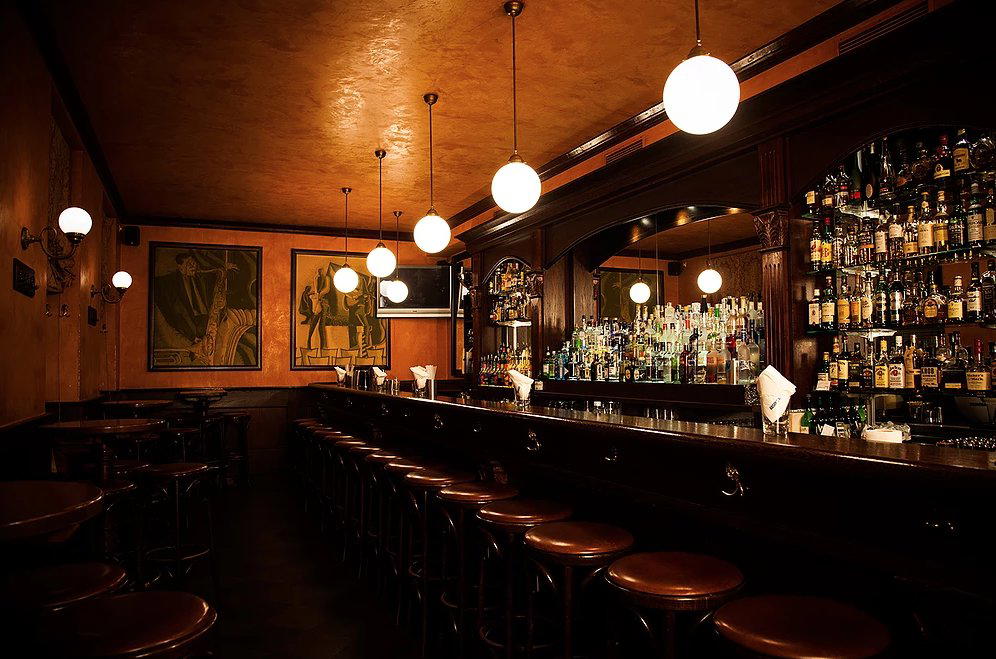
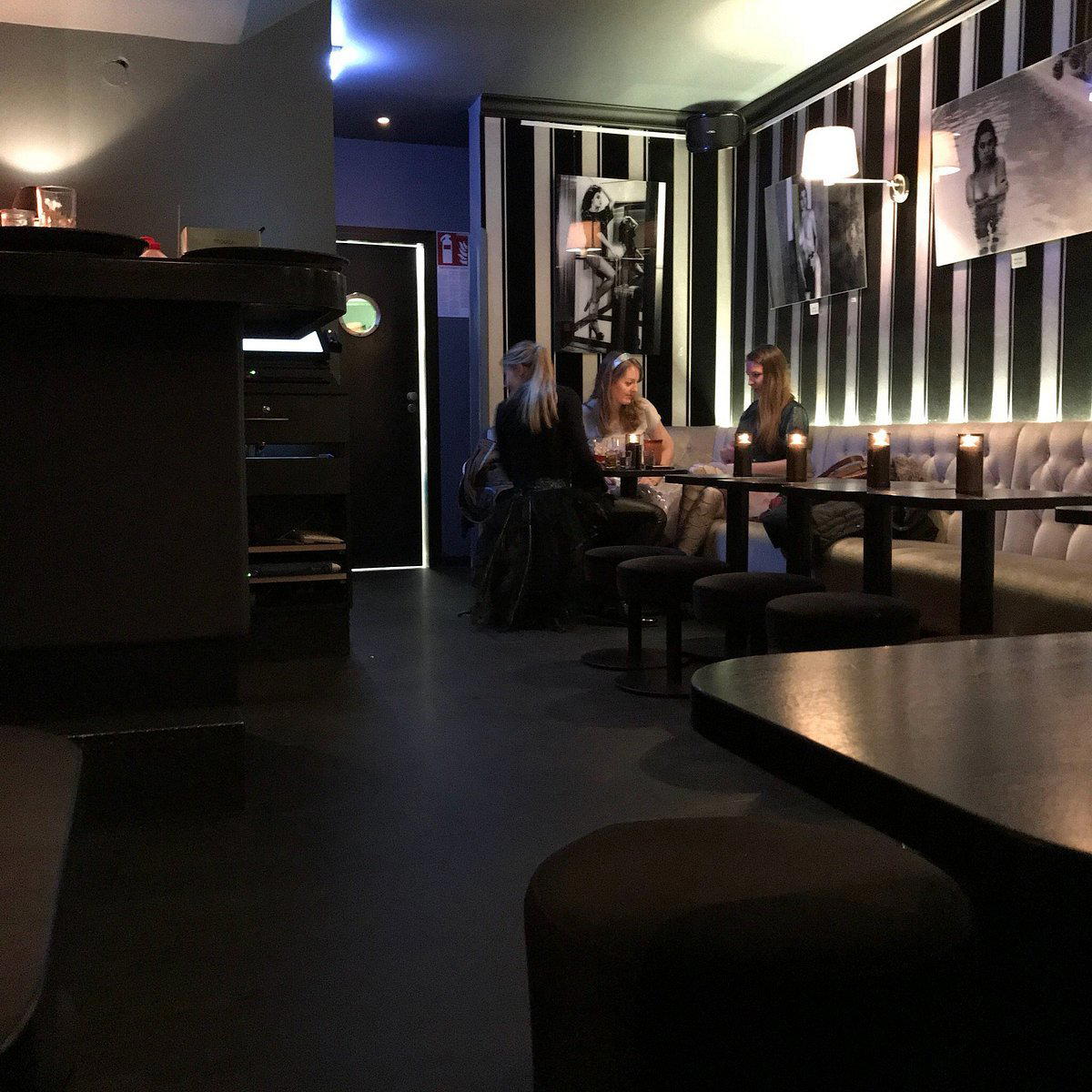
Bars in Willich
Browse all →
Hotels in Willich
Browse all →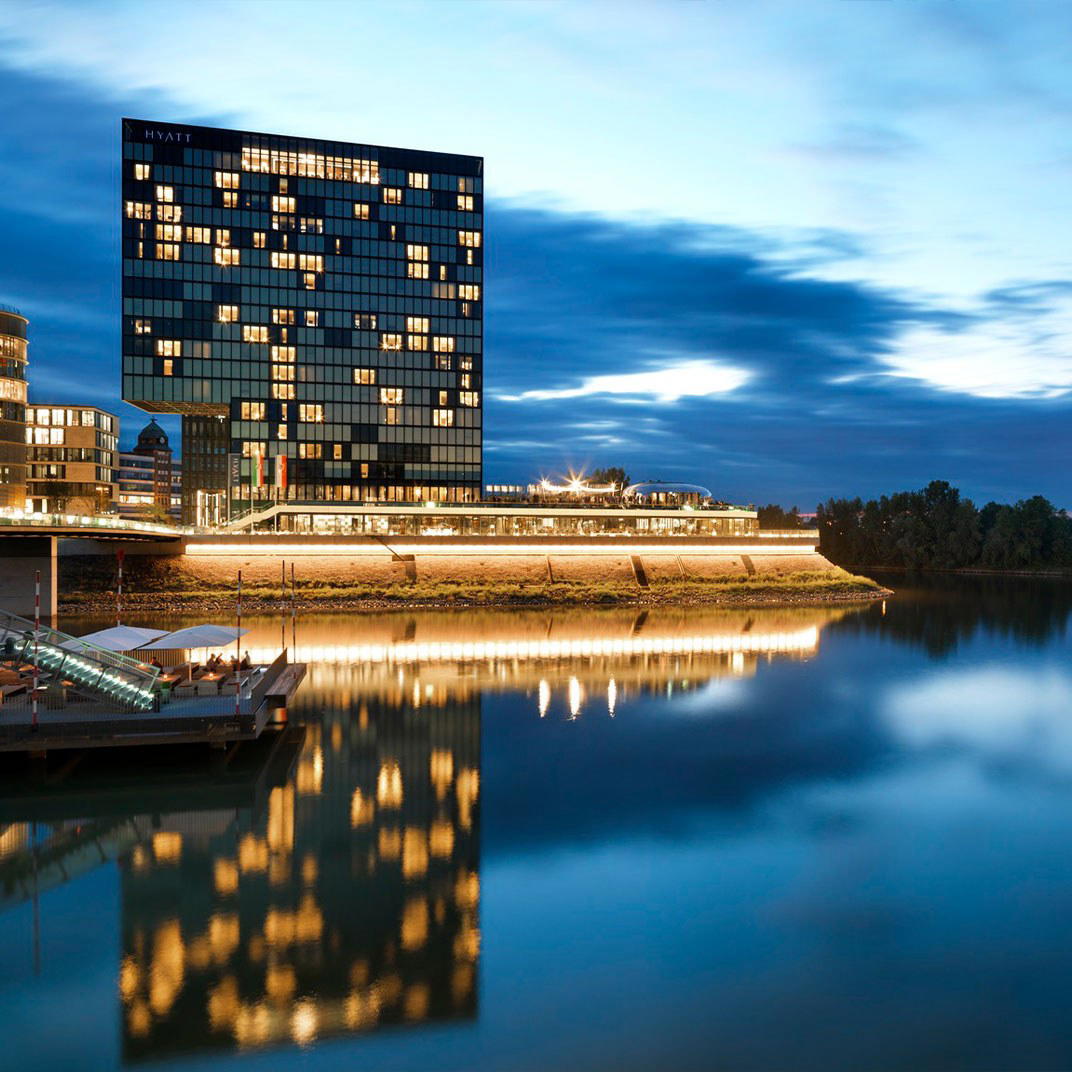
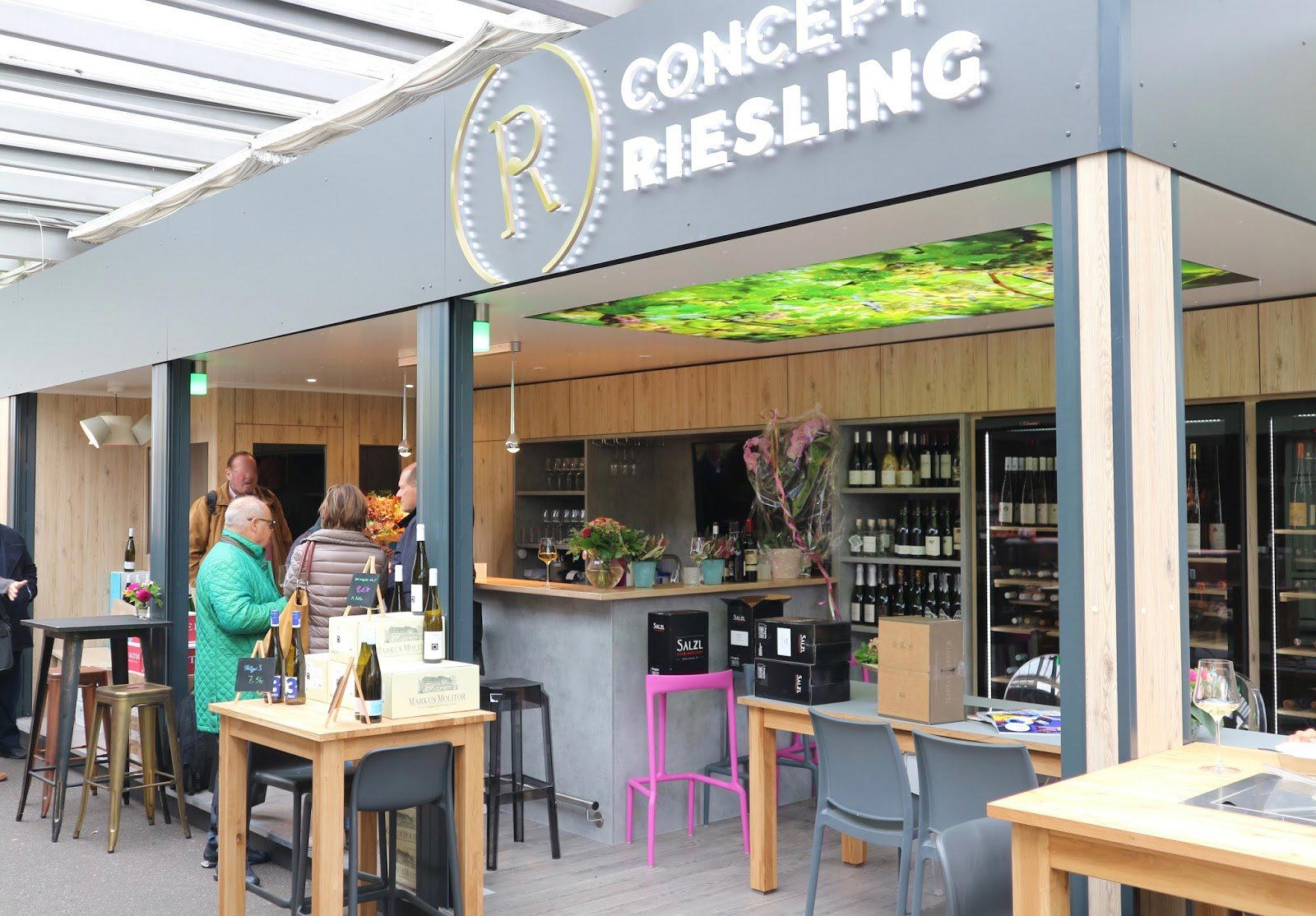
Wineries in Willich
Browse all →
At a Glance
- Rustic
- Cozy
- Special Occasion
- Brunch
- Local Sourcing
Current opening hours
- Monday
- Closed
- Tuesday
- Closed
- Wednesday
- 6–10 PM
- Thursday
- 6–10 PM
- Friday
- 6–10 PM
- Saturday
- 10 AM–2 PM, 6–10:30 PM
- Sunday
- 10 AM–2 PM, 5–9:30 PM
Hours can change for holidays and private events. Last verified .
Know Before You Go
- Getting there
- Klosterweg 32, 47877 Willich, Germany