Our verdict
Bahnhof Nord occupies an address in Bottrop's northern quarter, placing it within a city better known for industrial heritage than fine dining.

Pearl is the En Primeur Club membership app — saves, bookings, and concierge access live there. Same editors, same standards.
- Address
- Am Vorthbach 10, 46240 Bottrop, Germany
- Phone
- +492041988944
- Hours
- Mon–Wed ClosedThu–Sat 6–11 PMSun Closed
- Website
- bahnhofnord.de
- Directions
- Get directions
- Booking
- Book on the venue's website
Bottrop's Dining Scene and Where Bahnhof Nord Fits
The Ruhr Valley's dining identity has shifted considerably over the past two decades. Cities like Bottrop, built on coal and steel, were not historically associated with ambitious restaurants — but the post-industrial pivot has brought a quieter kind of culinary investment, less publicised than what you'd find in Düsseldorf or Hamburg, and more dependent on local word-of-mouth than national press. That context matters when approaching an address like Bahnhof Nord, located at Am Vorthbach 10 in the 46240 postcode, a northern district that sits outside Bottrop's commercial centre. In a city where restaurants rarely accumulate the kind of awards documentation that markers like Schwarzwaldstube in Baiersbronn or Aqua in Wolfsburg generate, individual venues tend to operate with less advance information available to incoming visitors — which makes on-the-ground intelligence more valuable than anything a listing can provide.
Germany's fine dining map is heavily weighted toward a handful of landmark addresses: Vendôme in Bergisch Gladbach, JAN in Munich, Victor's Fine Dining by Christian Bau in Perl. Below that stratum sits a wide and varied middle tier, including neighbourhood restaurants, regional kitchens, and local independents that serve communities rather than destination diners. Bottrop's restaurant scene belongs primarily to that middle tier, and Bahnhof Nord, based on its address and the limited data currently available, appears to operate within that local-serving framework rather than as a destination-dining proposition in the conventional sense.
What the Address Suggests
The name Bahnhof Nord, Northern Station, implies a proximity to or association with Bottrop's northern rail infrastructure, a naming convention common in older German towns where businesses anchored themselves to transit points as a locational signal. Am Vorthbach, the street itself, traces a modest urban channel in the northern residential and light-commercial zone of the city. In European dining terms, these kinds of addresses, away from pedestrianised shopping streets, in areas shaped more by daily life than leisure spending, often produce restaurants with a strong local clientele and a lower media profile than their urban counterparts. The trade-off is that the cooking, when good, tends to be less performative and more direct.
For comparison, consider how Germany's most ingredient-focused kitchens, from the produce-driven tasting menus at ES:SENZ in Grassau to the regional sourcing philosophy at Schanz in Piesport, anchor their identity in specific supply chains and seasonal rhythms. That kind of sourcing rigour is now a baseline expectation at Germany's Michelin-tracked addresses. Venues operating outside that documentation layer, as Bahnhof Nord currently appears to do, set their own terms, and those terms are often leading read in person rather than in advance.
Ingredient Sourcing and Regional Cooking in the Ruhr
The Ruhr Valley does not have the agricultural identity of, say, the Moselle wine corridor or the Black Forest's game-and-mushroom terrain. It is an urban-industrial landscape, which means restaurants in cities like Bottrop typically source from regional wholesale markets, established supplier networks running from the Lower Rhine plains, and in some cases direct farm relationships maintained by long-tenured kitchen teams. This is a different model from the hyper-local sourcing narratives common at destination restaurants in rural Germany, like Waldhotel Sonnora in Dreis, where proximity to specific terroir is part of the dining proposition.
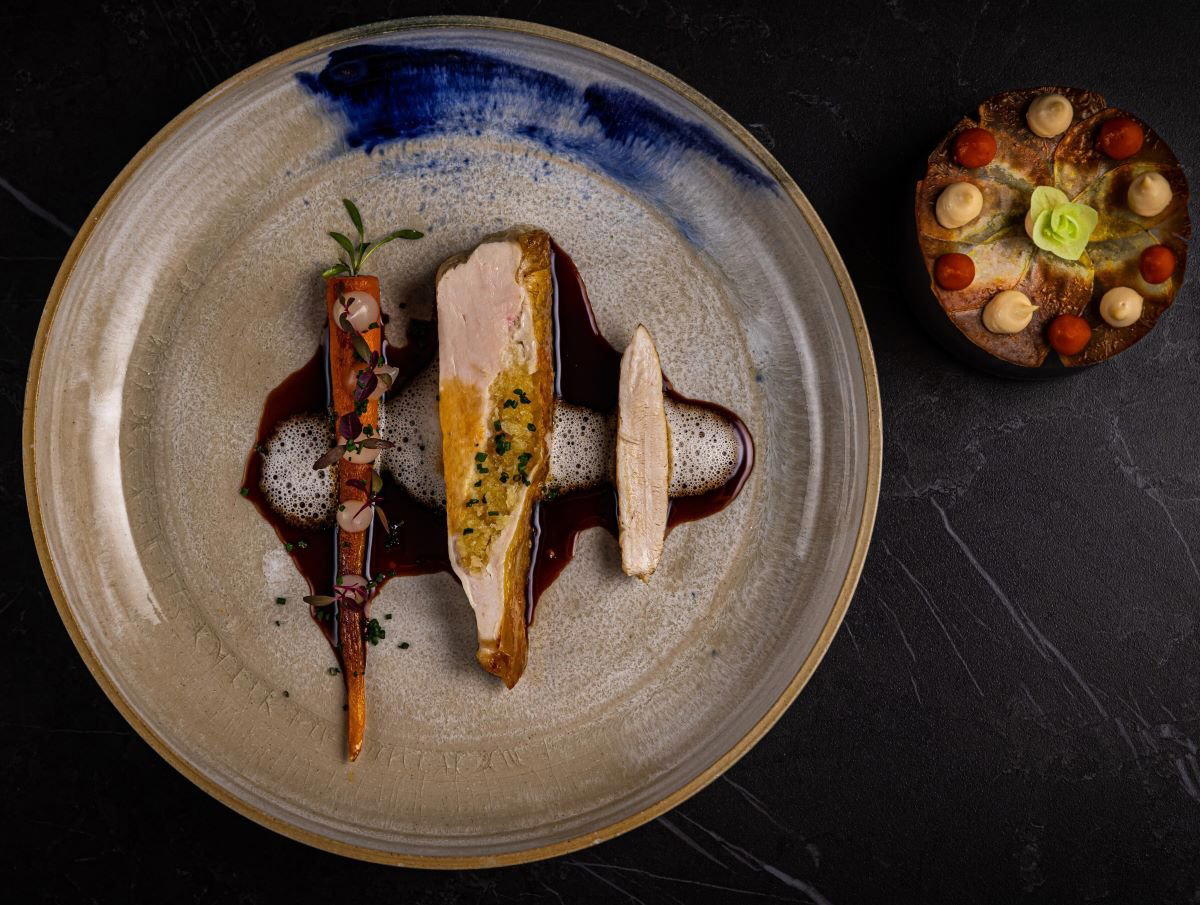
In urban Ruhr kitchens, sourcing intelligence tends to live with the cook rather than the marketing copy. What arrives on the plate reflects relationships built over years with butchers, fishmongers, and seasonal produce traders, relationships that don't show up in press releases but do show up in the quality and consistency of what gets served.
Planning a Visit
The address, Am Vorthbach 10, 46240 Bottrop, is accessible within the city's northern districts, and Bottrop itself is well-connected within the Ruhr transport network, sitting between Essen and Oberhausen with direct rail access from both. Visitors coming from further afield and treating Bottrop as a day-trip destination from a larger base city will find the logistics manageable.
For visitors building a fuller picture of dining in this part of Germany, our full Bottrop restaurants guide covers the city's options with more context. Beyond Bottrop, the wider Rhineland-Westphalia region offers a range of documented dining, from the creative format of CODA Dessert Dining in Berlin to the classical French positioning of Restaurant Haerlin in Hamburg. If your broader itinerary includes the southwest, Bagatelle in Trier, L.A. Jordan in Deidesheim, and GästeHaus Klaus Erfort in Saarbrücken are among the region's more documented addresses, each with a distinct position in the German fine dining tier.
In Bottrop itself, Pikilia represents another local option worth cross-referencing when building an evening around the city. For those whose interests extend to American comparison points at the ingredient-sourcing end of the spectrum, Le Bernardin in New York City and Lazy Bear in San Francisco illustrate how sourcing provenance functions as a central editorial and menu-design tool in high-commitment kitchens, a useful frame for evaluating any restaurant where ingredient transparency is a stated or implied priority.
Additional southwestern German reference points include Ösch Noir in Donaueschingen, which sits within a hotel format not unlike some of the Ruhr Valley's more established dining rooms. Each of these addresses operates with a level of documented data that Bahnhof Nord currently lacks, which is not a judgement on the restaurant's quality, but a practical note for visitors who rely on advance research before committing to a table.
Frequently asked questions
Is Bahnhof Nord a family-friendly restaurant?
Based on the venue's location at Am Vorthbach 10 in Bottrop — a working-class Ruhr city with a predominantly neighbourhood-dining culture — it is reasonable to expect a setting oriented toward local regulars rather than destination fine dining. Whether that translates into a family-ready environment with children's menus or flexible seating is something best confirmed directly with the venue before visiting, as those specifics are not currently on record.
Is Bahnhof Nord near Bottrop's city centre, and how do I get there?
Bahnhof Nord is located at Am Vorthbach 10, 46240 Bottrop — a northern Bottrop address consistent with proximity to the city's rail corridor. Bottrop sits within the Ruhr metropolitan area, making it accessible by regional train connections from Essen and Oberhausen. Precise transit options and walking distances are best confirmed via local routing tools ahead of your visit.
Where exactly is Bahnhof Nord?
Bahnhof Nord is located at Am Vorthbach 10, 46240 Bottrop, Germany, Bottrop.
A Quick Peer Check
| Venue | Cuisine | Price | Awards | Notes |
|---|---|---|---|---|
| Bahnhof NordThis venue — the venue you are viewing | Modern German & Mediterranean | $20–30 | Not listed | Not listed |
| Schwarzwaldstube | Modern French Fine Dining | $150–200 | 3 Michelin Stars · World's 50 Best #47 | French, Classic French |
| Aqua | Modern European Fine Dining | Not listed | 3 Michelin Stars · World's 50 Best #33 | Contemporary German, Italian/Japanese, Creative |
| Vendôme | Modern German Haute Cuisine | $200–300 | 2 Michelin Stars · World's 50 Best #47 | Modern European, Creative |
| CODA Dessert Dining | Dessert-Inspired Fine Dining | $200–300 | 2 Michelin Stars · World's 50 Best #79 | Creative |
| Tantris | Modern French Fine Dining | $300–500 | 2 Michelin Stars · World's 50 Best #73 | Modern French, French Contemporary |
Continue exploring
More in Bottrop
Restaurants in Bottrop
Browse all →
Bars in Bottrop
Browse all →
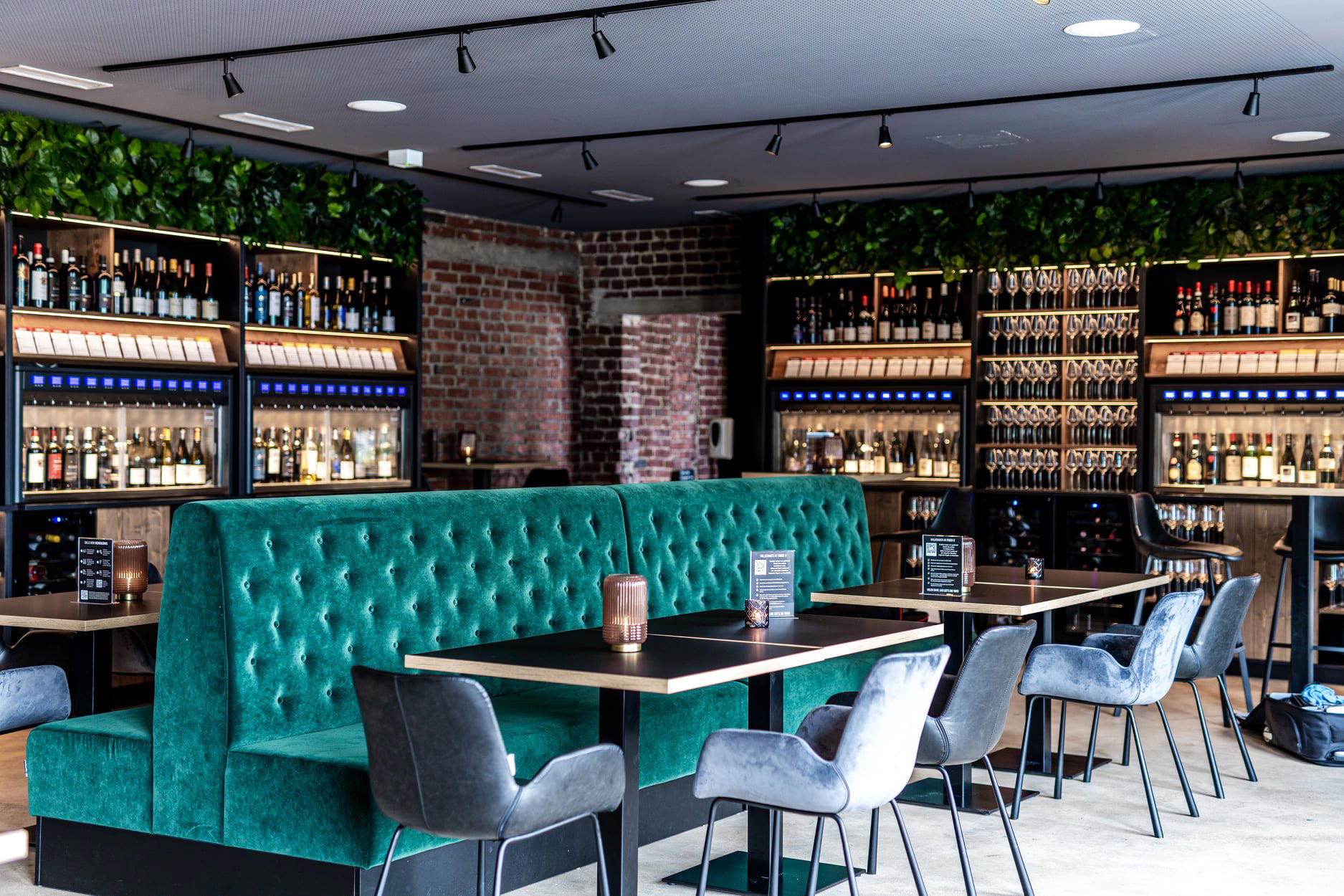
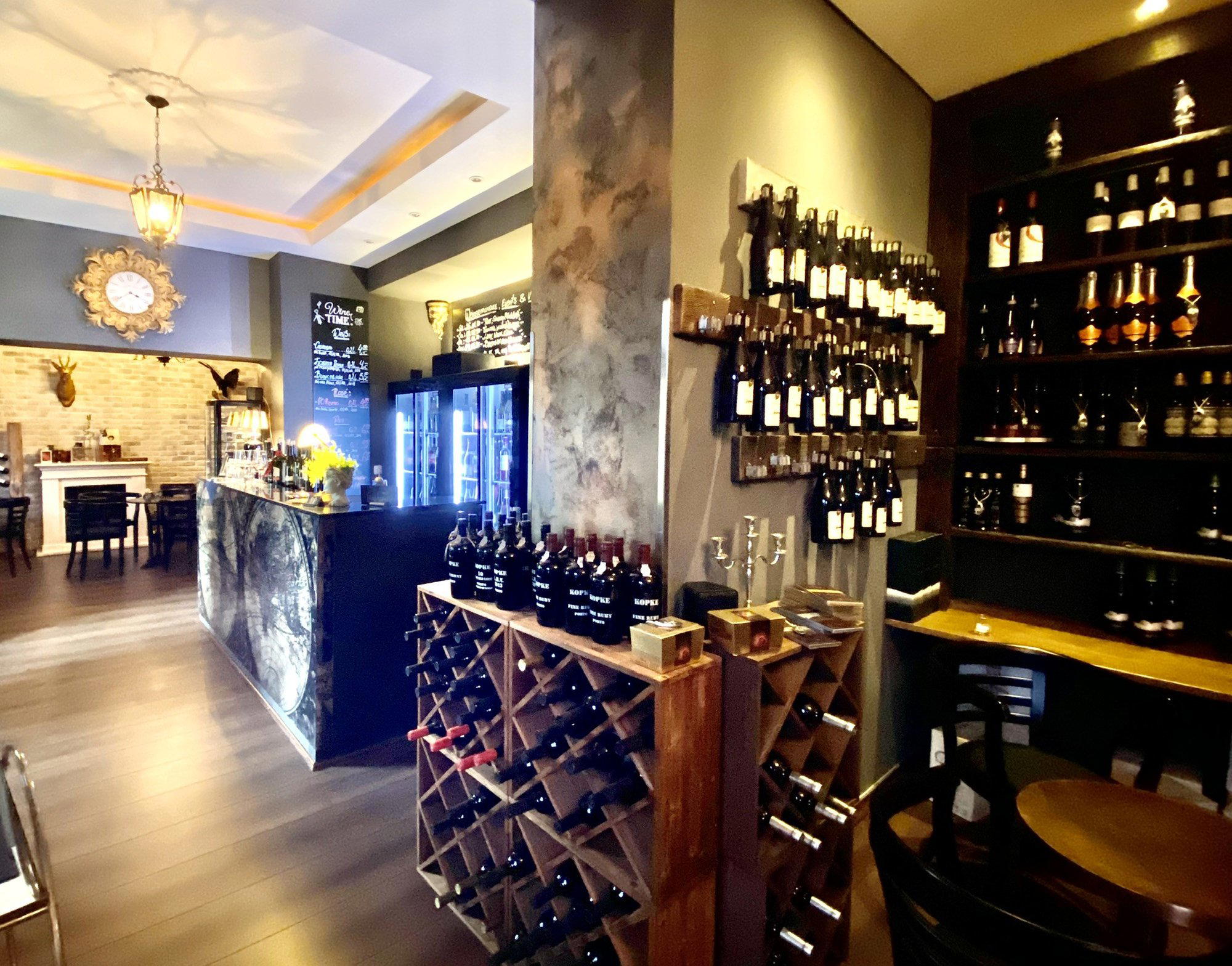
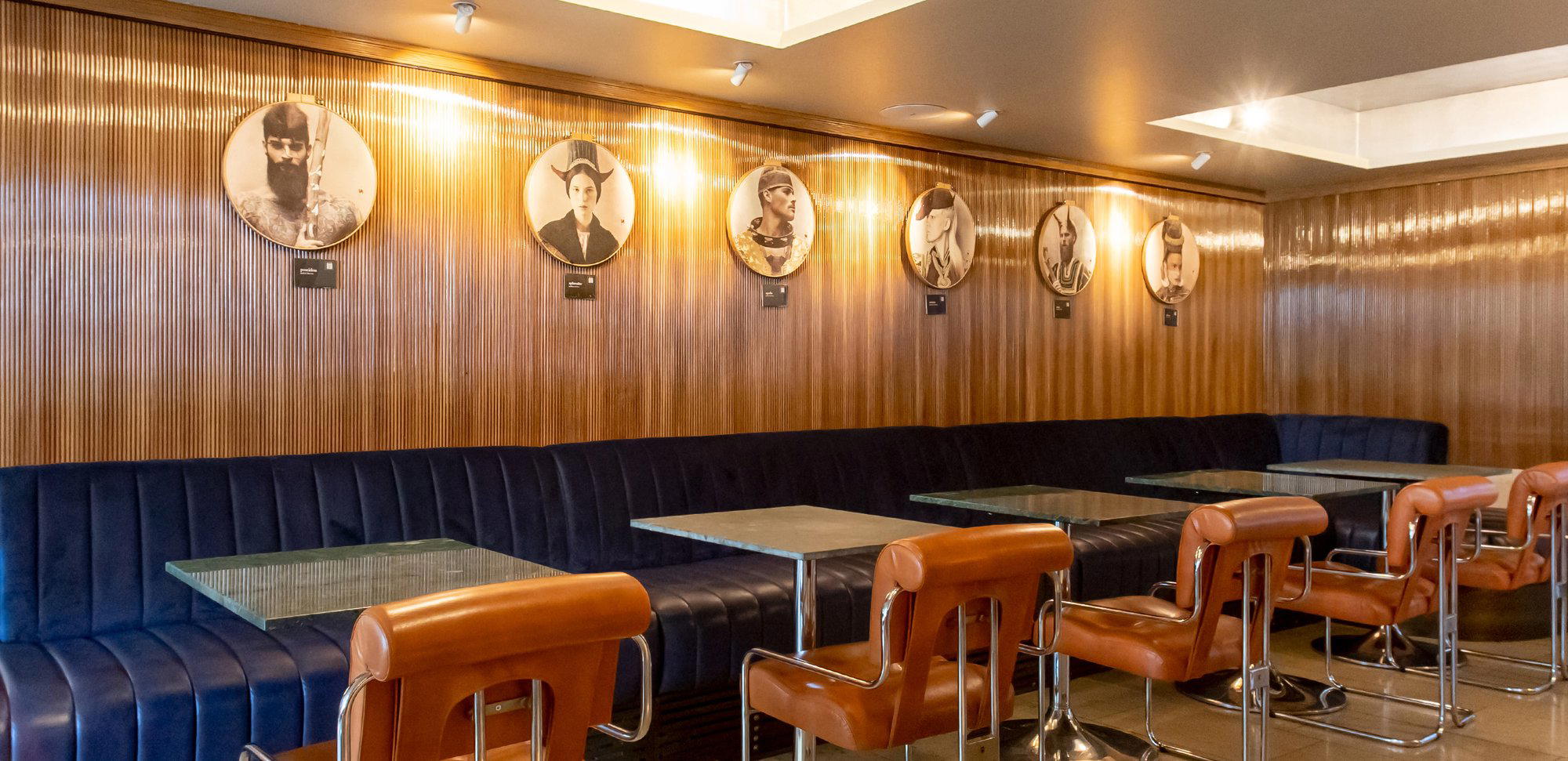
Hotels in Bottrop
Browse all →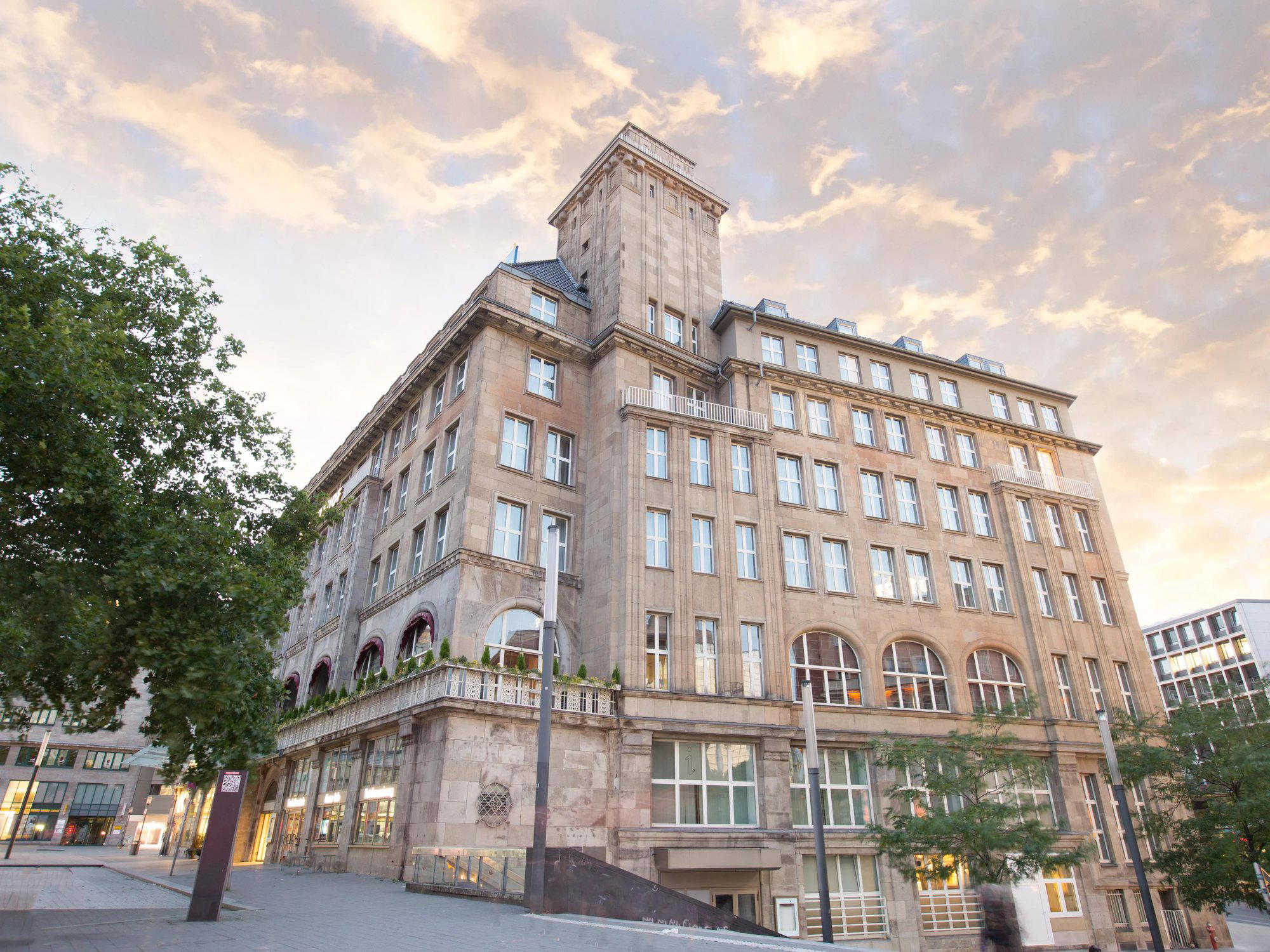
Wineries in Bottrop
Browse all →
Bahnhof Nord
The wine
- Wine program
- Curated wine list
- Extensive wine list
Details
- Historic
- Elegant
- Romantic
- Cozy
- Special Occasion
- Group Dining
- Celebration
- Historic Building
- Extensive Wine List
- Local Sourcing
- A La Carte
- Vegetarian Friendly
- Vegan Options
- Gluten Free Options
Current opening hours
- Monday
- Closed
- Tuesday
- Closed
- Wednesday
- Closed
- Thursday
- 6–11 PM
- Friday
- 6–11 PM
- Saturday
- 6–11 PM
- Sunday
- Closed
Hours can change for holidays and private events. Last verified .
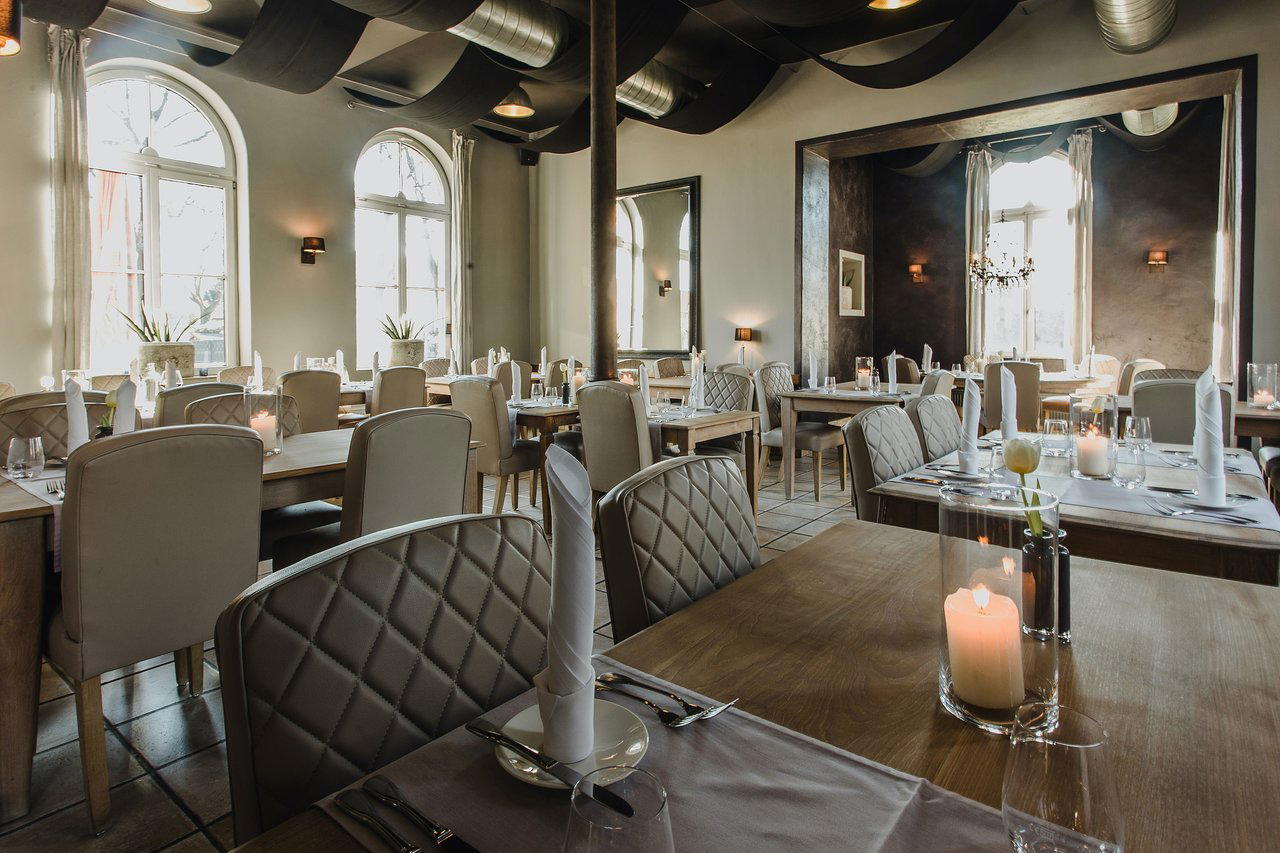
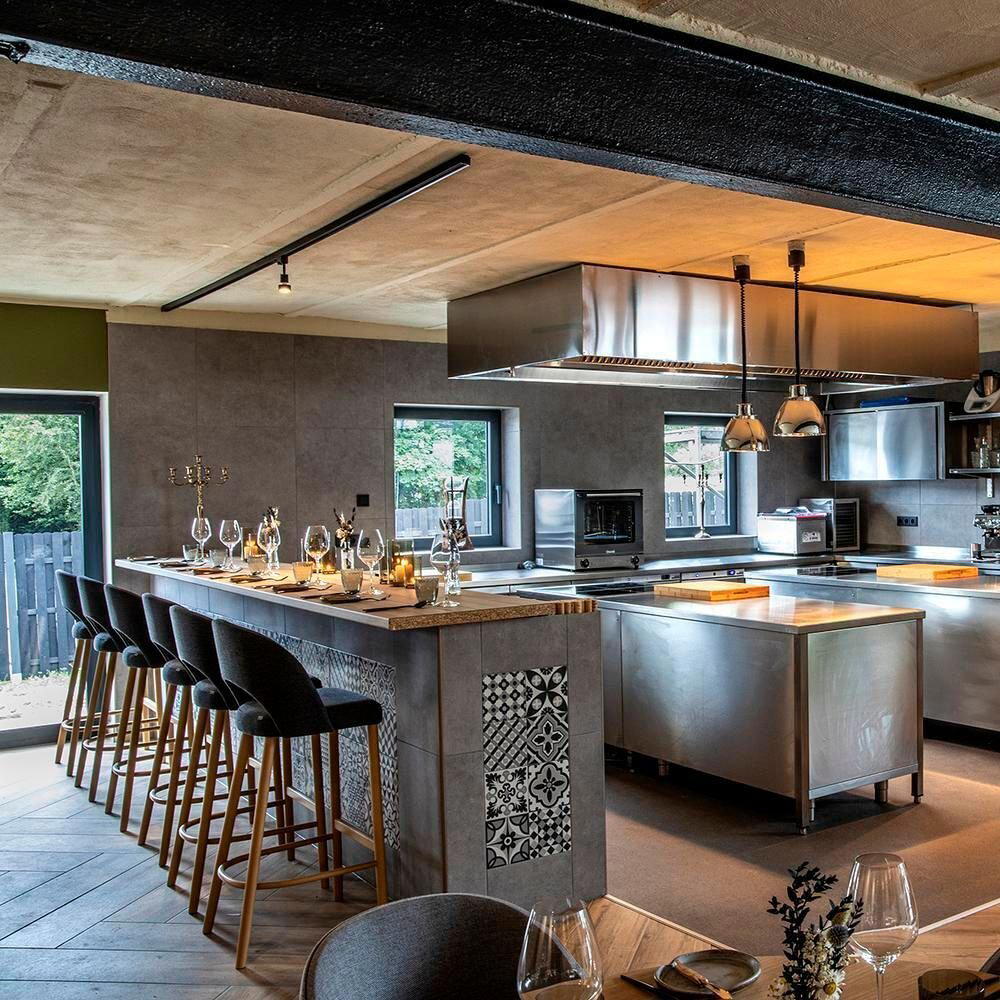
Warm, gemütlich atmosphere in preserved historic train station with elegant lighting and romantic flair.