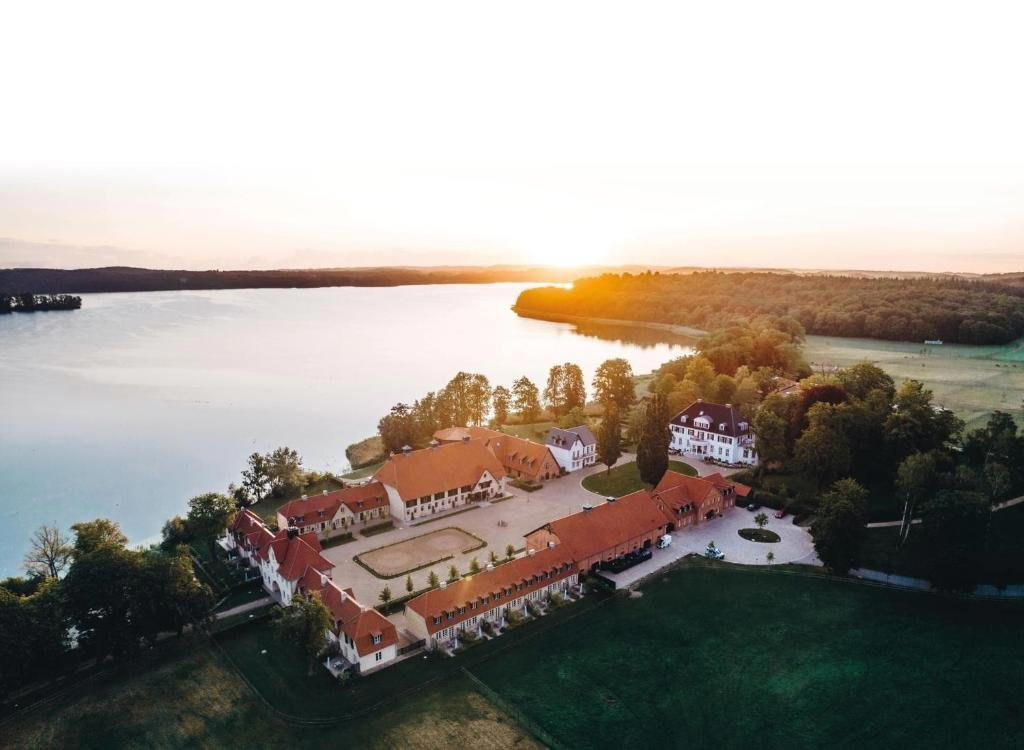
Sitting quietly in the village of Molfsee, just south of Kiel, Restaurant Kreiselmaiers occupies a corner of Schleswig-Holstein's dining scene that rewards deliberate travellers over casual tourists. The address alone, Eschenbrook 2, signals a departure from city-centre dining culture, placing the kitchen in proximity to the agricultural land and coastline that define northern German ingredient traditions. For anyone tracing Germany's regional fine dining beyond the obvious urban circuits, Molfsee makes a compelling detour.
Pearl is the En Primeur Club membership app — saves, bookings, and concierge access live there. Same editors, same standards.
- Address
- Eschenbrook 2, 24113 Molfsee, Germany
- Phone
- +4943170570611
- Website
- kreiselmaiers.de
- Directions
- Get directions
 Saves & bookings on Pearl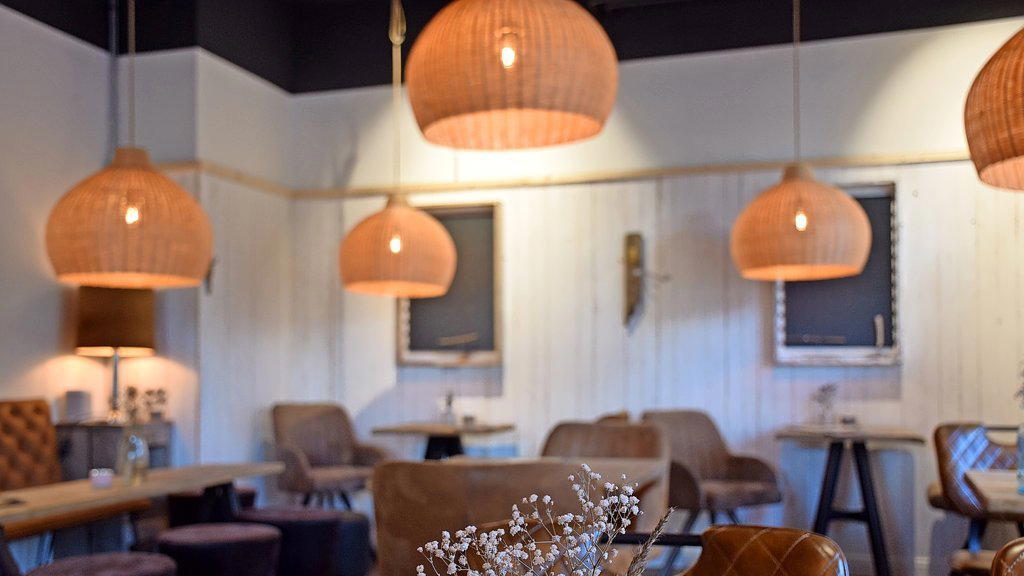
Where Schleswig-Holstein's Ingredient Culture Takes a Seat
Germany's northern reaches, the flat, wind-scoured corridor between the Danish border and the Elbe, have never attracted the same critical attention as the country's Michelin-dense south. Yet the ingredient logic of Schleswig-Holstein is as compelling as anywhere in the country: cold Baltic waters yield fish with a firmness and salinity that warmer-sea equivalents rarely match; the short growing season concentrates flavour in vegetables and grain in ways that longer-season southern produce does not; and the dairy tradition across this region is among Germany's most serious. It sits inside that local food culture rather than in spite of it.
Molfsee is better known for its open-air museum, one of Europe's larger collections of reconstructed northern European rural architecture, than for its restaurant scene. That context matters. A kitchen operating in this village is not competing for passing trade or tourist footfall. Its guests come with intention, which tends to shape both how a restaurant cooks and how its guests eat. The surrounding countryside, with working farms, direct access to the Kiel Bight coastline, and proximity to Holstein's interior agricultural belt, makes short-supply-chain sourcing a practical reality rather than a marketing posture.
Northern Germany's Regional Fine Dining Circuit
Understanding where Kreiselmaiers sits requires a short survey of how fine dining distributes across Germany outside the major cities. The country's highest-profile addresses cluster in predictable locations: Aqua in Wolfsburg, operating at the summit end of contemporary German cuisine with three Michelin stars, or Schwarzwaldstube in Baiersbronn, which has long anchored classic French technique in a Black Forest hotel setting. Creative formats like CODA Dessert Dining in Berlin represent the capital's appetite for boundary-testing concepts, while Vendôme in Bergisch Gladbach holds a different kind of authority in the west. Further south, JAN in Munich and AUGUST in Augsburg map to Bavaria's established fine dining identity.
Schleswig-Holstein operates differently from all of these. Hamburg, the region's closest metropolitan anchor, has its own serious dining tier, Restaurant Haerlin among them, but the city is an hour's drive south of Kiel, and Kiel itself is not a conventional dining destination. That relative isolation is precisely what gives kitchens like Kreiselmaiers their particular character. When a restaurant cannot rely on urban dining culture to set guest expectations, it tends to anchor itself more firmly in its physical environment. The cuisine that emerges from such kitchens often reflects where they are more honestly than restaurants operating inside a city's competitive pressure.
The Sourcing Logic of the North
The editorial angle worth spending time on here is ingredient geography. Schleswig-Holstein's food culture is built around specific raw materials: Holsteiner beef from cattle raised on the region's pastureland; fish from the Baltic and the North Sea, including cod, flounder, and the regional staple of smoked sprat; root vegetables and brassicas that perform well in the cool maritime climate; and butter and cream from a dairy tradition that Holstein cattle, the breed's namesake, made famous globally. A kitchen in Molfsee has access to this supply chain at shorter distance than virtually any Hamburg address.
This matters because it shapes what a menu can do honestly. The farm-to-table language that has become standard in urban fine dining is often a marketing approximation of sourcing relationships that are, in practice, several supply chain steps removed from the actual producer. In a village setting like Molfsee, those relationships tend to be more literal: the gap between field, water, and plate is shorter in both kilometres and handling. Peer kitchens that operate on this logic elsewhere in Germany include ES:SENZ in Grassau, which draws from Alpine Bavarian producers, and Schanz in Piesport, positioned inside the Moselle's wine and agricultural landscape. Internationally, the template has precedent in how kitchens like Le Bernardin in New York City have built their identity around a single-source ingredient category, in that case, seafood, with institutional discipline.
Setting and Practical Orientation
Molfsee sits roughly six kilometres south of Kiel's city centre. For visitors arriving from Hamburg, the drive runs approximately 90 minutes on the A7 motorway. Kiel's main railway station connects to Hamburg Hauptbahnhof with regular InterCity services, making Molfsee accessible by public transport for those willing to continue by taxi or local bus from Kiel. The village setting means the physical environment around Kreiselmaiers is quieter than any city restaurant experience: the surrounding area is open farmland and low woodland, with the open-air museum close by. Visitors combining a trip to Molfsee with time in Kiel can also reach the city's waterfront and fjord easily.
For anyone building a northern German dining itinerary that takes regional specificity seriously, Molfsee fits naturally alongside a broader circuit. The Rhine and Moselle valleys have their own fine dining cluster, from Waldhotel Sonnora in Dreis to Bagatelle in Trier. Further south and west, addresses like Victor's Fine Dining by Christian Bau in Perl, ATAMA by Martin Stopp in Sankt Ingbert, and ammolite - The Lighthouse Restaurant in Rust anchor the Saarland and Black Forest ends of Germany's regional circuit. Kreiselmaiers and its immediate neighbour Bärenkrug represent the northern coordinates of that map. Our full Molfsee restaurants guide covers both in more detail alongside the broader context of dining in this part of Schleswig-Holstein.
Those planning a trip from further afield, particularly travellers already routing through Scandinavia or the Baltic states, will find Kiel a logical waypoint. The city operates ferry connections to Oslo and Gothenburg, which makes a Molfsee dinner a plausible addition to a larger Nordic itinerary. The framing matters: Kreiselmaiers is not a destination that rewards impulse. It rewards planning, and the kind of traveller willing to treat a small village south of Kiel as a genuine dining destination will find that the northern German ingredient tradition gives the kitchen something real to work with.
For international comparison, the model of a serious kitchen operating at deliberate remove from metropolitan pressure is not specific to Germany. Atomix in New York City shows how a kitchen can build authority through discipline and specificity rather than location advantage, a principle that applies equally, if differently, to a village address in Schleswig-Holstein.
Comparable Spots, Quickly
Comparable venues nearby, for context on price, style, and recognition.
| Venue | Cuisine | Price | Notes |
|---|---|---|---|
| restaurant kreiselmaiersThis venue — the venue you are viewing | German Bistro with Mediterranean Influences | $$ | Not listed |
| Bärenkrug | Traditional German Regional | $$ | Molfsee |
| Henny's | German, Sushi & Italian Fusion | $$ | Barmbek |
| Paulaner's Miraculum | Bavarian Brewery Cuisine | $$ | St. Georg |
| Hofbräu München | Bavarian German Wirtshaus | $$ | St. Georg |
| Krameramtsstuben | Traditional Hamburg German | $$ | Neustadt |

At a Glance
- Cozy
- Rustic
- Casual Hangout
- Family
- Business Dinner
- Open Kitchen
Current opening hours
- Monday
- 11:30 AM–10 PM
- Tuesday
- 11:30 AM–10 PM
- Wednesday
- 11:30 AM–10 PM
- Thursday
- 11:30 AM–10 PM
- Friday
- 11:30 AM–10 PM
- Saturday
- 5–10 PM
- Sunday
- 12–10 PM
Hours can change for holidays and private events. Last verified .
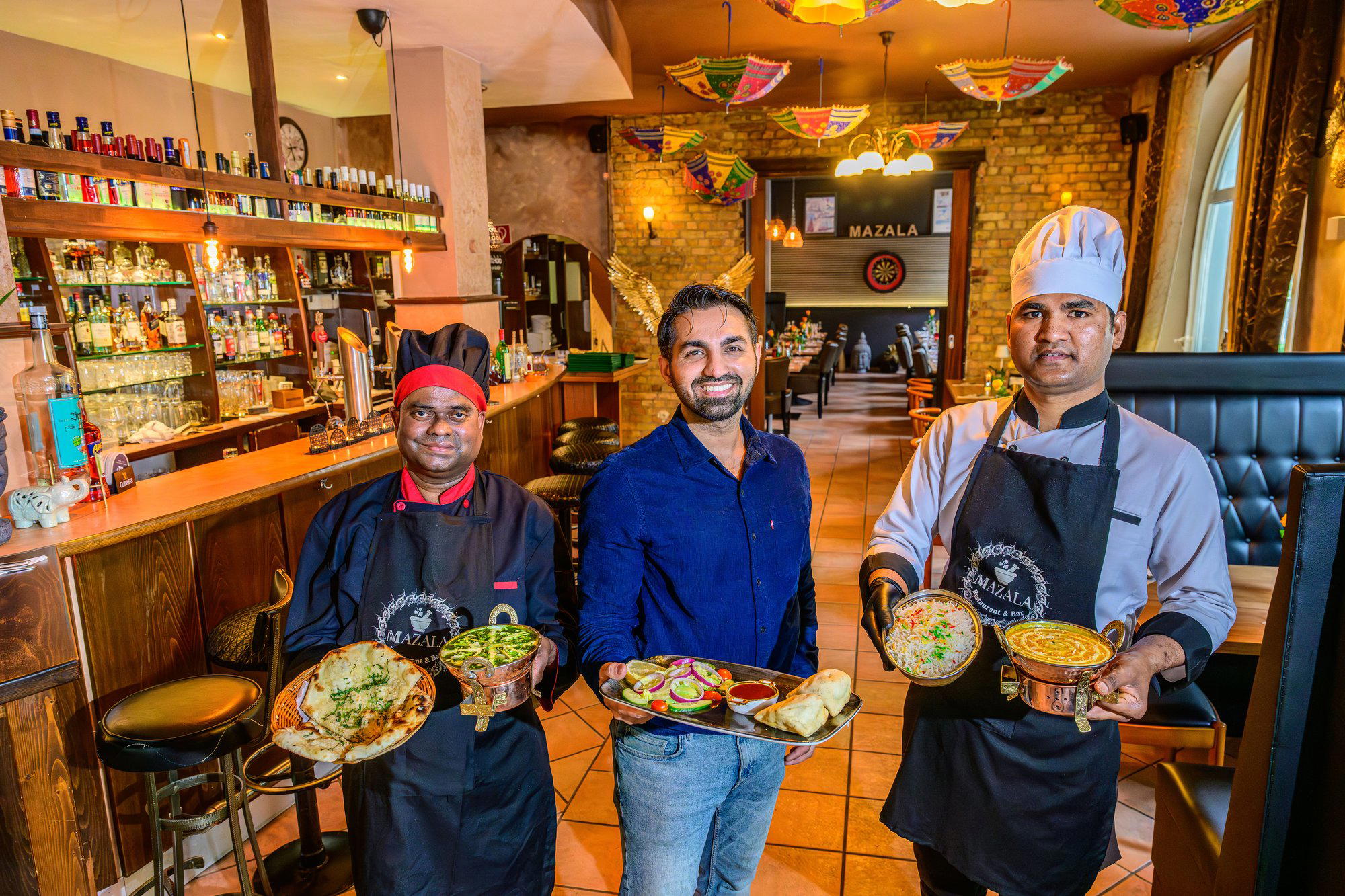
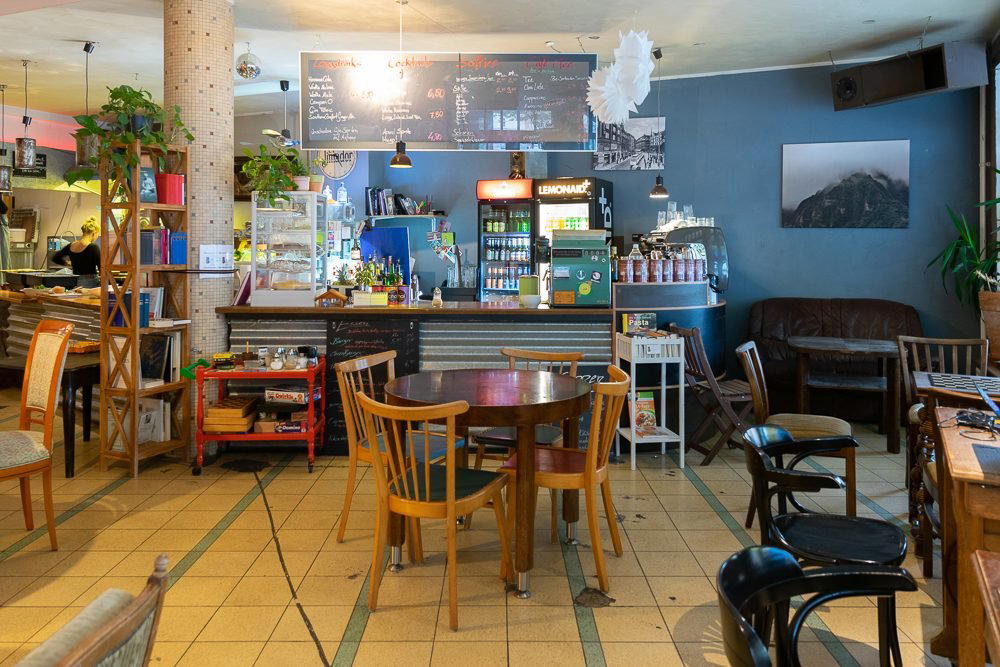
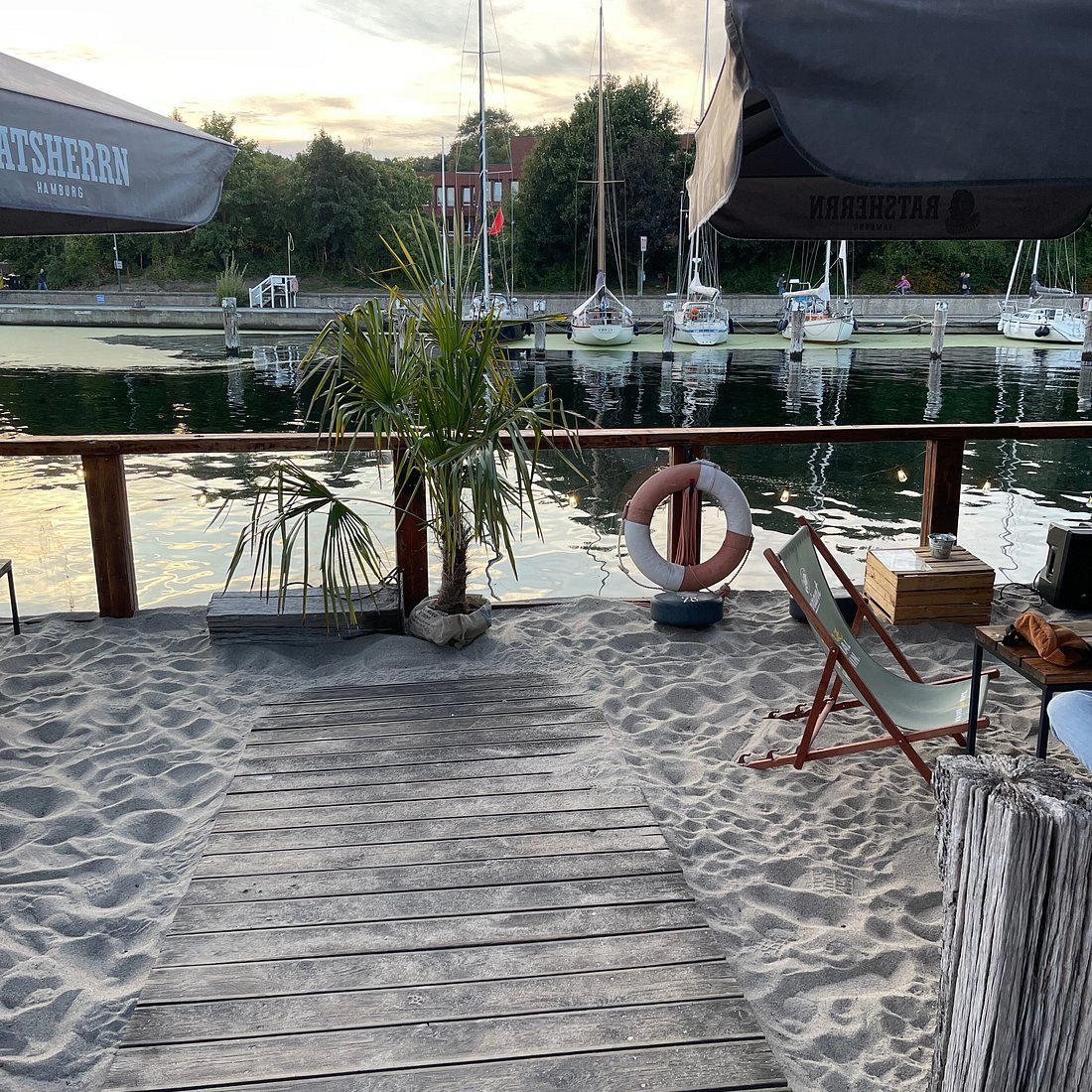
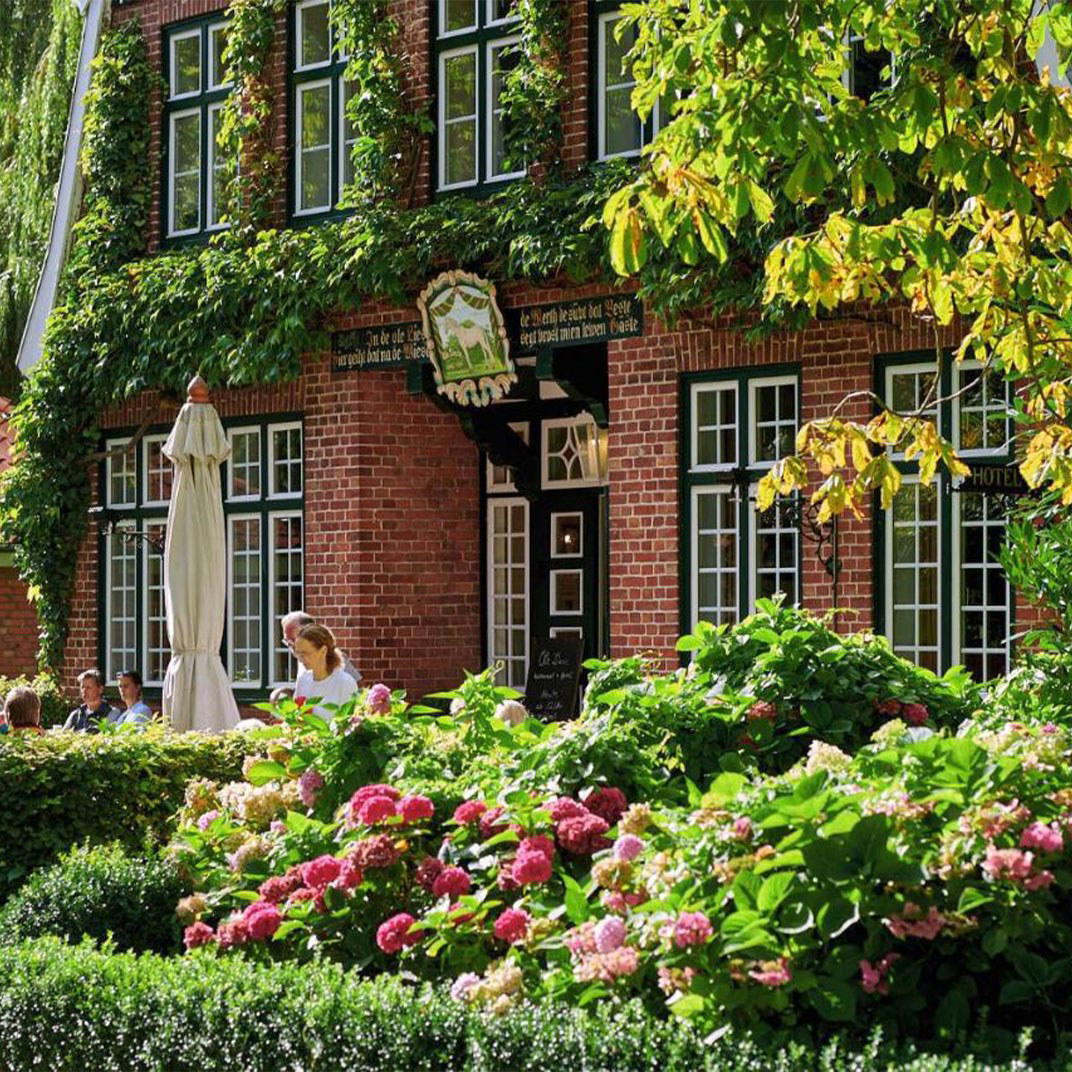
Warm colors, subtle lighting, and a partly rustic, alternative interior creating an inviting and cozy dining experience.