
Tabelog 100 #80
Our verdict
Restaurant Katsura belongs to Tokyo’s old-school yoshoku tradition, where Western-derived cooking is filtered through Japanese lunch-counter discipline rather than fine-dining theatre. Its Tabelog 100 Yoshoku EAST 2025 selection, 42-seat format, and Nihonbashi-Muromachi address place it in a category that rewards consistency, value, and neighborhood utility as much as polish.

Pearl is the En Primeur Club membership app, where members save venues, book tables and use the concierge.
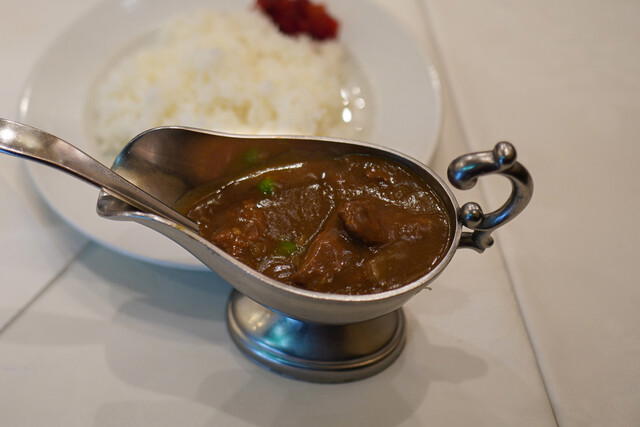
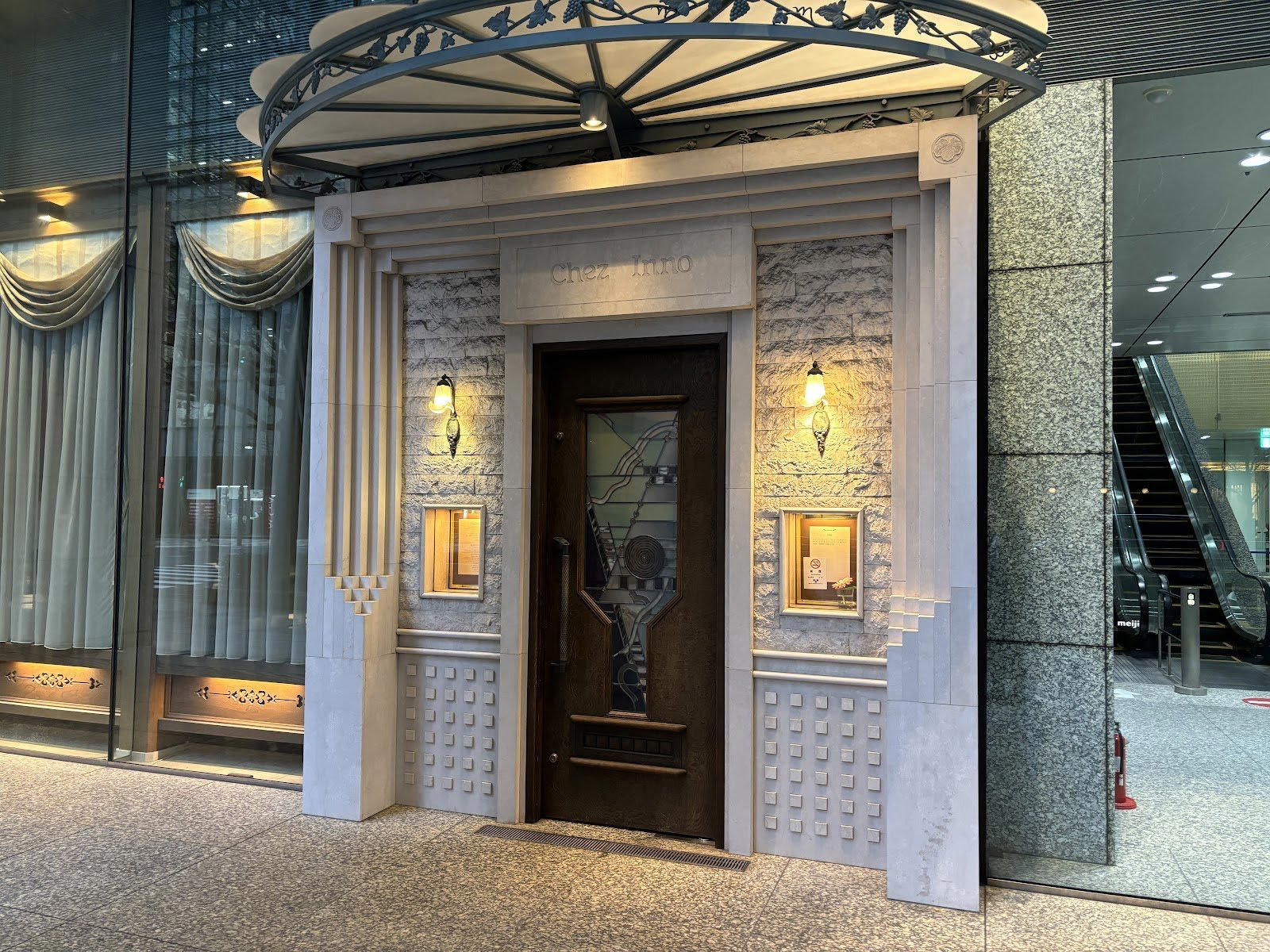
Approaching Restaurant Katsura in Tokyo, the mood is framed less as high-formality spectacle than as a straightforward city dining room. This is a place to read through Tokyo’s everyday restaurant culture rather than through ceremony alone. Restaurant Katsura sits in the lineage of yoshoku, the Japanese interpretation of Western cooking that has become part of the city’s restaurant grammar.
Yoshoku is often misunderstood by visitors as nostalgia food, but in Tokyo it functions more precisely as a bridge cuisine. It translates Western forms into Japanese expectations of portion, rice compatibility, sauce discipline, and lunchtime efficiency. In a city where long-established food culture and daily eating rhythms shape the way people eat, the genre carries a particular kind of authority: familiar enough for a weekday meal, exacting enough to expose weak cooking quickly.
Tokyo yoshoku in the center of the conversation
The sustainability angle here is not a branded manifesto. It is closer to the way older Japanese dining categories can reduce excess by design: set patterns, focused menus, and ingredients handled with less theatrical waste than sprawling luxury formats. The restaurant is categorized as yoshoku, which matters in a genre often associated abroad with cutlets, omelet rice, and demi-glace. In Tokyo, yoshoku sits at an interesting intersection, borrowing Western formats while remaining tied to Japanese expectations around rice, balance, and restrained plate construction.
That positioning gives the meal a different competitive frame from French-leaning rooms such as LA BONNE TABLE, Italian addresses such as farsi largo! or Japanese counters such as Waki Shun. Those restaurants belong to more explicitly curated dining formats; this address operates in a durable middle register where recognition has to be earned through consistency. A Tabelog 100 Yoshoku EAST 2025 selection is a useful signal because the category is crowded with places that live or die on regular custom rather than international tasting-menu traffic.
The broader Tokyo restaurant scene increasingly rewards two kinds of responsibility: visible sourcing language at the high end, and quieter operational discipline at everyday level. Yoshoku’s older model belongs to the second camp. It tends to avoid unnecessary spectacle, depends on repeatable preparations, and makes sense for diners who want craftsmanship without a long-form performance. That does not make every yoshoku room environmentally minded, but it does make the category a useful lens for travelers thinking beyond luxury consumption.
Why recognition matters more in a modest genre
Awards in yoshoku carry a different meaning than Michelin stars in kaiseki or sushi. The praise is less about rarity and more about fidelity: can a restaurant keep the same standards through lunch, dinner, returning guests, and first-timers without turning itself into a destination machine? Restaurant Katsura’s Tabelog score of 3.66 and Tabelog 100 Yoshoku EAST 2025 inclusion place it inside a recognized peer group rather than simply another convenient meal in Tokyo.
The format also matters. Tokyo has countless intimate counters where scarcity creates prestige, but yoshoku usually depends on accessibility and flow. A dining-room model allows the category to serve a civic role: weekday meals, casual dinners, and solo dining that feels more composed than a chain restaurant. The point is not seclusion or culinary theater. This is everyday dining with standards.
For travelers mapping Tokyo through food traditions, this is the useful contrast. Sushi and tempura teach precision through narrow ritual; ramen and curry reveal speed, specialization, and neighborhood identity; yoshoku shows how imported ideas became ordinary Japanese comfort without losing technique. Readers building a wider itinerary can pair this kind of meal with other Tokyo dining rooms across different specialties. The point is not to chase a single genre, but to see how Tokyo organizes pleasure by specialization.
How to place it in a Tokyo itinerary
Tokyo rewards diners who leave room between appointments. The city is not only a transport network; it is a layered dining environment where long-running restaurants, casual counters, department-store food culture, and office life all shape the rhythm of meals. That makes a yoshoku meal here especially legible. It belongs to the working tempo of the city rather than to a hotel-dining circuit or a late-night bar crawl.
Restaurant Katsura fits cleanly into a day built around Tokyo rather than a meal that needs to dominate the entire schedule. The price guidance listed for the restaurant is modest by the standards of destination dining: dinner is JPY 3,000 - JPY 3,999, while lunch is JPY 1,000 - JPY 1,999. Treat it as a planned stop for yoshoku rather than as a trophy reservation, and the appeal becomes clearer.
For a broader Tokyo food map, use Our full Tokyo restaurants guide alongside other unnamed city stops and comparisons that move beyond restaurants: Our full Tokyo hotels guide, Our full Tokyo bars guide, Our full Tokyo wineries guide, and Our full Tokyo experiences guide. For readers extending the same lens across Japan and Japanese-influenced dining abroad, the more useful approach is to compare categories and rhythms rather than to force one-to-one equivalence between unrelated venues.
The editorial read is clear: come for yoshoku as a living Tokyo form, not as retro cosplay. The value lies in seeing how a recognized dining room keeps Western-derived Japanese cooking practical, repeatable, and locally useful in a city where luxury often gets the louder attention.
Price Lens
Comparable venues to place this listing in its category.
| Venue | Cuisine | Price | Awards | Notes |
|---|---|---|---|---|
| Restaurant KatsuraThis venue (the venue you are viewing) | Japanese Teppanyaki Steakhouse | Not listed | Tabelog 100 #80 | Not listed |
| Hicho Kurata | High-End Yakitori Omakase | $200–300 | Tabelog 100 #92 | Chiyoda, High-End Yakitori Omakase |
| Toku Uchiyama | Traditional Japanese Kaiseki | $200–300 | Tabelog 100 #77 | Chūō, Traditional Japanese Kaiseki |
| 鮨 銀座おのでら本店 | Edo-mae Sushi Omakase | $100–150 | Not listed | Chūō, Edo-mae Sushi Omakase |
| Takahara Kiyosumi | Kyoto-style Kaiseki | $100–150 | Michelin Plate | Kōtō, Kyoto-style Kaiseki |
| Iwai | Edo-Style Tempura Omakase | $100–150 | Tabelog 100 #90 | Chūō, Edo-Style Tempura Omakase |
Recognition history
Dated appearances from independent guides and award organizations, with the underlying list record or original source where available.
Tabelog 100 #80 · No. 80
Tabelog · Tabelog 100 - Yoshoku - EAST - 2025
Continue exploring
More in Tokyo
Restaurants in Tokyo
All restaurants in Tokyo →





Details
- Elegant
- Sophisticated
- Classic
- Intimate
- Business Dinner
- Date Night
- Celebration
- Special Occasion
- Garden
- Hotel Restaurant
- Standalone
- Sake Program
- Garden
- A La Carte
- Set Menu
- Sake
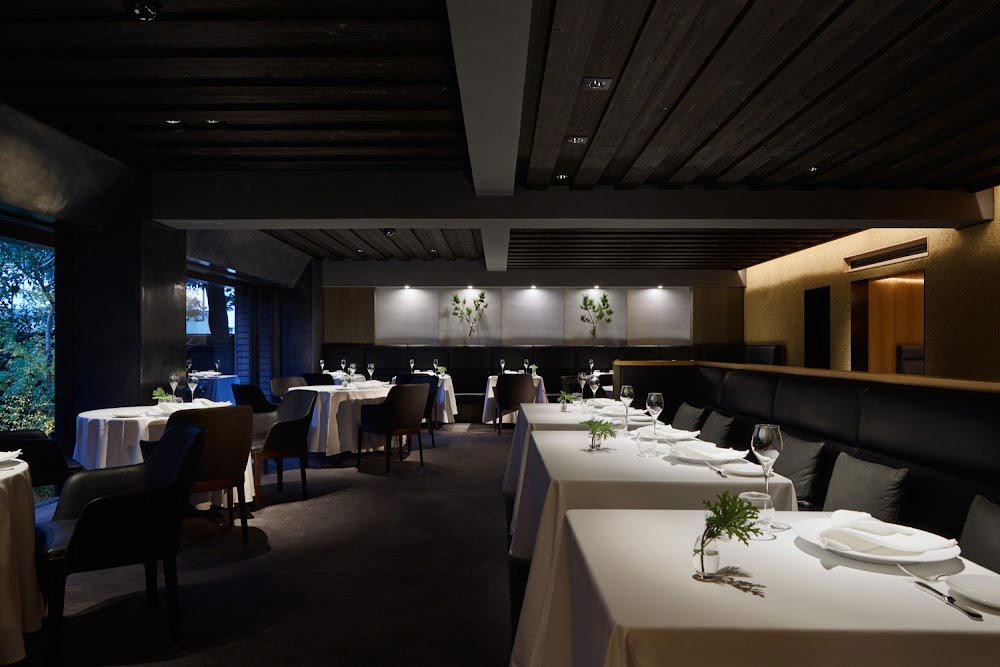
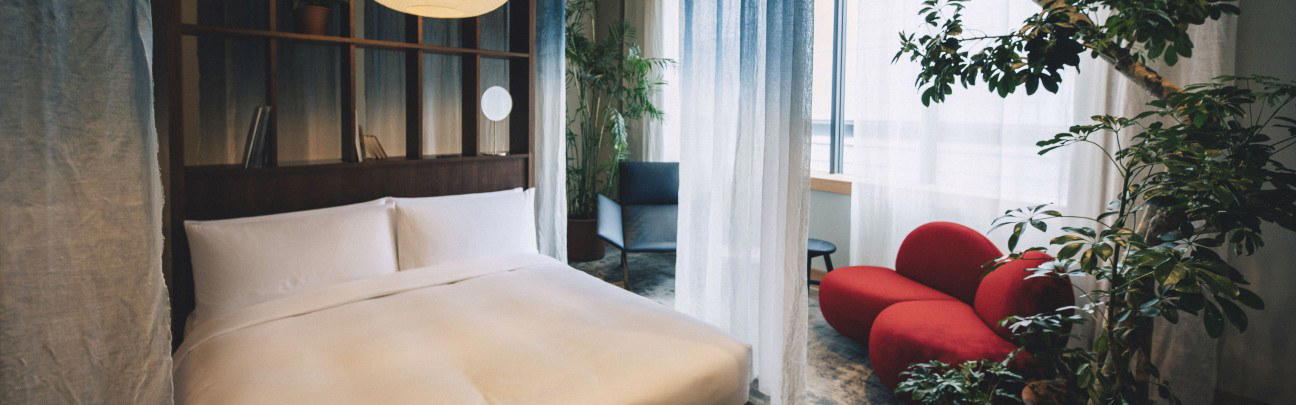
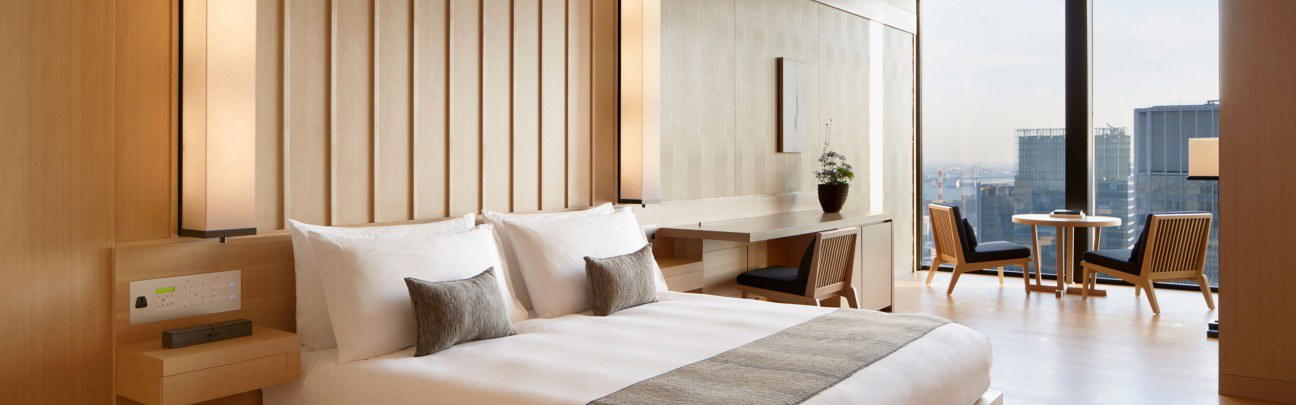
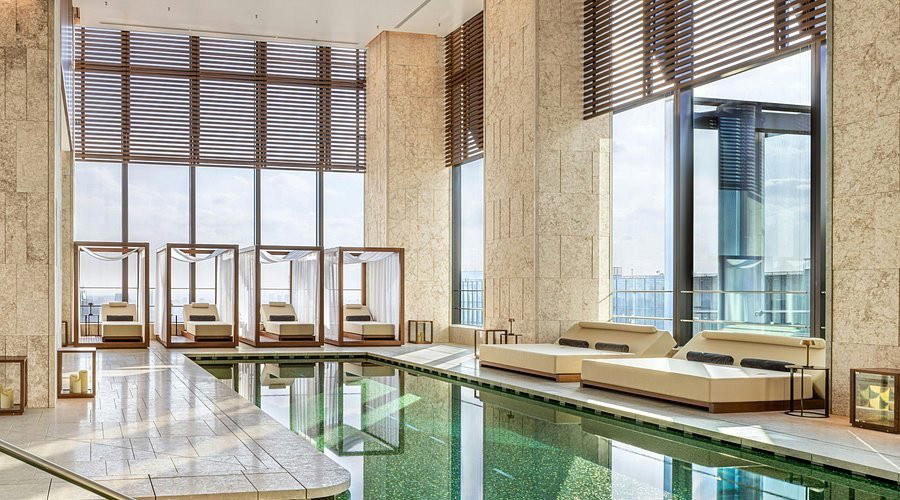
Refined and elegant, with a polished hotel-restaurant atmosphere and garden setting that makes it feel calm and upscale.