Restaurant Judith

Restaurant Judith holds a Michelin Plate recognition for 2025, placing it among the credentialed modern cuisine addresses in the Gelderland countryside around Brummen. The kitchen operates at the €€€ price tier, positioning it above casual regional dining but within reach of serious food travellers exploring the Netherlands beyond its major cities. For those tracing Dutch modern cuisine into rural terrain, it warrants a dedicated visit.
Pearl is the En Primeur Club membership app — saves, bookings, and concierge access live there. Same editors, same standards.
- Address
- Eerbeekseweg 6, 6971 LB Brummen, Netherlands
- Phone
- +31 575 569 999
- Website
- restaurantjudith.nl
- Directions
- Get directions
 Saves & bookings on Pearl
Countryside Credentials: Modern Cuisine in the Gelderland Interior
The eastern Netherlands has a quiet but consistent tradition of placing serious kitchens in agricultural landscapes far from the institutional restaurant circuits of Amsterdam or Rotterdam. In the Achterhoek and Veluwe fringe, where Brummen sits between forested hills and working farmland, that tradition takes a particular form: restaurants that draw directly from the land surrounding them, treating proximity to ingredients not as a marketing position but as an operational reality. Restaurant Judith, located on Eerbeekseweg in Brummen, holds a Michelin Plate for 2025, the guide's signal that cooking here meets a standard worth noting. At the €€€ price tier, it sits in the middle band of serious Dutch dining, below the four-symbol rooms like De Librije in Zwolle or Aan de Poel in Amstelveen, but clearly above the regional casual tier.
What the Michelin Plate Signals in This Context
A Michelin Plate is not a star, and it is worth being precise about what it means. The designation indicates that the guide's inspectors found cooking of sufficient quality and consistency to warrant explicit recognition, without yet meeting the threshold for a star award. In the Netherlands, that threshold is competitive: the country has a density of Michelin-recognised restaurants that sits well above its geographic size, and a Plate in the Dutch countryside represents a meaningful bar cleared. For comparison, De Groene Lantaarn in Staphorst and De Swarte Ruijter in Holten operate in the same regional tier, representing a pattern of credentialed modern kitchens distributed across the eastern Dutch interior rather than concentrated in urban centres. Restaurant Judith belongs to that pattern.
The Ingredient Geography of the Veluwe Fringe
The editorial angle that most honestly frames a kitchen in this location is sourcing. The Veluwe region produces game, dairy, and foraged material at volumes and qualities that urban kitchens pay premiums to access. Brummen's position at the edge of this zone, where cultivated agricultural land meets the wooded Veluwe interior, gives local kitchens a sourcing radius that is genuinely different from what is available to city restaurants working through wholesale networks. Modern cuisine in this context tends to organise itself around the seasonal calendar of that immediate geography: spring brings wild garlic and early greens from the forest edge; autumn delivers game and root vegetables from the surrounding farmland; winter narrows the menu to what stores well and what the woods still yield.
This sourcing logic is not cosmetic regionalism of the kind that places a token local cheese on a menu otherwise built from imported produce. At the €€€ price point, restaurants in this part of the Netherlands that hold Michelin recognition typically commit to it more substantively, building dish architecture around what arrives from nearby rather than treating local ingredients as finishing touches. That commitment is what distinguishes the serious countryside kitchen from the rural restaurant that borrows fine-dining vocabulary without the underlying supply relationships to support it.
The geographic specificity of ingredient sourcing is one of the more reliable distinguishing features between serious regional kitchens and generic modern cuisine delivered in a rural setting.
Brummen in the Dutch Fine Dining Map
Brummen is not a destination that appears on most itineraries. That relative obscurity is a function of scale rather than quality: the town sits in Gelderland, roughly equidistant from Arnhem and Zutphen, in a part of the country that draws visitors for landscape and history rather than gastronomy. The presence of Restaurant Judith with Michelin recognition, alongside Restaurant Kasteel Engelenburg, suggests that the municipality has more credentialed dining than its size might suggest.
Zooming out to the national picture, the eastern Netherlands has produced a consistent cluster of recognised modern cuisine addresses, from De Lindehof in Nuenen to De Lindenhof in Giethoorn and Brut172 in Reijmerstok. The restaurant participates in that broader pattern: a kitchen operating in a provincial setting, recognised by the guide that matters most in the Dutch market, at a price point that reflects genuine ambition without reaching the top tier. For readers tracing that map, our full Brummen restaurants guide provides the broader local context.
Planning a Visit
The restaurant's address on Eerbeekseweg places it outside the town centre, which is typical for this category of countryside kitchen. Booking ahead is advisable.
At the €€€ tier, expect to budget around €80 per person. Visitors planning a broader Brummen or Gelderland stay can use the relevant local guides to build out the visit. For those extending further into the Dutch modern cuisine circuit, Fred in Rotterdam, De Bokkedoorns in Overveen, and Borkonyha Winekitchen in Budapest represent reference points in the same modern cuisine category.
In Context: Similar Options
Comparable venues nearby, for context on price, style, and recognition.
| Venue | Cuisine | Price | Awards | Notes |
|---|---|---|---|---|
| Restaurant JudithThis venue — the venue you are viewing | Sophisticated Modern French | $$$ | Michelin Plate | Not listed |
| Restaurant Kasteel Engelenburg | Sophisticated European Fine Dining | $$$$ | Michelin Plate | Brummen |
| Tante Blanche | Modern French Farm-to-Table | $$$ | Michelin Plate | Brummen |
| Bergpaviljoen | Modern French Seafood Bistro | $$$ | Michelin Plate | Amersfoortse Berg |
| DIELS | Modern French Bistro | $$$ | Michelin Plate | Wageningen Old Town |
| CouCou | Modern French & Mediterranean | $$$ | Michelin Plate | Vught |
Recognition history
Dated appearances from independent guides and award organizations, with the underlying list record or original source where available.
Michelin Plate
Michelin
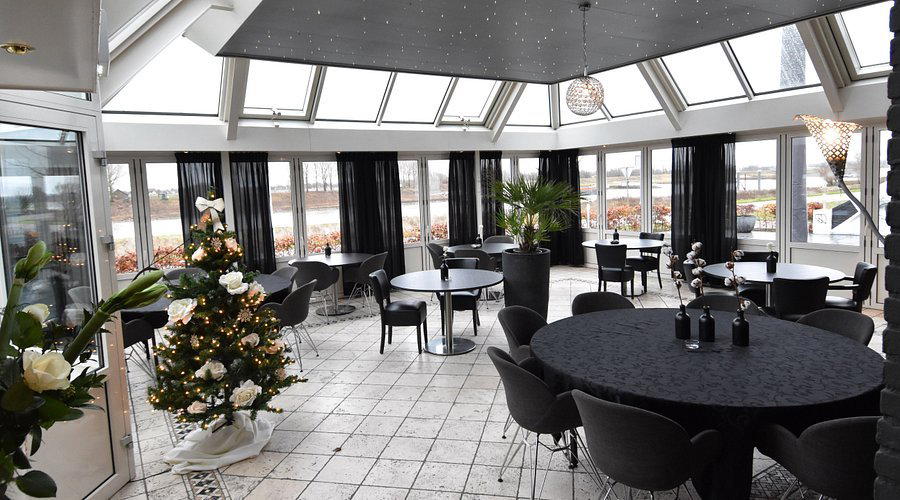
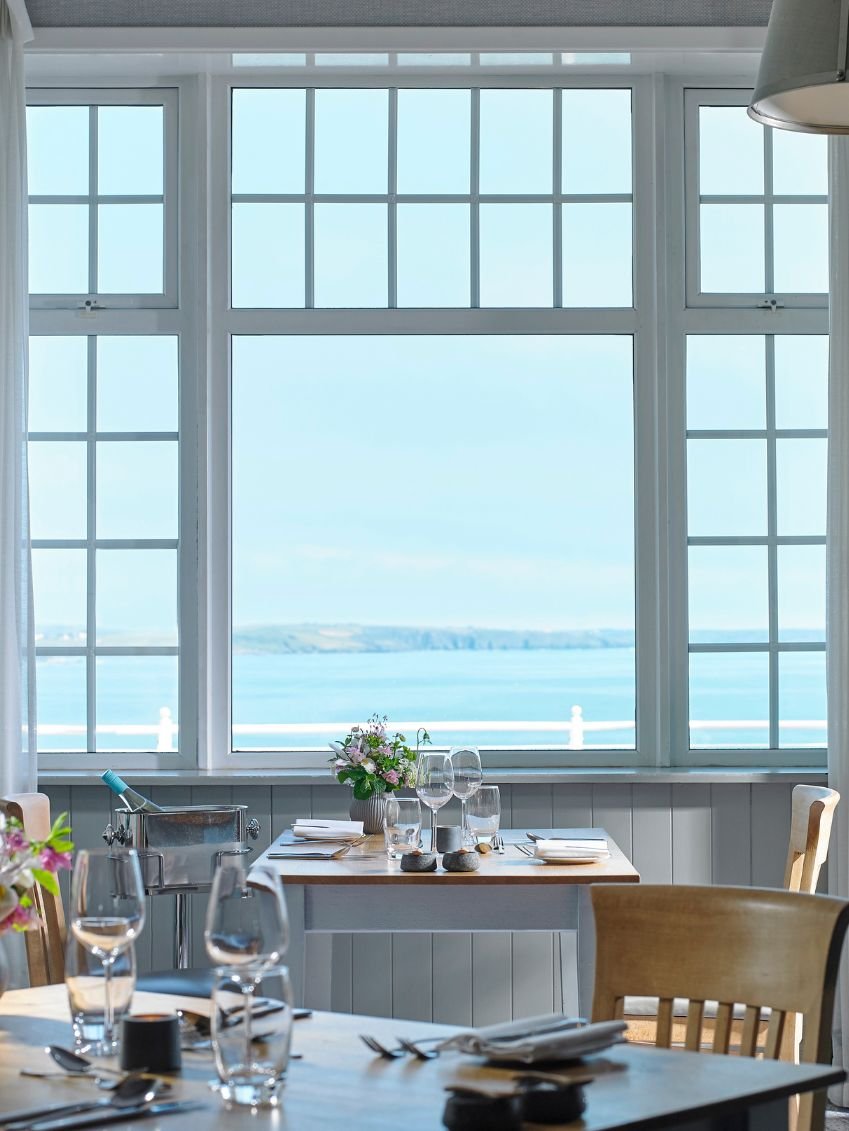
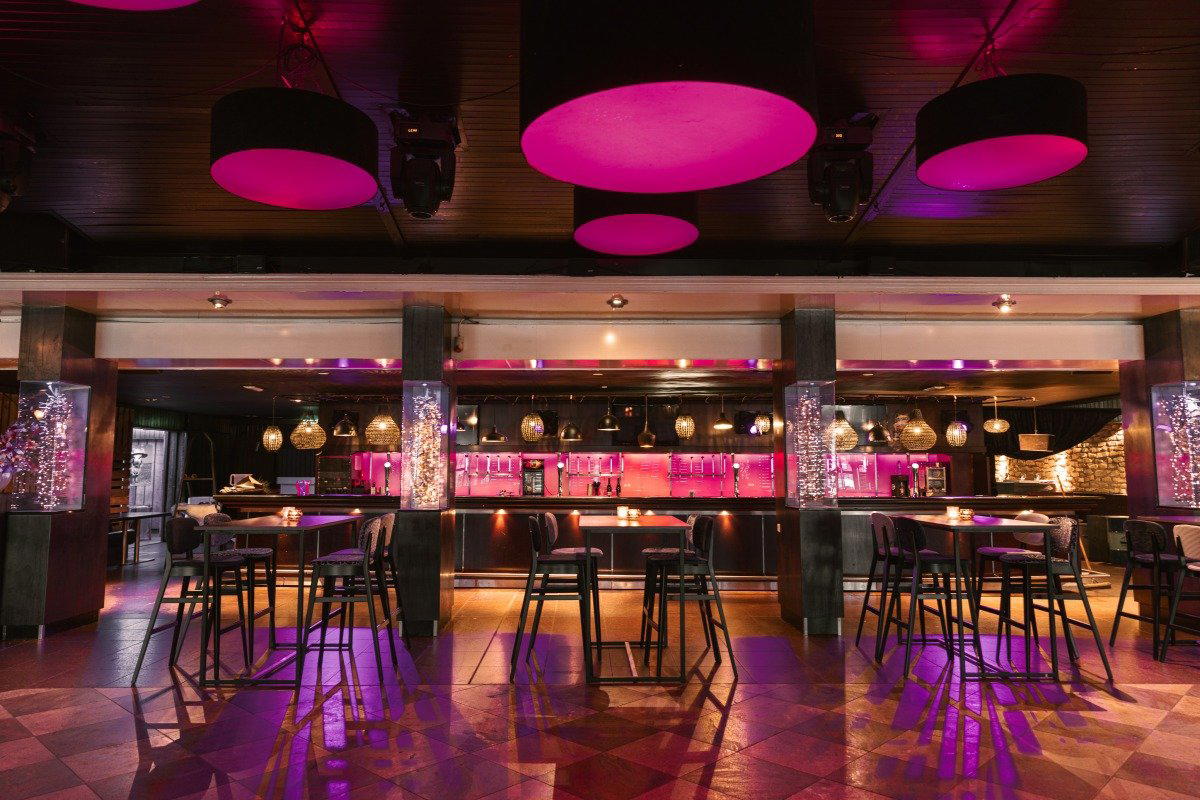
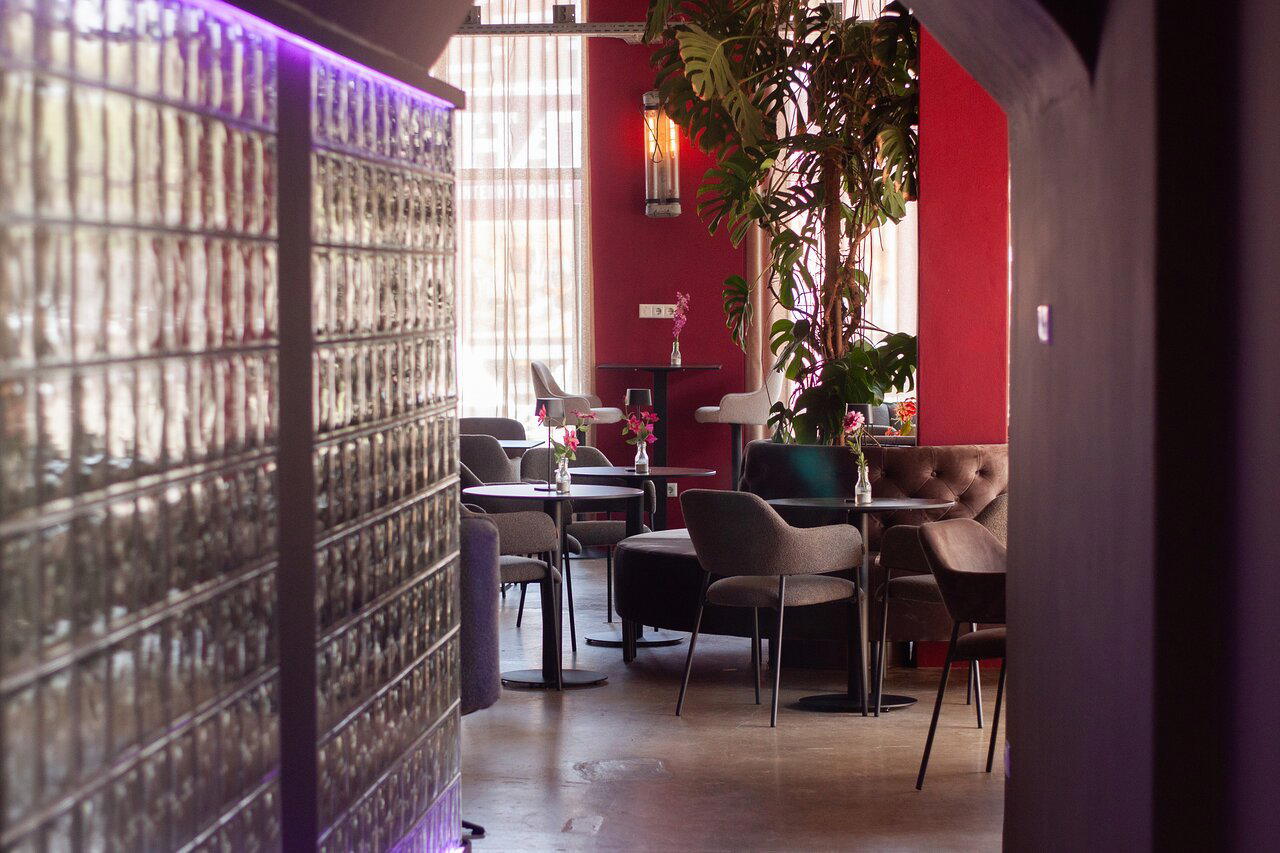
At a Glance
- Elegant
- Cozy
- Sophisticated
- Date Night
- Special Occasion
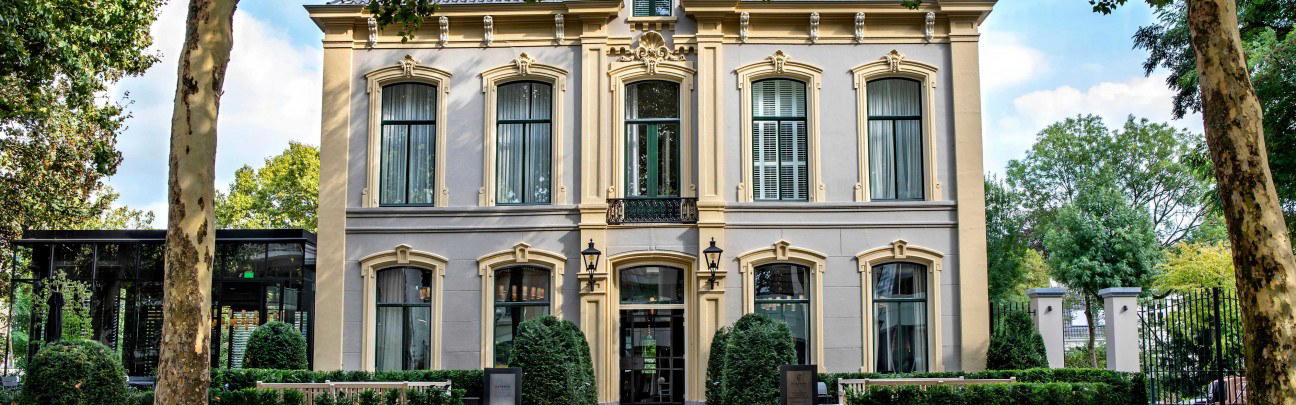
- Historic Building
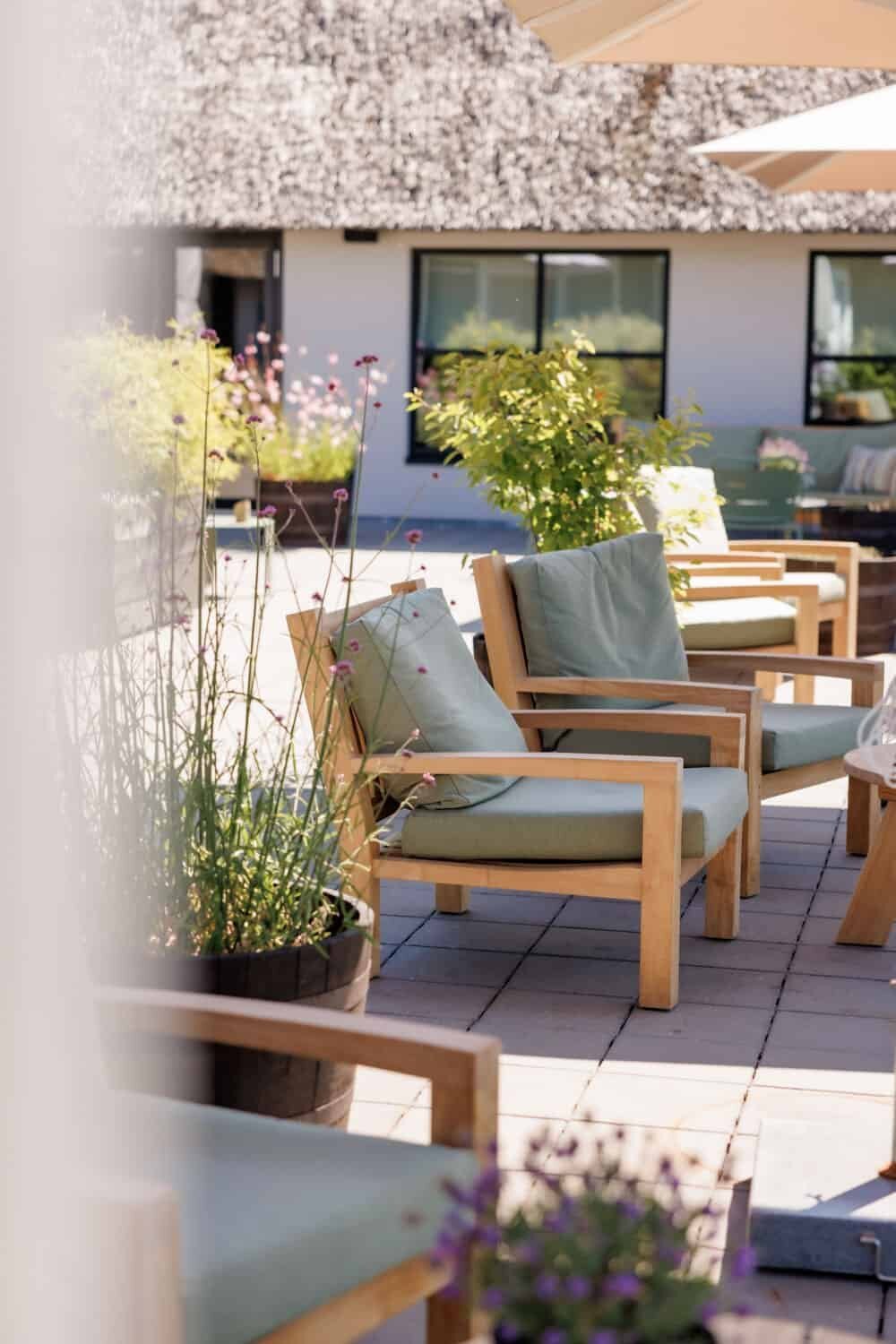
- Terrace
- Extensive Wine List
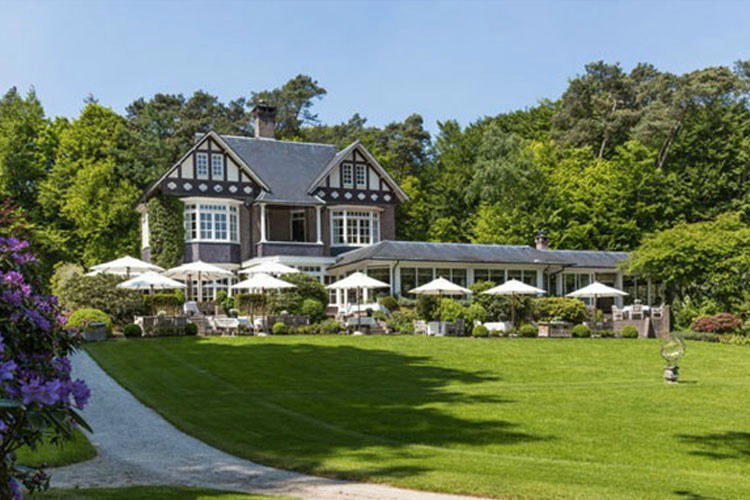
- Garden
Current opening hours
- Monday
- Closed
- Tuesday
- 6:30–11:30 PM
- Wednesday
- 6:30–11:30 PM
- Thursday
- 6:30–11:30 PM
- Friday
- 7 PM–12 AM
- Saturday
- 7 PM–12 AM
- Sunday
- Closed
Hours can change for holidays and private events. Last verified .
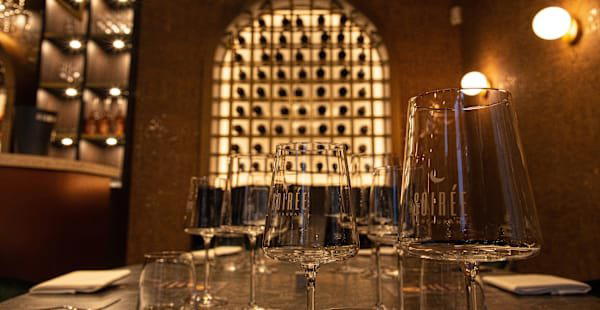
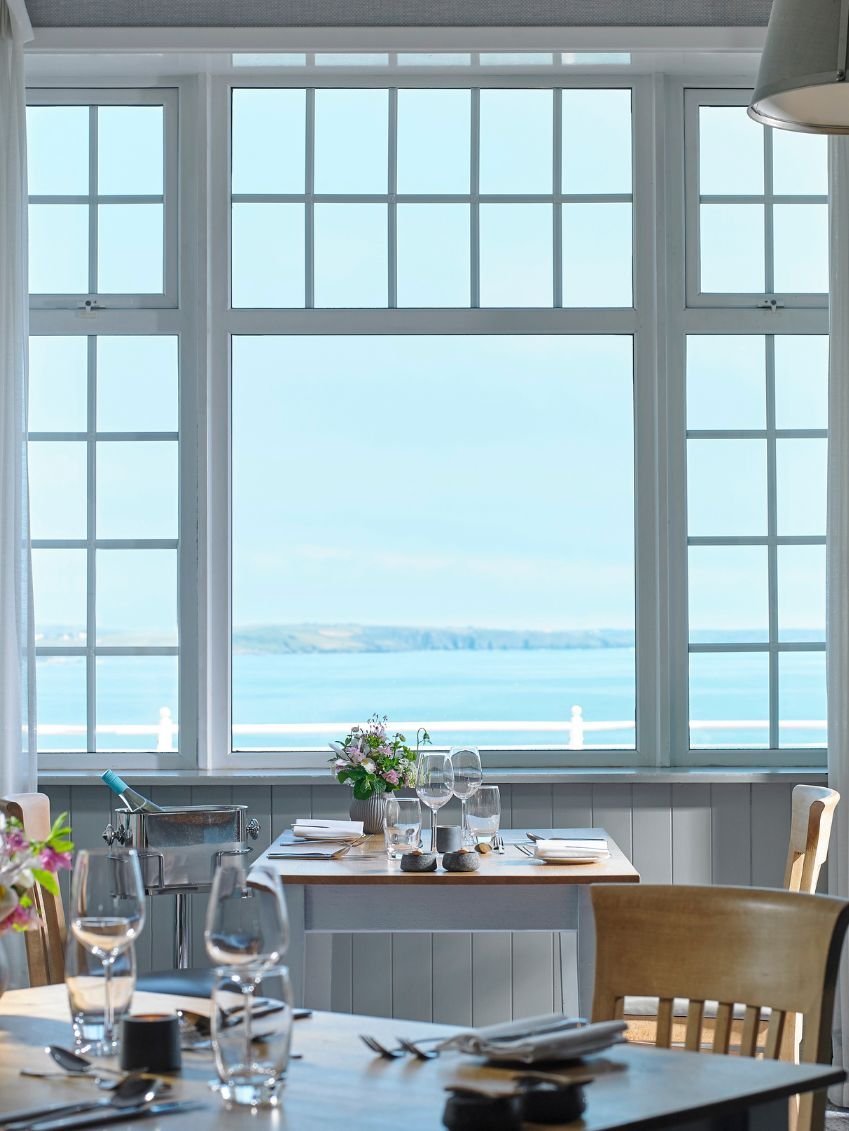
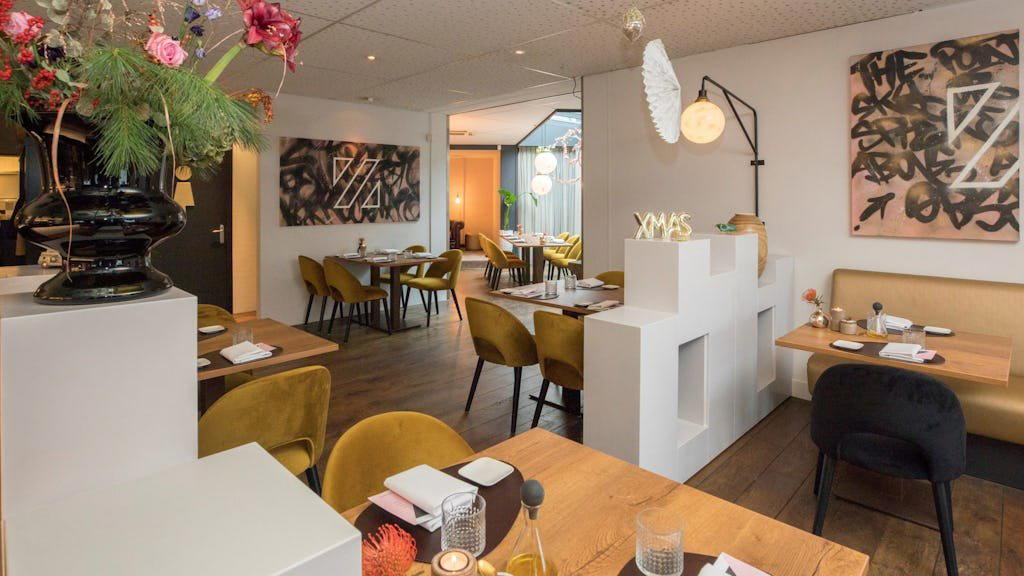
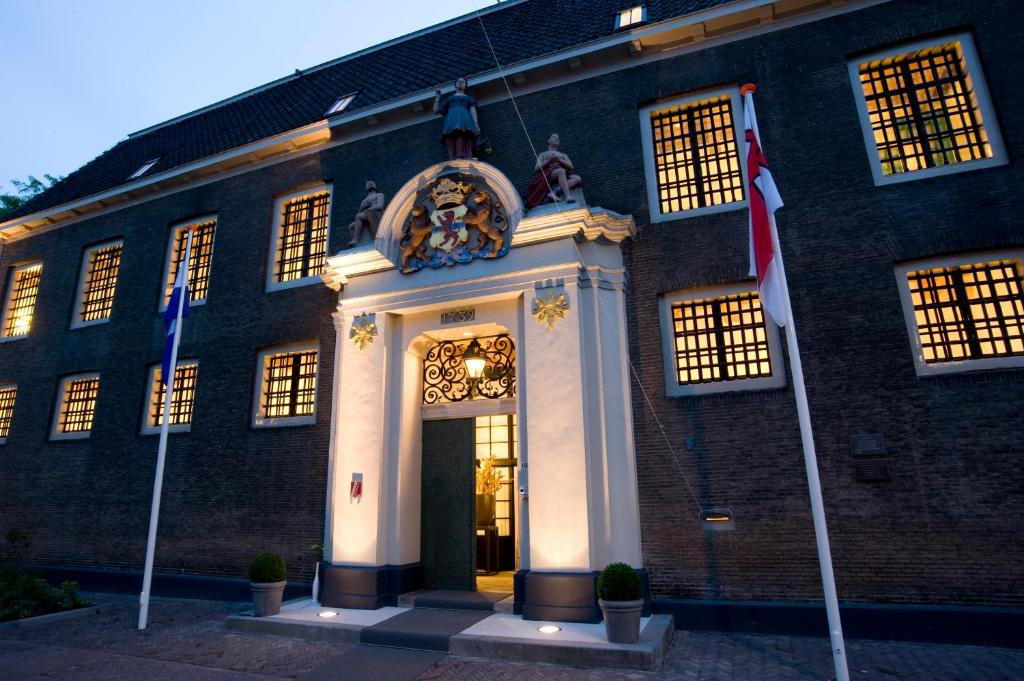
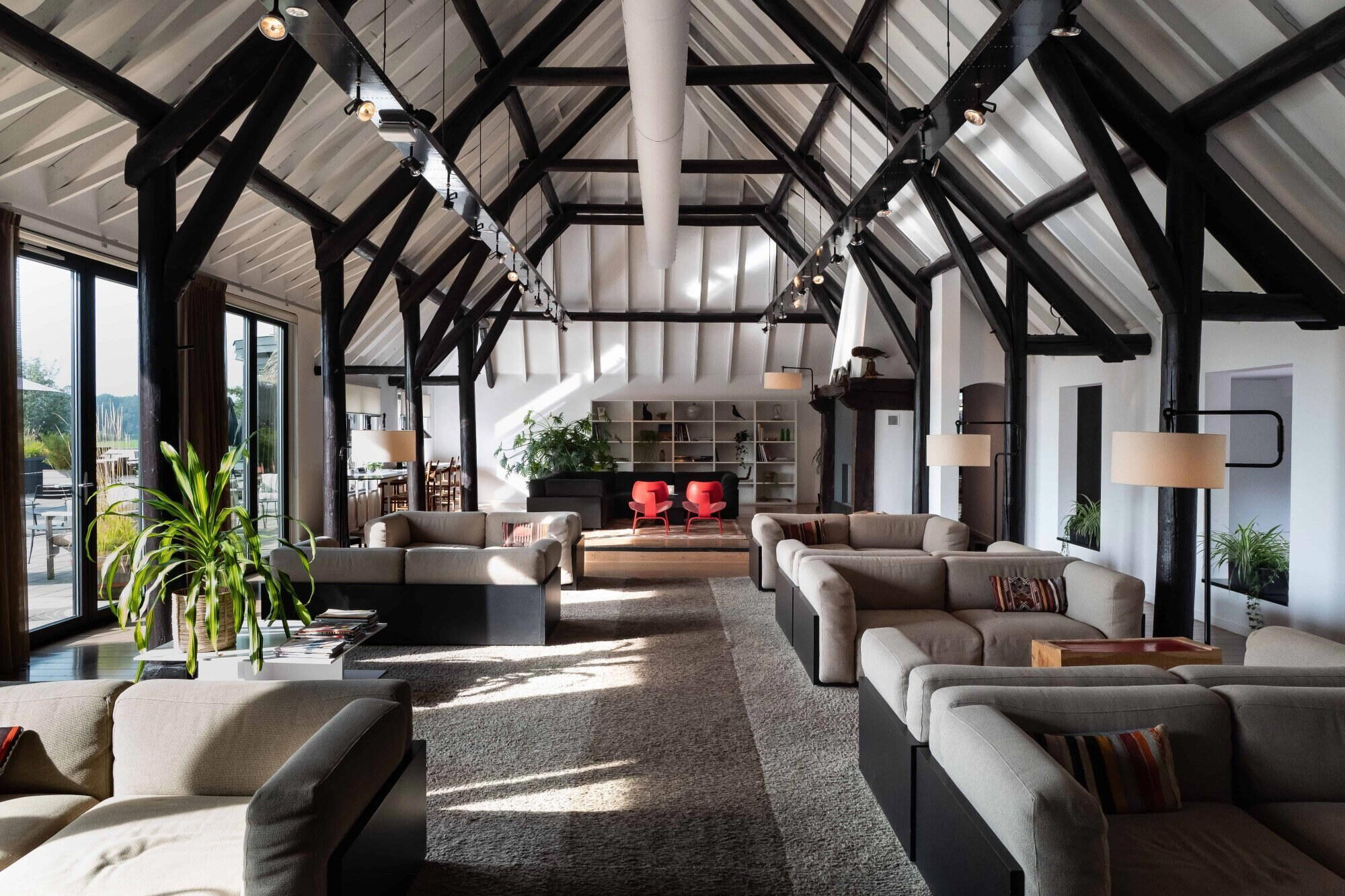
Elegant and less stiff castle interior with a cozy, distinguished atmosphere.