In the walled hilltop village of Vrbnik on Krk island, Restaurant Gospoja occupies a Frankopanska address that places it at the heart of one of the Kvarner coast's most historically layered dining destinations. The kitchen draws on the island's distinctive ingredients, including Žlahtina white wine and locally sourced seafood, within a setting shaped by centuries of maritime and agricultural tradition. For those visiting Vrbnik specifically to eat, Gospoja is a natural reference point in the village's compact restaurant scene.
Pearl is the En Primeur Club membership app — saves, bookings, and concierge access live there. Same editors, same standards.
- Address
- Frankopanska ul. 1, 51516, Vrbnik, Croatia
- Phone
- +38551669350
- Website
- gospoja.hr
- Directions
- Get directions
 Saves & bookings on Pearl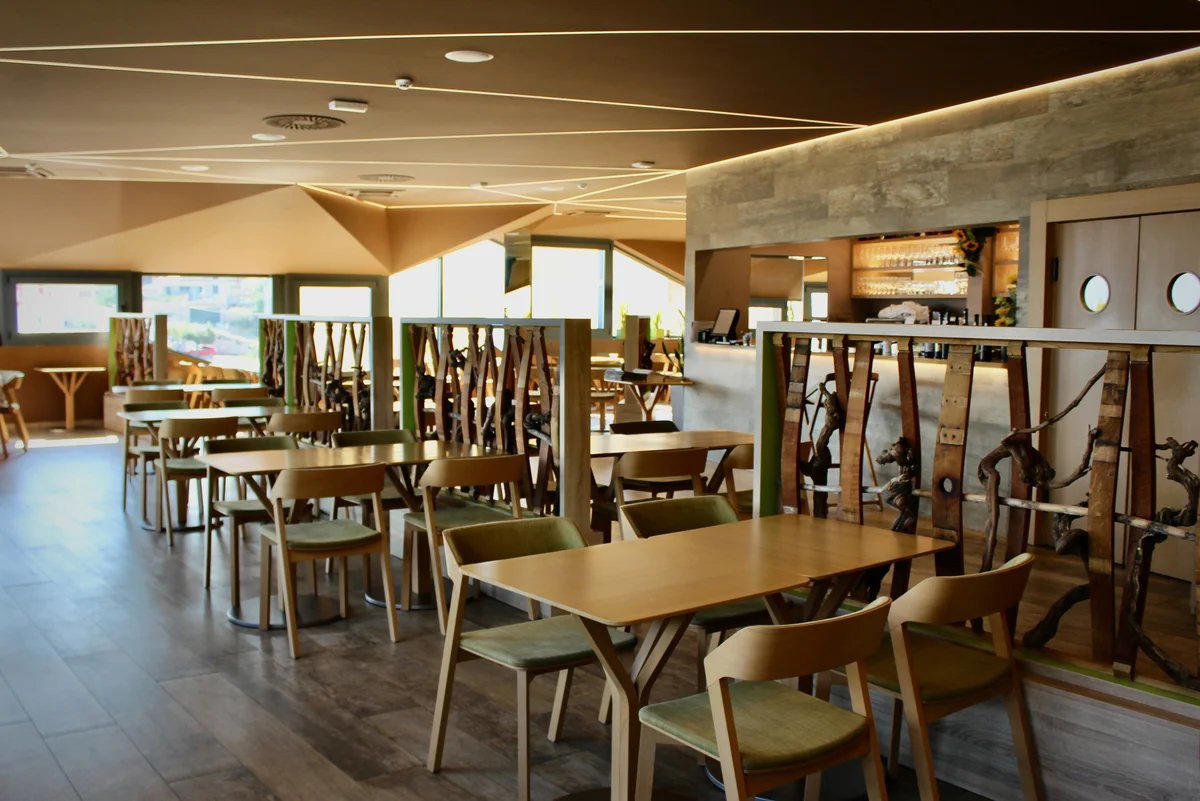
Vrbnik and the Weight of the Kvarner Table
Restaurant Gospoja is a restaurant in Vrbnik, Croatia, serving Modern Croatian-Mediterranean Seafood and earning. Arriving in Vrbnik requires commitment. The road up to the village from Krk's coastal spine is narrow and deliberate, and the village itself, perched on limestone cliffs above the Kvarner Gulf, offers almost no concession to passing trade. Restaurants here serve people who have decided to come specifically, and that self-selection shapes what eating in Vrbnik tends to feel like: unhurried, territorially rooted, and firmly outside the tourist-circuit rhythm that defines dining in Croatia's more visited coastal towns.
Frankopanska ulica, where Restaurant Gospoja sits at number 1, is one of Vrbnik's central arteries, a lane that carries the name of the Frankopan noble family whose presence defined Krk island for centuries. That address is not incidental. Krk has a deeper claim to continuity than most Croatian islands: its ties to Glagolitic script, its wine-producing parishes, and its villages that remained inhabited through every wave of regional disruption. Eating in this context means engaging with an ingredient culture that has evolved slowly and locally, rather than being retrofitted for contemporary tourism.
Žlahtina and the Ingredient Geography of Krk
No honest account of Kvarner dining skips the grape. Žlahtina, the white variety grown almost exclusively in the Vrbnik area, is one of Croatia's most geographically specific wines: the combination of the island's limestone soil, the Bura wind from the northeast, and the particular microclimate around Vrbnik produces a dry, mineral-driven white that doesn't translate easily to anywhere else. Restaurants in the village treat it as a default companion to seafood, and that pairing has a logic to it, the wine's acidity and salinity mirror the brackish quality of the Kvarner catch.
The seafood itself follows Adriatic patterns: scampi from the Kvarner bay, which have a reputation across the region for sweetness attributable to the cold, deep channels between islands; fish grilled simply with local olive oil; and shellfish handled with restraint rather than transformation. The Kvarner kitchen tradition sits closer to the Venetian end of the Adriatic culinary spectrum than to Dalmatia further south, fewer tomato-heavy preparations, more emphasis on quality of ingredient over complexity of technique. Restaurants operating in this tradition tend to be evaluated on sourcing and execution rather than creativity, which sets a particular kind of expectation for the diner.
For a broader sense of how Croatian coastal kitchens at different price points interpret the Adriatic larder, venues like LD Restaurant in Korčula and Pelegrini in Sibenik offer instructive comparisons further down the Dalmatian coast, while Agli Amici Rovinj in Rovinj demonstrates how the Istrian end of the spectrum approaches similar raw materials with Italian-influenced technique.
Where Gospoja Sits in Vrbnik's Dining Scene
Vrbnik is not a village with a deep restaurant bench. The handful of konobas and restaurants that operate here are known locally and through Croatian food media, but they rarely enter the conversation occupied by Croatia's Michelin-tracked urban addresses such as Nebo by Deni Srdoč in Rijeka or Restaurant 360 in Dubrovnik. That positioning is appropriate rather than limiting: the village format rewards a different set of qualities.
Restaurant Gospoja operates in a comparable set that includes Nada, the village's other frequently referenced table, which has built a reputation on its wine cellar and local fish preparations over several decades. In small-village dining contexts across the eastern Adriatic, longevity and local sourcing carry the weight that formal recognition carries elsewhere. The question for any diner choosing between Vrbnik's options is whether they want the broadest available local wine focus, or a particular room and approach that suits their pace for the afternoon.
Further afield on the Kvarner and broader Croatian island circuit, Alfred Keller in Mali Lošinj and Boskinac in Novalja demonstrate how island restaurants at a higher price tier and with stronger formal ambition present Croatian island produce. Gospoja operates at the grounded, village-rooted end of that spectrum rather than the aspirational end, and that orientation is part of its appeal to visitors who have specifically chosen Vrbnik over Krk Town or Malinska for a meal.
Planning a Meal in Vrbnik
Practical logistics in Vrbnik follow the constraints of any small Croatian village operating a seasonal calendar. The island of Krk is accessible by the Krk Bridge from the mainland near Rijeka, making it one of the more straightforwardly reached Croatian islands by car, a significant difference from ferry-dependent destinations further south. Vrbnik itself sits on the island's eastern side and requires an additional drive from the bridge or from Krk Town.
Seasonal timing is relevant. Kvarner villages concentrate their dining activity through June to September, and the Bura wind that shapes Vrbnik's wine character also shapes its shoulder-season character: cooler, quieter, and occasionally dramatic. Visitors arriving outside peak summer should verify that specific restaurants are operating before making the drive up. For Gospoja specifically, the address at Frankopanska 1 places it at one of the village's accessible central points, though parking in Vrbnik follows the standard compressed-village pattern, leave the car below and walk up.
For those building a broader Croatian restaurant itinerary around this visit, Dubravkin Put in Zagreb, Krug in Split, and Korak in Jastrebarsko give a sense of how the country's dining register shifts from coast to interior. Burin in Crikvenica, on the Kvarner coastal strip directly opposite Krk island, covers similar seafood territory in a mainland town context.
Price and Recognition
Comparable venues nearby, for context on price, style, and recognition.
| Venue | Cuisine | Price | Notes |
|---|---|---|---|
| Restaurant GospojaThis venue — the venue you are viewing | Not listed | $$ | Not listed |
| Nada | Not listed | $$ | Vrbnik old town, Traditional Mediterranean Seafood |
| Karaka | Krk, Croatian Mediterranean Seafood | $$ | Not listed |
| Didova kuća | Not listed | $$ | Simuni, Traditional Croatian Seafood & Grill |
| Konoba Galiola | Liznjan, Traditional Croatian Seafood | $$ | Not listed |
| Konoba Istranka | Opatija, Traditional Croatian Istrian | $$ | Not listed |
Continue exploring
More in Vrbnik
Restaurants in Vrbnik
Browse all →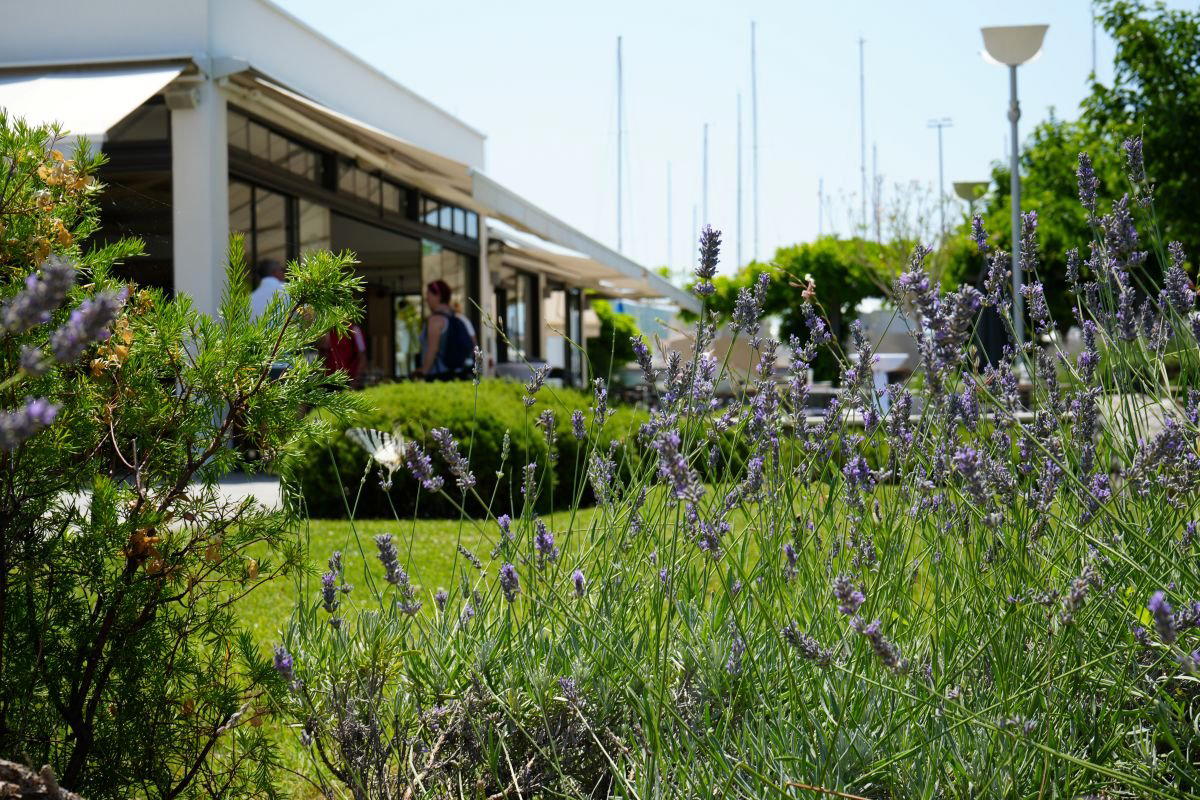
Bars in Vrbnik
Browse all →
Hotels in Vrbnik
Browse all →
Wineries in Vrbnik
Browse all →At a Glance
- Modern
- Elegant
- Scenic
- Date Night
- Special Occasion
- Family
- Waterfront
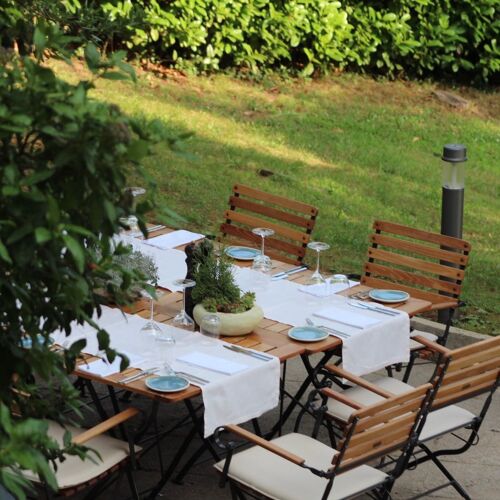
- Terrace
- Hotel Restaurant
- Extensive Wine List
- Local Sourcing
- Waterfront
Current opening hours
- Monday
- 12–10 PM
- Tuesday
- 12–10 PM
- Wednesday
- 12–10 PM
- Thursday
- 12–10 PM
- Friday
- 12–10 PM
- Saturday
- 12–10 PM
- Sunday
- 12–10 PM
Hours can change for holidays and private events. Last verified .
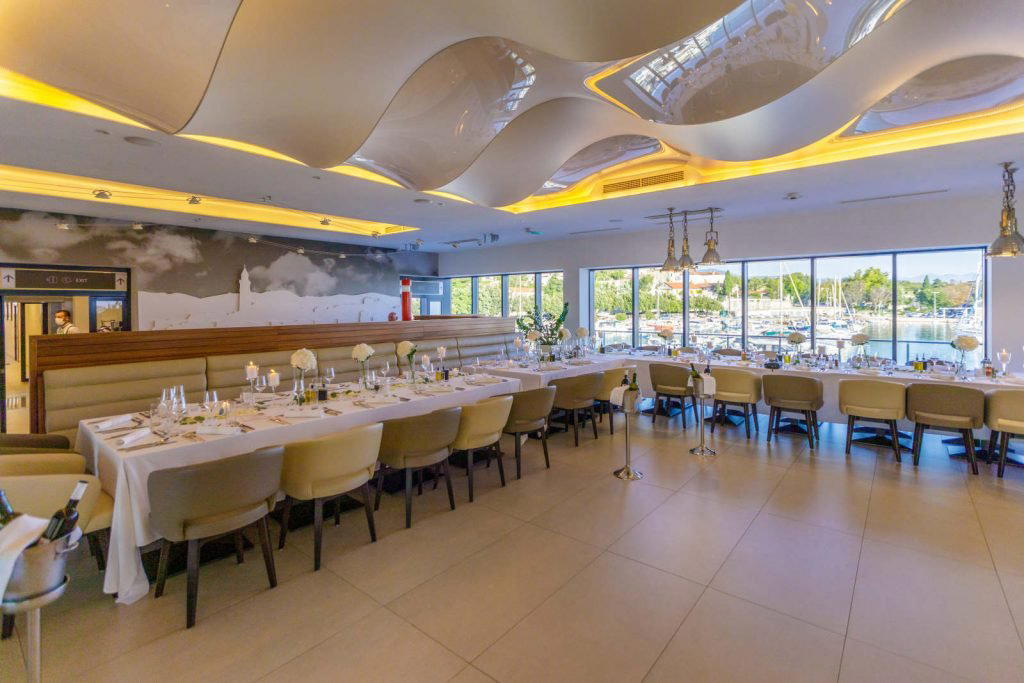
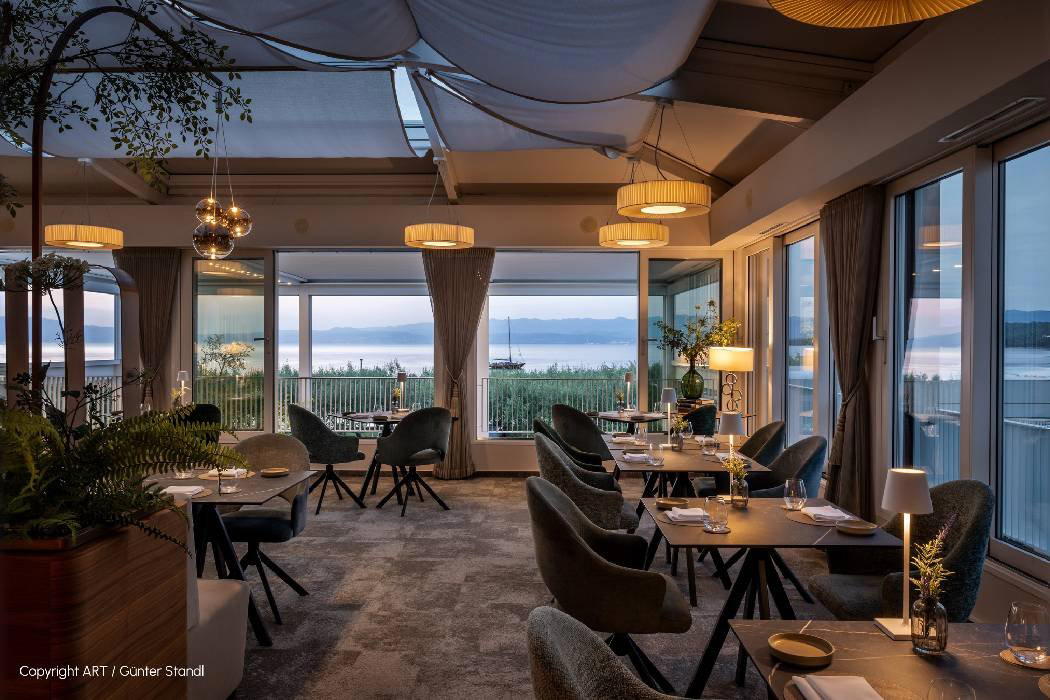
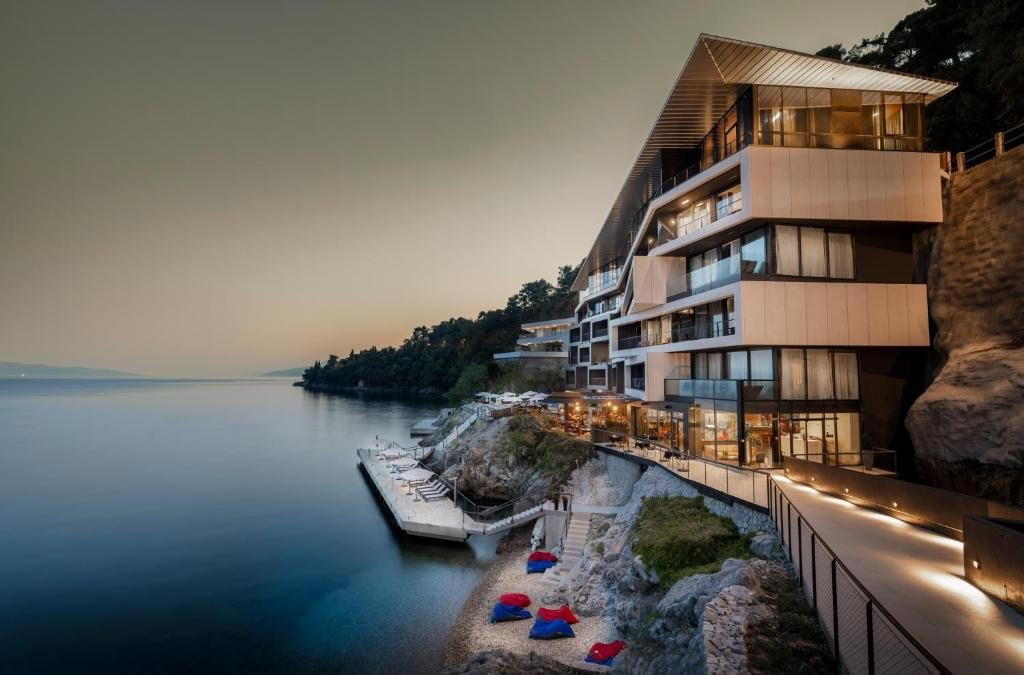
Modern and bright interior with large windows offering dramatic sea views, wine-themed decor including vineyard artwork and vine wood partitions, creating a sophisticated coastal atmosphere.