Restaurant Fallerhuette sits at Brandstatt 8 in the Carinthian valley town of Malta, Austria, where the surrounding alpine terrain defines what ends up on the plate. In a region where high-altitude farming and mountain foraging shape the table more than any kitchen trend, this address represents the quieter, place-rooted end of Austrian restaurant culture — worth understanding before you arrive.
Pearl is the En Primeur Club membership app — saves, bookings, and concierge access live there. Same editors, same standards.
- Address
- Brandstatt 8, 9854 Brandstatt, Austria
- Phone
- +43434733361
- Website
- fallerhuette.at
- Directions
- Get directions
 Saves & bookings on Pearl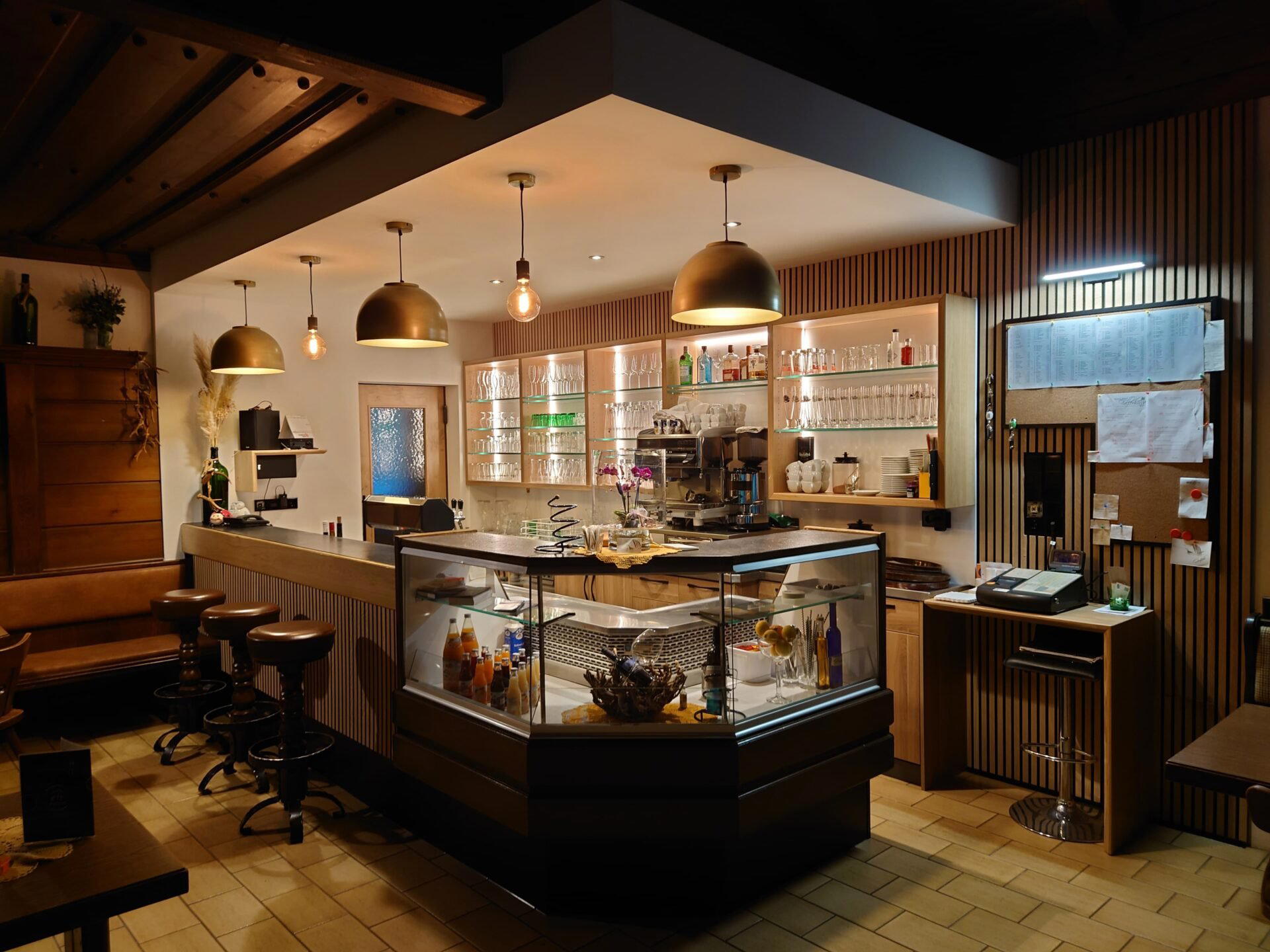
Where the Terrain Becomes the Menu
The road into Malta, Austria — not to be confused with the Mediterranean island — runs through one of Carinthia's less-trafficked river valleys, where the Maltabach cuts south through steep forested slopes before opening into a stretch of alpine farmland. This is not a valley that draws casual visitors. The infrastructure is agricultural, the light in autumn comes low and golden through stands of larch, and the settlements are small enough that the post office and the gasthaus often share the same building. Restaurant Fallerhuette, addressed at Brandstatt 8 in the hamlet of Brandstatt, belongs to this landscape in the literal sense: you don't arrive at it from a city dining circuit, you arrive because you have already committed to being in this particular corner of Carinthia.
That physical remove is worth dwelling on, because it shapes what the region's better dining addresses tend to do with their menus. In high-altitude Austrian valleys, whether in Carinthia, Salzburg province, or Tyrol, the sourcing radius is determined less by farm-to-table ideology than by practical geography. What grows nearby, what the surrounding farms produce through a short but intense growing season, and what can be preserved or fermented through the long winter: these are the structural constraints that historically defined alpine Austrian cooking, and that the region's more serious kitchens continue to work within.
The Sourcing Logic of Alpine Carinthia
Carinthia's agricultural profile is distinct within Austria. Dairy farming dominates the valley floors, with cattle moved to high Almen pastures through summer and returned before the first snow. This seasonal rhythm produces milk, butter, and cheese with fat contents and flavour profiles that shift noticeably across the calendar, a detail that matters in kitchens treating local dairy as a primary ingredient rather than a commodity. The mountain flanks above the valley floor support wild herbs, mushrooms, and game in quantities that have sustained foraging traditions for centuries. Deer, chamois, and wild boar are all present in the surrounding hunting districts, and autumn in this region marks a convergence of the hunting season, the mushroom season, and the last of the summer-herb harvest.
Restaurants operating in this context, from addresses like Kräuterreich by Vitus Winkler in Sankt Veit im Pongau across the provincial border to the west, to Obauer in Werfen further north, tend to frame their menus around this territorial logic. The sourcing isn't incidental; it's the primary editorial argument on the plate. When a kitchen is this far from a major distribution hub, the decision to work with what is close is also, practically speaking, the decision to work with what is freshest. That convergence of necessity and quality is what makes Carinthian alpine dining worth tracking as a category.
For comparison, consider how Döllerer in Golling an der Salzach has built a reputation specifically around this kind of territorial sourcing in Salzburg province, mountain herbs, regional game, and valley dairy forming the structural spine of an otherwise technically ambitious kitchen. Or how Gourmetrestaurant Tannenhof in Sankt Anton am Arlberg and Griggeler Stuba in Lech in Vorarlberg work within a similar geographic logic in the western Alps. Restaurant Fallerhuette operates in the same tradition, even if it sits further from the international recognition those addresses have accumulated.
The Broader Austrian Dining Context
Austria's fine and serious-casual dining scene has developed a clear internal geography over the past two decades. Vienna anchors the upper end, with addresses like Steirereck im Stadtpark and Ikarus in Salzburg drawing international attention and commanding price points that compete with major European capitals. Below that tier sits a set of regionally embedded restaurants that are less visible internationally but often more directly expressive of specific Austrian terroirs. Landhaus Bacher in Mautern an der Donau, Taubenkobel in Schützen am Gebirge, and Atelier Fischer in Sankt Gilgen all operate within this middle tier, where the sense of place is the main argument rather than a supporting detail. Restaurant Fallerhuette in Malta sits in this broader pattern of place-rooted Austrian hospitality, addresses that require you to come to them rather than meeting you in the city.
Further afield, addresses like Ois in Neufelden, Schwarzer Adler in Hall in Tirol, and Stüva in Ischgl each demonstrate how Austrian regional kitchens are dealing with the tension between local identity and international expectation. In cities, Artis in Graz and Restaurant 141 by Joachim Jaud in Mieming represent different resolutions to that same tension. Understanding where Restaurant Fallerhuette sits within this wider map is useful context before making the drive into the Malta valley.
Planning a Visit to Brandstatt
The address, Brandstatt 8, 9854 Brandstatt, Austria, places the restaurant in a hamlet within the Malta municipality in Carinthia's Spittal an der Drau district. The nearest rail connection is Spittal-Millstättersee station, from which the Malta valley road runs south. Given the rural location, a car is the practical option for most visitors. Venues of this type in rural alpine settings frequently operate on seasonal schedules or limited weekly hours, and confirmation in advance is worth the effort. For a broader overview of Austrian dining addresses, our full Malta restaurants guide provides additional context on what the region offers.
Visitors arriving in this part of Carinthia for the first time may also want to cross-reference with dining in the Salzburg and Tyrol provinces, where addresses including Le Bernardin in New York City and Atomix in New York City offer a useful international reference point for understanding how alpine-influenced ingredient logic translates across different kitchen traditions globally.
Side-by-Side Snapshot
| Venue | Cuisine | Price | Awards |
|---|---|---|---|
| Restaurant FallerhuetteThis venue — the venue you are viewing | This venue | Not listed | Not listed |
| Steirereck im Stadtpark | Creative | €€€€ | Michelin 3 Star |
| Döllerer | Contemporary Austrian, Innovative | €€€€ | Michelin 2 Star |
| Ikarus | Modern European, Creative | €€€€ | Michelin 2 Star |
| Konstantin Filippou | Modern European, Modern Cuisine | €€€€ | Michelin 2 Star |
| Landhaus Bacher | Austrian, Classic Cuisine | €€€€ | Michelin 2 Star |
Continue exploring
More in Malta
Restaurants in Malta
Browse all →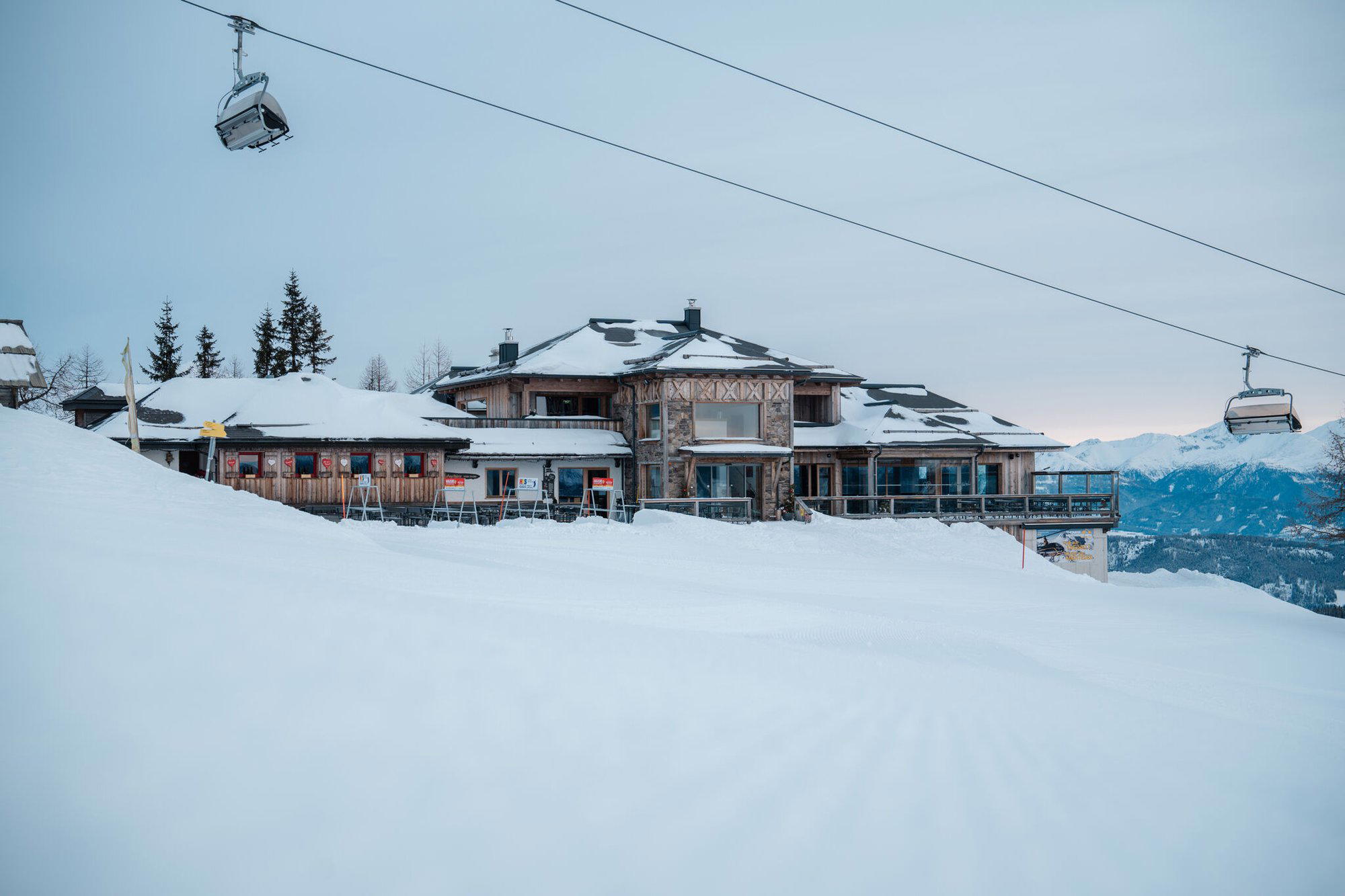
Bars in Malta
Browse all →


Hotels in Malta
Browse all →
Wineries in Malta
Browse all →
At a Glance
- Cozy
- Rustic
- Scenic
- Family
- Casual Hangout
- Historic Building
- Local Sourcing
- Mountain
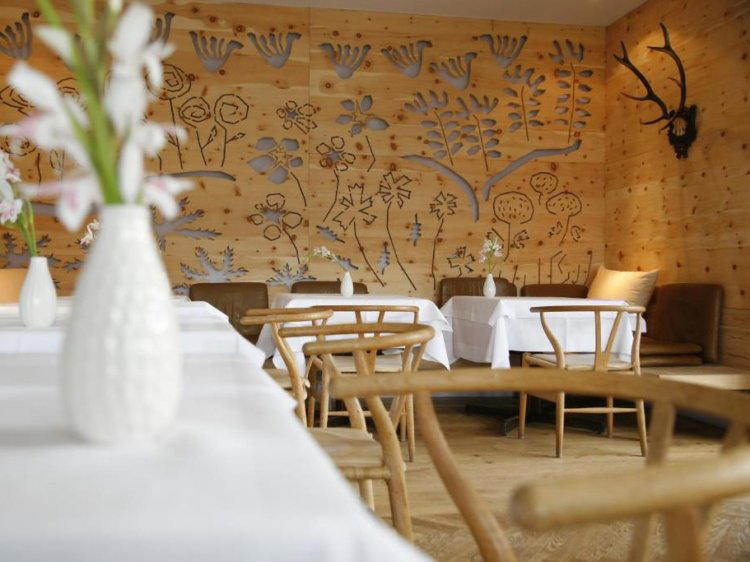
Cozy alpine atmosphere with a focus on hearty, home-style regional cuisine.
Know Before You Go
- Getting there
- Brandstatt 8, 9854 Brandstatt, Austria