Restaurant Diwali
Restaurant Diwali sits on Avenue de Colmar in Rueil-Malmaison, where the western suburbs of Paris maintain a quieter, more considered dining rhythm than the capital. The name signals an Indian-inflected identity within a town whose restaurant scene rewards those willing to look beyond central Paris for something more neighbourhood-scaled and personal.
Pearl is the En Primeur Club membership app — saves, bookings, and concierge access live there. Same editors, same standards.
- Address
- 21 Av. de Colmar, 92500 Rueil-Malmaison, France
- Phone
- +33147519888
- Website
- restaurantdiwali.fr
- Directions
- Get directions
 Saves & bookings on Pearl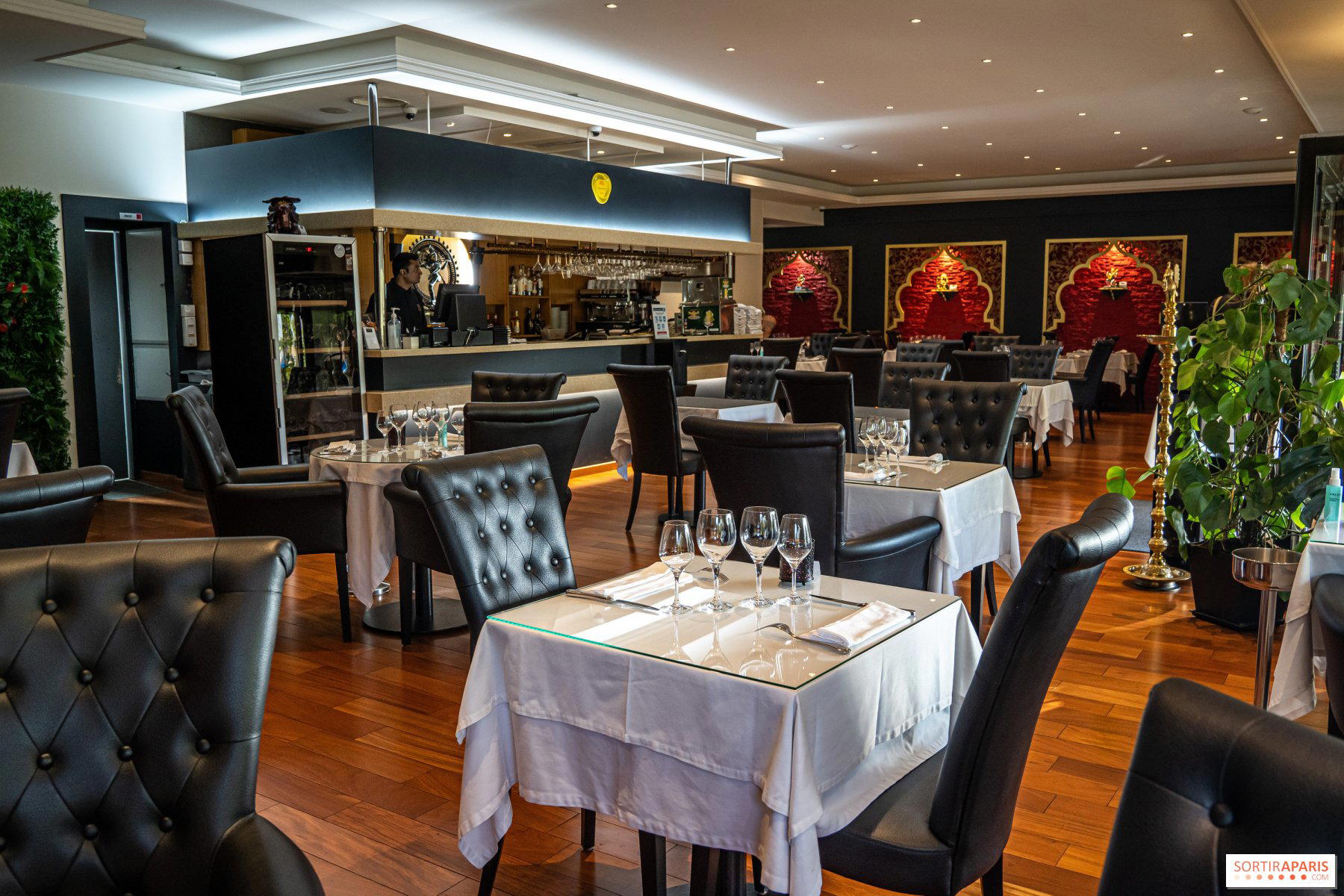
The Suburb That Sets Its Own Pace
Rueil-Malmaison occupies a particular position in the Île-de-France dining conversation: close enough to Paris that comparisons are inevitable, far enough that the restaurants here answer to a different set of pressures. The avenue de Colmar corridor, where Restaurant Diwali operates at number 21, is the kind of address where a local crowd expects consistency and a sense of ritual over spectacle. That context matters, because it shapes how a meal here is likely to unfold, not as performance, but as rhythm.
The western suburbs have never attracted the same volume of critical attention as arrondissements eight or six, which means restaurants in towns like Rueil-Malmaison develop their identities in relative quiet. For diners travelling from Paris, the RER A line connects the city to Rueil-Malmaison station in under twenty minutes, making the short commute more manageable than the distance might suggest. Those arriving by car will find the avenue de Colmar accessible from the A86, which rings the inner suburbs. Both routes deliver you to a neighbourhood where the pace of dining tends to stretch a little longer than in the capital, and where a table is rarely turned the moment the last course clears.
The Ritual of the Indian Table in a French Setting
Indian restaurant culture in France, particularly outside Paris's 10th and 18th arrondissements, tends to follow a specific logic: it exists for a community that knows what it is looking for, supplemented by curious diners who arrive with less fixed expectations. The name Diwali, referencing the festival of lights observed across South Asian traditions, positions the restaurant within a recognisably Indian identity rather than a Pan-Asian or fusion bracket. That framing matters for how the meal is structured, the expectation is that sharing, sequencing, and the interplay of multiple preparations served simultaneously or in close succession will define the experience.
This is worth understanding before you sit down, because the Indian dining ritual operates on different assumptions than a French tasting menu or a bistro plat du jour. Dishes arrive not to be consumed in isolation but to be read against each other: a dry preparation alongside a sauce-based one, a bread to carry both, a cooling element to reset the palate between rounds of heat. The meal is compositional rather than linear, and restaurants that understand this structure their service accordingly. Diners who approach the table in that spirit, ordering across categories, involving the whole table rather than treating each plate as a private allocation, tend to leave having eaten better.
For context on how Indian dining fits into France's broader restaurant culture, the country's most-discussed tables, from Alléno Paris au Pavillon Ledoyen to Mirazur in Menton, operate within a tasting-menu format that is deeply sequential and chef-directed. The Indian table inverts that dynamic: the diner assembles the meal, and the kitchen's skill is judged on how well each element holds up within the broader composition. It is a different kind of authority, and a different kind of pleasure.
Rueil-Malmaison's Dining comparable set
Within the town itself, Restaurant Diwali sits alongside a range of neighbourhood addresses that serve the same residential population. La Table de Rueil anchors the French-leaning end of the local spectrum, while Le Bonheur de Chine covers the Chinese dining tradition and Sapristi handles the casual end. Together they represent a town that has accumulated enough critical mass of residents, many of them corporate workers stationed in the La Défense corridor nearby, to support a genuinely varied dining week without requiring a trip into Paris for every meal.
What that corporate-residential mix tends to produce is a dining culture oriented around reliability and value for the quality delivered, rather than around novelty or destination-seeking. A restaurant like Diwali, with a name that signals a specific cultural identity, succeeds in that environment by being the place its regulars return to with confidence, not the place they take a chance on once and never revisit.
France's Indian Table in a Wider Frame
To understand what a well-run Indian restaurant in suburban France represents, it helps to look at the broader picture of how Indian cuisine has been received in the country. France's Indian restaurant culture has developed more slowly than in the United Kingdom or the Netherlands, partly because French culinary identity has long been self-referential enough to absorb foreign influences gradually and on its own terms. The result is that Indian restaurants in French cities often occupy a quieter, less commercially saturated niche than their London counterparts, which can work in their favour when the kitchen is focused.
The country's celebrated tables, from Bras in Laguiole to Auberge de l'Ill in Illhaeusern and Flocons de Sel in Megève, define one register of French dining. Others, like Paul Bocuse's Auberge du Pont de Collonges and Troisgros in Ouches, operate in a tradition so specifically French that they help clarify what sits outside that tradition. Indian restaurants occupy a different register entirely, one that France's dining public has increasingly come to appreciate on its own terms rather than measuring it against the classical French model. For further comparison across formats and geographies, AM par Alexandre Mazzia in Marseille, Assiette Champenoise in Reims, Au Crocodile in Strasbourg, Auberge du Vieux Puits in Fontjoncouse, and Christopher Coutanceau in La Rochelle represent the range of what serious French dining looks like beyond the capital. For transatlantic perspective on how a different kind of rigour applies, Le Bernardin in New York City and Atomix in New York City show how precision-led non-French kitchens have built their own authority within a competitive market.
Planning the Visit
Restaurant Diwali's address at 21 Avenue de Colmar, 92500 Rueil-Malmaison, places it within reach of the RER A Rueil-Malmaison stop, a short walk or taxi ride from the station. That absence should not be read as a deficit: the restaurants that sustain a loyal residential clientele over time do so through consistency and value rather than critical recognition, and a suburban address often allows for margins, and therefore pricing, that a comparable room in Paris could not support. Booking ahead is advisable, particularly on weekends, when the town's dining options concentrate demand across a modest number of tables.
Cuisine and Credentials
Comparable venues nearby, for context on price, style, and recognition.
| Venue | Cuisine | Price | Notes |
|---|---|---|---|
| Restaurant DiwaliThis venue — the venue you are viewing | Gastronomic Indian | $$$ | Not listed |
| La Table de Rueil | French Bistronomique | $$$ | Centre-ville |
| Le Bonheur de Chine | Refined Traditional Chinese with Beijing, Shanghai & Cantonese Specialties | $$$$ | Rueil-Malmaison |
| Sapristi | Modern French Bistro | $$ | Rueil-Malmaison |
| Brumaire | Modern French Brasserie | $$$ | Parc de Saint-Cloud |
| ANDIA | Nikkei Fusion (Latin-Japanese-Andean) | $$$ | Passy |
Continue exploring
More in Rueil Malmaison
Restaurants in Rueil Malmaison
Browse all →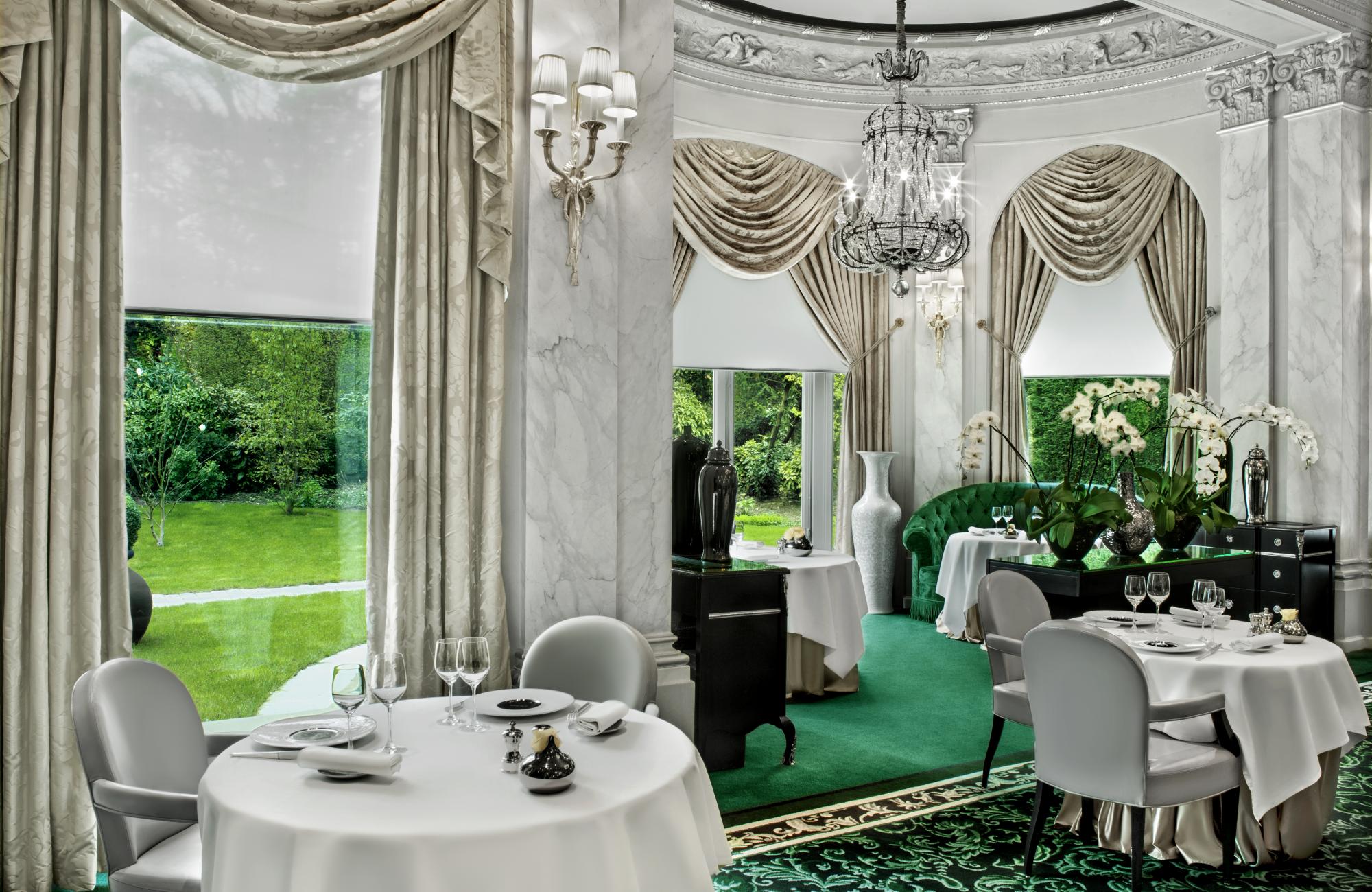
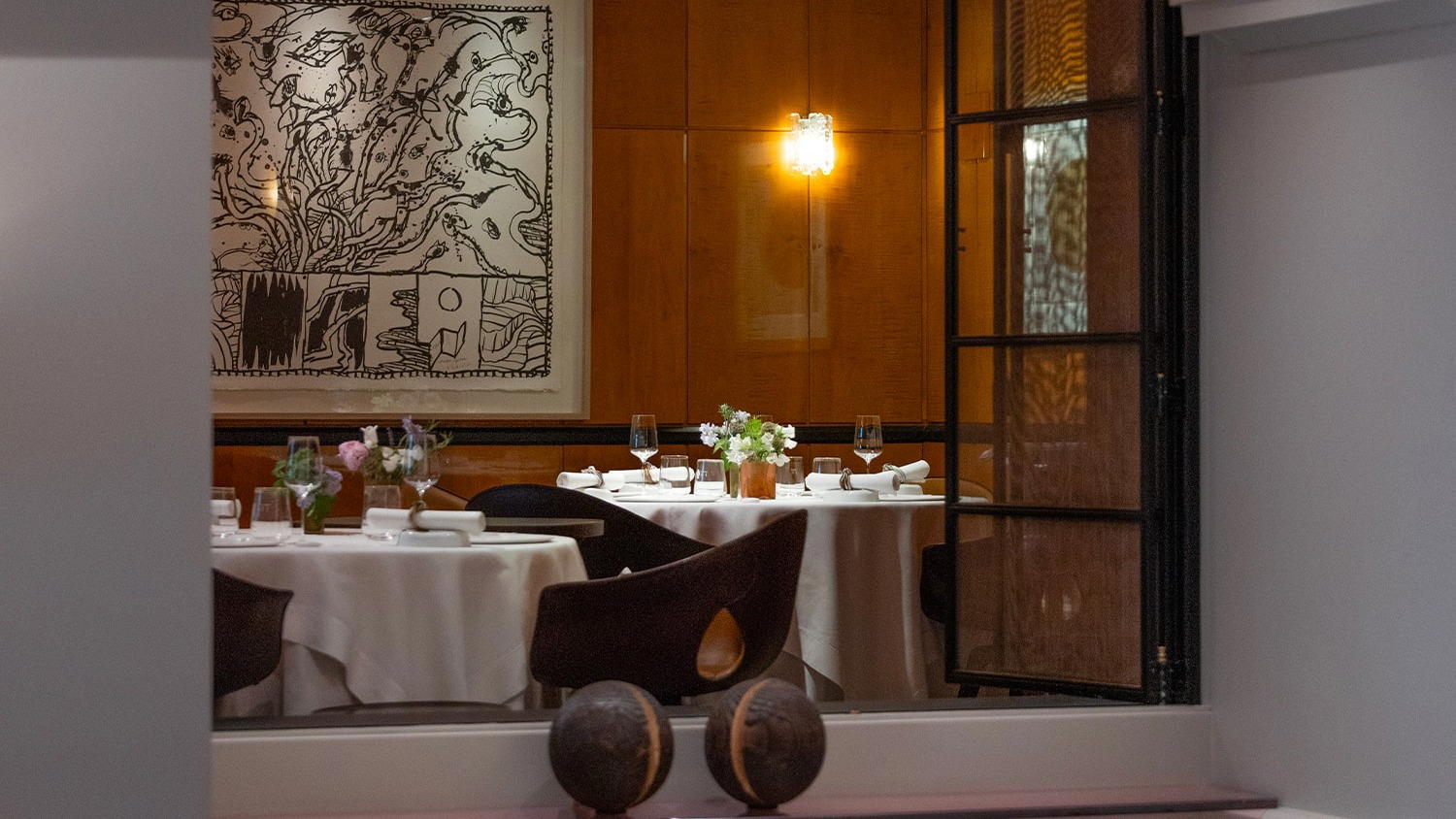
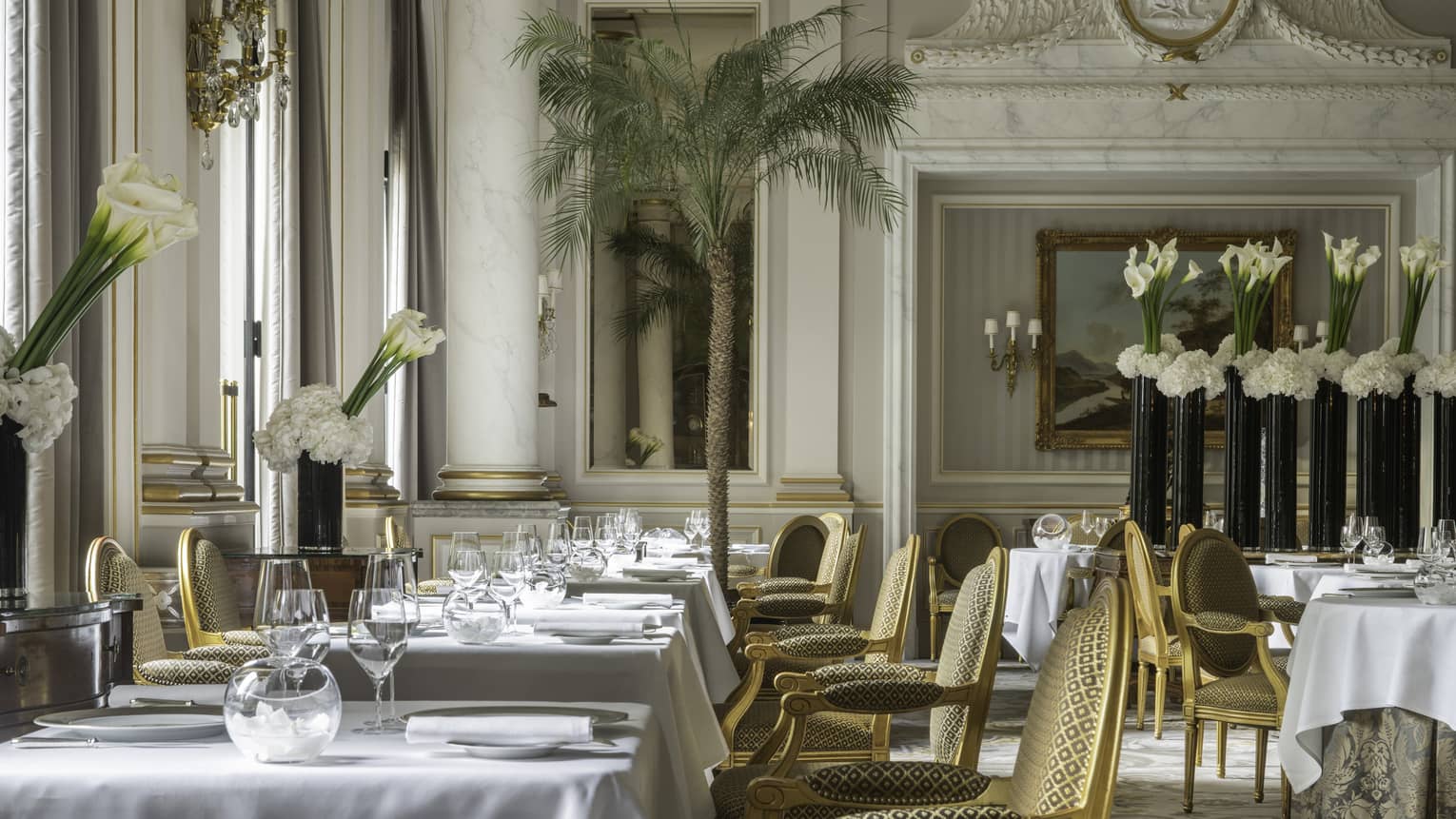

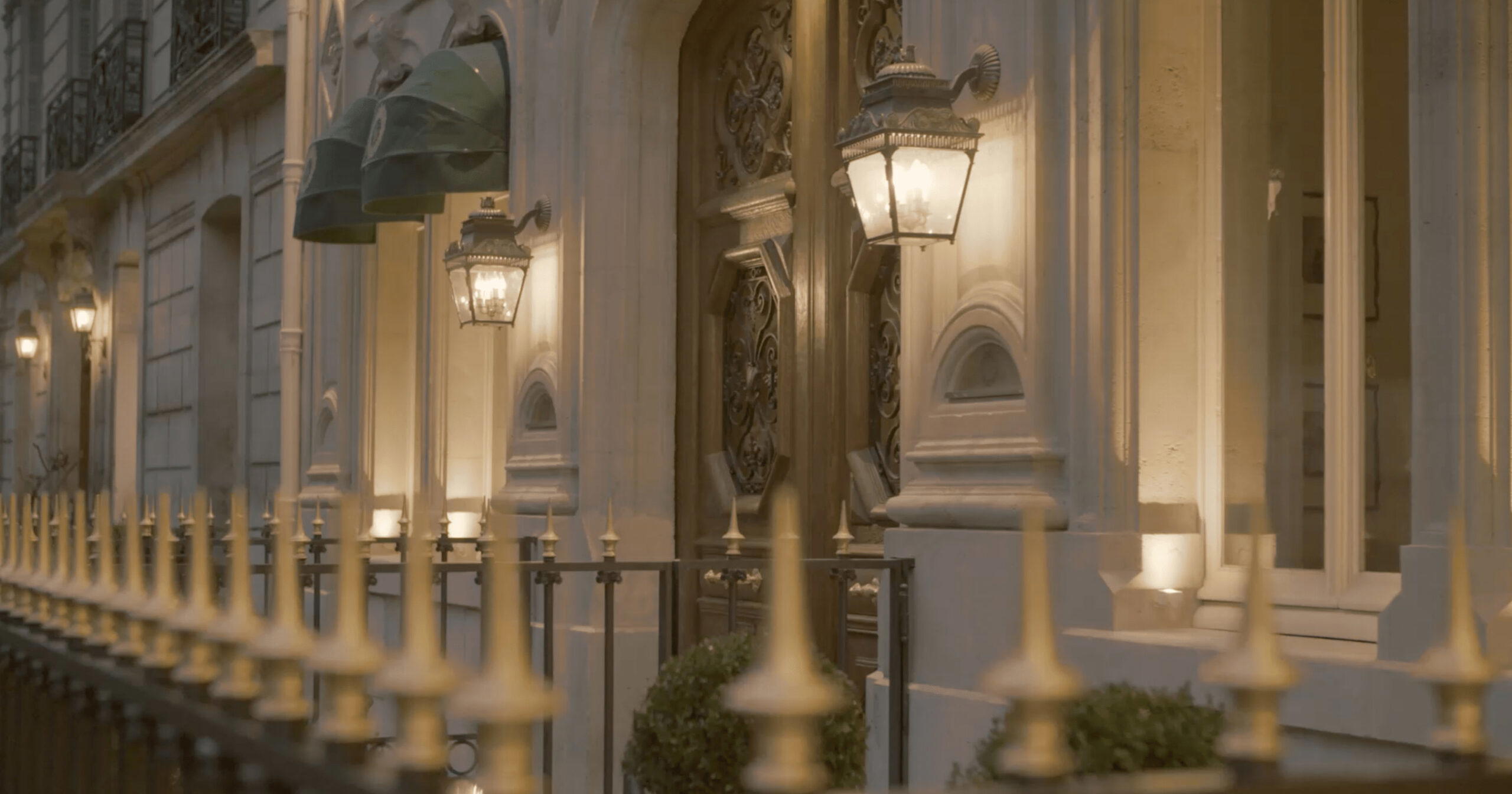
Bars in Rueil Malmaison
Browse all →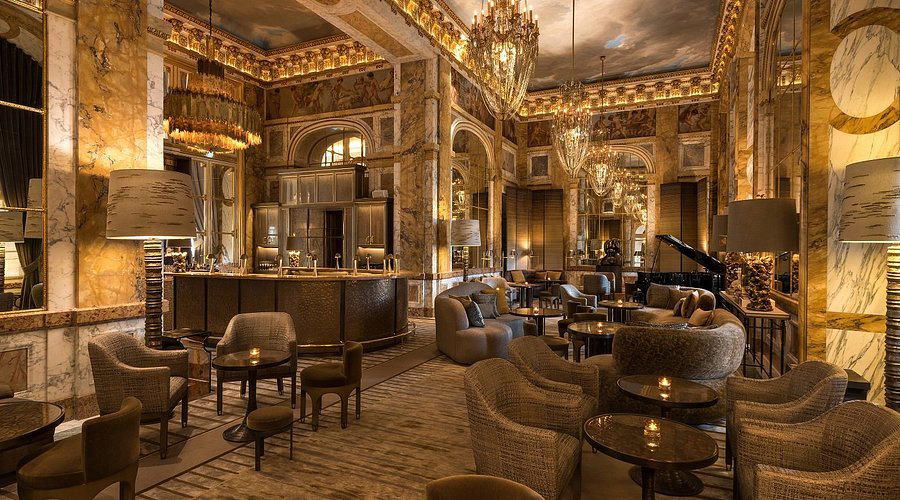
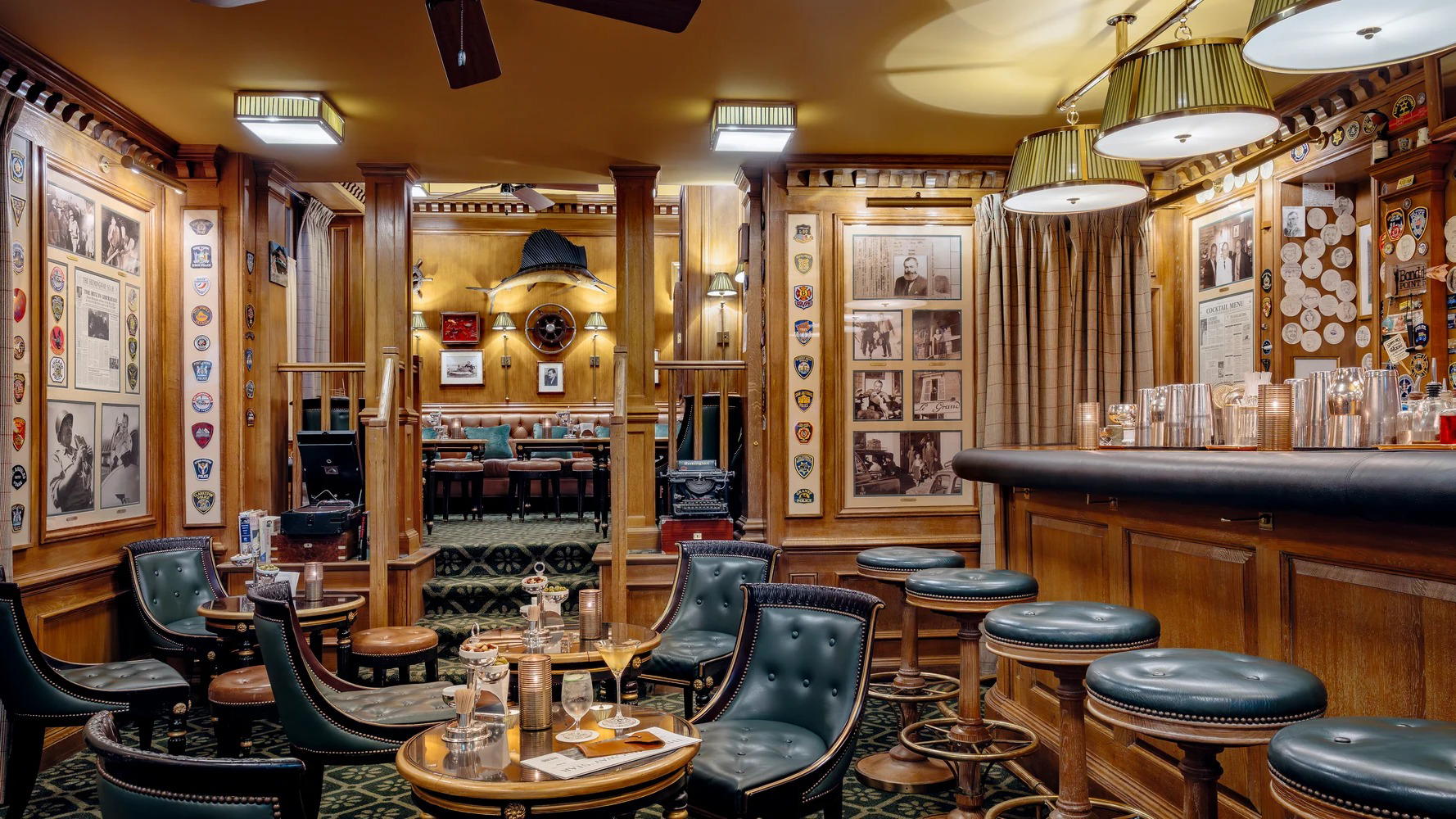
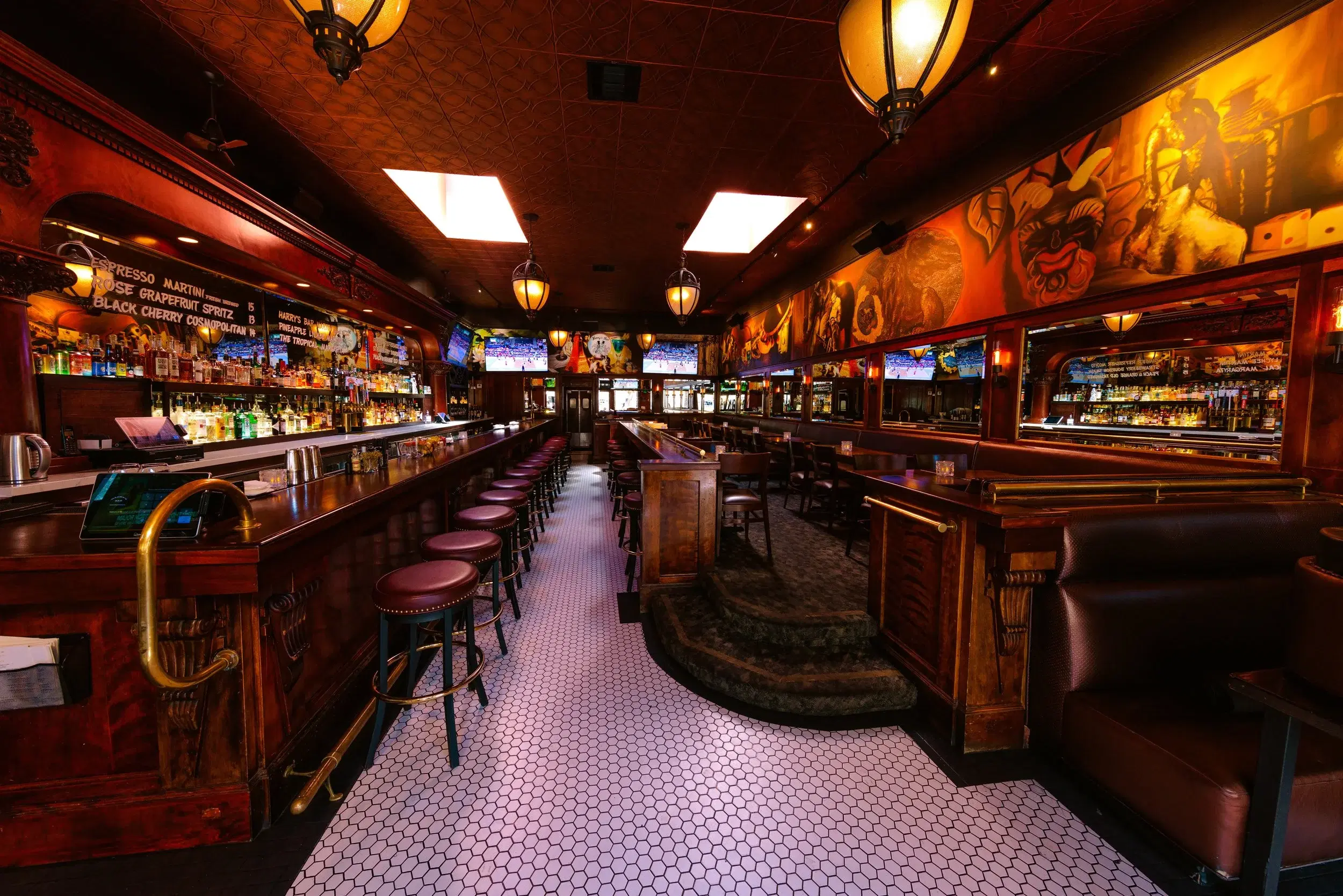
Hotels in Rueil Malmaison
Browse all →



At a Glance
- Cozy
- Elegant
- Romantic
- Date Night
- Group Dining
- Family
- Business Dinner
- Terrace
- Garden
Current opening hours
- Monday
- 12–2:30 PM, 7–11:30 PM
- Tuesday
- 12–2:30 PM, 7–11:30 PM
- Wednesday
- 12–2:30 PM, 7–11:30 PM
- Thursday
- 12–2:30 PM, 7–11:30 PM
- Friday
- 12–2:30 PM, 7–11:30 PM
- Saturday
- 12–2:30 PM, 7–11:30 PM
- Sunday
- 12–2:30 PM, 7–11:30 PM
Hours can change for holidays and private events. Last verified .
Cozy and airy space with subdued lighting for intimate dinners and an outdoor terrace surrounded by greenery.