La Table de Rueil

La Table de Rueil pairs French bistronomique cooking with local sourcing, a quiet room, and an extensive wine list for leisurely lunch or dinner.
Pearl is the En Primeur Club membership app — saves, bookings, and concierge access live there. Same editors, same standards.
- Address
- 26 Rue du Dr Zamenhof, 92500 Rueil-Malmaison, France
- Phone
- +33981214443
- Website
- latablederueil.com
- Directions
- Get directions
 Saves & bookings on Pearl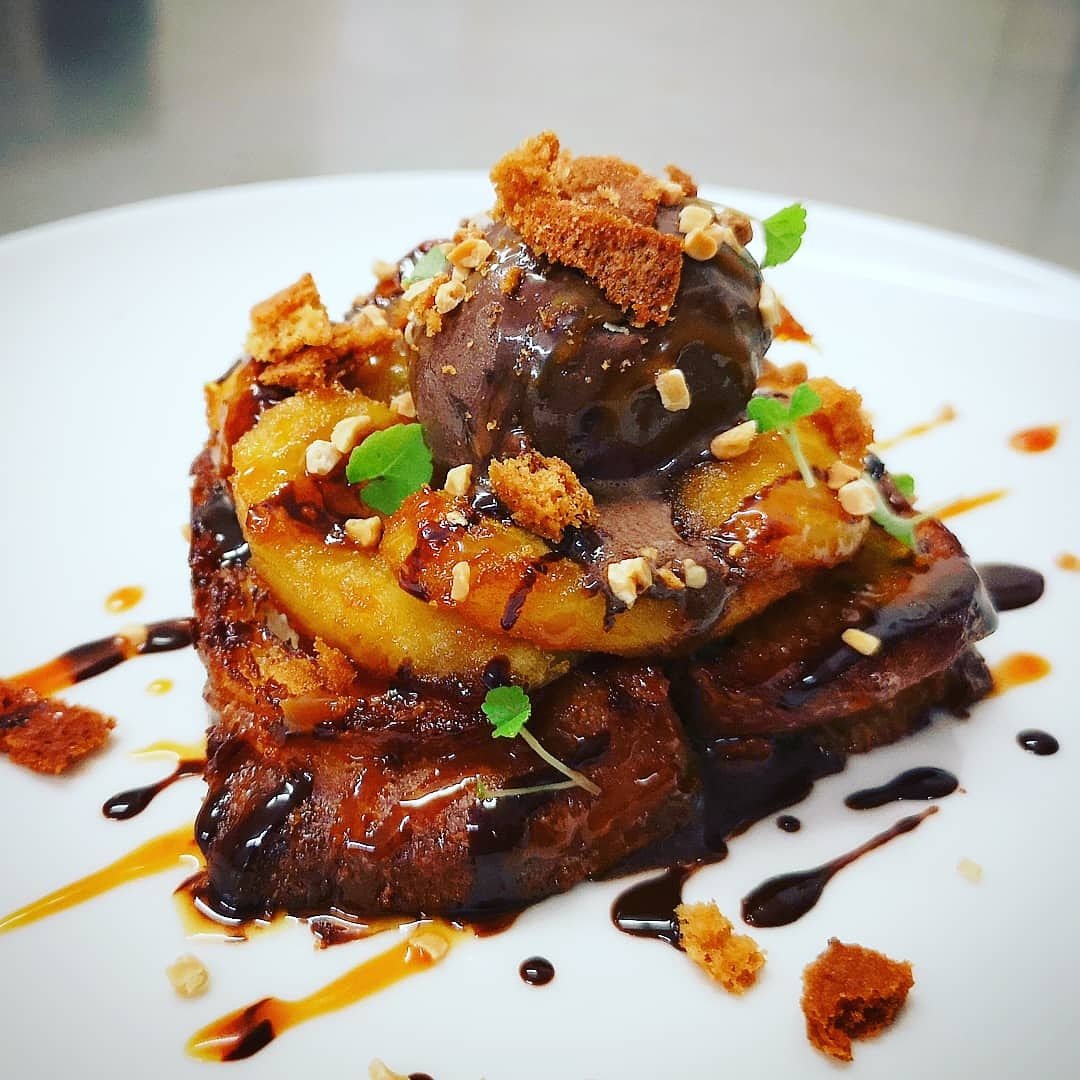
A Suburban Address With a Serious Kitchen
The Hauts-de-Seine department sits in an odd position on the Paris dining map: close enough to the capital that residents commute daily, far enough that restaurant guides rarely bother to follow. Rueil-Malmaison, with its broad avenues and Napoleonic associations, is not the kind of place food editors typically circle. That indifference is precisely why a restaurant like La Table de Rueil occupies an interesting position. In a suburb where casual brasseries and chain dining define most of the options, a kitchen that takes sourcing seriously operates in near-isolation from the competitive pressures that shape Paris proper.
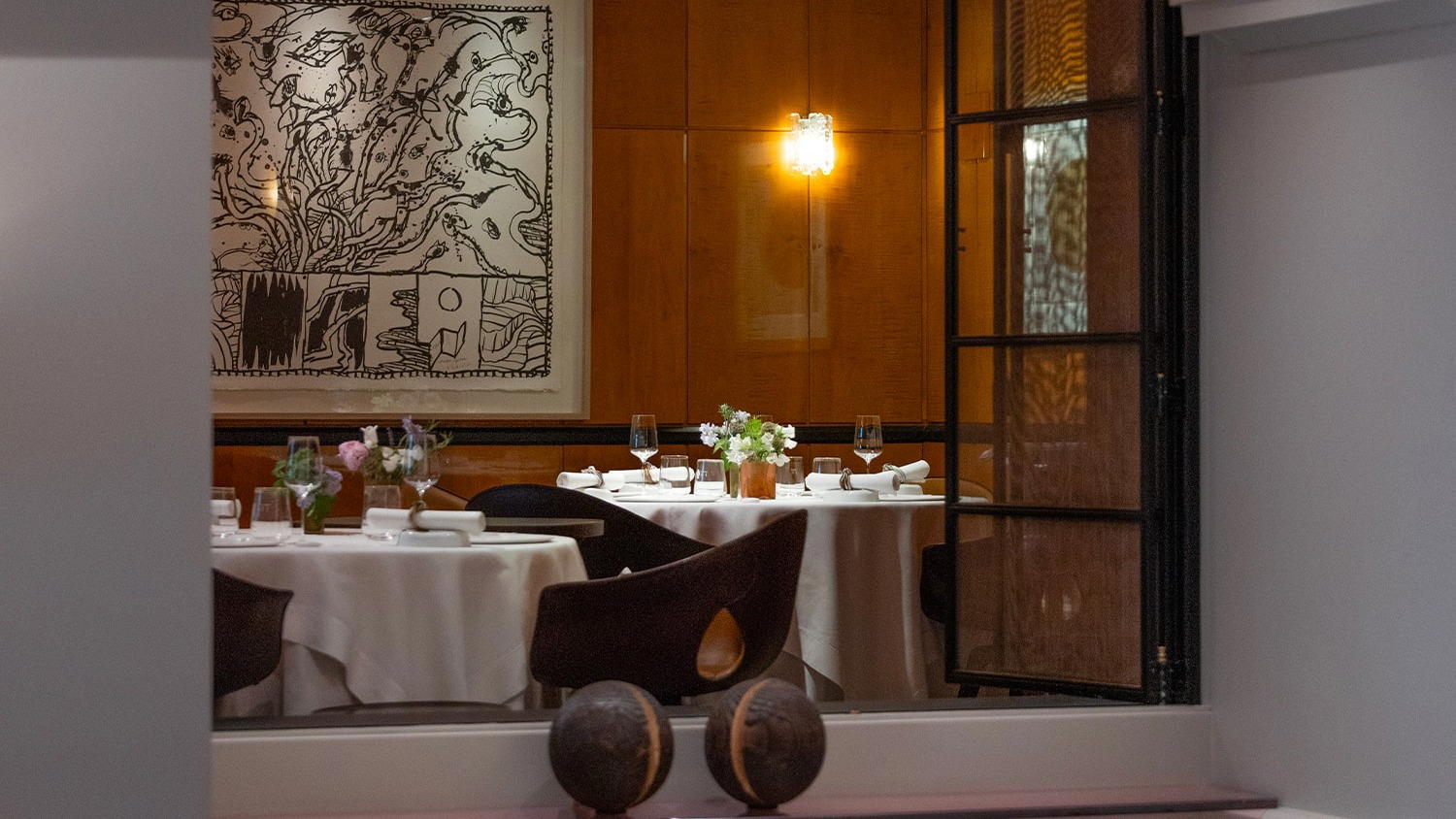
The address on Rue du Dr Zamenhof places the restaurant in a calm residential quarter, away from the retail noise of central Rueil. Approaching on foot, the surrounding architecture is mid-century and unhurried. The interior signals shift the register: the kind of room that makes a deliberate case for a more considered meal than the neighbourhood average suggests. For anyone making the trip from Paris, the RER A to Rueil-Malmaison station reduces the journey to roughly twenty minutes from central arrondissements, which repositions this as a viable destination rather than a local fallback. Booking ahead is recommended.
How Ingredient Sourcing Defines the Suburban French Table
French gastronomy at the serious end has spent the last decade in an increasingly pointed conversation about provenance. What began as a marketing reflex, listing farm names on menus, has matured into something more structural: kitchens building menus around what the supply chain can actually deliver at its leading, rather than reverse-engineering dishes to fit a fixed format. The restaurants that have took full advantage of this shift, places like Mirazur in Menton and Bras in Laguiole, tend to be located outside Paris, where proximity to specific agricultural zones gives the kitchen a genuine sourcing advantage.
A suburban kitchen in the Île-de-France sits in a different position. The Île-de-France is not a primary agricultural region in the way that the Auvergne or the Côte d'Azur hinterland are, but it does sit at the convergence of supply routes from Normandy, the Loire, Brittany, and the market infrastructure of Rungis, the wholesale hub south of Paris that remains one of the largest fresh-produce markets in the world. For a kitchen in Rueil-Malmaison, access to Rungis is a structural advantage that Paris restaurants share but that suburban restaurants can exploit with less operational friction, arriving earlier, selecting more carefully, without the time pressures of a densely-booked central-Paris service.
This regional access pattern is evident in how the better French provincial tables operate. Auberge de l'Ill in Illhaeusern draws on Alsatian supply chains with a directness that its Paris peers cannot match. Christopher Coutanceau in La Rochelle has built its identity almost entirely around Atlantic seafood provenance. The logic that governs those restaurants, sourcing specificity as a competitive differentiator, applies at every price tier, including suburban bistros that lack Michelin coverage but take the same questions seriously.
The Rueil-Malmaison Restaurant Scene in Context
Rueil-Malmaison's dining options span a range that reflects the suburb's demographic mix: corporate lunch trade from the technology and pharmaceutical firms based in La Défense's outer ring, a local residential population with Parisian tastes and shorter commuting distances, and weekend visitors drawn by the Château de Malmaison and its Napoleonic collections. The result is a market that supports more format diversity than similarly-sized French towns further from the capital.
Chinese cuisine has a presence in the suburb through Le Bonheur de Chine, which serves the local community alongside occasional destination diners. Indian cooking appears at Restaurant Diwali, reflecting the suburb's broader demographic range. The casual French register is covered by Sapristi. La Table de Rueil operates at a different register from these neighbours, targeting the tier of the market that wants a more formal French table without commuting back into the capital.
The comparison that matters for understanding La Table de Rueil is not with its Rueil neighbours but with the category of serious suburban French restaurants that exist in the shadow of Paris: establishments that would attract considerably more critical attention if they were located within the Périphérique, but that serve their communities with a degree of technical ambition that the location does not require. This category is more common than the guide coverage implies, and it represents reasonable value relative to equivalent cooking in the 8th or 16th arrondissements.
The French Fine-Dining Reference Points
Understanding where a serious suburban French table sits requires some calibration against the broader spectrum of French gastronomy. At the formal end, three-star kitchens like Alléno Paris au Pavillon Ledoyen and Assiette Champenoise in Reims set benchmarks for technical precision and sourcing discipline. Destination restaurants outside the capital, including Flocons de Sel in Megève, Troisgros in Ouches, and Auberge du Vieux Puits in Fontjoncouse, demonstrate that serious French cooking has never been exclusively a Parisian project. The long history of Paul Bocuse's Auberge du Pont de Collonges and the technical ambition of AM par Alexandre Mazzia in Marseille reinforce the same point from different angles.
Outside France entirely, the trajectory of European-influenced fine dining at places like Le Bernardin in New York City and the more recent generation represented by Atomix shows that sourcing-led approaches have become a shared grammar across different cuisines and price tiers. The Alsatian model at Au Crocodile in Strasbourg further illustrates how French provincial kitchens have maintained technical standards independent of Paris validation.
Practical Notes for Visitors
La Table de Rueil is located at 26 Rue du Dr Zamenhof, 92500 Rueil-Malmaison. From Paris, the RER A provides regular service to Rueil-Malmaison station; the restaurant is accessible on foot from there in a short walk through residential streets. Visitors arriving by car should account for parking in the surrounding area, which is generally more available than central Paris but subject to local restrictions. The restaurant is open Tuesday through Saturday, with lunch service from 12 to 2:15 PM or 2 PM depending on the day, and dinner service from 7 to 9:30 PM or 10 PM depending on the day.
A Quick Peer Check
Comparable venues nearby, for context on price, style, and recognition.
| Venue | Cuisine | Price | Notes |
|---|---|---|---|
| La Table de RueilThis venue — the venue you are viewing | French Bistronomique | $$$ | Not listed |
| Sapristi | Modern French Bistro | $$ | Rueil-Malmaison |
| Le Bonheur de Chine | Refined Traditional Chinese with Beijing, Shanghai & Cantonese Specialties | $$$$ | Rueil-Malmaison |
| Restaurant Diwali | Gastronomic Indian | $$$ | Martinets - Gare |
| Le Petit Canard | Traditional French Duck Bistro | $$$ | 9th arrondissement |
| Le Saint Ferdinand | Traditional French Brasserie | $$$ | Ternes |
Recognition history
Dated appearances from independent guides and award organizations, with the underlying list record or original source where available.
Michelin Plate
Michelin · 2026 Michelin Plate
Continue exploring
More in Rueil Malmaison
Restaurants in Rueil Malmaison
Browse all →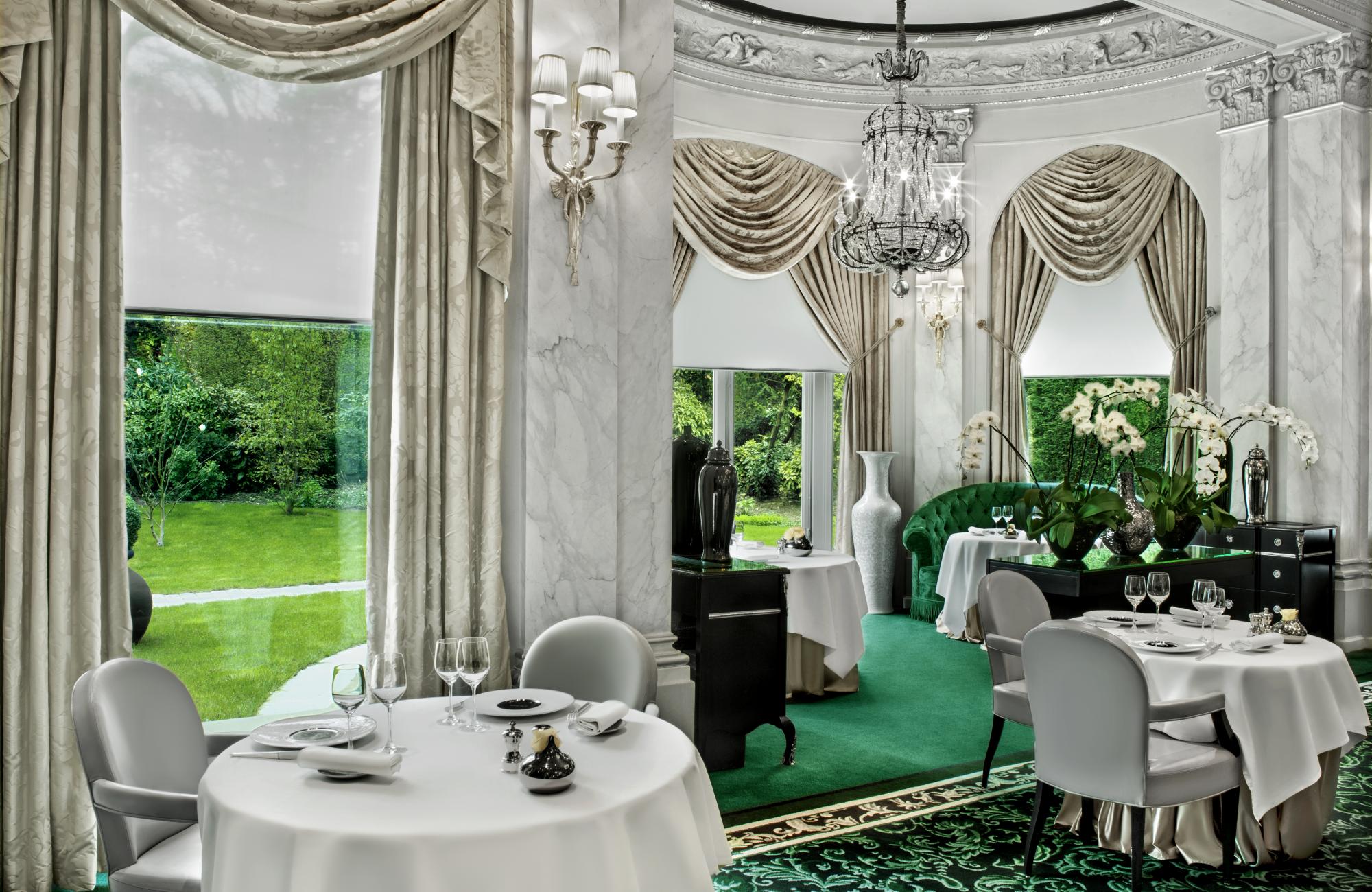

Bars in Rueil Malmaison
Browse all →
Hotels in Rueil Malmaison
Browse all →



At a Glance
- Cozy
- Elegant
- Intimate
- Classic
- Date Night
- Special Occasion
- Extensive Wine List
- Local Sourcing
Current opening hours
- Monday
- Closed
- Tuesday
- 12–2:15 PM, 7–9:30 PM
- Wednesday
- 12–2 PM, 7–9:30 PM
- Thursday
- 12–2:15 PM, 7–9:30 PM
- Friday
- 12–2:15 PM, 7–10 PM
- Saturday
- 12–2:15 PM, 7–10 PM
- Sunday
- Closed
Hours can change for holidays and private events. Last verified .
Cozy, warm, elegant, and minimalist interior with a soigne and welcoming atmosphere.