Restaurant DEN
Our verdict
Restaurant DEN on Hohenzollernallee sits within Düsseldorf's serious fine-dining corridor, where imported technique meets local and regional produce. The address places it at some remove from the Altstadt's tourist circuit, drawing a clientele that arrives with intent rather than impulse. For a city that tends to measure culinary ambition against Cologne and Hamburg, DEN represents a considered local answer.

Pearl is the En Primeur Club membership app — saves, bookings, and concierge access live there. Same editors, same standards.
- Address
- Hohenzollernallee 8d, 40235 Düsseldorf, Germany
- Phone
- +4921115817272
- Hours
- Mon ClosedTue–Thu 5–10:30 PMFri 5–11 PMSat 1:30–11 PMSun 1:30–10 PM
- Website
- denrestaurant.de
- Directions
- Get directions
- Booking
- Book on OpenTable
The menu
What to order
- Surf and Turf Roll
- Teppanyaki Salmon
- Teppanyaki Beef
A Fine-Dining Address at the Edge of Düsseldorf's Serious Eating Scene
Hohenzollernallee 8d is not an address that announces itself. The street runs through a residential and light-commercial stretch of Düsseldorf's eastern districts, well away from the Rhine promenade and the Altstadt's concentrated foot traffic. Arriving here, you are not stumbling in from a gallery opening or a shopping circuit. You have made a decision. That self-selecting geography says something about the kind of restaurant Restaurant DEN aims to be: one that earns its audience rather than captures it by location alone.
Düsseldorf's fine-dining tier has historically occupied a peculiar position in German culinary geography. The city is wealthy, internationally connected, and hosts a significant Japanese business community that has shaped its eating culture in ways visible across multiple price points, from the casual options on Alanya Döner to the wine-focused rooms of Amuni Wein- und Käsebar. Yet the city's top-tier restaurants have not accumulated the density of recognition that Hamburg or Munich attract. Against that backdrop, a restaurant on a quieter address choosing restraint over spectacle is making a particular argument about what serious dining in Düsseldorf can look like.
Where Global Technique Meets Regional Produce
The most instructive frame for understanding the better German fine-dining rooms of the past decade is the interplay between imported culinary method and locally sourced ingredients. This is a pattern visible across the country's Michelin-tracked tier: kitchens that absorbed Japanese knife discipline, French sauce architecture, or Nordic preservation logic, then applied those methods to German regional produce. Schwarzwaldstube in Baiersbronn and Waldhotel Sonnora in Dreis represent the older generation of that approach, while newer addresses including ES:SENZ in Grassau and JAN in Munich have pushed it into more personal, ingredient-driven territory.
Restaurant DEN sits in this conversation. The name itself carries a German-language directness that signals intention without ornamentation. For a restaurant at an address like Hohenzollernallee, the culinary logic that connects technique acquired elsewhere with produce available in the Rhine-Ruhr corridor is a credible operating premise. That region's agricultural output, butcher culture, and proximity to Dutch and Belgian supply chains gives a kitchen working at this level considerable material to work with, even before it reaches for more distant sourcing.
The comparison set matters here. Within Germany's high-end dining circuit, rooms that prioritize local and seasonal sourcing over prestige imports tend to operate with tighter, more seasonal menus and longer lead times for bookings. Aqua in Wolfsburg and Victor's Fine Dining by Christian Bau in Perl represent the highly decorated end of that spectrum. DEN, operating from a less prominent city address, would occupy a different tier within that hierarchy, though the structural logic of technique meeting local product applies across the range.
Düsseldorf's Dining Spread, and Where DEN Fits
Understanding what DEN offers requires some mapping of Düsseldorf's current dining spread. The city's eating scene runs from the Altstadt's informal density, through the Medienhafen's design-conscious dining, to scattered serious restaurants in residential quarters. That last category, quieter addresses with fewer walk-ins and more intentional clientele, is where restaurants in the DEN mold tend to build their followings. Anfora and Arca Alacati illustrate the more casual end of Düsseldorf's neighborhood eating; DEN's street address places it in a different register entirely.
For comparative reference, Germany's most recognized fine-dining rooms tend to book out weeks or months in advance, particularly for weekend tables. Schanz in Piesport and Vendôme in Bergisch Gladbach are examples of rooms where advance planning is the baseline expectation rather than an exception. A restaurant at DEN's address, working with a presumably limited seat count characteristic of serious fine-dining operations, would reward the same planning discipline. Arriving without a reservation is unlikely to be a viable strategy.
The broader German fine-dining scene also offers useful benchmarks for what technique-focused kitchens at this tier tend to charge and how they structure their service. Tasting menus have become the dominant format among Germany's recognized fine-dining rooms, with CODA Dessert Dining in Berlin demonstrating that even format experimentation is possible within that structure. Restaurant Haerlin in Hamburg represents the classic grand-hotel fine-dining anchor at the other end. DEN's residential Düsseldorf address suggests something more intimate in scale, closer in spirit to the focused, chef-driven rooms than to the large-format hotel dining model.
Internationally, the technical ambition visible in Germany's leading fine-dining rooms now competes for the same informed traveler attention as Le Bernardin in New York City or Atomix in New York City, both of which have demonstrated how imported technique applied with discipline creates a dining proposition that transcends geography. That is the standard against which serious rooms in secondary German cities are increasingly measured by traveling diners who use those international benchmarks as reference points.
Planning a Visit
Hohenzollernallee 8d is reachable from Düsseldorf's central S-Bahn and U-Bahn network, with Duisburger Straße and Zoo stations both within practical walking distance for those arriving by public transport, or a short taxi or rideshare ride from the city center and Medienhafen. Given the restaurant's residential-quarter setting, arriving by car is manageable, with street parking typically more accessible in this area than in the Altstadt core. Booking details, current hours, and confirmation of the menu format should be verified directly with the restaurant, as operational specifics for rooms of this type can shift seasonally. For those building a broader Düsseldorf eating itinerary, our full Düsseldorf restaurants guide maps the city's dining spread from casual neighborhood spots like 3h's burger and chicken through to serious fine-dining addresses. Plan the visit rather than drop in: restaurants at this level in Germany's recognized dining circuit do not hold tables for unannounced guests, and the Düsseldorf fine-dining tier is small enough that key evenings fill quickly.
Frequently asked questions
What should I eat at Restaurant DEN?
Given DEN's position within Düsseldorf's fine-dining tier and the culinary logic common to serious German rooms at this level, a tasting menu format is the most likely structure for the main dining proposition. That format, standard across Germany's recognized fine-dining circuit, is where kitchens applying global technique to regional ingredients can express the full range of their approach. Confirm the current menu structure directly when booking, as the format and length may vary by season.
How far ahead should I plan for Restaurant DEN?
Serious fine-dining rooms in Germany's recognized tier typically require advance booking of several weeks at minimum, and weekend tables at the most in-demand rooms fill months out. Düsseldorf's fine-dining circuit is smaller than Hamburg or Munich, which can mean either shorter or longer lead times depending on how the local room has built its following.
What is Restaurant DEN leading at?
Based on its positioning within Düsseldorf's fine-dining set and the editorial logic of technique-focused German kitchens, DEN's strength is likely the disciplined application of imported culinary method to regional and seasonal produce, the approach that defines Germany's most critically engaged restaurants. Rooms operating at this level in quieter city addresses tend to compensate for lower foot traffic with higher kitchen focus and more consistent execution than high-volume competitors.
Is Restaurant DEN suitable for a special-occasion dinner in Düsseldorf?
A residential fine-dining address like Hohenzollernallee, with the intentional clientele that kind of location attracts, is a structure well suited to occasions that benefit from a quieter, more focused room rather than a buzzing central venue. Across Germany's fine-dining tier, from Aqua in Wolfsburg to Vendôme in Bergisch Gladbach, the rooms that draw special-occasion diners repeatedly tend to be those where service pace and kitchen ambition align with the expectation of a dedicated evening rather than a quick meal. Verify current pricing and menu length when booking to calibrate the experience against the occasion.
At a Glance
Comparable venues nearby, for context on price, style, and recognition.
| Venue | Cuisine | Price | Awards | Notes |
|---|---|---|---|---|
| Restaurant DENThis venue — the venue you are viewing | Modern Japanese Sushi & Teppanyaki | $50–100 | Not listed | Not listed |
| Funky Ramen | Modern Japanese Ramen & Sushi | $20–30 | Not listed | Derendorf, Modern Japanese Ramen & Sushi |
| Piazza Saitta | Traditional Italian Trattoria | $30–50 | Not listed | Oberkassel, Traditional Italian Trattoria |
| G. Saitta | Authentic Italian Tuscan & Central-Italian | $30–50 | Not listed | Kaiserswerth, Authentic Italian Tuscan & Central-Italian |
| Le Bouchon | French Bistro & Brasserie | $50–100 | Falstaff Restaurant - 89 Falstaff Points | Pempelfort, French Bistro & Brasserie |
| Kenny's Kitchen | Japanese Street Food - Karaage Specialists | Not listed | Not listed | Flingern Nord, Japanese Street Food - Karaage Specialists |
Continue exploring
More in Düsseldorf
Restaurants in Düsseldorf
Browse all →
Bars in Düsseldorf
Browse all →
Hotels in Düsseldorf
Browse all →
Wineries in Düsseldorf
Browse all →
Restaurant DEN
The wine
- Wine program
- Curated wine list
- Extensive wine list
- Sommelier-led
- Sake program
Details
- Elegant
- Modern
- Sophisticated
- Date Night
- Business Dinner
- Special Occasion
- Open Kitchen
- Standalone
- Sake Program
- Sommelier Led
- Extensive Wine List
- A La Carte
- Omakase
- Sake
- Wine
- Vegetarian Friendly
- Vegan Options
Current opening hours
- Monday
- Closed
- Tuesday
- 5–10:30 PM
- Wednesday
- 5–10:30 PM
- Thursday
- 5–10:30 PM
- Friday
- 5–11 PM
- Saturday
- 1:30–11 PM
- Sunday
- 1:30–10 PM
Hours can change for holidays and private events. Last verified .
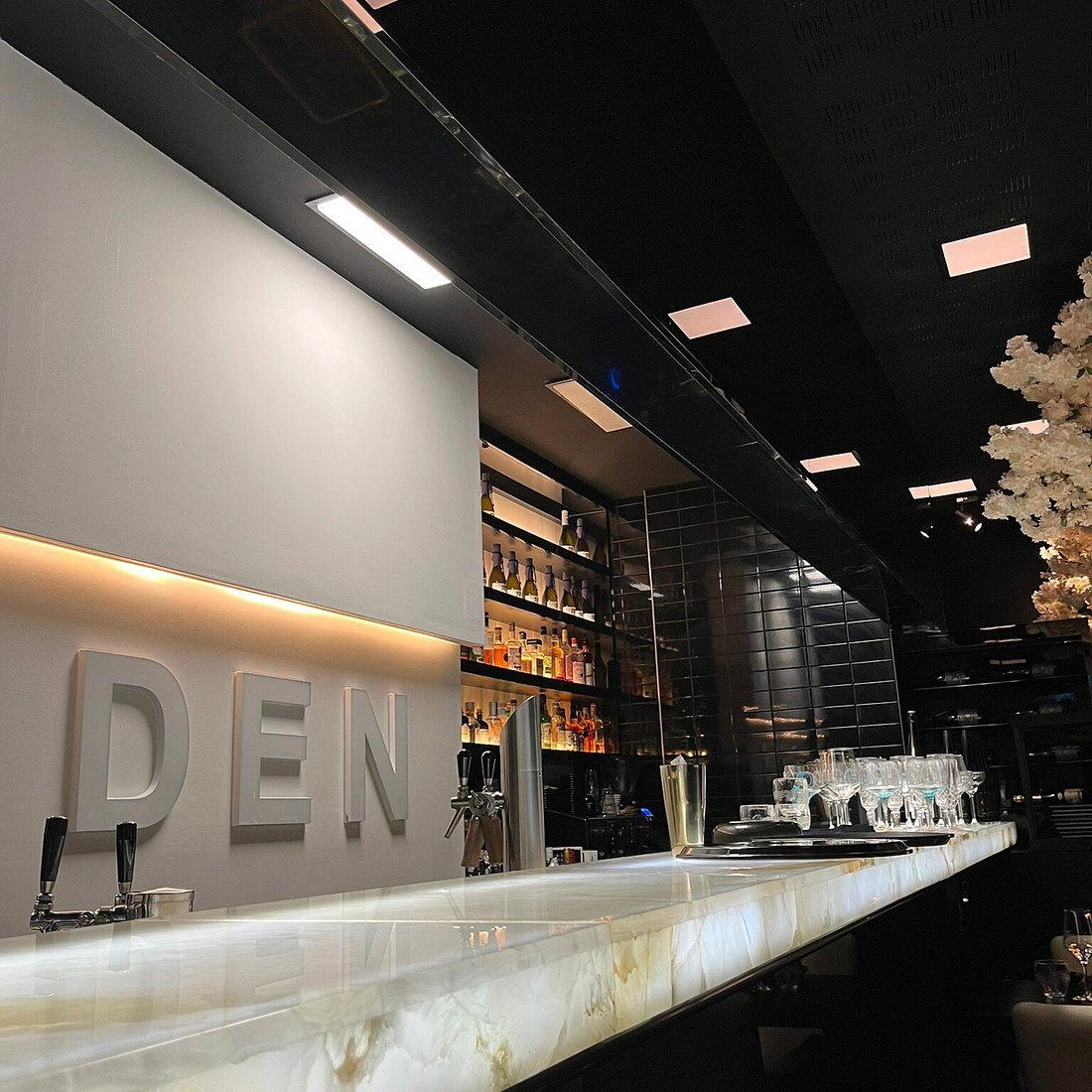
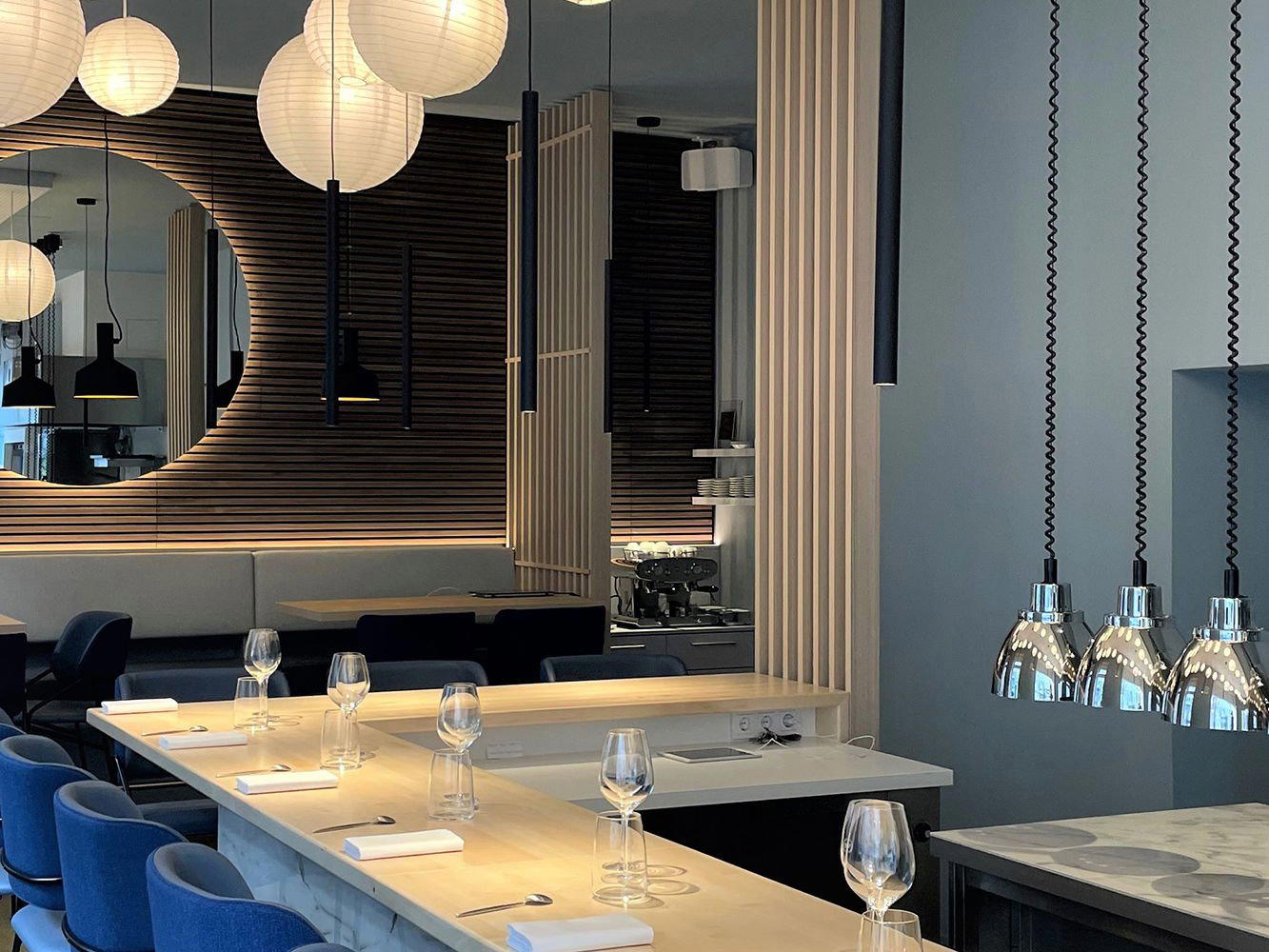
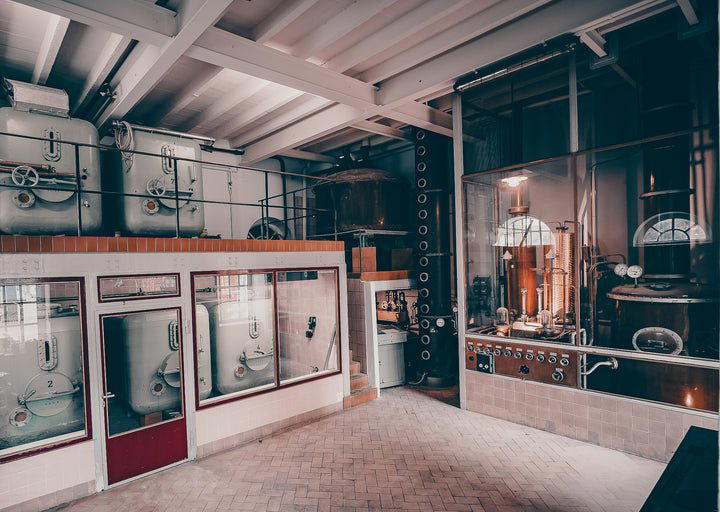
Tasteful and swish interior with modern styling; energetic yet sophisticated atmosphere.