Piazza Saitta
Our verdict
Piazza Saitta occupies a corner address at Barbarossaplatz in Düsseldorf's left-bank Oberkassel district, where Italian neighbourhood dining meets the city's appetite for quality casual eating. The kitchen draws on Italian traditions in a room that reads as a local anchor rather than a tourist-facing restaurant. It sits in a part of the city where a discerning residential crowd sets the standard.

Pearl is the En Primeur Club membership app — saves, bookings, and concierge access live there. Same editors, same standards.
- Address
- Barbarossapl. 3, 40545 Düsseldorf, Germany
- Phone
- +492111715191
- Hours
- Mon–Sat 12–11 PMSun Closed
- Website
- saitta.de
- Directions
- Get directions
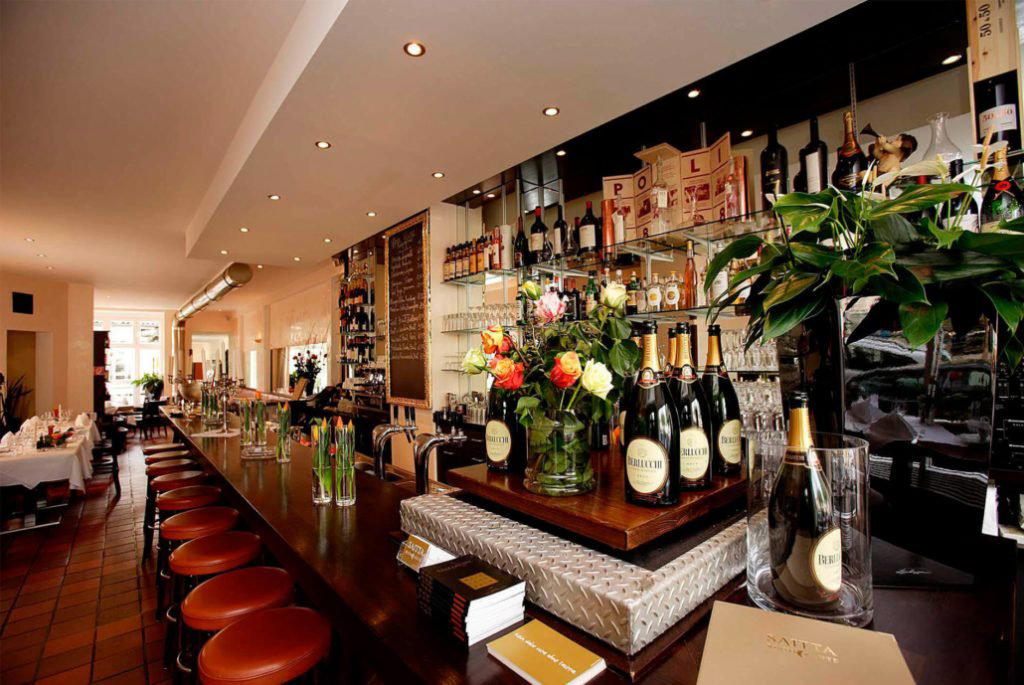
Barbarossaplatz and the Düsseldorf Neighbourhood Table
There is a particular kind of Italian restaurant that European cities do quietly well: not the formal white-tablecloth kind angling for tasting-menu recognition, and not the tourist-trap trattoria running a laminated pizza list. The third category sits between these poles, in residential neighbourhoods where the crowd is local, the menu changes with genuine intent, and the room functions as an extension of the street outside. Düsseldorf's left bank, the Oberkassel and Niederkassel quarters separated from the Altstadt by the Rhine, has developed a concentration of exactly this type of venue. Piazza Saitta, addressed at Barbarossaplatz 3, 40545 Düsseldorf, is part of that pattern.
Barbarossaplatz is a square that functions as a neighbourhood node rather than a destination landmark. Trams pass through it, residents cross it on the way to the market, and the restaurants and cafés that ring it draw from the surrounding streets rather than from the tourist map. Opening onto a space like this shapes a restaurant's character before a single dish leaves the kitchen: the clientele expects familiarity, value held in proportion to quality, and cooking that does not need to explain itself.
How the Menu Speaks Before the Food Arrives
Italian restaurant menus in Germany operate within a well-understood grammar. Readers can navigate antipasto, primo, secondo, and dolce almost by instinct, which means the interest lies in how a kitchen uses that structure rather than in the structure itself. A menu that lists four or five antipasti with regional specificity — say, a distinction between Sicilian and Calabrian preparations — tells you something different about the kitchen's ambitions than one that defaults to the universal bruschetta-and-carpaccio opening act.
The architecture of an Italian menu also signals price positioning and pace. A venue running a genuine secondi programme, with protein dishes treated as a distinct course rather than folded into a single-page catch-all, tends to position itself for longer, more considered meals. At the Barbarossaplatz address, the residential setting encourages exactly this kind of unhurried format: neighbours eating at a neighbourhood table rather than tourists moving between sites on a two-hour window.
This matters in Düsseldorf specifically because the city's Italian dining offer spans a wider range than its German reputation might suggest. The Altstadt corridor runs cheap and fast; the Medienhafen addresses tend toward the style-over-substance end; and it is in the residential quarters where cooking that takes Italian regional sourcing seriously tends to settle. For broader orientation across the city's dining map, the full Düsseldorf restaurants guide provides neighbourhood-level context.
Italian Dining in Germany: The Competitive Frame
Italian restaurants in Germany occupy a specific cultural position. They have been part of the country's eating landscape since postwar labour migration, which means German diners carry decades of reference points. The consequence is a self-correcting market: kitchens that treat the cuisine with genuine seriousness tend to find audiences who notice the difference, while those running generic menus face steady pressure from the next cheaper option on the same street.
Within Düsseldorf's immediate peer restaurants, venues like Amuni Wein- und Käsebar and Anfora represent the Mediterranean-leaning end of the city's casual dining, while Arca Alacati extends the southern European frame into Turkish territory. The neighbourhood also accommodates more casual formats: 3h's burger & chicken, Alanya Döner, all serving the same residential catchment with different price points and formats. Piazza Saitta operates in a city that has learned to be specific about what it wants from its Italian tables.
At the higher end of the German fine dining spectrum, addresses like Aqua in Wolfsburg and Vendôme in Bergisch Gladbach represent what the country's tasting-menu tier looks like, while Schwarzwaldstube in Baiersbronn and Waldhotel Sonnora in Dreis anchor the classic end of the national conversation. Closer to the experimental tier, CODA Dessert Dining in Berlin and JAN in Munich have carved distinct identities. Neighbourhood Italian restaurants like Piazza Saitta exist in an entirely different register from these addresses, but they serve a different need: consistency over occasion, familiarity over revelation.
For comparison outside Germany, the approach to menu structure at serious Italian-influenced addresses, the way a kitchen sequences courses to build a meal rather than simply listing options, is something that separates the better European tables from their counterparts. Le Bernardin in New York City operates in a different category entirely, but the underlying discipline of menu architecture as editorial statement applies across price tiers. Similarly, Atomix in New York City demonstrates how deeply a tasting menu can encode a kitchen's identity. The question for a neighbourhood Italian restaurant is whether it applies the same intentionality at a casual price point.
Getting There and Planning a Visit
Barbarossaplatz is accessible by tram from central Düsseldorf, with several lines crossing the Rhine to the left bank. The address at Barbarossaplatz 3 sits on the square itself, making it direct to locate without navigating deeper into residential streets. For current hours, reservation availability, and any booking requirements, contacting the restaurant directly or checking local listings is advisable, as specific operational details are subject to change. Visitors planning an evening in the area will find the square and its surrounding blocks form a self-contained dining and drinking circuit worth treating as a destination in its own right rather than a detour from the Altstadt.
Those building a broader Düsseldorf itinerary across cuisines and formats will also find ES:SENZ in Grassau, Schanz in Piesport, Victor's Fine Dining by christian bau in Perl, and Restaurant Haerlin in Hamburg useful reference points for understanding where the region's dining ambitions sit at their most developed.
Frequently asked questions
What should I eat at Piazza Saitta?
Is Piazza Saitta reservation-only?
What's the defining dish or idea at Piazza Saitta?
Is Piazza Saitta allergy-friendly?
Is Piazza Saitta worth the price?
How does Piazza Saitta fit into Düsseldorf's Italian dining scene more broadly?
Cuisine Lens
Comparable venues nearby, for context on price, style, and recognition.
| Venue | Cuisine | Price | Notes |
|---|---|---|---|
| Piazza SaittaThis venue — the venue you are viewing | Traditional Italian Trattoria | $30–50 | Not listed |
| G. Saitta | Authentic Italian Tuscan & Central-Italian | $30–50 | Kaiserswerth |
| thewaytonapoli | Neapolitan Pizza | $20–30 | Düsseltal |
| Bocconcino | Modern Italian Mediterranean | $30–50 | Hafen |
| Amuni Wein- und Käsebar | Sicilian Wine & Cheese Bar | $30–50 | Altstadt |
| Pitti Cucina Italiana | Modern Italian Trattoria | $30–50 | Altstadt |
Continue exploring
More in Düsseldorf
Restaurants in Düsseldorf
Browse all →
Bars in Düsseldorf
Browse all →
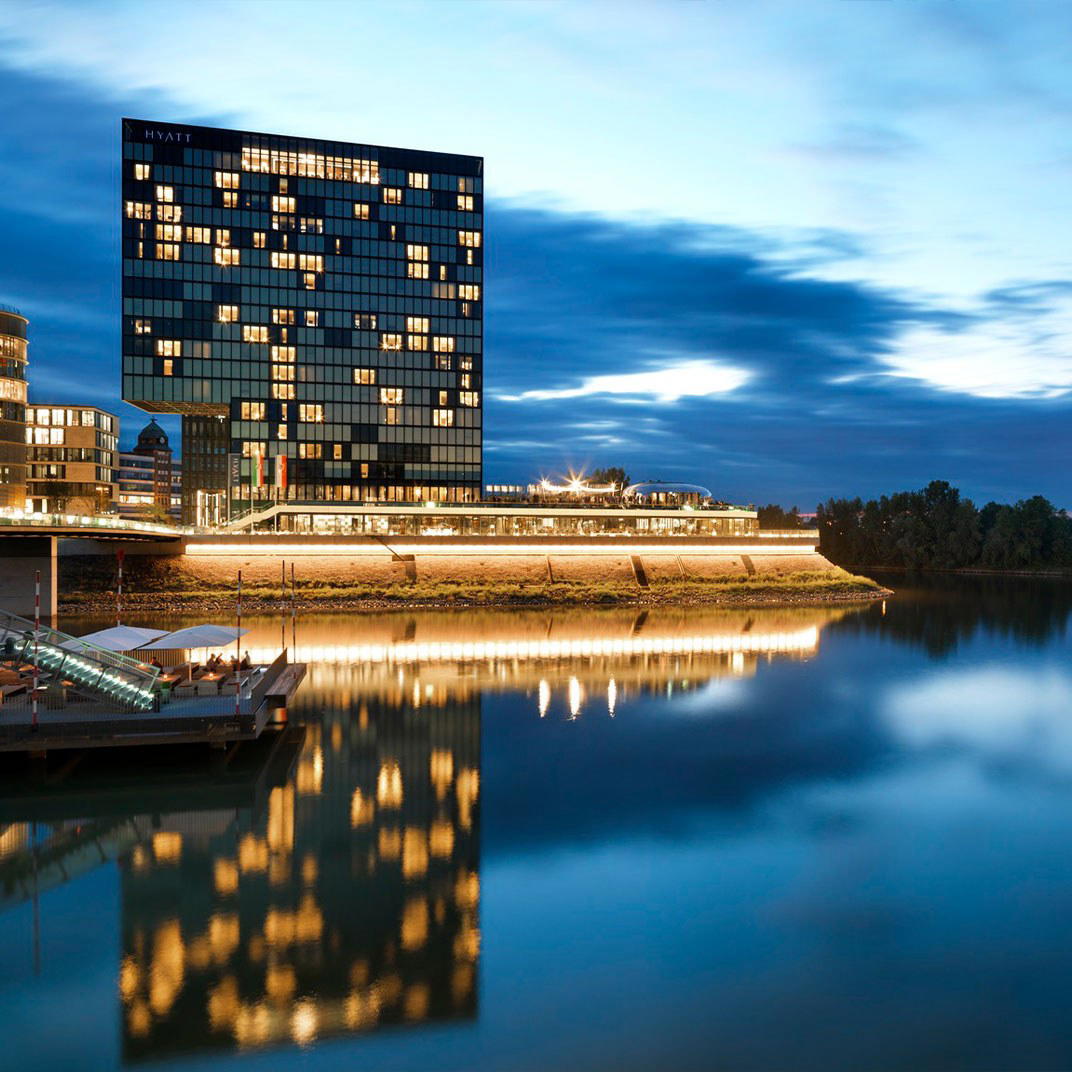
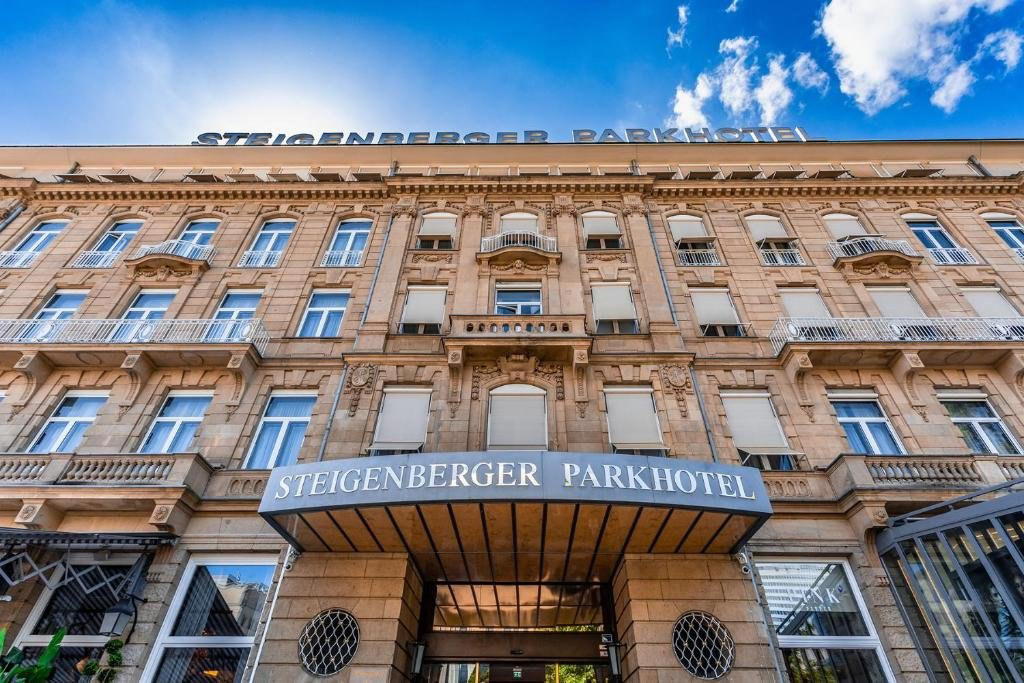
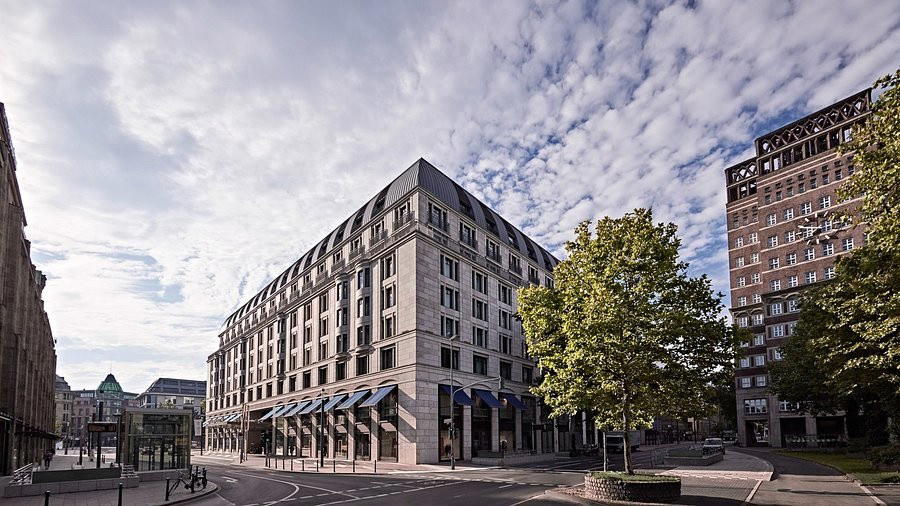
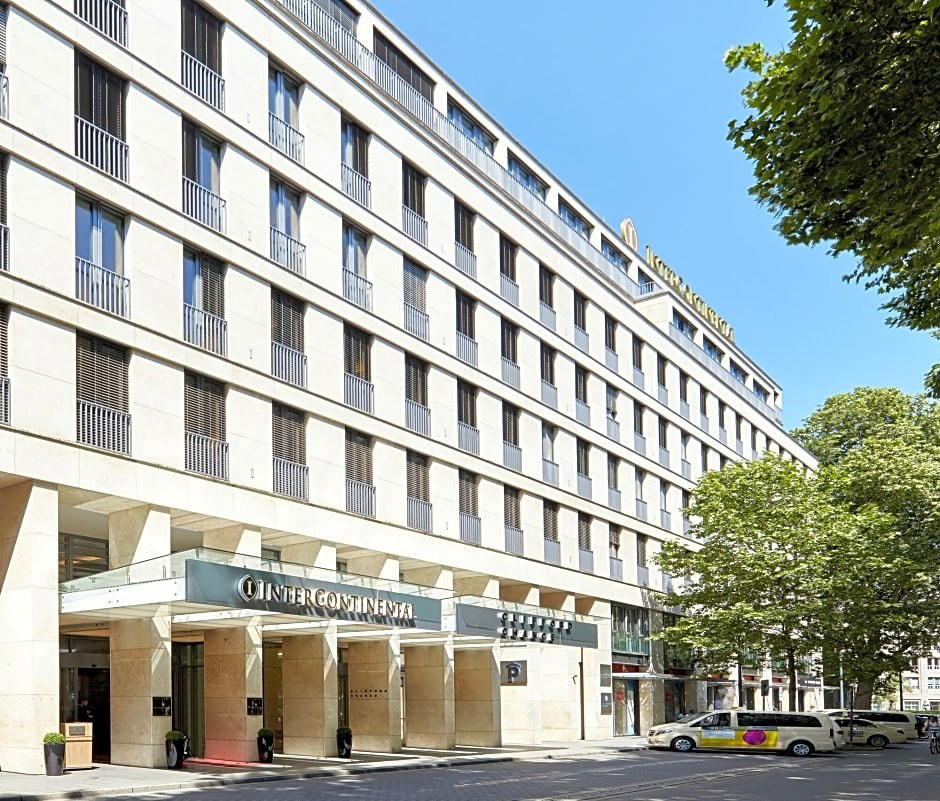
Hotels in Düsseldorf
Browse all →
Wineries in Düsseldorf
Browse all →
Piazza Saitta
The wine
- Wine program
- Curated wine list
- Extensive wine list
Details
- Romantic
- Cozy
- Elegant
- Intimate
- Date Night
- Special Occasion
- Terrace
- Extensive Wine List
- A La Carte
- Vegetarian Friendly
Current opening hours
- Monday
- 12–11 PM
- Tuesday
- 12–11 PM
- Wednesday
- 12–11 PM
- Thursday
- 12–11 PM
- Friday
- 12–11 PM
- Saturday
- 12–11 PM
- Sunday
- Closed
Hours can change for holidays and private events. Last verified .
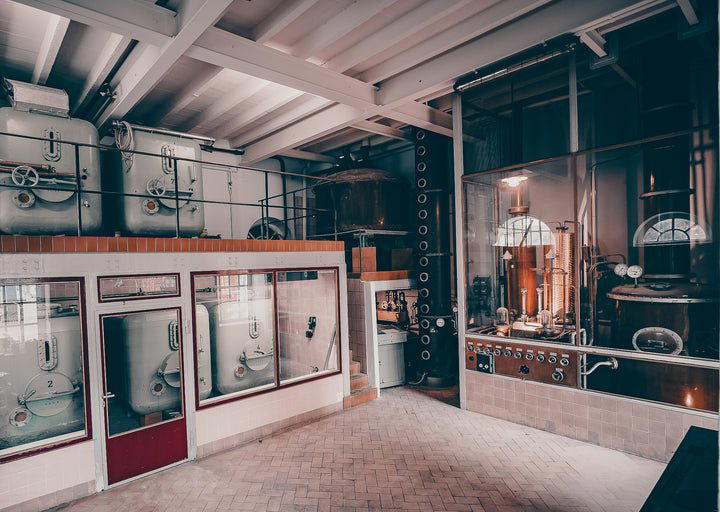
Cozy and romantic atmosphere with a personal, elegant touch featuring tasteful displays of Italian delicatessen.