Positioned on Ronda de Sant Pere in Barcelona's Eixample, Restaurant Babou operates in a neighbourhood where the city's modern dining identity intersects with its deep Catalan culinary roots. The address places it within reach of both the creative vanguard restaurants that have defined Barcelona's international reputation and the quieter, more neighbourhood-focused tables that locals actually return to. For visitors reading the city's dining scene, Babou represents a point worth understanding in its own right.
Pearl is the En Primeur Club membership app — saves, bookings, and concierge access live there. Same editors, same standards.
- Address
- Rda. de Sant Pere, 32, Eixample, 08010 Barcelona, Spain
- Phone
- +34935083220
- Website
- babourestaurant.com
- Directions
- Get directions
 Saves & bookings on Pearl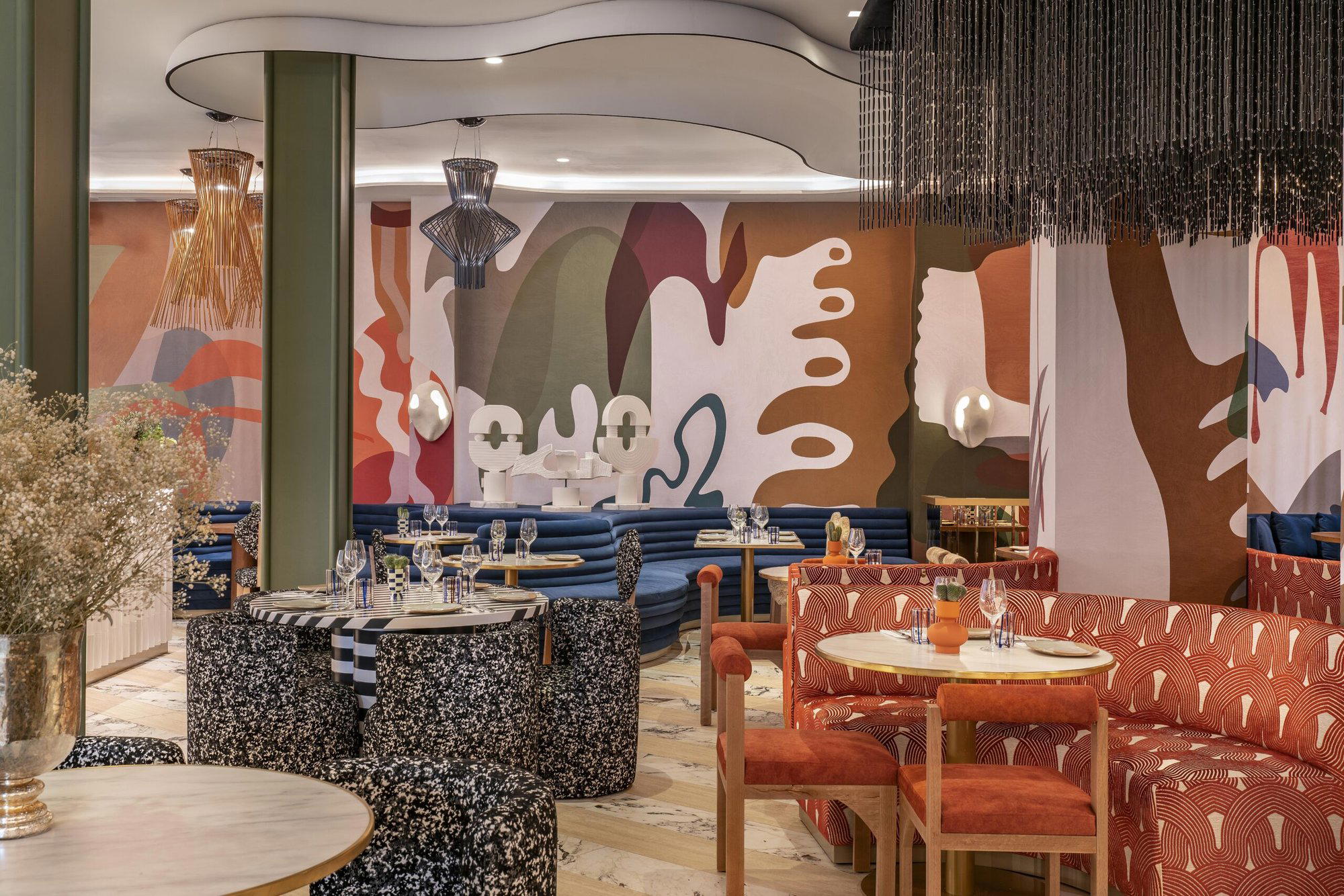
Ronda de Sant Pere and the Eixample Dining Context
The Eixample district in Barcelona is not a single dining environment but several layered on top of each other. The wide, grid-planned streets that Ildefons Cerdà designed in the 1860s have since accumulated everything from century-old tabernas to the kind of modernist tasting-menu addresses that attract visitors from across Europe. Ronda de Sant Pere sits on the district's northern edge, where the Eixample grid begins to meet the older, denser fabric of Gràcia and the lower slopes toward the Gothic Quarter. Restaurants along this stretch tend to attract a mixed clientele: professionals from the nearby offices and institutions, neighbourhood regulars, and the overflow from tourists who have exhausted particularly obvious central addresses.
Restaurant Babou is a modern Mediterranean restaurant with Italian influences in Barcelona, priced at about $35 per person. Within this context, Restaurant Babou occupies an address that carries specific urban weight. It is not on the Passeig de Gràcia axis, where several of Barcelona's higher-profile creative addresses compete for the same reservation pools. The location implies a different kind of dining proposition: one that relies less on footfall from luxury hotel corridors and more on earned local reputation.
Barcelona's Creative Dining Tier and Where Babou Sits
Barcelona has spent the past two decades building one of Europe's most consistently discussed restaurant scenes, with its creative credentials anchored by addresses like Disfrutar (Progressive, Creative) and Cocina Hermanos Torres (Creative) at the upper end, and a wide middle tier of modern Catalan and contemporary European tables operating below the tasting-menu ceiling. ABaC (Creative) and Lasarte (Progressive Spanish, Creative) hold Michelin recognition within the city, and Enigma (Creative) has occupied its own format-driven niche since opening.
The segment below those flagships is, in many ways, where Barcelona's dining identity is most honestly represented. The creative techniques that emerged from Ferran Adrià's generation at elBulli have filtered into mid-market kitchens, and the city's access to premium Catalan ingredients, from the seafood of the Costa Brava to the lamb of the Pyrenean interior, means that technically competent cooking at this level can produce genuinely distinctive results. Restaurant Babou operates within this broader tradition, where the cultural weight of Catalan cuisine provides the foundation and modern technique provides the variation.
The Cultural Roots of the Cuisine
Catalan cooking is among the more formally articulate regional cuisines in Europe. It has a documented culinary literature stretching back to the fourteenth century, with Llibre de Sent Soví representing one of the oldest surviving cookbooks on the continent. The contemporary version of that tradition draws on the same structural logic: the sofregit as a base, picada as a finishing agent, the pairing of sweet and savoury that runs through dishes like mar i muntanya. These are not stylistic choices but inherited architecture.
Modern restaurants in Barcelona working within or adjacent to this tradition face a specific creative challenge. The techniques of avant-garde Spanish cooking, developed most intensively in the Basque Country and Catalonia between roughly 1990 and 2010, changed what diners expect from a serious kitchen. At the same time, the backlash against extreme deconstruction has pushed many chefs back toward ingredient clarity and recognisable form. Spain's broader fine-dining geography illustrates this tension across multiple cities and styles: compare the cerebral format of Mugaritz in Errenteria with the more classically structured ambition of Martin Berasategui in Lasarte-Oria, or the coastal-ingredient focus of Aponiente in El Puerto de Santa María with the Valencian precision of Ricard Camarena in València. Each represents a distinct answer to the same underlying question about what Spanish regional cuisine becomes when serious technique is applied to it.
In Barcelona specifically, addresses like El Celler de Can Roca in Girona (technically outside the city but central to its creative gravity) and Arzak in San Sebastián serve as reference points for what the regional tradition can achieve at its most ambitious. Restaurants operating at a less stratospheric level still benefit from the standard-setting those addresses represent. The availability of trained cooks, the expectation of serious wine lists, the local sourcing infrastructure, all of these are by-products of a decades-long investment in gastronomic seriousness that filters down into the mid-tier.
The Eixample Address as a Signal
In practical terms, the Ronda de Sant Pere location is convenient for visitors based across a wide range of Barcelona neighbourhoods. The address sits close to Arc de Triomf and within walking distance of the northern Eixample grid. For diners coming from the Gràcia side or from the old city, it represents a reasonable midpoint. The immediate surroundings are mixed-use rather than tourist-saturated, which affects the pace and register of dining in the area. Tables are less likely to be filled with one-visit tourists on fixed-time restaurant tours and more likely to include regulars with a specific reason to return.
This matters because the kind of cooking that develops a loyal local following is often different in character from the cooking that maximises for first-impression impact. Neighbourhood restaurants in the Eixample have historically competed on consistency and value rather than spectacle, and that competitive pressure shapes what ends up on the plate.
Planning Your Visit
Restaurant Babou's current hours are Mon through Sun, 1:00 PM to 10:30 PM. Reservations are recommended.
Comparable Addresses in Barcelona's Mid-to-Upper Tier
| Venue | Style | Price Tier | Format |
|---|---|---|---|
| The restaurant | Not confirmed | Not confirmed | Not confirmed |
| Cocina Hermanos Torres | Creative | €€€€ | Tasting menu |
| Disfrutar | Progressive, Creative | €€€€ | Tasting menu |
| Lasarte | Progressive Spanish, Creative | €€€€ | Tasting menu |
| Enigma | Creative | €€€€ | Tasting menu |
For reference points beyond Spain's borders, the technical discipline that defines Barcelona's upper tier shares structural DNA with long-established institutions like Le Bernardin in New York City and the fermentation-driven Korean-American precision of Atomix in New York City. Both represent what happens when a defined culinary tradition is executed at the level where craft becomes argument. Within Spain, the ambition of addresses like Quique Dacosta in Dénia, Azurmendi in Larrabetzu, DiverXO in Madrid, and Atrio in Cáceres maps a national dining identity that Barcelona restaurants, at every price tier, are in dialogue with whether they intend to be or not.
In Context: Similar Options
Comparable venues nearby, for context on price, style, and recognition.
| Venue | Cuisine | Price | Notes |
|---|---|---|---|
| Restaurant BabouThis venue — the venue you are viewing | Modern Mediterranean with Italian influences | $$$ | Not listed |
| 2254 restaurant | Mediterranean Tapas with Italian, French & Spanish Influences | $$$ | la Dreta de l'Eixample |
| Albarada | Contemporary Mediterranean with skyline views | $$$ | Vallvidrera, el Tibidabo i les Planes |
| Barcelona Milano | Catalan-Italian Fusion | $$$ | l'Antiga Esquerra de l'Eixample |
| CACHO | Modern Mediterranean with International Influences | $$ | el Parc i la Llacuna del Poblenou |
| La Terraza de Anna | Mediterranean Tapas with Asian Fusion | $$ | la Dreta de l'Eixample |
Continue exploring
More in Barcelona
Restaurants in Barcelona
Browse all →
Bars in Barcelona
Browse all →
Hotels in Barcelona
Browse all →
At a Glance
- Elegant
- Modern
- Cozy
- Sophisticated
- Date Night
- Casual Hangout
- Special Occasion
- Hotel Restaurant
- Open Kitchen
- Extensive Wine List
- Craft Cocktails
- Local Sourcing
Current opening hours
- Monday
- 1–10:30 PM
- Tuesday
- 1–10:30 PM
- Wednesday
- 1–10:30 PM
- Thursday
- 1–10:30 PM
- Friday
- 1–10:30 PM
- Saturday
- 1–10:30 PM
- Sunday
- 1–10:30 PM
Hours can change for holidays and private events. Last verified .
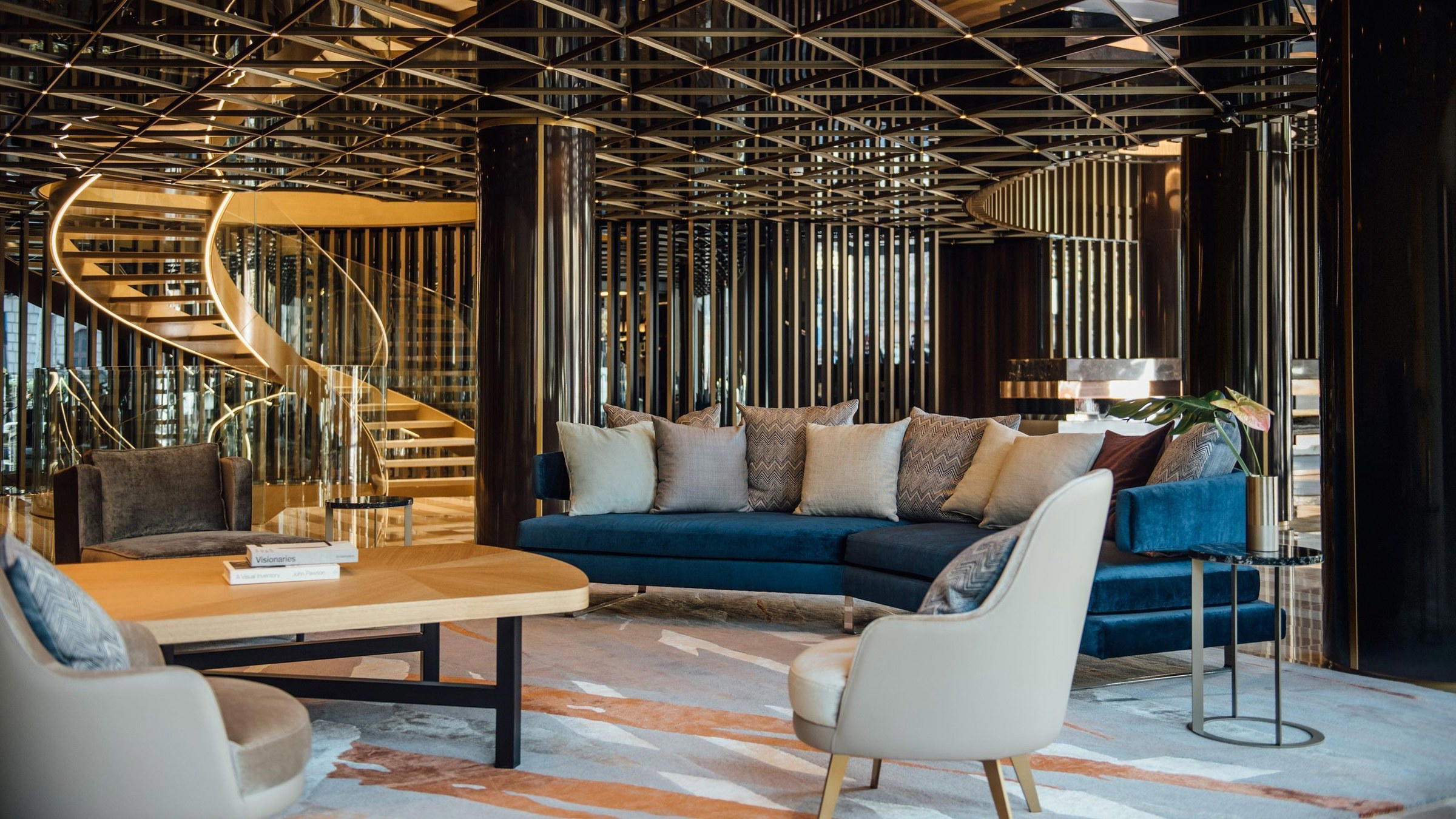
Elegant and inviting atmosphere with beautiful decor, relaxed and comfortable setting enhanced by warm service and occasional live DJ music that doesn't overpower.