Szóstka occupies a address on pl. Powstańców Warszawy in central Warsaw, placing it inside the city's growing tier of restaurants where sourcing ethics and seasonal discipline shape the menu as much as technique. The kitchen operates within a wider Warsaw movement that treats environmental accountability as a structural commitment rather than a marketing note. For diners tracking Poland's evolving modern cuisine scene, it belongs on the same shortlist as hub.praga and NUTA.
Pearl is the En Primeur Club membership app — saves, bookings, and concierge access live there. Same editors, same standards.
- Address
- pl. Powstańców Warszawy 9, 00-001 Warszawa, Poland
- Phone
- +48224700351
- Website
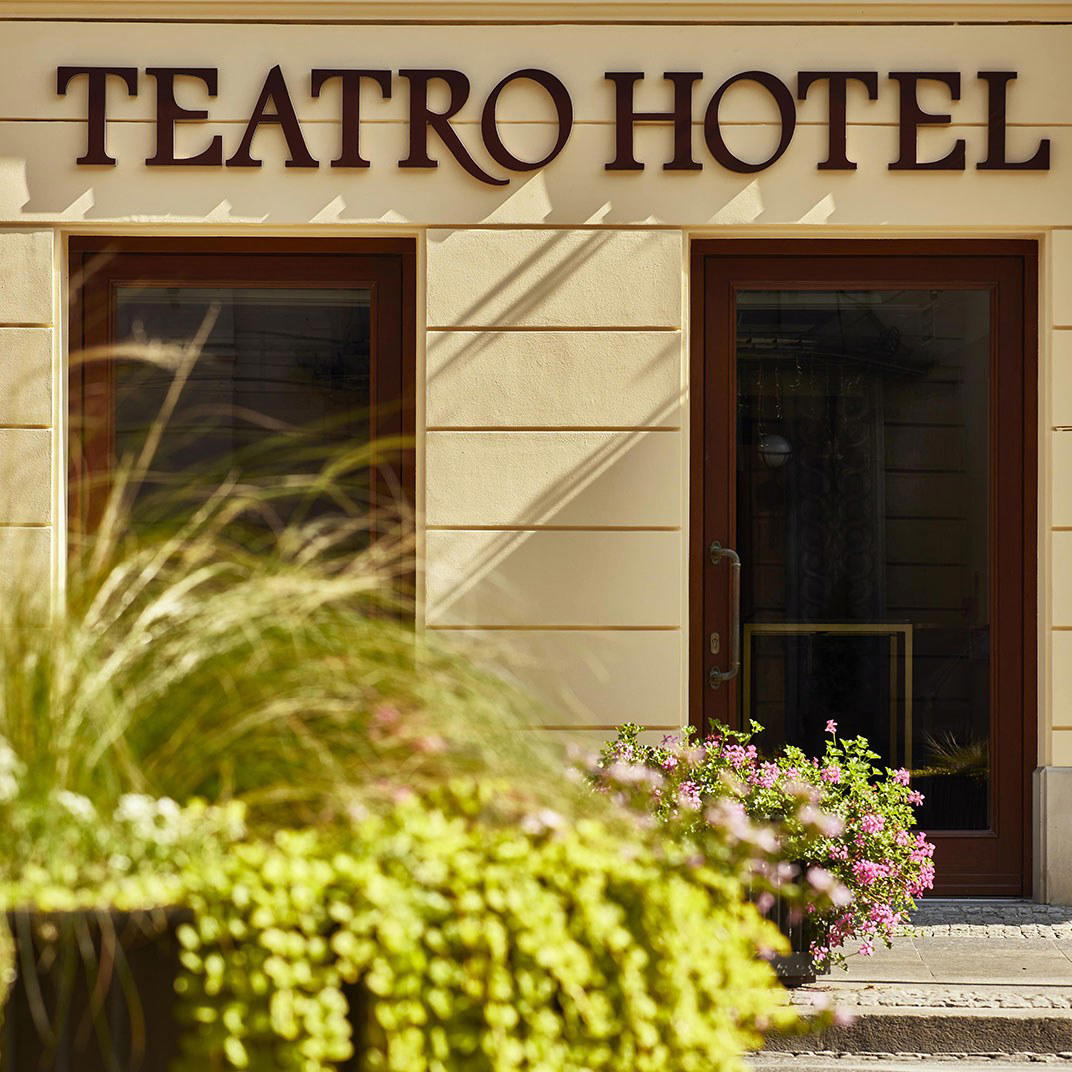
- warszawa.hotel.com.pl
- Directions
- Get directions
 Saves & bookings on Pearl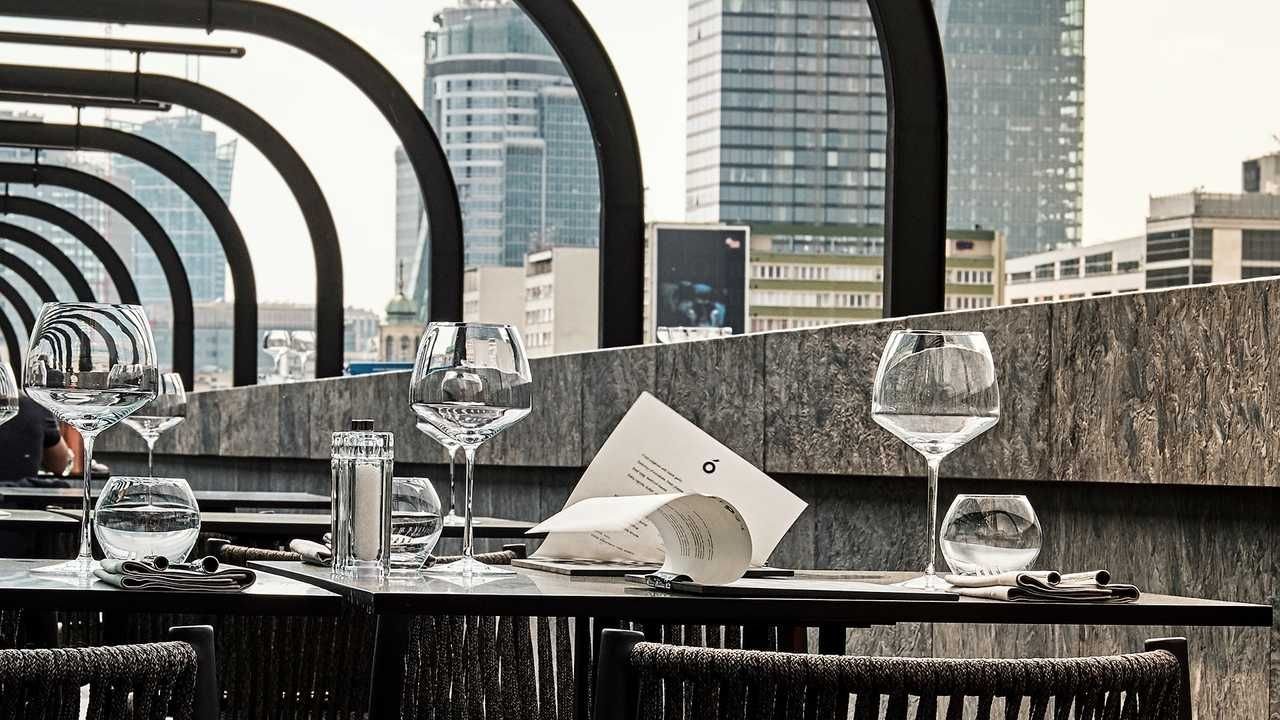
A Square, a Number, and a Particular Kind of Seriousness
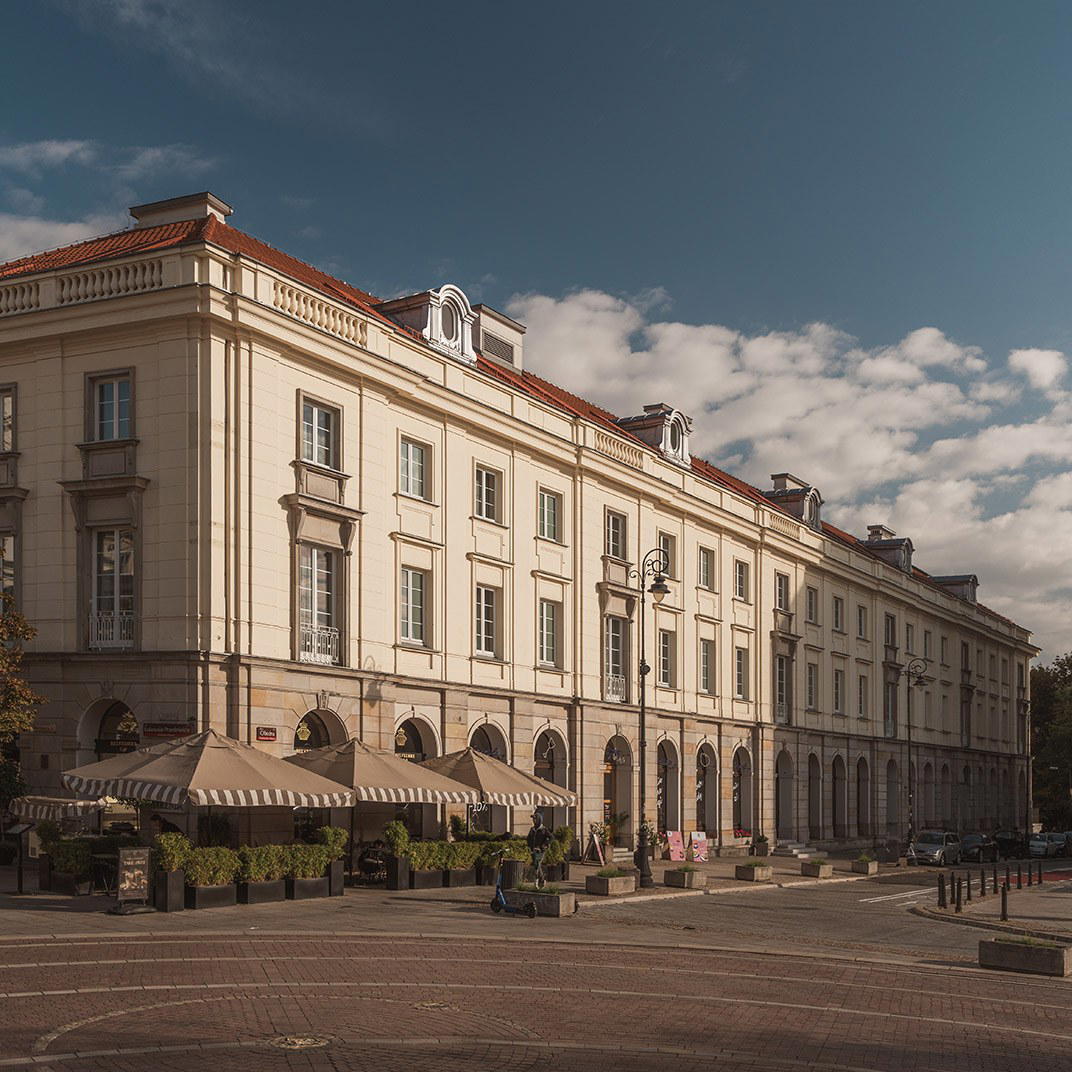
Pl. Powstańców Warszawy is not a street you drift down by accident. The square carries weight, memorial, civic, architectural, and restaurants that open here tend to absorb some of that purposefulness or look incongruous against it. Szóstka, whose name translates simply as "six" and references its position at number six on the square, sits within that charged address with a low-key confidence that reflects a broader shift in how Warsaw's serious restaurants choose to present themselves. The era of maximalist interiors as the primary signal of ambition has receded. What has replaced it, across a cohort of Warsaw dining rooms that includes hub.praga and NUTA, is a quieter, more sourcing-focused register.
Warsaw's Sustainability Tier: Where Szóstka Sits
Polish fine dining has undergone a structural reorientation over the past decade. The early wave of post-Communist modernisation produced restaurants that looked westward, French technique, international wine lists, imported ingredients as status signals. The second wave, now well established in Warsaw, has turned back toward the Polish larder with considerably more rigour. This is not nostalgia cooking. It is a methodical reassessment of what the Polish growing calendar actually offers, what heritage breeds and regional producers can supply, and how a kitchen can build a coherent menu around genuine seasonal availability rather than simulated seasonality.
Szóstka belongs to this second wave. Its address on the square puts it within walking distance of the kind of tourist infrastructure that rewards safe, predictable menus, and the fact that it operates against that gravitational pull is itself an editorial signal. Restaurants in this position that maintain sourcing discipline typically do so because the kitchen has made a structural commitment rather than a promotional one. Across Warsaw's comparable tier, Rozbrat 20 in the Modern European bracket, alewino at a more accessible price point, the through-line is the same: what comes through the back door determines what appears on the plate, not the other way around.
The Sourcing Logic Behind the Menu
Ethical sourcing in restaurant contexts is frequently overstated and under-delivered. The meaningful version involves supplier relationships that constrain the kitchen rather than merely inform it, where the menu shifts because the harvest was early, the catch was small, or the producer held back stock that did not meet standard. Restaurants operating this way tend to share structural characteristics: shorter menus, more frequent changes, a higher proportion of vegetable and fermented components, and an approach to protein that treats cuts beyond the premium centre pieces as equally viable.
Poland's agricultural geography supports this kind of cooking unusually well. The country's relatively late industrialisation of its food system means that small-scale producers of heritage grains, forest mushrooms, freshwater fish, and traditional dairy remain commercially viable in a way that has become rare across much of Western Europe. Restaurants that have built genuine relationships with these producers sit in a different position from those that source conventionally and add a seasonal menu section. The difference shows in the depth of the vegetable work and in what happens when a key ingredient is unavailable.
For comparison, the approach finds parallels in how Bottiglieria 1881 in Kraków or Arco by Paco Pérez in Gdańsk have anchored their menus in regional product logic, or how Giewont in Kościelisko draws on the Tatra region's specific larder. Poland's restaurant scene, read across these examples, is building something more coherent than a trend: a sourcing infrastructure that serious kitchens can actually use. See our full Warsaw restaurants guide for the broader picture.
The Room and the Register
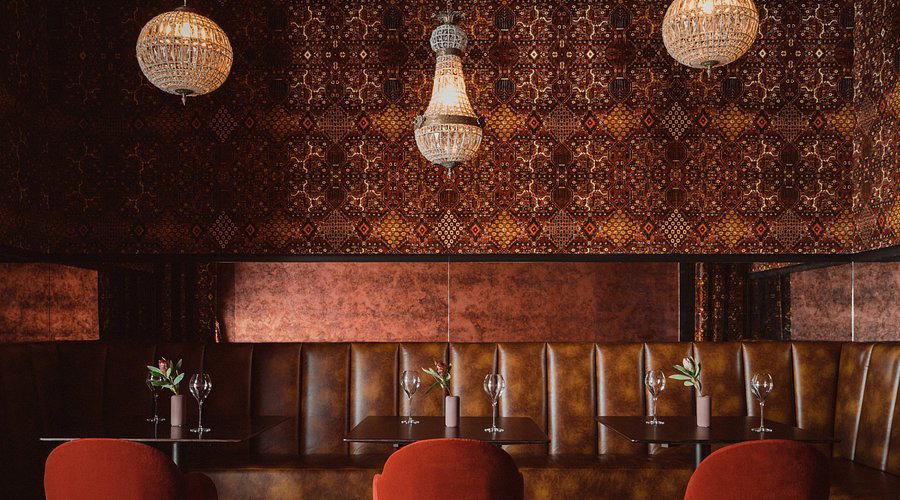
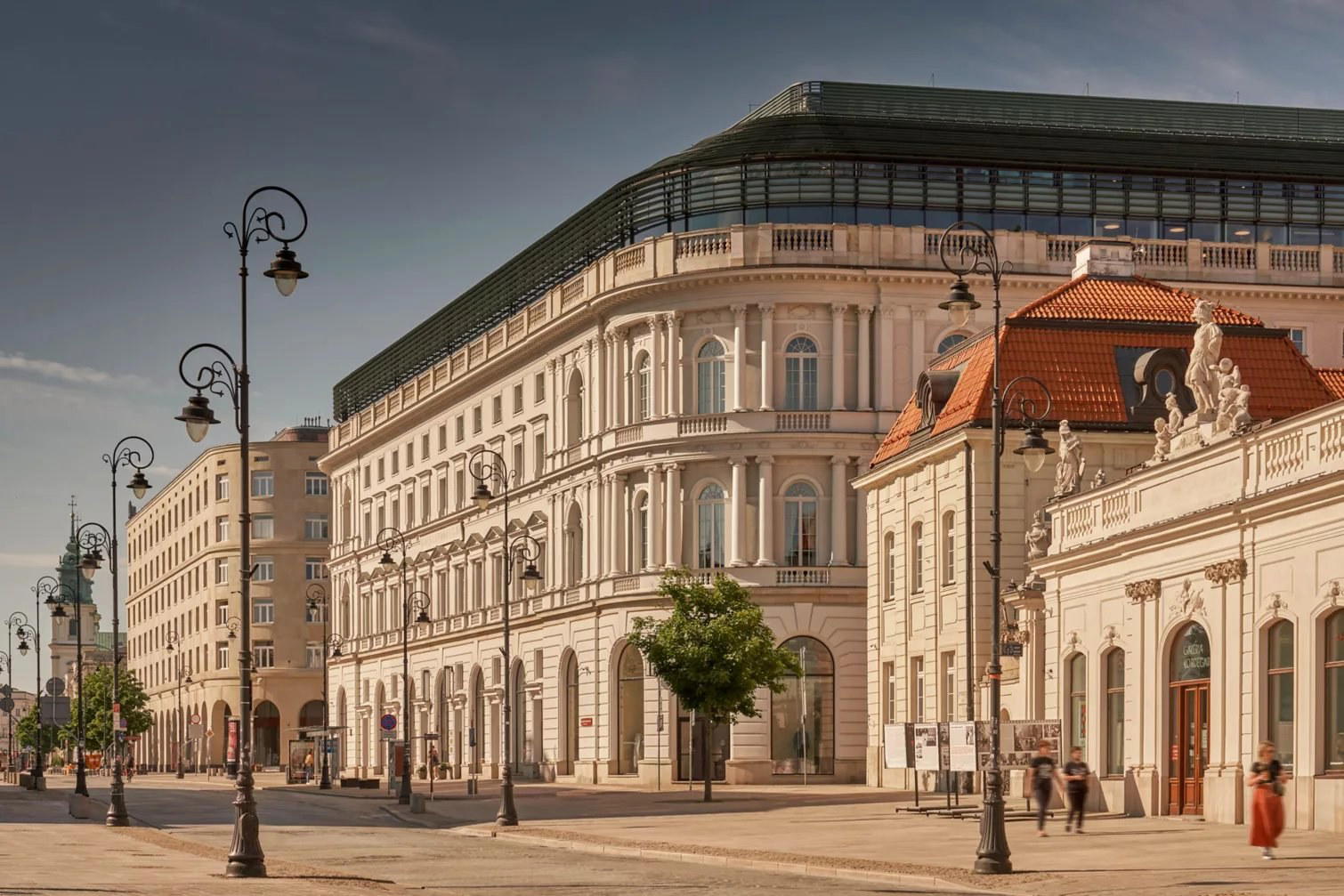
The pl. Powstańców Warszawy address shapes the context more than the décor alone. The square's postwar reconstruction gives it a particular architectural weight, not the ornate pre-war Warsaw that the Old Town reconstruction tried to recover, but a more considered mid-century civic grammar. Restaurants that read correctly against this backdrop tend toward restraint in their interiors: materials that reference the Polish tradition without replicating it, lighting that allows the room to function as both lunch space and evening destination, and a service register that is attentive without being performative.
This restraint is consistent across Warsaw's quality tier. Baken operates on a similar register in its own neighbourhood context. The signal, when a Warsaw room is done well, is that the food arrives without theatrical staging, the bread is taken seriously, and the wine list reflects genuine selection rather than reflex procurement. These are small indicators but reliable ones.
Warsaw in the Polish Dining Map
Warsaw's position within Polish dining has always been complicated by the fact that Kraków attracted the earlier international attention, while cities like Poznań, where Muga has built a strong regional following, or Gdańsk, where Hashi Sushi has demonstrated that the port city supports a sophisticated dining public, have each developed distinct identities. Warsaw's advantage is scale and the concentration of demand that comes with being the capital. Its disadvantage is that scale also produces a lot of noise: the tourist-facing restaurants on the Royal Route, the corporate dining rooms in the central business district, the hotel restaurants operating on international chain logic.
The restaurants worth tracking in Warsaw sit beneath this noise. They include the Kwestia Czasu model from Białystok, which has influenced how smaller Polish cities think about modern cuisine, and extend to outliers like Cudne Manowce in Olsztyn or Górnik in Krakow. Globally, the sourcing-first, technique-confident register that Warsaw's serious restaurants are pursuing sits in the same broad movement as Atomix in New York, different in cultural reference, but aligned in the structural commitment to ingredient provenance as a non-negotiable.
Planning a Visit
Szóstka is located at pl. Powstańców Warszawy 9 in central Warsaw, within direct reach of the city's main transport network. For a restaurant operating at this address and in this category, booking in advance is the standard approach. Practical details place Szóstka in the €€€ bracket, with reservations recommended. For broader planning, Włoska Restauracja Bellanuna in Rzeszow and Hattori Hanzo in Czestochowa illustrate how Poland's mid-city restaurant quality has expanded well beyond the capital, making Warsaw part of a wider national dining circuit worth planning around. At the global reference level, Le Bernardin in New York remains the standard for how sourcing discipline and technical precision coexist at the highest tier, a useful calibration point for what the leading sourcing-led restaurants are working toward.
Cuisine and Credentials
Comparable venues nearby, for context on price, style, and recognition.
| Venue | Cuisine | Price | Notes |
|---|---|---|---|
| SzóstkaThis venue — the venue you are viewing | Modern Seafood Fusion | $$$ | Not listed |
| inAzia | Modern Asian Fusion with Omakase | $$$ | Ujazdow |
| Klonn | Contemporary Polish with European Influences | $$$ | Ujazdow |
| Prime Cut | Modern Steakhouse | $$$$ | Osiedle Za Zelazna Brama |
| Qchnia Artystyczna | Modern Polish | $$ | Ujazdow |
| Nonna Pizzeria | Neapolitan Pizza | $$ | Srodmiescie |
At a Glance
- Modern
- Elegant
- Trendy
- Date Night
- Special Occasion
- Business Dinner
- Rooftop
- Open Kitchen
- Terrace
- Panoramic View
- Historic Building
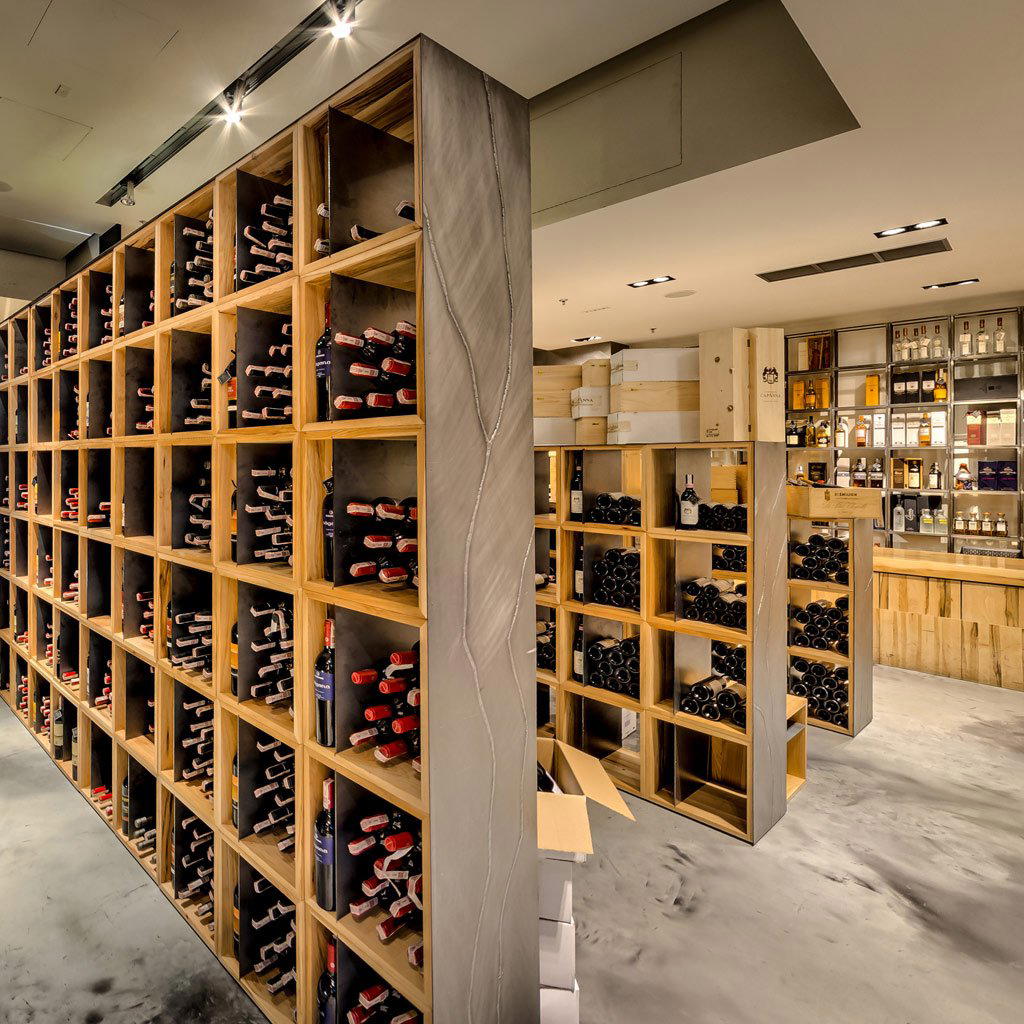
- Extensive Wine List
- Craft Cocktails
- Local Sourcing
- Sustainable Seafood
- Skyline
- Street Scene
Current opening hours
- Monday
- Closed
- Tuesday
- 12–11 PM
- Wednesday
- 12–11 PM
- Thursday
- 12–11 PM
- Friday
- 12–11 PM
- Saturday
- 12–11 PM
- Sunday
- Closed
Hours can change for holidays and private events. Last verified .
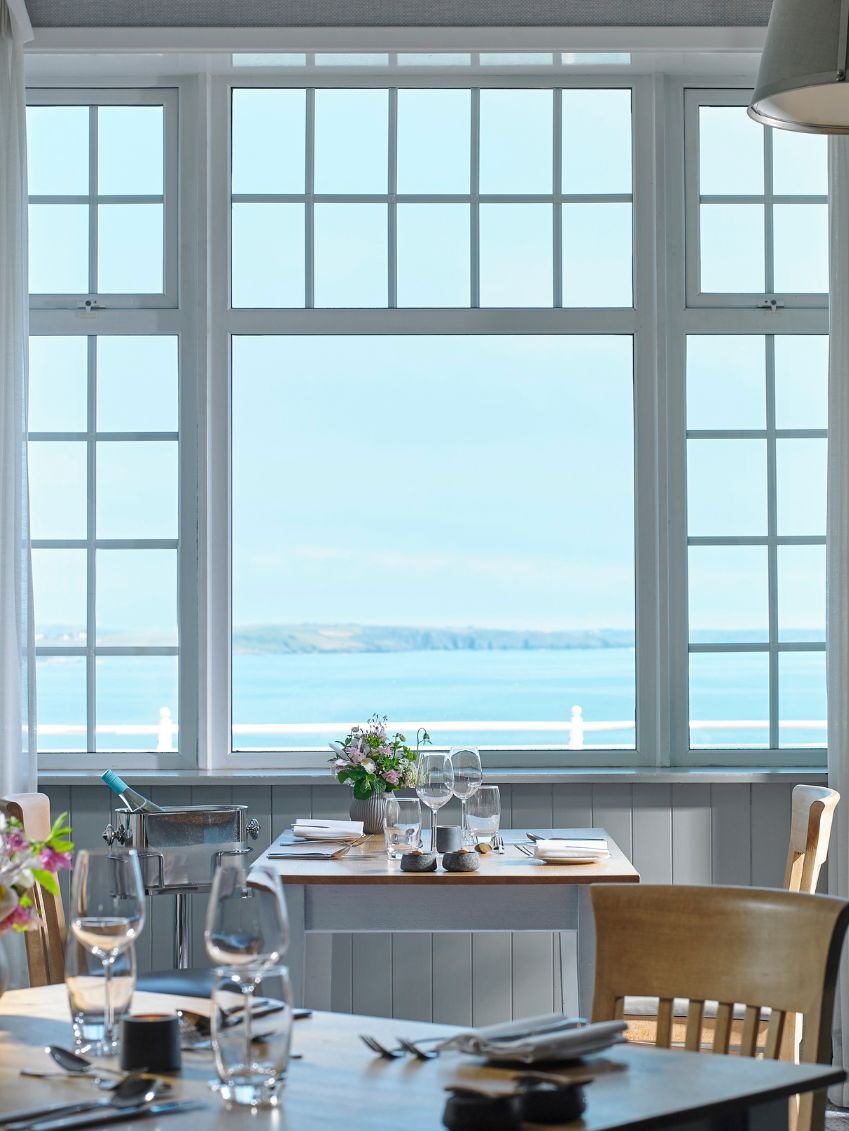
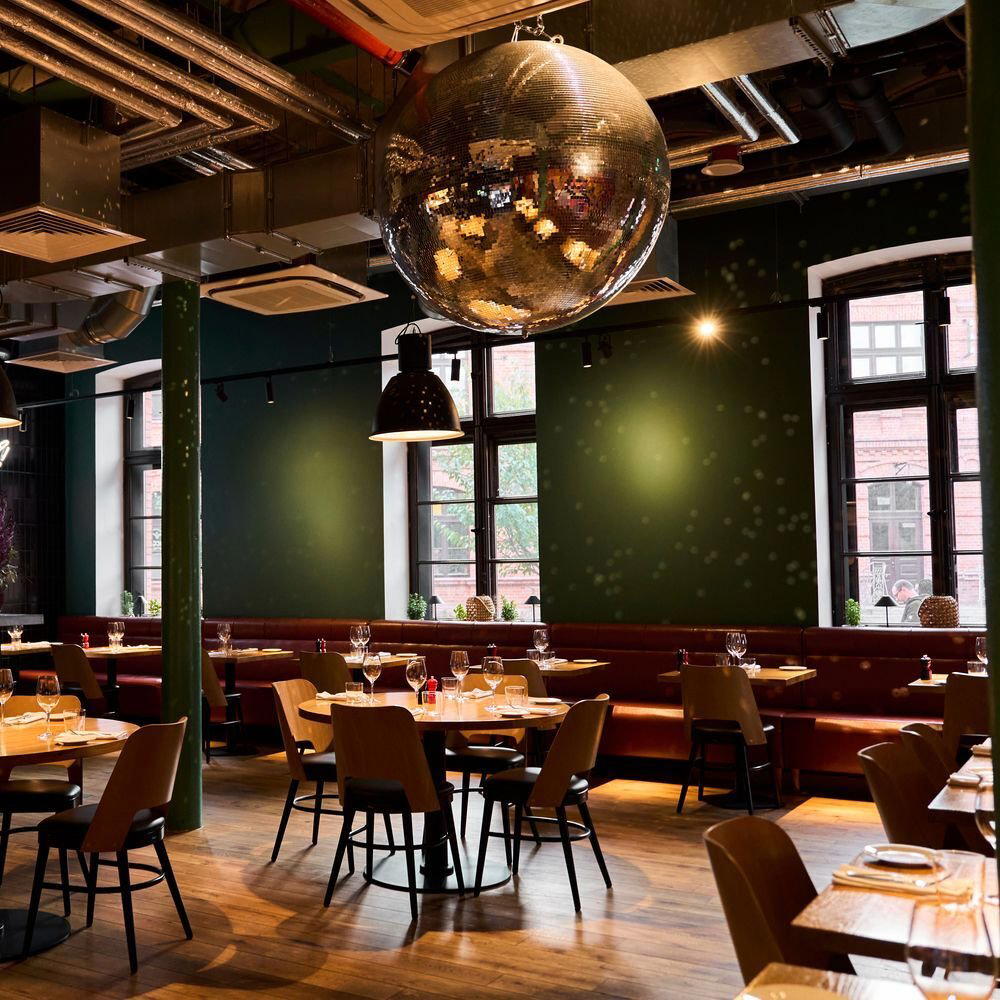
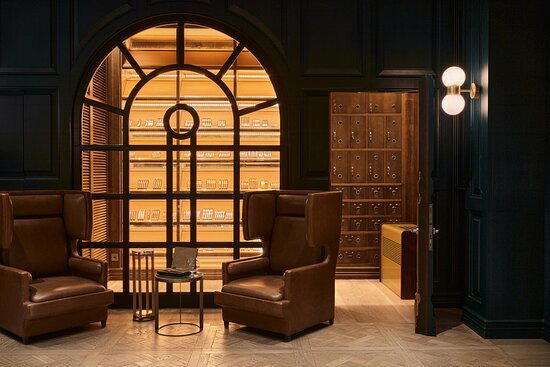
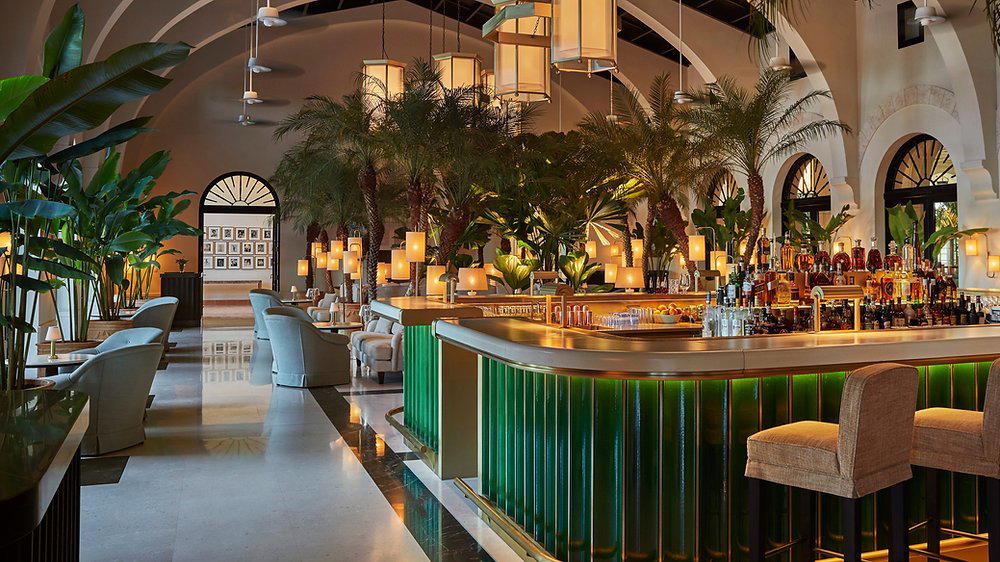
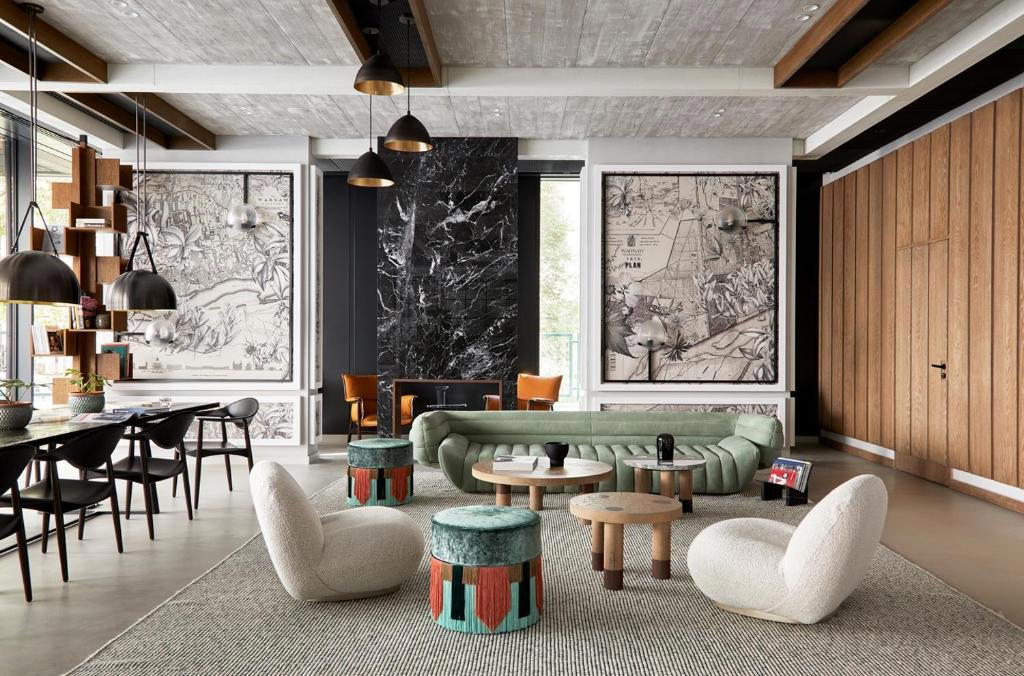
Modern and sleek with glass walls, bursts of greenery, bright interior, relaxed yet elegant atmosphere enhanced by dramatic sunset city views from the terrace.