Our verdict
On Wilcza Street in central Warsaw, Trân Trân sits within a dining neighbourhood that has quietly become one of the city's most considered. The address places it alongside venues redefining what Polish restaurant culture can absorb and reinterpret. For those tracking Warsaw's shift toward more precise, concept-driven dining, this is a street worth knowing.

Pearl is the En Primeur Club membership app — saves, bookings, and concierge access live there. Same editors, same standards.
- Address
- Wilcza 20, 00-526 Warszawa, Poland
- Phone
- +48 690 008 999
- Hours
- Mon 12–9 PMTue–Thu 12–10 PMFri–Sat 12–11 PMSun 11 AM–9 PM
- Website
- trantran.pl
- Directions
- Get directions
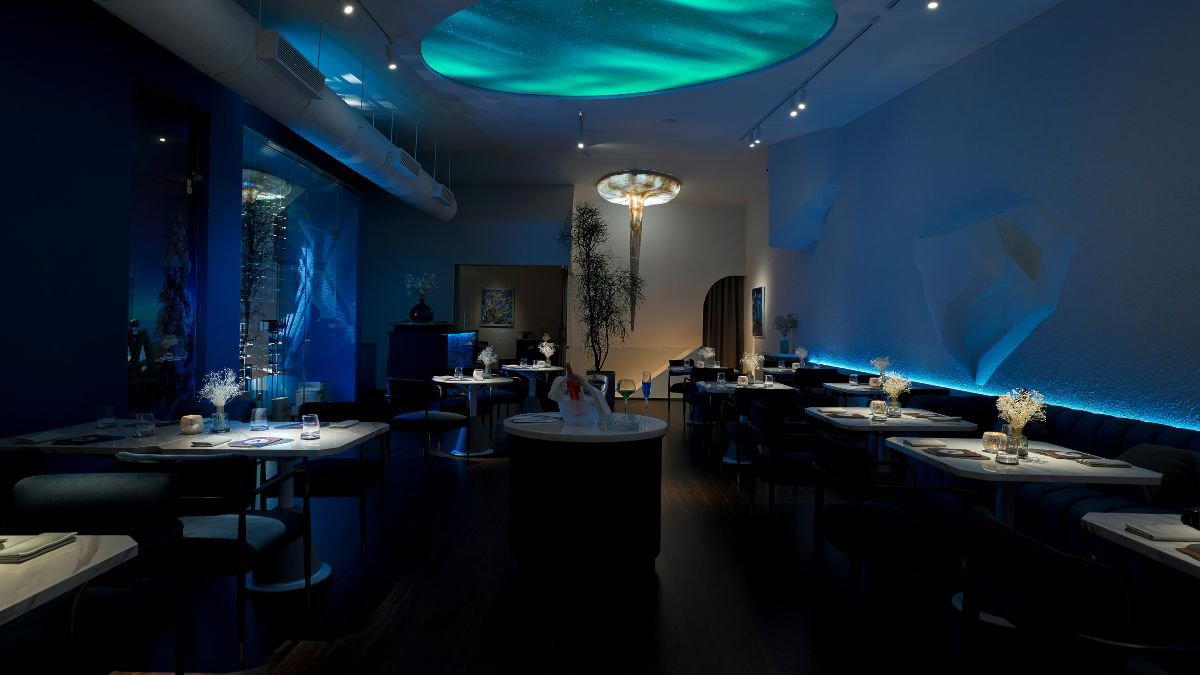
The menu
What to order
- Phở Hà Nội
- Bún Chả
- Won Ton Dumplings
- Phở Trộn with Crispy Duck
Wilcza Street and the Rhythm of a Warsaw Meal
Warsaw's Śródmieście district has a particular way of delivering surprises. Wilcza Street, running through the mid-city grid, carries the kind of low-key density that serious dining neighbourhoods tend to develop over time rather than by design: a mix of pre-war tenement facades, independent operators, and a foot traffic pattern that skews toward locals rather than tourists. It is the sort of street where a new address gets tested quickly and without mercy. Trân Trân, at number 20, sits inside this context and draws its meaning partly from it.
The broader Warsaw dining scene has been moving in a clear direction across the past decade. The city's most interesting restaurants now tend to cluster around one of two poles: those that reach into Polish culinary tradition and reframe it with contemporary technique, and those that bring an external cuisine into genuinely serious execution rather than casual adaptation. Venues like alewino, which operates in the Modern Polish and Traditional Cuisine space at the €€ tier, represent the first pole. The question Trân Trân raises is where a Vietnamese-inflected address fits within a city that is still calibrating what precision dining from Southeast Asia actually looks like at its ceiling.
The Shape of the Meal
Vietnamese dining, at its most considered, is built around sequencing and proportion rather than the single-plate drama that anchors much European fine dining. The meal tends to arrive in fragments: small, layered, calibrated to build complexity across the table rather than concentrate it in one dish. Broth arrives at a specific temperature for a reason. Herbs are not garnish but structural elements that shift the flavour register of each spoonful. The ritual of a Vietnamese meal, executed with discipline, asks more of the diner than most European formats do — it requires attention to assembly, to order, to the relationship between components.
Warsaw restaurants operating at the serious end of the spectrum have increasingly understood this distinction. The city's dining culture, influenced by a generation of chefs and operators who have worked or eaten across Europe and Asia, now has enough fluency to appreciate the difference between Vietnamese food as comfort category and Vietnamese food as a precision format. Trân Trân occupies Wilcza 20 within this more demanding conversation.
For comparison, the European reference points for Vietnamese cooking done at genuine depth tend to sit in Paris, where Vietnamese diaspora communities with multi-decade roots have produced restaurants that operate with the same seriousness applied to French regional cuisine. Warsaw is earlier in that process, which means the venues that hold the standard now carry more weight in setting expectations for what follows. The city's appetite for this tier of cooking is real: it is visible in the same dining culture that supports hub.praga at the €€€ modern cuisine level and NUTA in the creative category.
Pacing, Etiquette, and What the Room Requires
The etiquette of a serious Vietnamese meal runs counter to some European dining habits. Dishes are often shared rather than individually plated in the Western sense, which means the table functions as a collective rather than a set of parallel individual experiences. This format rewards groups who are willing to eat at the same pace and engage with the food as a conversation rather than a sequence of personal courses. It is a more social format than the tasting-menu model that has become the prestige default in much of European fine dining — and in some respects a more demanding one, because it puts the burden of curation partly on the diner.
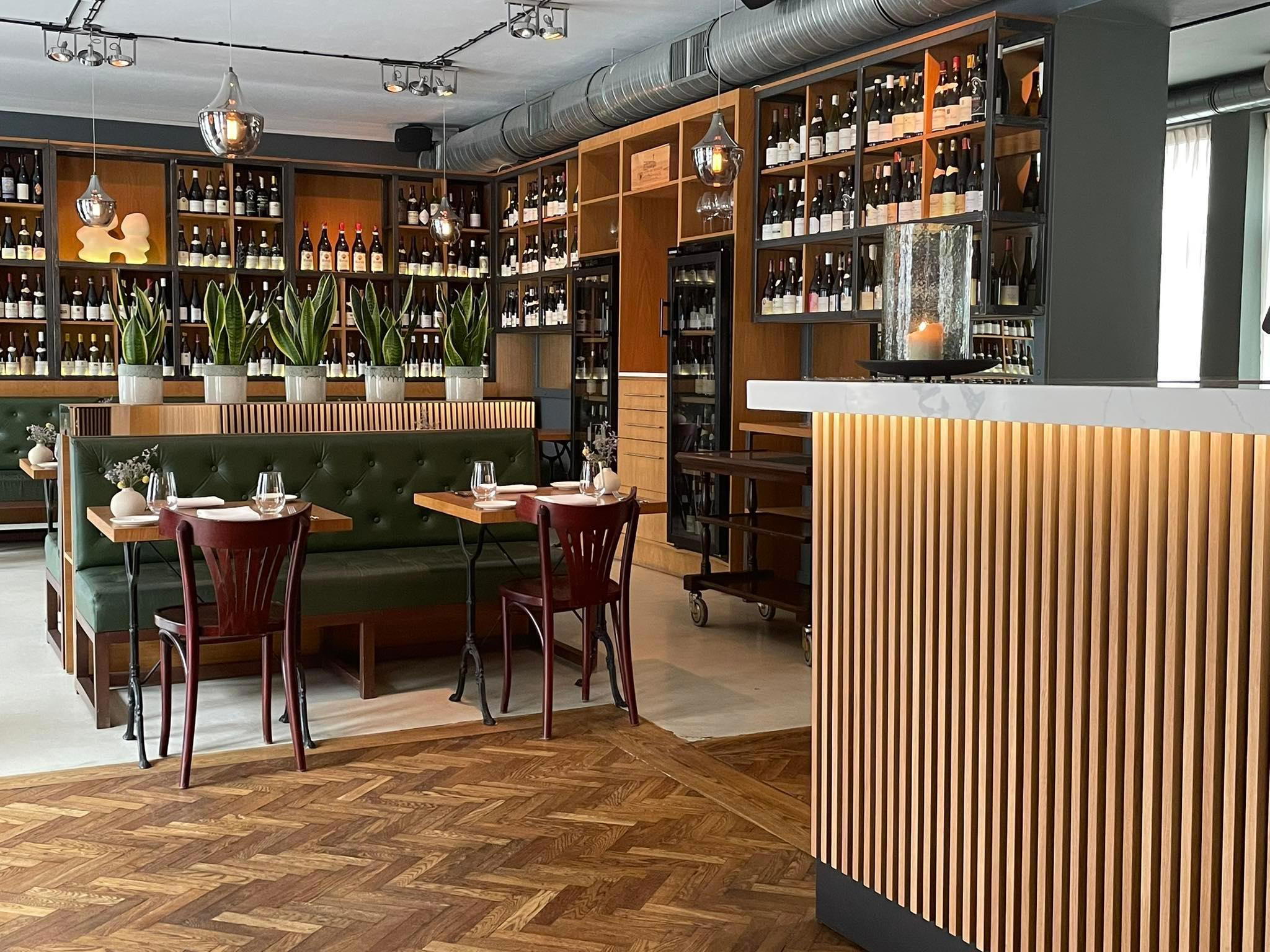
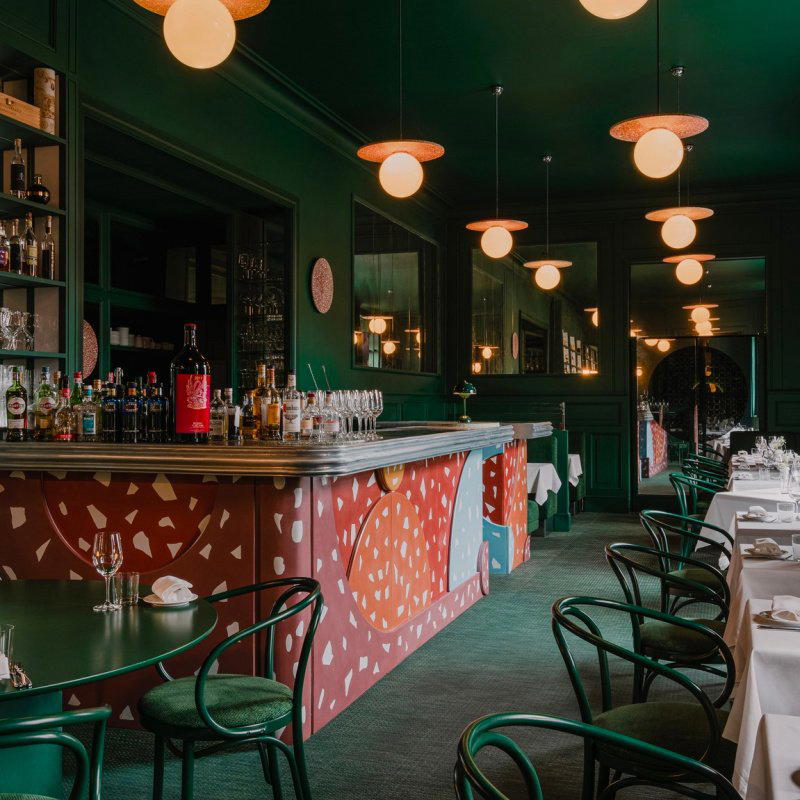
At the level of execution that distinguishes Warsaw's better independent addresses from its casual volume operators, the kitchen's role is to set the parameters clearly: which dishes arrive in what order, which components need to be combined, where the acidity or heat is meant to arrive in the sequence. When this is handled well, the diner is guided without being lectured. The room on Wilcza Street, in a city where restaurant density in this mid-city corridor is increasing, sits within an expanding set of options that includes Rozbrat 20 at the Modern European end and Baken for a different register entirely.
Warsaw in the Wider Polish Dining Picture
Understanding Trân Trân's position also means understanding Warsaw's position within Polish dining more broadly. The capital now operates at a different pitch from the country's secondary cities, though the gap is narrower than it was five years ago. Bottiglieria 1881 in Kraków and Arco by Paco Pérez in Gdańsk demonstrate that serious dining ambition has spread across the country's geography. Elsewhere, addresses like Muga in Poznań, Kwestia Czasu in Białystok, and Cudne Manowce in Olsztyn show that regional cities are developing their own credible dining programmes. For Asian-leaning execution specifically, Hashi Sushi in Gdańsk and Hattori Hanzo in Częstochowa represent the range of seriousness now applied to non-European cuisines across the country.
Warsaw, though, remains the city where the most ambitious operators test their ceiling. The international reference points for this kind of ambition sit far up the register: Atomix in New York demonstrated how a Korean kitchen could operate at the very best of the fine dining tier with no concession to accessibility, and Le Bernardin has long shown how a cuisine built around a single ingredient category, in its case, fish, can sustain decades of critical authority. The lesson from both is that clarity of concept, sustained over time, is more durable than novelty.
Planning Your Visit
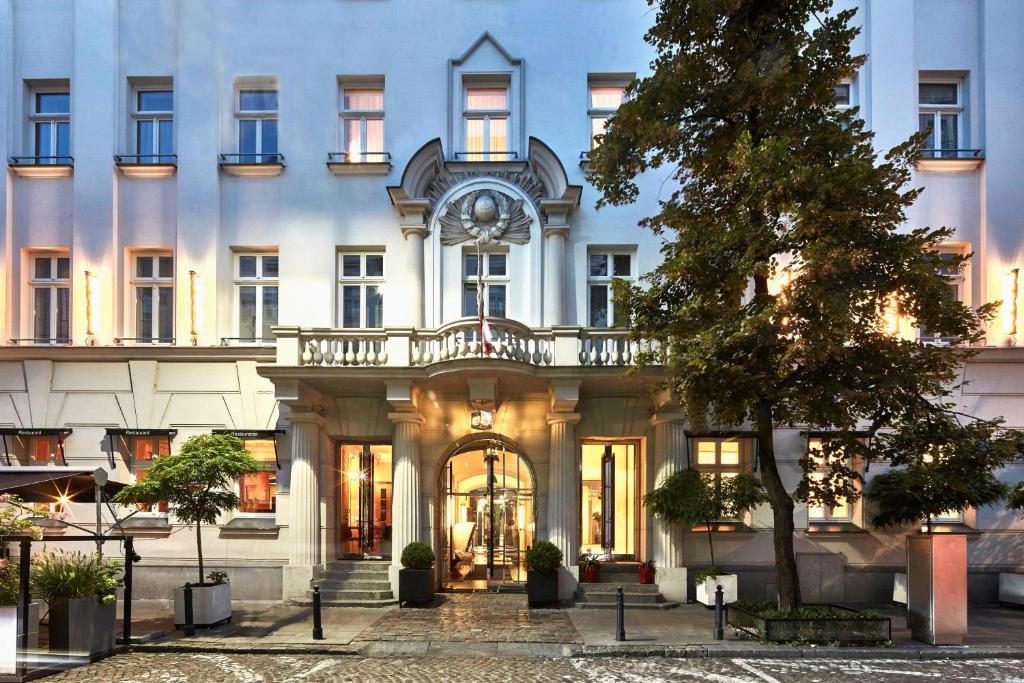
Trân Trân is located at Wilcza 20 in central Warsaw, within walking distance of the Politechnika metro station and the broader Śródmieście dining corridor. The street is well-served by public transport and accessible on foot from the major mid-city hotels. Given the address's position in a neighbourhood with growing competition, visiting on a weekday evening tends to offer a more settled experience than weekend service, when the surrounding streets are at their busiest. Specific booking details, current hours, and pricing are best confirmed directly before visiting. For a fuller orientation to the city's dining options, the EP Club Warsaw restaurants guide maps the full range across cuisines and price tiers. Those exploring beyond the capital will find further depth at addresses like Giewont in Kościelisko and Górnik in Kraków, as well as Włoska Restauracja Bellanuna in Rzeszów for a different culinary register.
Frequently asked questions
What's the signature dish at Trân Trân?
Can I walk in to Trân Trân?
What's the signature at Trân Trân?
Can Trân Trân handle vegetarian requests?
Is Trân Trân good value for money?
How does Trân Trân fit into Warsaw's Vietnamese dining scene, and is there anything that distinguishes it from casual Vietnamese options in the city?
Side-by-Side Snapshot
Comparable venues nearby, for context on price, style, and recognition.
| Venue | Cuisine | Price | Notes |
|---|---|---|---|
| Trân TrânThis venue — the venue you are viewing | Traditional Vietnamese | $10–20 | Not listed |
| Veganda | Vegan Fusion | $10–20 | Ujazdow |
| Lychees | Creative Vegan Fusion | $20–30 | Mariensztat |
| Dom Funkcjonalny | Rotating international and plant-based cuisines | Not listed | Saska Kępa |
| Eden | Creative Vegan Fusion | Not listed | Saska Kępa |
| Meza | Modern Polish and European | $30–50 | Mirow |
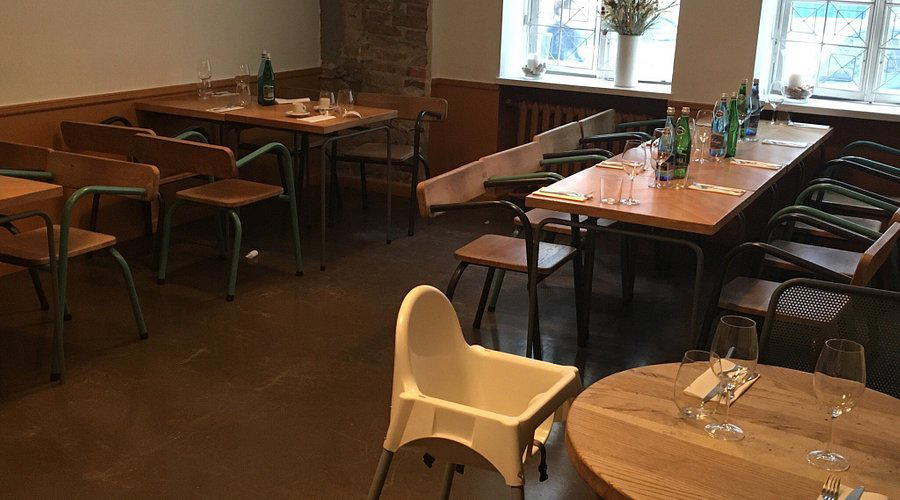
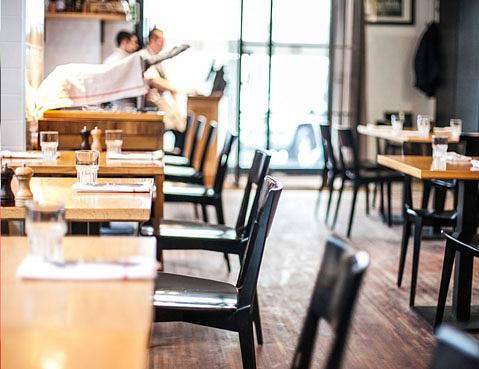
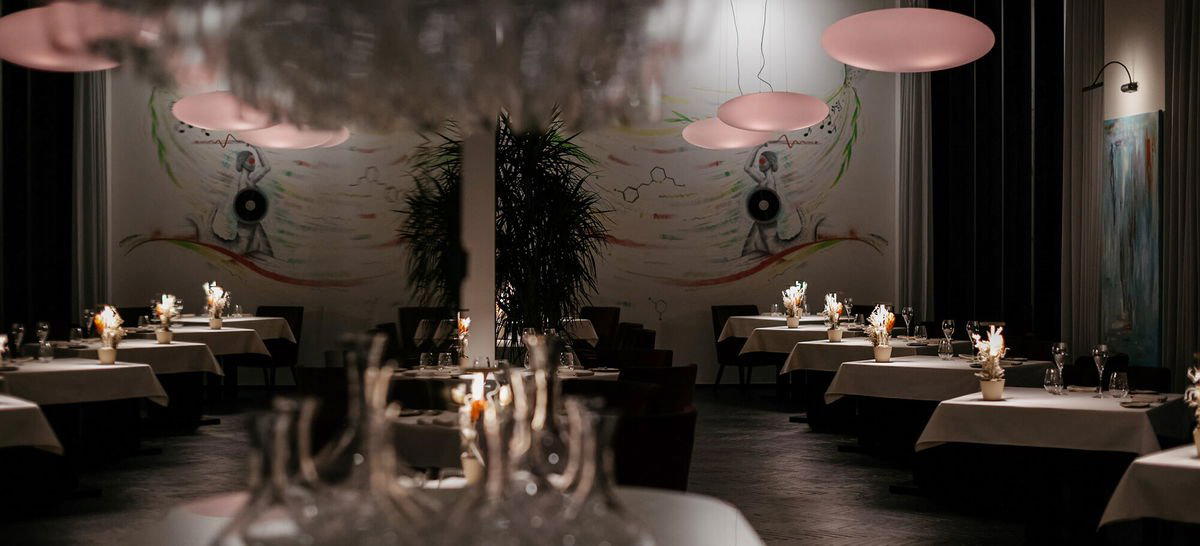
Details
- Casual
- Lively
- Casual Hangout
- Family
- Group Dining
- Standalone
- A La Carte
- Vegetarian Friendly
Current opening hours
- Monday
- 12–9 PM
- Tuesday
- 12–10 PM
- Wednesday
- 12–10 PM
- Thursday
- 12–10 PM
- Friday
- 12–11 PM
- Saturday
- 12–11 PM
- Sunday
- 11 AM–9 PM
Hours can change for holidays and private events. Last verified .
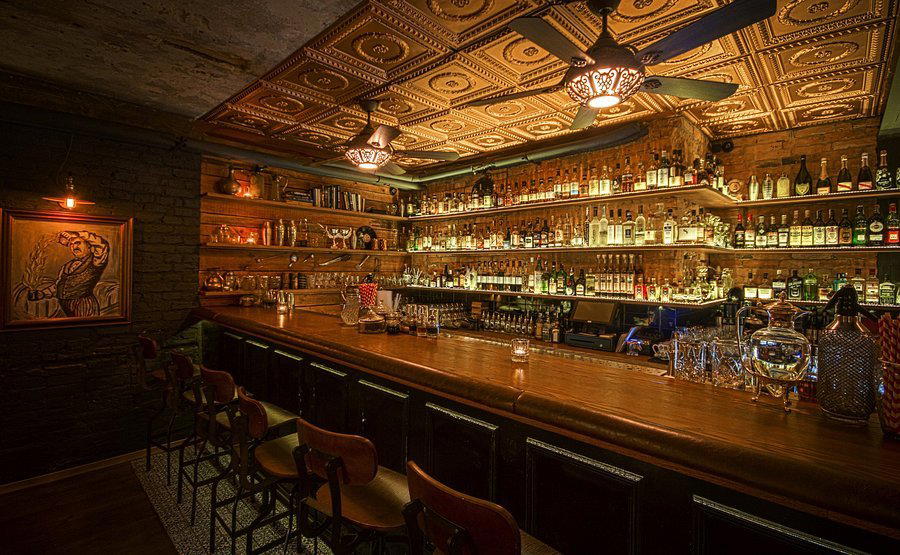
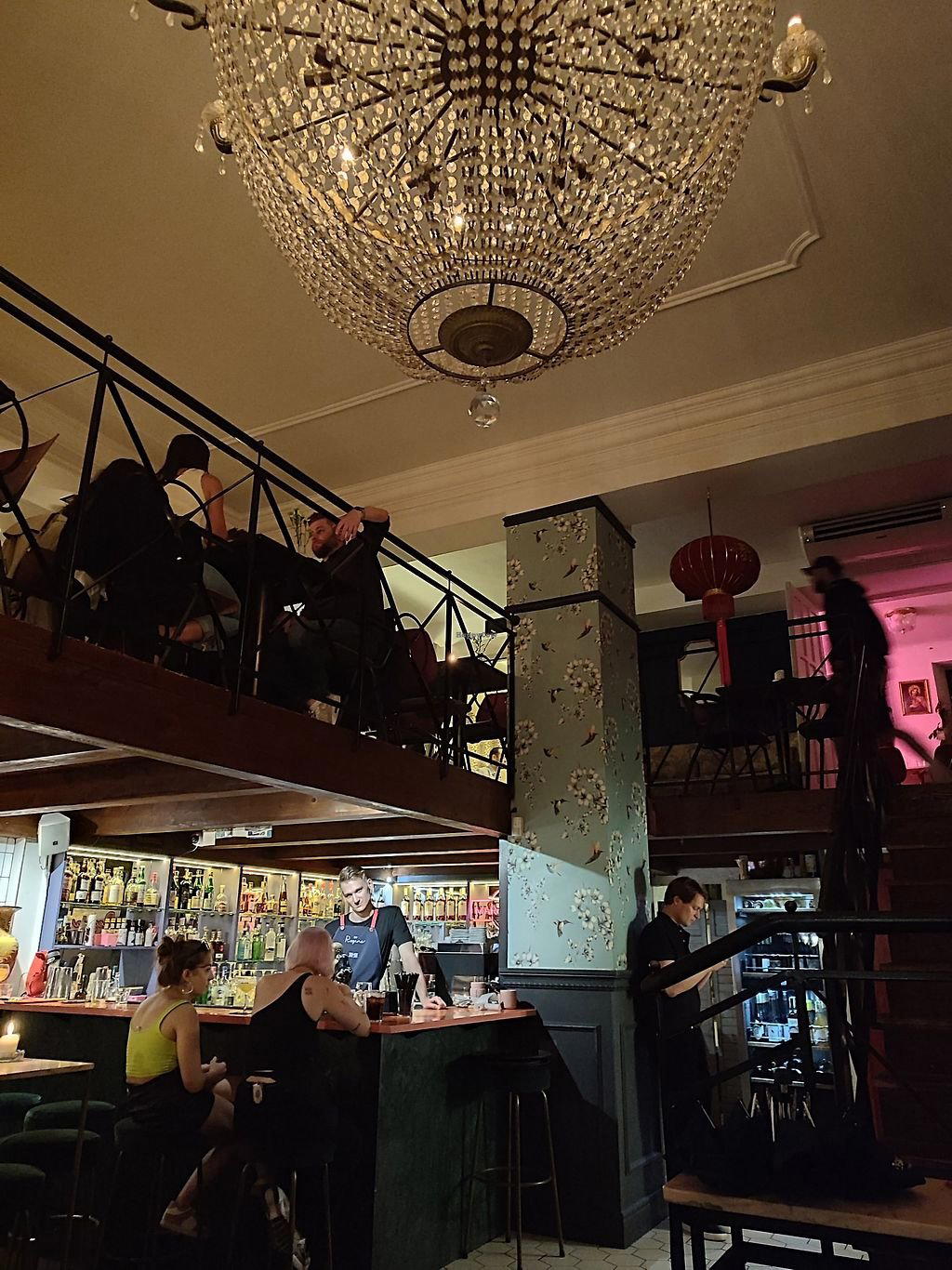
Casual and welcoming atmosphere with a focus on authentic Vietnamese dining experience; lively during service hours.