On a quiet residential stretch of Śródmieście, Hoża 25a operates in the mode that has come to define Warsaw's most serious ingredient-led restaurants: local sourcing treated not as a marketing position but as a structural constraint on what appears on the menu. The address places it among a generation of Polish dining rooms that have moved decisively away from continental formality toward something more direct and seasonally honest.
Pearl is the En Primeur Club membership app — saves, bookings, and concierge access live there. Same editors, same standards.
- Address
- Hoża 25a, 00-521 Warszawa, Poland
- Phone
- +48515037001
- Website
- steakhousehoza.pl
- Directions
- Get directions
 Saves & bookings on Pearl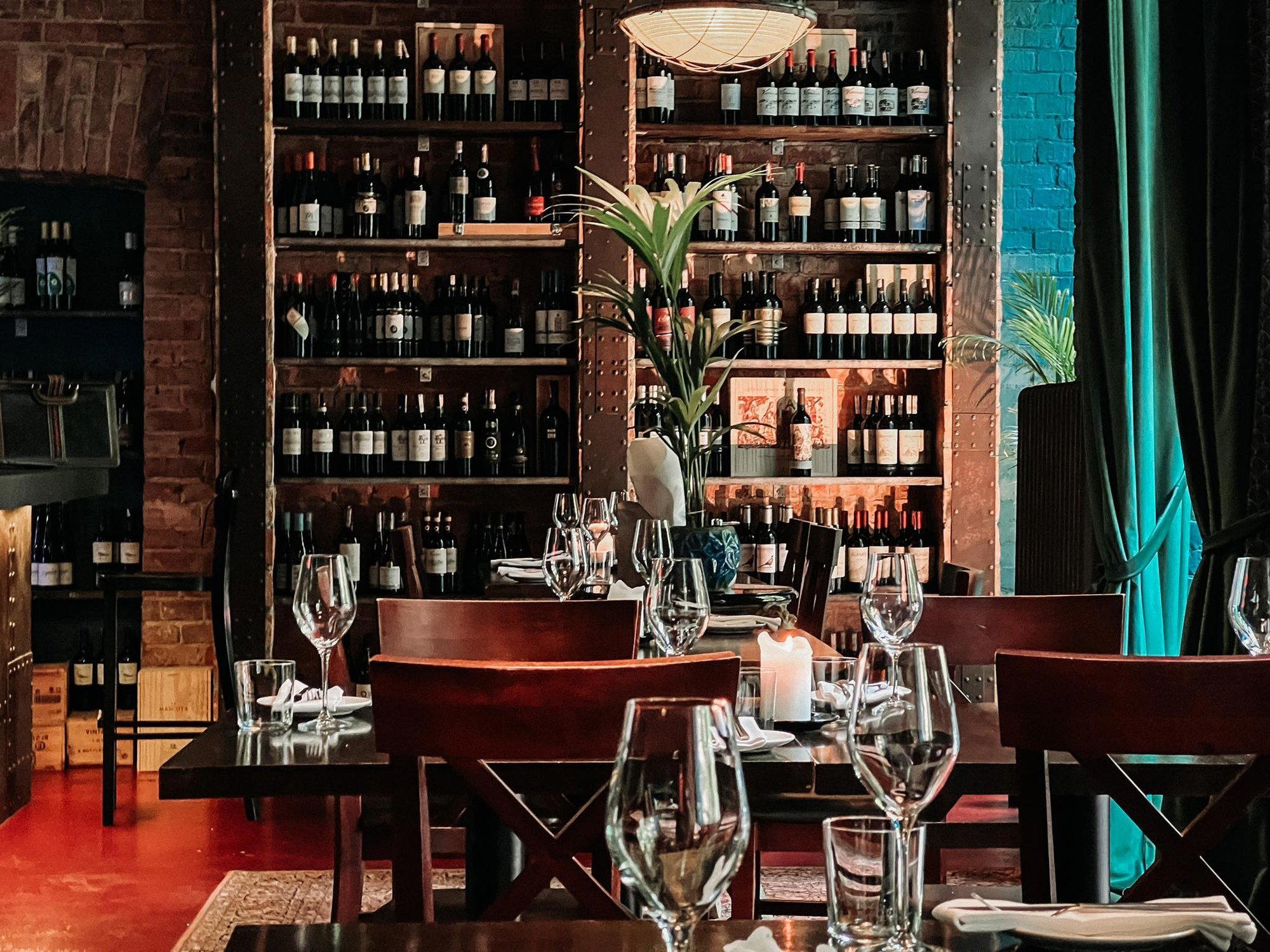
Śródmieście and the Sourcing Question
Warsaw's central dining district has spent the better part of a decade sorting itself into two broad camps. On one side sit the restaurants that built their identity around technique and international reference points, European fine dining translated into Polish rooms. On the other, a smaller group has turned its attention inward, toward the farms, forests, and rivers that supply Central Poland's larder. Hoża is an Argentine Steakhouse at Hoża 25a in Warsaw, with a recommended reservation policy and an approximate spend of $50 per person. The address itself is instructive: a residential-grade building in Śródmieście rather than a high-profile corner site, the kind of location that signals the kitchen is the priority, not the footfall.
That geographic quietness matters as context. Warsaw's premium dining tier has increasingly split between restaurants that position on spectacle and address and those that let sourcing decisions drive everything else, from the menu format to the seasonal calendar. Hoża operates in the latter mode, in a city where that choice now carries genuine critical weight.
What the Street Tells You Before You Enter
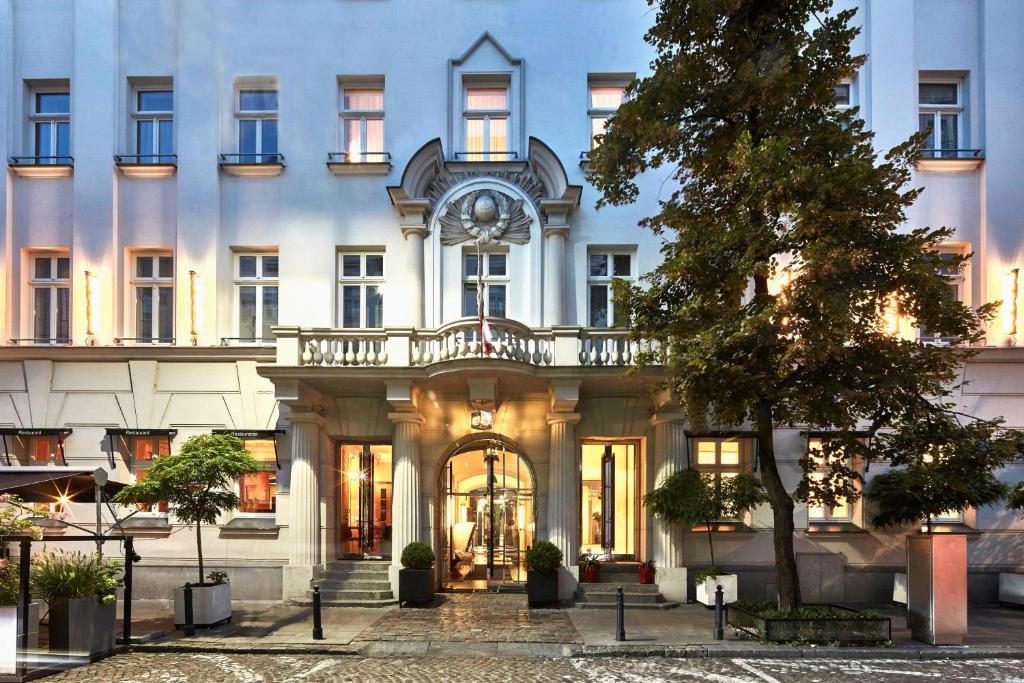
The Hoża street runs south from Aleje Jerozolimskie through one of Warsaw's more intact pre-war residential grids. Walking it, you pass apartment facades, small service businesses, and the occasional café before arriving at 25a. There is nothing theatrical about the approach. In a city that rebuilt itself almost entirely from rubble after 1945, streets like Hoża carry a particular urban texture: mid-century reconstruction sitting alongside older survivals, the neighbourhood functioning on its own rhythms rather than for visitors. A restaurant that chooses this address over the more conspicuous options closer to Nowy Świat or the Old Town is making a statement about who it is cooking for and what kind of attention it expects from them.
Ingredient-Led Cooking in Warsaw's Current Moment
Polish cuisine's rehabilitation as a serious subject for restaurant cooking has been one of the more consequential shifts in Central European dining over the past fifteen years. Warsaw has been the primary site of that shift, with a cluster of kitchens now treating domestic produce, fermentation traditions, and regional specificity as the raw material for menus that compete credibly with Western European peers. The sourcing logic behind this movement is specific: Polish agriculture's relative insulation from industrial monoculture, combined with strong regional distinctions in dairy, game, freshwater fish, and grain, gives chefs access to materials that carry genuine flavour differentiation.
Hoża sits within this context. Ingredient sourcing as the organising principle of a menu means the kitchen's choices are constrained by what is available, which in practice means the menu reflects the agricultural calendar rather than a fixed corporate identity. That approach places it in the same broad category as Rozbrat 20, which operates in the Modern European tier at €€€, and alewino, where Modern Polish cooking at the €€ level has built a strong following around traditional sourcing. NUTA and hub.praga represent the more internationally inflected end of Warsaw's creative cooking tier, while Baken occupies a different position within the city's broader dining map. Hoża's specific positioning within that comparable set is best understood by visiting: the address and the mode of operation are clear signals, but the kitchen's current emphasis is something to assess directly.
Poland's Ingredient Geography as Context
Understanding why sourcing-led cooking matters in Warsaw requires some geography. Poland's culinary regions are more distinct than their international reputation suggests. The Mazovian plain around Warsaw produces rye, beetroot, and freshwater species from the Vistula and its tributaries. Further afield, the Podlasie region supplies dairy with flavour profiles shaped by meadow grazing. Silesian and Małopolska producers bring smoked meats and aged cheeses with genuine regional character. Game from the Białowieża forest complex and mushrooms foraged across the country's extensive woodland cover round out a larder that, when taken seriously, generates menus with a sense of place that is harder to achieve through imported produce.
The restaurants doing this most rigorously in Poland tend to cluster in Warsaw and Kraków, with examples emerging in Gdańsk and Poznań. Bottiglieria 1881 in Kraków, Arco by Paco Pérez in Gdańsk, and Muga in Poznań each represent the way this conversation has spread beyond the capital. Elsewhere, addresses like Giewont in Kościelisko demonstrate that the sourcing question is being asked in smaller markets too. In that national context, Warsaw's density of serious kitchens gives the city a different kind of critical mass, and Hoża is part of it.
How to Approach a Visit
The address, Hoża 25a in Warsaw's 00-521 postal district, is confirmed. The neighbourhood is accessible by foot from most Śródmieście hotels, and the Politechnika metro station provides a nearby transit option. Given the sourcing-led format, the menu will reflect the current season; arriving with expectations shaped by a specific dish seen elsewhere is likely to lead to disappointment. Come for what the kitchen is cooking now.
Further afield in Poland, Kwestia Czasu in Białystok, Cudne Manowce in Olsztyn, Górnik in Kraków, Hashi Sushi in Gdańsk, Hattori Hanzo in Częstochowa, and Włoska Restauracja Bellanuna in Rzeszów represent the range of serious cooking now active across Polish cities. For international comparison, the sourcing-led discipline visible in Warsaw's better kitchens finds its clearest global parallels at places like Le Bernardin in New York, where product quality is treated as non-negotiable, and the tightly controlled format of Atomix in New York, which shares Warsaw's current generation of restaurants a commitment to specificity over spectacle.
Comparable Spots, Quickly
Comparable venues nearby, for context on price, style, and recognition.
| Venue | Cuisine | Price | Notes |
|---|---|---|---|
| HożaThis venue — the venue you are viewing | Argentine Steakhouse | $$$ | Not listed |
| Mokotowska 69 | Modern Polish Steakhouse & Wine Bar | $$$ | Ujazdow |
| Der Elefant | Steakhouse & Seafood | $$$ | Osiedle Za Zelazna Brama |
| Brasserie | Modern French Brasserie | $$$ | Śródmieście |
| Latino Brasserie@Ferdy's | Polish Brasserie | $$$ | Osiedle Za Zelazna Brama |
| Prime Cut | Modern Steakhouse | $$$$ | Osiedle Za Zelazna Brama |
At a Glance
- Elegant
- Cozy
- Sophisticated
- Date Night
- Business Dinner
- Special Occasion
- Extensive Wine List
Current opening hours
- Monday
- 12–11 PM
- Tuesday
- 12–11 PM
- Wednesday
- 12–11 PM
- Thursday
- 12–11 PM
- Friday
- 12–11 PM
- Saturday
- 12–11 PM
- Sunday
- 12–10 PM
Hours can change for holidays and private events. Last verified .
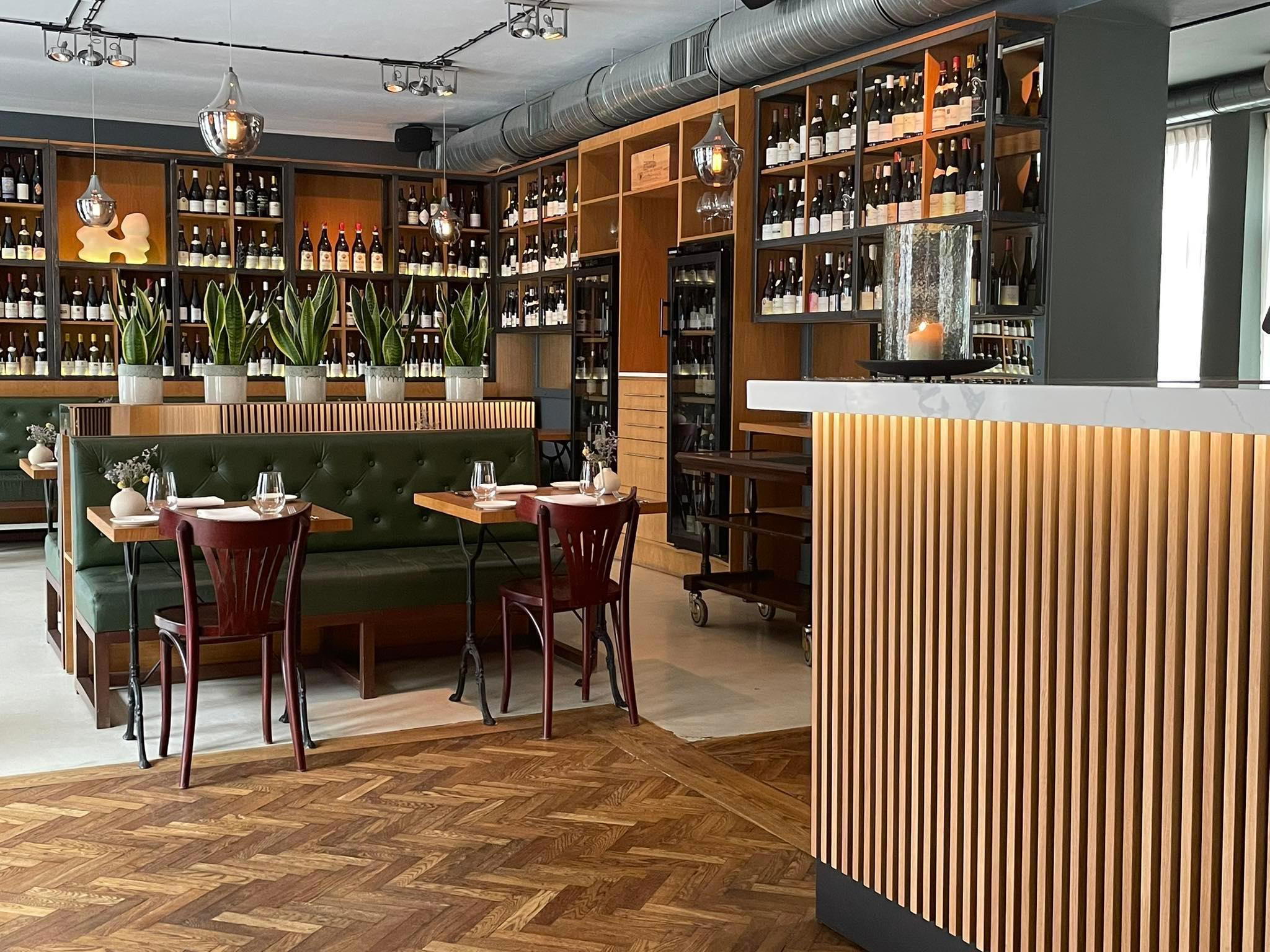
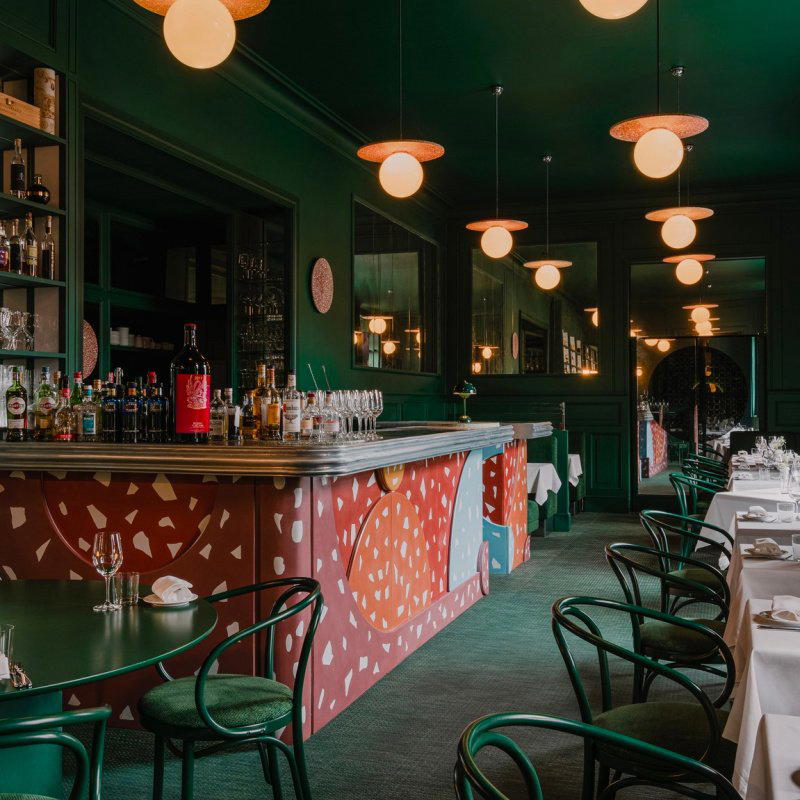
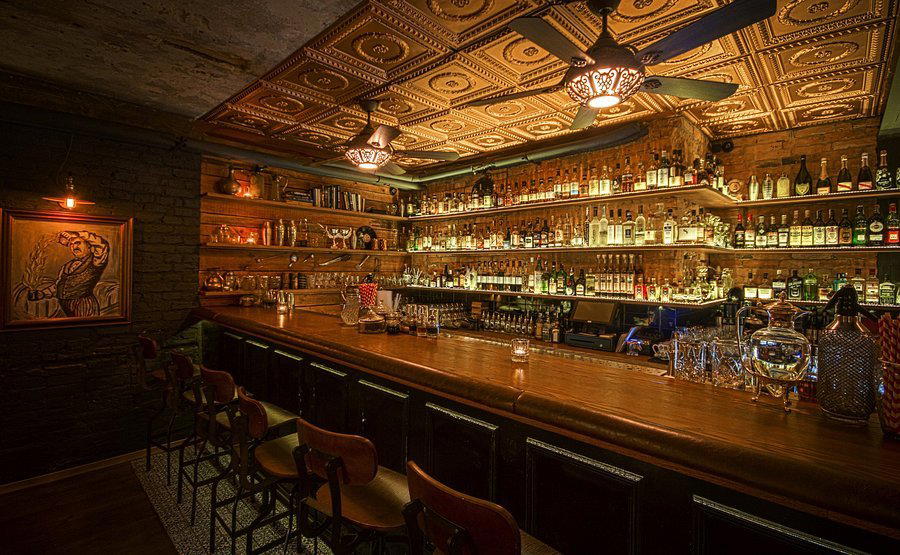
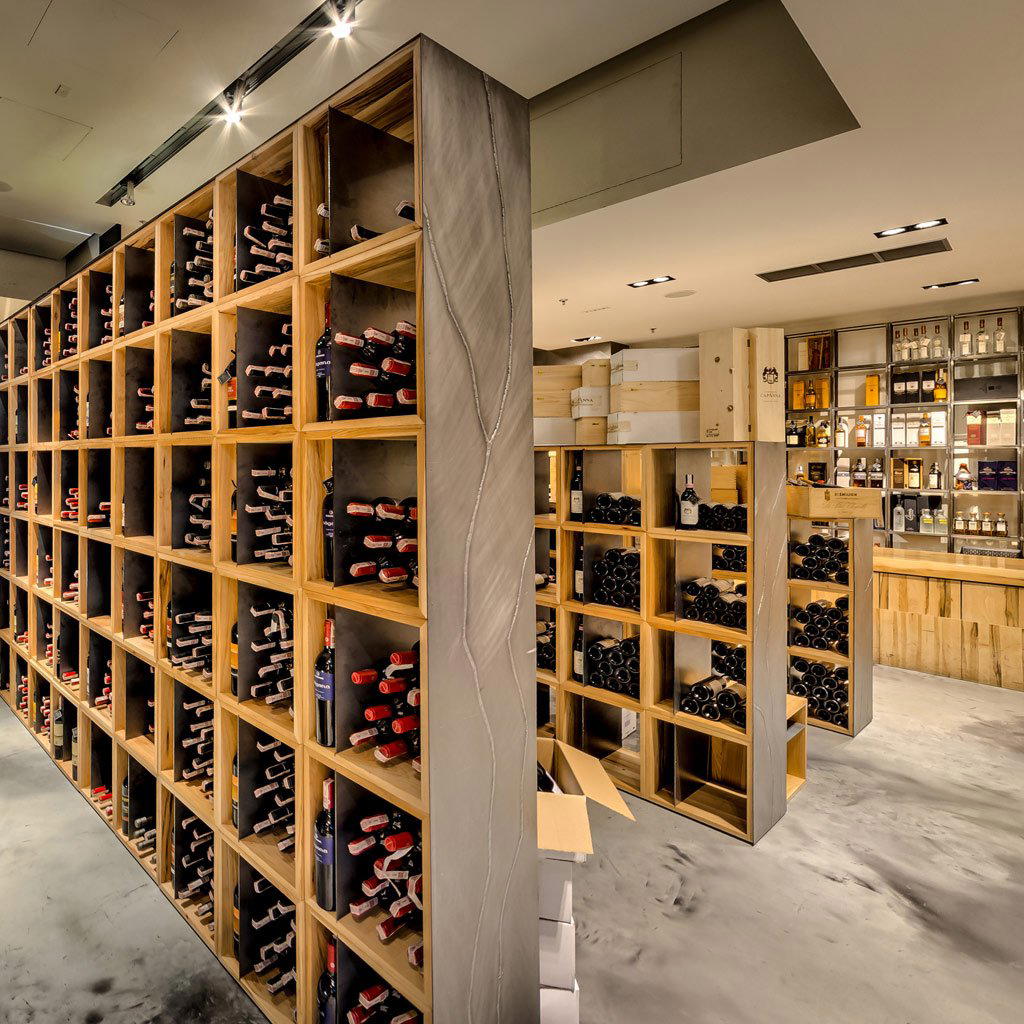
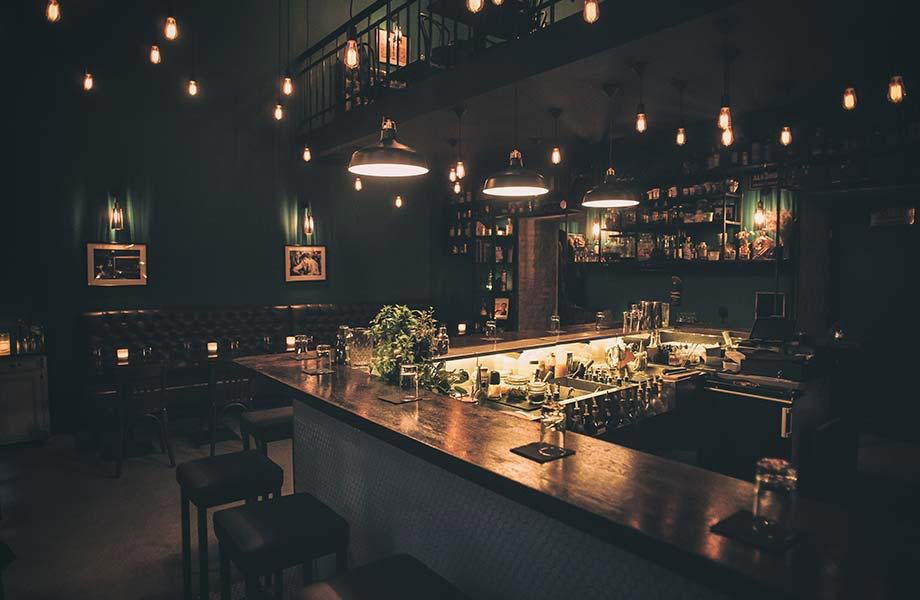
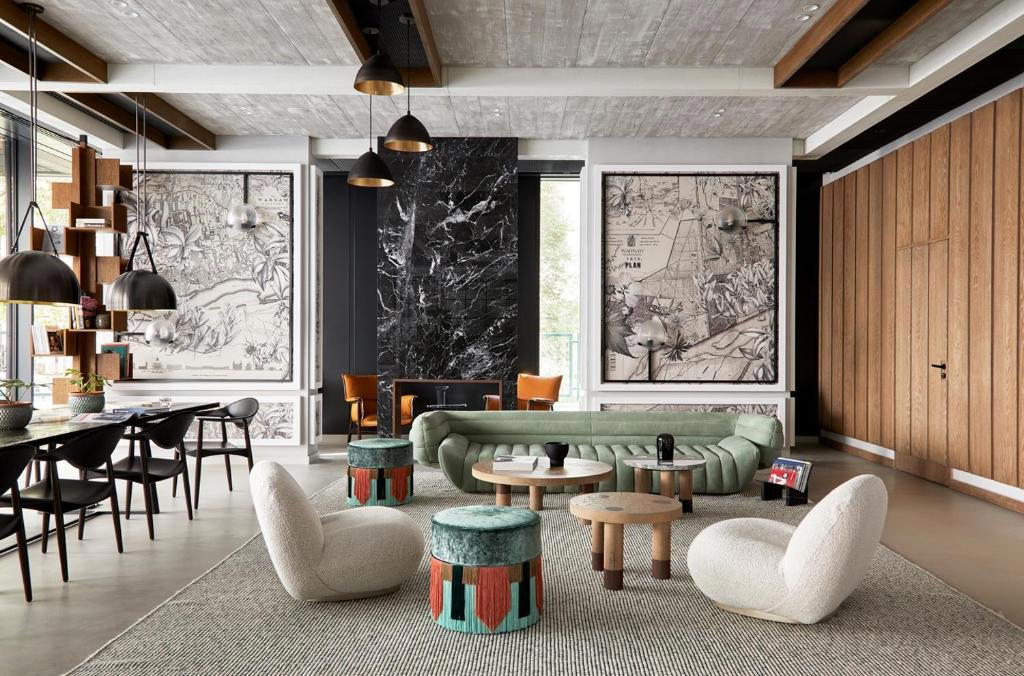
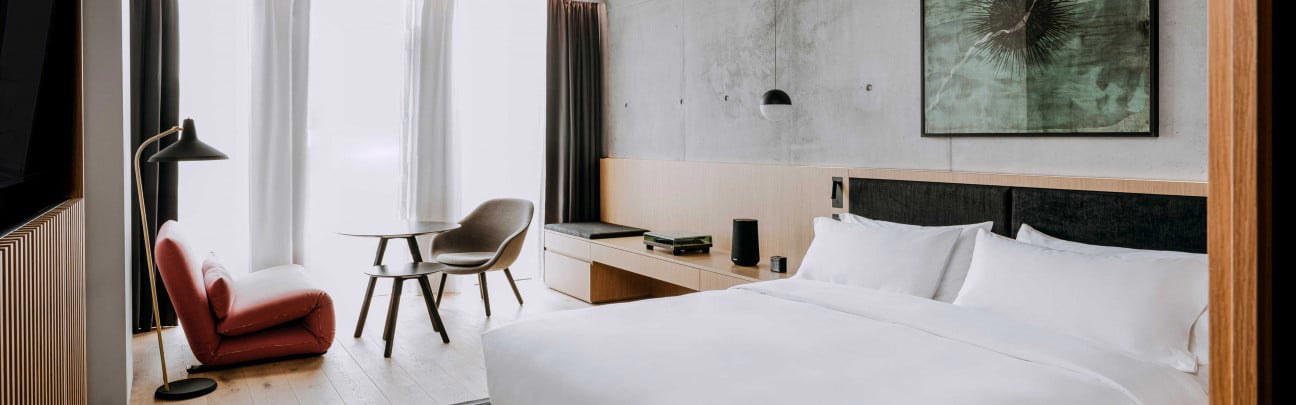
Classy and sensual interior with bullfight reds, polished black fixtures, stripped brickwork, bright blue paintwork, and low lighting evoking old world Buenos Aires with a modern kick.