REIWA Japanisches Restaurant
Japanese cuisine in the Rhine-Neckar region occupies a narrow but serious niche, and REIWA in Ludwigshafen addresses it directly at Maxstraße 42. The name references Japan's current imperial era, signalling an orientation toward the contemporary rather than a nostalgic reading of the tradition. For a city better known as BASF's headquarters than as a dining destination, REIWA represents a genuine commitment to a cuisine that demands precision and considered sourcing.
Pearl is the En Primeur Club membership app — saves, bookings, and concierge access live there. Same editors, same standards.
- Address
- Maxstraße 42, 67059 Ludwigshafen am Rhein, Germany
- Phone
- +491734352898
- Website
- restaurant-reiwa.com
- Directions
- Get directions
 Saves & bookings on Pearl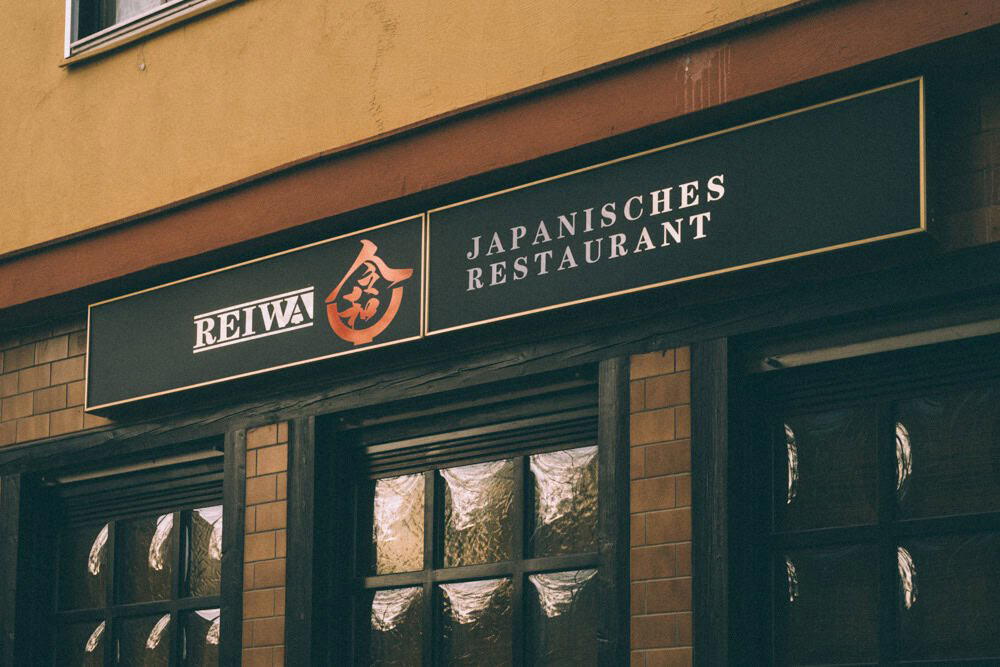
Japanese Cooking in an Unlikely City
That context matters when assessing REIWA Japanisches Restaurant on Maxstraße 42, because the presence of serious Japanese cooking in this city is not incidental. The Rhine-Neckar metropolitan area generates enough professional and international demand to sustain a restaurant oriented around a cuisine that, in Germany, has historically clustered in Frankfurt, Munich, Düsseldorf, and Berlin. REIWA's location in Ludwigshafen rather than in one of those larger centres is itself an editorial point: Japanese cooking is no longer confined to Germany's biggest urban dining markets.
The name REIWA refers to Japan's current imperial era, which began in 2019. Choosing it signals an orientation toward the contemporary rather than a nostalgic or generalised reading of Japanese tradition. In Germany, the distinction matters. Japanese restaurants across the country span an enormous range, from the pan-Asian buffet format that dominated the 1990s and 2000s to omakase-format counters in major cities pricing against international benchmarks. REIWA positions itself neither as a nostalgia exercise nor as a maximalist spectacle. The name alone carries a quiet argument about where the restaurant intends to sit.
Sourcing as Structure: What Japanese Cuisine Requires
Japanese cooking, at its more considered end, makes sourcing the structural argument of the meal rather than a marketing footnote. This is particularly true in Germany, where the distance from Japan's primary ingredient networks, the fish markets, the aged soy producers, the regional rice varieties, forces kitchen decisions that either compress the cuisine into approximation or seek the longer supply lines that preserve its logic.
What defines the more serious end of Japanese dining in Europe is the willingness to source ingredients whose quality is only legible to guests who know what they're tasting. Proper dashi requires kombu from specific Japanese coastal harvests. The fat composition and water content of Japanese short-grain rice is not replicated by European substitutes. When European Japanese restaurants commit to these sourcing decisions, the cost and the flavour gap relative to approximated versions is substantial, and the economic model has to account for that. In this sense, REIWA's presence in Ludwigshafen raises the same questions any Japanese restaurant at the considered end of the spectrum has to answer: what comes from Japan, what comes from European producers who can match the specification, and where does the kitchen make pragmatic adjustments without losing the cuisine's coherence.
The broader German context for this is instructive. Restaurants like Aqua in Wolfsburg have demonstrated that Japanese technique integrated into European fine dining frameworks can achieve the highest tier of recognition. At the other pole, venues like ATAMA by Martin Stopp in Sankt Ingbert, also in the Saarland-Rhineland-Palatinate corridor, represent a specifically German engagement with Japanese precision in a regional context. REIWA occupies a comparable geography, and the Rhine-Neckar corridor, connecting Ludwigshafen to Heidelberg and Mannheim, has the professional density to support that kind of offer.
The Scene REIWA Belongs To
Germany's Japanese restaurant market has stratified sharply over the past decade. At the leading, a small number of omakase counters in major cities price at levels that put them in direct comparison with the lower tier of Tokyo's Ginza district. Below that, a mid-market tier serves Japanese cuisine with varying degrees of sourcing rigour and technique depth. The category that has expanded most in secondary German cities is what might be called the committed independent: a restaurant not chasing Michelin recognition or international press, but applying genuine craft to a Japanese format within a local economic context.
That tier is where much of Germany's most interesting Japanese cooking now happens. The Rhineland-Palatinate region, home to serious wine culture around the Mosel and the Ahr, has seen its restaurant infrastructure mature in ways that support considered Japanese dining. Nearby, Bagatelle in Trier represents the kind of French-inflected fine dining that has historically dominated the region's upper tier. REIWA approaches the same question from a different tradition.
For broader context on how German restaurants have approached precision cooking across different cuisine traditions, the work at Schwarzwaldstube in Baiersbronn, Vendôme in Bergisch Gladbach, and Schanz in Piesport illustrates the standards against which any serious restaurant in this country is implicitly measured, regardless of cuisine type. Japanese cooking demands that same level of procedural discipline, the temperature control, the timing, the ingredient integrity, applied to a completely different set of culinary logic.
Internationally, the benchmark for Japanese-informed precision in a Western context runs through places like Atomix in New York City, where Korean technique and Japanese influences intersect at the highest price tier, and Le Bernardin in New York City, which has long demonstrated what Japanese reverence for fish quality looks like when filtered through a French service framework. These are different competitions entirely, but they frame why the sourcing question in Japanese cooking is never merely logistical.
Planning a Visit
REIWA Japanisches Restaurant is located at Maxstraße 42, 67059 Ludwigshafen am Rhein. Ludwigshafen's central station connects directly to Mannheim's main rail hub, making the restaurant accessible from Heidelberg, Frankfurt, and Stuttgart without requiring a car. The Maxstraße address places it within walkable distance of the city centre.
Comparison Snapshot
Comparable venues nearby, for context on price, style, and recognition.
| Venue | Cuisine | Price | Notes |
|---|---|---|---|
| REIWA Japanisches RestaurantThis venue — the venue you are viewing | Authentic Japanese Ramen | $$ | Not listed |
| Restaurant SIGMA - Ludwigshafen am Rhein | Traditional Greek | $$ | Ludwigshafen Center |
| N14 Restaurant | Asian Fusion Sushi | $$ | Gablenberg |
| Umami Ramen | Authentic Japanese Ramen | $$ | Gablenberg |
| Kokono Restaurant Würzburg | Pan-Asian Sushi & Wok | $$ | City Center |
| Yuoki | Japanese & Chinese Sushi Grill | $$ | Viesenhäuser hof |
Continue exploring
More in Ludwigshafen
Restaurants in Ludwigshafen
Browse all →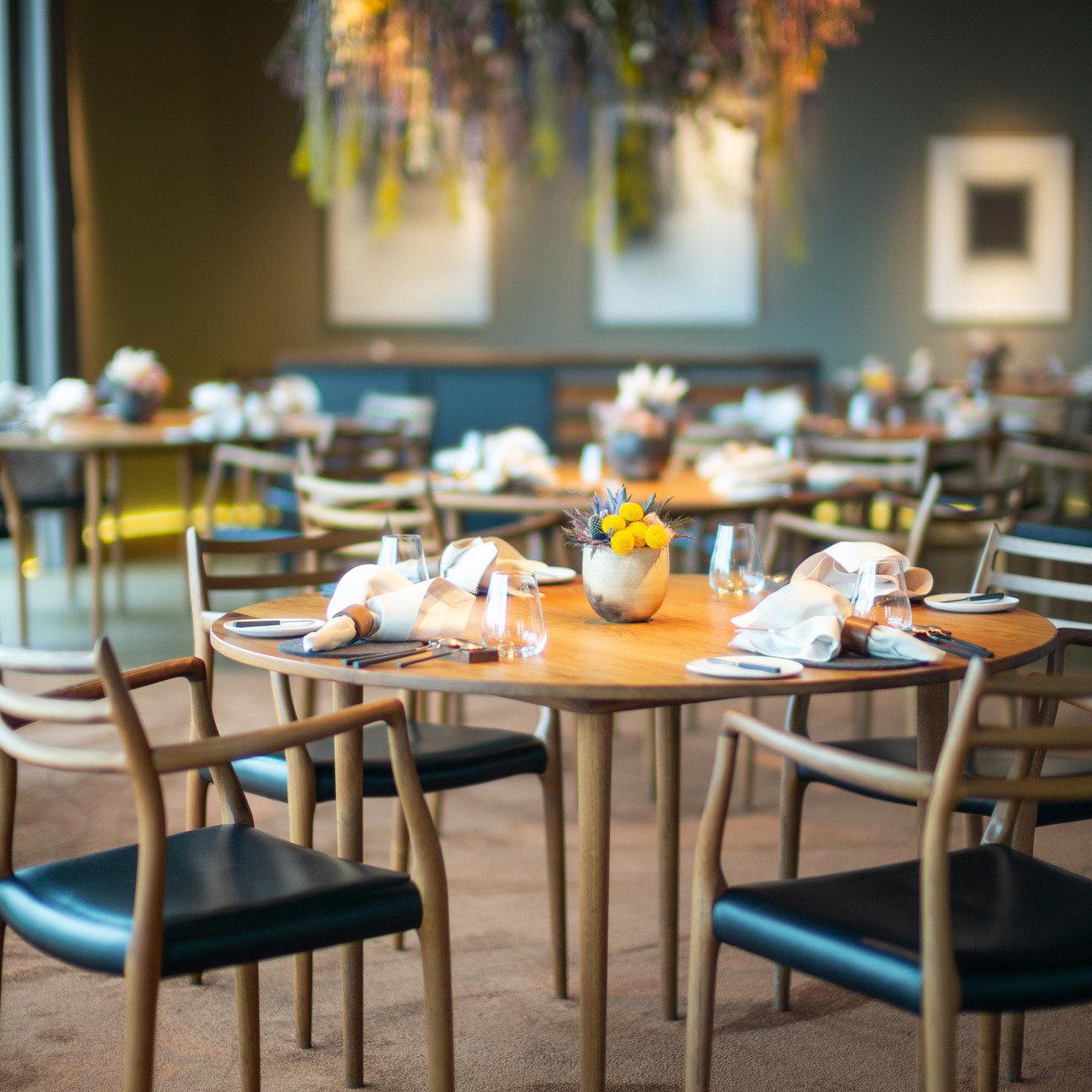
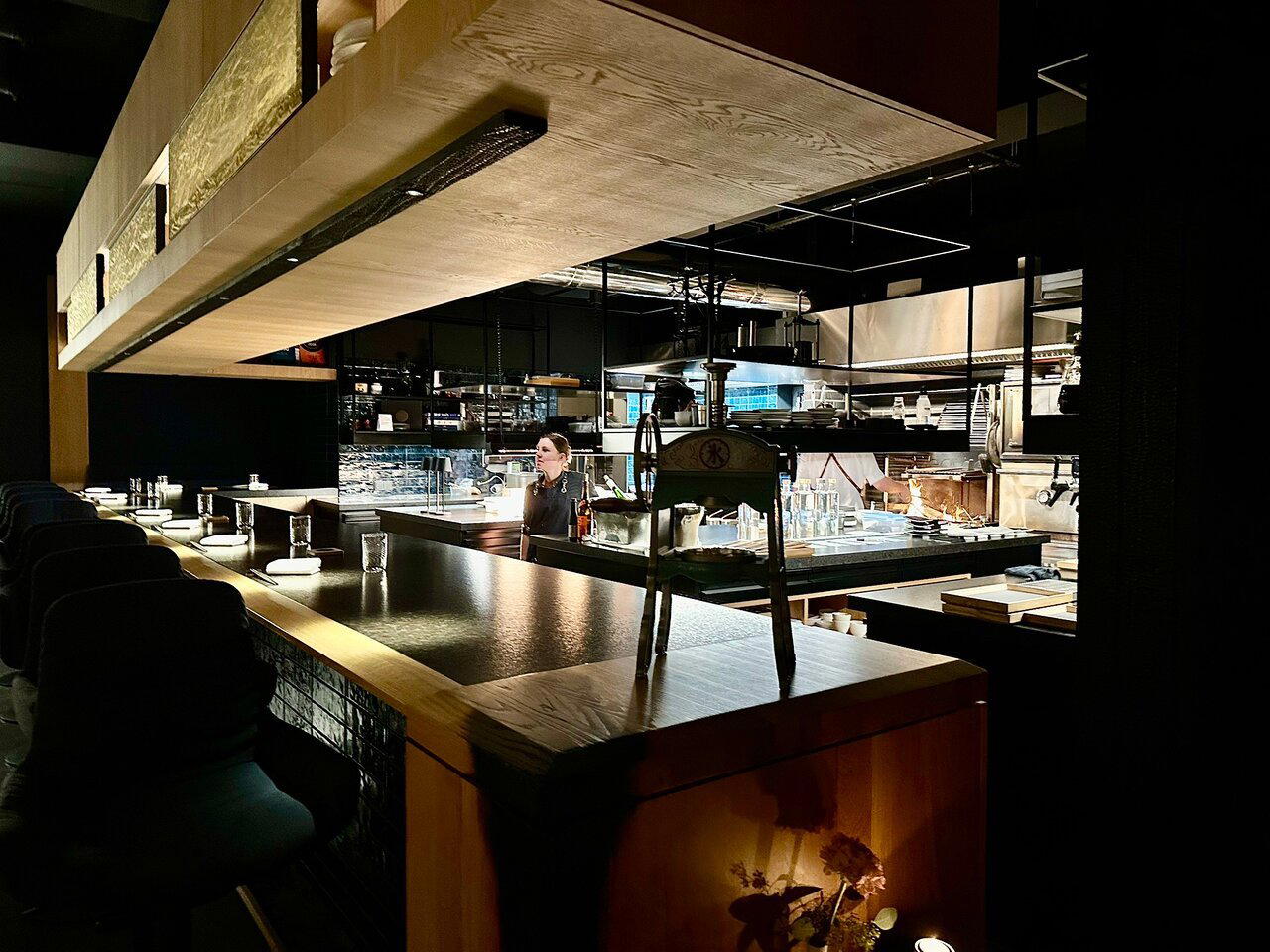
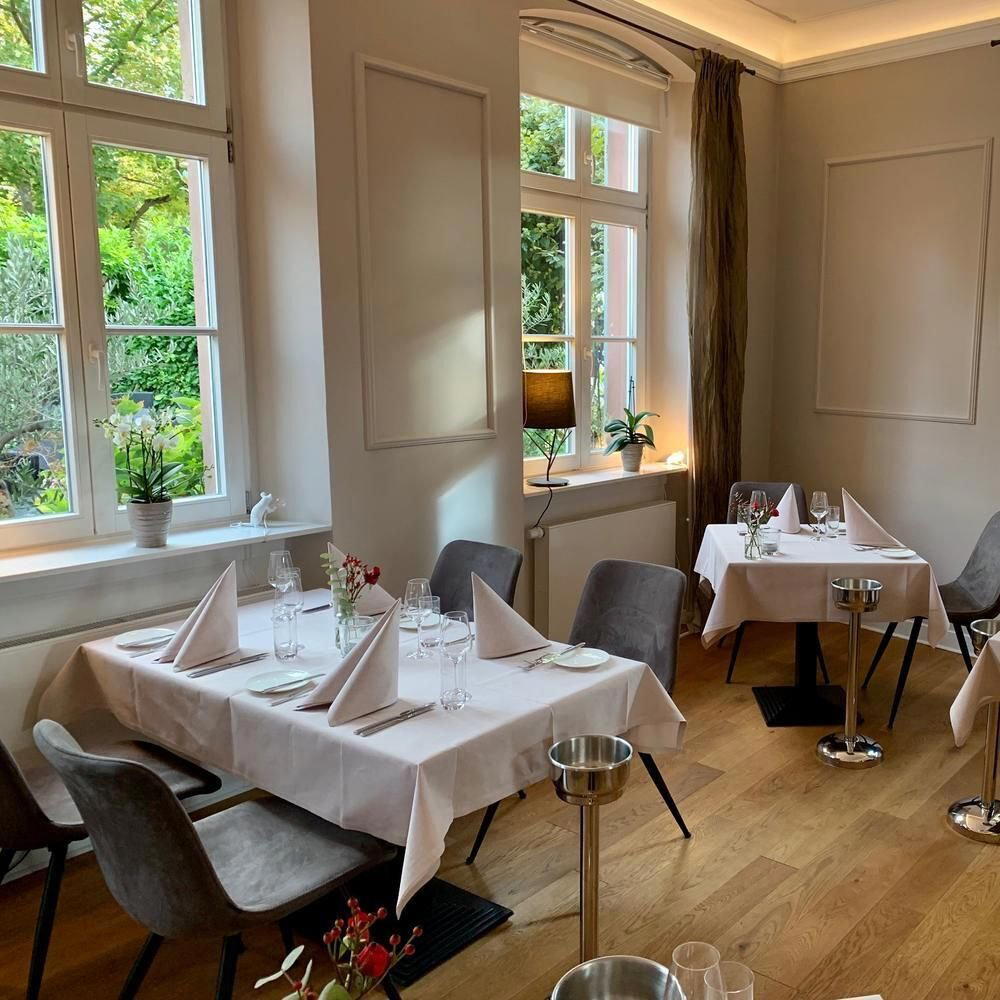
Bars in Ludwigshafen
Browse all →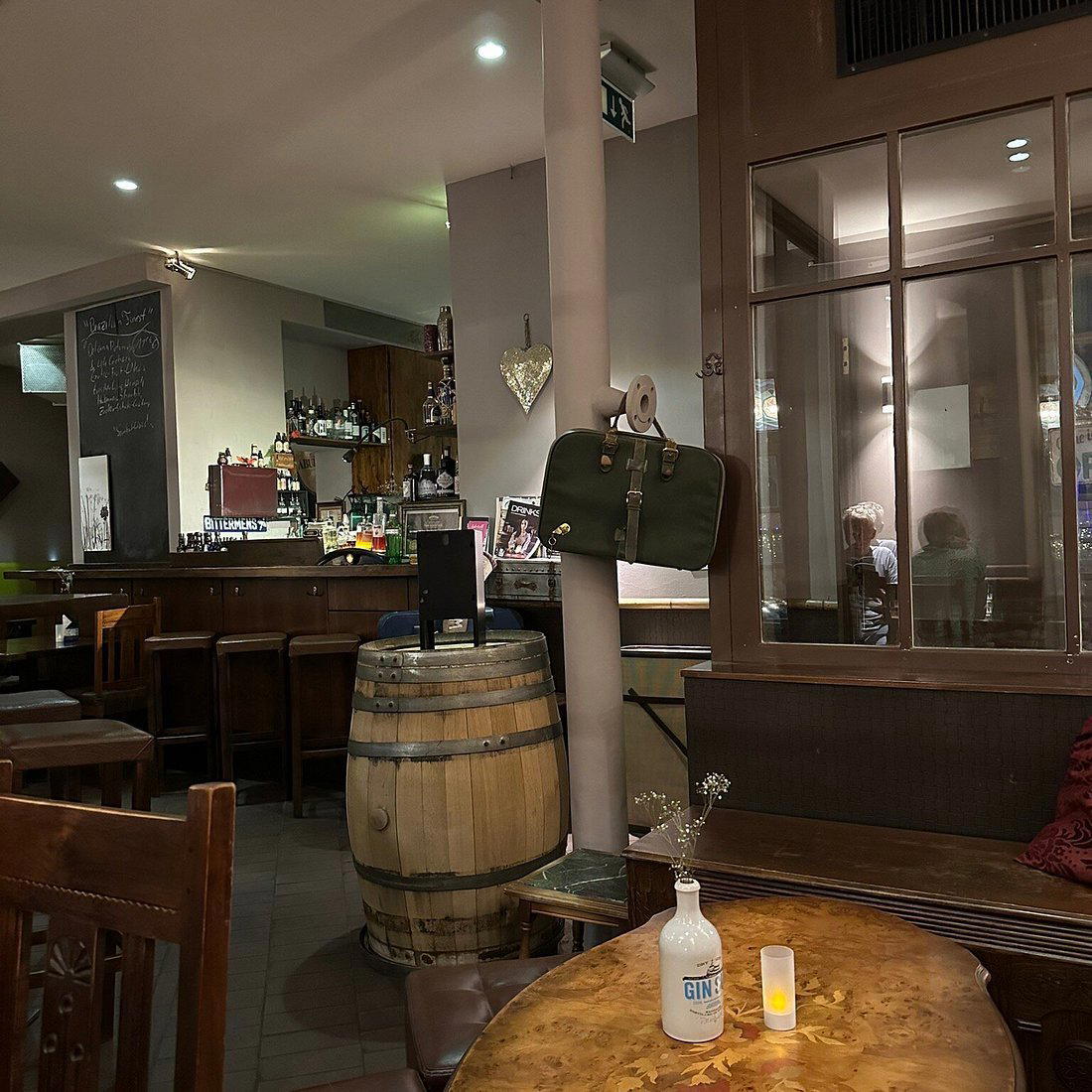
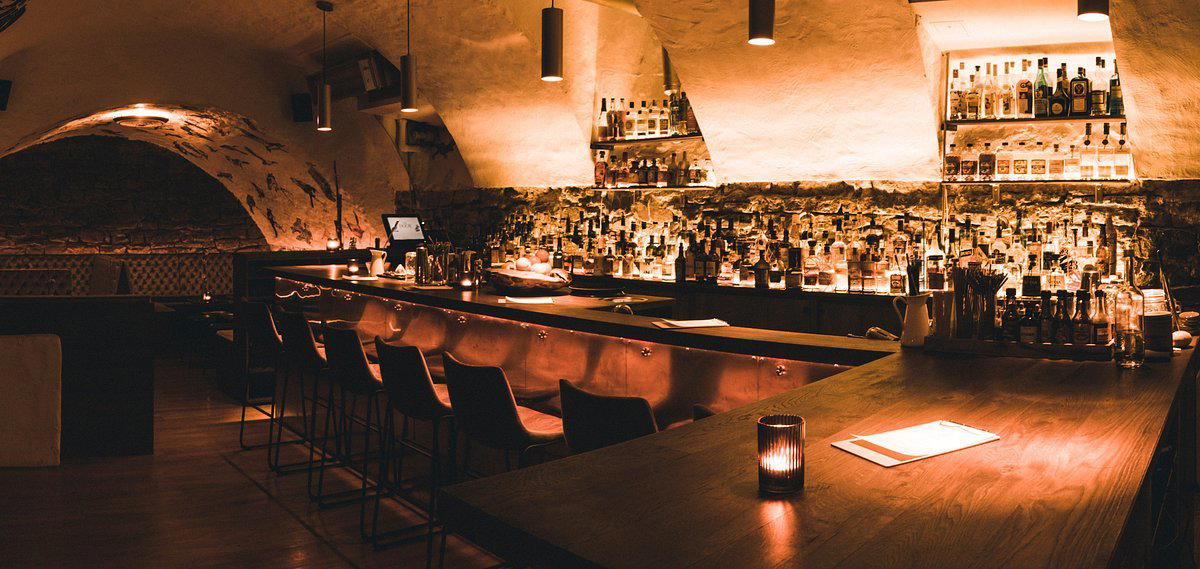
Hotels in Ludwigshafen
Browse all →
At a Glance
- Quiet
- Cozy
- Intimate
- Casual Hangout
- Family
- Sake Program
Current opening hours
- Monday
- 11:30 AM–3 PM, 5–9:30 PM
- Tuesday
- Closed
- Wednesday
- 11:30 AM–3 PM, 5–9:30 PM
- Thursday
- 11:30 AM–3 PM, 5–9:30 PM
- Friday
- 11:30 AM–3 PM, 5–9:30 PM
- Saturday
- 11:30 AM–9:30 PM
- Sunday
- 11:30 AM–9:30 PM
Hours can change for holidays and private events. Last verified .
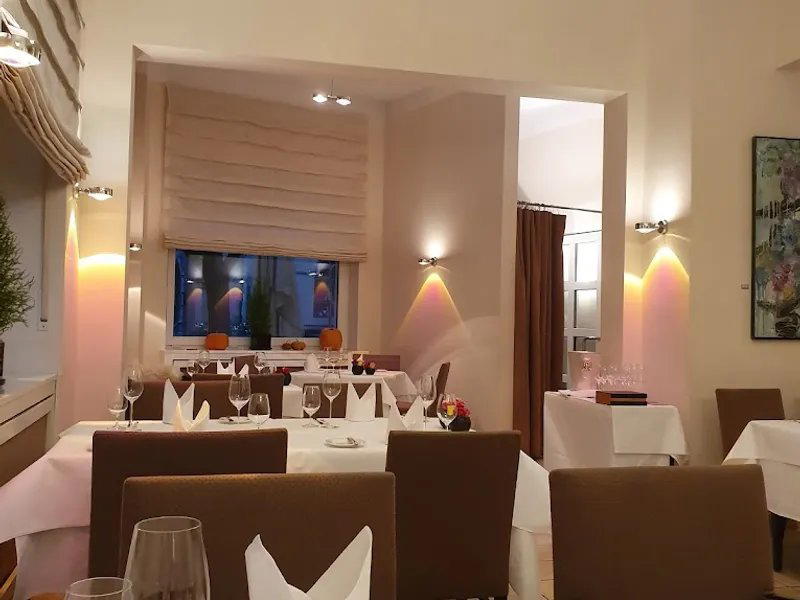
Quiet, calm atmosphere in an uncluttered and appealing dining room.