Gästehaus berge
Gästehaus berge sits on Kampenwandstraße in Aschau im Chiemgau, a Bavarian village at the foot of the Kampenwand massif where alpine architecture and the rhythms of mountain life set the tone for the stay. The address places it within the Chiemgau's small tier of destination properties that draw visitors for landscape proximity as much as for interiors. Travellers planning a Chiemgau itinerary should cross-reference it against the area's broader accommodation options.

Pearl is the En Primeur Club membership app, where members save venues, book tables and use the concierge.
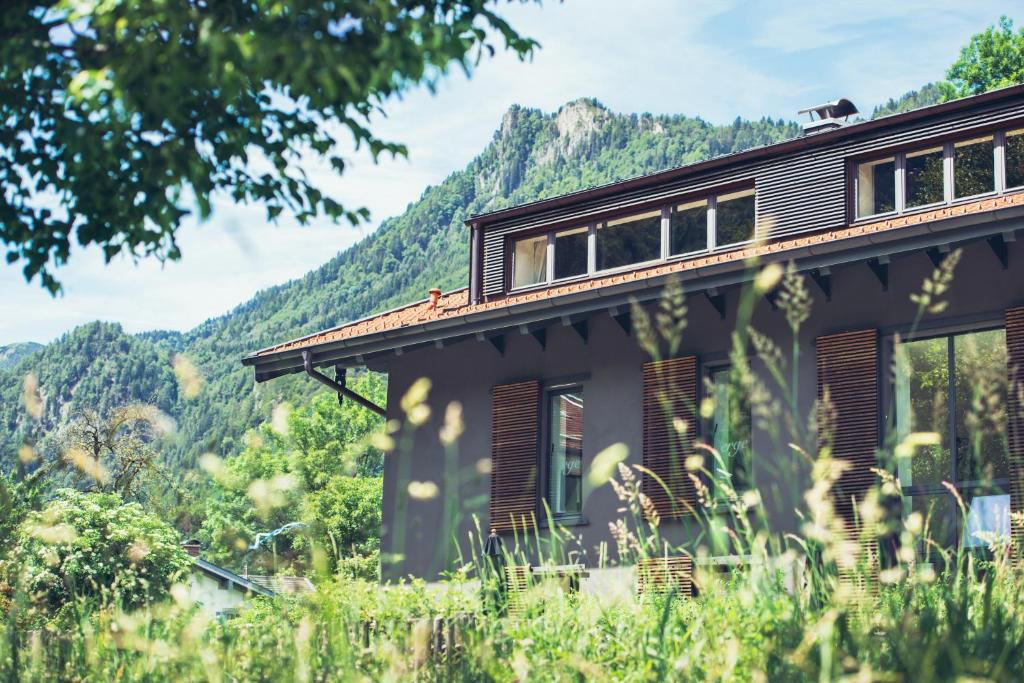
Where the Kampenwand Shapes the Room
The road into Aschau im Chiemgau narrows as it rises, the Bavarian foothills pressing in from both sides before the valley opens and the Kampenwand appears above the treeline. It is that mountain, as much as anything else, that defines the physical logic of Gästehaus berge. The address, Kampenwandstraße 85, is less a street number than a geographic declaration. Properties in this tier of the Chiemgau tend to organise themselves around the view, and the design sensibility that emerges from that orientation is one shared by a particular cohort of Alpine guest houses: material restraint, orientation toward the landscape, and a resistance to the kind of grand-lobby theatrics that defines, say, the Kempinski Hotel Berchtesgaden or the Mandarin Oriental Munich. The Gästehaus sits in a different register entirely.
The Architecture of Retreat
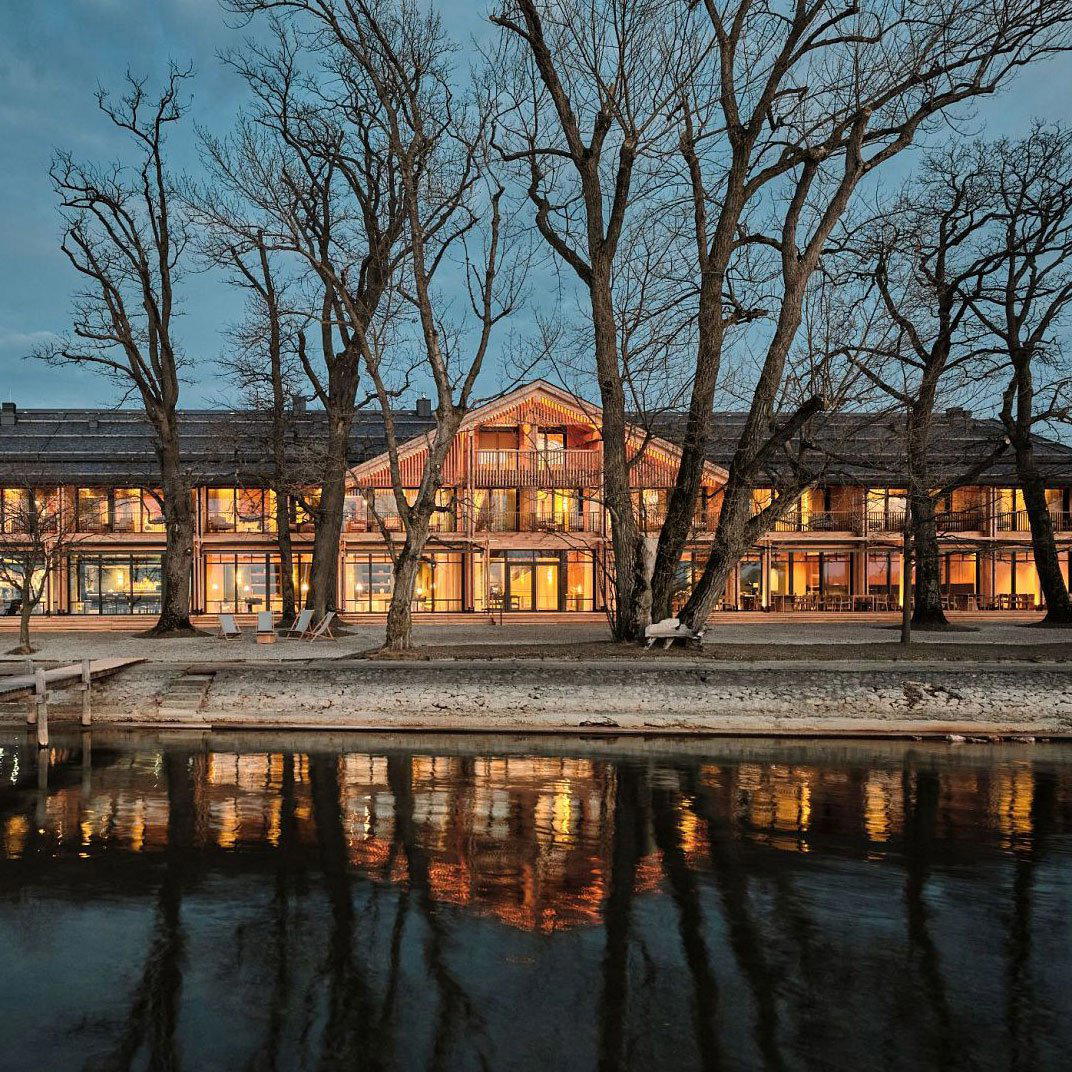
Alpine Germany has developed two dominant hospitality typologies over the past two decades. The first is the resort-scale property with spa complexes, conference capacity, and an international brand overhead, places like Schloss Elmau in Elmau or Das Kranzbach in Kranzbach. The second is the small, owner-operated Gästehaus that makes no claim to scale, instead betting everything on setting, materiality, and the logic of a single coherent place. Gästehaus berge reads as firmly the latter. The name itself, berge, meaning mountains, signals a design philosophy in which the exterior landscape is the primary architectural element, and the built structure exists to frame rather than compete with it.
This approach is increasingly legible in the Chiemgau region, where a number of smaller properties have positioned themselves in conscious contrast to the resort tier. The surrounding area around Aschau, with the Kampenwand cable car accessible from the village and the Prien river cutting through the valley floor, gives properties here a natural programme that larger venues elsewhere must manufacture. The built environment at a property like this functions leading when it steps back: generous glazing to hold the mountain view, materials that echo the local vernacular, and public spaces scaled for guests rather than event hire.
For reference on how German luxury hospitality approaches this question of scale, the contrast with city properties is instructive. The Fairmont Hotel Vier Jahreszeiten in Hamburg or the Excelsior Hotel Ernst in Cologne operate inside an urban grandeur logic that Alpine Gästehäuser explicitly reject. Even within Bavaria, the difference between a destination resort and a village guest house is a substantive one, and the Chiemgau has historically been more aligned with the latter tradition. Nearby, Gut Steinbach Hotel Chalets Spa in Reit im Winkl represents the farm-estate variant of that same local instinct.
What the Chiemgau Delivers
Aschau im Chiemgau sits roughly equidistant between Munich and Salzburg, which places it within reach of two of Central Europe's most significant cultural cities while maintaining a genuine remove from either. The Chiemsee, Bavaria's largest lake, often called the Bavarian Sea, lies approximately 15 kilometres to the north, making the area attractive across seasons. Summer brings hiking on the Kampenwand, cycling the lake perimeter, and water access at the Chiemsee; winter draws a smaller but committed crowd for cross-country skiing and the particular quiet of a snow-covered valley. Properties in the Aschau corridor benefit from this year-round draw in a way that more narrowly seasonal ski resorts do not. The full Aschau im Chiemgau guide covers the regional logistics in detail, including the rail connection from Munich via Prien am Chiemsee, which makes the area accessible without a car for arrivals from the north.
For guests travelling by car, the A8 Munich-Salzburg motorway provides the direct corridor, with Aschau reached via the Bernau or Rosenheim exits depending on approach direction. The village itself is walkable to a meaningful degree, with the Kampenwand cable car, several restaurants, and the Hohenaschau Castle within reach on foot from central accommodation.
Positioning Within the Region
The broader Bavarian Alpine hospitality market has consolidated significantly around a small number of well-capitalised properties. Althoff Seehotel Überfahrt in Rottach-Egern, on the Tegernsee, represents the lakeside resort tier with a full dining and spa programme. Properties like Hotel Bareiss in Baiersbronn have established themselves on the strength of their kitchen credentials over decades. Gästehaus berge operates in a different register, one where the guest relationship is more intimate and the programme is built around the external landscape rather than internal amenity. Across Germany, comparable models include Landhaus Stricker on Sylt and Luisenhöhe in Horben, both of which have found a stable market position by trading scale for specificity.
The Gästehaus tier in the Alps has also benefited from a broader shift in how premium travellers think about accommodation. The post-pandemic recalibration toward fewer, longer, more considered trips has favoured smaller properties with a clear sense of place over the interchangeable luxury of a chain hotel. Guests who might previously have defaulted to a Breidenbacher Hof or a Bülow Palais in a German city are increasingly choosing village-scale properties for at least one stay per season. That trend has been good for the Chiemgau.
Planning Your Stay
Direct enquiries for Gästehaus berge should go through the property at Kampenwandstraße 85, 83229 Aschau im Chiemgau. Guests arriving from Munich should allow roughly 90 minutes by car via the A8, or plan the rail option via Prien am Chiemsee with the connecting regional service to Aschau, a route that takes around 75 to 90 minutes total and deposits you in the village without the parking calculus. The Kampenwand cable car runs seasonally, so confirming operational dates against your travel window is worth doing before committing to a hiking-led itinerary. Late spring through mid-October and the core winter weeks around Christmas and February half-term represent peak periods; shoulder months, early May and October, offer the terrain with thinner crowds.
In Context: Similar Options
| Venue | Price | Awards |
|---|---|---|
| Gästehaus bergeThis venue (the venue you are viewing) | Not listed | Not listed |
| Fairmont Hotel Vier Jahreszeiten | $300–500 | 3 Michelin Keys · La Liste Top Hotels |
| Kempinski Hotel Berchtesgaden | $500–750 | 2 Michelin Keys |
| Kempinski Hotel Taschenbergpalais | $300–500 | 2 Michelin Keys · Virtuoso Luxury Hotel Partner |
| Mandarin Oriental Munich | Not listed | 2 Michelin Keys · La Liste Top Hotels |
| Rocco Forte Charles Hotel | $300–500 | 2 Michelin Keys · La Liste Top Hotels |
Continue exploring
More in Aschau im Chiemgau
Hotels in Aschau im Chiemgau
All hotels in Aschau im Chiemgau →
Bars in Aschau im Chiemgau
Browse all →
Details
- Minimalist
- Modern
- Quiet
- Scenic
- Weekend Escape
- Romantic Getaway
- Garden
- Historic Building
- Design Destination
- Panoramic View
- Wi Fi
- Garden
- Garden
- Mountain
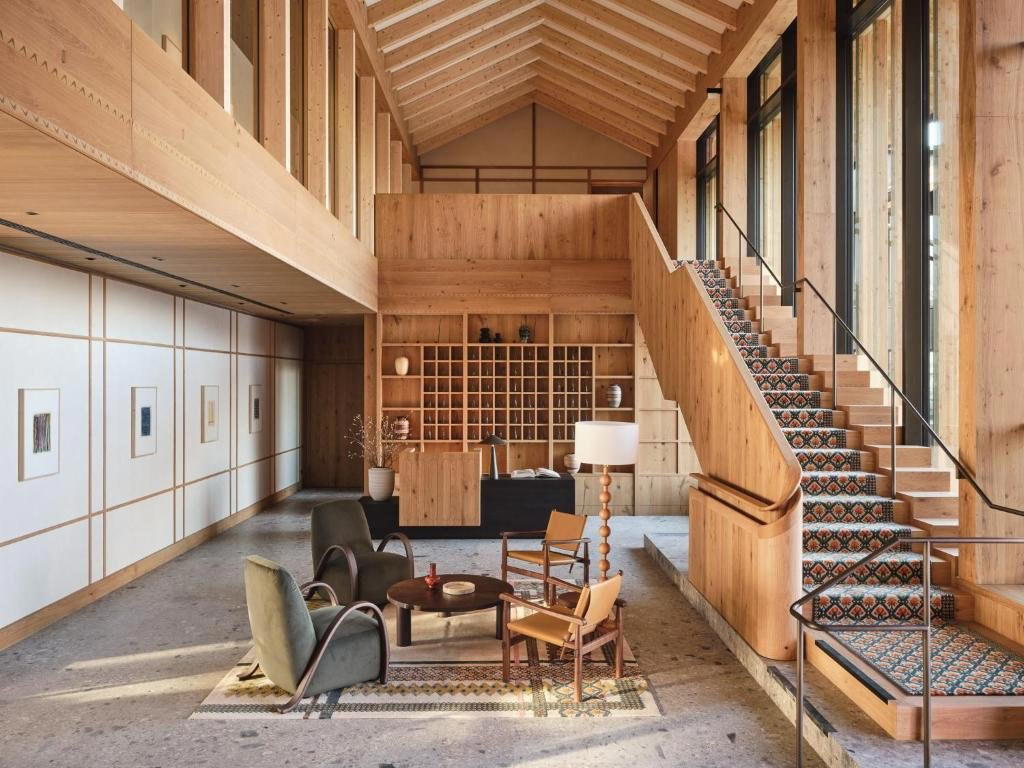
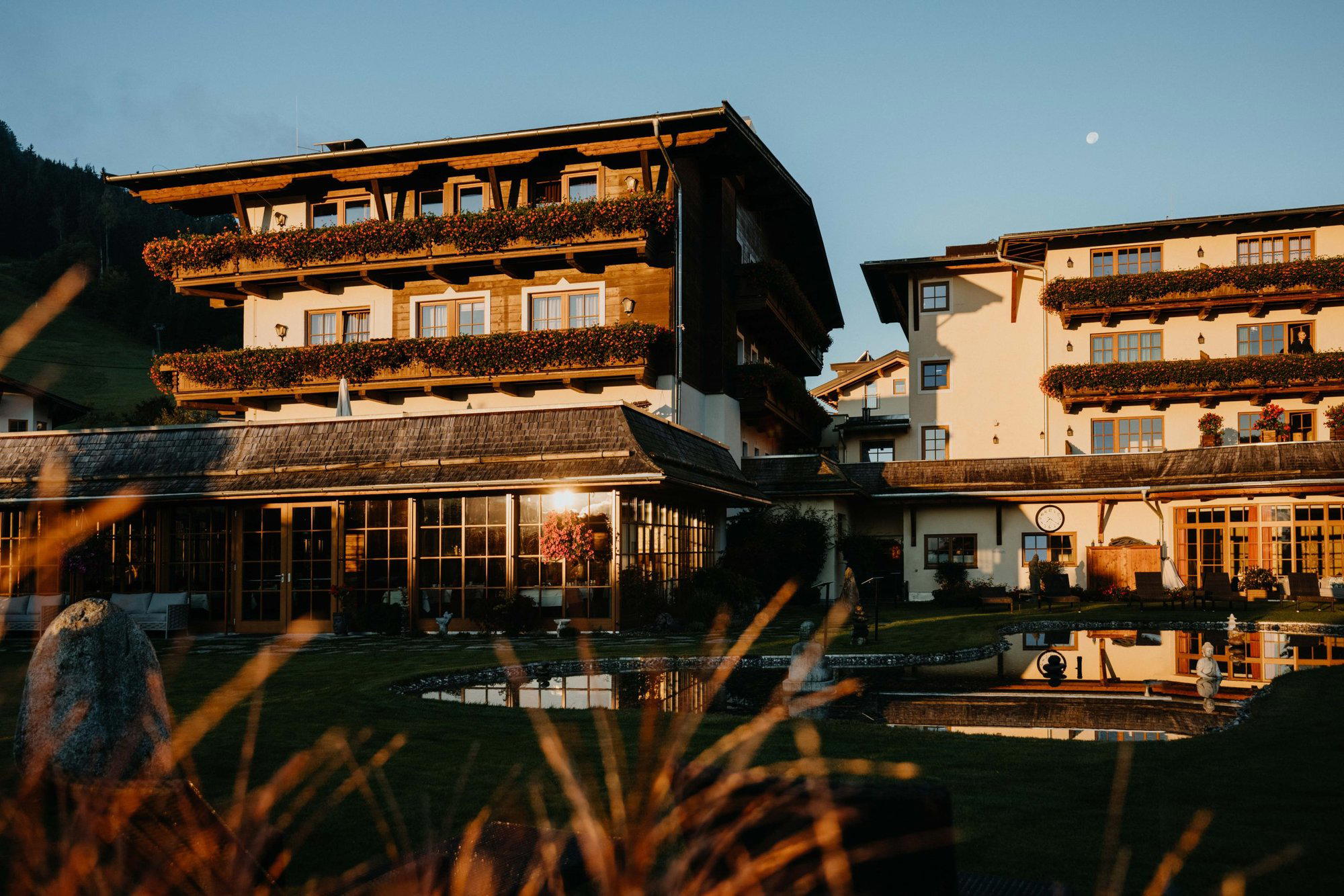
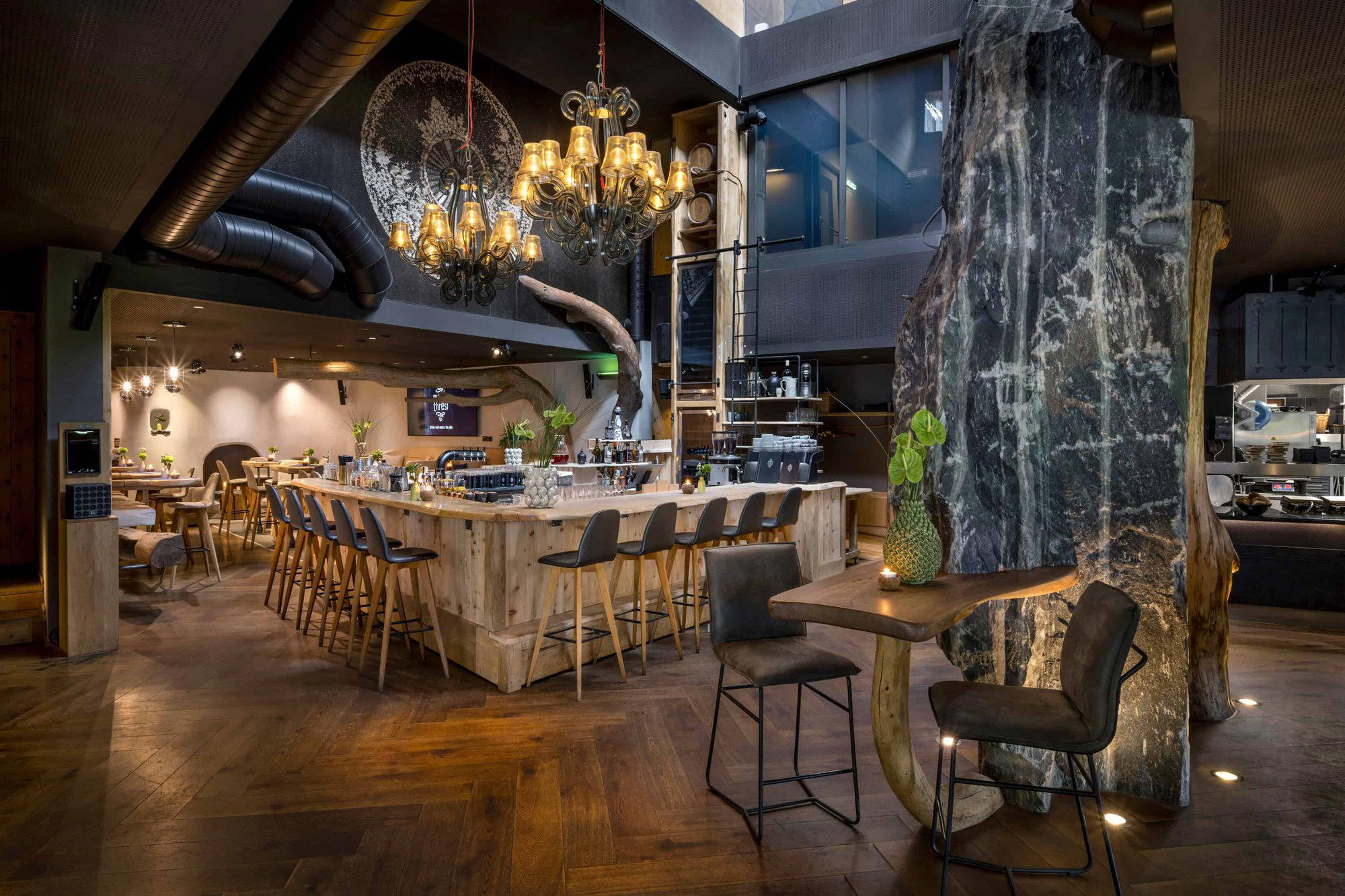
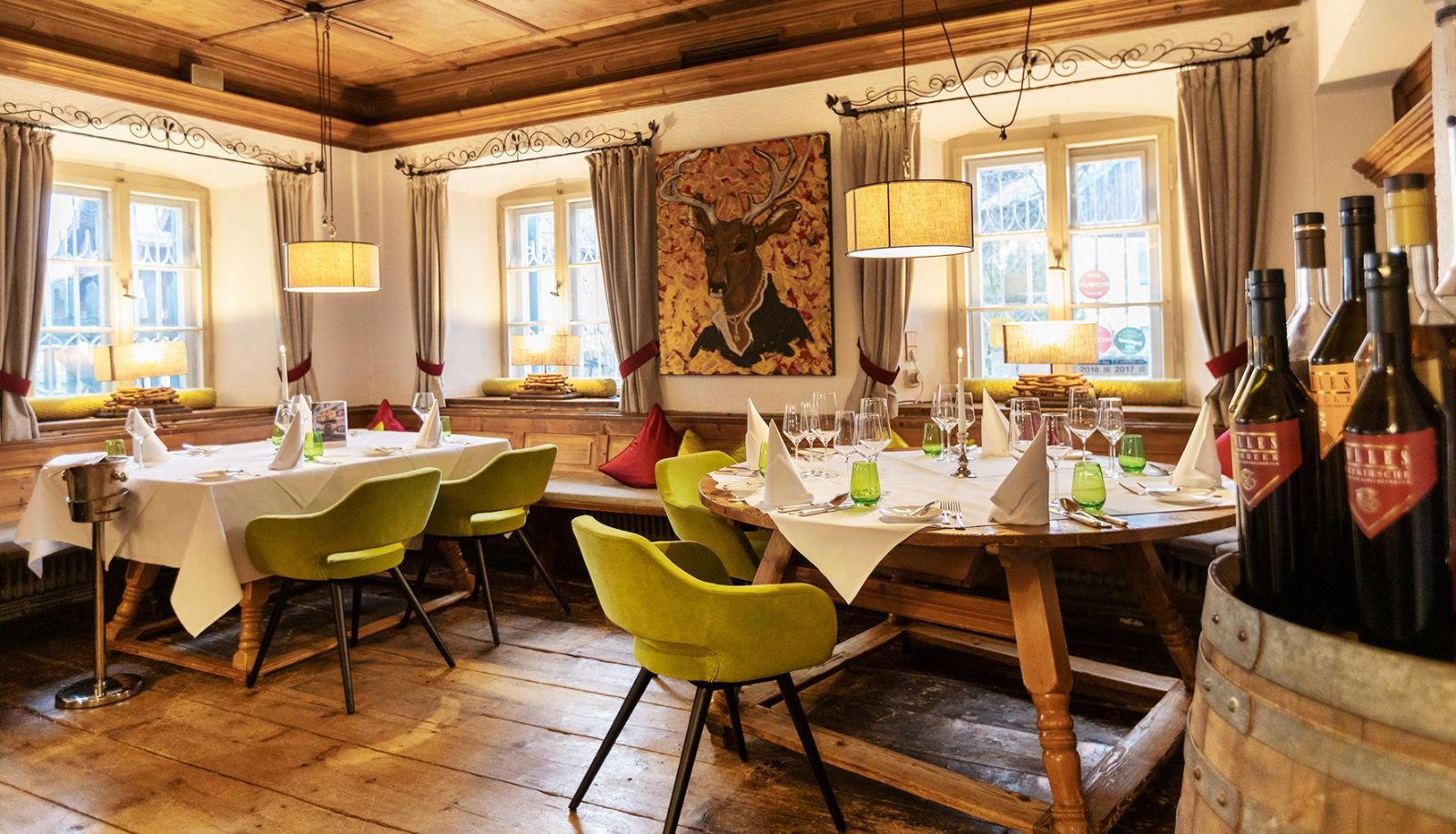
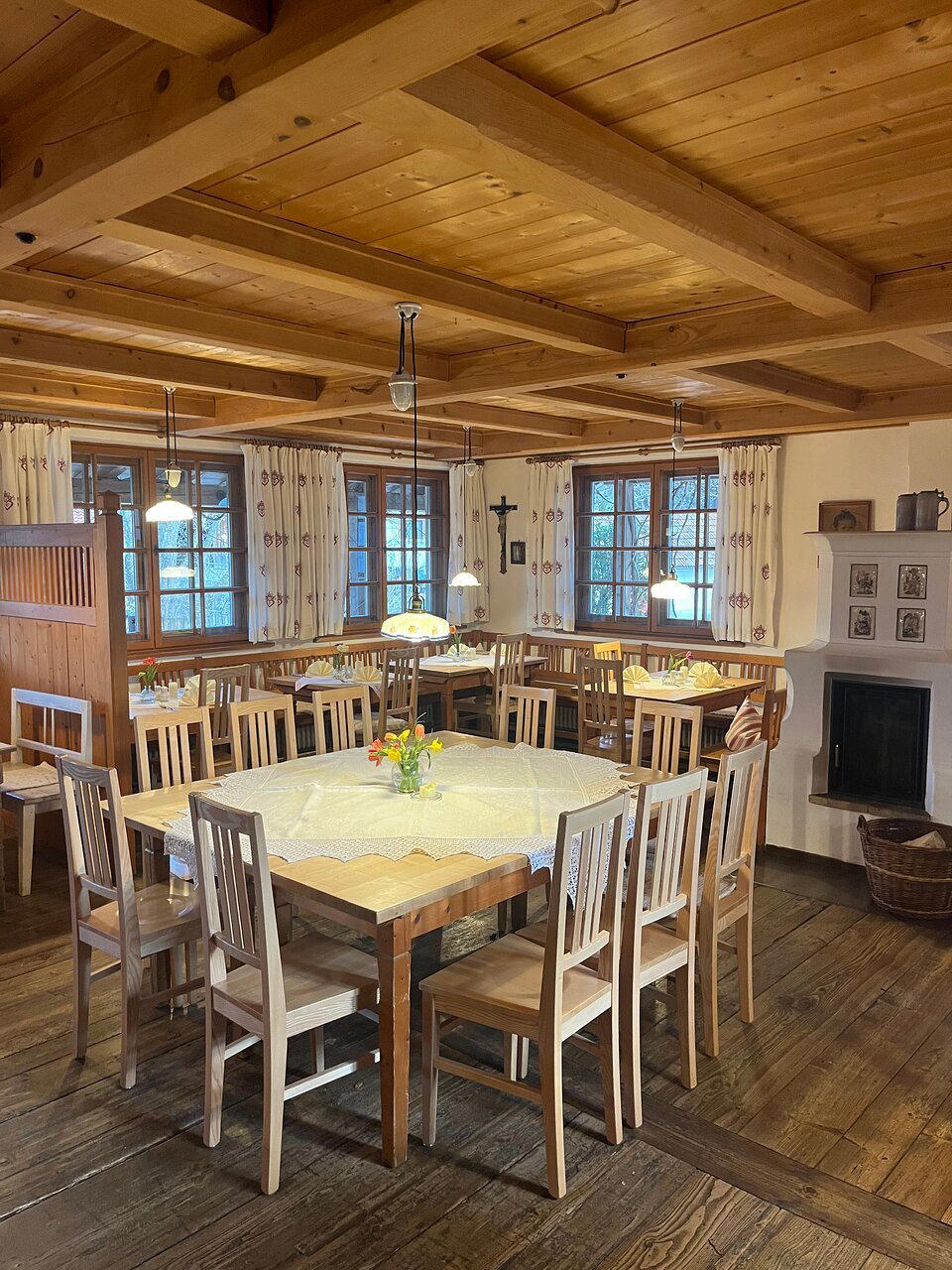
Contemporary Alpine aesthetic combining raw materials, smooth clay walls, and raw metal staircases with authentic heritage elements; bright and airy with garden and mountain views.