
Our verdict
Beijing's Nordic dining scene is thin, which makes Refer's presence on Guijie Street all the more pointed. Ranked #126 on the 2024 Opinionated About Dining Asia list, the restaurant applies Nordic tasting-menu discipline to one of China's most tradition-heavy food cities. Chef Talib Hudda's counter sits at an intersection that few Beijing restaurants occupy: Scandinavian technique, local sourcing context, and genuine critical recognition.

Pearl is the En Primeur Club membership app — saves, bookings, and concierge access live there. Same editors, same standards.
- Address
- 5 Guijie St, 东直门 Dongcheng, Beijing, China, 100007
- Phone
- +86 10 6403 1896
- Hours
- Daily 10 AM–12 AM
- Directions
- Get directions
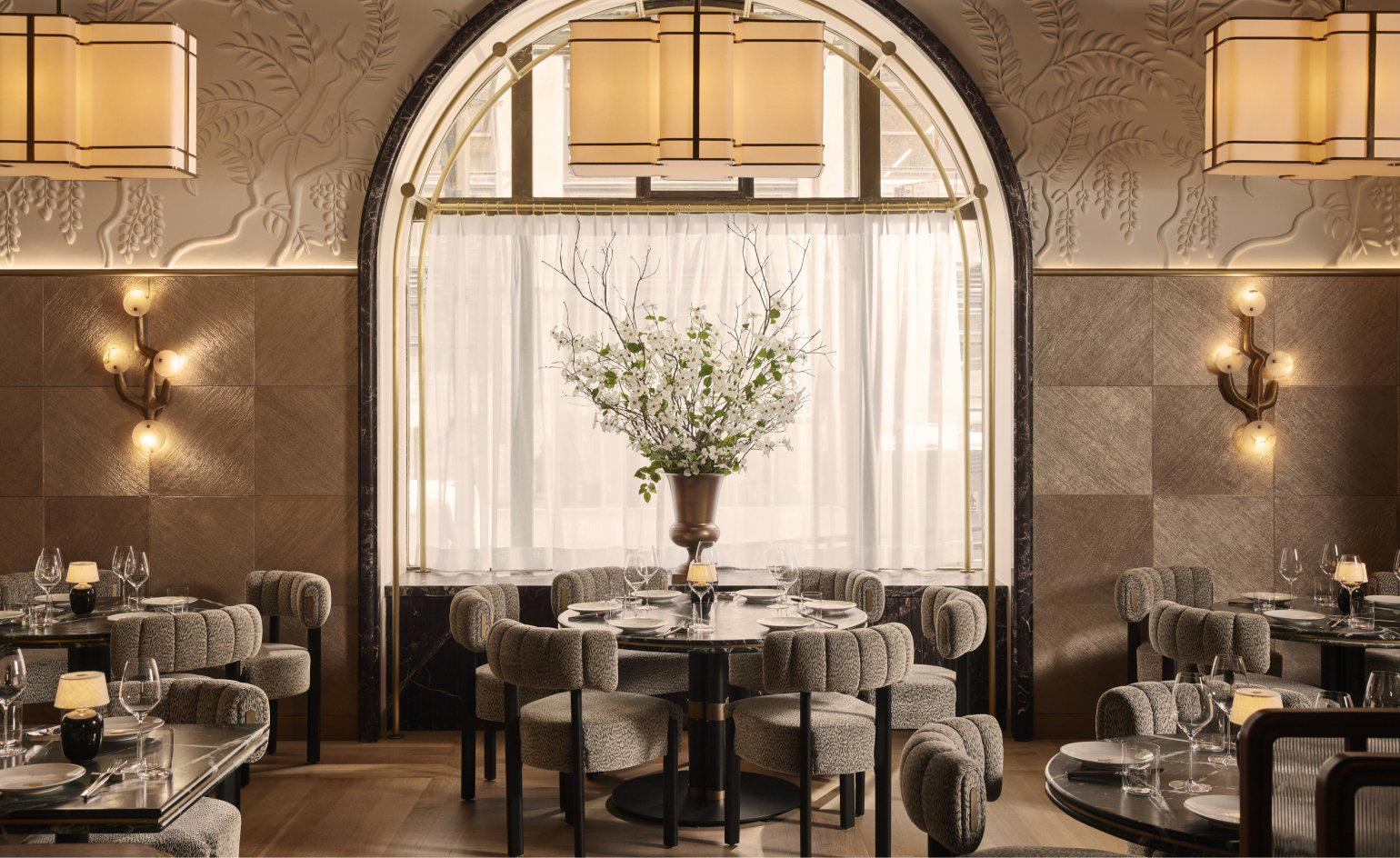
Where Dongcheng Meets the North
Guijie Street in Dongcheng is one of Beijing's most concentrated dining corridors, a stretch of lantern-lit restaurants where Sichuan mala and Cantonese hotpot operators compete for foot traffic into the early hours. Against that backdrop, a Nordic tasting-menu restaurant is a deliberate counterstatement. Refer occupies a position on the street that its neighbours would find hard to explain: quiet, format-driven, built around sequence rather than abundance. That contrast is not incidental — it is the premise.
Nordic cuisine arrived in international dining conversation through Copenhagen's influence in the 2010s, when a generation of Scandinavian chefs began treating local seasonality and fermentation as a formal language rather than a rustic habit. The resulting tasting-menu format, now practiced from Gothenburg to Portland, translates imperfectly to most Asian cities — the terroir references don't carry, the wild-foraged ingredient vocabulary loses its local grounding. Beijing, with its own deep tradition of preserved and fermented foods, turns out to be a more receptive host than most. The logic of late-harvest pickling, aged proteins, and cold-climate restraint finds unexpected echoes in northern Chinese larder traditions.
The Architecture of a Nordic Menu in Beijing
The Nordic tasting-menu format is less about Scandinavian ingredients and more about a particular kind of editorial discipline: the chef selects the season's argument and builds the meal around it, course by course, rather than offering a repertoire. Each plate functions as a sentence in a longer text. The opening courses tend to be sparse and acidic, palate-setting moves, before the menu builds toward richer, slower-cooked preparations, then resolves into something fermented or preserved that closes the loop on what came before.
Chef Talib Hudda applies that structure at Refer, and the Beijing context gives it a specific charge. Northern China's winters are long and dry, producing a culinary calendar shaped by root vegetables, dried legumes, and preserved preparations not entirely unlike what Scandinavian kitchens are built around. Whether that parallel is made explicit in the menu or left as subtext varies by season, but the structural logic of a Nordic tasting menu, build, contrast, resolution, translates to a Beijing audience that already understands meals as progressions rather than collections of individual dishes.
For a frame of reference on how this format plays at the higher end of the region, 102 House in Shanghai runs a comparably structured fine-dining program, while Bhoga in Gothenburg and Broder Café in Portland represent the Nordic format in its home markets. Refer sits between those reference points: shaped by Scandinavian discipline, operating in a city where the dining conversation is overwhelmingly Chinese.
The 2024 Opinionated About Dining ranking of Asia's leading restaurants placed Refer at #126, a meaningful signal in a list that weights critic consensus and repeat engagement over marketing profile. OAD's Asia list skews heavily toward Japanese and Chinese formats, which makes a Nordic entry from Beijing notable by category alone. The ranking confirms that Refer is drawing the kind of informed, engaged audience whose opinions shape how a restaurant is positioned across the region.
Beijing's fine-dining tier includes a number of ¥¥¥¥ Chinese restaurants operating at comparable ambition levels. Xin Rong Ji on Xinyuan South Road and Chao Shang Chao in Chaoyang both sit at the ¥¥¥¥ tier with established regional cooking traditions behind them. Lamdre and Jingji represent the vegetarian and Beijing-cuisine ends of the same price tier. King's Joy, with its Chinese vegetarian format, rounds out a group of restaurants where Refer competes not on tradition but on format and critical credibility.
For broader regional comparison, Ru Yuan in Hangzhou, Xin Rong Ji in Chengdu, Chef Tam's Seasons in Macau, Imperial Treasure Fine Chinese Cuisine in Guangzhou, and Dai Yuet Heen in Nanjing illustrate how Chinese fine dining is consolidating around high-craft regional cooking. Refer occupies a distinct lane: it is not competing with those programs on Chinese culinary terms, but on the format discipline and seasonal specificity that Nordic-derived menus bring to any city they operate in.
Reading the Room on Guijie
Guijie's energy is high-volume and late-night by default. The street's character, loud, convivial, built around sharing plates and long tables, positions Refer as something of an outlier by design. A Nordic tasting menu demands a different social contract from its guests: you commit to the chef's sequence, you eat at the kitchen's pace, and the conversation happens around the food rather than in spite of it. That format works in Beijing precisely because the city has developed a tier of dining audiences comfortable with fine-dining formality outside of Chinese restaurant conventions.
That is exactly what a format-driven tasting-menu operation should be doing in its opening phase.
Know Before You Go
Planning Notes
- Address: 5 Guijie Street, Dongcheng, Beijing 100007
- Chef: Talib Hudda
- Cuisine format: Nordic tasting menu
- Recognition: Opinionated About Dining Asia 2024, ranked #126
- 4.5 (early-stage review pool)
- Booking: Contact details not publicly listed, approach via direct inquiry at the venue or through hotel concierge services in Beijing
- Leading for: Format-committed diners, guests already familiar with Nordic tasting-menu pacing
Frequently asked questions
Is there a head chef associated with Refer?
The chef associated with Refer is Talib Hudda.
What kind of recognition has Refer received?
Refer has received recognition including: Opinionated About Dining Top Restaurants in Asia Ranked #126 (2024).
What should I order at Refer?
There is no à la carte menu. Refer operates a fixed tasting-menu format, meaning the kitchen at Guijie Street determines the sequence and pace for every table. Chef Talib Hudda applies Nordic editorial discipline — the selection, not the diner, drives the meal. Arrive prepared to follow the kitchen's lead from first course to last.
Where is Refer located?
Refer is located at 5 Guijie St, 东直门 Dongcheng, Beijing, China, 100007, Beijing.
Do I need a reservation for Refer?
Advance booking is strongly advisable. Refer's OAD Asia 2024 ranking at #126 signals genuine critic recognition, and tasting-menu operations at that level rarely hold walk-in tables. check the venue's official channels at 5 Guijie St, Dongcheng, Beijing to confirm availability and format details before arriving.
What is Refer known for?
Refer is Beijing's Nordic tasting-menu restaurant, running a format-driven kitchen on Guijie Street in Dongcheng under Chef Talib Hudda. In 2024, Opinionated About Dining placed it at #126 in its Asia rankings, a list that weights sustained critic consensus rather than single-season performance. That ranking positions Refer as one of the more credentialed non-Chinese-cuisine addresses in the capital.
At-a-Glance Comparison
Comparable venues nearby, for context on price, style, and recognition.
| Venue | Cuisine | Price | Awards | Notes |
|---|---|---|---|---|
| ReferThis venue — the venue you are viewing | Modern Fusion Tasting Menu | Not listed | Not listed | Not listed |
| 1949-å ¨é¸å£ | Handmade Noodles | Not listed | Not listed | Chaoyangmen |
| Jing.YUZU | Modern Japanese Izakaya with Yuzu Focus | $30–50 | Black Pearl 1 Diamond | Not listed |
| Tiandi Yijia | Imperial Chinese Cuisine | Not listed | Not listed | Donghuamen |
| Howard's Gourmet (Beijing) | Modern Chaozhou Chinese Fine Dining | $150–200 | Not listed | Zhengyilu |
| Atmosphere | Cocktail Bar / Lounge and Bar | $20–30 | Not listed | Chaoyang District |
Recognition history
Dated appearances from independent guides and award organizations, with the underlying list record or original source where available.
Opinionated About Dining Top Restaurants in Asia Ranked #126
Opinionated About Dining






Details
- Modern
- Sophisticated
- Elegant
- Special Occasion
- Date Night
- Chefs Counter
- Tasting Menu
Current opening hours
- Monday
- 10 AM–12 AM
- Tuesday
- 10 AM–12 AM
- Wednesday
- 10 AM–12 AM
- Thursday
- 10 AM–12 AM
- Friday
- 10 AM–12 AM
- Saturday
- 10 AM–12 AM
- Sunday
- 10 AM–12 AM
Hours can change for holidays and private events. Last verified .
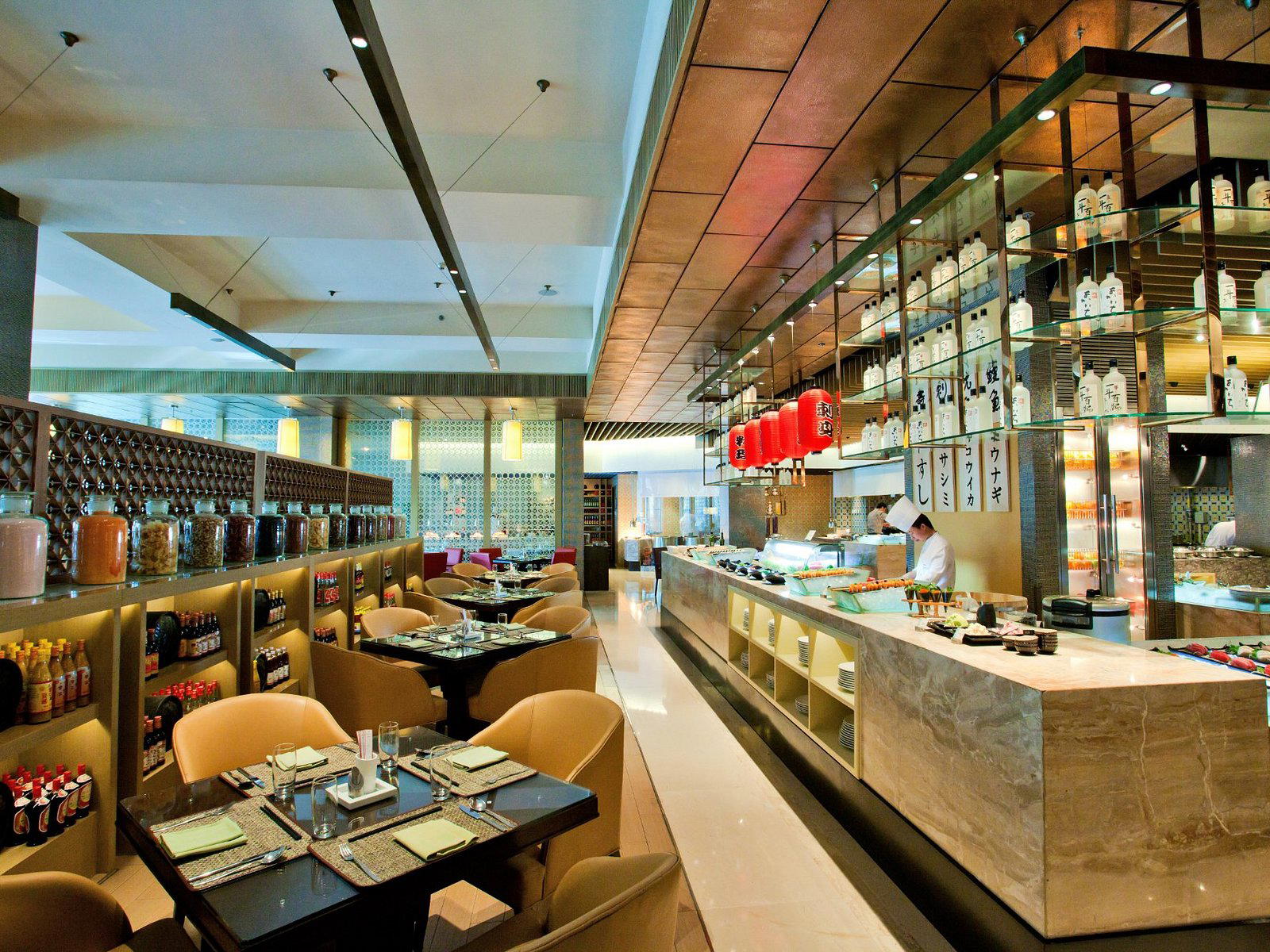
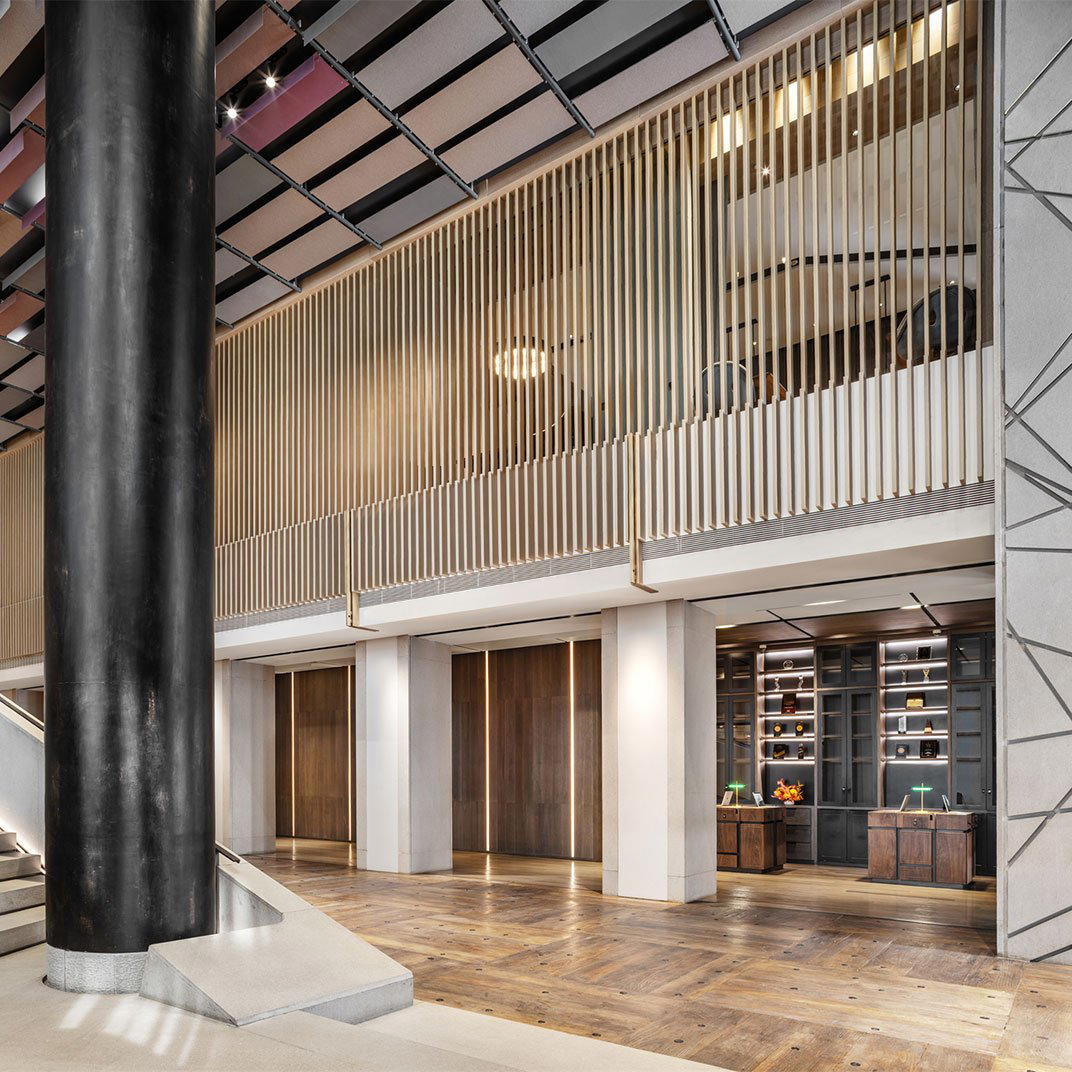
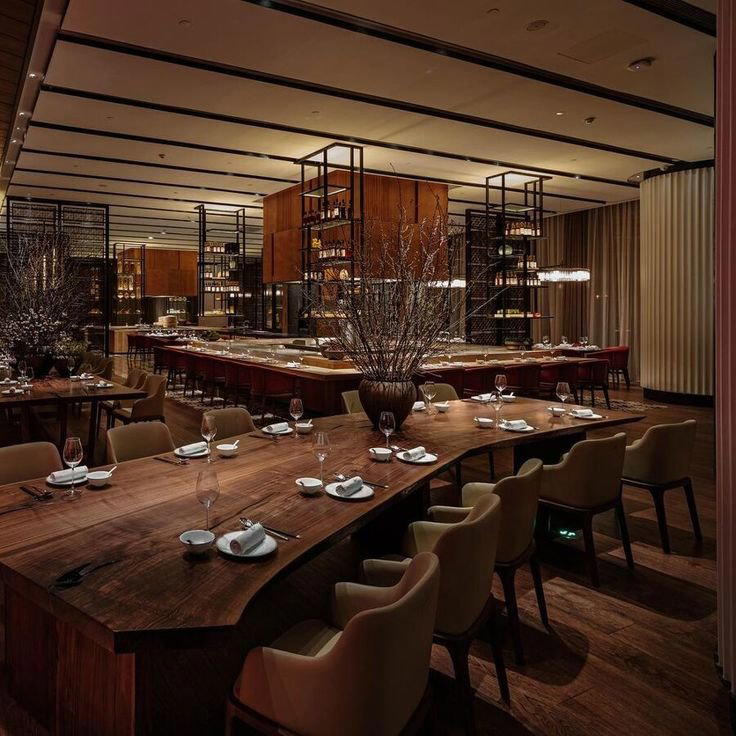
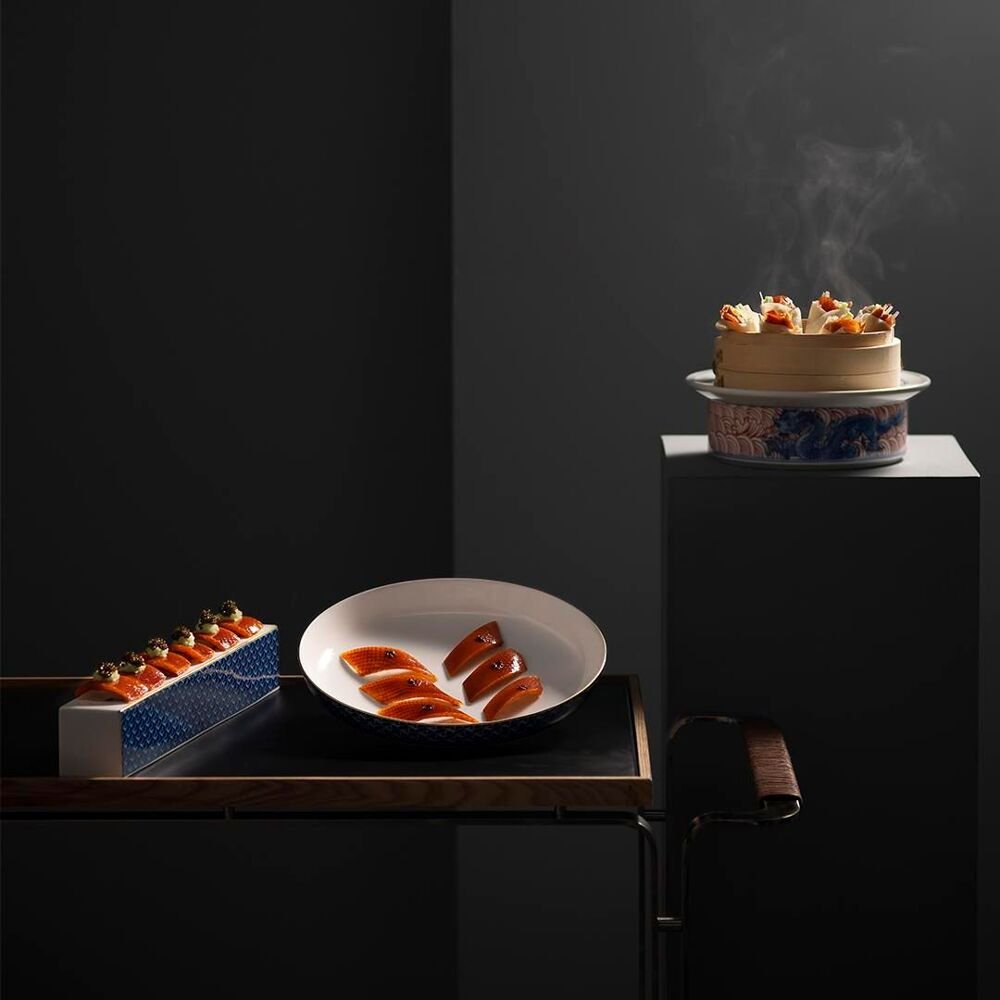
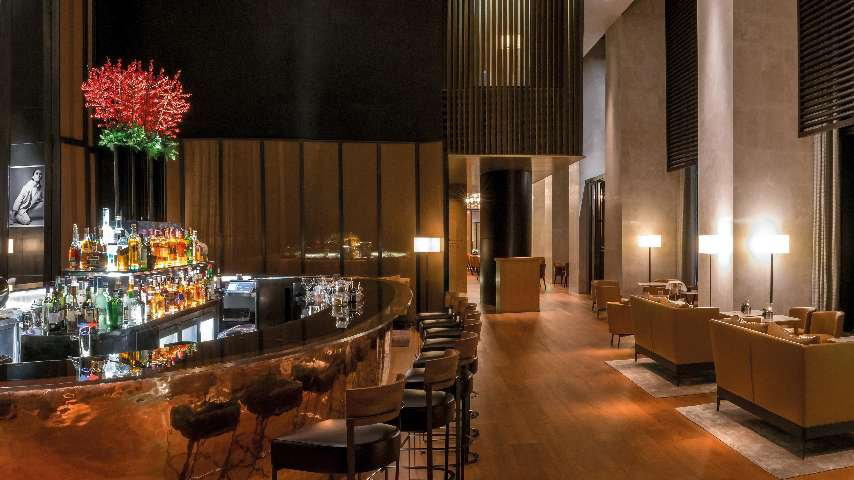
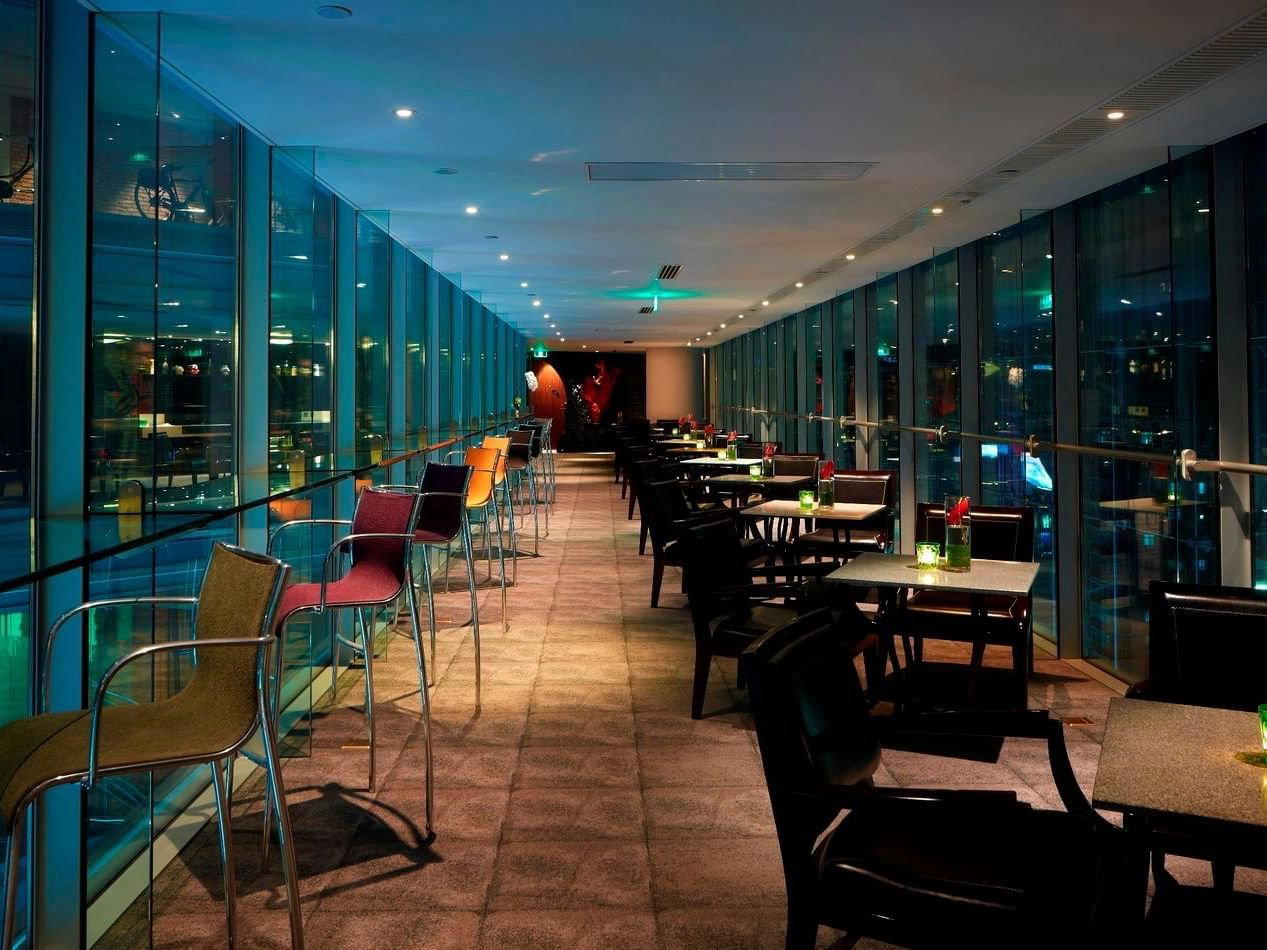
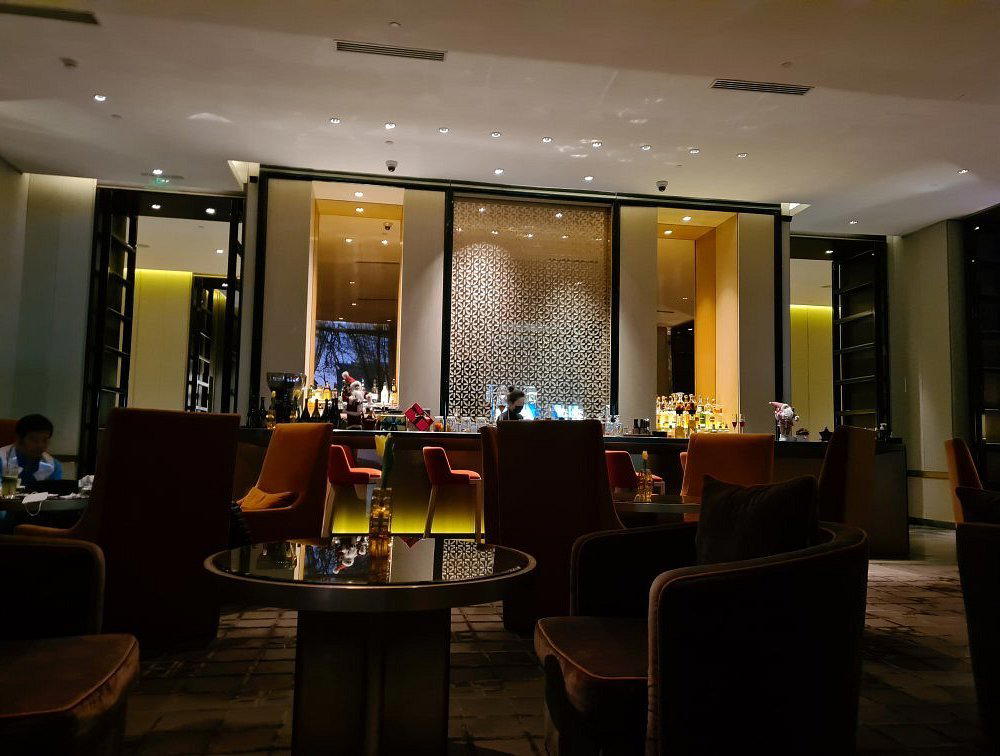
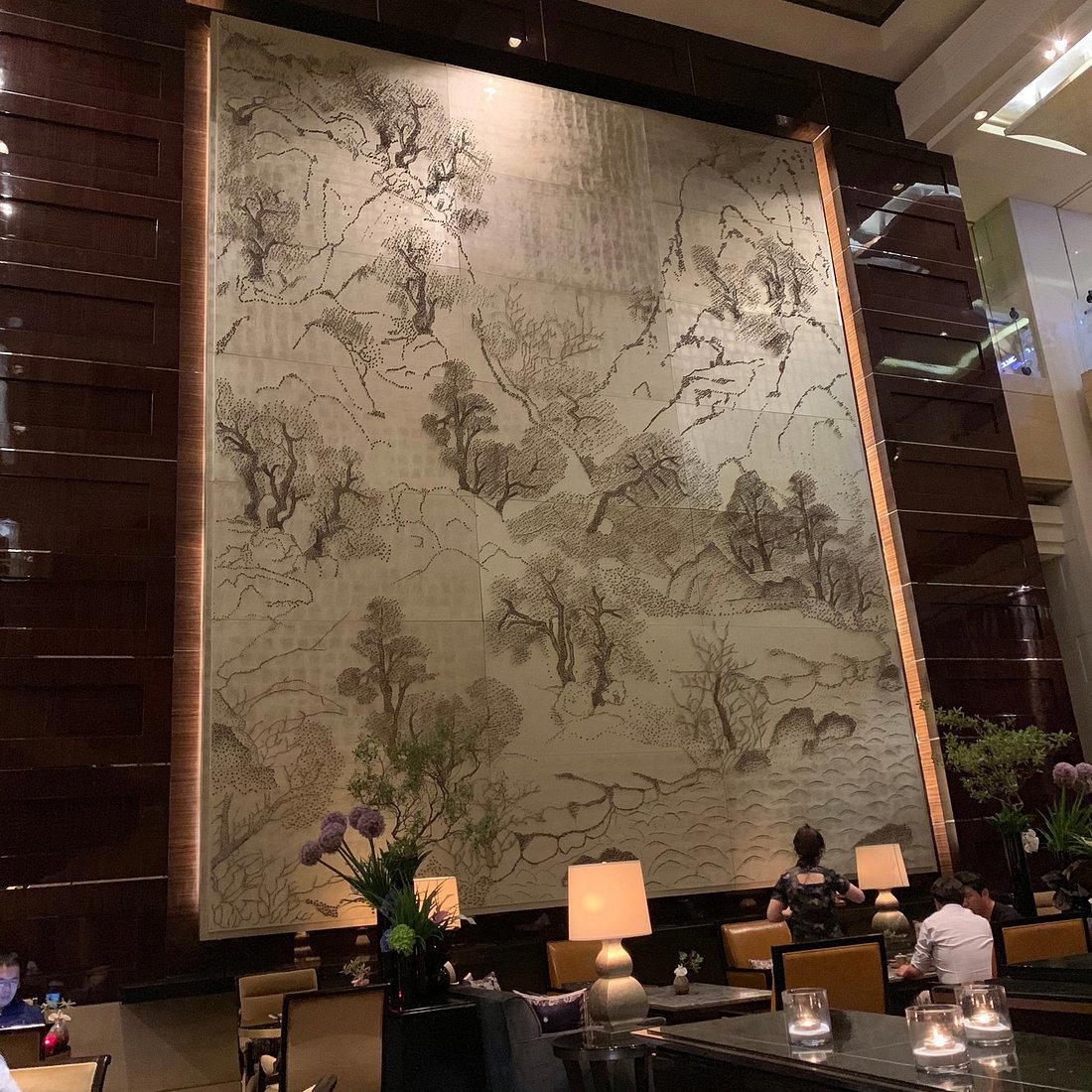
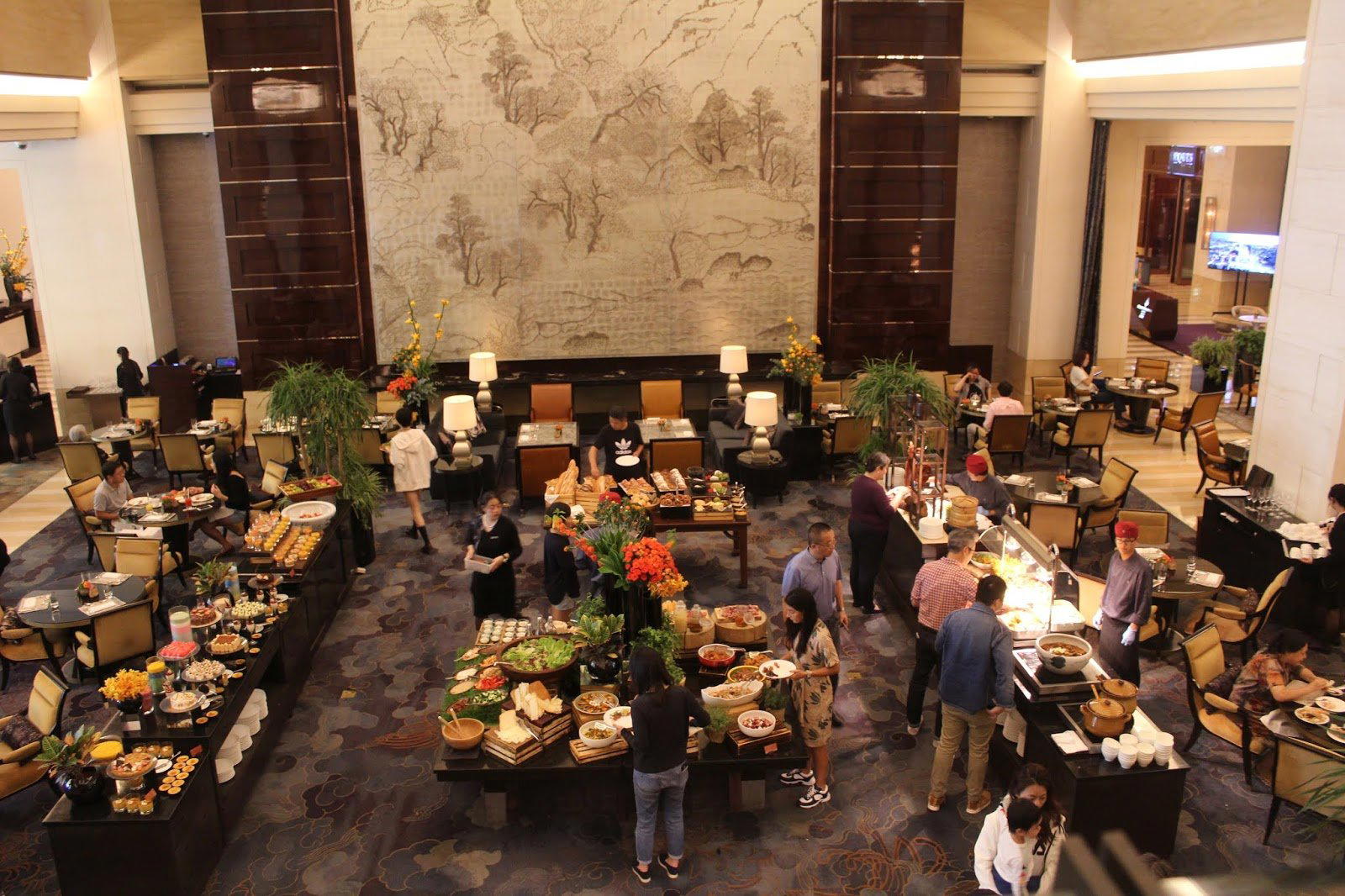
Sophisticated modern ambiance with ambitious fine dining presentation.