RedFarm
RedFarm at 9 Russell St brings a Covent Garden address to one of London's more considered takes on Chinese-American dim sum and small plates. The format sits in a different register from the city's Cantonese banquet tradition, occupying a casual-but-deliberate tier that draws a theatre-district crowd. Booking ahead is advisable for evening sittings.
Pearl is the En Primeur Club membership app — saves, bookings, and concierge access live there. Same editors, same standards.
- Address
- 9 Russell St, London WC2B 5HZ, United Kingdom
- Phone
- +442038839093
- Website
- redfarmldn.com
- Directions
- Get directions
 Saves & bookings on Pearl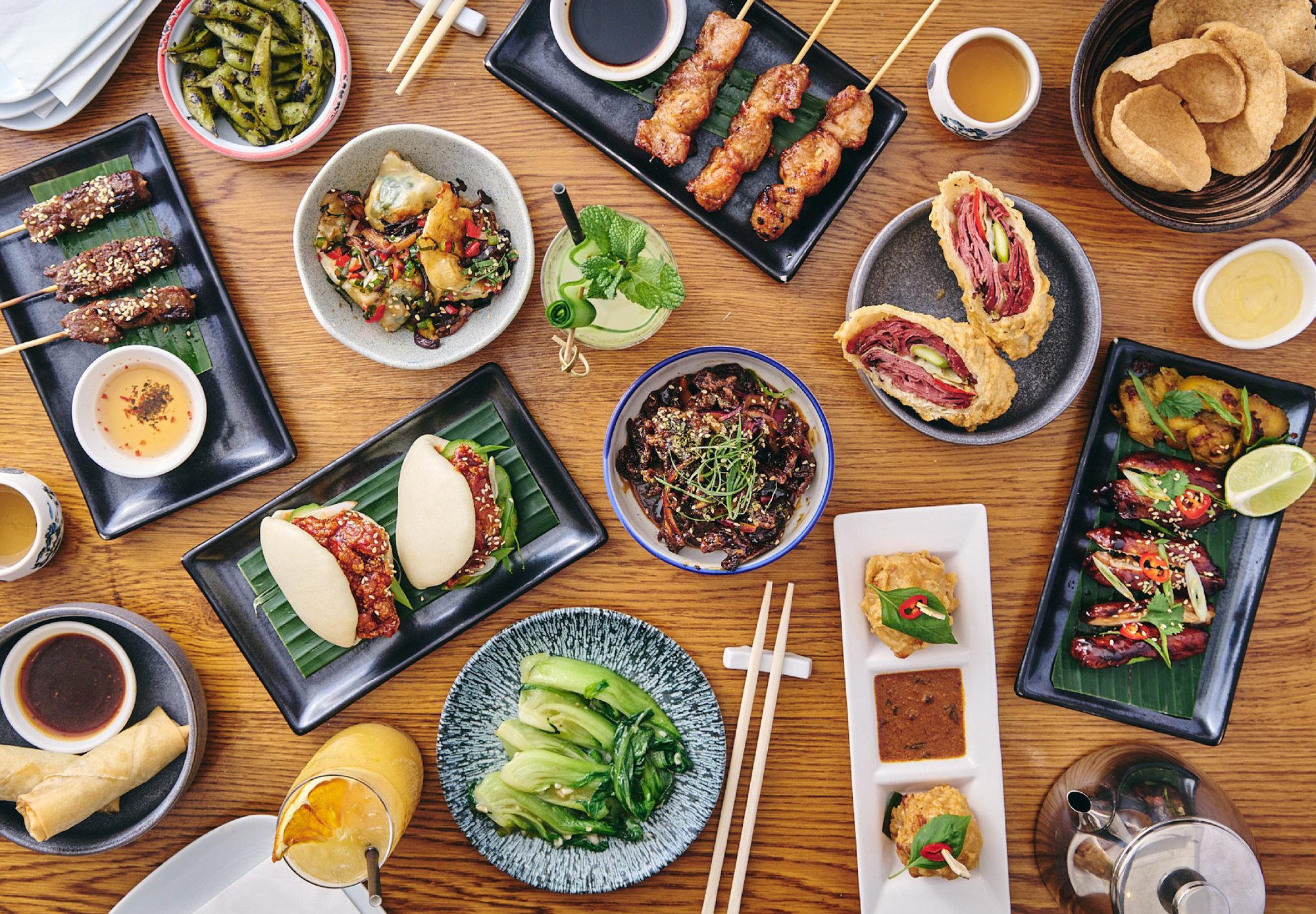
Covent Garden's Dim Sum Counter in Context
London's Chinese dining scene divides, broadly, along two axes: the Cantonese banquet houses of Chinatown and Bayswater, built around large tables, trolley service, and volume, and a newer generation of more considered, smaller-format operations that borrow from the New York playbook of dim sum as a sit-down, à la carte proposition. RedFarm, at 9 Russell St in Covent Garden, belongs to the second category. Its address places it squarely in the theatre district, a neighbourhood more accustomed to pre-curtain set menus and post-show cocktail bars than to serious Chinese cooking.
New York's RedFarm original helped establish a format in which Chinese-American dim sum and small plates are served in a relatively compact, design-aware room rather than the cavernous, fluorescent-lit dining halls that defined the category for decades. London imported that format at a moment when the city's appetite for casual-premium Asian dining was already in motion. RedFarm sits at a different price point from those Michelin-decorated rooms, but it operates on a similar logic: the format and the room should justify the spend.
The Room and What It Signals
Russell Street in Covent Garden is a high-footfall corridor, flanked by the Royal Opera House on one end and the piazza on the other. Restaurants here operate under a specific set of pressures: high rents, a transient crowd, and the constant competition of every other pre-theatre option within a five-minute walk. The venues that survive in this corridor tend to do so either by capturing volume or by offering something specific enough to draw intentional visitors rather than walk-ins.
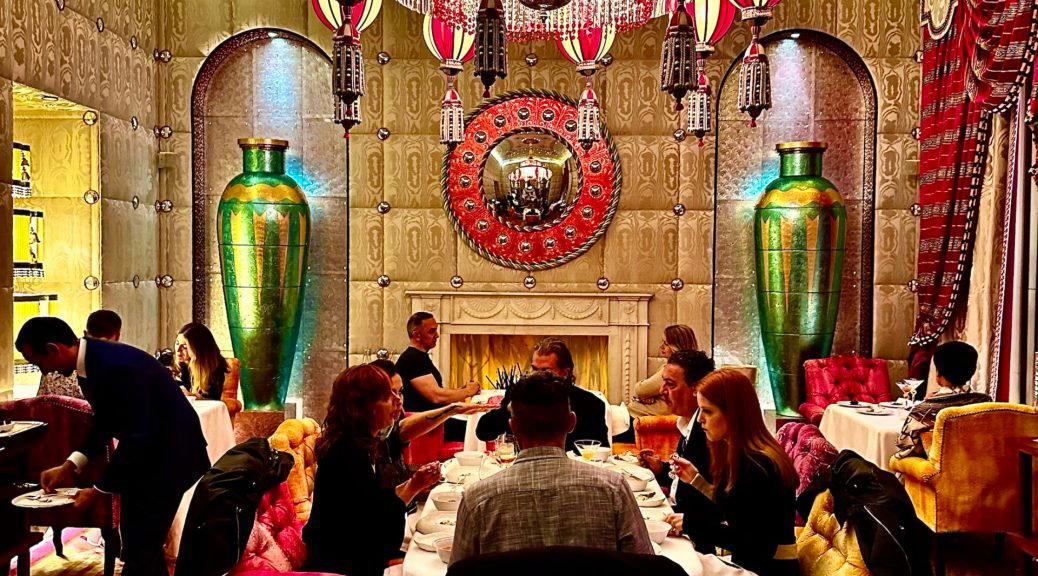
RedFarm's interior follows the design logic that has become a marker of the Chinese-American casual-premium format: tighter tables than a banquet hall, a room scaled for conversation rather than spectacle, and enough visual character to register as a destination rather than a fallback. The room is warmer and more compact than the large Chinatown houses, closer in atmosphere to a neighbourhood restaurant than a banquet operation. Sound carries differently in a space this size; the ambient noise is present but not the ceiling-rattling din of a full-service dim sum hall on a Sunday morning.
Compared with the formal European rooms nearby, RedFarm is more casual and less ceremonial. It lacks the ceremony of Sketch, The Lecture Room and Library or Restaurant Gordon Ramsay, but it also doesn't ask for that kind of commitment. The format is designed for sharing, grazing, and ordering in rounds, which maps well onto pre-theatre timing when courses need to arrive and clear on a schedule.
The Chinese-American Dim Sum Format
Understanding what RedFarm is serving requires separating Chinese-American dim sum from its Cantonese ancestor. The Cantonese tradition, codified in Hong Kong's tea houses and exported to London's Chinatown, is built around yum cha: tea service, trolleys, and a rotating parade of steamed, fried, and baked items consumed at a communal table over a long, unhurried morning or lunchtime. The Chinese-American version, as practised in New York and at RedFarm's London outpost, adapts those techniques and flavour references for a sit-down, evening-friendly, small-plates format. The dumplings may be recognisable, but the pacing, the room, and often the flavour profiles are calibrated for a different kind of occasion.
That distinction matters when comparing RedFarm with London's broader Chinese dining options. The Cantonese banquet houses in Gerrard Street and the surrounding streets offer extraordinary value and technical depth in traditional formats; they are not the same product. RedFarm competes more directly with the growing number of modern Chinese and pan-Asian small-plates operations that have opened across Soho, Fitzrovia, and now Covent Garden over the past decade. Against that comparable set, the New York provenance of the concept functions as a differentiator, signalling a specific lineage rather than a generic East-meets-West positioning.
Where RedFarm Sits in London's Premium Dining Picture
London's premium dining tier is anchored by the kind of multi-Michelin operations represented in our full London restaurants guide, restaurants like The Ledbury in Notting Hill, which operates at the formal-tasting-menu end of the spectrum. RedFarm does not compete in that tier and is not trying to. It occupies the casual-premium bracket, where the measure of quality is execution and atmosphere rather than formality and course count.
Across the UK, the fine dining conversation includes destinations well outside London: L'Enclume in Cartmel, Waterside Inn in Bray, Moor Hall in Aughton, and Le Manoir aux Quat'Saisons in Oxford, all of which operate in a register of seriousness and investment that RedFarm's format doesn't match and doesn't claim to. Further afield, Gidleigh Park in Chagford, Hand and Flowers in Marlow, hide and fox in Saltwood, Midsummer House in Cambridge, Opheem in Birmingham, and Restaurant Andrew Fairlie in Auchterarder round out a UK fine dining picture built primarily on European technique and tasting menu formats. The point of that comparison is simply to show that RedFarm is doing something structurally different: an imported, casual-premium Asian small-plates format in a high-footfall London postcode.
Internationally, the casual-premium Chinese-American format has parallels in New York, where venues like Atomix and Le Bernardin anchor different ends of the city's dining spectrum, demonstrating how a single city can sustain radically different price points and formats simultaneously. London's trajectory follows a similar pattern.
Planning Your Visit
Cost Snapshot
Comparable venues nearby, for context on price, style, and recognition.
| Venue | Cuisine | Price | Notes |
|---|---|---|---|
| RedFarmThis venue — the venue you are viewing | Covent Garden, Modern Chinese Dim Sum | $$$ | Not listed |
| Shikumen | Not listed | $$$ | Shepherds Bush Green, Upmarket Cantonese Dim Sum |
| Three Gorges | Fitzrovia, Modern Cantonese & Hubei | $$$ | Not listed |
| Phoenix Palace | Not listed | $$$ | Lisson Grove, Authentic Cantonese Dim Sum |
| Cafe Kowloon | Not listed | $$$ | London Fields, Modern Cantonese inspired by Hong Kong cafés |
| Singapore Garden | Not listed | $$ | South Hampstead, Singaporean & Malaysian Chinese |
Continue exploring
More in London
Restaurants in London
Browse all →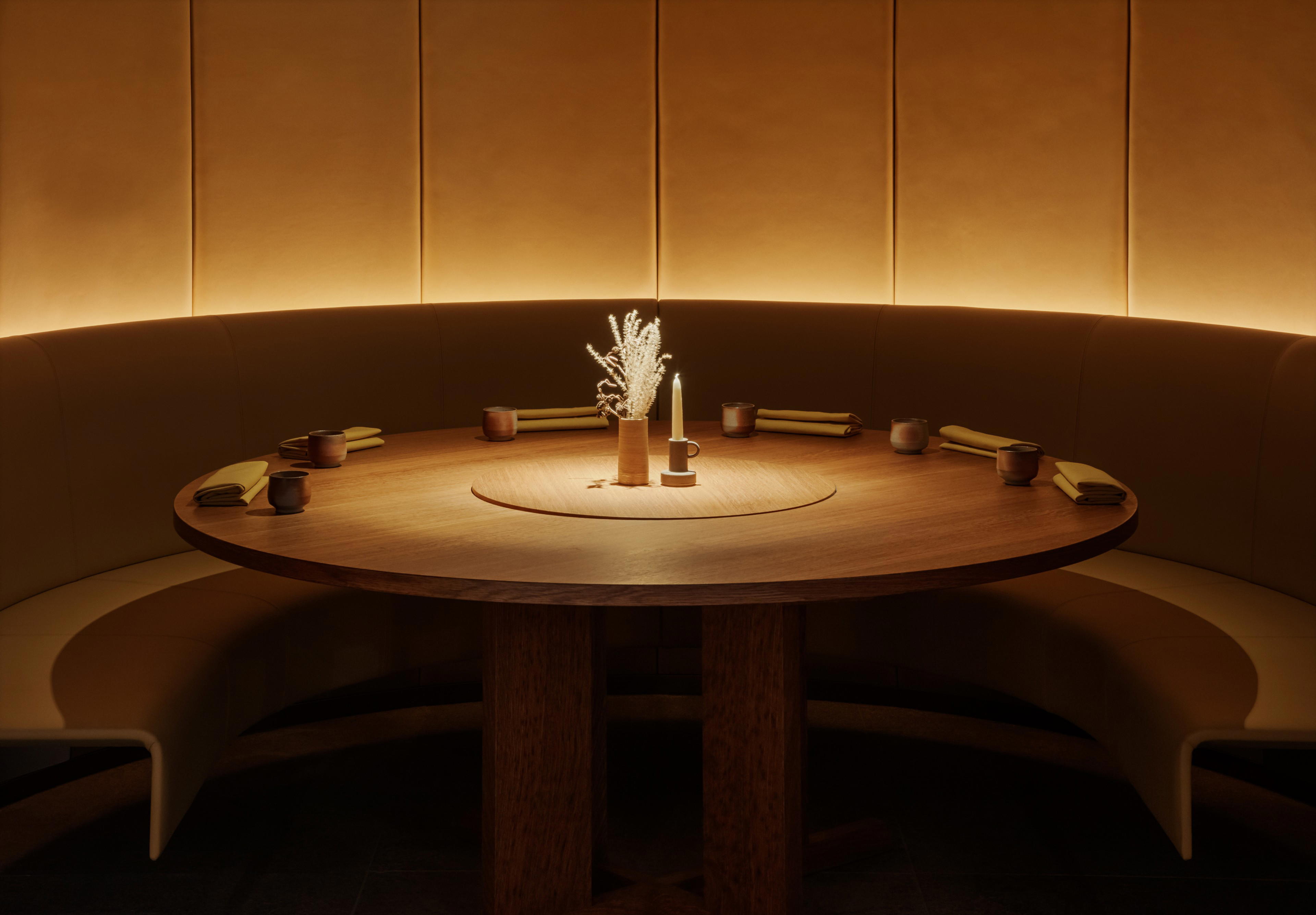
Bars in London
Browse all →
Hotels in London
Browse all →

At a Glance
- Trendy
- Modern
- Whimsical
- Lively
- Date Night
- Group Dining
- Special Occasion
- Open Kitchen
- Craft Cocktails
- Local Sourcing
Current opening hours
- Monday
- 12–9 PM
- Tuesday
- 12–9 PM
- Wednesday
- 12–9 PM
- Thursday
- 12–11 PM
- Friday
- 12–11 PM
- Saturday
- 12–11 PM
- Sunday
- 12–10 PM
Hours can change for holidays and private events. Last verified .
Modern rustic decor with exposed white brick walls, light wooden floors, cozy booths, communal tables, and a speakeasy-style upstairs bar.