Cafe Kowloon
Cafe Kowloon brings Cantonese cooking into London’s broad Chinese dining conversation, where roast meats, seafood, rice plates and dim sum sit apart from the heat-led grammar of Sichuan and Hunan kitchens. The draw is less about spectacle than regional clarity: a Cantonese address in a city where Chinese food ranges from Chinatown quick meals to polished hotel dining.

Pearl is the En Primeur Club membership app — saves, bookings, and concierge access live there. Same editors, same standards.
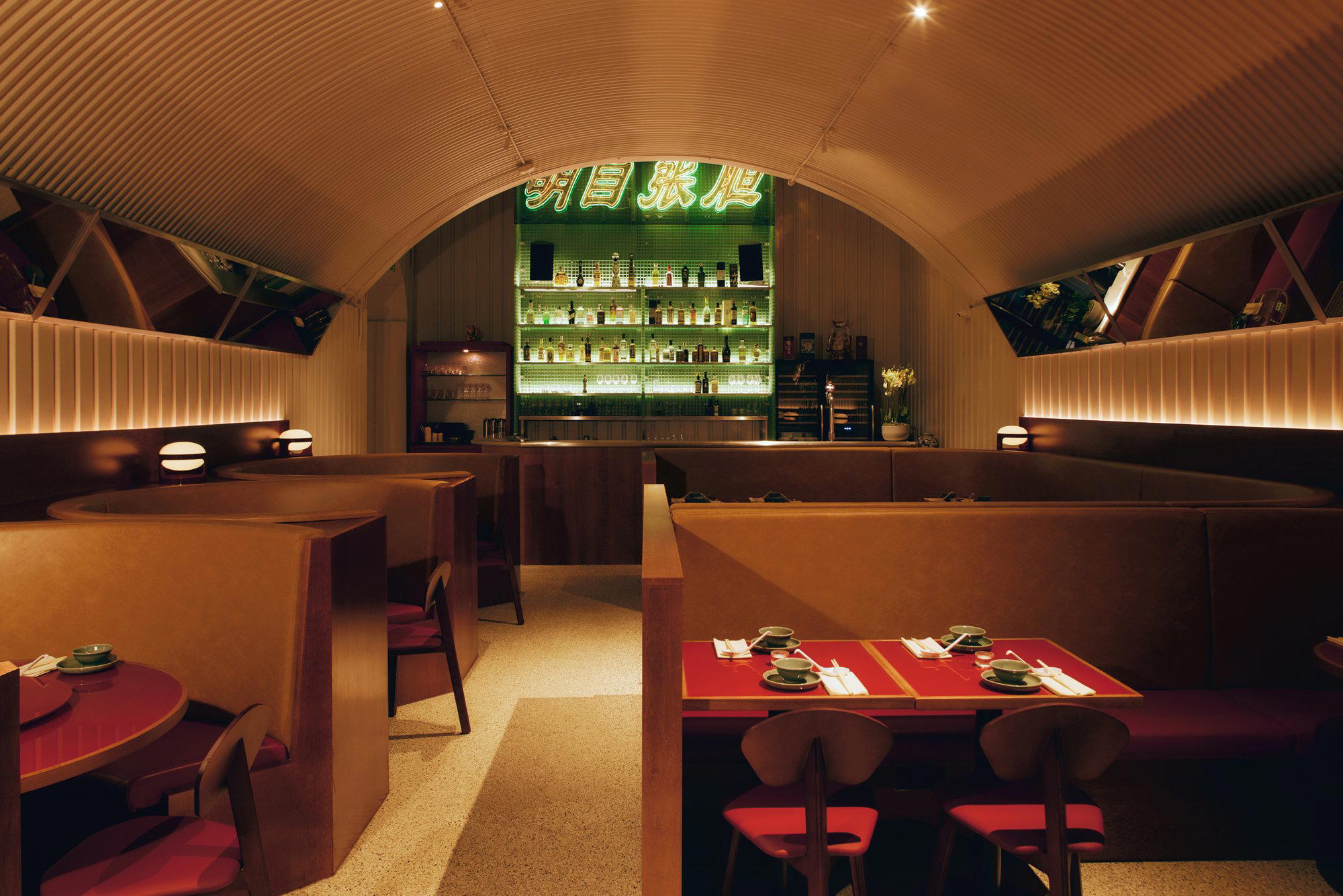
Approach a Cantonese dining room in London and the first cues are often practical rather than theatrical: clipped service rhythms, tables turning around shared plates, steam rising from bamboo baskets, and a menu that tends to reward groups who order across textures. Cafe Kowloon belongs to that register. Its identity is Cantonese, which matters in a city where the phrase “Chinese restaurant” still gets used too broadly, flattening major regional differences into a single category.
Cantonese cooking has a particular place in London because Hong Kong migration shaped much of the city’s Chinese restaurant culture. The style is not defined by chilli force or heavy spicing. It usually puts more weight on freshness, clean sauces, roast technique, wok timing and the social logic of sharing. That separates it from Sichuan’s peppercorn heat, Hunan’s smoke and chilli, Shanghainese sweetness, or Fujianese seafood broths. Read Cafe Kowloon through that lens and the restaurant becomes part of a larger London story: Cantonese food as both everyday comfort and a technical cuisine, depending on how deeply the kitchen’s range is used.
Cantonese cooking in London is a question of restraint, timing and table size
The Cantonese canon is built around balance rather than shock. Soy, ginger, spring onion, rice wine, stock, steam and high-heat wok work do much of the heavy lifting. In London, that can make Cantonese restaurants feel quieter on paper than chilli-led regional Chinese rooms, but the difference shows at the table. A good Cantonese order is paced: something steamed, something roasted or crisp-edged, something from the wok, rice or noodles to gather sauces, and greens to reset the palate.
Cafe Kowloon’s Cantonese label places it inside that tradition, not in the newer wave of restaurants selling regional Chinese food through a narrow signature format. That distinction is useful for travellers. The point is not to hunt for a single dish that defines the room; it is to treat the meal as a shared sequence. London diners who usually order individually can miss the strength of this style. Cantonese food makes more sense when the table orders collectively, because contrast is the architecture of the meal.
For context elsewhere in the city, EP Club’s London Chinese coverage includes Canton Blue, where Cantonese cooking is framed through a hotel-dining lens, Dim Sum Duck, where the category narrows toward dumplings and roast-led comfort, and Gold Mine, a London reference point for Cantonese roast meats. The restaurant sits in the same broad regional conversation, though the useful reading is by cuisine and occasion rather than by hierarchy.
The London context: Chinese dining is no longer one category
London’s Chinese restaurant scene has become more legible over the past decade. Diners now distinguish between hotpot, noodle shops, Hong Kong cafe culture, dim sum houses, banquet restaurants and regional specialists. That shift helps a Cantonese restaurant because the cuisine’s strengths are easier to understand when it is not forced to compete on heat or novelty. Cantonese cooking is a discipline of small margins: the doneness of seafood, the gloss on a sauce, the looseness of fried rice, the snap of greens after seconds in a wok.
The restaurant is therefore better approached as a regional choice than a generic Chinese option. It suits diners looking for Cantonese structure: shared dishes, familiar categories, and a table built around variety. It is less suited to anyone judging Chinese food only by chilli intensity. That is not a weakness; it is the point. In a city that now supports sharper regional distinctions, Cantonese cooking earns its place by being controlled, communal and technically exposed.
The broader London map is useful because not every meal needs the same register. For a different mood entirely, 081 Pizzeria Peckham and 10 Greek Street (Modern European) show how neighbourhood dining in London can be casual without becoming vague. For wider planning, use Our full London restaurants guide, alongside Our full London hotels guide, Our full London bars guide, Our full London wineries guide, and Our full London experiences guide.
How to read the room before ordering
The better move at a Cantonese table is to build the meal by function. Start with a few shared openers or dim sum-style plates if offered, then move into a protein, a vegetable, a rice or noodle dish, and something with sauce or stock to anchor the table. This is practical, not ceremonial. Cantonese dining rewards breadth, and a table of three or four usually reads the kitchen more clearly than a solo order built around one plate.
Vegetarian diners should look for greens, tofu, rice and noodle categories, while checking sauces and stocks carefully, since Cantonese kitchens often use seafood or meat-based seasoning even when the headline ingredient is vegetable. Families tend to do well in this kind of format when children are comfortable with shared plates and quick service rhythms. The room’s appeal is in the looseness of the occasion: not a tasting-menu performance, not a bar snack stop, but a regional Chinese meal that depends on ordering intelligently.
For readers extending the trip beyond London, EP Club’s United Kingdom restaurant coverage includes 'Seasgair' by Michel Roux Jr in Fort William, “8” By Andrew Sheridan in Liverpool, 1 York Place in Bristol, 10 Tib Lane in Manchester, 11th and Social in Norwich, and 1215 in Egham. For a wider Cantonese frame outside Britain, compare the regional thread with 102 House, Cantonese in Shanghai and 85TD, Cantonese in Taipei.
- Beef Tendons
- Cucumber Salad
- Prawn toast with crispy heads
- Char siu Mangalitza shoulder
- Short rib with Hong Kong curry sauce
- Hong Kong French Toast
- Tofu ice cream with ginger and kumquat
- Whole sea bass with spring onion and ginger
Comparable Venues Nearby
Comparable venues nearby, for context on price, style, and recognition.
| Venue | Cuisine | Price | Notes |
|---|---|---|---|
| Cafe KowloonThis venue — the venue you are viewing | Modern Cantonese inspired by Hong Kong cafés | $$$ | Not listed |
| Noble Palace | Modern Regional Chinese Fine Dining | $$$ | Westminster |
| House of Ming | Sichuan & Cantonese Chinese with Modern London Twist | $$$ | Victoria |
| Hong Kong restaurant | Halal Cantonese Dim Sum | $$ | Canonbury |
| Mandarin Kitchen | Traditional Cantonese Seafood | $$ | Queensway |
| The Good Earth | Classic Chinese | $$$ | Brompton |
Continue exploring
More in London
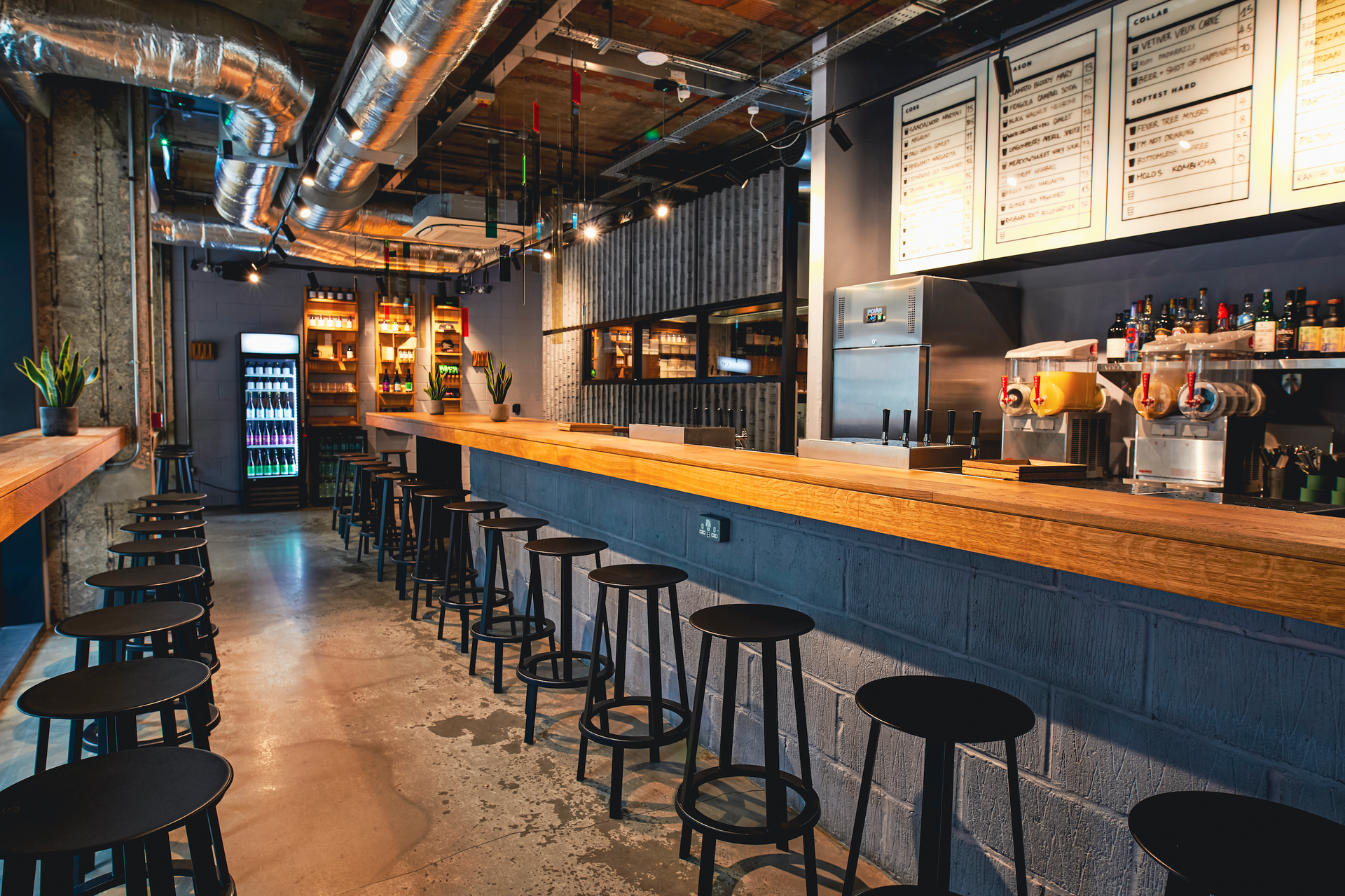
Restaurants in London
Browse all →
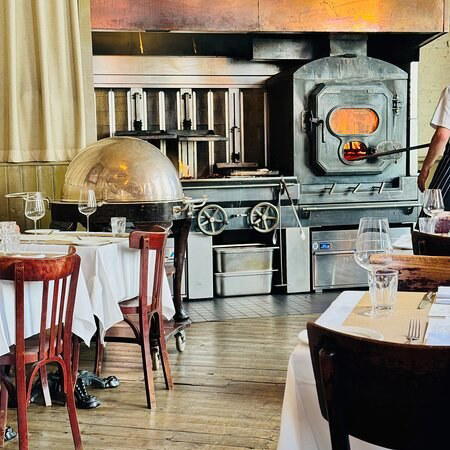
Bars in London
Browse all →
Hotels in London
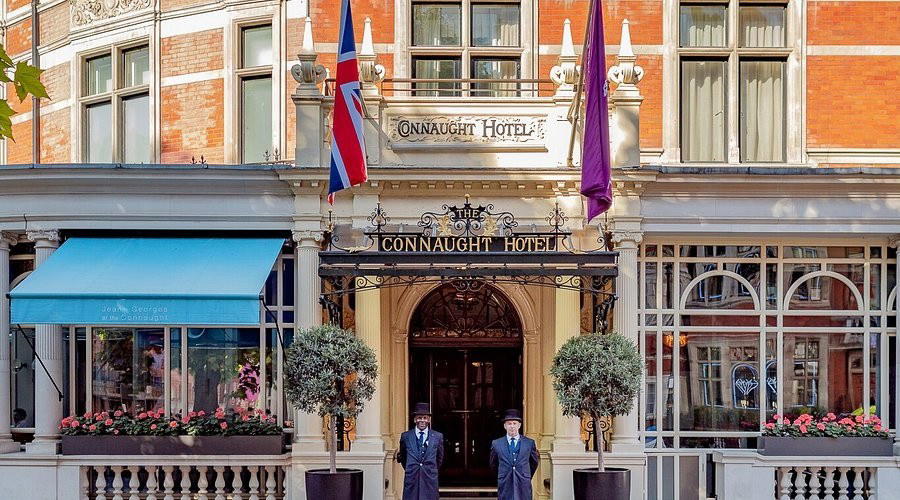
Browse all →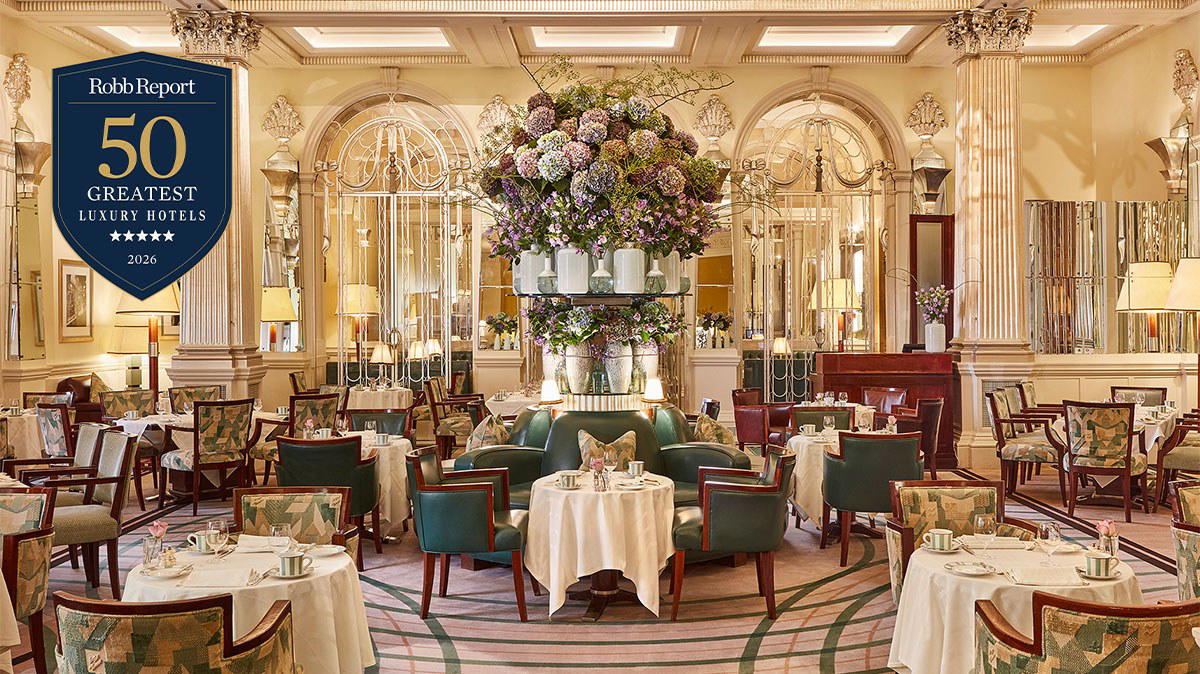




At a Glance
- Lively
- Trendy
- Modern
- Energetic
- Industrial
- Date Night
- Group Dining
- Casual Hangout
- After Work
- Special Occasion
- Open Kitchen
- Design Destination
- Standalone
- Craft Cocktails
Clubby and energetic with dim lighting, red neon glow, open kitchen theatrics, and a material palette of steel, mosaics, and deep reds that creates an intimate yet high-energy Hong Kong café vibe.