Red Fort Cuisine Of India
Our verdict
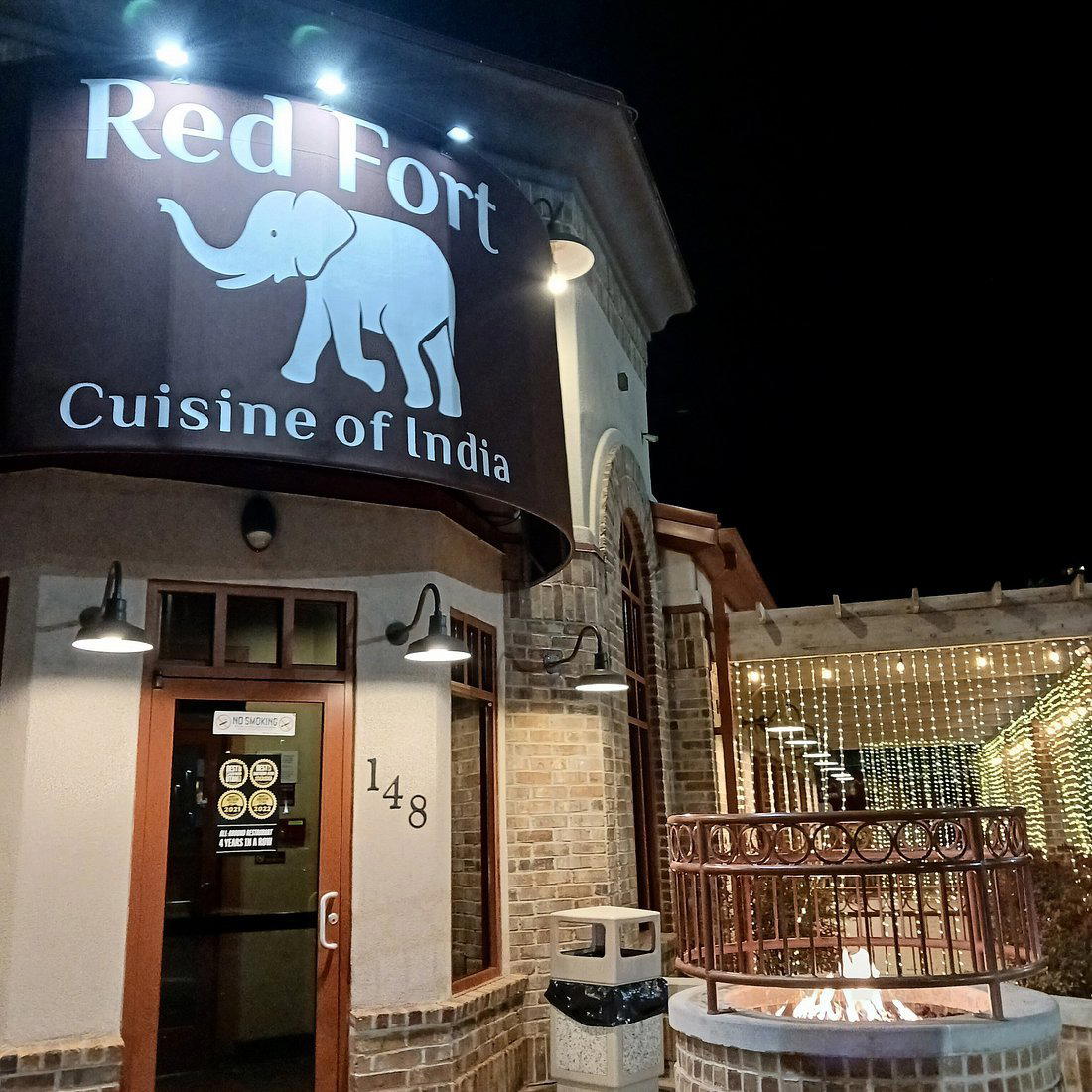
Red Fort Cuisine Of India brings the cooking traditions of the Indian subcontinent to St. George, Utah, a dining scene better known for its proximity to Zion National Park than for subcontinental cuisine. Located at 148 S 1470 E, the restaurant occupies a distinct position in a city where international culinary options remain limited, making it a reference point for Indian cooking across Washington County.

Pearl is the En Primeur Club membership app, where members save venues, book tables and use the concierge.
The menu
What to order
- Chicken Makhani
- Chicken Tikka Masala
- Garlic Naan
Indian Cooking in the American Southwest: What St. George Offers
St. George, Utah, sits at an unusual crossroads. It is a gateway city for some of the American West's most dramatic landscapes, drawing visitors bound for Zion, Bryce Canyon, and the Grand Staircase, yet its restaurant scene has historically skewed toward casual American formats rather than the kind of international dining diversity found in Salt Lake City or Las Vegas. That scarcity changes the calculus for any restaurant working in a cuisine tradition as complex and regionally varied as Indian cooking. When a city has limited representation of a culinary tradition, a single address can define what that tradition means to an entire population of residents and travelers. Red Fort Cuisine Of India, at 148 S 1470 E, occupies that position in Washington County.
Indian cuisine, to be precise, is not one cuisine. It is a constellation of regional traditions, spice philosophies, and religious dietary conventions that vary dramatically from the tandoor-heavy Punjabi north to the coconut-and-curry-leaf-defined south, from the Mughlai court cooking that gave the world biryani and korma to the seafood-centered kitchens of Goa and Kerala. The name Red Fort references the Lal Qila in Delhi, the 17th-century Mughal fortress that stands as one of the defining monuments of Indian cultural history, suggesting at least a symbolic alignment with the Mughal culinary tradition, which is where much of what Americans recognize as "Indian restaurant food" has its roots.
The Mughal Culinary Line and What It Means at the Table
Mughal court cooking, developed across the 16th through 18th centuries under emperors from Babur to Aurangzeb, produced the rich, slow-cooked meat dishes, the layered rice preparations, and the spice-fat emulsification techniques that define what most Western diners expect from an Indian restaurant. The dal makhani, the rogan josh, the butter chicken, the lamb biryani: these are not simplified approximations of complex regional dishes but genuine descendants of a specific courtly tradition that prized aromatic depth, long-cooked sauces, and the interplay between ghee-enriched bases and whole-spice tempering.
In the American Indian restaurant context, Mughal-derived cooking became the dominant paradigm from the 1970s onward, partly because its rich, sauce-forward format translated well to Western palates already familiar with French-style braising, and partly because the Punjabi and North Indian immigrant communities who opened many of the early restaurants in the UK and North America carried those traditions with them. That historical pattern means that most Indian restaurants in smaller American cities, including those in Utah, are operating within a broadly North Indian framework, even when they include dishes from other regions on the menu.
For a city like St. George, where Indian dining options are sparse compared to metro areas, a restaurant working in this tradition serves a function beyond simple meal provision. It becomes the primary frame of reference through which locals and visitors encounter Indian food, which places real weight on the consistency and authenticity of what comes out of the kitchen. Restaurants working in subcontinental traditions in smaller American markets often find themselves educating as much as feeding, fielding questions about heat levels, vegetarian options, and the differences between similar-sounding dishes that would be unnecessary in a city with a larger Indian diaspora community.
Where Red Fort Sits in St. George's Restaurant Mix
St. George's dining scene has expanded meaningfully over the past decade, tracking the city's broader growth as a year-round destination rather than a seasonal stopover. The population of Washington County has grown at one of the fastest rates in Utah, bringing with it increased demand for dining variety. Against that backdrop, restaurants offering distinct international cuisines carry more weight than they might in a larger metro where alternatives are plentiful. Venues like Quench It and RUSTY CRAB DADDY reflect the city's diversifying appetite, but subcontinental cooking remains an underrepresented category. Our full St George restaurants guide maps the broader range of what the city currently offers across price points and cuisine types.
The contrast with the American fine dining tier is instructive. For a restaurant in St. George, the relevant comparison is not The French Laundry in Napa or Providence in Los Angeles, but rather what the regional dining scene makes possible and what the local customer base demands. Indian restaurants in similar-sized Intermountain West cities tend to keep menus broad, covering tandoor-cooked proteins, vegetarian curries, rice dishes, and bread formats from naan to paratha, because the customer base spans curious first-timers, diaspora community members seeking familiar cooking, and repeat visitors who know exactly what they want. That range of demands shapes the menu more than any single culinary philosophy.
The same dynamic plays out in smaller cities served by restaurants working in Korean, Thai, or Ethiopian traditions: the address becomes a community anchor as much as a dining option. Compare this to the hyper-specialized format of Atomix in New York City, where a tightly curated modern Korean tasting format can assume a customer already fluent in Korean culinary history. In St. George, the approach necessarily differs.
Planning a Visit: What to Know Before You Go
Red Fort Cuisine Of India is located at 148 S 1470 E in St. George, Utah 84790. Spring and early fall represent the highest-demand windows for St. George's hospitality sector, as the summer heat moderates foot traffic from the national parks.
Indian restaurants in this category and market typically operate in a mid-range price bracket, with dinner formats that allow both à la carte ordering and family-style sharing. Vegetarian and vegan accommodation is generally a structural feature of North Indian cooking rather than an exception, given the cuisine's deep roots in Hindu dietary traditions, but confirming specific dietary needs with the restaurant ahead of arrival remains the reliable approach. For wider regional dining context, the EP Club guides to Blue Hill at Stone Barns in Tarrytown, Addison in San Diego, The Inn at Little Washington, Bacchanalia in Atlanta, Brutø in Denver, Causa in Washington, D.C., Emeril's in New Orleans, Single Thread Farm in Healdsburg, and 8 1/2 Otto e Mezzo Bombana in Hong Kong offer points of comparison for travelers building broader itineraries.
Frequently asked questions
What's the address for Red Fort Cuisine Of India?
Red Fort Cuisine Of India is located at 148 S 1470 E, St. George, UT 84790, St George.
Is Red Fort Cuisine Of India a good option for visitors staying near Zion National Park?
Red Fort Cuisine Of India is located at 148 S 1470 E in St. George, Utah, which serves as the primary urban hub for travellers using Zion, Snow Canyon, and other southwestern Utah destinations as a base. St. George sits roughly 40 miles from Zion's south entrance, making it a common overnight stop. For visitors spending multiple nights in the area, Red Fort offers one of the few Indian cooking options in a dining scene that otherwise offers limited subcontinental variety.
What's the signature dish at Red Fort Cuisine Of India?
Given the restaurant's name references the Mughal architectural landmark in Delhi, the kitchen likely draws on North Indian traditions, where slow-braised meats and tandoor preparations typically anchor the menu. Contacting the restaurant directly at 148 S 1470 E, St. George will give you the most accurate current picture.
Should I book Red Fort Cuisine Of India in advance?
Indian restaurants in smaller regional cities like St. George, Utah often accommodate walk-ins on weeknights but fill faster on weekends, particularly during the peak Zion National Park visitor season. Calling ahead or checking for a booking option is advisable if you are visiting during spring or fall travel windows.
What makes Red Fort Cuisine Of India worth seeking out?
Indian restaurants are rare in the St. George dining mix, which still skews heavily toward American and casual fare despite the city's growth as a year-round destination. Red Fort fills a specific gap for subcontinental cooking in a region where that option is genuinely scarce. For travellers coming through southern Utah, it represents a distinct departure from the regional default.
Can Red Fort Cuisine Of India adjust for dietary needs?
No specific dietary accommodation data is confirmed. Indian cuisine broadly accommodates vegetarian diners through its dal, paneer, and vegetable-based preparations, which are structural parts of the tradition rather than afterthoughts. If you have strict requirements such as vegan, gluten-free, or halal, confirm directly with the restaurant at their St. George location before visiting.
Is a meal at Red Fort Cuisine Of India worth the investment?
Indian restaurants in comparable mid-sized American cities typically fall in the casual to mid-range bracket, making them accessible relative to fine dining alternatives. Given the scarcity of subcontinental options in St. George, Utah, the value proposition is partly about access to a cooking tradition that otherwise requires a longer drive.
Cost and Credentials
Comparable venues nearby, for context on price, style, and recognition.
| Venue | Cuisine | Price | Notes |
|---|---|---|---|
| Red Fort Cuisine Of IndiaThis venue (the venue you are viewing) | Authentic Indian | $20–30 | Not listed |
| RUSTY CRAB DADDY | Cajun & Creole Seafood Boils | $50–100 | Bluff Street, Cajun & Creole Seafood Boils |
| Quench It | Flavored Sodas & Snacks | $1–10 | Not listed |
| Bombay House | Authentic Indian Cuisine | $20–30 | Sugarhouse, Authentic Indian Cuisine |
| Bawarchi | Hyderabadi Biryani House | $20–30 | South Jordan, Hyderabadi Biryani House |
| Brooker's Founding Flavors Ice Cream, Vineyard UT | Not listed | Not listed | Vineyard, Super-Premium Homemade Ice Cream & Early American Treats |
Continue exploring
More in St George
Restaurants in St George
All restaurants in St George →
Bars in St George
Browse all →



Details
- Classic
- Family
- Casual Hangout
- A La Carte
- Vegetarian Friendly
- Vegan Options
- Gluten Free Options
Current opening hours
- Monday
- 11:30 AM–2:30 PM, 4:30–9:30 PM
- Tuesday
- 11:30 AM–2:30 PM, 4:30–9:30 PM
- Wednesday
- 11:30 AM–2:30 PM, 4:30–9:30 PM
- Thursday
- 11:30 AM–2:30 PM, 4:30–9:30 PM
- Friday
- 11:30 AM–2:30 PM, 4:30–10 PM
- Saturday
- 11:30 AM–2:30 PM, 4:30–10 PM
- Sunday
- 11:30 AM–2:30 PM, 4:30–9:30 PM
Hours can change for holidays and private events. Hours as of .