RUSTY CRAB DADDY
Our verdict
Rusty Crab Daddy sits on South Bluff Street in St. George, Utah, where the dining culture skews toward casual, unfussy meals that suit the desert city's pace. Seafood-focused spots in landlocked southwestern cities occupy a particular niche, and this address delivers the kind of crab-forward, hands-on eating that defines the format. For St. George diners looking for something outside the regional steakhouse and pizza circuit, it registers as a distinct option.

Pearl is the En Primeur Club membership app, where members save venues, book tables and use the concierge.
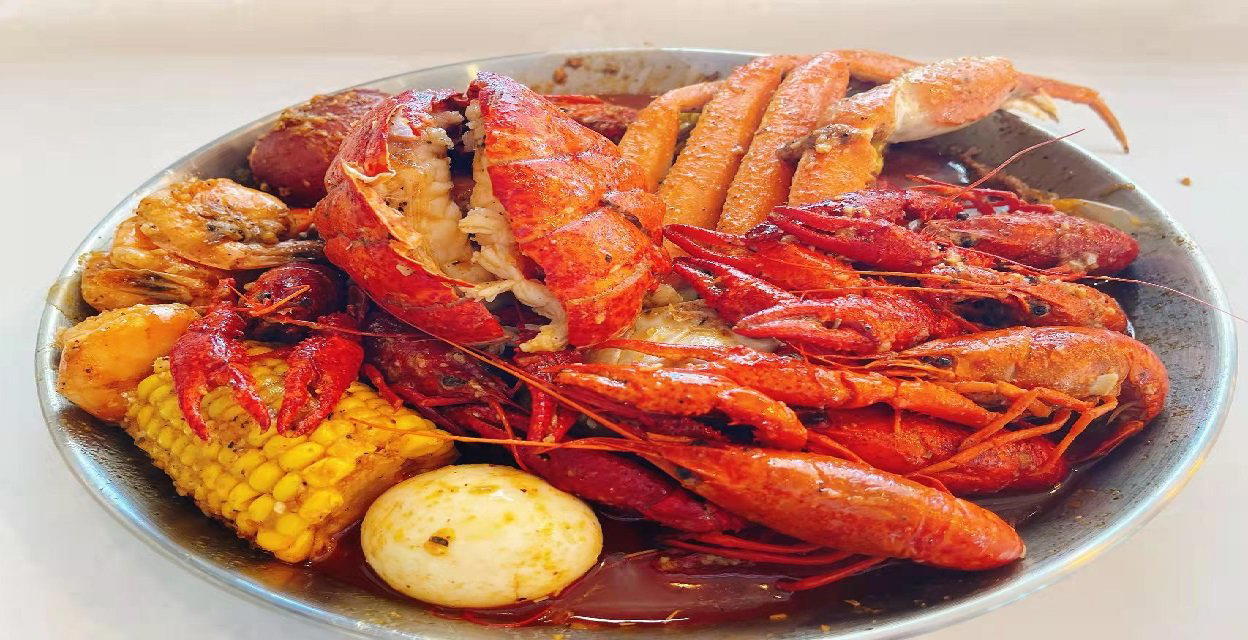
Eating with Your Hands in the Desert: How St. George Does Seafood
There is something deliberately counterintuitive about a crab shack operating in the Utah desert, hours from the nearest coastline. St. George sits at the edge of the Mojave, a city better known for red rock trails and the approach to Zion than for maritime dining. And yet seafood boil formats have migrated inland with notable consistency over the past decade, landing in cities far from any shoreline and finding audiences that are, if anything, more enthusiastic for the novelty. Rusty Crab Daddy, at 932 S Bluff St, occupies that exact intersection: a landlocked city, a hands-on seafood format, and diners who are not eating this way out of habit but out of genuine choice.
That context matters when you think about what casual seafood dining actually demands of its guests. The ritual is specific: plastic bibs, mallet-and-cracker work, communal tables slicked with butter and Old Bay, the slow excavation of crab legs that turns a meal into something closer to an activity. It is the opposite of the white-tablecloth seafood register practiced at places like Le Bernardin in New York City, where precision plating and classical technique define the experience. The boil format asks guests to participate rather than observe, and in a city where dining out often means a chain restaurant or a drive-through, that participatory quality sets a different tone entirely.
The Ritual of the Boil
The seafood boil as a dining format has a long American lineage, rooted in Gulf Coast and Low Country traditions where large quantities of shellfish, corn, and sausage are cooked in seasoned water and dumped directly onto newspaper or bare tables. The ritual has two essential components: the communal setup, which collapses the formality of table service, and the manual labor of the meal itself, which makes eating a shared, tactile experience rather than a solitary one. When this format travels inland, to cities like St. George, it retains those qualities while operating without the regional backstory that gives it context on the Gulf Coast.
For comparison, the formal end of American dining has moved toward curated pacing and narrative coherence: restaurants like Lazy Bear in San Francisco, Alinea in Chicago, or Atomix in New York City treat each course as a deliberate moment in a structured sequence. The boil format is the inverse of all that. There is no sequence. The food arrives as a single event, and the meal's pacing is determined entirely by how quickly or slowly the table chooses to work through it. That is its own kind of ritual discipline, just a democratic one.
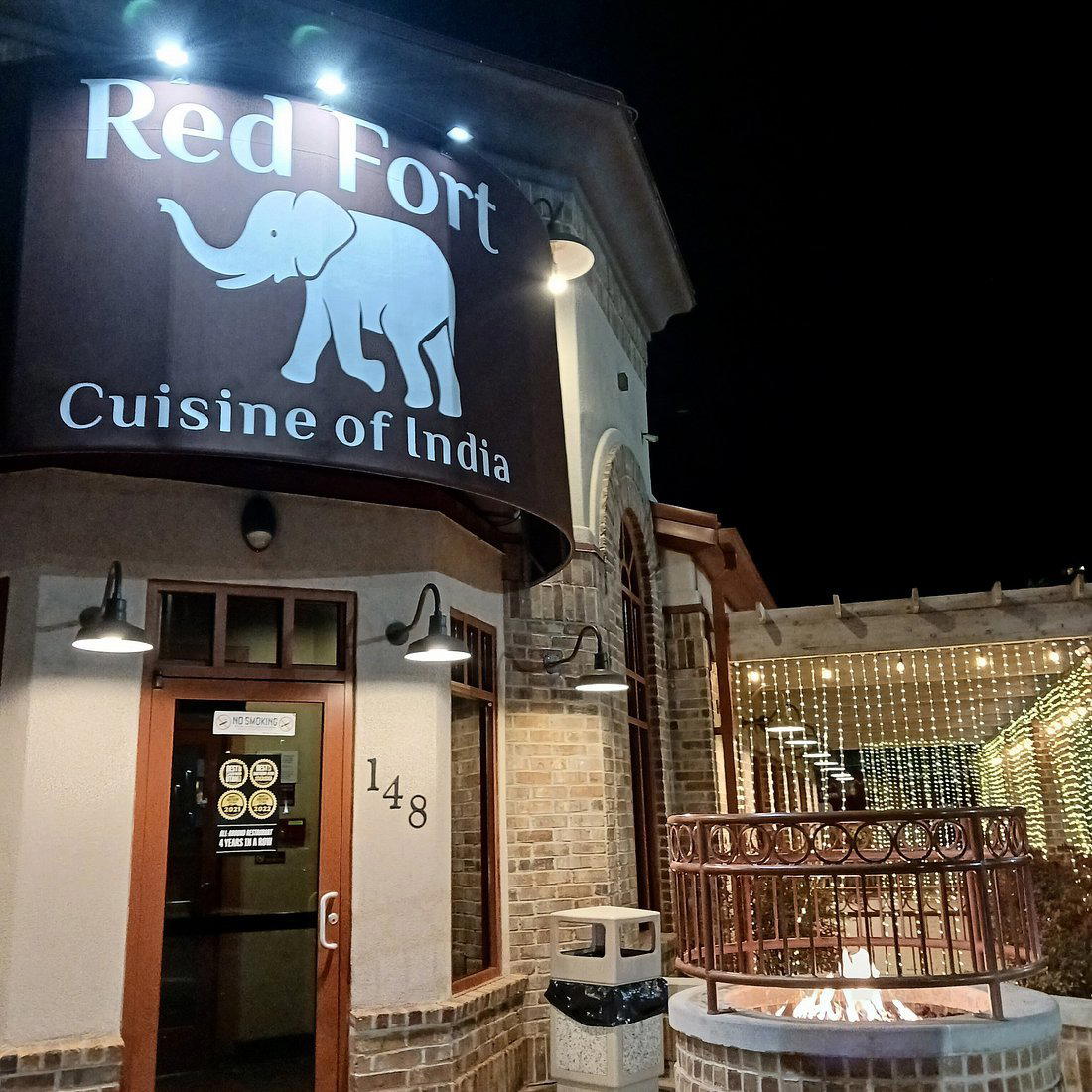
St. George's dining scene, which you can explore more fully in our full St George restaurants guide, has grown more varied as the city's population has expanded, attracting residents from larger metros who bring different dining expectations. A spot like Quench It speaks to the city's appetite for beverage-forward casual dining, while Red Fort Cuisine Of India represents the broader culinary diversification that mid-sized American cities have undergone in the past fifteen years. Rusty Crab Daddy fits within that pattern of format-driven, experience-oriented dining that offers something structurally different from a standard table-service meal.
What the Format Asks of You
The seafood boil demands a certain willingness to commit. You will get butter on your shirt. The table will smell like garlic and cayenne. The conversation will pause while someone figures out the most efficient way to split a claw without losing half the meat. These are not inconveniences so much as features: the format works because it generates a specific kind of shared experience that more composed dining formats deliberately avoid. In the broader American dining conversation, this sits at the opposite end from the quiet precision of somewhere like The French Laundry in Napa or the farm-to-table formality of Blue Hill at Stone Barns in Tarrytown. Both approaches are serious about food; they simply define seriousness in opposite ways.
For St. George diners, the value of a spot like this is partly in what it does not require. There is no dress code consideration, no debate about the right wine pairing, no careful study of a multi-page menu. The format simplifies those decisions and redirects the energy toward the table itself. That is a meaningful thing in a city where the restaurant infrastructure, while growing, does not yet have the density of a Phoenix or a Las Vegas. The boil format is well-suited to group dining, to post-hike meals where the appetite is large and the patience for formality is low, and to the particular demographic mix that St. George attracts: outdoor enthusiasts, visiting families, retirees who have relocated from larger western cities.
Positioning in the American Seafood Spectrum
American seafood dining now spans an enormous range. At the technical apex, chefs at restaurants like Providence in Los Angeles or Addison in San Diego apply fine-dining rigor to coastal ingredients. At the other end, the boil-and-bucket format operates with maximum informality and minimum overhead. Rusty Crab Daddy occupies the casual tier in a market, southwestern Utah, where that tier is otherwise thin on seafood-specific options. That positioning is its editorial logic: not a destination for seafood tourists traveling from coastal cities, but a genuine local option filling a specific gap in a growing city's dining map.
Other mid-tier American cities have seen similar formats gain traction. The boil format has appeared across landlocked metros from Denver to Atlanta, building audiences that are more interested in the social mechanics of the meal than in provenance debates about catch-of-the-day sourcing. For an editorial comparison of what refined dining looks like in those same cities, Brutø in Denver and Bacchanalia in Atlanta represent the higher register. Rusty Crab Daddy is not competing in that conversation; it is operating in an entirely different one, where the metric is how much fun a table of four has on a Tuesday night rather than how many awards the kitchen has accumulated.
Planning Your Visit
The address at 932 S Bluff St places Rusty Crab Daddy on one of St. George's main commercial corridors, accessible from the city center and from the primary hotel zones near the interstate. For groups coming off a day in Zion National Park, which is roughly forty miles to the northeast, this part of Bluff Street is a natural stopping point before heading back toward accommodation. The boil format is inherently group-friendly, which means weekends likely see higher demand than weekday evenings.
Frequently Asked Questions
Does Rusty Crab Daddy work for a family meal?
The hands-on, share-everything format of a seafood boil is well-matched to family dining in a city like St. George, where casual group meals are the norm.
Is Rusty Crab Daddy formal or casual?
If St. George had a Michelin-recognized dining scene or a track record of fine-dining awards, the answer might be more nuanced; it does not. The seafood boil format is structurally casual: expect communal eating, no dress expectations, and a meal that prioritizes energy over refinement.
at Rusty Crab Daddy?
The format's logic, across boil-style venues generally, centers on the shellfish itself: crab, shrimp, and crawfish prepared in seasoned broth. Ask the staff what is moving well on the day you visit.
Is Rusty Crab Daddy reservation-only?
For casual seafood formats in St. George's price tier, walk-in is often the default, but groups of six or more should call ahead regardless of formal policy.
What do critics highlight about Rusty Crab Daddy?
The editorial case for it rests on its format and its positioning within St. George's dining options, not on accumulated press recognition.
How does a seafood boil restaurant fit into St. George's wider dining scene?
Seafood-specific formats are relatively rare in the southwestern Utah dining market, where steakhouses, burger counters, and regional American chains dominate the casual tier. A dedicated boil venue gives St. George diners access to a hands-on communal format that is otherwise common in Gulf Coast cities but thin across the broader Intermountain West. For visitors using the city as a base for national park access, it offers a meal format that suits the appetite and energy of an outdoor itinerary without requiring any dining formality.
Frequently asked questions
Does RUSTY CRAB DADDY work for a family meal?
The seafood boil format is built for groups. Shared platters, hands-on eating, and a casual setup at 932 S Bluff St make it a practical fit for families in St. George, where the dining culture skews toward relaxed, communal meals. The format sidesteps the formality that can make restaurant dining harder with younger guests.
Is RUSTY CRAB DADDY formal or casual?
This is a hands-on operation. Seafood boils arrive at the table in bags or spread across butcher paper, and butter and spice are part of the process. Dress accordingly, the format at 932 S Bluff St, St. George does not call for anything beyond comfortable clothes you don't mind getting messy.
Is Rusty Crab Daddy the only seafood boil restaurant in St. George, Utah?
Seafood boil restaurants are sparse across inland Utah, and St. George's dining scene is primarily built around American comfort food and chain operators. Rusty Crab Daddy at 932 S Bluff St occupies a format, the Gulf and Low Country-style communal boil, that has little direct competition in the city. Visitors coming from Las Vegas or Salt Lake City will find the concept significantly less common in this part of the Southwest than on either coast.
What's the best thing to order at RUSTY CRAB DADDY?
The seafood boil is the core of what Rusty Crab Daddy does, that's the format the restaurant is built around, drawing on Gulf Coast and Low Country traditions. Shellfish selections with seasoned broth, garlic, and cayenne are the defining dishes in this style. Specific menu details are best confirmed directly with the venue at 932 S Bluff St.
Where do I go for RUSTY CRAB DADDY?
RUSTY CRAB DADDY is located at 932 S Bluff St, St. George, UT 84770, St George.
Is RUSTY CRAB DADDY reservation-only?
Given its location on a main commercial corridor in St. George at 932 S Bluff St, contacting the venue directly before visiting is the practical approach, particularly for larger groups.
What do critics highlight about RUSTY CRAB DADDY?
Formal critical coverage of Rusty Crab Daddy is published details are limited. What the venue's concept generates is conversation around the premise itself, a Gulf-style seafood boil operating in the Utah desert, far from any coastline, is the kind of positioning that draws attention in a city like St. George where seafood dining is not the default. Check the venue's official channels for the latest details.
Cuisine and Credentials
Comparable venues nearby, for context on price, style, and recognition.
| Venue | Cuisine | Price | Notes |
|---|---|---|---|
| RUSTY CRAB DADDYThis venue (the venue you are viewing) | Cajun & Creole Seafood Boils | $50–100 | Not listed |
| Quench It | Flavored Sodas & Snacks | $1–10 | Not listed |
| Red Fort Cuisine Of India | Authentic Indian | $20–30 | Not listed |
| Rylu's Bistro | Modern American Bistro | Not listed | Santa Clara |
| Market Street Grill | Classic Seafood Grill | $20–30 | Clark Learning Office Center |
| Current Fish and Oyster | Modern Seafood and Oyster Bar | Not listed | Clark Learning Office Center |
Continue exploring
More in St George
Restaurants in St George
All restaurants in St George →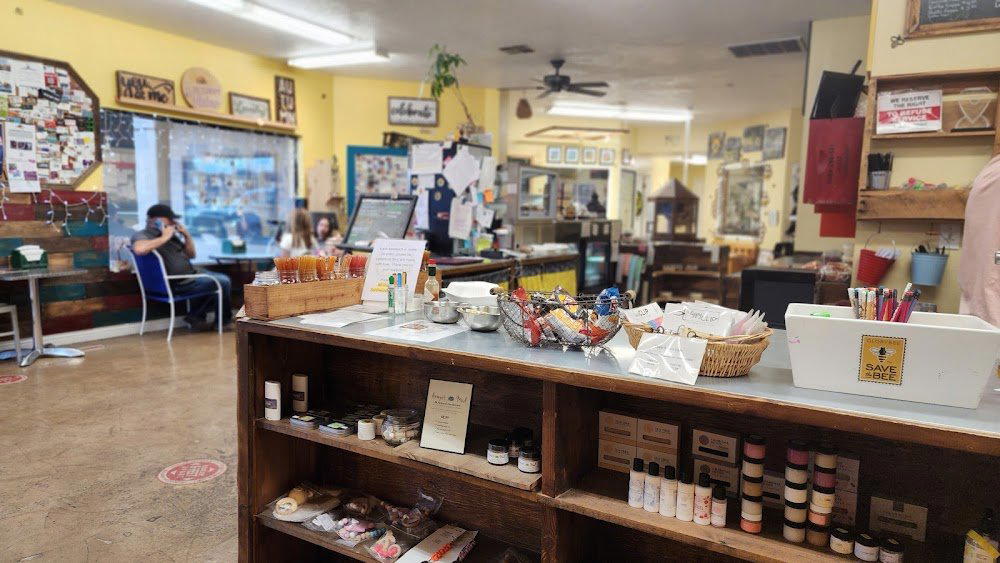
Bars in St George
Browse all →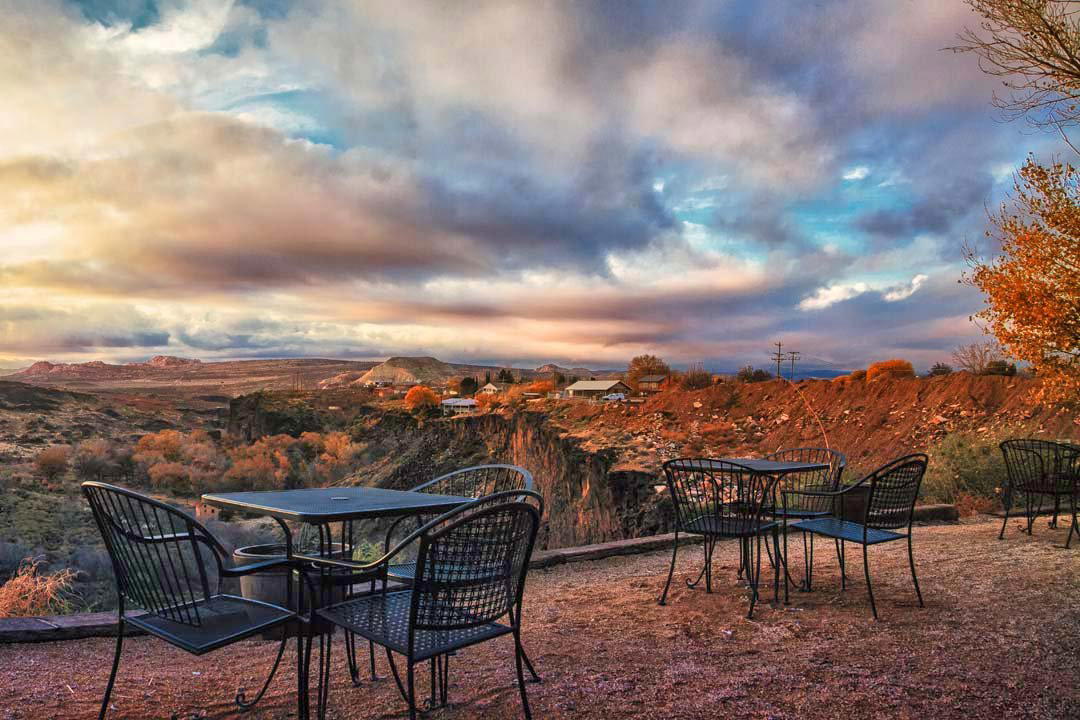
Details
- Lively
- Rustic
- Family
- Group Dining
- Casual Hangout
- Open Kitchen
- Beer Program
- A La Carte
- Family Style
Current opening hours
- Monday
- 11 AM–10 PM
- Tuesday
- 11 AM–10 PM
- Wednesday
- 11 AM–10 PM
- Thursday
- 11 AM–10 PM
- Friday
- 11 AM–10 PM
- Saturday
- 11 AM–10 PM
- Sunday
- 12–9 PM
Hours can change for holidays and private events. Hours as of .
Lively and family-friendly with a casual, nondescript interior that evokes a welcoming coastal vibe in the desert.