A mountain alm in the Sellrain valley above Innsbruck, Juifenalm sits at the intersection of Alpine pastoral tradition and the sourcing-driven cooking that has come to define serious Austrian regional cuisine. The address alone, Juifen 1, signals remoteness with purpose: guests climb toward it, which is itself part of the proposition. For our full regional context, see our Sellrain restaurants guide.
Pearl is the En Primeur Club membership app — saves, bookings, and concierge access live there. Same editors, same standards.
- Address
- Juifen 1, 6181 Sellrain, Austria
- Phone
- +436645422090
- Website
- juifenalm.at
- Directions
- Get directions
 Saves & bookings on Pearl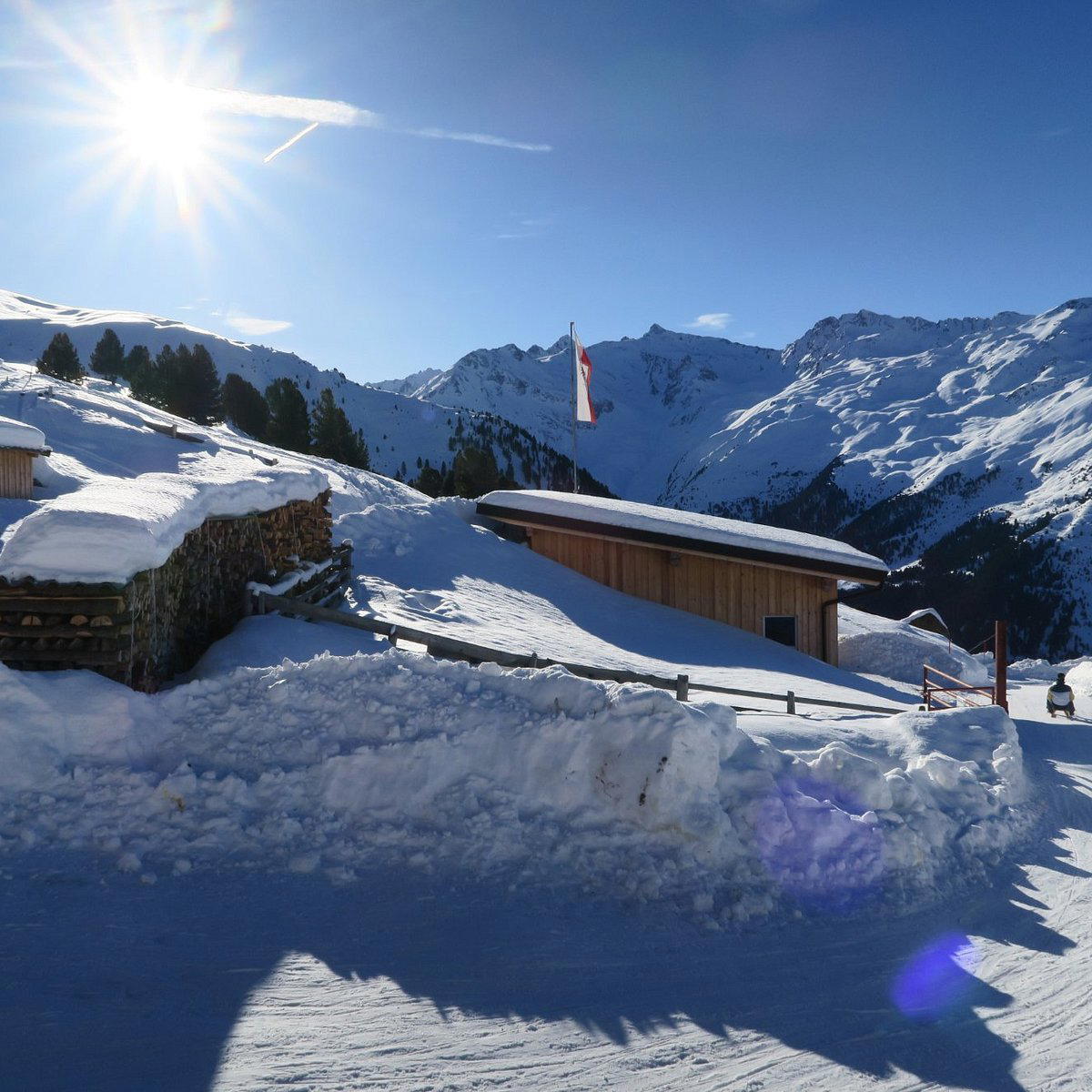
Where the Altitude Does the Editing
The approach to a traditional Austrian Alm is rarely incidental. The road narrows, the valley floor drops away, and by the time you arrive the city has been replaced by something quieter and more deliberate. Juifenalm, addressed simply as Juifen 1 in the municipality of Sellrain, sits in that category of mountain destination where geography functions as a filter. Sellrain itself occupies the Sellraintal, a lateral valley that cuts west from the Inn valley roughly twenty kilometres from Innsbruck, and the altitude and isolation that characterise it are essential conditions of it.
This matters for how the food should be understood. Austrian alpine cooking at its most grounded is not cuisine that happens to be located in mountains; it is cuisine shaped by what the mountains make available and what they withhold. The short growing windows, the pasture-driven animal husbandry, the proximity of forest and meadow: these are not decorative context but the actual sourcing logic. Juifenalm, sitting within that tradition, belongs to a category of alm dining that values directness over display.
The Sourcing Argument at Altitude
Across Austria's dining scene, the conversation about ingredient provenance has moved from philosophical to operational. Restaurants like Döllerer in Golling an der Salzach have built their identity around hyper-regional sourcing, demonstrating that the Alps are not a backdrop but a supply chain. The same logic that drives Kräuterreich by Vitus Winkler in Sankt Veit im Pongau toward foraged herbs and estate-grown produce applies in a more vernacular register to the alm tradition: the mountain itself is the larder.
In the Sellraintal specifically, the surrounding terrain covers a range of elevation zones that produce distinct raw materials: valley-floor dairy, mid-altitude meadow herbs, high pasture beef and lamb, and the kind of structural game that comes from a forest ecosystem with limited human pressure. An alm kitchen working honestly within that geography has access to ingredients whose quality is a function of landscape conditions rather than supply-chain management, which is a different kind of provenance argument than the one made by urban fine-dining rooms sourcing from named farms at distance.
This is the sourcing model that distinguishes alm dining from what you find at, say, Steirereck im Stadtpark in Vienna or Ikarus in Salzburg. Those restaurants operate at a level of technical ambition and international reference. A mountain alm like Juifenalm operates on a different axis entirely, where the primary credential is immediacy: the animal grazed nearby, the cheese aged locally, the dairy that tastes of what the cow ate.
The Alm Format in Austrian Dining Culture
Austria has a layered mountain-dining culture that runs from simple ski-station huts serving soup and schnapps to destination alms with serious kitchens. The middle tier, where a traditional building and pastoral setting coexist with genuine kitchen attention, is especially interesting and the hardest to find because it rarely seeks visibility beyond word of mouth. It competes for a different kind of guest than the Michelin-tracked rooms at Gourmetrestaurant Tannenhof in Sankt Anton am Arlberg or Griggeler Stuba in Lech. It appeals to guests who understand that the point is not the plate presentation but the coherence of place, product, and preparation.
That coherence is what Austrian regional dining culture, at its leading, has always argued for. The Gasthof and Alm traditions pre-date the tasting-menu circuit by generations, and their endurance speaks to a hospitality logic grounded in function: feed people well, feed them from what is close, do not overcomplicate. Landhaus Bacher in Mautern an der Donau has demonstrated over decades that this approach, pursued with discipline, produces cooking that warrants serious critical attention. At the alm scale, the discipline is quieter, which may be exactly the point.
Across the broader Austrian scene, there is growing recognition that sourcing fidelity and technical ambition are not the same thing. See also the approaches at Obauer in Werfen and Taubenkobel in Schützen am Gebirge, both of which have built long-running reputations on the argument that place-rooted cooking is its own form of rigour.
Regional Position and Peer Context
Within the Tyrol specifically, mountain dining occupies a varied market. The ski-resort circuit around Ischgl produces restaurants like Stüva in Ischgl that dress in alpine aesthetics while operating at high-end urban price points. The Sellraintal, by contrast, sits outside the major ski resort infrastructure, which changes both the clientele and the kitchen logic. Guests arriving in Sellrain in summer are largely there for the hiking and cycling terrain of the Kühtai plateau approach; in winter the valley operates at a lower pitch than the Arlberg or Ischgl zones.
That quieter positioning means Juifenalm draws from a guest profile that is self-selecting in a particular way: people who drove twenty kilometres up a lateral valley to reach an alm address are not there by accident. The demographic tends toward Austrian and German-speaking regulars who understand the alm format, supplemented by visitors who have moved beyond the obvious Innsbruck dining circuit. For that reader, the Sellraintal offers something the resort valleys have largely traded away: the experience of a mountain meal without the resort premium attached to it.
Comparable regional discovery applies further afield: Ois in Neufelden, Atelier Fischer in Sankt Gilgen, and Schwarzer Adler in Hall in Tirol each occupy local positions where the address explains the proposition more efficiently than any menu description. Restaurant 141 by Joachim Jaud in Mieming offers another Tyrolean reference point for guests willing to drive for the right room. Artis in Graz operates in a different register entirely but shares the instinct that Austrian dining intelligence extends well beyond the capital. For regional orientation, the Sellrain restaurants guide maps the valley's options.
Planning a Visit
Sellrain is accessible from Innsbruck by car in under thirty minutes; the Sellraintal road climbs steadily from the Inn valley floor and conditions vary seasonally. The summer season, roughly June through September, offers particularly accessible conditions and aligns with the peak availability of valley-floor herbs and high-pasture dairy. Booking ahead is advisable. As with most serious alm addresses, the meal is the destination, not an addition to another itinerary item, so build the day around it accordingly.
A Quick Peer Check
Comparable venues nearby, for context on price, style, and recognition.
| Venue | Cuisine | Price | Notes |
|---|---|---|---|
| JuifenalmThis venue — the venue you are viewing | Traditional Austrian Alpine Hut | $$ | Not listed |
| Hämmermoosalm | Traditional Austrian Alpine | $$ | Klamm |
| Rotmoosalm | Traditional Tyrolean Alpine Cuisine | $$ | Gaistal, Leutasch |
| Gibler Alm | Traditional Tyrolean Alpine Cuisine | $$ | Elbigenalp, Lechtal |
| Wirtshaus*Restaurant Engel | Traditional Austrian | $$ | Klösterle |
| Neurauter | Traditional Tyrolean Austrian | $$ | Hatting |
Continue exploring
More in Sellrain
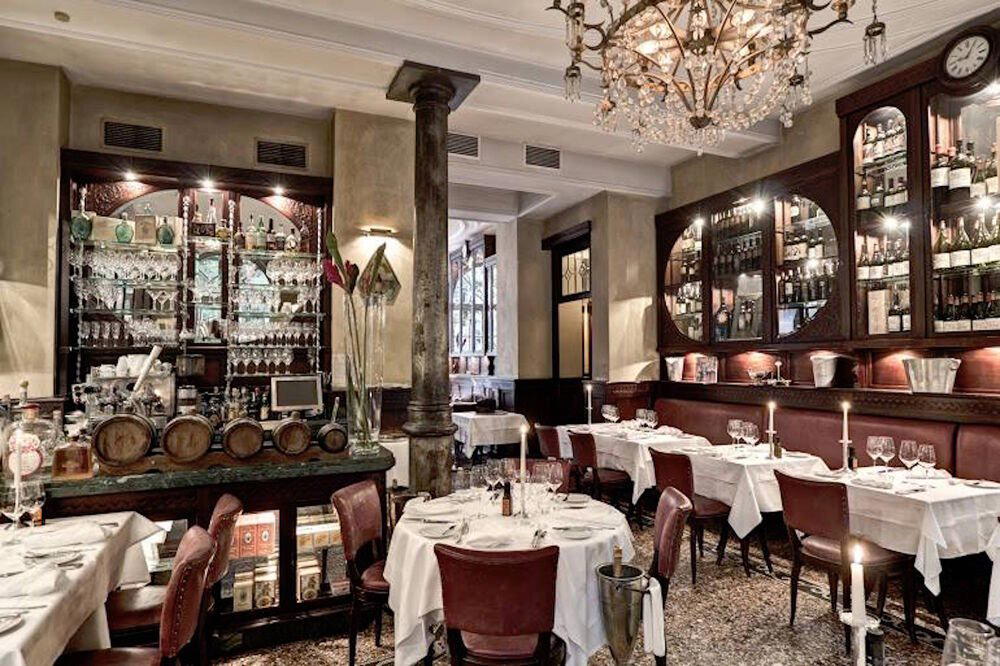
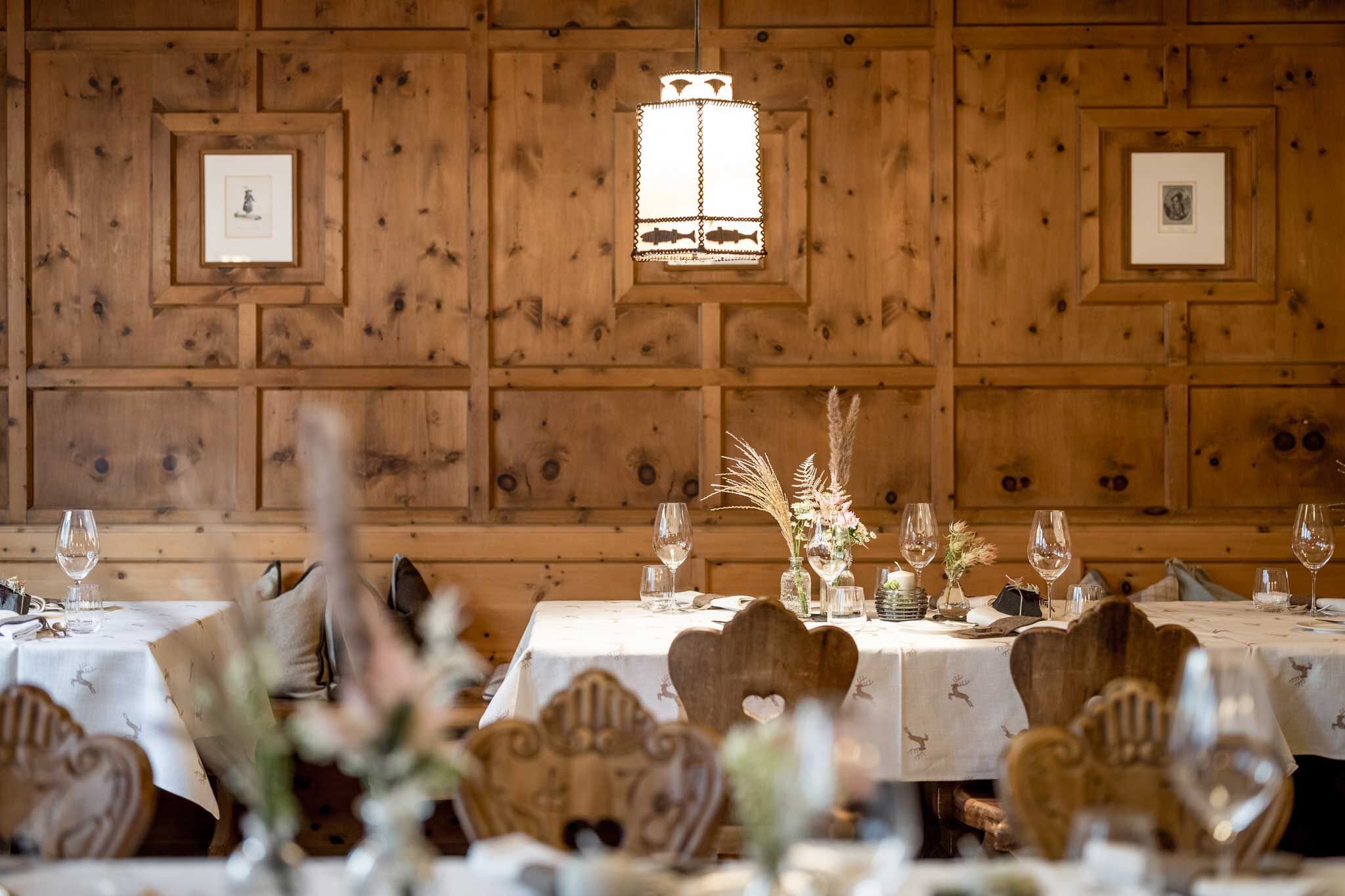
Restaurants in Sellrain
Browse all →
Bars in Sellrain
Browse all →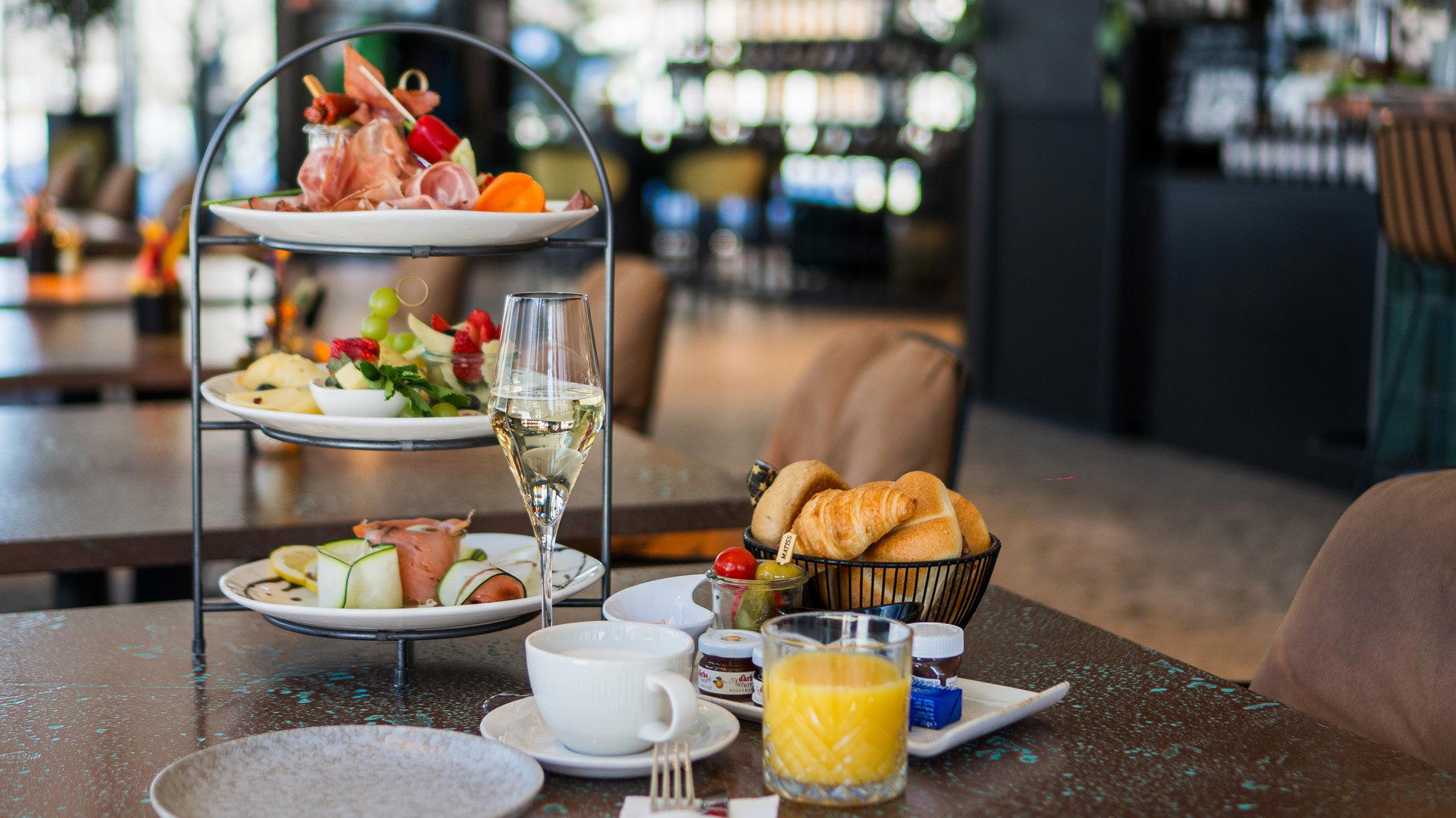
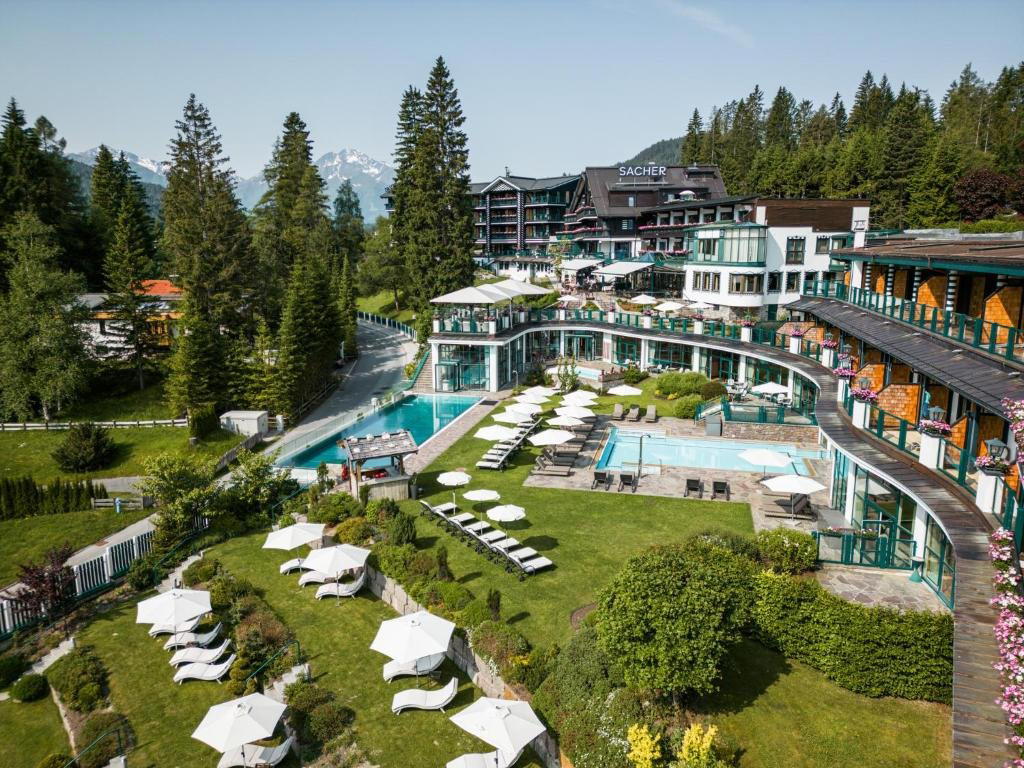
Hotels in Sellrain
Browse all →

At a Glance
- Rustic
- Cozy
- Scenic
- Casual Hangout
- Terrace
- Panoramic View
- Historic Building
- Local Sourcing
- Mountain
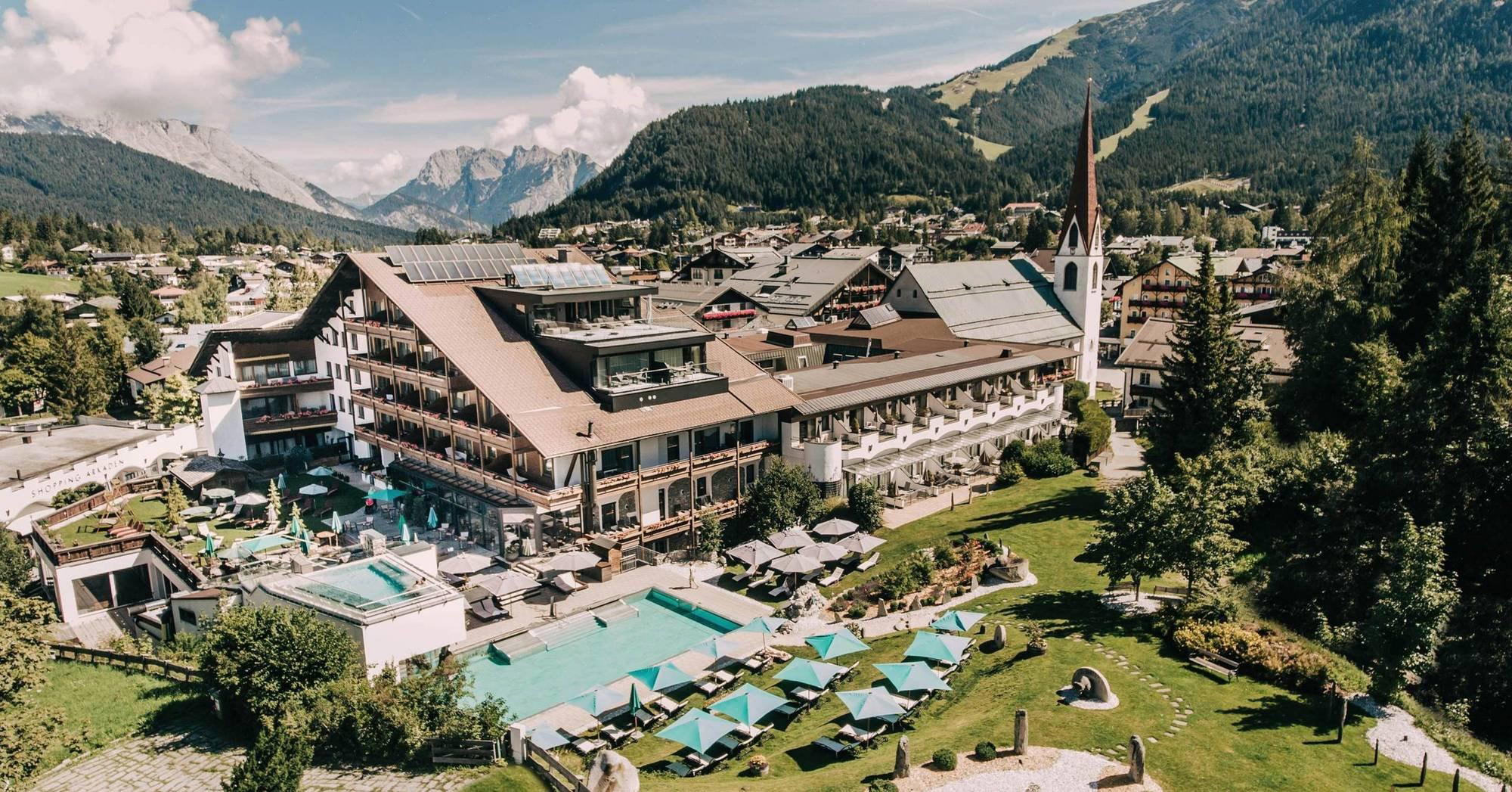
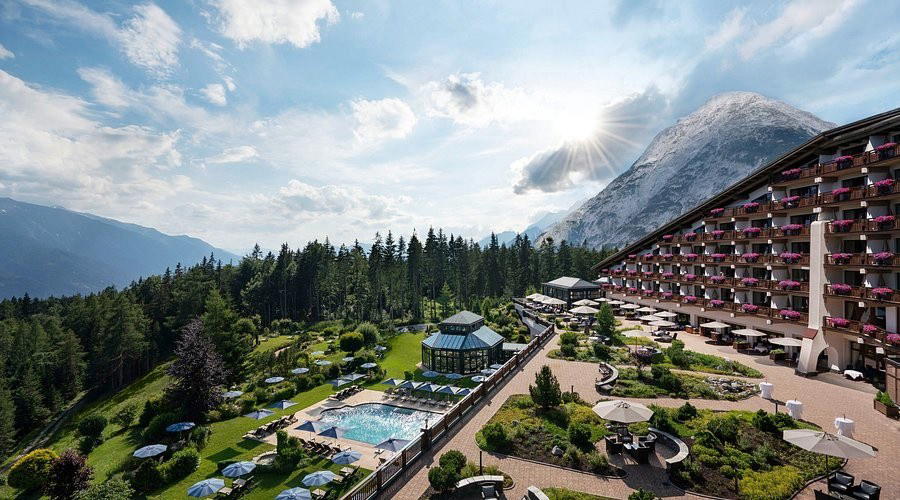
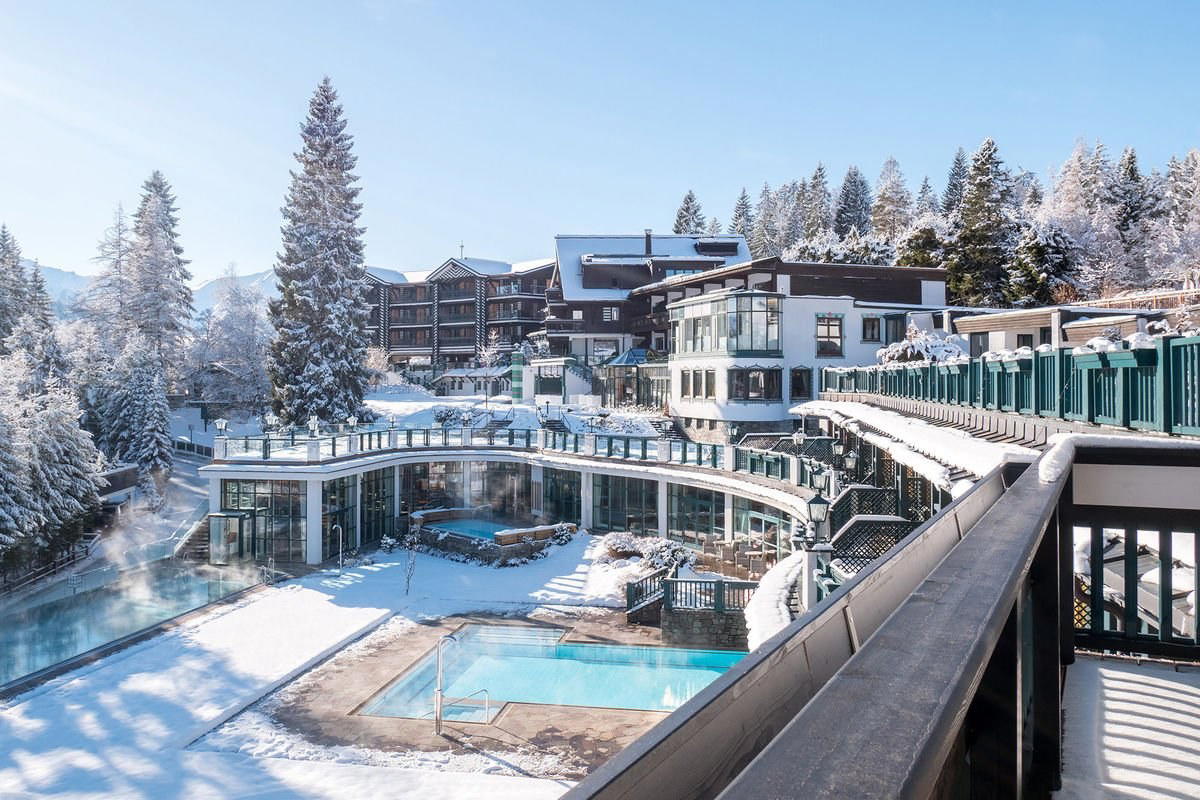
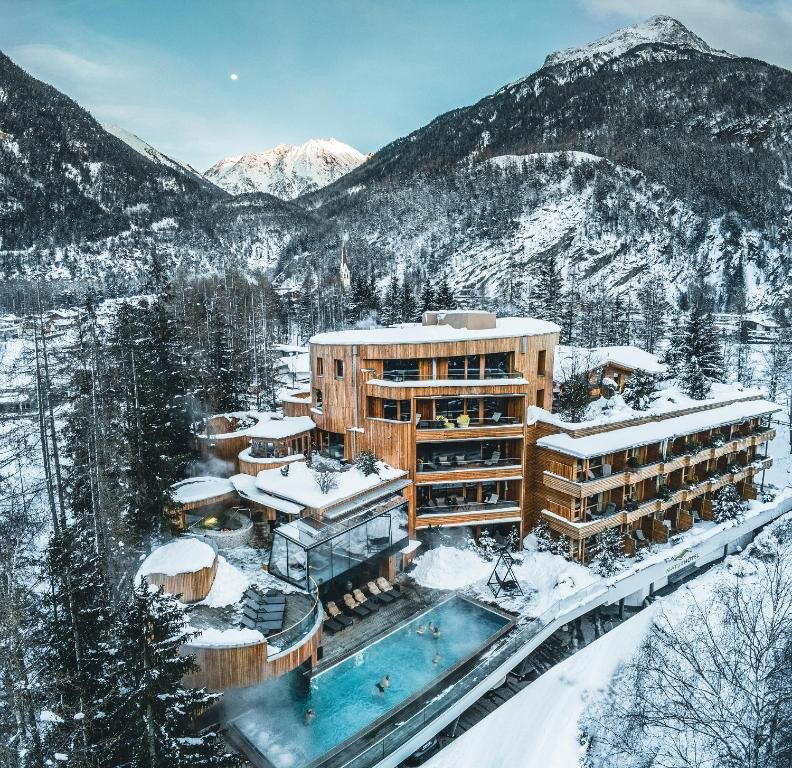
Cozy alpine parlor with rustic charm and sunny terrace overlooking majestic mountains.