Ramon Freixa occupies a considered position in Madrid's top tier of creative fine dining, bringing a Catalan-rooted culinary perspective to the capital's Salamanca district. The restaurant operates within a comparable set that includes Spain's most decorated creative kitchens, where sourcing discipline and seasonal precision carry as much weight as technique. For visitors exploring Madrid's serious dining scene, it represents one of the city's most coherent arguments for product-led cooking.
- Address
- Calle de Claudio Coello, 67, Madrid, 28001, Spain
- Phone
- +34 91 781 82 62
- Website
- ramonfreixamadrid.com
- Directions
- Get directions
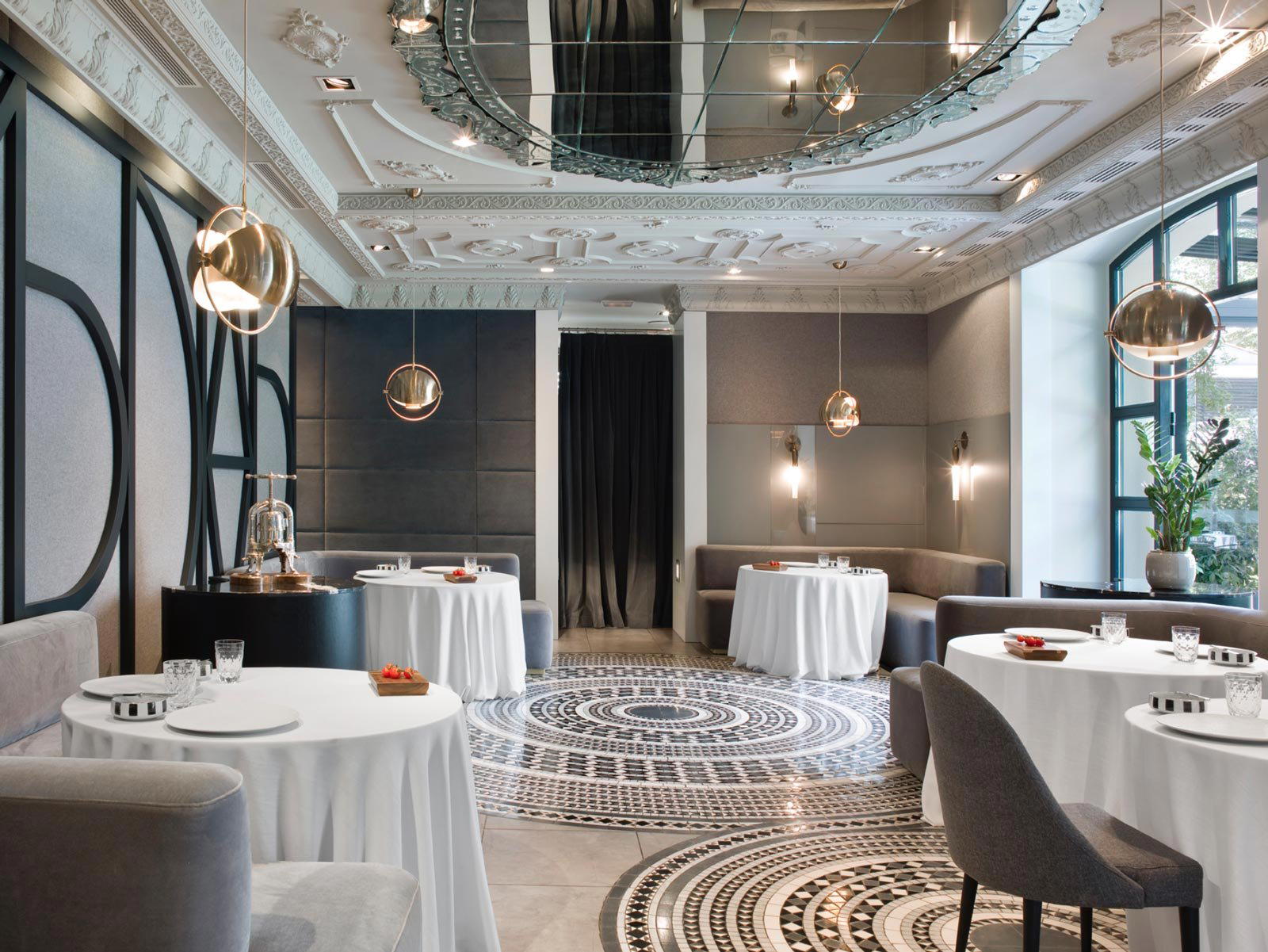
Salamanca's Counter-argument to Spectacle
Madrid's fine dining scene has long run on two competing logics: the theatrical, boundary-pushing approach associated with kitchens like DiverXO, and a quieter, more disciplined strand that treats sourcing and seasonal honesty as the primary creative act. Ramon Freixa is a permanently closed restaurant on Calle de Claudio Coello in Madrid, in the Salamanca district, and its tasting menus were priced at about $420 per person. The address itself signals something: Salamanca is Madrid's most composed neighbourhood for serious eating, a district where the dining rooms tend toward restraint and the clientele expects cooking that rewards attention rather than spectacle.
That positioning matters when reading Ramon Freixa against its comparable set. Where Coque deploys a multi-room theatrical format and Deessa operates inside a hotel with an international luxury register, Ramon Freixa has maintained an independent identity rooted in its Catalan culinary inheritance. The kitchen's creative logic draws on Barcelona's product-first cooking tradition, applied to a Madrid context where Castilian ingredients, game, legumes, aged cheeses from the meseta, can enter the conversation alongside Catalan and Mediterranean references.
The Sourcing Framework Behind the Menu
Spain's most discussed fine dining kitchens have, over the past decade, moved sustainability from a footnote to a structural commitment. Azurmendi in Larrabetzu made its on-site garden and waste recovery systems central to its public identity. Aponiente in El Puerto de Santa María built an entire culinary program around particularly overlooked and discarded elements of the sea. The restaurant operates within this same broader current, where ethical sourcing and waste reduction are treated as conditions of serious cooking rather than optional add-ons.
For a kitchen with the restaurant's Catalan lineage, product selection has always been a primary creative decision. The tradition inherited from Catalan cuisine, one of Europe's most ingredient-driven culinary cultures, places the sourcing relationship with producers at the centre of menu development. Seasonality in this framework is not a marketing claim but a structural constraint: the menu shifts because the supply chain dictates it, not because a PR calendar suggests autumn is a good time to mention truffles. That discipline, applied across a full tasting menu format, produces cooking that reads differently at different points in the year, which is a more honest measure of a kitchen's commitment to the supply side than any certification label.
The broader Spanish fine dining sector has pushed this logic furthest in coastal and rural contexts, where proximity to primary producers is a geographic given. The restaurant's Madrid location makes the commitment more deliberate: sourcing at this level in a capital city requires active construction of producer relationships rather than passive proximity. The result is a kitchen that sits closer to the Spanish regional fine dining tradition, represented at its most considered by El Celler de Can Roca in Girona or Arzak in San Sebastián, than to the capital's more cosmopolitan creative kitchens.
Where Ramon Freixa Sits in Madrid's Creative Tier
Madrid's upper bracket of creative cooking has become more differentiated over the past several years. DSTAgE operates with a global reference set and a format that draws on international tasting menu conventions. Paco Roncero maintains its connection to the techno-emotional strand of Spanish avant-garde cooking. The restaurant occupies a different coordinate in this map: more classically structured in format, more explicitly rooted in a specific regional culinary tradition, and more focused on the cooking's relationship with its raw materials than on conceptual or narrative frameworks.
This positioning has a practical implication for the reader deciding where to spend a serious dinner budget in Madrid. If the interest is in understanding what Spanish fine dining looks like when it takes Catalan product culture seriously and applies it to a capital city context, the restaurant makes a more direct argument than its peers. If the interest is in technical boundary-pushing or immersive theatrical experience, the comparable set above points in other directions. Both are legitimate criteria; they simply describe different restaurants.
For reference points outside Spain, the closest analogues in approach, if not in cuisine, are kitchens like Le Bernardin in New York City, where ingredient integrity and classical structure operate at the same level as innovation, or Atomix in New York City, where a coherent cultural tradition is treated as the creative foundation rather than the decoration. Quique Dacosta in Dénia and Disfrutar in Barcelona offer Spanish comparison points with contrasting approaches to the same question of how to build a menu around serious produce.
Autumn and Winter Are the Seasons to Book
If there is a time of year when the restaurant's sourcing-first approach delivers most clearly, it is the colder months. Autumn in Madrid brings game from the Castilian interior, mushrooms from the central Iberian mountain ranges, and the legume harvest that underpins much of traditional Madrid cooking. A kitchen with the restaurant's commitments is better placed to work with this seasonal wave than at any other point in the calendar. Winter extends the game season and introduces the aged and cured products, Ibérico, aged sheep's milk cheeses, dried pulses, that define Castilian larder cooking at its most elemental. Booking in October through February puts the seasonal supply chain at its most expressive alignment with the kitchen's declared priorities.
Planning Your Visit
The restaurant is located at Calle de Claudio Coello, 67, Madrid 28001, in the Salamanca district, walkable from the Serrano and Velázquez metro stops on Line 4.
Reservations: Advance booking was essential. Dress: Smart casual. Budget: the restaurant was about $420 per person. Timing: The autumn-winter season (October to February) aligns leading with the kitchen's seasonal sourcing philosophy.
Comparable Spots
Comparable venues nearby, for context on price, style, and recognition.
| Venue | Cuisine | Price | Notes |
|---|---|---|---|
| Ramon FreixaThis venue — the venue you are viewing | Avant-garde Spanish Fine Dining | $$$$ | Not listed |
| A’Barra | Modern Spanish Fine Dining | $$$$ | El Viso |
| El Paraguas | Refined Asturian Cuisine | $$$$ | Recoletos |
| Élkar | Sophisticated Basque-Mediterranean Fine Dining | $$$$ | La Paz |
| Restaurante Ferreiro | Traditional Asturian Spanish | $$$ | Cuatro Caminos |
| Sobrino de Botín | Traditional Castilian Roast Meats | $$$ | Sol |
Continue exploring
More in Madrid
Restaurants in Madrid
Browse all →

At a Glance
- Intimate
- Elegant
- Sophisticated
- Special Occasion
- Date Night
- Celebration
- Open Kitchen
- Extensive Wine List
- Sommelier Led
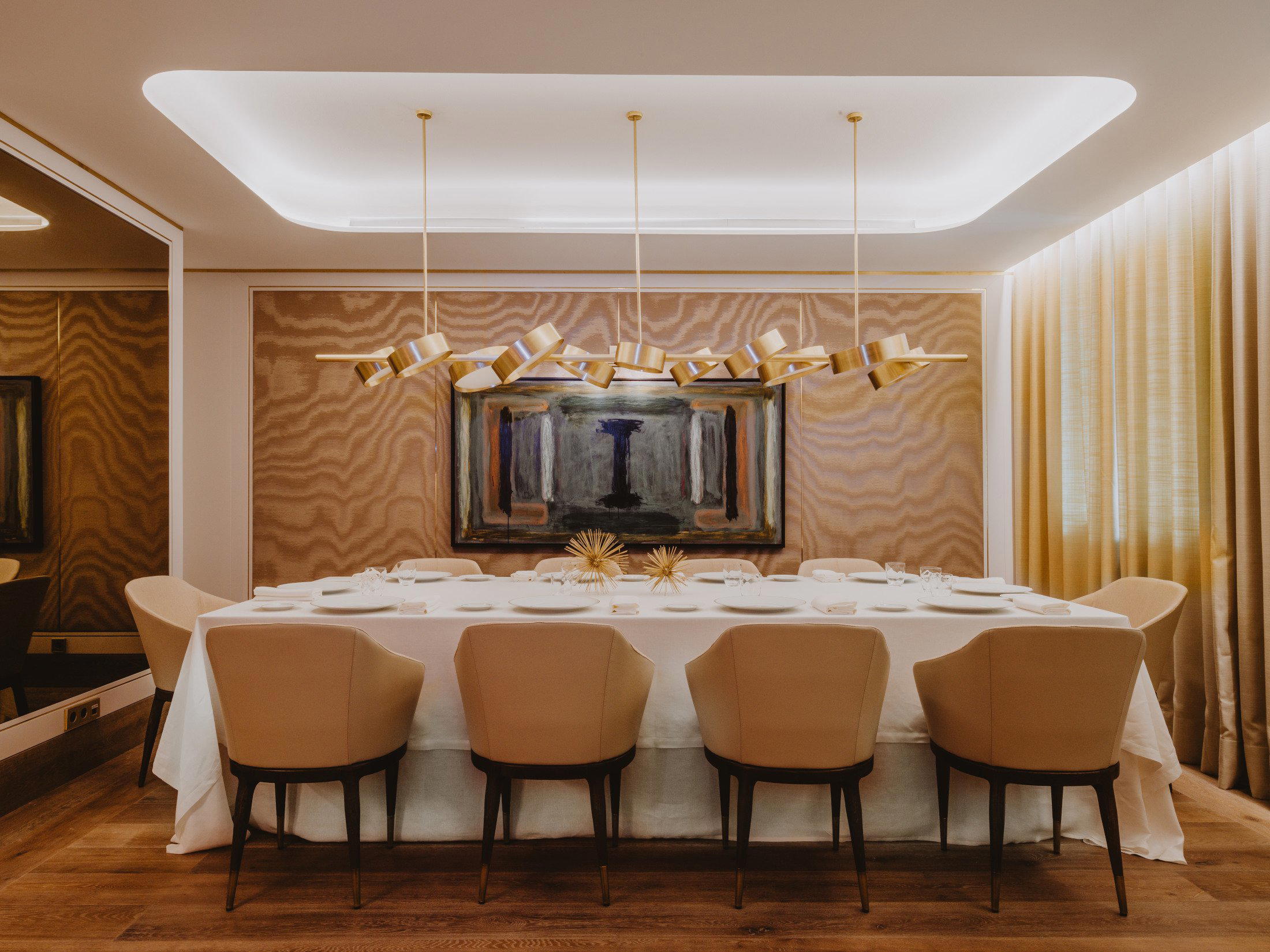
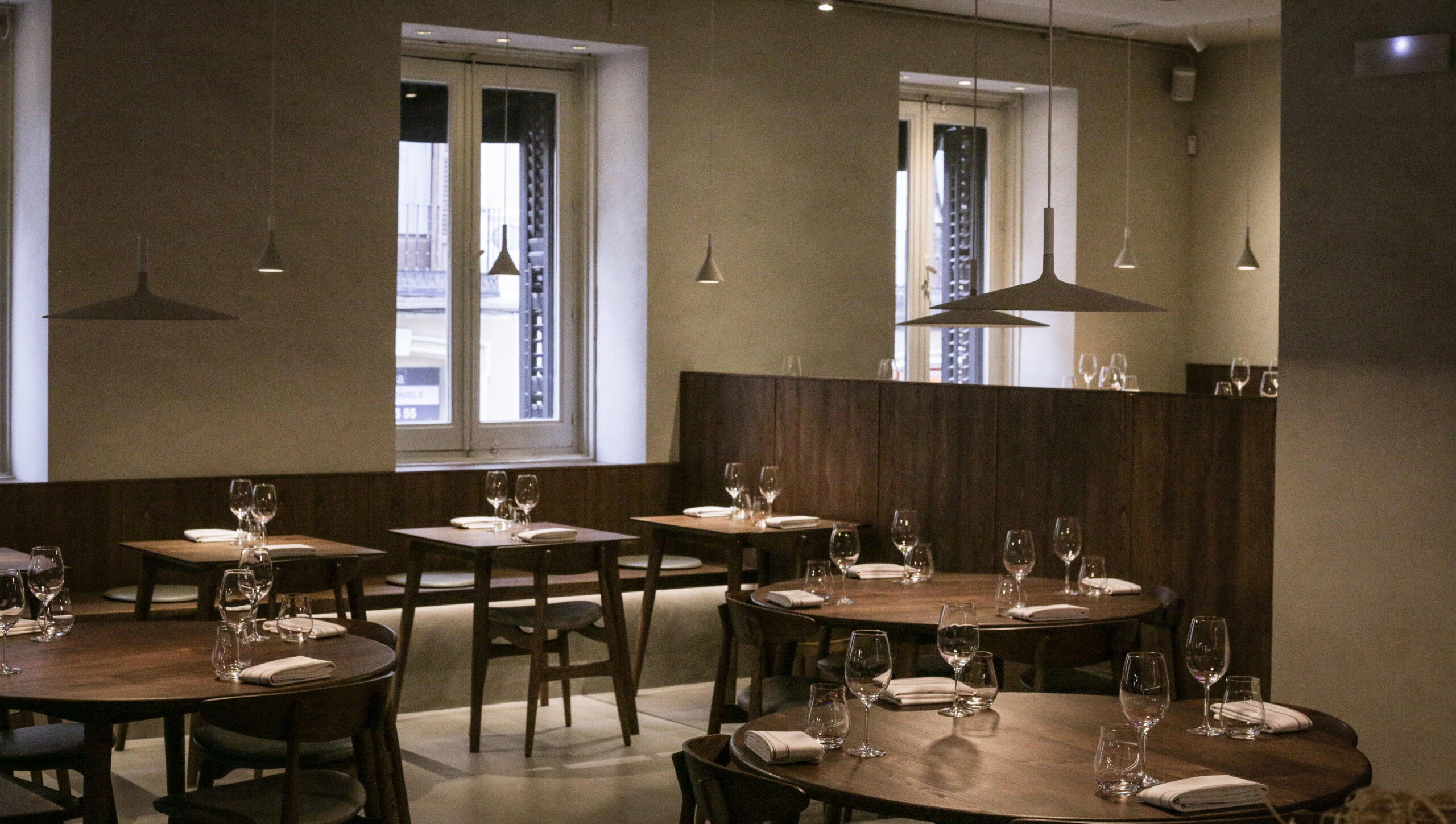
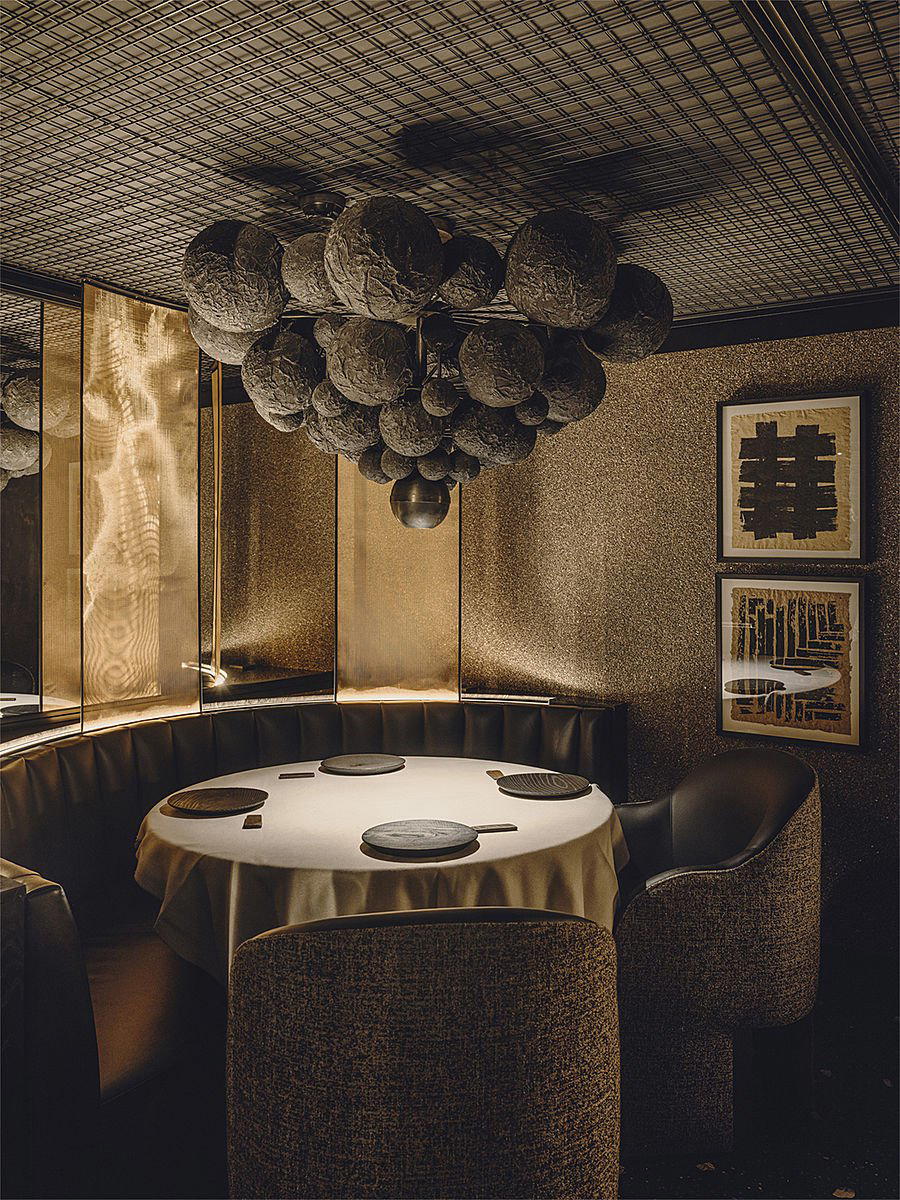
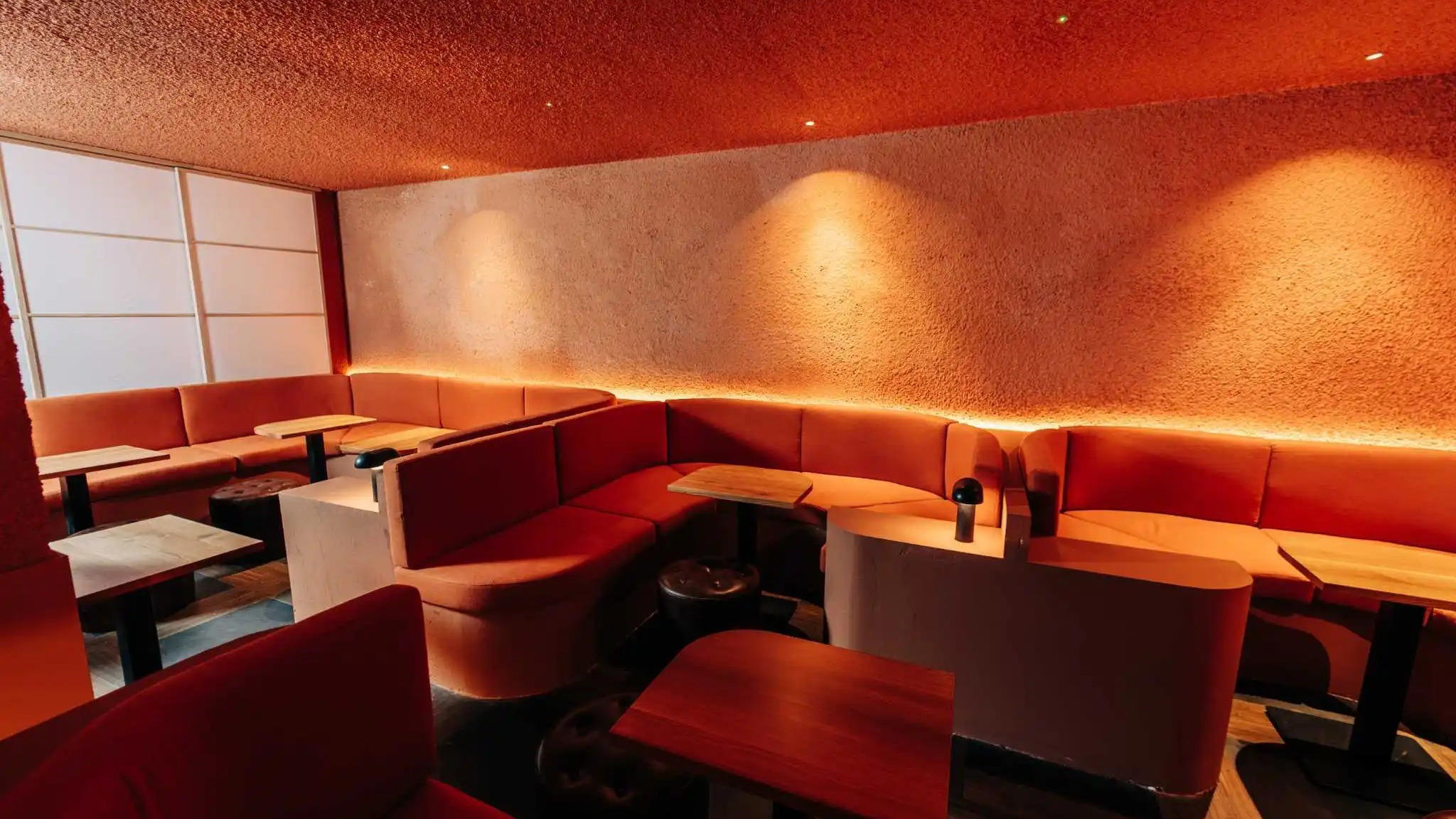
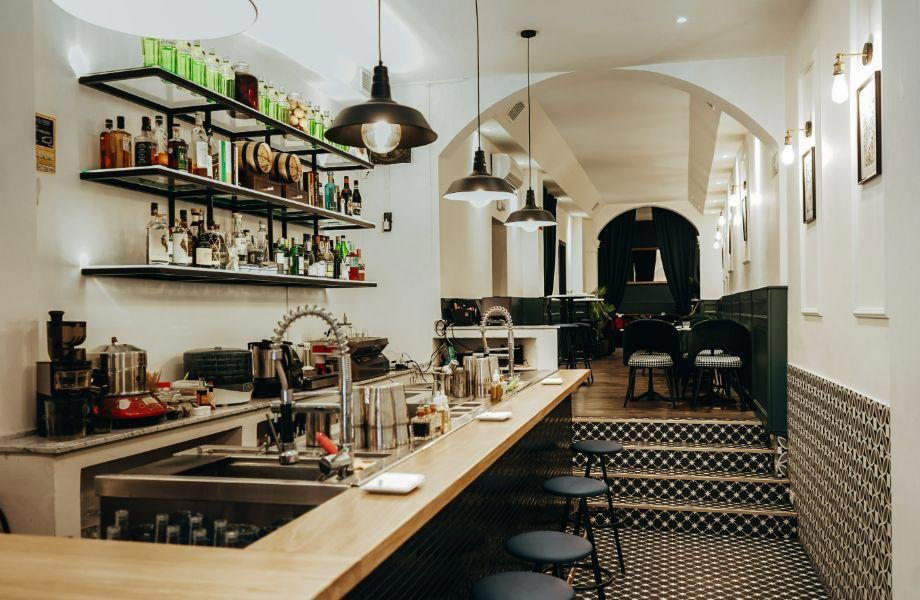
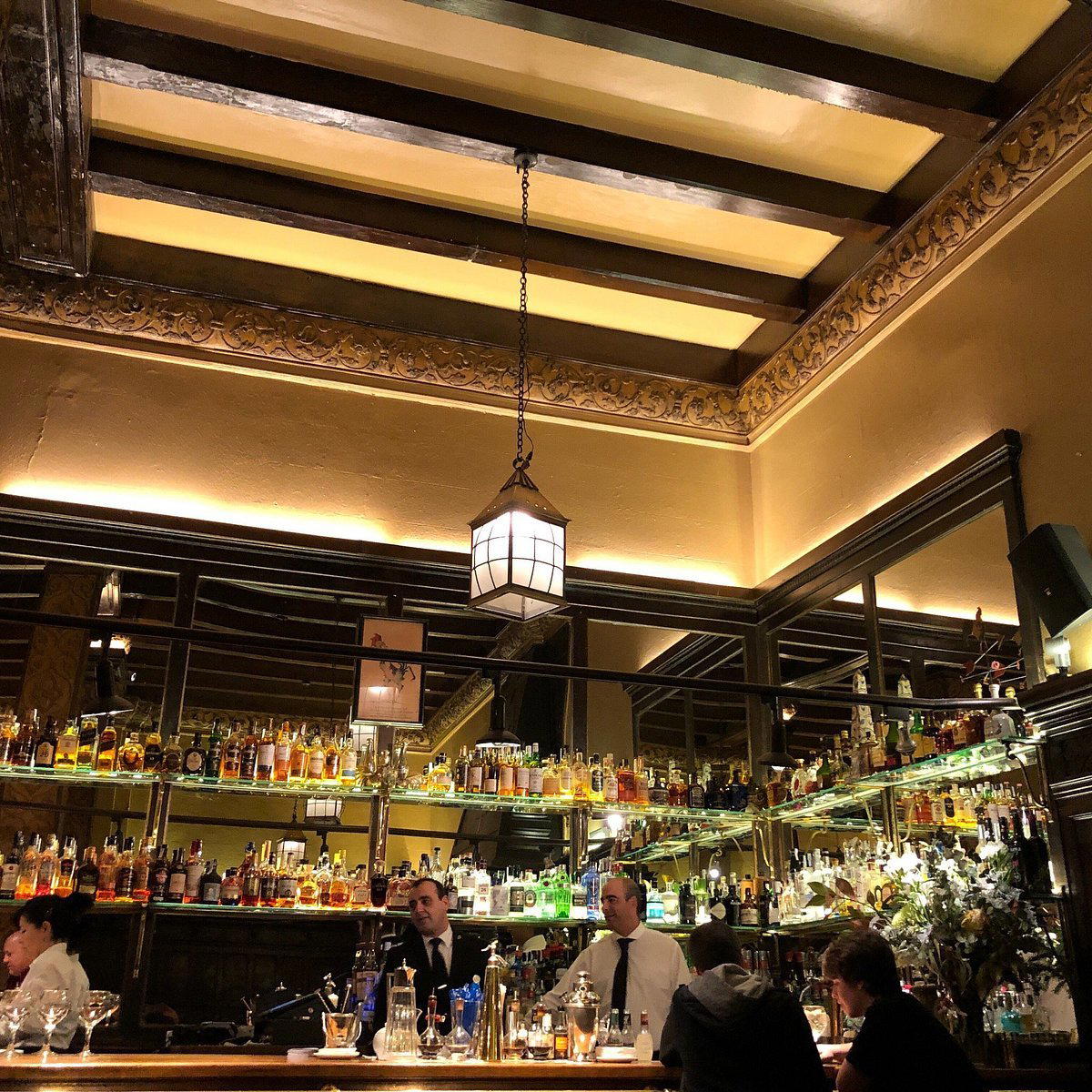
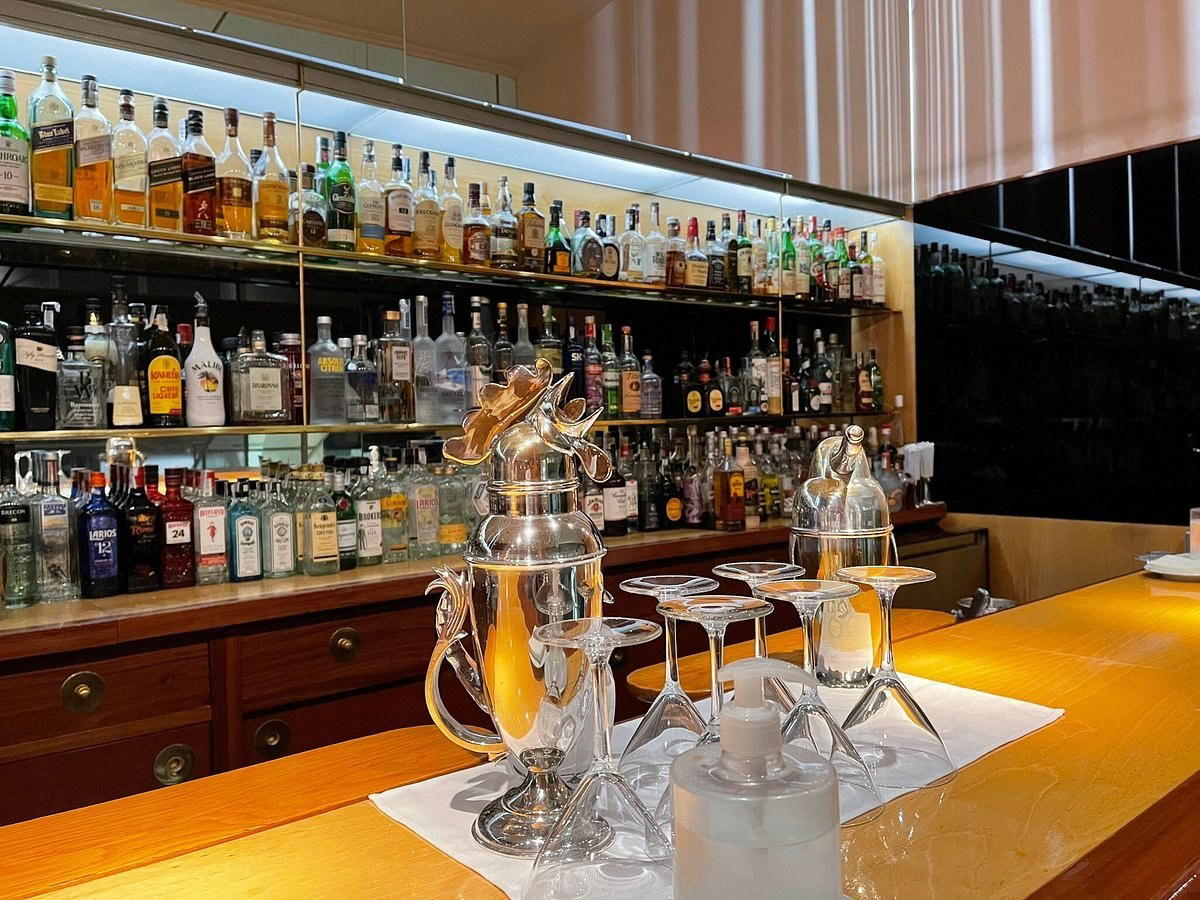
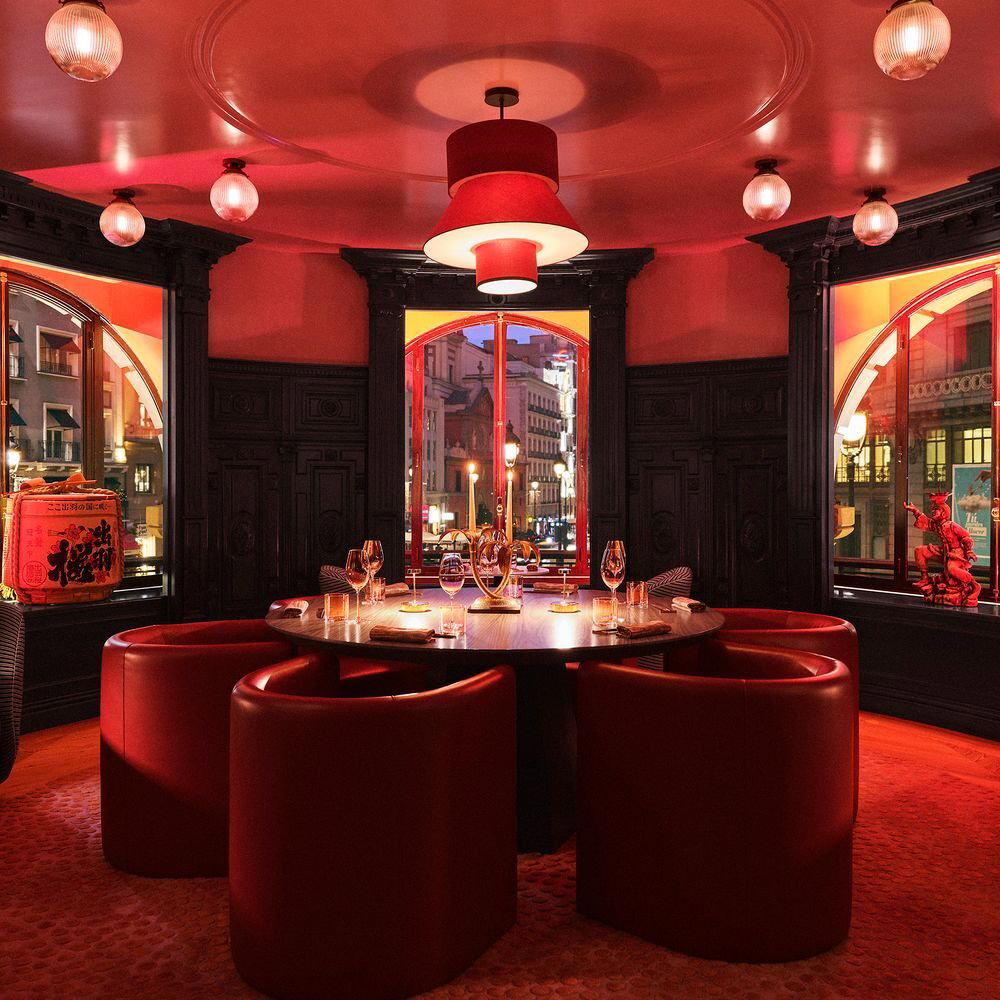
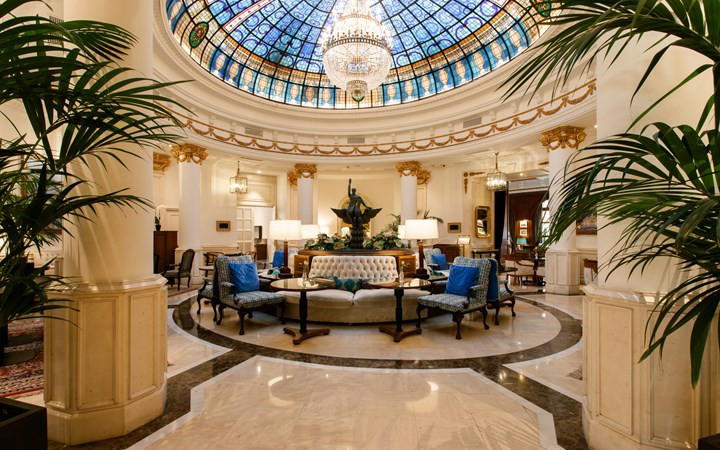
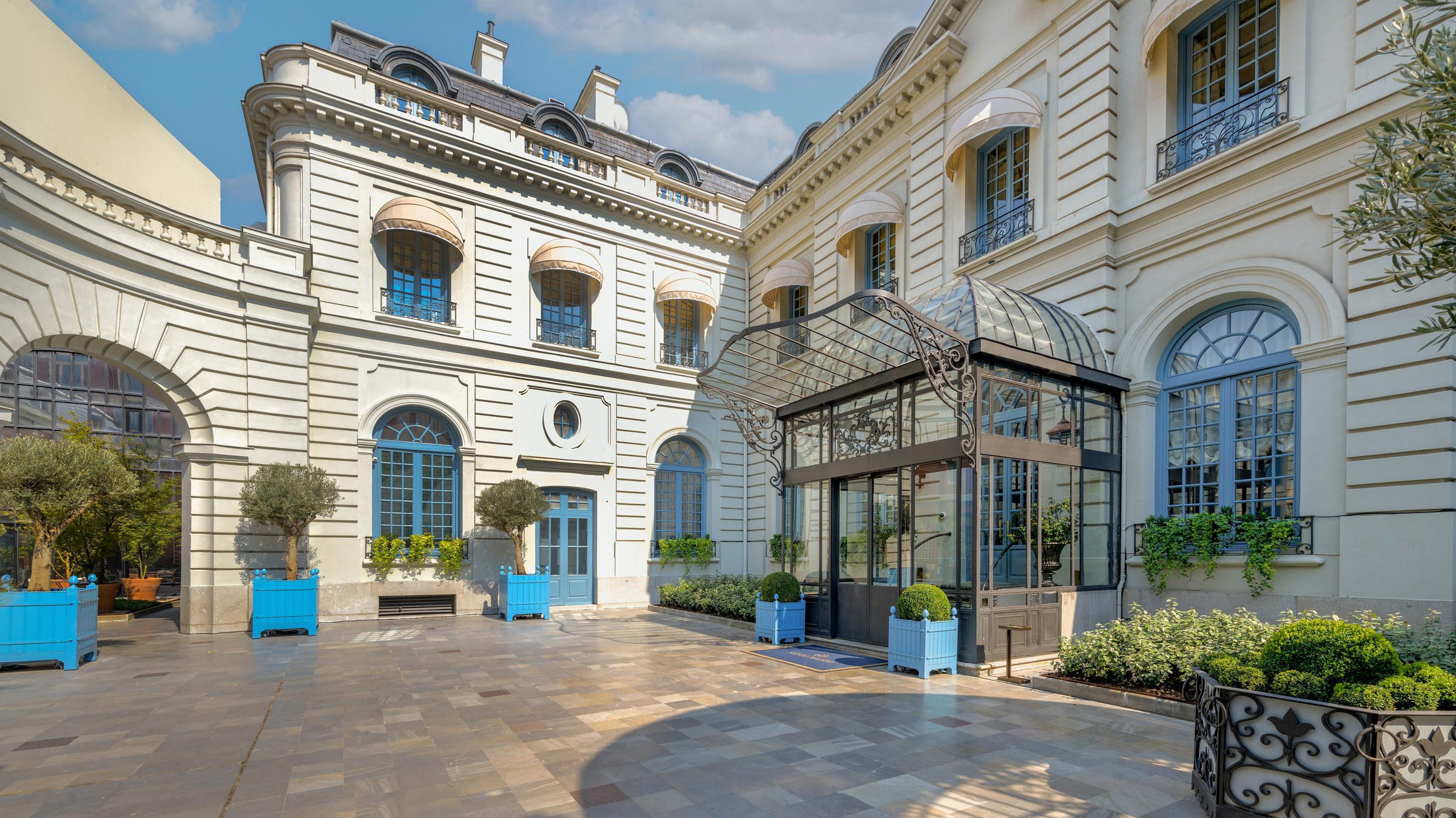
Intimate double-height space with neutral minimalistic decor, dramatic design, and personal atmosphere around the open kitchen.