
Ranked #34 on the Opinionated About Dining Casual in Japan list for 2025, Ramenya Iida Shouten operates out of the Yugawara area of Kanagawa's Ashigarashimo District, a town better known for its onsen than its noodle shops. With 1,748 Google reviews averaging 4 stars, this ramen counter has built a following that extends well beyond the local resort crowd. A reference point for serious ramen eating in the Kanagawa region.
 Discover on Pearl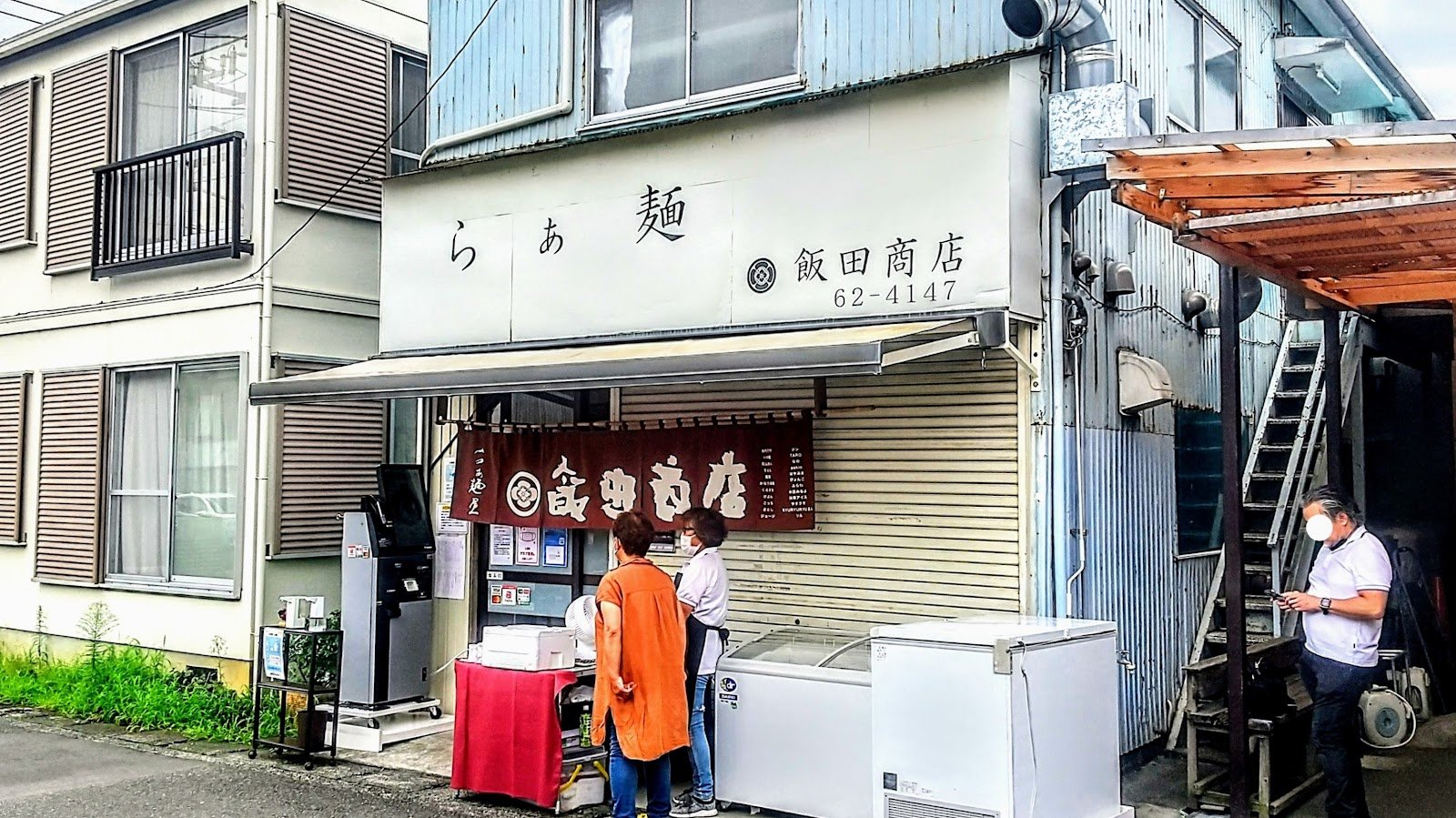
Yugawara's Ramen Counter in Context
Onsen towns along the Kanagawa coast are not typically where ramen reputations are made. The serious noodle geography of the prefecture tends to cluster around Yokohama's ie-kei lineage or the suburban Tokyo-adjacent stations where competition is fierce and turnover is daily. Yugawara, tucked near the Shizuoka border in the Ashigarashimo District, draws visitors primarily for its hot spring baths and ryokan stays. That a ramen shop in this setting has accumulated 1,748 Google reviews at a 4-star average and landed at #34 on the Opinionated About Dining Casual in Japan ranking for 2025 is a signal worth paying attention to.
The OAD Casual Japan list functions as something closer to a peer-reviewed ramen census than a mainstream guide. Nominations come from dedicated eaters who track regional shops with the same rigour applied to haute cuisine. Placement at #34 nationally puts Ramenya Iida Shouten in company with counters from Sapporo, Tokyo's Shinjuku ward, and Fukuoka's hakata belt — cities where ramen identity is baked into the urban DNA. A shop in a resort town earning that position is anomalous enough to warrant a detour.
The shortlist, unlocked.
Hard-to-book tables, cellar releases, and concierge-planned trips.
Get Exclusive Access →The Regional Style Question: Where Does Yugawara Ramen Sit?
Japan's ramen geography is rarely tidy. The broad Kanto versus Kansai frame — soy-forward broths and thicker, straighter noodles in the east; lighter, often chicken-based or salt-toned bowls in the west , describes tendencies rather than strict rules. Kanagawa sits firmly in Kanto territory, and its dominant ramen identity is ie-kei: the Yokohama-born style built on a pork-bone and soy tare base, medium-thick noodles, and the trinity of spinach, nori, and chashu. Shops in Yokohama like 1000 operate in a city where that tradition shapes the competitive baseline.
Yugawara, however, sits at the geographic edge of that tradition. The town's position near the Izu Peninsula and its historical connections to Shizuoka place it at a regional crossroads. Ramen shops in this zone can draw on Kanto soy foundations while borrowing lightness or local seafood character from producers closer to the Sagami Bay coast. The Kanagawa shoreline supplies ingredients that don't reach inland noodle shops, and that proximity shapes what ramen can be in this part of the prefecture. Whether Iida Shouten leans into that coastal position or operates within a more orthodox Kanto framework is a question the OAD ranking itself doesn't answer, but the ranking confirms the result earns attention regardless of the approach.
How This Fits the Casual Ramen Tier
The OAD Casual designation matters as a category signal. Japanese ramen operates across a surprisingly wide range of formats and ambition levels , from conveyor-style chains with pre-programmed broth to intensely focused single-bowl specialists who limit daily covers and post queues before opening. The mid-tier casual ramen shop, which Iida Shouten's ranking places it within, tends to be owner-operated or small-team, with consistent technique and a regular local clientele supplemented by destination visitors. Prices in this tier are typically accessible, making ramen one of the few categories in Japan where serious quality and everyday affordability coexist without tension.
For comparison, the broader Kanagawa dining scene covers substantial price and format range. Dinner at anchoa, a Spanish and seafood-focused restaurant in the region, runs from JPY 6,000 to JPY 19,999 depending on format, while the tempura counter Mikasa and the Italian dining room Salone 2007 occupy different registers entirely. A ramen shop ranked at national level sits in a completely separate value bracket from these, which is part of what makes the category compelling: the cost of entry is low, the craft ceiling is high.
The Onsen Town Dining Pattern
Eating well in a Japanese onsen town follows a different rhythm than urban dining. Guests arrive by afternoon, soak before dinner, and eat either at their ryokan or at a small local restaurant that knows its repeat visitor base. The dining scene in towns like Yugawara tends toward kaiseki-style ryokan meals, unagi, and regional seafood. A dedicated ramen counter cutting through that pattern with a nationally ranked reputation represents a different kind of institution: one that earns a trip on its own terms rather than as an extension of the onsen experience. For visitors already in Yugawara for the baths, Unagi Tomoei covers the traditional unagi format that defines much of the town's food identity, while Iida Shouten provides the counterpoint.
Where It Sits in a Broader Japan Ramen Circuit
Anyone tracking serious ramen across Japan's main islands will have a mental map shaped by Sapporo miso, Hakata hakata tonkotsu, Tokyo shoyu, and Kyoto-style lighter bowls. Kanagawa adds the ie-kei Yokohama thread to that map. A shop in Yugawara earning a top-40 national OAD Casual position extends that map southward along the Kanagawa coast in a direction most ramen circuits don't typically run.
For context on how ramen translates across geography, Afuri in Tokyo and its international offshoot Afuri Ramen in Portland demonstrate how a specific broth style , in that case, yuzu-shio , can define both a Tokyo address and an export identity. Iida Shouten's position is the inverse: a regional shop building a reputation that draws visitors inward rather than projecting outward. The ramen eating circuit in Japan frequently rewards exactly this kind of low-profile, high-conviction counter.
The broader Japan dining circuit around Kanagawa also connects to major reference points: Harutaka in Tokyo, HAJIME in Osaka, Gion Sasaki in Kyoto, akordu in Nara, and Goh in Fukuoka define the fine dining end of the regional spectrum. Iida Shouten operates in a different register but is no less purposeful as a destination for the right kind of traveller. See our full Kanagawa restaurants guide for the complete picture, and consult our Kanagawa hotels guide, bars guide, wineries guide, and experiences guide to build a fuller itinerary around the region.
Planning a Visit
Ramenya Iida Shouten is located at 2 Chome-12-14 Doi, Yugawara, in the Ashigarashimo District of Kanagawa. Yugawara is accessible from Tokyo via the JR Tokaido Line to Atami and a short transfer, or direct limited express services that run through the area. As with most well-regarded ramen counters in Japan, arriving early or timing a visit outside the peak lunch hour will generally reduce wait times. Given the OAD ranking and the relatively contained tourist infrastructure of Yugawara, it is reasonable to expect that demand concentrates around onsen-season weekends. Phone and website details are not available through our records, so confirming hours before travel is advisable. For broader Kanagawa trip planning, our Kanagawa dining guide covers the full range of options across the prefecture.
The shortlist, unlocked.
Hard-to-book tables, cellar releases, and concierge-planned trips.
Get Exclusive Access →Frequently Asked Questions
Cuisine-First Comparison
A short peer set to help you calibrate price, style, and recognition.
| Venue | Cuisine | Awards | Notes |
|---|---|---|---|
| Ramenya Iida Shouten | Ramen | Opinionated About Dining Casual in Japan Ranked #34 (2025) | This venue |
| Mikasa | Tempura | Tempura | |
| Salone 2007 | Italian | Italian | |
| Unagi Tomoei | Unagi | Unagi | |
| anchoa | Spanish, Seafood, European | Spanish, Seafood, European, JPY 15,000 - JPY 19,999 JPY 6,000 - JPY 7,999 |
Need a table?
Our members enjoy priority alerts and concierge-led booking support for the world's most difficult tables.
Get Exclusive AccessThe shortlist, unlocked.
Hard-to-book tables, cellar releases, and concierge-planned trips.
Get Exclusive Access →