
Ramen Yamasawa puts Sapporo ramen back in its working rhythm: compact room, counter-led service, ramen and tsukemen, and a reputation strong enough for selection in Tabelog 100 Ramen Hokkaido 2024 and 2025. In Shiroishi, away from the city’s hotel-heavy core, it reads as a practical, local-address bowl rather than a showpiece dining stop.
Pearl is the En Primeur Club membership app — saves, bookings, and concierge access live there. Same editors, same standards.
- Address
- 北海道札幌市白石区栄通2-8-25
- Phone
- +81118563737
- Website
- tabelog.com
 Saves & bookings on Pearl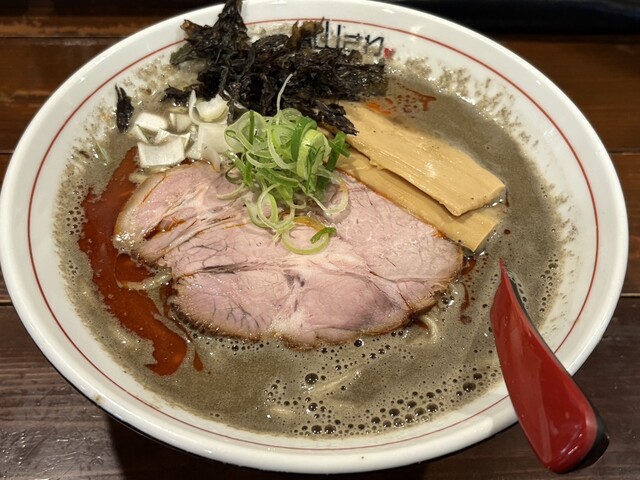
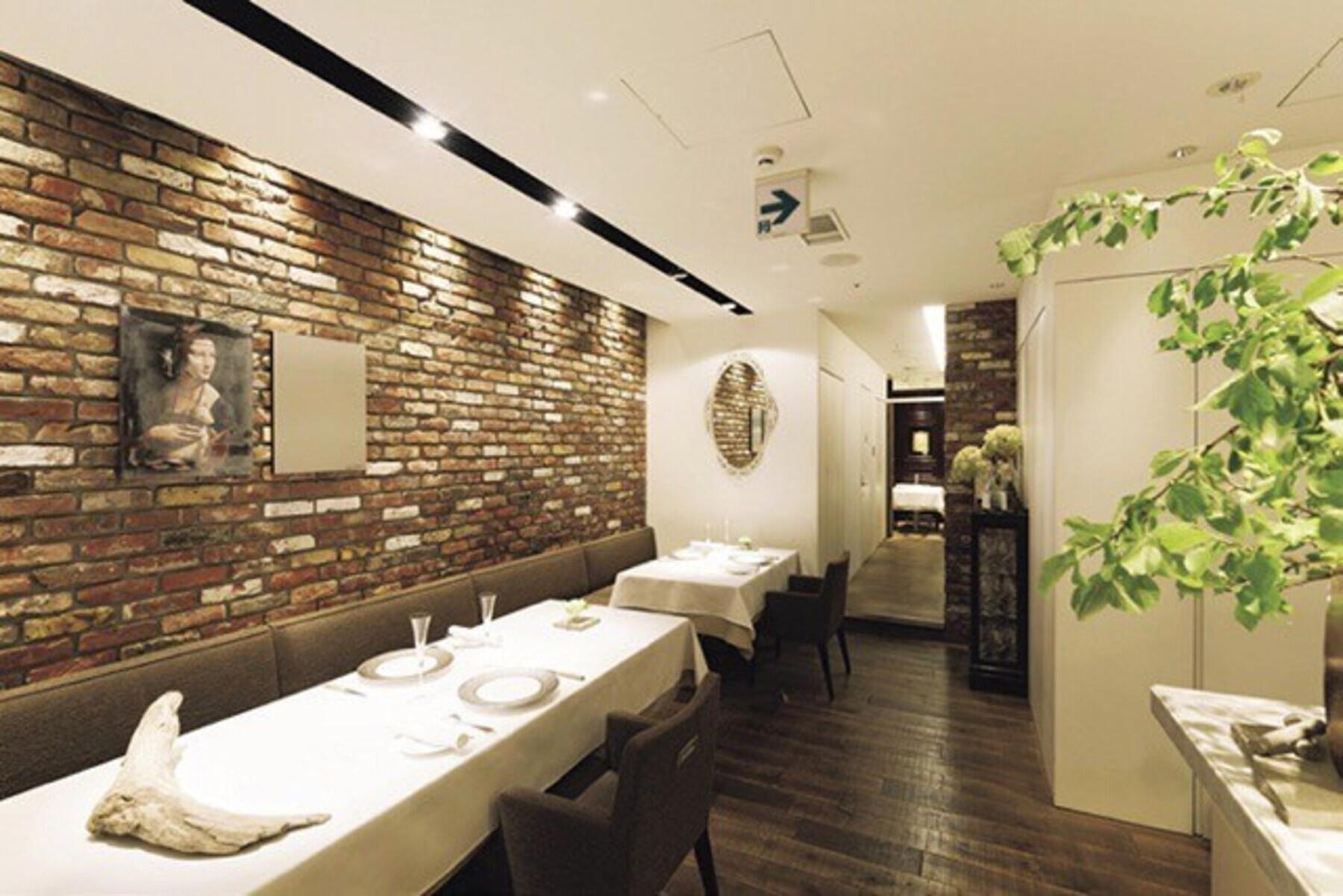
Shiroishi has a different ramen tempo from central Sapporo. The approach is more residential, less performative: low-rise streets, local regulars, and a room where counter seats matter because ramen is still a short-format meal built around heat, timing, and turnover. Ramen Yamasawa fits that register. The setting is compact, with counter seating and a small number of tables, so the experience is closer to a neighbourhood ramen shop than a destination dining room dressed for travellers.
That matters in Sapporo, a city often reduced by visitors to miso ramen shorthand. Hokkaido’s ramen culture is broader than a single style, and the stronger shops tend to reveal themselves through format rather than theatre: a focused noodle category, a room designed for solo diners as much as families, and enough local recognition to separate daily-use places from the general crowd. Selection for Tabelog 100 Ramen Hokkaido in both 2024 and 2025 places Ramen Yamasawa inside that narrower bracket of Hokkaido ramen addresses with repeat recognition, not just passing attention.
Shiroishi ramen in a compact counter room
The room’s scale does much of the editorial work. Fifteen seats, including seven at the counter and two four-person tables, creates a service pattern that suits ramen’s essential contract: order, wait briefly, eat while the bowl is at its intended temperature, then move on. This is not the long lunch version of Sapporo dining. It is the city’s more functional food culture, where the quality signal comes from concentration and consistency rather than ceremony.
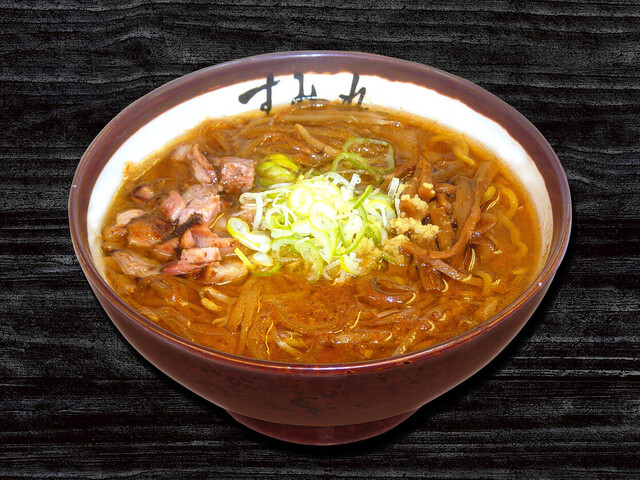
Ramen and tsukemen sit at the centre of the offer. That pairing is a useful marker in Hokkaido, where noodle shops often split between soup-first comfort and dipping-noodle formats built around texture, concentration, and the rhythm of alternating noodles and broth. Without turning the shop into a chef biography or menu catalogue, the point is clear: the cooking belongs to a category where the bowl is judged quickly and repeatedly by local diners, not by a single set-piece tasting.
In the immediate Sapporo comparison set, the price tier keeps the decision grounded. Ramen Yoshi operates in a similar sub-JPY 999 bracket, while Mendokoro Kyu and Ramen Shinwa sit in a JPY 1,000 to JPY 1,999 review-based range. That spread says something useful about the city: recognized ramen can remain a low-cost meal even when it carries award-list visibility. The contrast becomes sharper beside Sapporo venues in other categories, from soup curry addresses such as Magic Spice Sapporo honten to high-spend dining rooms such as Kuriya, where the financial commitment belongs to an entirely different night out.
The sensory logic is speed, steam, and proximity
Ramen shops in this tier are not built for lingering. The sensory frame is immediate: steam rising from bowls, close counter spacing, kitchen sounds moving across a small room, and the practical silence of diners concentrating on noodles before they soften. Those are category truths rather than invented tasting notes, but they explain why a small Shiroishi shop can be more revealing than a more polished central address. The closer the room sits to the cooking, the less distance there is between preparation and eating.
For travellers, this is also a useful correction to the idea that Sapporo’s food identity lives only around Susukino, hotel dining, or seafood markets. Shiroishi sits outside the usual first-night circuit, and that shift changes the meal. The audience is less dependent on visitors; the format has to work for repeat local use. A non-smoking room, family-friendly positioning, and solo-diner suitability all point toward a shop designed for everyday traffic rather than occasion dining.
The award context should be read carefully. Tabelog 100 selections are not Michelin stars, and they do not turn a ramen counter into luxury dining. Their value is different: they help identify places that perform strongly within a crowded category, especially in regions where local diners hold strong opinions about noodles, broth, and value. For Hokkaido ramen, repeat inclusion in 2024 and 2025 is a stronger signal than a single burst of attention.
How it fits into a sharper Sapporo itinerary
Ramen Yamasawa works well as part of a food itinerary that treats Sapporo by neighbourhood and category, not by a single checklist. Pairing a Shiroishi ramen stop with central Sapporo’s noodle and curry addresses gives a clearer read on the city’s everyday eating culture. For ramen and spice-led cooking nearby in the broader city conversation, EP Club’s Sapporo coverage also includes 175°DENO Tantanmen Sapporo kitaguchi ten, [Curry Senmon Ten] Maruyama Kyoju., Ajanta Indo Curry Ten, and Ajanta Sohonke. For a wider table map, use Our full Sapporo restaurants guide.
The broader Sapporo trip works better when food is not isolated from where the night is based. Travellers comparing districts can cross-reference Our full Sapporo hotels guide, Our full Sapporo bars guide, Our full Sapporo wineries guide, and Our full Sapporo experiences guide. For other Japanese and Japan-linked dining references across the EP Club archive, see Aigues Vives, -Grilled beef Sukiyaki- KAMAKURA TANUKIAN 鎌倉 たぬき庵 in Kamakura. 鮪と炭火焼き うお炭 秋葉原店 in Tokyo.cafe in Osaka.know in Kumamoto, (Shoku) Vietnam in Kawasaki, [ki:] in Kyoto, Jōdo Saké Bar in Los Angeles, and Onigiri Time in Pasadena.
The editorial case is simple: this is a small-format Sapporo ramen address with repeat Hokkaido award-list recognition, a low price tier, and a room calibrated for the way ramen is meant to be eaten. It suits travellers who want a grounded bowl in Shiroishi rather than another central-city meal shaped around convenience.
At-a-Glance Comparison
Side-by-side context: comparable cuisine and price.
| Venue | Cuisine | Price | Notes |
|---|---|---|---|
| Ramen YamasawaThis venue — the venue you are viewing | Ramen & Tsukemen Shop | $ | Not listed |
| Toripaitan Soba Yuu | Tori paitan ramen shop | $ | Shiroishi |
| Menya Takahashi | Tsukemen & ramen shop | $ | Toyohira |
| boulangerie coron Honten | Japanese Bakery | $ | Chūō |
| SAKURA BROWN | Sapporo-style soup curry shop | $ | Nishi |
| Menya hide | Sapporo ramen shop | $ | Kita |
Recognition history
Dated appearances from independent guides and award organizations, with the underlying list record or original source where available.
Tabelog 100 #18 · No. 18
Tabelog · Tabelog 100 - Ramen - HOKKAIDO - 2025
At a Glance
- Cozy
- Intimate
- Solo
- Family
- Casual Hangout
- Standalone
Simple, no-frills counter-and-table setup focused on ramen, with a casual, non-smoking, family- and solo-diner-friendly atmosphere typical of a busy local noodle shop.