
Tabelog 100 #9
Our verdict
Ramen Torikaji Ippai puts Ikoma’s ramen culture into sharp focus: a compact counter, chicken-led broths, soy sauce tied to Shimane sourcing, and repeated Tabelog Ramen WEST 100 selections from 2017 through 2025. The appeal is not luxury formatting but concentration, with ingredient choices doing the serious work inside an everyday ramen category.

Pearl is the En Primeur Club membership app, where members save venues, book tables and use the concierge.
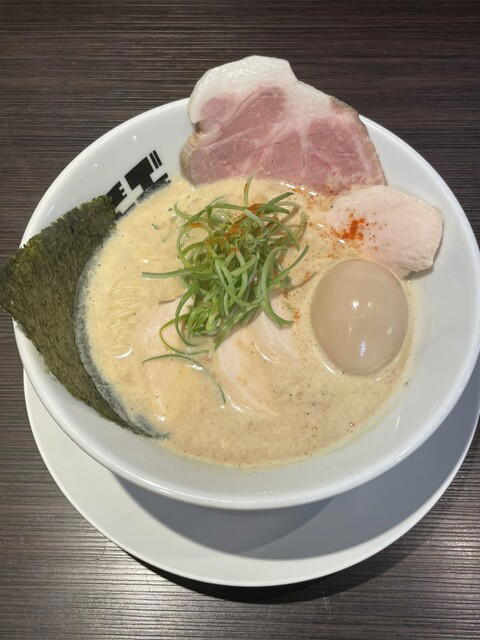
The menu
What to order
- Clear chicken soy sauce ramen
- Special salt ramen with scallop and seafood
- Original mixed soba (mazesoba)
- Creamy miso ramen
- Tsukemen with kelp water
- Yamato Angelica medicinal tsukemen "Celica"
Ikoma’s ramen scene is quieter than the station-front circuits of Osaka or Kyoto, which makes its serious shops easier to misread. The format here is practical and ingredient-led, without the ceremonial choreography of a destination dining room. In that setting, ramen has to make its case quickly. Ramen Torikaji Ippai belongs to the local ramen conversation where a focused bowl, modest pricing and regular appeal matter more than spectacle.
The useful way to read this shop is through the category it occupies rather than through chef mythology. Its public listing places it firmly in ramen, with both lunch and dinner shown in a very low spend band. That matters because an inexpensive ramen shop can still be judged closely on balance, seasoning and consistency. The point is not luxury; it is whether a quick bowl has enough clarity and purpose to stand out from routine neighbourhood ramen.
Ramen fundamentals, seasoning and the Kansai taste for restraint
Western Japan ramen often rewards precision over mass. In Osaka, Nara and Kyoto, the serious end of the category can work through lighter-feeling bowls, sharper seasoning decisions and local preference rather than the heavier identity associated with some other ramen regions. Ramen Torikaji Ippai fits that broader pattern. Its inclusion in Tabelog’s ramen recognition for 2025 signals public approval rather than relying on a single anecdotal recommendation.
That recognition matters because ramen ratings in Japan tend to be ruthless at the margins. A shop can be inexpensive and casual while still competing in a highly technical field. Here, the available public evidence points toward a place whose credibility rests on ramen fundamentals: a narrow category, a modest price band, and a Tabelog score that places it above ordinary casual listings. The appeal is not a long menu narrative but the discipline expected from a specialist ramen address.
Ingredient choices in this kind of shop are not decorative footnotes; in ramen, seasoning and structure are architecture. They control salinity, aroma, umami and finish. For diners who usually think of ramen as either pork-rich or chilli-driven, Ikoma offers a useful corrective: a small ramen stop can be delicate and assertive at once, provided the bowl is handled with discipline. Ramen Torikaji Ippai is best approached with that expectation.
A compact ramen stop in Ikoma, not a destination dining room
The small-scale ramen format matters. Quick, focused eating changes the tempo of a meal: ordering, eating and moving on are part of the rhythm. This is not the format for lingering over a bottle list or staging a long catch-up. It is better understood as a focused lunch or dinner stop, the kind of place where the food itself carries the experience. In a specialist ramen shop, inconsistency has fewer places to hide.
Ikoma also shapes the decision. The city sits outside the dining gravity of central Osaka and Kyoto, so its stronger restaurants tend to function as local commitments rather than convenience add-ons for international travellers. That helps explain why nearby dining choices can feel spread across categories rather than clustered into a single nightlife strip. Readers mapping a wider Ikoma itinerary can compare the ramen format with other Ikoma dining rooms and more leisurely local meals. The contrast is useful: ramen here is not trying to compete with full-service dining; it is playing a narrower, more exacting game.
Comparison within the permitted local frame also helps set expectations. Ramenya Mitsuba, Sosakukushinomise Rindo, A VOTRE SANTE and Unagino Toyokawa offer useful reference points because they sit in the same broader local dining map while serving different dining purposes. That spread underlines the point: Ramen Torikaji Ippai is not a substitute for a long dinner. It is a small-format ramen address whose credibility comes from specialist recognition and a category that treats the bowl itself as the main event.
How to place it in an Ikoma food day
The smartest use of this ramen stop is as a precision meal within a broader Ikoma plan. Its Tabelog score of 3.69 and 2025 ramen recognition add public signals that the shop sits above routine neighbourhood ramen. Those markers do not turn it into formal dining, and they should not. The appeal is the opposite: an affordable, tightly edited ramen meal with enough specialist credibility to reward attention.
For a broader local map, use Our full Ikoma restaurants guide alongside Our full Ikoma hotels guide, Our full Ikoma bars guide, Our full Ikoma wineries guide and Our full Ikoma experiences guide. Travellers extending the same ingredient-focused lens across Japan can compare other dining categories generically, from casual counters and grill-focused rooms to cafés, curry shops and bars. The same principle travels well beyond Japan too: Japanese formats change when they leave their home context, but the useful question remains the same—whether a simple format is executed with enough focus to feel memorable.
Frequently asked questions
Is Ramen Torikaji Ippai good for families?
Ramen Torikaji Ippai is best understood as a simple ramen stop in Ikoma. Families should expect a compact, casual format rather than a long, full-service meal.
What should I expect atmosphere-wise at Ramen Torikaji Ippai?
Expect a focused ramen setting in Ikoma. The appeal is practical and specialist rather than formal or lingering.
What does dinner at Ramen Torikaji Ippai typically cost?
Pricing at Ramen Torikaji Ippai is listed as - JPY 999 - JPY 999.
What's the address for Ramen Torikaji Ippai?
Ikoma.
Do I need a reservation for Ramen Torikaji Ippai?
Plan for a straightforward ramen visit in Ikoma and check current operating details before going.
What's the standout thing about Ramen Torikaji Ippai?
Its strongest credential is Tabelog ramen recognition for 2025, supported by a listed Tabelog score of 3.69 and a very low stated price band.
A Quick Peer Check
Comparable venues by cuisine and price in the same metro.
| Venue | Cuisine | Price | Awards | Notes |
|---|---|---|---|---|
| Ramen Torikaji IppaiThis venue (the venue you are viewing) | Specialty Chicken Ramen Shop | $10–20 | Tabelog 100 #9 | Not listed |
| æ æ¨ | japanese | Not listed | Not listed | Ikoma District |
| Kimiya | Special Select Wagyu Yakiniku | $150–200 | Tabelog 100 #94 | Gakken Nara Tomigaoka |
| Mori no Restaurant Lucky Garden | Sri Lankan curry & cafe in a forest garden | $30–50 | Tabelog 100 #66 | Ikoma |
| Chuka Soba Hayami | Traditional Wakayama Ramen | Not listed | Not listed | Shingu |
| Mutepou Souhon ten | Tonkotsu Ramen Shop | $10–20 | Tabelog 100 #21 | Kizugawa |
Recognition history
Dated appearances from independent guides and award organizations, with the underlying list record or original source where available.
Tabelog 100 #9 · No. 9
Tabelog · Tabelog 100 - Ramen - WEST - 2025
Continue exploring
More in Ikoma
Restaurants in Ikoma
All restaurants in Ikoma →


Bars in Ikoma
Browse all →
Hotels in Ikoma
Browse all →



Wineries in Ikoma
Browse all →
Details
- Cozy
- Modern
- Solo
- Family
- Casual Hangout
- Standalone
- A La Carte
- Counter Dining
Small, non-smoking counter-only ramen shop with a stylish yet relaxed atmosphere, suited to solo diners and families looking for a casual, focused ramen experience.