
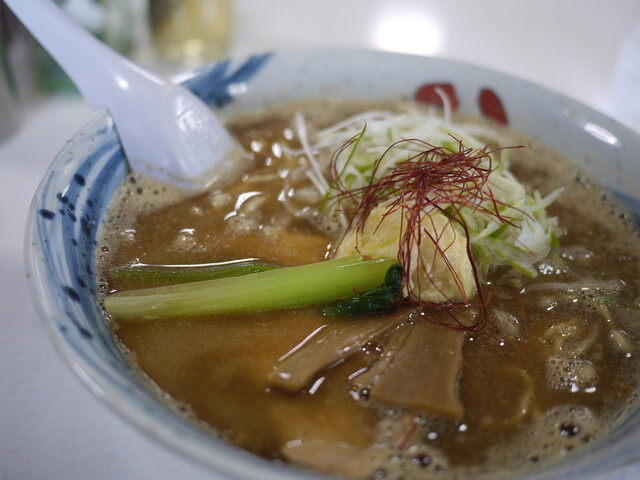
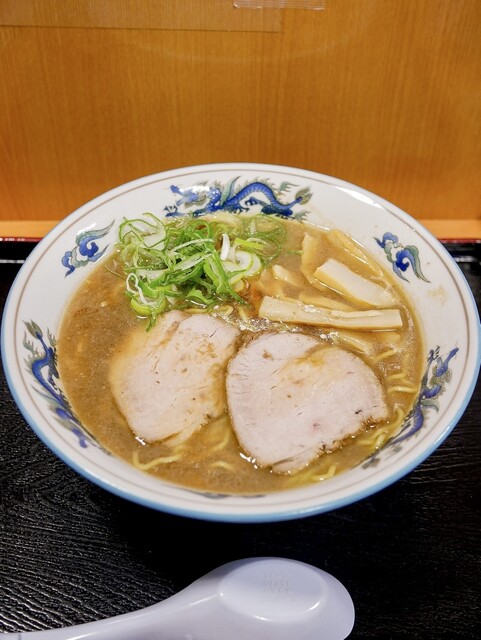
Asahikawa ramen culture rewards directness: a defined regional style, counter-led rooms, and prices that keep the focus on the bowl rather than the performance around it. Ramen Senmon Tsuruya sits in that practical Hokkaido bracket, with Tabelog 100 Ramen HOKKAIDO selections in 2024 and 2025 giving it a credentialed place in the regional conversation.
Pearl is the En Primeur Club membership app — saves, bookings, and concierge access live there. Same editors, same standards.
- Address
- 北海道旭川市四条通19丁目左10
- Phone
- +81166315814
- Website
- tabelog.com
 Saves & bookings on Pearl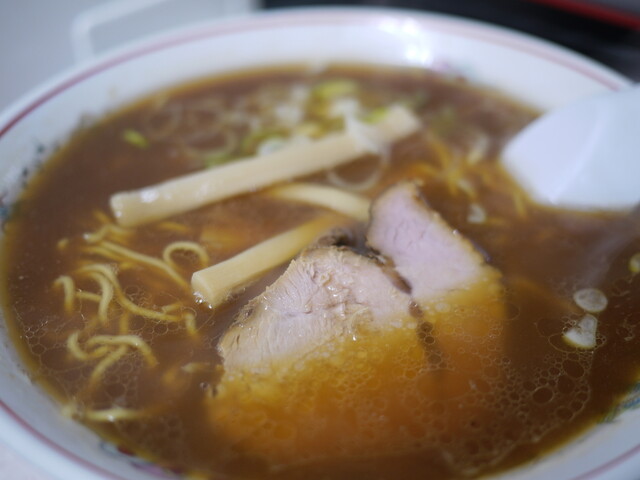
Approaching a serious ramen shop in inland Hokkaido rarely feels theatrical. The cues are more functional: a local street, a steady room rhythm, counter seats doing much of the work, and a dining format built around speed rather than ceremony. That matters in Asahikawa, where ramen has long been treated less as a tourist performance than as a cold-climate staple with its own regional grammar.
Ramen Senmon Tsuruya belongs to that school. Its recognition on Tabelog 100 Ramen HOKKAIDO in both 2024 and 2025 places it among the region’s better-documented ramen addresses, but the appeal is not a luxury signal. It is the opposite: a low-ticket, high-specificity meal in a part of Hokkaido where ramen is measured by clarity of style, table turnover, and whether the room works for solo diners as naturally as for families.
Asahikawa ramen is the context, value is the argument
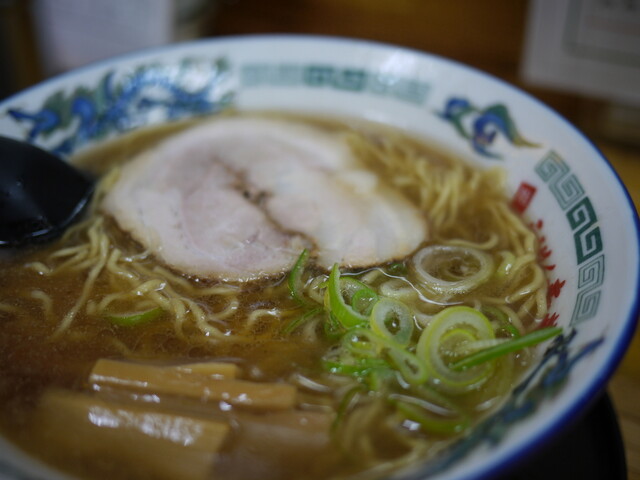
Hokkaido ramen is often flattened into a Sapporo-miso shorthand, but Asahikawa has a different identity. The city’s ramen tradition is associated with soy-led broths, a colder inland climate, and bowls designed to hold heat without drifting into showmanship. That regional distinction is the reason a meal here reads differently from the butter-corn imagery that still follows Sapporo ramen abroad.
Within that frame, the value proposition is unusually clear. This is not a tasting-menu interpretation of ramen, nor a reservation-led counter trying to reprice the category. The format remains close to ramen’s working logic: choose, eat, move on. A 35-seat room, including counter seating and table formats, gives it more flexibility than the tighter urban counters that dominate ramen queues in larger Japanese cities. For travelers comparing Hokkaido meals, that makes the restaurant useful in a precise way: it offers regional specificity without asking for fine-dining time, dress, or spend.
The recognition matters because ramen is a crowded field in Hokkaido. Tabelog’s ramen lists tend to reward consistency and local relevance rather than international polish. A repeat selection signals that the shop is being judged inside its own category, against ramen peers rather than against broader restaurant glamour. That is the right lens. Ramen Senmon Tsuruya is better understood as part of Hokkaido’s everyday excellence economy, where a modest bill can still carry a strong sense of place.
A practical room, not a ceremonial counter
The dining room structure tells the reader how to use the place. Counter seating suits the solo ramen pattern: quick ordering, minimal social overhead, and a meal that does not require negotiation with a large group. Tables and raised-platform seating broaden the audience, which explains why the shop works for families and friends as well as solitary diners. That mix is common in regional Japan and less common at the narrower, destination ramen counters that international visitors tend to chase.
Payment and access also point to an old-school, low-friction model rather than a digital-first restaurant operation. Cash planning is sensible, and the absence of reservations keeps the decision tactical: arrive with patience, avoid building the day around a fixed seating, and treat the meal as part of an Asahikawa food stop rather than a long-form event. Parking availability also changes the calculus for travelers moving through Hokkaido by car, where regional eating often rewards mobility more than hotel-to-restaurant convenience.
In the comparison set, the pricing logic remains firmly ramen-native. Hachiya Asahikawa honten and Asahikawa Ramen Aoba Honten sit in the lower sub-¥1,000 bracket, while Ramenya Tenkin Shijou ten aligns more closely with the ¥1,000–¥1,999 tier. Tsuruya belongs to that latter band, so the decision is less about splurge versus thrift than about which Asahikawa ramen expression a traveler wants to prioritize. The spread is narrow enough that style and logistics carry more weight than cost.
How to place it inside a Hokkaido eating itinerary
For readers based in Sapporo, this is not the same decision as adding another central-city ramen stop. It is better framed as part of an Asahikawa leg, where ramen functions as a regional anchor rather than a convenient late-night bowl. That distinction helps prevent a common planning error: treating all Hokkaido ramen as interchangeable. Sapporo, Asahikawa, and other parts of the island have overlapping comfort-food appeal, but their ramen cultures are not identical.
A broader Sapporo itinerary can still use the comparison. 175°DENO Tantanmen Sapporo kitaguchi ten points toward spice and sesame-driven urban ramen culture, while [Curry Senmon Ten] Maruyama Kyoju., Ajanta Indo Curry Ten, and Ajanta Sohonke show how Hokkaido’s casual dining range extends well beyond noodles. Aigues Vives adds another useful contrast, proving that the region’s food map is not only built around soup, rice, and curry.
For planning across categories, use Our full Sapporo restaurants guide for dining context, then pair it with Our full Sapporo hotels guide, Our full Sapporo bars guide, Our full Sapporo wineries guide, and Our full Sapporo experiences guide when the trip needs more than meals. For readers building a wider Japan file, the contrast between regional everyday dining and destination-specific formats continues at -Grilled beef Sukiyaki- KAMAKURA TANUKIAN 鎌倉 たぬき庵 in Kamakura,. 鮪と炭火焼き うお炭 秋葉原店 in Tokyo,.cafe in Osaka,.know in Kumamoto, (Shoku) Vietnam in Kawasaki, and [ki:] in Kyoto. Japanese food culture also travels well abroad, with Jōdo Saké Bar in Los Angeles and Onigiri Time in Pasadena showing how focused formats can carry a clear identity outside Japan.
The editorial case for Ramen Senmon Tsuruya is therefore not rarity or spectacle. It is calibration. In a region where ramen remains both daily food and serious local craft, the reward is a bowl with a strong sense of place, served in a room that keeps the economics honest.
Credentials Lens
Comparable venues for context, by category and price tier.
| Venue | Cuisine | Price | Awards | Notes |
|---|---|---|---|---|
| Ramen Senmon TsuruyaThis venue — the venue you are viewing | Traditional Sapporo Ramen Shop | $ | , | |
| Sapporo Junren Kita 31 jou ten | Traditional Sapporo ramen | $ | , | Higashi |
| Chuka Soba Usagi | Japanese Ramen | $ | , | Kita |
| Marutaka Ramen | Sapporo ramen & pork rice bowls | $ | , | Kita |
| LOOK-Ka PyPy | Japanese Soup Curry | $ | , | Toyohira |
| Dokushaku Sanshiro | Traditional Hokkaido Izakaya & Seafood | $$ | , | Asahikawa |
Continue exploring
More in Sapporo
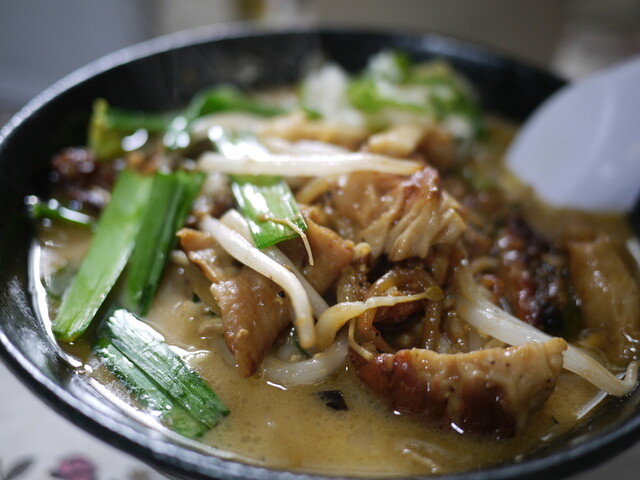
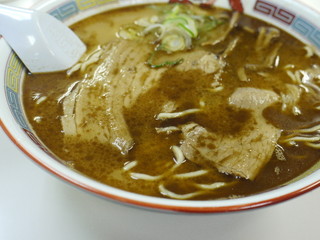
At a Glance
- Cozy
- Classic
- Hidden Gem
- Solo
- Casual Hangout
- Late Night
- Chefs Counter
- Standalone
Simple, old-school ramen shop with a compact counter, bright functional lighting, and a casual, bustling atmosphere typical of late-night local spots in Susukino.