
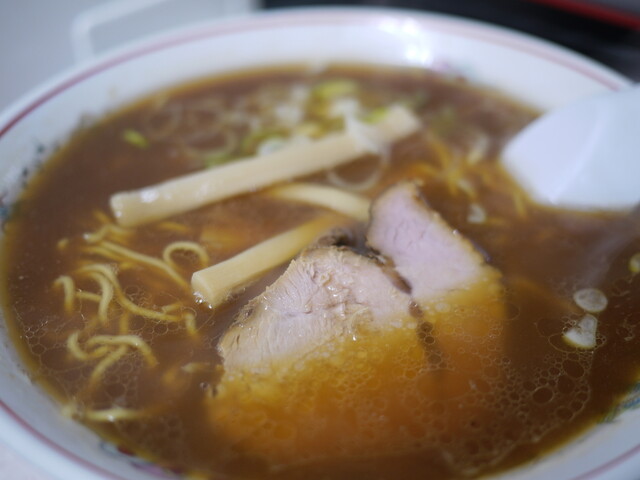
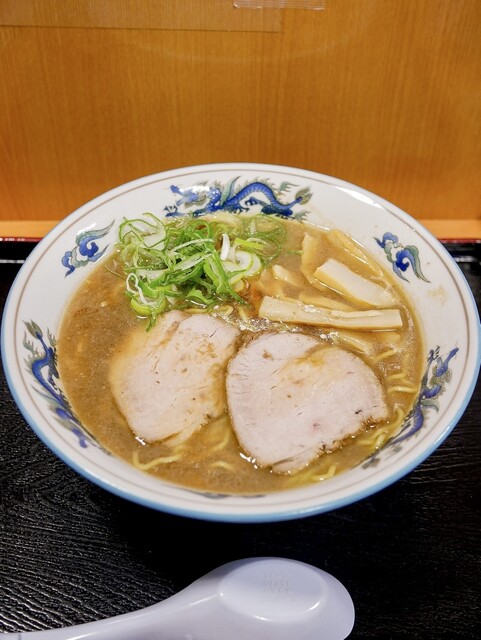
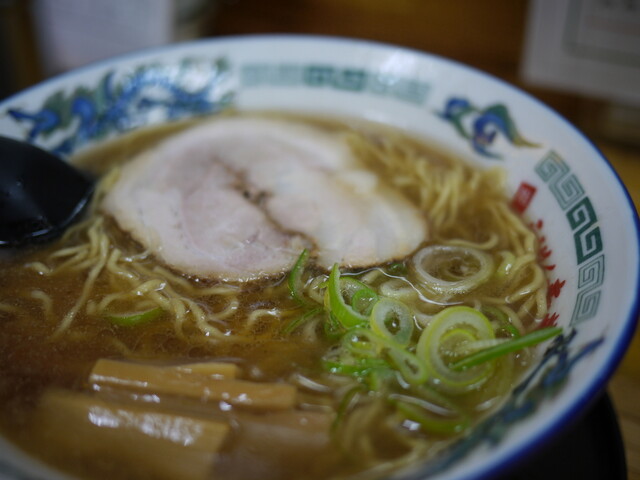
Asahikawa ramen occupies a different lane from Sapporo’s miso-heavy reputation, and Hachiya Asahikawa honten is a useful anchor for that Hokkaido contrast. Selected for Tabelog Ramen HOKKAIDO “Tabelog 100” in 2024 and 2025, it sits in the old-school ramen tier where turnover, broth discipline, and table service matter more than theatrics.
Pearl is the En Primeur Club membership app — saves, bookings, and concierge access live there. Same editors, same standards.
- Address
- 15 Chome-左8 3 Jodori, Asahikawa, Hokkaido 070-0033, Japan
- Phone
- +81 166-23-3729
- Website
- tabelog.com
 Saves & bookings on Pearl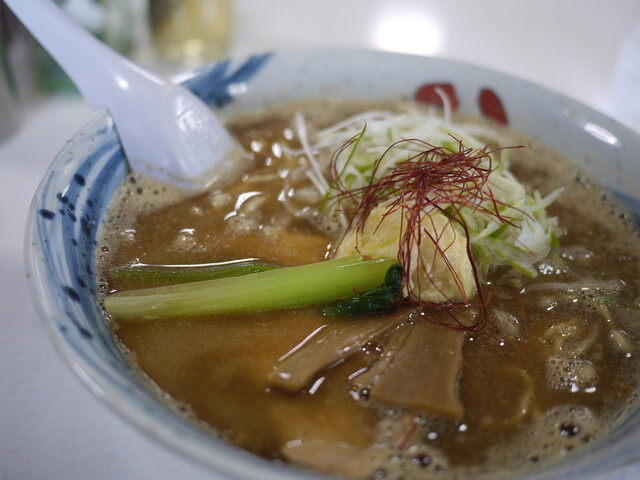
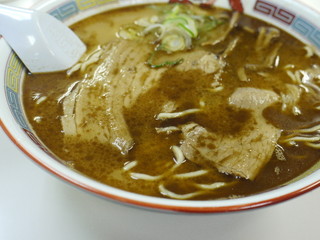
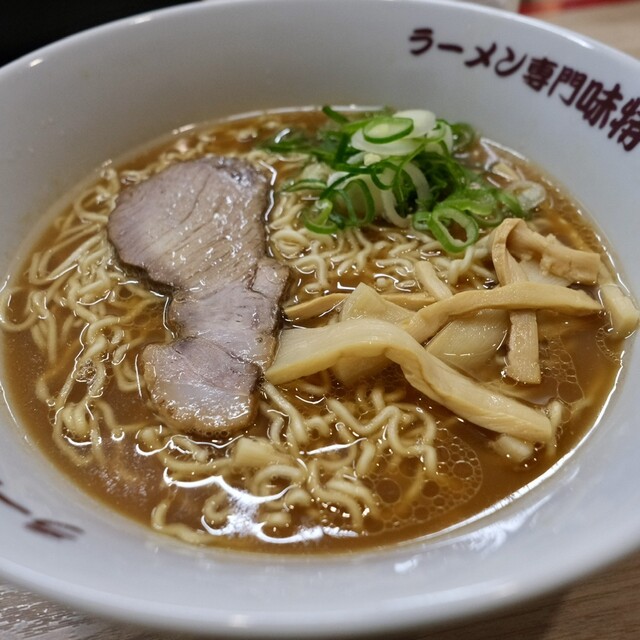
Approaching an Asahikawa ramen shop is not the same proposition as arriving for Sapporo miso ramen. The city’s ramen culture is built less around metropolitan polish than around speed, heat retention, and a room that moves in lunch-hour rhythms: tickets, bowls, water, reset. Hachiya Asahikawa honten belongs to that practical Hokkaido grammar. Its recognition in Tabelog Ramen HOKKAIDO “Tabelog 100” for both 2024 and 2025 places it in a competitive regional group, but the more useful point for travelers is stylistic. This is a counterpoint to Sapporo’s butter-corn shorthand, and a reminder that Hokkaido ramen is not a single bowl.
For a broader read on the city’s dining map, Our full Sapporo restaurants guide gives the capital’s restaurant context, from ramen and soup curry to bakeries and specialist counters. Travelers building a food-led itinerary can pair it with Our full Sapporo hotels guide, Our full Sapporo bars guide, Our full Sapporo wineries guide, and Our full Sapporo experiences guide, since Hokkaido rewards planning by district rather than by a single meal.
Asahikawa ramen sits apart from Sapporo's miso shorthand
Hokkaido’s ramen identity is often flattened into Sapporo miso, but Asahikawa has its own logic. The city is associated with shoyu-leaning ramen and cold-weather structure, a style historically shaped by pork, seafood, and fat layered for warmth rather than by the sweeter, heavier miso associations of Sapporo. That regional distinction explains why an Asahikawa address matters editorially even on a Sapporo-facing page: the venue points to a wider Hokkaido ramen circuit, not just another bowl in the capital’s orbit.
The useful comparison is with other Asahikawa-linked names rather than with every ramen counter in central Sapporo. Ramen Senmon Tsuruya and Ramenya Tenkin Shijou ten sit in a higher stated budget band, while Asahikawa Ramen Aoba Honten, Hachiya Gojou sougyou ten, Aji Toku Honten, and Hachiya Asahikawa honten occupy the leaner end of the ramen price spectrum. That matters because value in this category is not a consolation prize. It is part of the form: a bowl served quickly, with the kitchen and floor working as one system, is the point.
Within Sapporo itself, the contrast becomes sharper when set against specialist formats such as 175°DENO Tantanmen Sapporo kitaguchi ten, where the city’s noodle culture bends toward spice and Sichuan influence. Curry tells another story: [Curry Senmon Ten] Maruyama Kyoju., Ajanta Indo Curry Ten, and Ajanta Sohonke show how Hokkaido’s everyday dining culture runs on more than ramen alone. Add Aigues Vives, and the region’s appeal looks less like a checklist of famous dishes and more like a network of small-format specialists.
The room works because the kitchen, floor, and pacing stay aligned
Ramen service exposes weak teamwork faster than fine dining does. A long tasting menu can hide delays behind wine, conversation, and choreography; a ramen shop cannot. The kitchen has to keep broth, noodles, toppings, and bowls moving in sequence, while the floor absorbs arrivals, clears tables, and keeps the queue from turning chaotic. In that context, Hachiya Asahikawa honten’s selection for a regional ramen list is not just a badge. It signals consistency in a category where a restaurant is judged across dozens of small operational decisions each service.
The format also changes how a traveler should read the experience. There is no need to search for a chef’s manifesto or a long beverage program. The collaboration is functional: cooks maintain the bowl’s internal balance, the room keeps pace, and the guest decision is refreshingly narrow compared with multi-course restaurants. That is why Asahikawa ramen travels well as a dining target for visitors who want regional specificity without committing an entire evening.
Japan’s casual dining hierarchy often rewards depth over scale. A shop can have no grand design language and still matter because it protects a local style with repetition. That is where this address sits. It is not competing with the theatrical end of Japanese dining, and it does not need to. Its competitive set is the disciplined, locally legible ramen shop, the kind where awards recognition reinforces a pattern already visible in the category: regular service, limited format, and a bowl built for repeat visits rather than spectacle.
How to fit it into a Hokkaido food itinerary
The smartest way to use this stop is as part of a regional ramen comparison. Sapporo gives visitors miso, spice-led noodles, and dense urban choice; Asahikawa adds a colder-climate ramen tradition with a different balance. Treating the two cities as interchangeable misses the point. The better itinerary compares styles across Hokkaido, then folds in soup curry, bakeries, izakaya, and bars rather than eating ramen in isolation for several consecutive meals.
For travelers extending beyond Hokkaido, the same category logic applies across Japan. Specialist restaurants often say more about a place than luxury dining does. A beef-focused table such as -Grilled beef Sukiyaki- KAMAKURA TANUKIAN 鎌倉 たぬき庵 in Kamakura, a casual Tokyo room like. 鮪と炭火焼き うお炭 秋葉原店 in Tokyo, and compact urban addresses such as.cafe in Osaka,.know in Kumamoto, (Shoku) Vietnam in Kawasaki, and [ki:] in Kyoto each make the same argument in different registers: the format tells the traveler how to read the meal.
That principle travels outside Japan as well. Jōdo Saké Bar in Los Angeles and Onigiri Time in Pasadena show how Japanese food culture becomes more legible when a venue commits to a tight brief. Hachiya Asahikawa honten belongs to the Japanese original of that idea: a focused room, a narrow promise, and a regional style that rewards attention without asking for ceremony.
Just the Basics
Side-by-side context: comparable cuisine and price.
| Venue | Cuisine | Price | Notes |
|---|---|---|---|
| Hachiya Asahikawa hontenThis venue — the venue you are viewing | Asahikawa, Classic Asahikawa Ramen Shop | $ | |
| Shoga Ramen Mizuno | $ | Asahikawa, Traditional ginger shoyu ramen | |
| Saera | Chūō, Japanese kissaten & sandwich shop | $ | |
| Ramen Jiro Sapporo ten | Kita, Jiro-Style Ramen | $ | |
| Koku Ichiban Ramen Midoriya | Chūō, Ramen shop | $ | |
| Keyaki (けやき) | Susukino, Sapporo Miso Ramen | $$ |
Continue exploring
More in Sapporo
At a Glance
- Iconic
- Classic
- Solo
- Family
- Casual Hangout
- Group Dining
- After Work
- Late Night
- Standalone
- Design Destination
Casual, functional ramen shop with a busy, lively feel and simple table seating, focused on quick turnover rather than decor.