
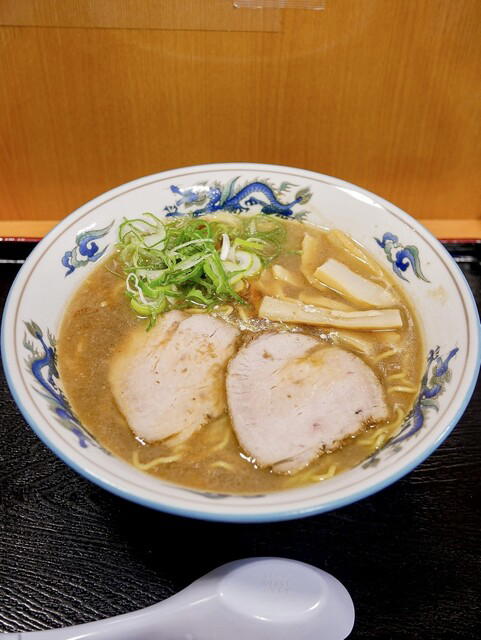
Ramen Senmon Himawari sits in Asahikawa’s ramen culture with the kind of low-price, high-specificity format that defines Hokkaido noodle hunting. Its Tabelog 100 - Ramen - HOKKAIDO - 2025 selection, compact seating, cash-only payment model, and lunch-focused rhythm place it closer to a serious local ramen stop than a destination dining room built for ceremony.
Pearl is the En Primeur Club membership app — saves, bookings, and concierge access live there. Same editors, same standards.
- Address
- Japan, 〒070-0010 Hokkaido, Asahikawa, Taisetsudori, 3 Chome−491-1 特一ビル 1F
- Phone
- +81 166-25-8780
- Website
- moru-men.com
- Directions
- Get directions
 Saves & bookings on Pearl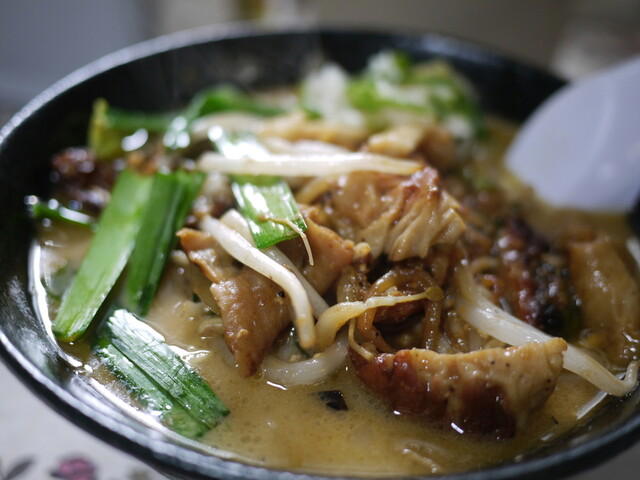
Approaching a ramen shop in Asahikawa is rarely about drama. The city’s noodle culture is built around warmth, speed, and a deep respect for bowls that make sense in a hard northern climate. Ramen Senmon Himawari belongs to that practical Hokkaido tradition: a small room, counter seating in the mix, a short daytime service window, and pricing that keeps the meal in everyday territory rather than turning ramen into a luxury ritual.
Asahikawa ramen has a distinct place in Japan’s regional noodle map. Compared with Sapporo’s miso-heavy identity or Hakodate’s salt-leaning reputation, Asahikawa is associated with soy-based bowls, layered broths, and a style built for cold weather. The appeal is not ornament. It is structure: fat, stock, tare, noodles, and heat working together with enough force to carry a winter lunch. That context matters here because recognition in this category is less about dining-room polish than whether a shop can hold its place in a city where ramen is part of local routine.
Asahikawa ramen, judged by northern standards
Selection for Tabelog 100 - Ramen - HOKKAIDO - 2025 puts Ramen Senmon Himawari inside a competitive regional field rather than a generic national ramen conversation. Hokkaido ramen is not one single style, and Asahikawa’s identity differs sharply from the butter-corn shorthand often attached to the island by visitors. The serious bowls in this city tend to reward diners who care about sourcing, broth architecture, and how a shop handles repetition across a busy lunch service.
The ingredient story in Asahikawa ramen is partly geographic. Hokkaido’s food economy is tied to dairy, wheat, seafood, pork, and cold-climate agriculture, and the ramen culture that developed here reflects that abundance without needing fine-dining vocabulary. A shop at this level does not need to announce provenance with a tasting-menu script. The proof is in consistency, price discipline, and whether locals keep folding it into weekday life. In that sense, the category’s sourcing conversation is quieter than in haute cuisine but more demanding: broth, noodles, and toppings have to perform under pressure, day after day.
Among Asahikawa peers, the value band is striking. Hachiya Asahikawa honten and Shoga Ramen Mizuno also sit in the sub-¥999 bracket, while Ramen Senmon Tsuruya and Ramenya Tenkin Shijou ten are listed in the ¥1,000 to ¥1,999 range. That spread shows how compressed the city’s ramen pricing remains, even for shops with serious followings. Ramen Senmon Himawari’s listed average price of up to ¥999 keeps it in the lower end of that local conversation, a useful signal for travelers who want substance without turning lunch into a reservation project.
A compact room built for quick, focused eating
The setting follows the ramen-shop logic of utility over performance. There are 10 seats, with four at the counter, three tables for four, and raised seating areas noted in the layout. That mix matters: counter seats suit solo diners tracking a bowl with minimal ceremony, while the table and raised seating make the room more workable for small groups than many counter-only ramen addresses. The format is non-smoking, with take-out listed, and the occasion profile explicitly includes solo dining, friends, and families with children.
There is also history beneath the current address. The business opened in 1987 and moved to its Taisetsu-dori location in 2007. Longevity is not a substitute for taste, but in ramen cities it carries weight because shops are tested by repeat local demand, not only by visitors chasing a list. The current room’s small scale sharpens that point. A 10-seat ramen shop with a lunch service rhythm lives or dies on turnover, regulars, and whether the bowl justifies waiting when the weather is bad.
For travelers mapping a wider Asahikawa food day, this is a different proposition from a longer sit-down meal at Minato or Onoki. Ramen here functions as a precise midday anchor: quick enough to fit between trains or winter sightseeing, specific enough to say something about the city’s food habits. For broader planning, Our full Asahikawa restaurants guide, Our full Asahikawa hotels guide, Our full Asahikawa bars guide, Our full Asahikawa wineries guide, and Our full Asahikawa experiences guide give the city more shape beyond the bowl.
How to read the value
The strongest reason to prioritize this address is the alignment between category, recognition, and price. A Tabelog 100 Hokkaido ramen selection at this spend level is a clear signal: the value is not in ceremony, luxury materials, or a long menu performance, but in a bowl that competes within one of Japan’s serious regional ramen cultures. Reservations are unavailable, payment is cash only, and the lunch-only schedule rewards early arrival, especially on weekends and public holidays when sell-outs before 14:00 are common.
This is not the ramen stop for diners who want an extended tasting format or a room designed around lingering. It suits travelers who understand that Japanese regional ramen often reveals itself through constraints: brief hours, small rooms, narrow specialization, and a local audience that knows exactly what it wants. Asahikawa has enough ramen history that casual choices can blur together. The restaurant earns attention because the signals line up: long operation, regional award recognition, compact service, and a price point that keeps the experience grounded.
Readers building a wider Japan dining map can place it alongside other focused casual formats rather than only ramen addresses: -Grilled beef Sukiyaki- KAMAKURA TANUKIAN 鎌倉 たぬき庵 in Kamakura, . 鮪と炭火焼き うお炭 秋葉原店 in Tokyo.cafe in Osaka.know in Kumamoto, (Shoku) Vietnam in Kawasaki, [Curry Senmon Ten] Maruyama Kyoju. in Sapporo, [ki:] in Kyoto, #肉といえば松田 奈良本店 in Kashihara, 1/3 HAMBURGER FACTORY in Kanazawa, Jōdo Saké Bar in Los Angeles, and Onigiri Time in Pasadena. The common thread is not grandeur. It is a narrow format executed with enough conviction to justify a detour.
Comparison Snapshot
Comparable venues by cuisine and price in the same metro.
| Venue | Cuisine | Price | Notes |
|---|---|---|---|
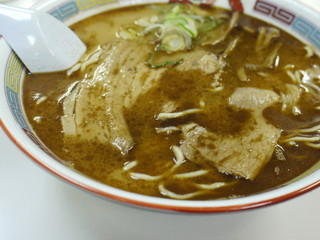
| Ramen Senmon Himawari | Asahikawa ramen shop famous for hormone miso “Morumen” | $ | Taisetsudori |
| Onoki | Traditional Hokkaido chicken specialties | $$ | Higashi Asahikawa |
| Minato | Edomae-Style Sushi with Hokkaido Seafood | $$$$ | 3-jo-dori (downtown Asahikawa) |
| Drive-in Ippei (ドライブイン一平) | Japanese Curry & Tonkatsu Diner | $ | 小城市 |
| Hekkelun | Classic Japanese Kissaten | $ | Toranomon/Shinbashi |
| うらしま | 和歌山ラーメン | $ | 花野 |
Recognition history
Dated appearances from independent guides and award organizations, with the underlying list record or original source where available.
Tabelog 100 #84 · No. 84
Tabelog · Tabelog 100 - Ramen - HOKKAIDO - 2025
Continue exploring
More in Asahikawa
At a Glance
- Lively
- Cozy
- Classic
- Solo
- Casual Hangout
- Family
- Late Night
- Standalone
- Beer Program
Current opening hours
- Monday
- 11 AM–2:30 PM
- Tuesday
- 11 AM–2:30 PM
- Wednesday
- Closed
- Thursday
- 11 AM–2:30 PM
- Friday
- 11 AM–2:30 PM
- Saturday
- 11 AM–2:30 PM
- Sunday
- 11 AM–2:30 PM
Hours can change for holidays and private events. Last verified .
Compact, no-frills neighborhood ramen joint with counter and small table seating, bright functional lighting, and an energetic atmosphere focused on quick, solo or family slurping rather than lingering.