
Hachiya Gojou sougyou ten belongs to Hokkaido’s ramen-and-gyoza tradition rather than Sapporo’s polished tasting-menu circuit. Its Tabelog Ramen HOKKAIDO “Tabelog 100” selections in 2024 and 2025 place it in a regional conversation where speed, repeat custom, family utility, and broth identity carry more weight than ceremony.
Pearl is the En Primeur Club membership app — saves, bookings, and concierge access live there. Same editors, same standards.
- Address
- Japan, 〒070-8510 Hokkaido, Asahikawa, 5 Jodori, 7 Chome−右6
- Phone
- +81 166-22-3343
- Website
- instagram.com
 Saves & bookings on Pearl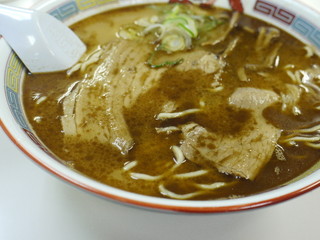
Approach a serious Hokkaido ramen room and the signals appear before the bowl: turnover, counter seats, steam on the glass, families eating early, solo diners moving with purpose. This is not reservation-led theatre but a system built around appetite, timing, and a queue that tells its own story. Hachiya Gojou sougyou ten fits a northern Japanese dining habit that rewards stamina over polish.
Hokkaido ramen is often reduced to Sapporo miso, but the island’s noodle culture is more fractured. Asahikawa has its own gravity, with ramen shops acting as civic canteens and destination counters. That distinction matters for travellers using Sapporo as a base: the best ramen decisions are not always inside the hotel-and-shopping radius, and the regional canon rewards diners who treat the railway map as part of the meal.
A Hokkaido ramen address built for turnover, not ceremony
The room’s format says plenty. Sixty seats, including tables and counters, make it more democratic noodle hall than tiny chef-counter. The drama is not scarcity or prolonged pacing, but the collective rhythm of a shop that can take families, friends, and lone diners without turning each visit into an event.
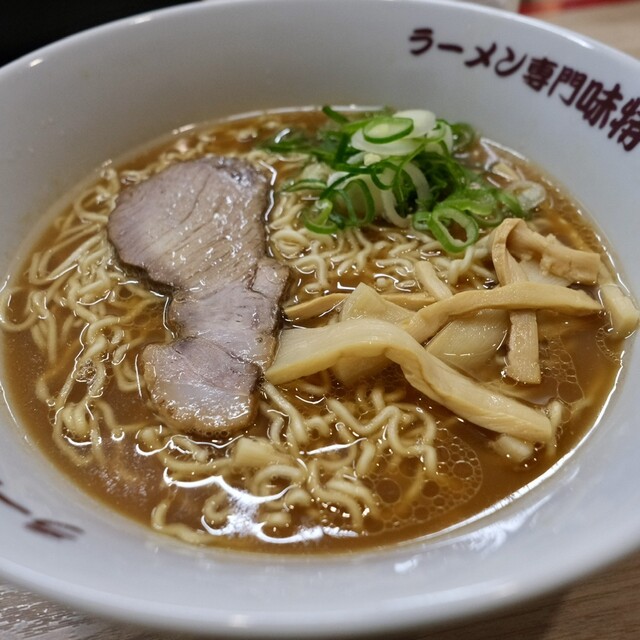
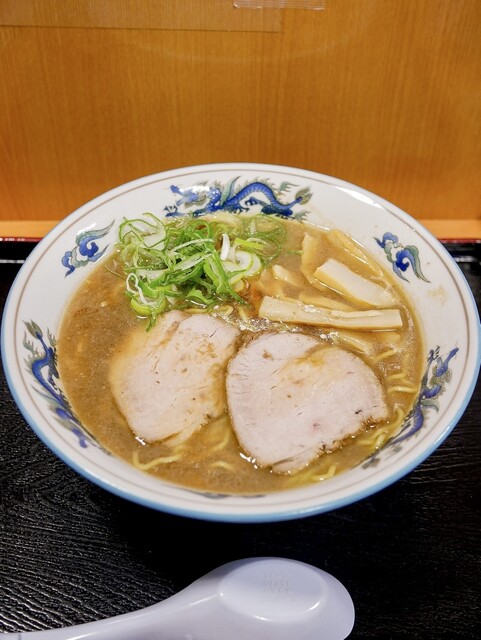
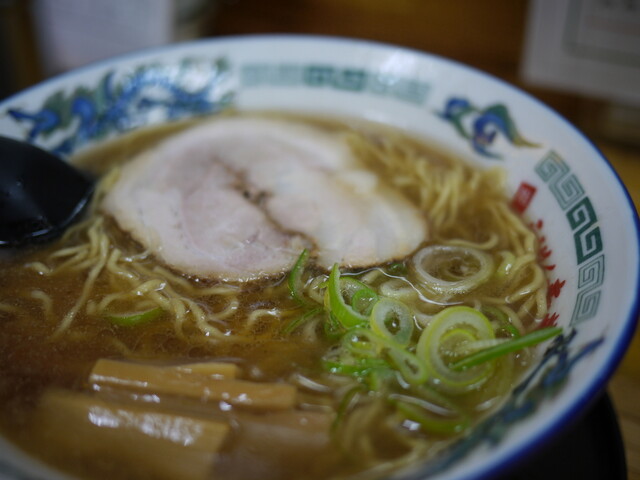
The menu category is direct: ramen and dumplings. That pairing is a familiar working formula across Japan, but in Hokkaido it has particular force because weather, distance, and everyday price sensitivity keep ramen from becoming a luxury signifier. The point is not a long tasting sequence; it is to choose clearly, eat while the bowl is hot, and release the seat.
Recognition gives the address a stronger anchor than nostalgia. Selection for Tabelog Ramen HOKKAIDO “Tabelog 100” in both 2024 and 2025 places it within a curated regional ramen group, not just among locally loved shops. Its Tabelog score of 3.60 is context, not verdict: in Japan, a mid-3 score can signal heavy local use and serious specialist attention, especially where repeat visits and personal preference shape the numbers.
The value band also matters. Aji Toku Honten and Asahikawa Ramen Aoba Honten sit in a similarly low-price ramen bracket, while Ramenya Tenkin Shijou ten moves into a slightly higher spend range. Dokushaku Sanshiro belongs to a different night-out economy. Hachiya Gojou sougyou ten therefore makes sense as a ramen-specific decision, not a general “where to eat tonight” substitute for izakaya dining or a longer restaurant booking.
The booking question is a timing question
For this ramen style, planning is less about securing a table than choosing when to arrive and how much friction to tolerate. Travellers used to Tokyo omakase calendars can misread the format: no formal reservation ritual does not make the meal casual in cultural weight. It shifts control to day-of timing, queue discipline, and realistic expectations about turnover.
That suits some itineraries better than others. It fits travellers building a Hokkaido food day around transport, winter sightseeing, or a ramen survey, because the commitment is concentrated. It is weaker for diners seeking a long evening, wine-led progression, or staff narration. The pleasure is categorical: a recognized ramen-and-dumpling shop doing the work ramen shops are meant to do.
Service details reinforce that practicality without turning the room into a tourist construct. A multilingual English menu lowers the barrier for visitors, take-out is offered, and the non-smoking policy suits families and travellers moving between meals. Credit cards and PayPay are accepted; electronic money is not. In Japan, those operational facts matter, because a strong meal can still be derailed by assuming every counter works like a metropolitan hotel restaurant.
Children are explicitly within the use case, which matters in ramen culture. Many serious noodle shops are tight or implicitly adult through pace and pressure; a larger, family-friendly room is easier to fold into a multi-generation Hokkaido trip. It also explains why the appeal should not be judged by luxury cues. Here, comfort, repetition, and access are part of the critical equation.
How to place it within a Sapporo-led food itinerary
For readers researching through a Sapporo lens, treat this as regional context, not a city-centre substitute. Sapporo’s dining map stretches from specialist ramen to curry, bakery culture, bars, and hotel dining; Asahikawa adds another ramen dialect to the Hokkaido conversation. A meal here makes most sense when the itinerary already points north or when ramen is the purpose, not a convenient stop between central Sapporo appointments.
Use Sapporo for breadth and Asahikawa for specificity. Within the city, compare ramen and spice-driven casual dining through 175°DENO Tantanmen Sapporo kitaguchi ten, [Curry Senmon Ten] Maruyama Kyoju., Ajanta Indo Curry Ten, and Ajanta Sohonke. For a different Hokkaido appetite, Aigues Vives points toward the island’s bakery and coastal-drive culture rather than the ramen circuit.
Broader planning belongs in the city guides: Our full Sapporo restaurants guide, Our full Sapporo hotels guide, Our full Sapporo bars guide, Our full Sapporo wineries guide, and Our full Sapporo experiences guide. For Japan-wide contrast, see -Grilled beef Sukiyaki- KAMAKURA TANUKIAN 鎌倉 たぬき庵 in Kamakura,. 鮪と炭火焼き うお炭 秋葉原店 in Tokyo,.cafe in Osaka,.know in Kumamoto, (Shoku) Vietnam in Kawasaki, and [ki:] in Kyoto. Across the Pacific, Jōdo Saké Bar in Los Angeles and Onigiri Time in Pasadena show how Japanese formats change once they leave Japan.
The editorial case is narrow, and that is its strength. Hachiya Gojou sougyou ten is not trying to solve every dining need in Hokkaido. It belongs to the ramen itinerary: recognized by Tabelog’s Hokkaido ramen list, priced for repeat eating, large enough for practical use, and formatted around the quick, decisive meal that gives Japan’s noodle culture its power.
Style and Standing
Comparable venues for cuisine and category context.
| Venue | Cuisine | Price | Awards | Notes |
|---|---|---|---|---|
| Hachiya Gojou sougyou tenThis venue — the venue you are viewing | Traditional Asahikawa Ramen Shop | $ | , | |
| Aji Toku Honten | Traditional Asahikawa Ramen Shop | $ | , | Asahikawa city center |
| Yondaime Mendokoro Yuji | Ramen & Tsukemen | $ | , | Kita |
| Hot Spice Shop Hood Dog | Soup curry and hot dog diner | $ | , | Chūō |
| Tokou An Shinkotoni | Japanese Ramen | $ | , | Kita |
| Sumire Sapporo susukino ten | Japanese Ramen | $ | , | Chūō |
Continue exploring
More in Sapporo
At a Glance
- Solo
- Family
- Casual Hangout
- After Work
- Group Dining
- Standalone
Casual, bustling ramen shop atmosphere with simple seating for about 60 guests, geared toward quick, practical meals rather than leisurely dining.