
Asahikawa Ramen Aoba Honten belongs to Hokkaido’s old-school ramen lane: compact, counter-led, and built around a bowl rather than a tasting menu. Its Tabelog Ramen HOKKAIDO “Tabelog 100” selections in 2024 and 2025 put it among the region’s more closely watched ramen addresses, with a format that suits solo diners, families, and travelers comparing Sapporo’s ramen scene with Asahikawa’s darker, soy-led tradition.
Pearl is the En Primeur Club membership app — saves, bookings, and concierge access live there. Same editors, same standards.
- Address
- 旭川二条通ビル 名店街, 8 Chome-144-6 2条 Asahikawa, Hokkaido 070-0032, Japan
- Phone
- +81 166-23-2820
- Website
- www5b.biglobe.ne.jp
 Saves & bookings on Pearl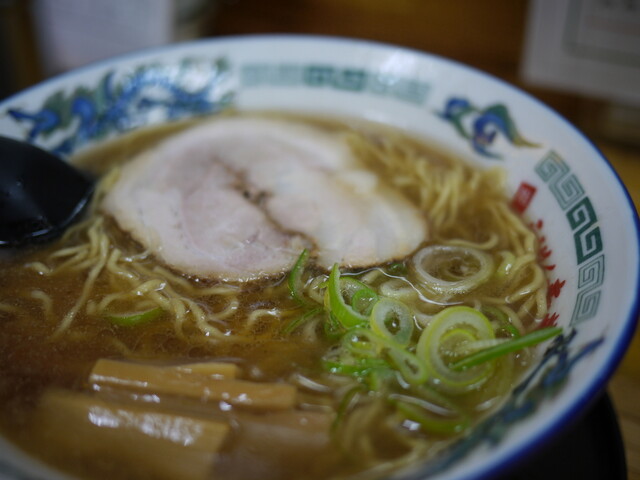
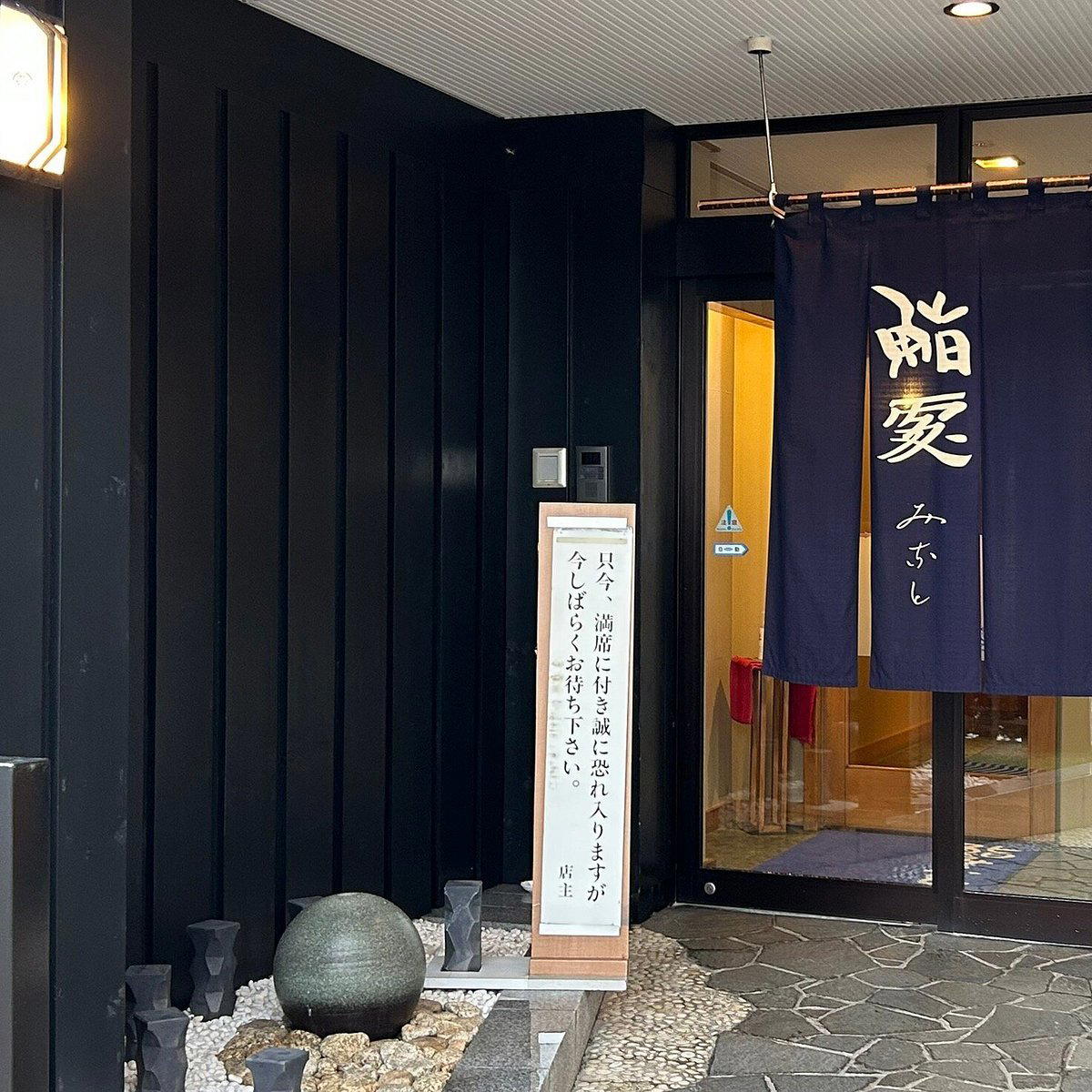
The room reads as ramen before it reads as restaurant: counter seats, quick turnover, a narrow focus, and the familiar choreography of Hokkaido noodle shops where the meal has a beginning, middle, and end even without formal courses. Asahikawa Ramen Aoba Honten sits in that tradition, closer to a concentrated regional ramen lesson than a leisurely dining room. The appeal is not breadth. It is the discipline of a bowl built to carry the entire meal.
That matters in Hokkaido, where ramen is not a single style but a set of local dialects. Sapporo is closely associated with miso ramen, especially the butter-corn vocabulary that has shaped much of its tourist image. Asahikawa, by contrast, is known for a soy-sauce ramen lineage with a more direct, urban lunch-counter character. Reading Asahikawa Ramen Aoba Honten through a Sapporo lens makes the contrast sharper: this is not the maximal, late-night ramen model many visitors expect from the prefectural capital, but a tighter expression of northern noodle culture.
A one-bowl progression in place of a tasting menu
The assigned frame here is progression, and ramen handles progression differently from a multi-course restaurant. The opening is visual and structural: broth, noodles, toppings, bowl temperature, and pace arrive at once. The middle is about balance, as noodles soften and the broth gathers weight. The finish is practical, because a ramen counter judges itself on whether the last spoonful still makes sense after the first rush of heat and salt has passed.
In that context, Asahikawa Ramen Aoba Honten is useful for travelers who want to understand how regional ramen compresses a meal into a single object. The shop’s recognition in Tabelog Ramen HOKKAIDO “Tabelog 100” for 2024 and 2025 gives it an external signal beyond nostalgia or queue culture. Tabelog’s score of 3.67 also places it in the kind of Japanese everyday-dining tier where local consistency matters more than ceremony. This is not luxury dining; it is a small-format ramen address with 17 seats, including counter seating, and the experience should be read through that scale.
That small scale changes the meal’s rhythm. Counter ramen rewards decisiveness: order, sit, eat while the bowl is at its intended temperature, and let the room reset for the next diner. The format is solo-diner friendly by design, but the presence of table seats and a kids menu makes it less austere than some counter-only ramen rooms. Hokkaido ramen culture often works this way, democratic in price and access but demanding in timing and attention.
How it fits Hokkaido's ramen map
For a visitor based in Sapporo, the comparison set is broad. 175°DENO Tantanmen Sapporo kitaguchi ten pulls the conversation toward spice and sesame-driven tantanmen, while curry specialists such as [Curry Senmon Ten] Maruyama Kyoju., Ajanta Indo Curry Ten, and Ajanta Sohonke show another side of the city’s comfort-food intelligence. Bread and pastry addresses such as Aigues Vives widen that picture further. The point is not to rank these rooms against one another, but to understand that northern Japan’s casual dining culture is built from sharply defined specialisms rather than all-purpose menus.
Within ramen specifically, comparison with Aji Toku Honten, Ramenya Tenkin Shijou ten, and Hachiya Gojou sougyou ten makes the Asahikawa context clearer. These names sit in the same broad Hokkaido ramen conversation, with pricing that keeps the category accessible. Ramenya Tenkin Shijou ten operates at a slightly higher listed spend, while Aji Toku Honten and Hachiya Gojou sougyou ten sit in the lower cash-friendly band. Asahikawa Ramen Aoba Honten belongs to the leaner end of that spectrum, which is part of its editorial value: it shows how much regional identity can be carried by an inexpensive bowl when the format is focused.
That is also why the shop reads differently from higher-spend Hokkaido dining such as Dokushaku Sanshiro, where the budget and occasion suggest a longer evening. Ramen compresses the decision. It is not about wine pairing, room design, or extended pacing. It is about whether the bowl defines a place quickly enough for the diner to remember the city through it.
Planning the stop without overcomplicating it
The strongest reason to plan around Asahikawa Ramen Aoba Honten is not rarity theater. It is clarity. Reservations are unavailable, payment is cash-based, the room is small, and the service format includes take-out. Those details put it firmly in the everyday ramen category rather than the destination-counter category. For travelers, the useful move is to treat it as a precise Hokkaido ramen stop, not as a long meal to schedule an afternoon around.
Families have more reason to consider it than the typical cramped ramen counter, since children are welcome and the format includes table seating as well as counter seats. Solo diners are equally well served; ramen culture in Japan has long treated one-person meals as normal rather than secondary. The shop is non-smoking, which also broadens its comfort level for travelers sensitive to older dining-room norms.
For a wider itinerary, use Our full Sapporo restaurants guide to place ramen alongside curry, seafood, izakaya, and pastry stops. The broader city frame also matters: Our full Sapporo hotels guide, Our full Sapporo bars guide, Our full Sapporo wineries guide, and Our full Sapporo experiences guide help separate a quick noodle stop from the rest of a northern Japan route.
Readers building a Japan-wide food map can also place this ramen address beside other tightly focused casual formats, from -Grilled beef Sukiyaki- KAMAKURA TANUKIAN 鎌倉 たぬき庵 in Kamakura and. 鮪と炭火焼き うお炭 秋葉原店 in Tokyo to.cafe in Osaka,.know in Kumamoto, (Shoku) Vietnam in Kawasaki, and [ki:] in Kyoto. Outside Japan, places such as Jōdo Saké Bar in Los Angeles and Onigiri Time in Pasadena show how Japanese formats travel and change. The Asahikawa lesson is more concentrated: a small ramen room, a recognized Hokkaido list placement, and a meal arc that proves one bowl can carry a region’s argument.
Quick Comparison
Comparable venues at the same tier.
| Venue | Cuisine | Price | Awards | Notes |
|---|---|---|---|---|
| Asahikawa Ramen Aoba HontenThis venue — the venue you are viewing | Traditional Asahikawa Shoyu Ramen | $ | , | |
| Ramen Senmon Tsuruya | Traditional Sapporo Ramen Shop | $ | , | Susukino |
| Menya Nanabee Honten | Ramen | $ | , | Shiroishi |
| Twilight | Yoshoku (Japanese-style Western cuisine) | $ | , | Kiyota |
| Hachiya Asahikawa honten | Classic Asahikawa Ramen Shop | $ | , | Asahikawa |
| Spice&mill | Japanese Soup Curry | $ | , | Shiroishi |
Continue exploring
More in Sapporo
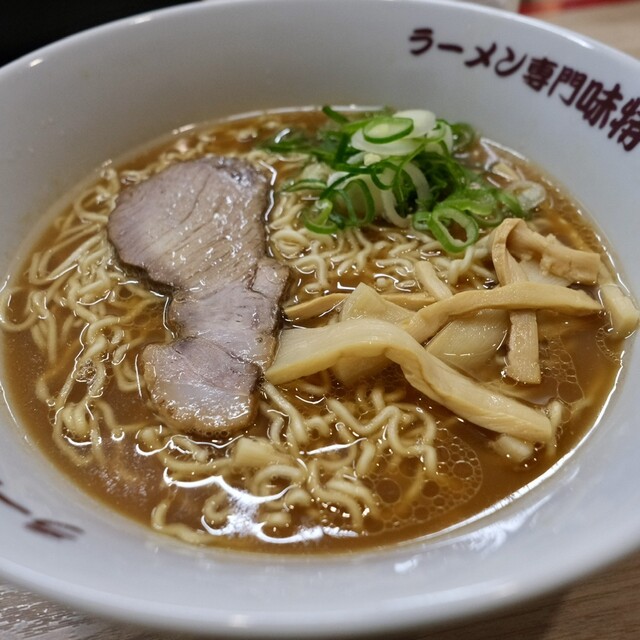
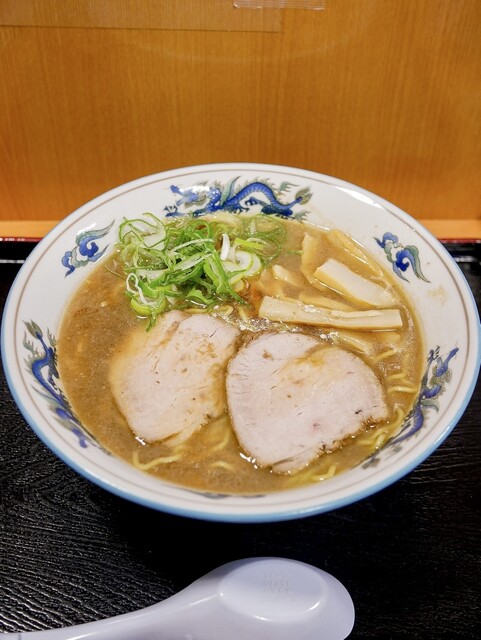
At a Glance
- Classic
- Cozy
- Iconic
- Hidden Gem
- Solo
- Family
- Casual Hangout
- After Work
- Standalone
- Historic Building
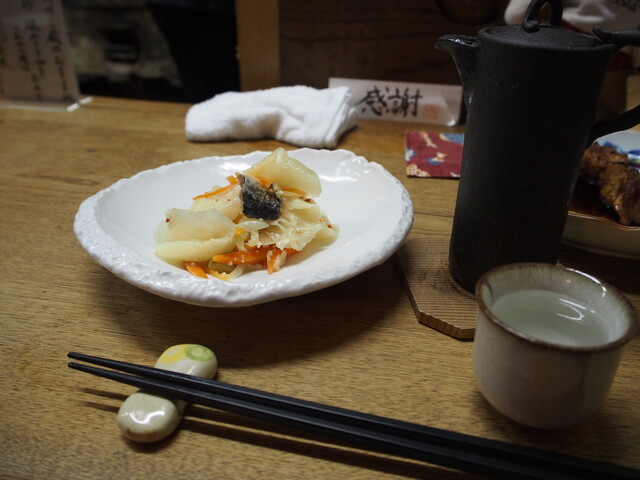
Small, no-frills ramen shop with counter and a few tables, a rustic and nostalgic feel, and a relaxed, friendly atmosphere typical of a long‑standing neighborhood institution.