
Dokushaku Sanshiro belongs to Hokkaido’s serious izakaya tier rather than Sapporo’s quick ramen-and-curry circuit. Its Asahikawa setting, seafood-and-Japanese-cooking category, sake and shochu focus, and selection for Tabelog 100 Izakaya EAST 2025 make it a sharper choice for travelers treating northern Japan as a regional food trip, not a single-city checklist.
Pearl is the En Primeur Club membership app — saves, bookings, and concierge access live there. Same editors, same standards.
- Address
- 5 Chome-左7 2 Jodori, Asahikawa, Hokkaido 070-0032, Japan
- Phone
- +81 166-22-6751
- Website
- tabelog.com
 Saves & bookings on Pearl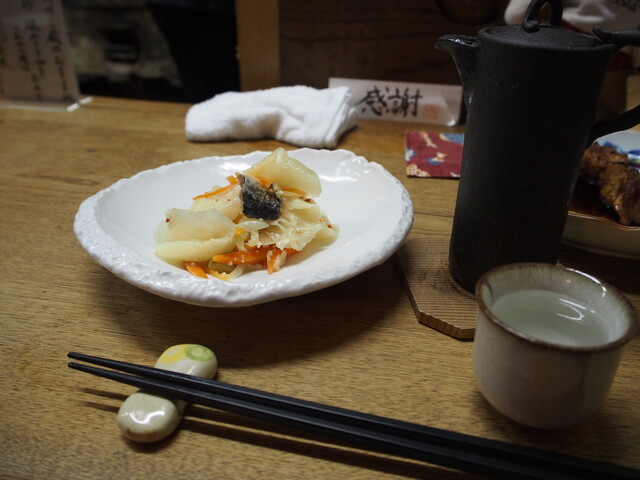
Asahikawa changes the rhythm of a Hokkaido dinner. Colder, more compact, and less performative than Sapporo, the city gathers evenings around counters, raised seating, and rooms built for purposeful drinking rather than spectacle. Dokushaku Sanshiro fits older izakaya grammar: seafood, Japanese cooking, sake, shochu, and a room where format matters as much as any plate.
That distinction helps Sapporo-bound travelers. Hokkaido dining is often reduced to miso ramen, soup curry, crab, lamb, and seafood markets. All are valid, but they can flatten the region. A serious Asahikawa izakaya shows another north, where drinking culture, local produce, and small-plate pacing carry the evening. Dokushaku Sanshiro’s selection for Tabelog 100 Izakaya EAST 2025 places it in a recognized Japanese tavern category, not the tourist-facing seafood-restaurant lane.
Asahikawa izakaya culture gives the room its edge
Japan’s izakaya tradition spans chain beer halls, neighborhood counters, seafood taverns, and kitchens closer to kappo than pub food. Hokkaido adds cold-weather appetite, strong seafood identity, dairy and agricultural depth, and drinking rooms that feel local rather than theatrical. The stronger addresses are judged less by decoration than by balance: how the kitchen supports alcohol, whether the room encourages lingering, and how naturally the meal moves from first drink to final dish.
Dokushaku Sanshiro sits in izakaya, seafood, and Japanese cuisine categories, a telling combination. The meal is unlikely to follow a tasting-menu line. The point is sequence: ordering in rounds, letting sake or shochu set tempo, and treating seafood as part of a broader drinking table rather than a single luxury event. For travelers used to Tokyo counter dining, the contract differs. Precision matters, but so does the room’s social function.
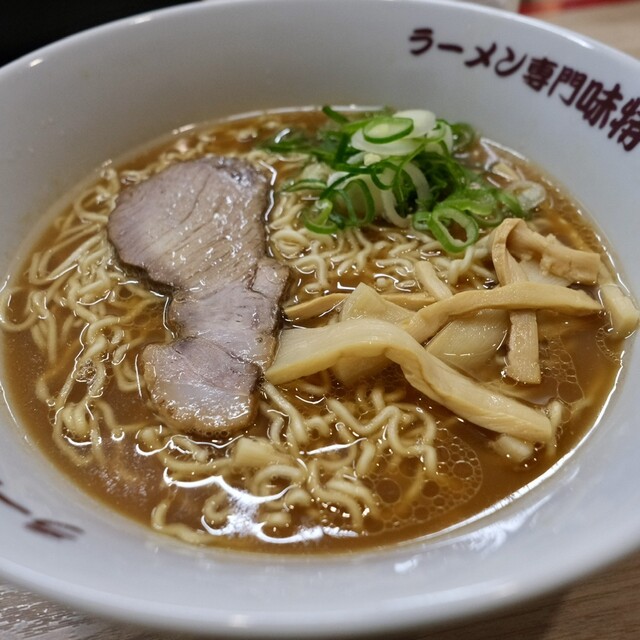
The comparison with Sapporo’s casual staples is useful. Aji Toku Honten, Hachiya Gojou sougyou ten, and Asahikawa Ramen Aoba Honten sit in a far lower quick-meal budget band, while Ramenya Tenkin Shijou ten moves only modestly higher. Those places serve Hokkaido ramen logic: fast, focused, and easy to fold into a day. Dokushaku Sanshiro occupies a different evening slot, with a JPY 5,000 to JPY 5,999 dinner range and a drinks-led izakaya structure. The choice is not ramen versus izakaya; it is whether the night should be built around a bowl or a table.
Recognition matters because izakaya awards are hard to read from abroad
For international diners, izakaya evaluation can be slippery. Michelin-style cues do not always apply, chef biographies are not always central, and English-language coverage skews toward sushi, ramen, and hotel dining. Tabelog’s Hyakumeiten lists help separate serious local rooms from generic taverns. Dokushaku Sanshiro has been selected for Tabelog Izakaya recognition in 2021, 2024, and 2025, with the 2025 listing under Izakaya EAST. Repeat appearance is stronger than a single burst of attention.
The 3.55 Tabelog score should be read in Japanese context. On that platform, a mid-3 rating can signal meaningful local credibility, especially outside the highest-volume metropolitan dining zones. The 2025 Izakaya EAST selection gives the number more weight by placing the restaurant inside a curated category rather than leaving it as a loose user-rating snapshot. For a Hokkaido itinerary, the address becomes more than a convenient dinner stop; it shows how northern izakaya culture is ranked within Japan.
The available facts have useful restraint. No chef-led mythology is needed. The stronger story is place and format: an Asahikawa tavern recognized in an eastern Japan izakaya field, serving Japanese cooking and seafood with sake and shochu. That says more than a personality sketch would. The room belongs to a category where consistency, pacing, and drinking compatibility carry reputation.
How to fit it into a Hokkaido food trip
For readers based in Sapporo, this is not like adding another central-city restaurant. It belongs to a wider Hokkaido itinerary, especially one giving Asahikawa its own evening rather than treating it as transit. The nearest station is Asahikawa Station, and the address places the restaurant in the city’s central dining grid rather than a resort setting. The meal makes more sense as part of a night in town than as a detour squeezed between trains.
The house format shapes who should go. Counter seating and raised seating suggest a tavern for small groups and focused drinking rather than private-room entertaining. Private rooms and private use are unavailable, and preschool children are not admitted, pushing the experience toward adults traveling for food and drink. Non-smoking status, credit-card acceptance, take-out, and an English multilingual menu make logistics less opaque than many local izakaya of similar character.
The wider Sapporo field gives context. For noodle intensity, 175°DENO Tantanmen Sapporo kitaguchi ten belongs to a different appetite; for curry, [Curry Senmon Ten] Maruyama Kyoju., Ajanta Indo Curry Ten, and Ajanta Sohonke map another side of the city’s comfort-food identity. Aigues Vives speaks to Hokkaido’s bakery and coastal-day-trip culture. Together, they show why Dokushaku Sanshiro is a regional counterpoint, not a substitute for Sapporo’s core meals.
Use the broader guides to build the trip around that distinction: Our full Sapporo restaurants guide for dining, Our full Sapporo hotels guide for where to stay, Our full Sapporo bars guide for drinking rooms, Our full Sapporo wineries guide for regional wine context, and Our full Sapporo experiences guide for planning beyond the table. Readers comparing Japanese dining formats further afield can also look at -Grilled beef Sukiyaki- KAMAKURA TANUKIAN 鎌倉 たぬき庵 in Kamakura,. 鮪と炭火焼き うお炭 秋葉原店 in Tokyo,.cafe in Osaka,.know in Kumamoto, (Shoku) Vietnam in Kawasaki, [ki:] in Kyoto, Jōdo Saké Bar in Los Angeles, and Onigiri Time in Pasadena. The useful thread is format: how a room tells diners what kind of evening they are entering before the first order.
The Minimal Set
Comparable venues by cuisine and category.
| Venue | Cuisine | Price |
|---|---|---|
| Dokushaku SanshiroThis venue — the venue you are viewing | $$ | |
| European Curry KEN | Higashi, European-style Japanese curry | $$ |
| Fujiya NOODLE | Chūō, Modern Sapporo miso ramen counter | $$ |
| MEN-EIJI Hiragishi Base | Toyohira, Modern Hokkaido Ramen | $$ |
| 175°DENO Tantanmen Sapporo kitaguchi ten | Kita, Japanese Tantanmen Ramen | $$ |
| Hana Maru | Kiyota, Japanese Ramen | $$ |
Continue exploring
More in Sapporo
At a Glance
- Cozy
- Classic
- Lively
- Hidden Gem
- Intimate
- After Work
- Casual Hangout
- Solo
- Group Dining
- Date Night
- Standalone
- Chefs Counter
- Sake Program
- Beer Program
- Local Sourcing
Warm, traditional izakaya with counter and tatami seating, close quarters, and a lively but relaxed atmosphere focused on solo drinkers and small groups enjoying carefully prepared Japanese seafood and classic dishes with sake.