
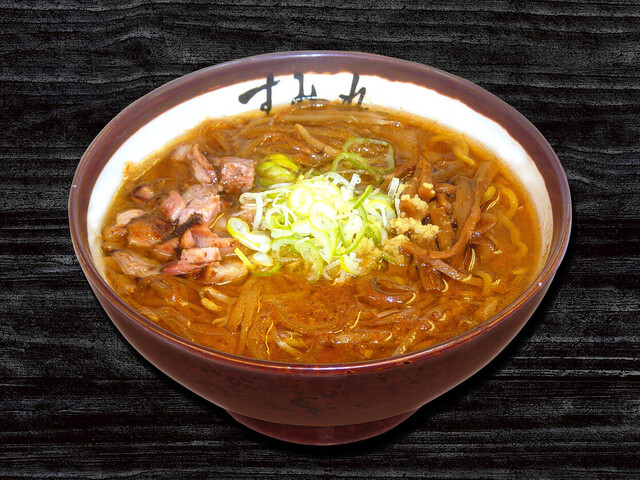
Sapporo ramen culture rewards speed, clarity, and repeatable craft rather than ceremony. Marutaka Ramen belongs to the city’s everyday end of the serious ramen spectrum, with Tabelog 100 Ramen Hokkaido selections in 2024 and 2025 placing it among closely watched local bowls rather than destination tasting-menu dining.
Pearl is the En Primeur Club membership app — saves, bookings, and concierge access live there. Same editors, same standards.
- Address
- 4 Chome-1-5 Kita 11 Jonishi, Kita Ward, Sapporo, Hokkaido 001-0011, Japan
- Phone
- +81 11-726-6636
- Website
- tabelog.com
 Saves & bookings on Pearl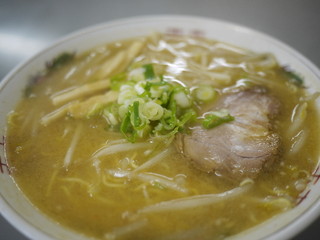
Approaching a Sapporo ramen shop at meal time is choreography, not theatre: coats come off, orders move with little discussion, and the room keeps time with broth, noodles, and the next seat turning over. Marutaka Ramen fits a northern Japanese dining habit built on precision and pace rather than performance. The draw is not narrative, but the compact pleasure of a bowl shop that has earned repeat attention in a city where ramen is civic language.
Sapporo ramen is often reduced to miso, but the stronger lesson is discipline. A serious ramen room needs synchronized work: kitchen alignment of broth, tare, noodles, and toppings; floor control of queue and table rhythm; and a room where solo diners, friends, and families all make sense. Marutaka Ramen’s inclusion in Tabelog 100 Ramen Hokkaido in both 2024 and 2025 gives that small-format work a measurable signal. It is not a luxury credential, but in Hokkaido ramen, repeated selection matters because the competition is dense, local, and unforgiving.
Sapporo ramen without the tasting-menu costume
The sharper way to understand this address is by category contrast. Sapporo has polished hotel dining, seafood counters, curry shops, bakeries, izakaya, and late-night drinking rooms, but ramen occupies a different lane: democratic, technical, and resistant to over-explanation. Marutaka Ramen stays in that lane, privileging turnover and consistency over embellishment. That makes it useful for travelers who want a serious local meal without turning dinner into a multi-hour commitment.
The menu category is ramen, with buta-don also listed, placing the shop in a familiar Hokkaido pattern: noodle craft supported by rice-bowl comfort, not a sprawling casual menu. The absence of private-room dining and the no-smoking setting reinforce the room’s everyday character. The team dynamic is practical, not theatrical: the kitchen lands the bowl, the front of house manages flow, and the guest understands that the pleasure is in the cadence.
That compactness is why comparisons need discipline. A diner moving through Sapporo’s casual scene might pair this with the spice-driven logic of 175°DENO Tantanmen Sapporo kitaguchi ten, or with the city’s curry branch at [Curry Senmon Ten] Maruyama Kyoju., Ajanta Indo Curry Ten, and Ajanta Sohonke. Those venues answer different cravings. Ramen, especially in Sapporo, is more immediate: a bowl, a seat, and a kitchen measured by repetition.
The room works because no role tries to dominate
In higher-end restaurants, chef, sommelier, and service team collaboration is displayed through pairings, pacing, and tableside explanation. In a ramen shop, the equivalent is quieter and harsher. There is no wine program to soften a weak bowl, no extended tasting arc to recover from a slow opening course, and no long table visit to reframe the meal. The team’s work is compressed into timing, heat, order accuracy, and invisible management of diners entering and leaving.
That is why recognition in a ramen-specific Hokkaido list carries editorial weight. Tabelog’s score of 3.59 and its 2025 Tabelog 100 Ramen Hokkaido selection place the restaurant inside a local field where regulars judge by frequency rather than occasion. The award does not make the shop formal; it confirms that the casual format has been noticed on its own terms. For a traveler, that distinction matters. This is not the address for ceremony. It is the address for reading Sapporo through a meal the city actually eats.
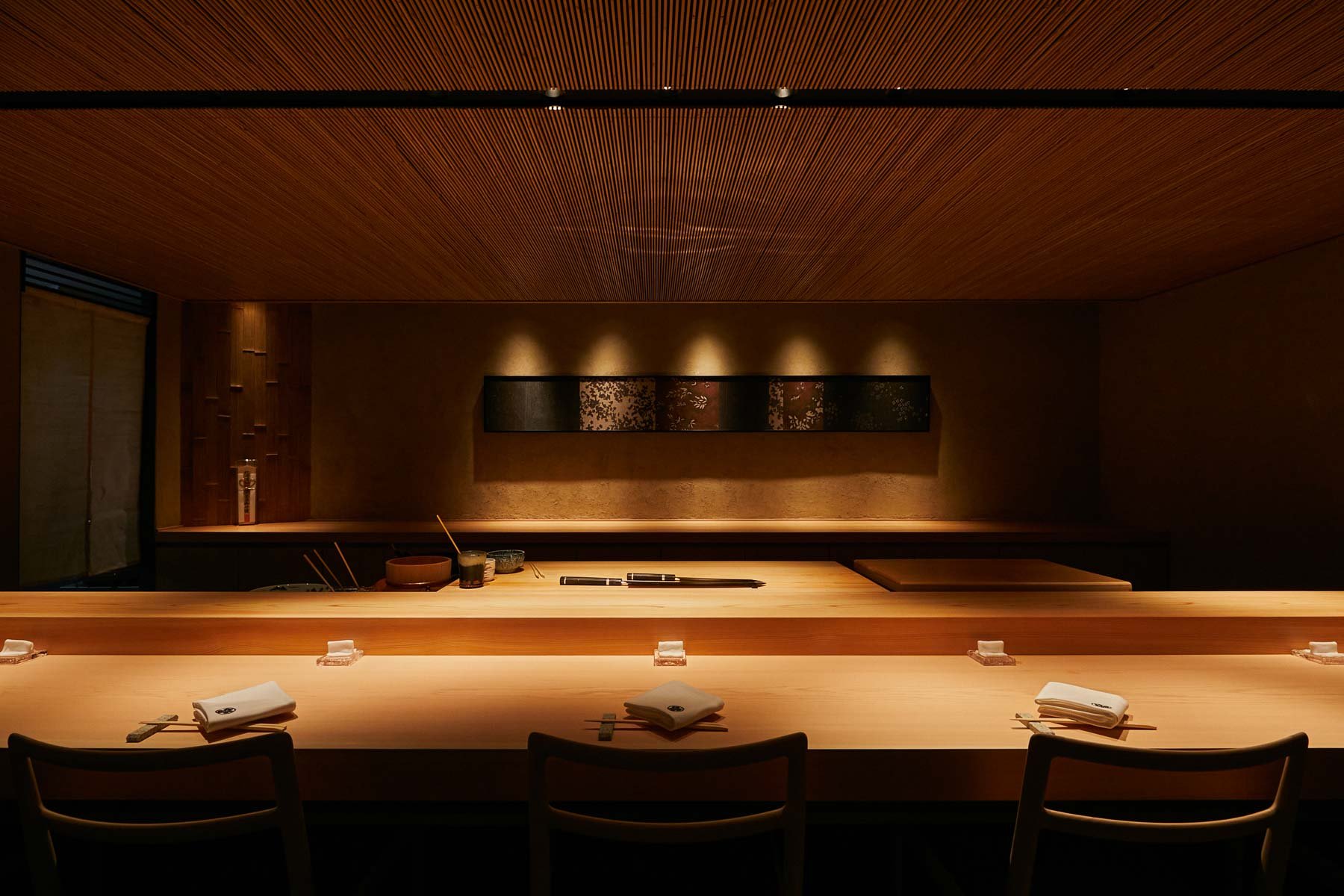
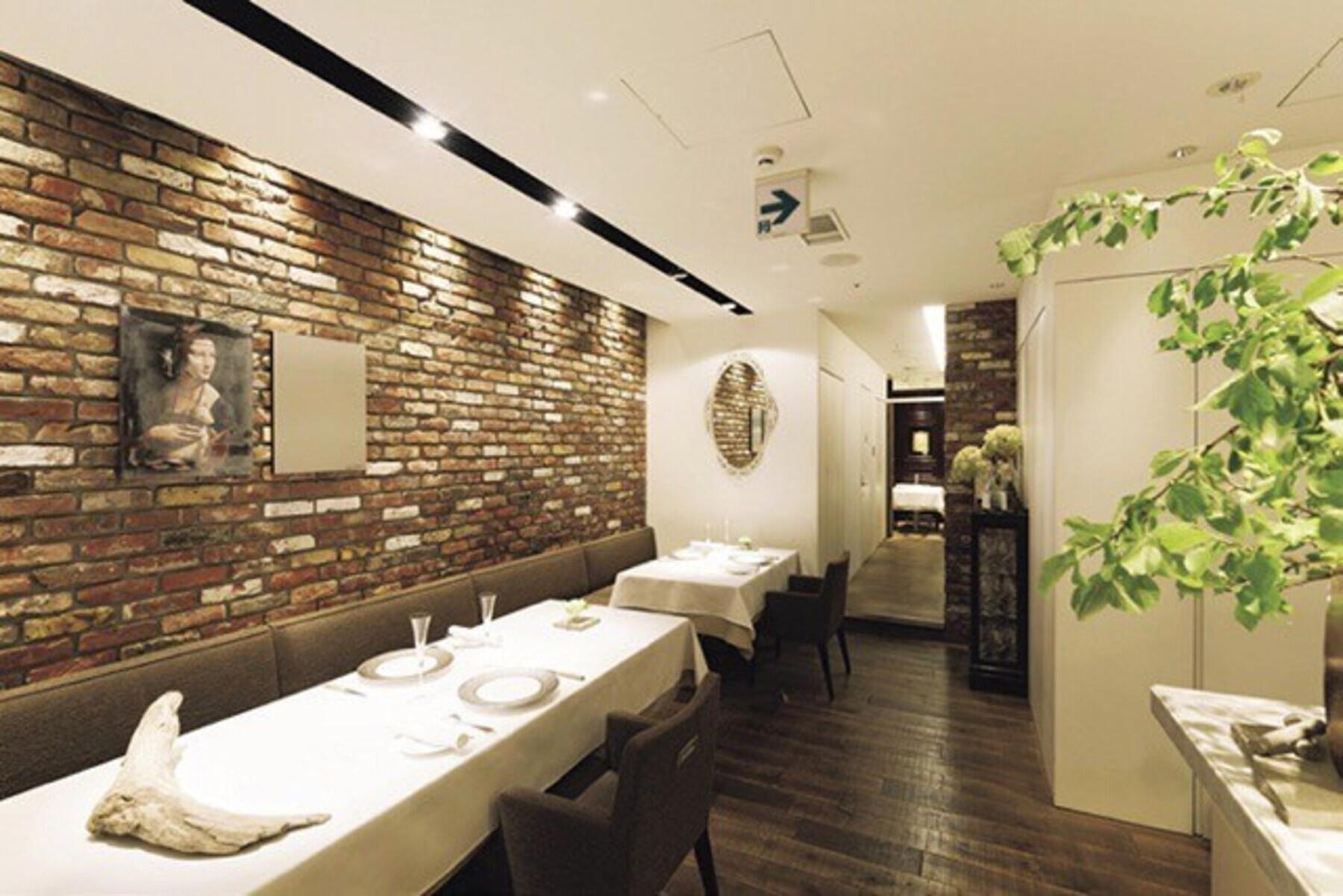
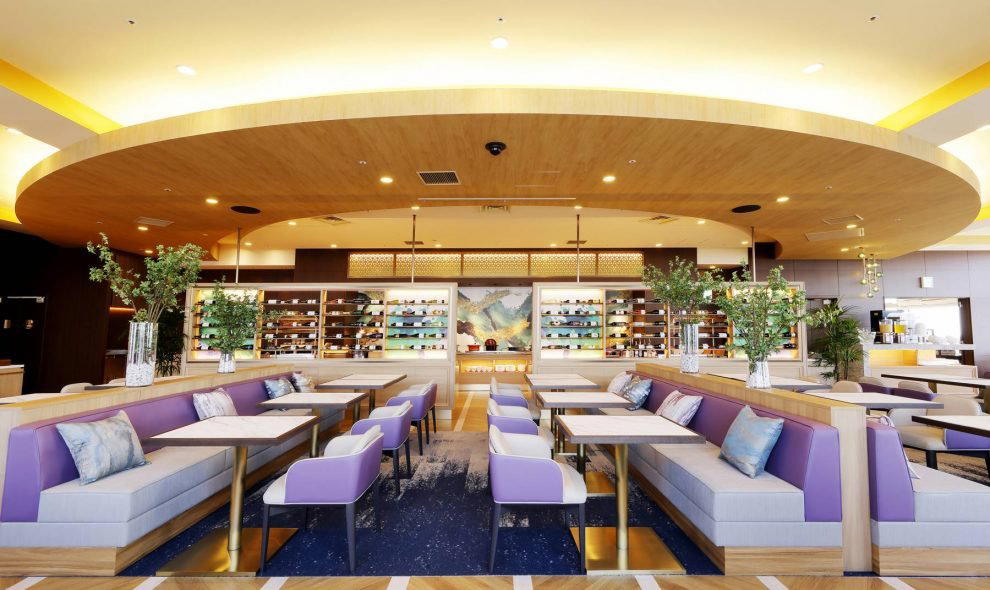
The listed seating format, 32 seats with table seating, also shifts the social register. Many ramen counters are built for solo efficiency; table seating gives flexibility for pairs, friends, and families without turning the room formal. That operational detail says more than a paragraph of atmosphere could. It suggests a shop designed for daily use, where staff keep the experience brisk but not brittle.
How to place it in a Sapporo eating day
The restaurant makes most sense in a day built around neighborhoods rather than trophy reservations. North of central Sapporo, near the university side of the city, the rhythm is less neon-and-nightlife than functional and local. That suits ramen. It also makes the shop a counterpoint to broader Sapporo planning: bakeries such as Aigues Vives show the city’s quieter craft side, while curry and tantanmen addresses map its appetite for heat, fat, and spice.
For a wider itinerary, use Our full Sapporo restaurants guide to build meals by district rather than chasing isolated names. The city also rewards category planning beyond the bowl: Our full Sapporo hotels guide helps with base selection, Our full Sapporo bars guide covers the drinking side, Our full Sapporo wineries guide is useful for regional wine context, and Our full Sapporo experiences guide broadens the trip beyond meals.
The broader Japan map matters too, because casual excellence changes shape by city. Compare Sapporo’s ramen directness with beef-led dining at -Grilled beef Sukiyaki- KAMAKURA TANUKIAN 鎌倉 たぬき庵 in Kamakura, urban charcoal and tuna formats at. 鮪と炭火焼き うお炭 秋葉原店 in Tokyo, café culture at.cafe in Osaka, contemporary local dining at.know in Kumamoto, Vietnamese cooking at (Shoku) Vietnam in Kawasaki, and Kyoto’s more coded dining grammar at [ki:] in Kyoto. Even outside Japan, focused formats such as Jōdo Saké Bar in Los Angeles and Onigiri Time in Pasadena underline the same point: narrow concepts work when the team understands the format and executes inside it.
The verdict is deliberately plain. The restaurant is for travelers who take casual food seriously and do not need the room to announce its importance. The evidence is in the repeat ramen-specific recognition, compact service model, family-friendly signals, and fit with Sapporo’s daily dining culture. In a city where ramen is both comfort and competition, that is enough.
Just the Basics
Comparable venues at a glance for context.
| Venue | Cuisine | Price | Notes |
|---|---|---|---|
| Marutaka RamenThis venue — the venue you are viewing | Kita, Sapporo ramen & pork rice bowls | $ | Not listed |
| Ramen Arata | Not listed | $ | Chūō, Sapporo ramen with Korean-inspired options |
| Okami Soup | Chūō, Sapporo miso ramen specialty shop | $ | Not listed |
| Toripaitan Soba Yuu | Shiroishi, Tori paitan ramen shop | $ | Not listed |
| MEDICINEMAN | Chūō, Sapporo soup curry house | $ | Not listed |
| Ajanta Indo Curry Ten | Not listed | $ | Chūō, Japanese-Indian Curry / Soup Curry |
Recognition history
Dated appearances from independent guides and award organizations, with the underlying list record or original source where available.
Tabelog 100 #64 · No. 64
Tabelog · Tabelog 100 - Ramen - HOKKAIDO - 2025

At a Glance
- Cozy
- Lively
- Classic
- Solo
- Family
- Casual Hangout
- Group Dining
- After Work
- Standalone
Current opening hours
- Monday
- Closed
- Tuesday
- 11:30 AM–3 PM, 5:30–7 PM
- Wednesday
- 11:30 AM–3 PM, 5:30–7 PM
- Thursday
- 11:30 AM–3 PM, 5:30–7 PM
- Friday
- 11:30 AM–3 PM, 5:30–7 PM
- Saturday
- 11:30 AM–3 PM
- Sunday
- 11:30 AM–3 PM
Hours can change for holidays and private events. Last verified .
Simple, classic neighborhood ramen shop with a spacious, no‑frills interior and a local feel; non‑smoking, family‑friendly atmosphere that suits solo diners, friends, and families alike.