
Ramen Kazamidori Honten belongs to the everyday ramen culture of Inazawa rather than the luxury dining circuit: compact, counter-led, and tightly focused on ramen, tsukemen, and donburi. Its selection for Tabelog 100 - Ramen - AICHI - 2025 gives it a clear regional credential in a prefecture where serious noodle shops compete on consistency as much as novelty.
Pearl is the En Primeur Club membership app — saves, bookings, and concierge access live there. Same editors, same standards.
- Address
- 愛知県稲沢市長野5-103-1
- Phone
- +81587843737
- Website
- ramen-kazamidori.com
- Directions
- Get directions
 Saves & bookings on Pearl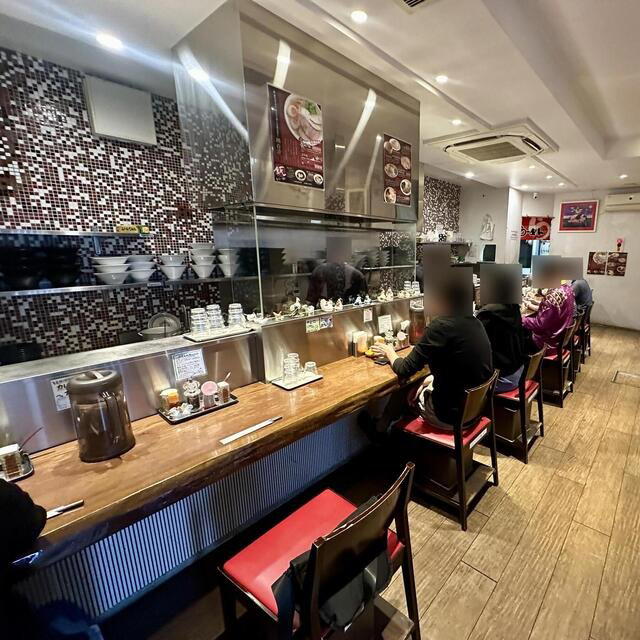
Approaching a house-style ramen shop in suburban Aichi changes the expectations. The drama is not a hotel lobby, a chef’s counter with choreographed silence, or a room designed for long tasting menus. It is the smaller ritual Japan has refined with unusual seriousness: a queue, a ticket or quick order, a short wait, and a bowl that has to justify itself immediately. In Inazawa, that format matters because dining is less about destination gloss than repeatable local trust.
Ramen Kazamidori Honten sits inside that culture of precision at everyday scale. The categories are plain and useful: ramen, tsukemen, and donburi. That combination places the shop in the practical end of Japanese dining, where broth, noodles, temperature, and turnover carry more weight than ceremony. For travellers used to reading Japan through sushi counters and kaiseki rooms, this is the other essential grammar: regional noodle shops that earn loyalty by doing a narrow set of things with discipline.
Aichi ramen culture, judged at neighbourhood scale
Aichi’s ramen scene does not operate like Tokyo’s, where national attention can turn a counter into a pilgrimage stop overnight. The better comparison is local endurance. Shops compete for regulars, lunch traffic, solo diners, and families; reputation builds through return visits rather than spectacle. Selection for Tabelog 100 - Ramen - AICHI - 2025 therefore says something specific. It places Ramen Kazamidori Honten within a prefectural group of ramen addresses that have cleared a regional popularity and quality threshold, not within a luxury-award framework.
That distinction is useful. Ramen is often discussed as if it were one national category, but the lived experience is intensely local. Aichi diners move between miso-driven traditions, lighter bowls, dipping noodles, rice sets, and hybrid menus shaped by commuter rhythms. Inazawa, outside the heavier tourism circuits, rewards places that work for weekday meals as much as planned food travel. A compact ramen shop can become significant precisely because it is not built around occasion dining.
The seating format reinforces that reading. A 19-seat room, with counter seating and two tables at the back, belongs to the ramen-shop middle ground: efficient enough for solo meals, flexible enough for small groups, and intimate enough that kitchen pacing remains visible. It is a different kind of hospitality from formal Japanese dining, but no less structured. The counter is not a stage for autobiography; it is a production line where timing has to be clean.
What the menu format tells you before the bowl arrives
Ramen and tsukemen appearing together is a signal of breadth without sprawl. Tsukemen asks the kitchen to think differently about concentration, noodle texture, and temperature because the dipping format separates broth from noodles. Donburi adds the pragmatic Japanese meal logic: rice bowls fill out the offer without turning the restaurant into an izakaya or family restaurant. The result is a narrow lane, but not a single-bowl monomania.
That matters for travellers planning an Inazawa food day. Pairing a ramen stop with local sweets or casual Japanese dining gives a clearer picture of the city than chasing only formal meals. Inazawa’s low-price dining tier includes addresses such as Matsuya Choshun and pâtisserie an Du temps pour la maison, which help map the city’s everyday appetite: noodles, confections, and small specialist shops rather than grand dining rooms. For the broader city edit, use Our full Inazawa restaurants guide.
The larger Japan context is equally instructive. Casual specialist cooking stretches from sukiyaki formats at -Grilled beef Sukiyaki- KAMAKURA TANUKIAN 鎌倉 たぬき庵 in Kamakura to urban seafood-and-grill rooms such as . 鮪と炭火焼き うお炭 秋葉原店 in Tokyo, cafe culture at .cafe in Osaka, and regional contemporary dining at.know in Kumamoto. Ramen’s role is not to imitate those categories. It compresses satisfaction into a shorter, more technical meal.
How to read it within an Inazawa itinerary
Inazawa is not a city that needs to be approached only through restaurants. The surrounding trip can fold in hotels, bars, wineries, and local experiences without forcing a single fine-dining narrative. The useful planning frame is category balance: a ramen meal here, a confectionery stop nearby, and then a wider look at the city through Our full Inazawa hotels guide, Our full Inazawa bars guide, Our full Inazawa wineries guide, and Our full Inazawa experiences guide.
For readers building a wider Japan casual-dining map, the comparison points should remain category-specific rather than hierarchical. Vietnamese cooking in Kawasaki at (Shoku) Vietnam in Kawasaki, curry specialization at [Curry Senmon Ten] Maruyama Kyoju. in Sapporo, Kyoto dining at [ki:] in Kyoto, meat-led cooking at #肉といえば松田 奈良本店 in Kashihara, and burgers at 1/3 HAMBURGER FACTORY in Kanazawa each show how Japan’s casual food culture rewards focused concepts. Even outside Japan, places such as Jōdo Saké Bar in Los Angeles and Onigiri Time in Pasadena translate parts of that same logic abroad: small formats, clear categories, and meals built around repetition rather than ceremony.
The editorial case for Ramen Kazamidori Honten is therefore not that it converts ramen into luxury. It does the opposite. It keeps ramen in its proper register: affordable, regional, technically exposed, and judged by a local audience that knows when a bowl has balance and when it does not. The Tabelog 100 Aichi selection gives visitors a reason to pay attention; the real lesson is how much of Japan’s food culture happens in rooms built for speed, regularity, and return visits.
Cost Snapshot
Nearby venues at a similar price tier for orientation.
| Venue | Cuisine | Price | Notes |
|---|---|---|---|
| Ramen Kazamidori Honten | Rich Chicken Paitan Ramen & Tsukemen | $ | Not listed |
| Matsuya Choshun | Not listed | $ | Inazawa, Traditional Japanese Wagashi (Confectionery) |
| pâtisserie an Du temps pour la maison | French-style pâtisserie and cake shop | $ | Not listed |
| Tsurukamedo Zenzai | Not listed | $ | Yomitan Village, Okinawan Shaved Ice (Zenzai) |
| Chiikawa Bakery | Not listed | $ | Umeda, Chiikawa-themed Japanese bakery café |
| Marusho Gyoza | Not listed | $ | Daito City, Traditional Japanese Gyoza Specialist |
Recognition history
Dated appearances from independent guides and award organizations, with the underlying list record or original source where available.
Tabelog 100 #9 · No. 9
Tabelog · Tabelog 100 - Ramen - AICHI - 2025
At a Glance
- Lively
- Casual
- Cozy
- Solo
- Casual Hangout
- After Work
- Family
- Standalone
- Local Sourcing
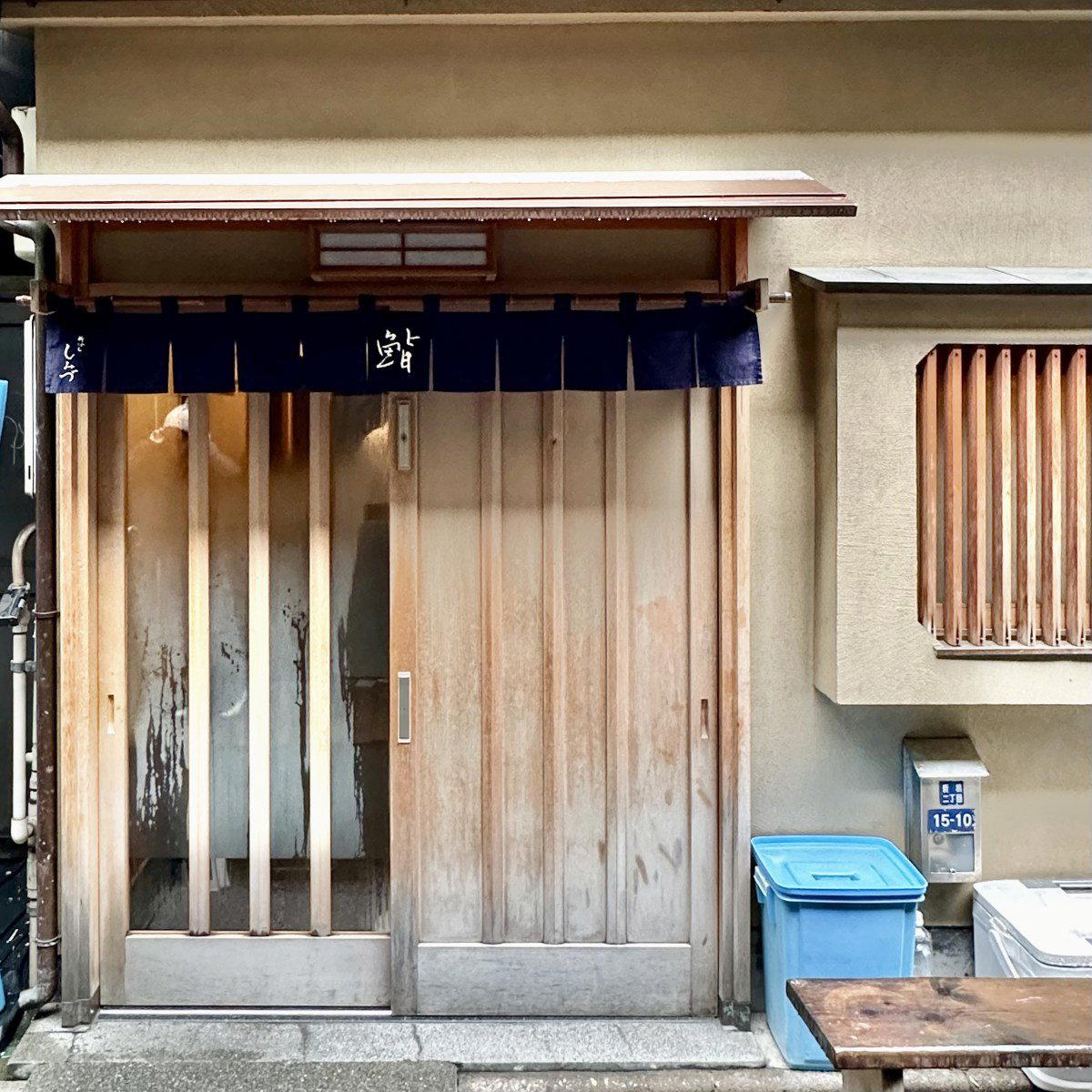
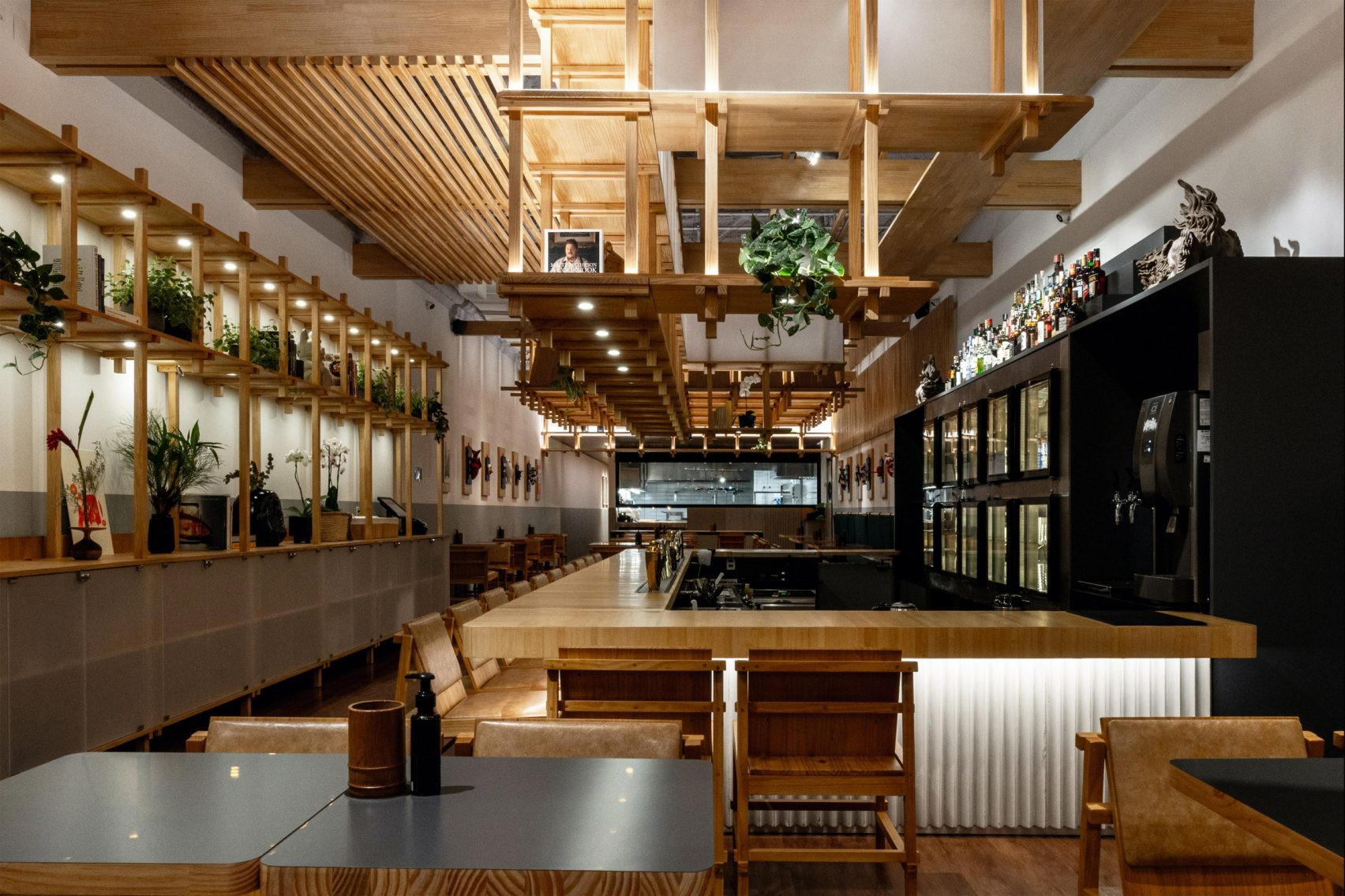
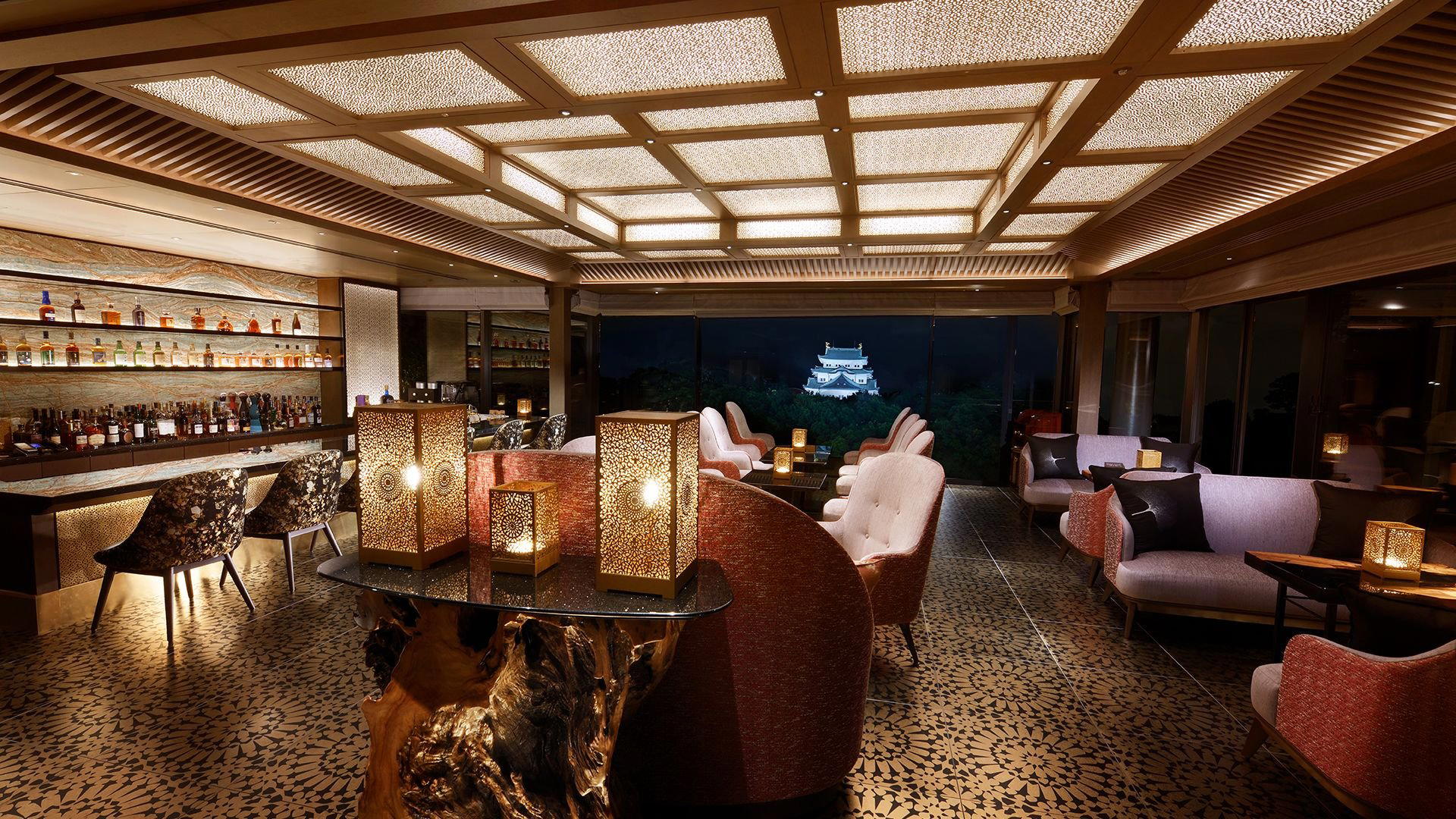
A compact, casual ramen shop atmosphere focused on the steaming bowls and rich chicken aroma rather than decor, with an energetic, everyday local feel.