
Ramen Hoppeya belongs to Sapporo’s compact, counter-led ramen culture rather than its tourist-facing miso ramen circuit. Recognition in Tabelog’s Ramen HOKKAIDO 100 for 2024 and 2025 gives it a clear local signal, while the small room and ramen-tsukemen focus keep the experience closer to everyday Sapporo eating than destination dining theatre.
Pearl is the En Primeur Club membership app — saves, bookings, and concierge access live there. Same editors, same standards.
- Address
- 北海道札幌市東区北十一条東6-1-40 館ビル 1F
- Phone
- +81117520011
- Website
- tabelog.com
 Saves & bookings on Pearl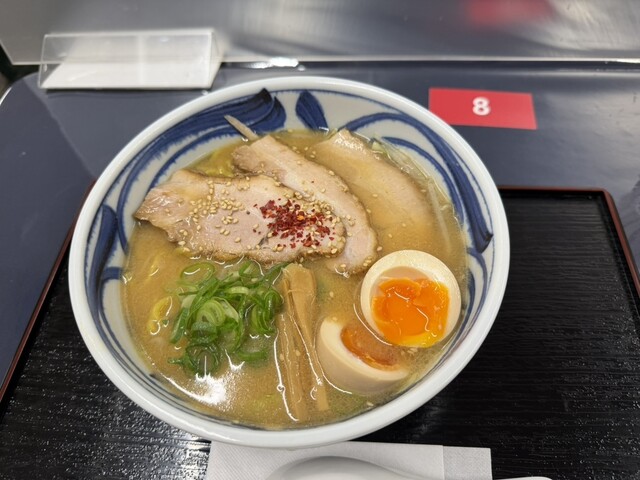
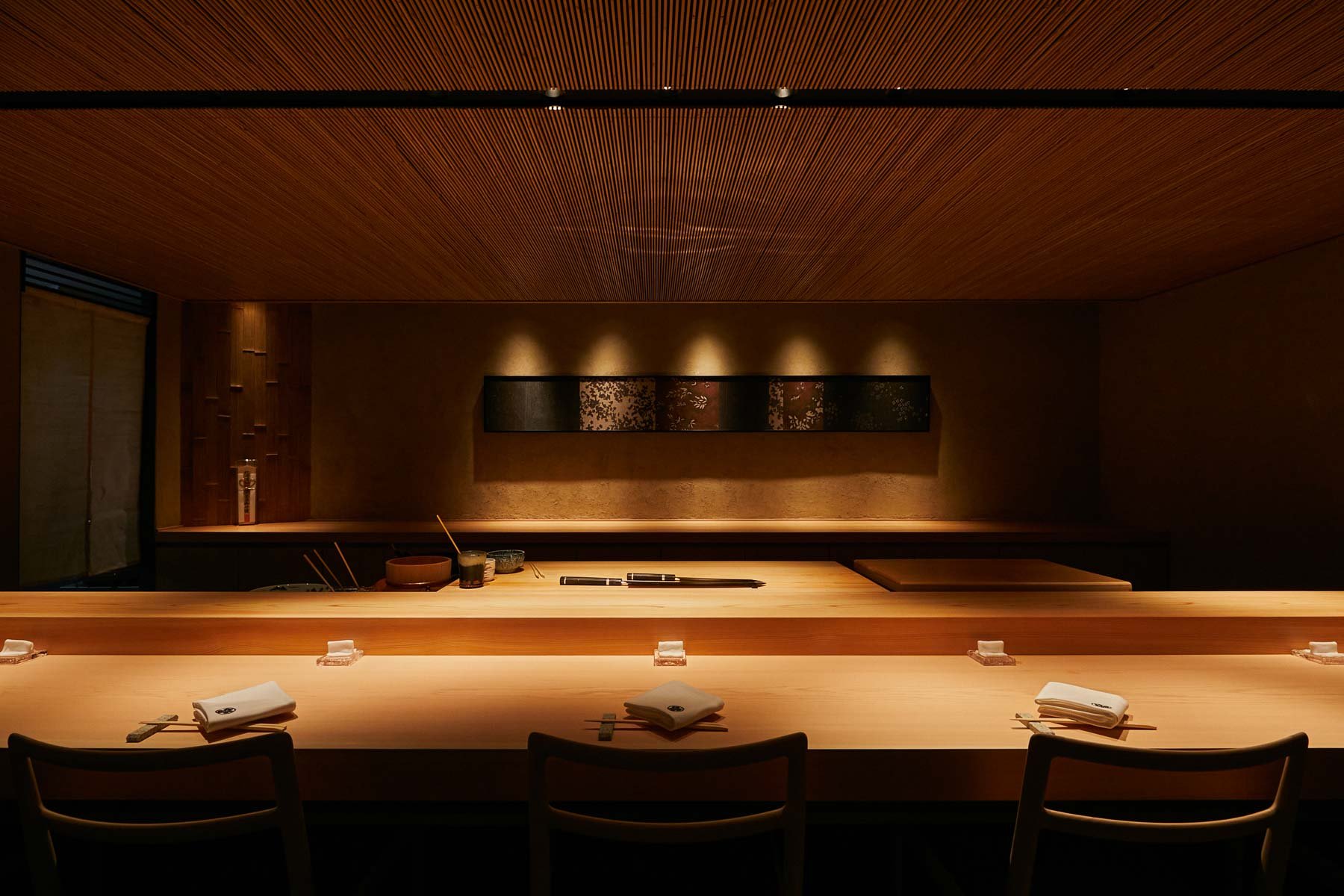
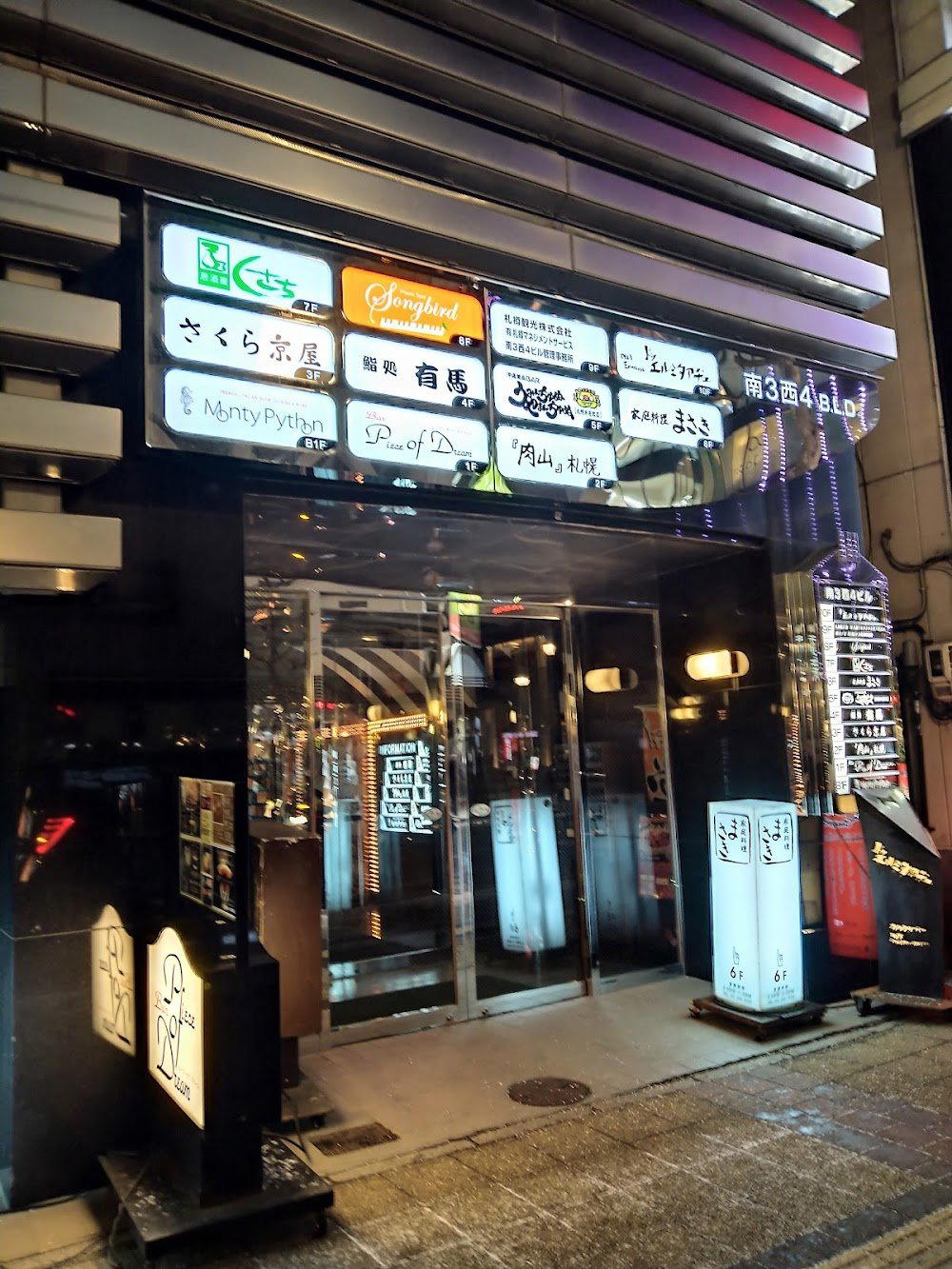
Approaching a small Sapporo ramen shop is rarely about grand arrival. The cues are tighter: a short frontage, a counter visible through the room, the practical rhythm of diners arriving alone or in pairs, and the quick turnover that defines much of Japan’s ramen culture. In Higashi-ku, Ramen Hoppeya fits that grammar. The room is built around counter seating and a small number of table seats, which places it in the intimate end of Sapporo ramen rather than the larger, queue-managed shops that dominate station-area itineraries.
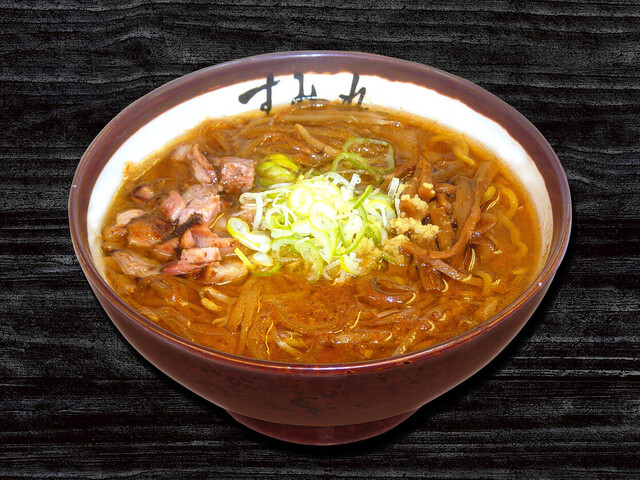
Sapporo’s ramen identity is often reduced abroad to butter, corn, and miso, but the city’s actual noodle scene is broader and more competitive. Ramen and tsukemen shops here compete on broth concentration, noodle texture, seasoning balance, and repeat local custom rather than on ceremony. That matters for visitors: a serious bowl in Sapporo does not need a tasting-menu frame, and it often reads better when judged against the city’s everyday ramen standards than against luxury dining expectations.
A compact counter in Sapporo's everyday ramen culture
The useful way to read Ramen Hoppeya is through scale. Nine seats, including five at the counter, create a room where the kitchen’s pace shapes the meal. This is not the format for lingering over multiple courses; it is the format where ramen’s efficiency becomes part of the pleasure. Solo diners and small groups fit naturally into that system, and the presence of counter seating keeps attention on the bowl rather than the room.
The menu category is also telling. Ramen and tsukemen sit beside each other in Japan’s noodle taxonomy but ask different things from a kitchen: ramen is judged as an integrated bowl, while tsukemen separates noodles and dipping broth, putting more scrutiny on noodle chew and broth intensity. A shop working in both lanes enters a tougher local conversation than a single-style counter, especially in Hokkaido, where ramen expectations are unusually high.
Recognition by Tabelog’s Ramen HOKKAIDO 100 in both 2024 and 2025 gives the shop an external marker inside that conversation. Tabelog’s Hyakumeiten lists are not luxury awards; they are category-specific signals, useful because they track a field where everyday pricing, high volume, and local repeat dining can matter as much as chef biography. In Sapporo, that is a more relevant credential for ramen than imported fine-dining language.
Where it sits among Sapporo's noodle and curry circuits
Sapporo eating is not a single-track ramen itinerary. The city’s casual dining strength also runs through soup curry, European-style curry, and specialist noodle counters. A comparison set makes the point: Sapporo Fujiya and Ame wa, Yasashiku NO,2 occupy a slightly higher everyday spend band, while Ramen Yuzuki sits in the same low-price ramen bracket as Ramen Hoppeya. European Curry KEN and Curry Tamashii Destroyer show how curry counters compete for similar casual-meal attention without belonging to the same culinary tradition.
That wider field helps explain why a small ramen counter can be worth planning around without being treated as a grand occasion. Sapporo rewards repeat, category-led eating: one meal for ramen, another for soup curry, another for bakery or café culture. Ajanta Indo Curry Ten, and Ajanta Sohonke for the city’s curry side, or Aigues Vives when the day calls for a different kind of carb pilgrimage.
The broader Japanese casual-dining map is useful too, because it shows how specific these formats can be. Compare Sapporo’s ramen-and-curry habits with -Grilled beef Sukiyaki- KAMAKURA TANUKIAN 鎌倉 たぬき庵 in Kamakura. 鮪と炭火焼き うお炭 秋葉原店 in Tokyo.cafe in Osaka.know in Kumamoto, (Shoku) Vietnam in Kawasaki, and [ki:] in Kyoto. Outside Japan, Jōdo Saké Bar in Los Angeles and Onigiri Time in Pasadena show how Japanese casual formats shift once they enter American dining culture.
How to frame the stop in a Sapporo itinerary
The right expectation is precision over spectacle. The restaurant belongs to the kind of Sapporo meal that works because it is narrow, quick, and category-specific. The small seating count means timing matters more than dress or ceremony, and the no-reservation format places it closer to a local counter routine than a pre-planned fine-dining booking. For a visitor, that is part of the appeal: the meal slots into the day without asking the rest of the itinerary to orbit around it.
Use it as one data point in a city that takes casual food seriously. Sapporo’s winter reputation can make travelers over-focus on warming bowls, but ramen is not only a cold-weather decision here; it is a year-round civic habit, sharpened by competition and by diners who know the difference between a passable bowl and one with enough structure to earn repeat attention. The restaurant’s Tabelog Ramen HOKKAIDO 100 selections place it in that latter conversation, without requiring the reader to mistake a compact ramen counter for a luxury restaurant.
For wider planning, start with Our full Sapporo restaurants guide, then layer the trip with Our full Sapporo hotels guide, Our full Sapporo bars guide, Our full Sapporo wineries guide, and Our full Sapporo experiences guide. The point is not to chase every famous bowl; it is to understand how ramen, curry, counters, and small rooms form the city’s practical dining intelligence.
Budget Reality Check
Comparable venues to calibrate price, style, and recognition.
| Venue | Cuisine | Price | Notes |
|---|---|---|---|
| Ramen HoppeyaThis venue — the venue you are viewing | Not listed | $ | Not listed |
| Sumire Sapporo susukino ten | Chūō, Japanese Ramen | $ | Not listed |
| MEN SHOUKI | Not listed | $ | Higashi, Modern Japanese Ramen & Tsukemen |
| Keyaki Susukino honten | Chūō, Sapporo miso ramen shop | $ | Not listed |
| Sapporo Rou Curry NAGAMIYA | Not listed | $ | Chūō, Additive-free Japanese roux curry & biryani |
| Menya Nanabee Honten | Shiroishi, Ramen | $ | Not listed |
Recognition history
Dated appearances from independent guides and award organizations, with the underlying list record or original source where available.
Tabelog 100 #15 · No. 15
Tabelog · Tabelog 100 - Ramen - HOKKAIDO - 2025
At a Glance
- Cozy
- Intimate
- Solo
- Family
- Casual Hangout
- After Work
- Standalone
A tiny, non-smoking neighborhood ramen shop with just nine seats split between counter and a couple of small tables, creating a cozy, low-key atmosphere suited to solo diners and families looking for a calm, everyday bowl rather than a loud, late-night scene.