
Tabelog 100 #42
Our verdict
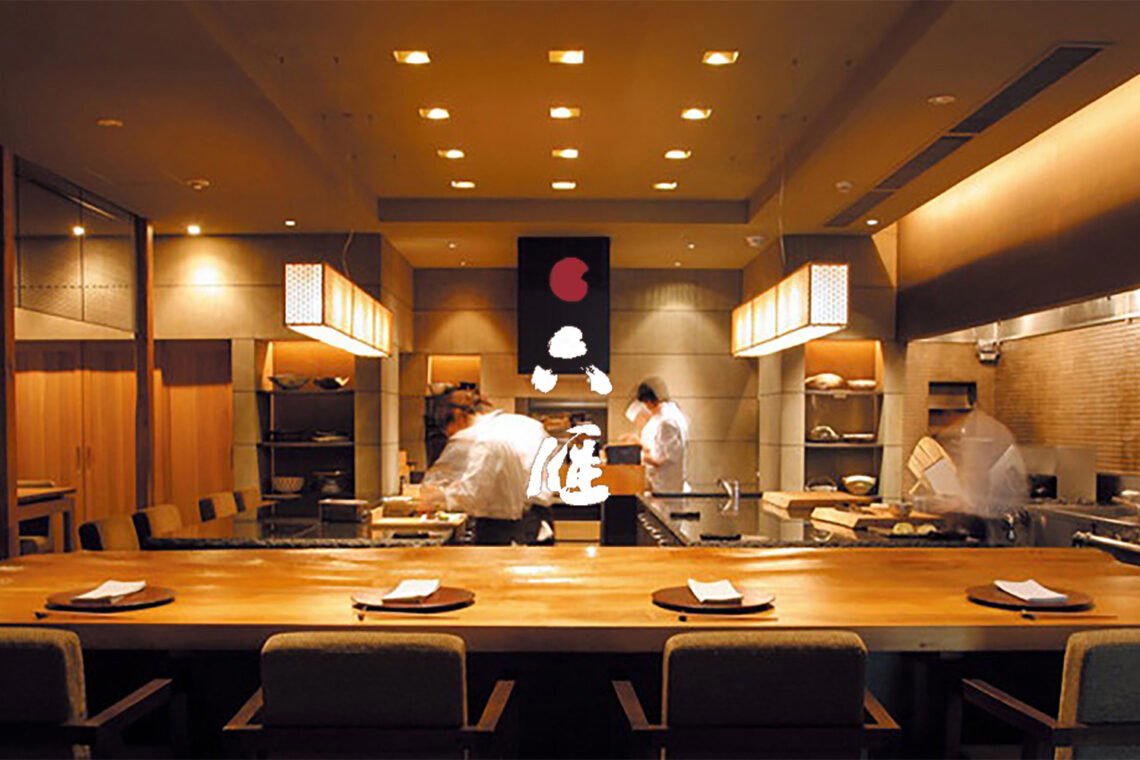
Oki No gives Yokkaichi’s izakaya scene a counter-led, fish-focused address with serious Tabelog recognition rather than big-city ceremony. Its 12-seat format, sake and shochu emphasis, and Tabelog 100 Izakaya WEST selections in 2025, 2024, and 2022 place it in the small-room end of Mie dining, where sourcing and drinking rhythm matter more than spectacle.

Pearl is the En Primeur Club membership app — saves, bookings, and concierge access live there. Same editors, same standards.
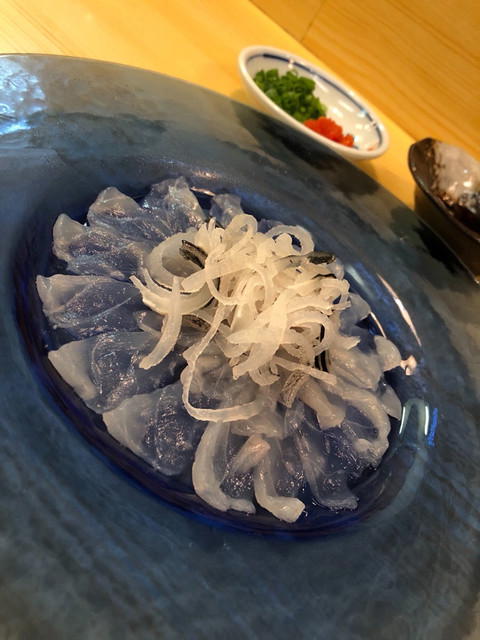
The menu
What to order
- Beef ponzu with Matsusaka beef
- Daikon foie gras
- Potato salad with soft-boiled egg
- Deep-fried dishes made to order
- Cream croquette with crab
On Yokkaichi’s evening streets, the izakaya rhythm is direct: counters and tables fill around dinner, drinks replace long wine-list performance, and seafood can carry the meal. Oki No fits that tradition. Its appeal suits Yokkaichi better than a grand dining-room narrative: straightforward, local in feel, and framed by izakaya pacing rather than ceremony.
Yokkaichi does not need its food culture explained through Tokyo comparisons. The city’s port, commuter patterns, and Mie Prefecture’s seafood culture create their own dining logic. Izakaya here are not merely after-work drinking rooms; the stronger ones are kitchens with drink programs attached. Oki No’s listing as an izakaya, Japanese cuisine, and seafood restaurant makes that distinction useful. It is neither kaiseki-formal nor a casual chain tavern, but the middle ground where preparation, freshness, and drink compatibility decide the evening.
Fish-led izakaya cooking, scaled to the night
The clearest editorial signal is the ingredient emphasis: seafood is central, with Japanese cooking rather than a fixed luxury script. Serious izakaya kitchens are judged by daily product, how they pace salt and fat across dishes, and how well drinks carry the meal without turning it into a tasting menu.
Oki No’s recognition supports that reading. It was listed in Tabelog’s Hyakumeiten recognition for 2025 and carries a Tabelog score of 3.74. Tabelog’s Hyakumeiten lists are useful here because they often catch specialist, locally trusted rooms outside the international award circuit. For a Yokkaichi izakaya, that kind of selection says more than a glossy dining-room narrative.
The drinking side also points to pairing rather than volume alone. A good izakaya experience is not only about what is poured, but about whether the drinks make sense with the cooking. That matters because seafood-focused izakaya meals can move from clean, saline preparations to richer grilled or simmered dishes. The best version keeps the table informal without making the food feel secondary.
For readers mapping Yokkaichi by category, this is a different lane from chicken-specialist comfort at Honetsuki Dori Kamon, other local dining, and the broader European register of Spanish Bar Bosque. Other Yokkaichi dining rooms point to different modes again. The useful comparison is not which address is grander, but which format fits the night. Oki No is for seafood, drinks, and izakaya pacing.
Why the izakaya format still matters in Mie
Mie dining has an advantage larger restaurant cities can bury under branding: proximity to product. The prefecture’s coastal identity gives seafood restaurants and izakaya a built-in expectation of seasonality, but expectation is not execution. The format has few places to hide. It cannot rely only on luxury-ingredient procession or room theater. The test is whether the kitchen keeps the meal moving, each dish earns the next drink, and the experience feels personal without requiring guests to join a chef’s biography.
That is where Oki No’s current recognition matters. Yokkaichi faces the same pressures as other regional Japanese cities: changing drinking habits, shifting evening patterns, and younger diners splitting between casual counters, Western-style bars, and reservation-led small restaurants. An izakaya visible in the Tabelog Hyakumeiten conversation in 2025 is not being framed through nostalgia; it is working in a category where regulars, repeatability, and ingredient discipline count.
The price band also places it in an appealing pocket for serious travelers. Oki No is listed at JPY 3,000 - JPY 3,999, which keeps it away from the rarefied end of Japanese dining. Revealing regional meals often happen below the luxury threshold, where a restaurant can buy intelligently, cook seasonally, and keep the evening informal. Oki No corrects the idea that Japan’s meaningful food experiences require a Michelin-style room or months-ahead omakase seat.
There are trade-offs. An izakaya format gives focus but may not suit every plan. Those details matter more than decorative language. A couple seeking local seafood and drinks will read the room differently from a group wanting a broadly accommodating dinner. The format is focused, not universal.
How to place it in a Yokkaichi food itinerary
Oki No works as a dinner anchor rather than a quick stop between bars. The Yokkaichi setting supports that role, and the izakaya format fits the after-work dining pattern. Treat it as a meal built around seafood and drinks, then let the rest of the city fill in around it: a casual meal on another night, a chicken specialist for an easy table, or a Spanish bar when the group wants wine and a looser register.
For broader planning, our full Yokkaichi restaurants guide gives the dining map more context, while our full Yokkaichi hotels guide, our full Yokkaichi bars guide, our full Yokkaichi wineries guide, and our full Yokkaichi experiences guide help shape the rest of the trip. Travelers comparing Japanese regional dining beyond Mie can also use other dining rooms in Japan and abroad as broader points of contrast across formats, cities, and levels of formality.
The case for Oki No is narrow but persuasive: a seafood-oriented izakaya in Yokkaichi with Tabelog Hyakumeiten recognition for 2025, a 3.74 Tabelog score, and a format that keeps the experience close to izakaya cooking. It is not the answer to every dining need in the city. It is the answer when the night calls for regional seafood culture expressed through an izakaya rather than a formal restaurant.
Frequently asked questions
Is Oki No a family-friendly restaurant?
Oki No is an izakaya in Yokkaichi with Japanese cuisine and seafood listed among its categories. The room is best understood as a focused izakaya rather than a broadly family-oriented dining room.
Is Oki No better for a quiet night or a lively one?
It reads as a focused izakaya choice rather than a large party address. The Tabelog Hyakumeiten 2025 recognition adds credibility, but the appeal is meal-driven rather than spectacle-driven.
What's the pricing like at Oki No?
Pricing at Oki No is listed as JPY 3,000 - JPY 3,999.
What is Oki No known for?
Oki No is known as a Yokkaichi izakaya serving Japanese cuisine and seafood, with Tabelog Hyakumeiten recognition in 2025 and a Tabelog score of 3.74.
In Context: Similar Options
Comparable venues by cuisine and price in the same metro.
| Venue | Cuisine | Price | Awards | Notes |
|---|---|---|---|---|
| Oki NoThis venue (the venue you are viewing) | Seasonal Japanese Izakaya & Kappo | $20–30 | Tabelog 100 #42 | Not listed |
| Honetsuki Dori Kamon | Japanese Chicken Dishes / Yakitori | Not listed | Tabelog 100 #15 | Kintetsu Yokkaichi |
| Ramen Hachinoashiha | Traditional Japanese Ramen (Shio-focused) | $10–20 | Tabelog 100 #88 | : null |
| Menya Sonidori | Ramen shop with house-made noodles and shoyu-focused broth | $1–10 | Tabelog 100 #67 | Horiki |
| 割烹 西むら | Kappou Kaiseki | $150–200 | Not listed | 西新地 |
| 四日市バール | French Tavern (Bistro) | $20–30 | Not listed | near Kintetsu Yokkaichi Station |
Recognition history
Dated appearances from independent guides and award organizations, with the underlying list record or original source where available.
Tabelog 100 #42 · No. 42
Tabelog · Tabelog 100 - Izakaya - WEST - 2025
Continue exploring
More in Yokkaichi
Restaurants in Yokkaichi
All restaurants in Yokkaichi →
Details
- Cozy
- Intimate
- Lively
- After Work
- Solo
- Group Dining
- Casual Hangout
- Date Night
- Celebration
- Chefs Counter
- Standalone
- Sake Program
- Beer Program
- Local Sourcing
- A La Carte
- Small Plates
- Counter Dining
- Sake
- Shochu
- Beer
Current opening hours
- Monday
- 4–11 PM
- Tuesday
- 4–11 PM
- Wednesday
- 4–11 PM
- Thursday
- 4–11 PM
- Friday
- 4–11 PM
- Saturday
- 4–11 PM
- Sunday
- Closed
Hours can change for holidays and private events. Last verified .