


1 Michelin Star · Macarfi 8.2 Food Rating · Guía Repsol 2 Soles
Our verdict
Raúl Resino holds a Michelin star in Benicarló, a fishing town on the Castellón coast, where a single tasting menu, the Maritime menu from our coast Km 0, centres on the biodiversity of the local shoreline. The format prioritises less-celebrated species and traditional fishermen's recipes over prestige ingredients, placing it firmly within Spain's broader coastal creative movement at a €€€ price point.

Pearl is the En Primeur Club membership app, where members save venues, book tables and use the concierge.
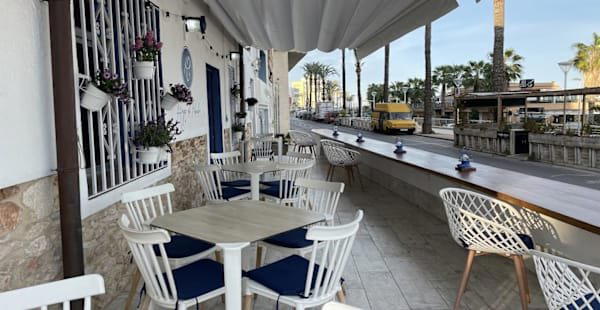
Benicarló sits on the northern edge of the Valencian Community, far enough from Valencia city and the Costa del Azahar resort strip that it operates largely on its own terms. The town has a working port, a wholesale fish market, and the kind of institutional relationship with the Mediterranean that predates restaurant culture by several centuries. In that context, the presence of a Michelin-starred table on Carrer d'Alacant is less surprising than it might appear from the outside: the Castellón coast has long produced raw material that serious kitchens would travel for. What changed, over the past generation of Spanish gastronomy, is that chefs in towns like this stopped sending their leading catch to Barcelona or Valencia and started cooking it where it was landed.
The Castellón Coast and the Logic of Km 0 Cooking
Spain's creative restaurant movement has historically clustered in the Basque Country and Catalonia, with landmark addresses like El Celler de Can Roca in Girona, Arzak in San Sebastián, and Disfrutar in Barcelona defining the international conversation. The Valencian Community has its own lineage, anchored by names like Quique Dacosta in Dénia and Ricard Camarena in València, but the northern coast of Castellón occupies a quieter, less-documented position within that tradition. That quietness is, in part, the editorial point: a Michelin star in a town of this scale signals something about how the guide has extended its reach beyond urban prestige addresses, and about how a place with deep maritime culture can support a restaurant of this ambition.
The Km 0 concept, which Raúl Resino formalises through its single tasting menu, the Maritime menu from our coast Km 0, is not a marketing phrase here. It describes a genuine constraint: the menu is built around what the Castellón shoreline actually produces, including species that rarely make it to commercial auction because they lack the name recognition of sea bass or red mullet. Wrasse, scald fish, trumpet fish, beard fish: these are the catches that local fishermen have always prepared on their boats, in simple preparations shaped by limited equipment and immediate hunger. The restaurant's project is to take those traditions seriously at a creative level, which places it in the same broad category as Aponiente in El Puerto de Santa María, another Michelin-starred address where the rehabilitation of overlooked marine species drives the entire culinary programme.
A Single Menu, and What It Demands of the Diner
The format at Raúl Resino is a single tasting menu with no à la carte alternative. This is now a familiar structure at Spain's more ambitious creative tables: Mugaritz in Errenteria, Azurmendi in Larrabetzu, and DiverXO in Madrid all operate on the same logic: a single authored statement, updated seasonally, that gives the kitchen full control over the guest experience. At this price point and format, the diner is agreeing to put themselves in the hands of the kitchen rather than choosing from a list. The trade-off is that the kitchen can push further, take more risks, and build a coherent narrative across the meal.
Nod to Japanese technique within the menu is a thread running through Spanish coastal cooking more broadly. The affinity between Japanese and Mediterranean approaches to fish, precision cutting, temperature control, attention to the quality of individual ingredients over complex saucing, has produced a productive cross-pollination at several points on the Spanish coast. Here, it shapes the treatment of local species rather than importing Japanese ingredients, which keeps the Km 0 premise intact.
Rice is a structural part of the Castellón food culture in a way that sets it apart from the Basque Country or Catalonia. The Valencia region's rice tradition extends north into Castellón, and the menu reflects that: the canana rice, prepared with a local mollusc closely related to squid, is a documented example of how the restaurant translates traditional fishermen's boat cooking into a tasting menu context. This kind of dish, rooted in a specific local ingredient with no wider commercial profile, is what distinguishes a genuinely place-specific menu from one that happens to be located near the sea.
Where Raúl Resino Sits in Its Competitive Set
At €€€, Raúl Resino prices at one bracket below the €€€€ tier occupied by Martin Berasategui in Lasarte-Oria and other multi-starred Spanish addresses. That positioning is significant: a one-star Michelin table operating a single creative tasting menu at a moderate price point, in a secondary city rather than a regional capital, represents a specific niche within Spanish gastronomy.
Internationally, the comparison extends to addresses like Alléno Paris au Pavillon Ledoyen in the creative fine dining category, or Enrico Bartolini in Milan, though the Benicarló address operates at a very different scale and with a fundamentally different relationship to its raw material. The shared category is creative fine dining with a strong editorial point of view; the differences in context, price, and cultural reference are substantial.
For diners planning a Castellón itinerary, the restaurant sits alongside Pau (Rice Dishes) as part of a local dining scene that punches above what the town's size would suggest. A visit to Raúl Resino pairs naturally with exploration of the wider area, which is covered in our full Benicarló restaurants guide, alongside our full Benicarló hotels guide, our full Benicarló bars guide, our full Benicarló wineries guide, and our full Benicarló experiences guide.
Planning Your Visit
Raúl Resino is open for lunch and dinner Tuesday through Saturday, with service running 1:30 PM to 5:00 PM and 9:00 PM to 12:30 AM. The kitchen closes completely on Sundays and Mondays, which is standard for restaurants of this format and ambition in Spain. The address is Carrer d'Alacant, 2, in Benicarló. Given the single-menu format and Michelin recognition, advance booking is advisable; this is not a table that absorbs walk-in traffic at peak service. The €€€ price bracket places it at a meaningful but not prohibitive spend for a full tasting menu experience on the Spanish Mediterranean coast.
Frequently asked questions
Is Raúl Resino a family-friendly restaurant?
At €€€ in a Michelin-starred setting built around a single creative tasting menu, this is adult-oriented dining rather than a family meal out in Benicarló.
What is the overall feel of Raúl Resino?
If you are familiar with Spain's regional creative dining scene and comfortable with a single-menu format, the restaurant delivers a tightly focused, place-specific experience grounded in Castellón's maritime culture. At €€€, the commitment required, both financial and in terms of handing control to the kitchen, is real, but the cultural specificity of the menu justifies it for the right diner.
What is the must-try dish at Raúl Resino?
The tasting menu format means there is no à la carte selection; the canana rice, prepared with a local Castellón mollusc and rooted in traditional fishermen's boat cooking, is the documented anchor of the creative programme. For a Michelin-starred kitchen that has built its identity around overlooked local species and rice-culture traditions, it is the dish that most clearly states the restaurant's argument.
Pricing, Compared
| Venue | Cuisine | Price | Awards | Notes |
|---|---|---|---|---|
| Raúl ResinoThis venue (the venue you are viewing) | Creative Mediterranean Seafood | $50–100 | 1 Michelin Star · Macarfi 8.2 Food Rating | Not listed |
| Aponiente | Avant-Garde Marine Seafood | $200–300 | 3 Michelin Stars · World's 50 Best #84 | Progressive - Seafood, Creative |
| Arzak | Contemporary Basque Fine Dining | $300–500 | 3 Michelin Stars · World's 50 Best #31 | Modern Basque, Creative |
| DiverXO | Avant-Garde Spanish Tasting Menu | $300–500 | 3 Michelin Stars · World's 50 Best #4 | Progressive - Asian, Creative |
| El Celler de Can Roca | Creative Catalan Fine Dining | $300–500 | 3 Michelin Stars · World's 50 Best #2 | Progressive Spanish, Creative |
| Quique Dacosta | Avant-Garde Spanish Fine Dining | $300–500 | 3 Michelin Stars · World's 50 Best #65 | Creative |
Recognition history
Dated appearances from independent guides and award organizations, with the underlying list record or original source where available.
Michelin 1 Star
Michelin
Guía Repsol 2 Soles
Guía Repsol
Macarfi 8.2 Food Rating
Macarfi
Full recognition history (5 entries)
Michelin 1 Star
Michelin
Michelin 1 Star
Michelin
Continue exploring
More in Benicarló
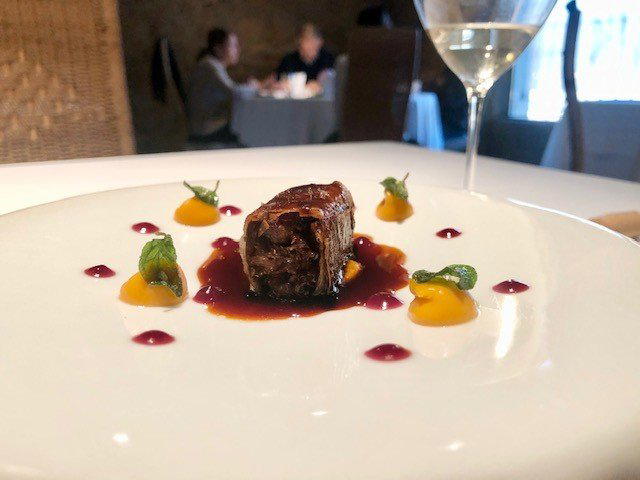
Restaurants in Benicarló
All restaurants in Benicarló →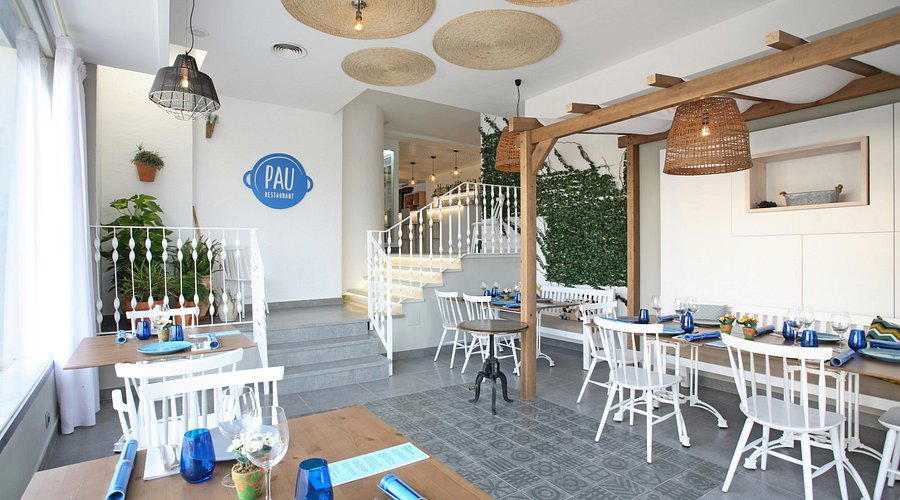
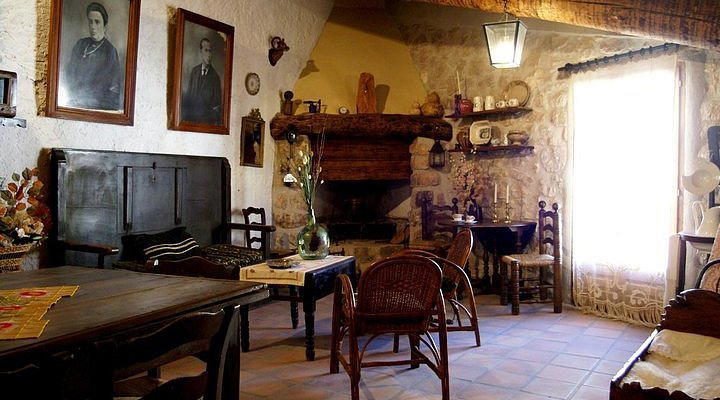
Hotels in Benicarló
Browse all →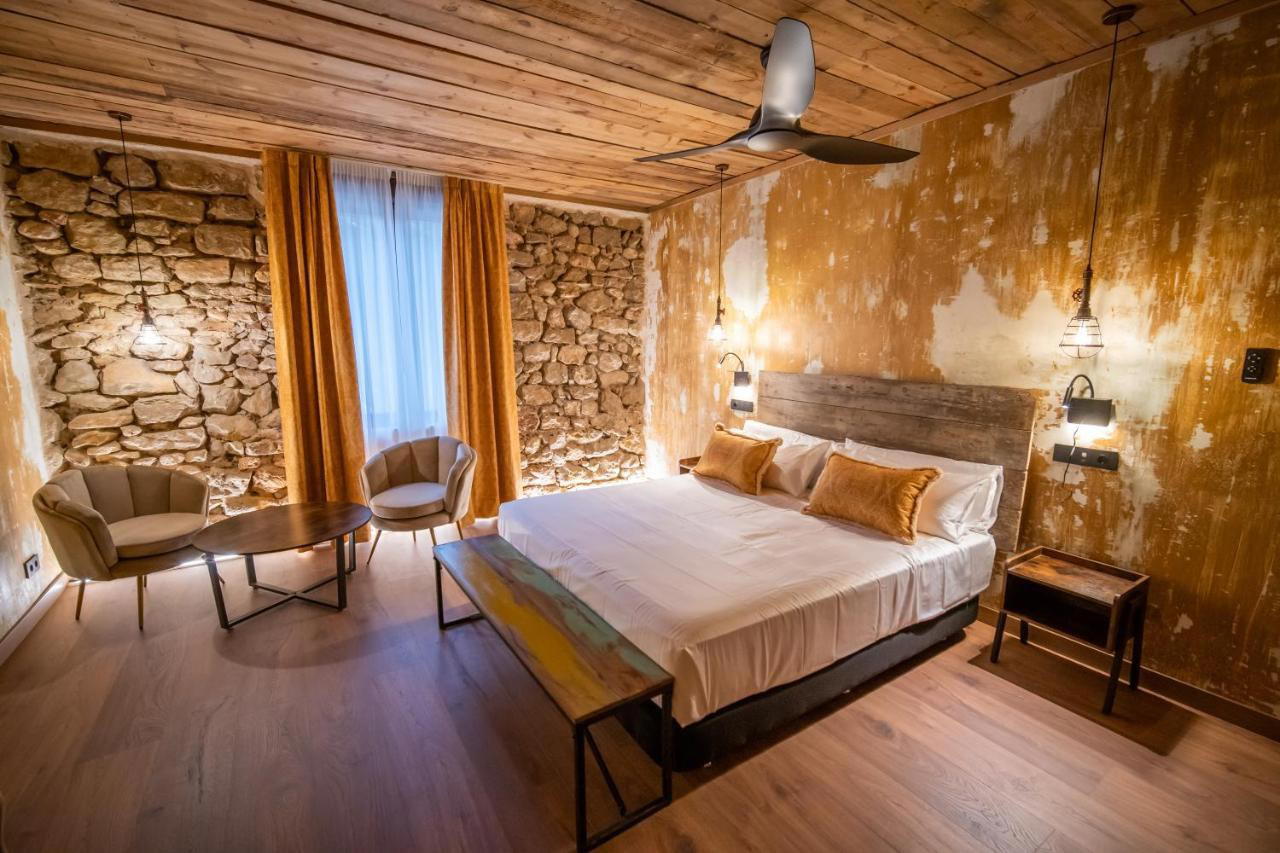
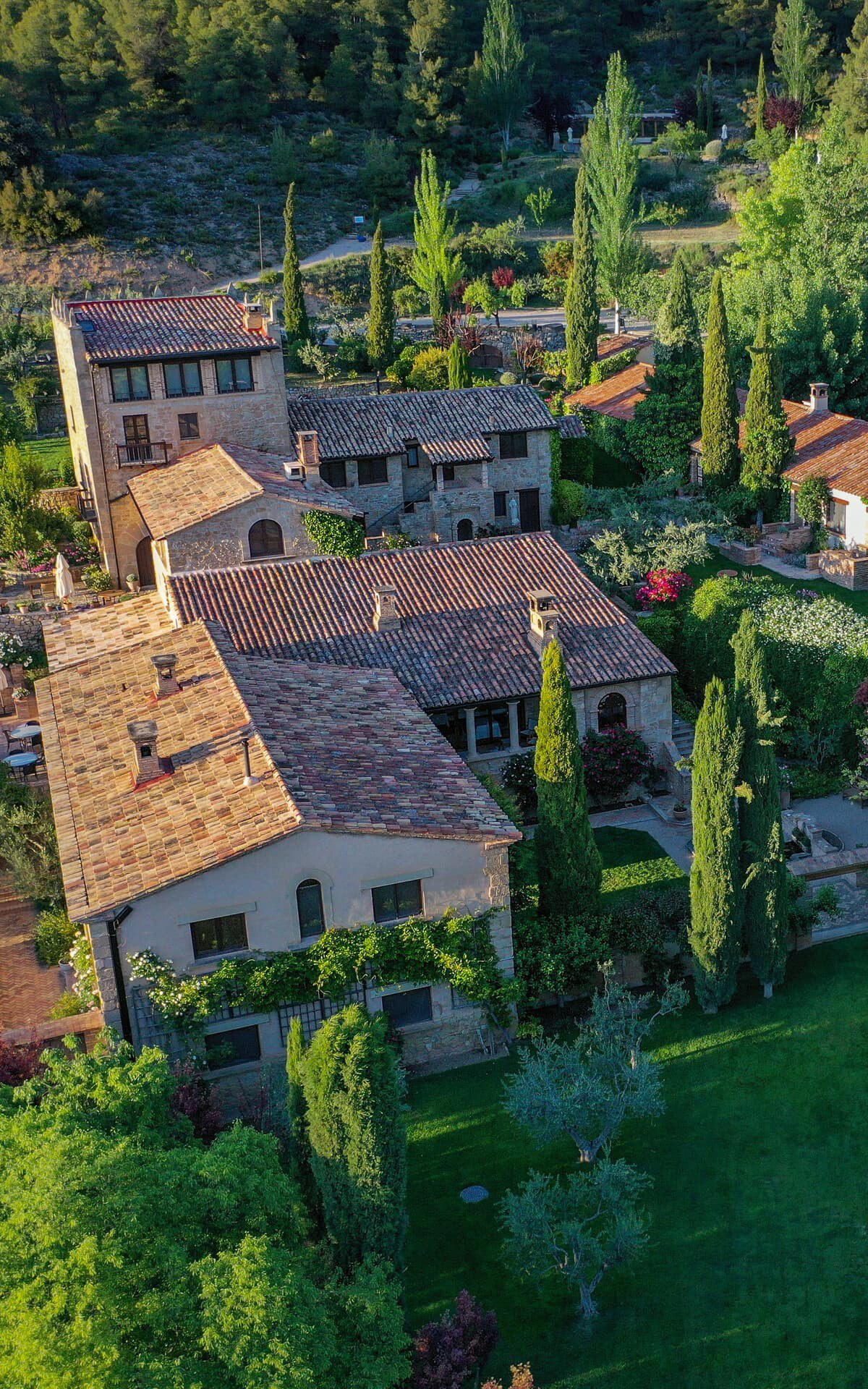

Wineries in Benicarló
Browse all →
Details
- Intimate
- Elegant
- Cozy
- Special Occasion
- Date Night
- Family
- Open Kitchen
- Extensive Wine List
- Local Sourcing
- Sustainable Seafood
- Tasting Menu
- Gluten Free Options
Current opening hours
- Monday
- Closed
- Tuesday
- 1:30–5 PM
- Wednesday
- 9 AM–5 PM
- Thursday
- 1:30–5 PM
- Friday
- 1:30–5 PM, 9 PM–12:30 AM
- Saturday
- 1:30–5 PM, 9 PM–12:30 AM
- Sunday
- Closed
Hours can change for holidays and private events. Hours as of .
Calm, beautifully decorated, quiet, intimate, and personal atmosphere.