
Tabelog 100 #73
Our verdict
Kanazawa’s wagashi culture rewards restraint: pressed sugar, beans, tea, and seasonal temperature shifts matter as much as ceremony. Rakugan Moroeya Nishichaya Karyo Ajiwai sits in that tradition as a compact Japanese sweets cafe in Nishichaya, selected for Tabelog’s 2023 Japanese traditional sweets and sweets cafe list for West Japan.

Pearl is the En Primeur Club membership app, where members save venues, book tables and use the concierge.
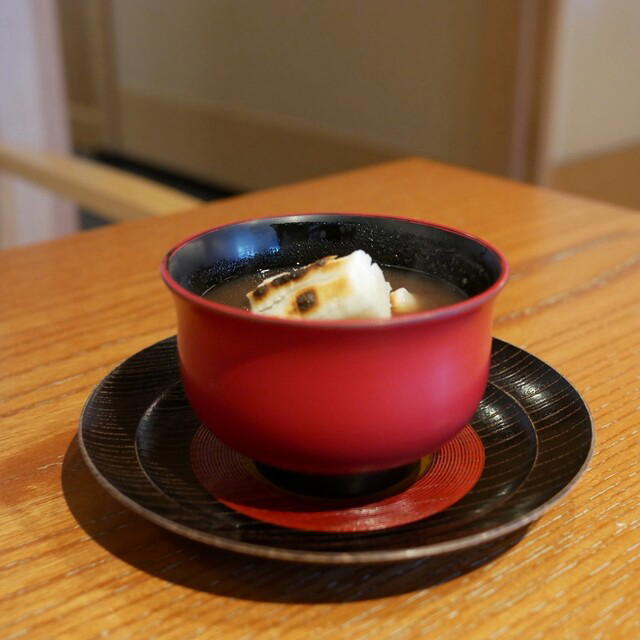
The menu
What to order
- Rakugan (traditional dried sweets)
- Seasonal kakigori (shaved ice)
- Japanese traditional sweets assortment
Approaching Kanazawa, the city’s confectionery culture feels less like a dessert stop than a continuation of its craft vocabulary. The same discipline associated with lacquerware, gold leaf, and tea ceremony appears in wagashi: small forms, controlled sweetness, and seasonality expressed through texture rather than spectacle. In that setting, Rakugan Moroeya Nishichaya Karyo Ajiwai belongs to a category that visitors often underestimate. It is not a pastry counter in the Western sense, and it is not a full restaurant. It is a sweets cafe where the point is to slow the pace of a Kanazawa day and read the city through Japanese sweets, shaved ice, and tea-room habits.
Kanazawa wagashi is built on craft, not excess
Kanazawa has long treated sweets as part of its cultural infrastructure. The city’s tea tradition created demand for wagashi that could sit beside matcha without shouting over it, while local makers refined forms that travel between gift box, seasonal ceremony, and cafe table. That matters because a serious Japanese sweets cafe is judged differently from a dessert salon in larger city itineraries. The question is not how many components arrive on the plate; it is whether sweetness, temperature, and portion make sense within the city’s tea-and-craft grammar.
The cafe’s recognition in the Tabelog Hyakumeiten 2023 selection places it inside a competitive regional frame rather than a neighborhood-only one. That list is useful here because wagashi appreciation is often local and specialist; awards in this category tend to signal consistency, category fluency, and a customer base that understands the difference between souvenir confectionery and sweets served for immediate consumption. A Tabelog score of 3.66 reinforces that position without turning the experience into trophy dining.
The sourcing angle is cultural as much as literal. Wagashi depends on ingredient discipline: rice flour, bean paste, sugar, agar, fruit, and tea accompaniments have to carry subtle differences rather than hide behind cream, butter, or heavy spice. Kanazawa’s better sweets rooms use seasonality as structure. Here, the listed categories keep the focus clear: a cafe featuring Japanese sweets, Japanese traditional sweets, and kakigori. In warm months, shaved ice can fit the city’s humid afternoons; at other times, the rhythm shifts toward sweets that sit naturally with tea and indoor pauses.
A small cafe format changes how to use it
The format is part of the editorial point. This is closer to a specialist pause than a casual all-day dining room. That changes the visitor’s behavior: it suits a mid-morning or afternoon break built around wagashi rather than a long, sprawling meal. The format also explains why the price band stays modest by destination-dining standards while the category significance remains high. Japanese sweets cafes often operate outside the luxury cues that international travelers recognize, yet the better ones carry as much local meaning as a formal counter.
Rakugan Moroeya Nishichaya Karyo Ajiwai also sits in useful contrast with Kanazawa’s broader dining map. A sweets stop here reads differently from meat-led meals, casual Western-style detours, or broader local restaurant plans elsewhere in the city. Within the sweets category, Amanatto Kawamura offers a useful Kanazawa comparison point because it keeps the conversation around beans, sugar, and local gifting culture rather than plated restaurant cooking.
That distinction is worth preserving. Kanazawa is often sold through the shorthand of seafood, gardens, and old districts, but its edible memory is broader. Wagashi shops hold the city’s relationship with tea, household gifting, and seasonal form. A traveler who treats this as a dessert add-on misses the way the category connects place, craft, and calendar. For a wider itinerary, Our full Kanazawa restaurants guide is the cleaner starting point, with separate planning context in Our full Kanazawa hotels guide, Our full Kanazawa bars guide, Our full Kanazawa wineries guide, and Our full Kanazawa experiences guide.
Where it fits in a Japan food itinerary
For travelers moving across Japan, this is the kind of stop that keeps regional eating from becoming a blur of sushi, ramen, and grilled meat. The comparison is not with the louder categories that often dominate big-city food planning. It belongs to a quieter thread of Japanese eating, where the category is defined by restraint and the city’s craft history does part of the work.
That thread can sit beside many kinds of itinerary. A traveler pairing Kanazawa with other Japanese cities might move from sweets here to very different forms of regional cooking elsewhere. A more casual route might include everyday cafes, curry counters, or Japanese-leaning snacks outside Japan. The point is calibration: Kanazawa’s sweets culture asks for a different tempo, and this cafe gives that tempo a clear, compact expression.
The strongest reason to place it on a Kanazawa schedule is not novelty. It is category literacy. Japanese traditional sweets and kakigori sit within a local system where ingredients are expected to show precision rather than abundance. The cafe format keeps it focused, the JPY 1,000 - JPY 1,999 price band makes it easy to add to a day, and the Tabelog Hyakumeiten 2023 selection supplies a credible external marker for travelers sorting serious sweets cafes from ordinary rest stops.
Frequently asked questions
Does Rakugan Moroeya Nishichaya Karyo Ajiwai work for a family meal?
Yes. Rakugan Moroeya Nishichaya Karyo Ajiwai is a cafe featuring Japanese sweets, Japanese traditional sweets, and kakigori in Kanazawa. Its JPY 1,000 - JPY 1,999 price range keeps it in an easy range for a casual stop.
Is Rakugan Moroeya Nishichaya Karyo Ajiwai better for a quiet night or a lively one?
It fits a quiet pause better than a lively evening. The format is a Japanese sweets cafe rather than a late-night dining room, so it works best as a focused stop built around sweets, tea-room rhythm, and kakigori.
What should I budget for a meal at Rakugan Moroeya Nishichaya Karyo Ajiwai?
Pricing at Rakugan Moroeya Nishichaya Karyo Ajiwai is listed as JPY 1,000 - JPY 1,999.
When can I go to Rakugan Moroeya Nishichaya Karyo Ajiwai?
Check current opening details directly before going, as specific hours are not included here.
Where do I go for Rakugan Moroeya Nishichaya Karyo Ajiwai?
Kanazawa.
What's the defining dish or idea at Rakugan Moroeya Nishichaya Karyo Ajiwai?
The core idea is Japanese traditional sweets, with kakigori also listed among the categories. Tabelog selected it for its 2023 Hyakumeiten recognition, which places it firmly in the wagashi and Japanese sweets cafe conversation rather than a broad dessert cafe.
At-a-Glance Comparison
Comparable venues by cuisine and price in the same metro.
| Venue | Cuisine | Price | Awards | Notes |
|---|---|---|---|---|
| Rakugan Moroeya Nishichaya Karyo AjiwaiThis venue (the venue you are viewing) | Traditional Japanese wagashi & kakigori cafe | $10–20 | Tabelog 100 #73 | Not listed |
| Shizenha Ramen Kagura | Natural additive‑free ramen | $10–20 | Tabelog 100 #54 | Kanazawa |
| Menya Taiga | Miso ramen specialty shop | $10–20 | Tabelog 100 #3 | Kanazawa |
| Hakuichi Higashiyama ten | Gold-leaf soft serve & Japanese café sweets | $1–10 | Tabelog 100 #55 | Kanazawa |
| Kyo Gion Negiyaki Kona | Negiyaki and Teppanyaki | $20–30 | Tabelog 100 #16 | Kanazawa |
| 料理 小松 | Traditional Omakase Sushi | $200–300 | Tabelog Bronze #199 | Kanazawa |
Recognition history
Dated appearances from independent guides and award organizations, with the underlying list record or original source where available.
Tabelog 100 #73 · No. 73
Tabelog · Tabelog 100 - Japanese traditional sweets / Japanese sweets cafe - WEST - 2023
Continue exploring
More in Kanazawa
Restaurants in Kanazawa
All restaurants in Kanazawa →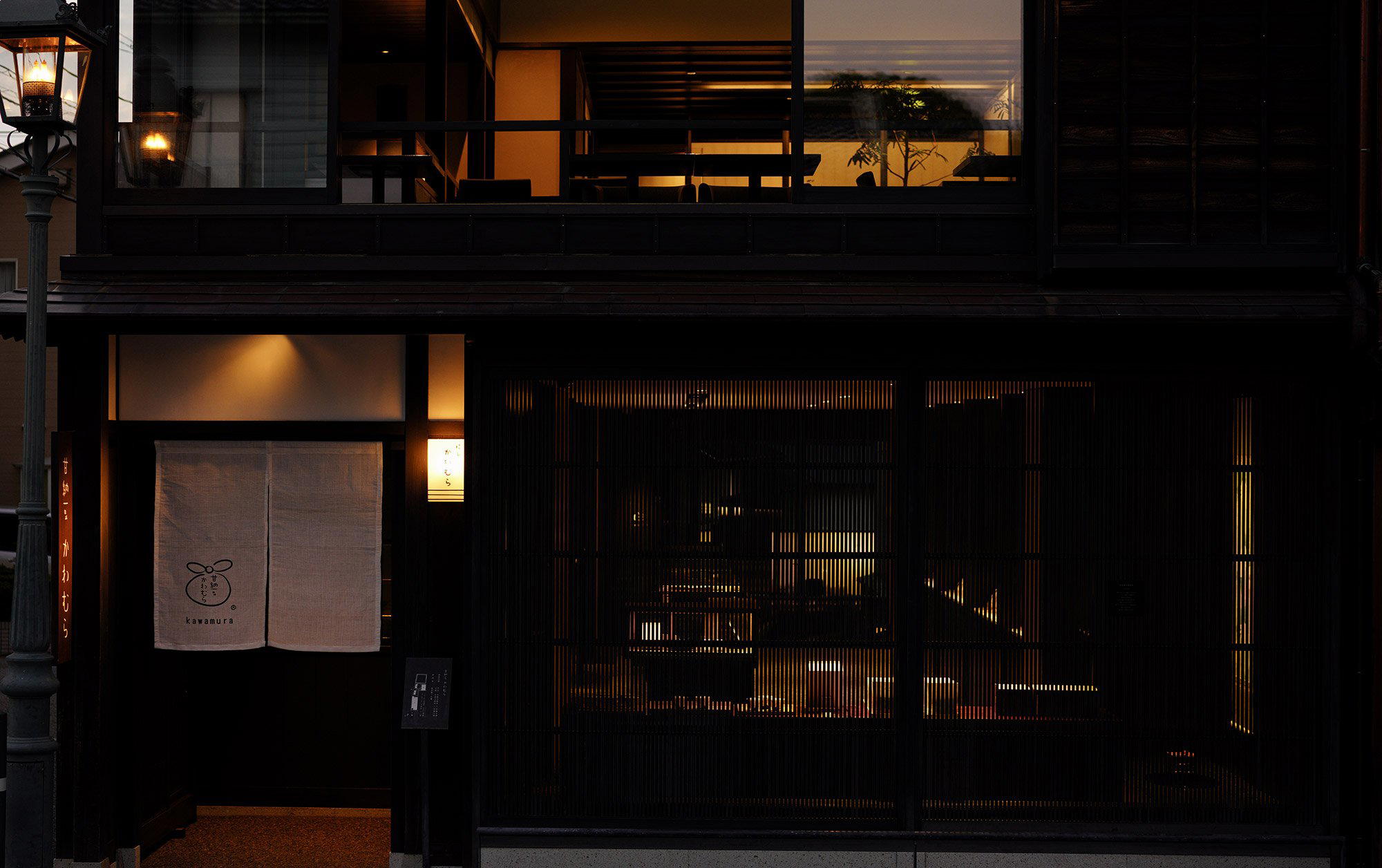
Hotels in Kanazawa
All hotels in Kanazawa →
Wineries in Kanazawa
Browse all →
Details
- Classic
- Cozy
- Well Known
- Quiet
- Solo
- Family
- Casual Hangout
- After Work
- Historic Building
- Standalone
- Design Destination
- Local Sourcing
- Street Scene
- A La Carte
- Tea
Current opening hours
- Monday
- 9:30 AM–5 PM
- Tuesday
- Closed
- Wednesday
- Closed
- Thursday
- 9:30 AM–5 PM
- Friday
- 9:30 AM–5 PM
- Saturday
- 9:30 AM–5 PM
- Sunday
- 9:30 AM–5 PM
Hours can change for holidays and private events. Last verified .
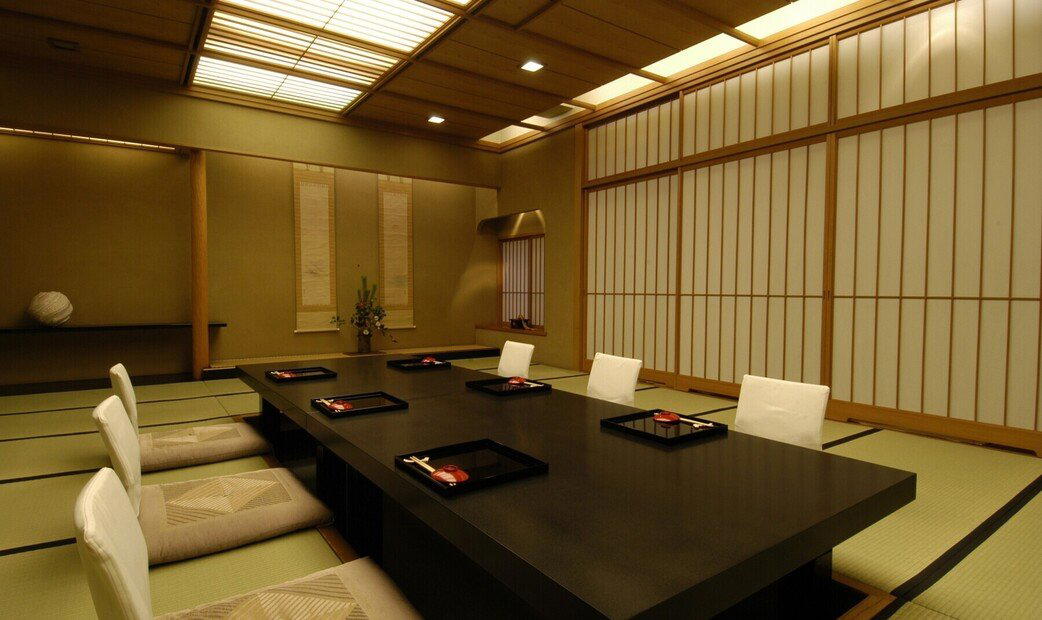
A small, calm sweets cafe in a renovated traditional teahouse, with a classic Japanese wagashi-shop feel, soft natural light, and a slow, nostalgic atmosphere that reflects the historic Nishi Chaya district.