
Aso’s chicken cooking is strongest when it stays close to the land: fire, local birds, and a room built for slow rural meals rather than urban theatre. Rakuda Yama Jidori no Mise belongs to that tradition, with Tabelog 100 Chicken Cuisine recognition in 2025 and a format that makes sense for travellers who want Kumamoto regional cooking without the ceremony of a formal tasting counter.
Pearl is the En Primeur Club membership app — saves, bookings, and concierge access live there. Same editors, same standards.
- Address
- 2693-4 Takamori, Aso District, Kumamoto 869-1602, Japan
- Phone
- +81 967-62-0084
- Website
- rakudayama.com
- Directions
- Get directions
 Saves & bookings on Pearl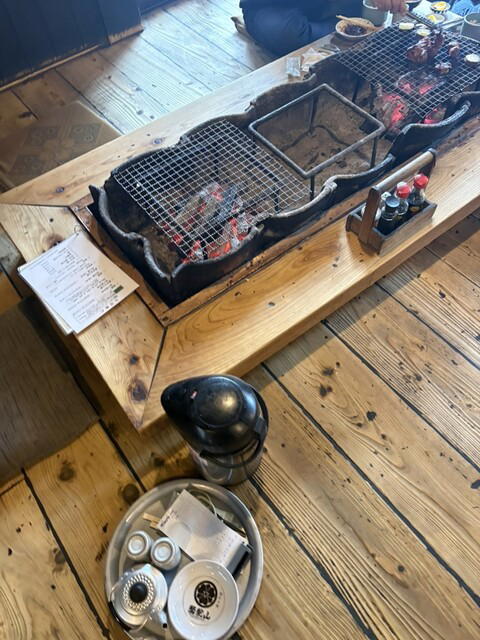
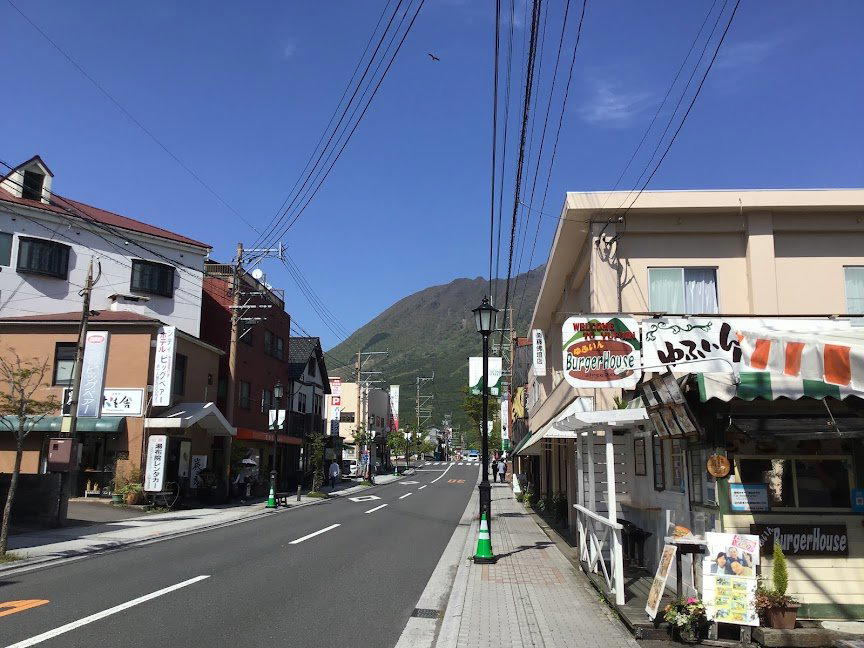
The approach to a mountain chicken restaurant in Aso-gun changes the appetite before the menu does. The city rhythms fall away, the volcanic countryside takes over, and the meal becomes less about chefly performance than about product, heat, and pacing. In Kumamoto, that matters. Chicken cookery here is not an afterthought to beef or ramen culture; it has its own regional grammar, built around birds with firmer texture, charcoal or direct heat, and side dishes that keep the table grounded in the countryside rather than in metropolitan polish.
Rakuda Yama Jidori no Mise sits inside that older rural register. Its 2025 selection for Tabelog 100 in the chicken cuisine category gives it a national signal, but the more useful way to read the address is local: this is Aso-gun cooking with ingredient identity at the centre. The category pairing of chicken dishes and regional cuisine says more than a long menu description would. The point is not a parade of luxury products. It is the specific pleasure of jidori, handled in a setting where the surrounding area is part of the meal’s logic.
Aso chicken cooking works because the ingredient carries the meal
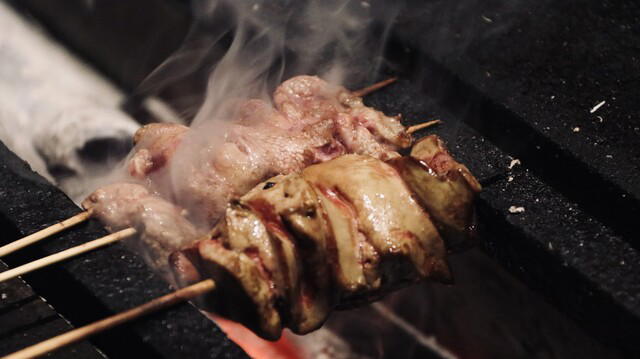
Jidori is often misunderstood by visitors expecting softness above all else. The appeal is structure: a firmer bite, a deeper poultry flavour, and a style of cooking that rewards patience at the table. In rural Kyushu, this kind of meal reads closer to farmhouse hospitality than to urban yakitori. The bird is the anchor, not a garnish or protein option. That distinction matters when comparing Aso-gun dining with larger Japanese cities, where chicken frequently appears as skewers, late-night bar food, or a refined counter sequence.
Here the ingredient has a wider role. A chicken-focused meal in Takamori can carry the weight that beef does in other parts of Kumamoto: it becomes a reason to travel, not merely something to order once there. The Tabelog 100 recognition places Rakuda Yama Jidori no Mise among Japan’s noted chicken specialists for 2025, but the experience belongs to a quieter competitive tier than Tokyo’s reservation-led counters. The emphasis falls on directness, regional identity, and the comfort of a meal built around a single agricultural idea.
That makes the restaurant useful for travellers trying to understand Aso through food rather than scenery alone. The volcanic region is often consumed visually, through drives, viewpoints, and hot-spring itineraries. A meal like this turns the same geography into texture and flavour. It also explains why regional restaurants outside large cities can carry serious dining value without importing the manners of a tasting-menu room.
The room belongs to rural Kumamoto, not a city dining script
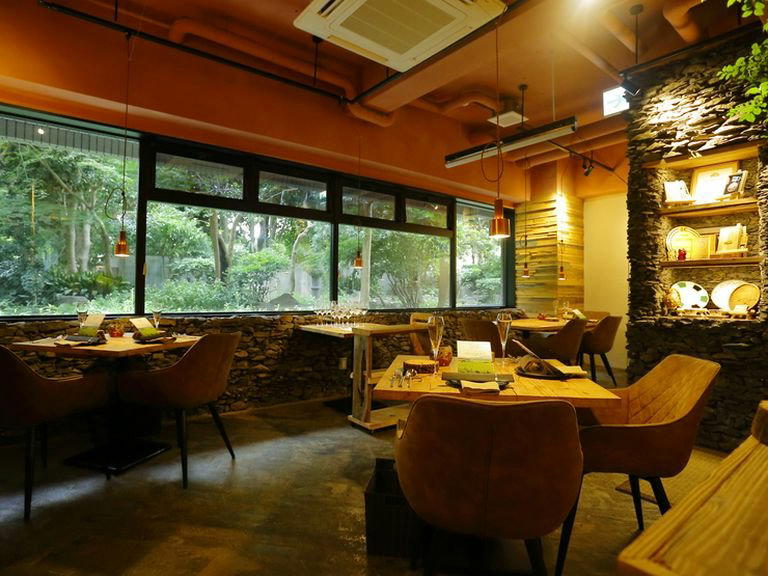
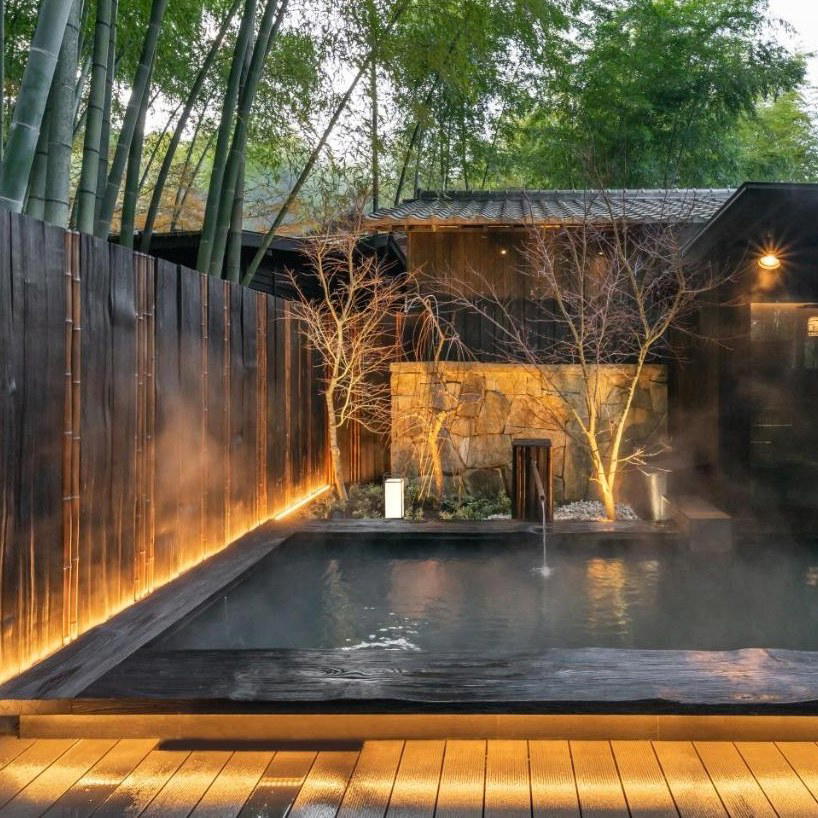
The setting is described as a house restaurant with a view, and that framing is significant. Aso-gun has restaurants that function as destinations precisely because they do not behave like urban dining rooms. Tatami seating, private rooms, a non-smoking policy, and a family-friendly posture put the meal closer to an intergenerational outing than a date-night performance. For travellers, that changes the way to judge it. Formality is not the point; competence, comfort, and regional specificity are.
Compared with nearby Aso-gun options, the positioning is clear. Merukoro sits in a lower spend band and reads as a different kind of local stop, while Imakin Shokudo occupies a similar spend tier with a separate regional identity. Takachiho Gyu Restaurant Nagomi moves into a higher beef-led bracket, and Yabeno Farm shares the broad countryside-dining logic without the same chicken-cuisine award signal attached to the target venue. Those comparisons help define the decision: choose this table when the purpose is jidori and Aso regional cooking, not a general Kumamoto checklist.
The absence of a chef-forward narrative is also part of the appeal. Many premium Japanese restaurant pages lean heavily on lineage, apprenticeship, and personal philosophy. That framework makes sense for sushi, kappo, and kaiseki, but it can distort rural ingredient-led restaurants. Here the editorial question is simpler and more useful: does the format protect the character of the bird and the place? The recognition, category, and room style all point in the same direction.
How to place it within an Aso-gun food itinerary
Aso-gun rewards travellers who avoid treating meals as filler between viewpoints. The area’s stronger food addresses tend to make a narrow promise and keep to it: bread and café culture in one case, beef in another, chicken or farm cooking elsewhere. Rakuda Yama Jidori no Mise belongs near the centre of that map because it gives chicken the status of a destination ingredient. It also suits visitors building a day around Takamori rather than trying to compress the region into a single transit stop.
For broader planning, keep the category boundaries clean. Use our full Aso-gun restaurants guide for meals, our full Aso-gun hotels guide for where to sleep, our full Aso-gun bars guide for evening drinking, our full Aso-gun wineries guide for wine-related stops, and our full Aso-gun experiences guide for non-restaurant planning. Travellers extending the trip through Japan can compare how other single-subject restaurants build identity, from -Grilled beef Sukiyaki- KAMAKURA TANUKIAN 鎌倉 たぬき庵 in Kamakura and . 鮪と炭火焼き うお炭 秋葉原店 in Tokyo to .cafe in Osaka.know in Kumamoto, (Shoku) Vietnam in Kawasaki, [Curry Senmon Ten] Maruyama Kyoju. in Sapporo, [ki:] in Kyoto, #肉といえば松田 奈良本店 in Kashihara, 1/3 HAMBURGER FACTORY in Kanazawa, and 1000 in Yokohama. Outside Japan, Jōdo Saké Bar in Los Angeles and Onigiri Time in Pasadena show how Japanese food formats travel differently once removed from their regional source.
The editorial read is plain: this is a countryside chicken address with enough recognition to justify planning around it, but not the kind of restaurant that needs luxury language to explain itself. Its value lies in the match between place, product, and format. In Aso-gun, that combination is more persuasive than ceremony.
How It Stacks Up
Comparable venues by cuisine and price in the same metro.
| Venue | Cuisine | Price | Notes |
|---|---|---|---|
| Rakuda Yama Jidori no Mise | Japanese Charcoal-Grilled Chicken | $$ | Takamori |
| Merukoro | Japanese Bakery | $ | Minamiaso-mura |
| Tsumugi (つむぎ) | Japanese Tonkatsu Specialty | $$ | Hakuba-mura |
| Rock'n Billy Super 1 | Modern Ramen (Shio, Shoyu, Tsukemen) | $$ | Minamitsukaguchicho |
| Utoro Gyokyo Fujinbu Shokudo | Fresh Shiretoko Seafood Bowls | $$ | Utoro |
| 立喰い鮨優勝 | Standing Sushi | $$ | Kanazawa Port |
Recognition history
Dated appearances from independent guides and award organizations, with the underlying list record or original source where available.
Tabelog 100 #53 · No. 53
Tabelog · Tabelog 100 - Chicken cuisine - 2025

At a Glance
- Rustic
- Classic
- Cozy
- Family
- Group Dining
- Casual Hangout
- Open Kitchen
- Standalone
- Beer Program
- Local Sourcing
- Mountain
Current opening hours
- Monday
- Closed
- Tuesday
- Closed
- Wednesday
- Closed
- Thursday
- 11 AM–4 PM
- Friday
- 11 AM–4 PM
- Saturday
- 10:30 AM–4 PM
- Sunday
- 10:30 AM–4 PM
Hours can change for holidays and private events. Last verified .
A nostalgic, mountain-lodge-like setting with wood-plank interiors and an irori-style hearth that gives the room a rustic, old-fashioned feel.