
Tabelog 100 #92
Our verdict
Hi no Kuni Bunryu Souhonten puts Kumamoto ramen in a low-cost, high-conviction frame: counter seating, no reservations, and repeat Tabelog Ramen WEST 100 selection in 2024 and 2025. The draw is not polish for its own sake, but a local ramen culture where pork, garlic, and regional appetite carry more authority than luxury signals.

Pearl is the En Primeur Club membership app — saves, bookings, and concierge access live there. Same editors, same standards.
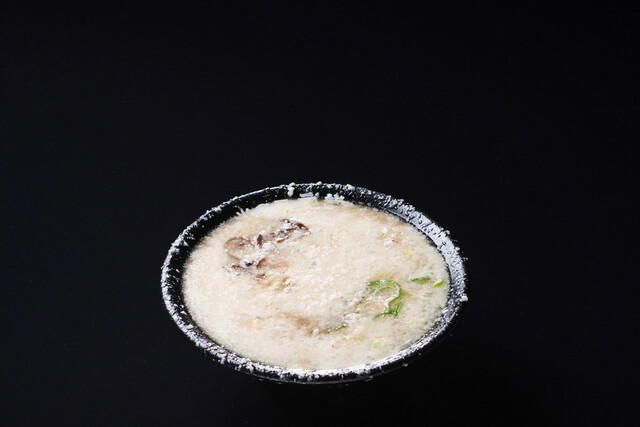
Approaching a serious ramen room in Kumamoto is different from walking into a station-front noodle counter in Tokyo or Osaka. The rhythm is less about commuter turnover and more about local gravity: families, solo diners, and friends moving through a compact service built around bowls rather than ceremony. Hi no Kuni Bunryu Souhonten belongs to that register, where the room is practical, the counter matters, and the food culture is rooted in a local appetite for ramen with enough force to justify a detour within the city.
Kumamoto ramen sits within Kyushu’s wider noodle culture, but it has its own grammar. Compared with faster, thinner styles elsewhere, Kumamoto’s ramen conversation often gives more room to aroma, seasoning, and a broader sense of weight. Ingredient sourcing matters here because the city’s ramen identity is not built on imported luxury produce; it depends on everyday materials treated with conviction. Noodles, broth, aromatics, and seasoning do the heavy lifting. That makes the category unusually honest: weak sourcing and weak preparation have nowhere to hide.
Kumamoto ramen measured by aroma, seasoning, and local appetite
Hi no Kuni Bunryu Souhonten has the kind of public recognition that helps separate a neighbourhood favourite from a regional reference point. Its 2025 Tabelog Hyakumeiten recognition places it within a competitive ramen field rather than only inside the Kumamoto conversation. The Tabelog score of 3.66 adds another useful signal: this is a place operating in a category where small differences in broth density, noodle texture, and seasoning balance are debated by diners who eat ramen frequently, not occasionally.
The ingredient angle is central because ramen’s identity comes from extraction and seasoning rather than luxury garnish. A ramen kitchen has to turn everyday components into structure, then use aroma and fat as punctuation rather than noise. In that sense, the style is democratic but unforgiving. A bowl can be affordable and still reveal whether the kitchen has control over body, aroma, salt, and heat. This is why low-price ramen houses can sit in the same serious dining itinerary as higher-spend restaurants: the craft is compressed into a narrower format.
That compression is also what distinguishes ramen from much of Kumamoto’s broader dining scene. Other Kumamoto dining rooms frame the prefecture through different ingredients and service styles; antica locanda MIYAMOTO offers a different kind of restaurant experience; and other city restaurants bring their own forms of heat, seasoning, and regional perspective into the map. Ramen does something else. It turns local appetite into a short-form meal, with sourcing and technique expressed in minutes rather than courses.
A no-frills format with enough structure to matter
The format is part of the critique. This is not a dining room designed primarily for lingering over bottles or staging a celebration. It is a working ramen address, with the natural rhythm of a focused meal rather than a long-form restaurant experience. The appeal is practical as much as culinary: arrive with the right expectations, eat with focus, and let the bowl carry the argument.
The practical constraints sharpen the editorial decision. Travellers should treat the visit as part of a Kumamoto food day rather than as a luxury reservation built around ceremony. The restaurant’s appeal comes from directness: a clearly defined ramen category, a modest price bracket, and a setting that keeps attention on the bowl. For a broader city plan, it fits better into a Kumamoto itinerary shaped around pacing and appetite than into a tightly timed, single-stop excursion.
Within Kumamoto, price also tells a story. Hi no Kuni Bunryu Souhonten sits in an accessible JPY 1,000 - JPY 1,999 bracket, while Iroha, Jikka, Mimuro, Steak Matsushita, and antica locanda MIYAMOTO show how varied the city’s dining map can feel across formats and occasions. That comparison matters because ramen can be mistaken for a budget fallback. Here, the value is not simply that the meal is inexpensive; it is that an award-recognised bowl can function as a serious regional marker without the apparatus of fine dining.
Where it fits in a Kumamoto itinerary
Travellers building a Kumamoto dining route should treat ramen as part of the city’s food literacy, not a quick substitute for a “proper” meal. Hi no Kuni Bunryu Souhonten makes sense alongside other ingredient-specific or format-driven Kumamoto addresses and the city’s established regional restaurants. For a wider view of the local table, start with Our full Kumamoto restaurants guide, then build around transport and meal pacing rather than chasing prestige alone.
The broader EP Club map is useful when placing Kumamoto in a Japan-wide eating itinerary. A traveller comparing regional specialisation might look from Kyushu ramen to other Japanese dining formats across the country, from casual counters to more formal rooms. Outside Japan, Japanese-inspired formats show how these ideas travel, but Kumamoto ramen is more persuasive when read at home, where the expectations around aroma, seasoning, and speed are set locally.
The verdict is simple: this is a ramen stop for travellers who care about regional food systems as much as restaurant polish. Its 2025 Tabelog Hyakumeiten recognition, low price bracket, and focused ramen identity all point in the same direction. The case for going is not luxury. It is specificity: Kumamoto ramen, served in the context that made it matter.
For trip planning beyond the table, EP Club’s Kumamoto coverage also includes Our full Kumamoto hotels guide, Our full Kumamoto bars guide, Our full Kumamoto wineries guide, and Our full Kumamoto experiences guide.
Frequently asked questions
What's Hi no Kuni Bunryu Souhonten's location?
Kumamoto.
When is Hi no Kuni Bunryu Souhonten open?
Current opening hours for Hi no Kuni Bunryu Souhonten should be checked before visiting.
What's the pricing like at Hi no Kuni Bunryu Souhonten?
Pricing at Hi no Kuni Bunryu Souhonten is listed as JPY 1,000 - JPY 1,999 JPY 1,000 - JPY 1,999.
What is Hi no Kuni Bunryu Souhonten known for?
Hi no Kuni Bunryu Souhonten is known for ramen in Kumamoto and has 2025 Tabelog Hyakumeiten recognition.
In Context: Similar Options
Side-by-side context: comparable cuisine and price.
| Venue | Cuisine | Price | Awards | Notes |
|---|---|---|---|---|
| Hi no Kuni Bunryu SouhontenThis venue (the venue you are viewing) | Kumamoto Tonkotsu Ramen | $10–20 | Tabelog 100 #92 | Not listed |
| 花小町 | Modern Kumamoto Regional Cuisine | $100–150 | Tabelog 100 #31 | Kumamoto |
| Iroha | Traditional Kumamoto Izakaya with Horse Meat Dishes | $30–50 | Tabelog 100 #60 | Suizenji Park, Chuo Ward |
| Jikka | Casual Thai, Vietnamese & Curry Lunch Spot | $10–20 | Tabelog 100 #86 | Higashi Ward |
| Yakiniku Sudou Kumamoto honten | Full-attended Japanese Yakiniku with Kyushu Black Wagyu | Not listed | Not listed | Kamitori / Torichosuji |
| Valeur | Creative Chinese and dumplings | $30–50 | Tabelog 100 #7 | Chuo Ward, Jotomachi |
Recognition history
Dated appearances from independent guides and award organizations, with the underlying list record or original source where available.
Tabelog 100 #92 · No. 92
Tabelog · Tabelog 100 - Ramen - WEST - 2025
Continue exploring
More in Kumamoto
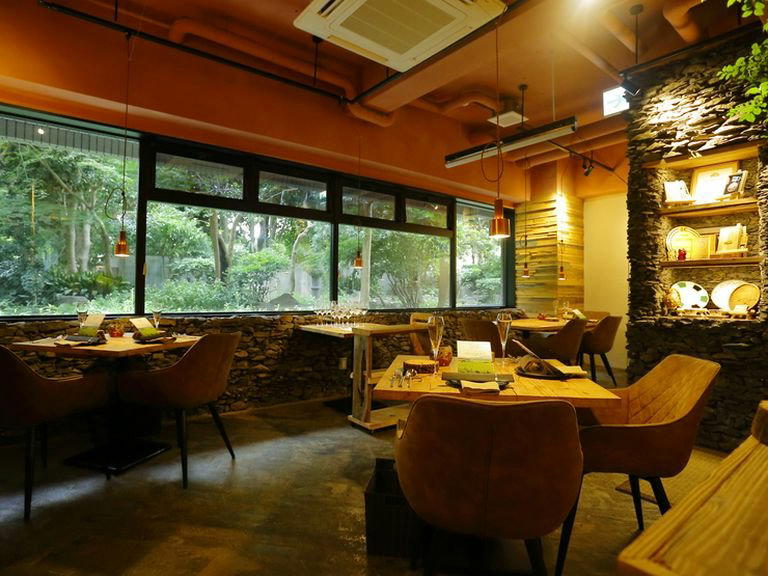
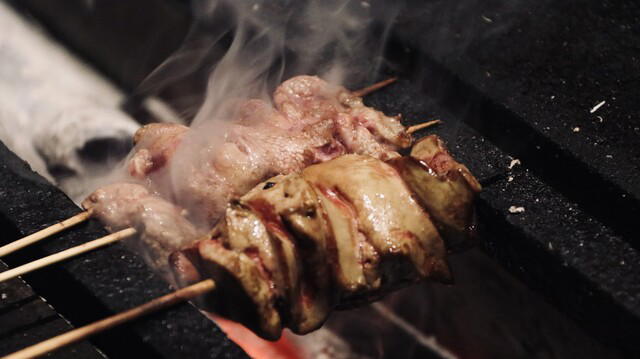
Restaurants in Kumamoto
All restaurants in Kumamoto →
Bars in Kumamoto
All bars in Kumamoto →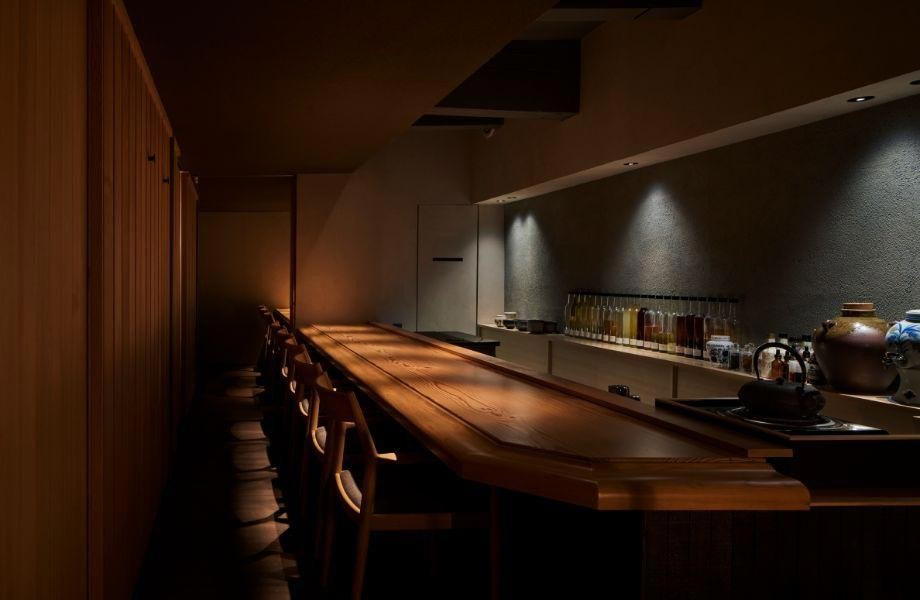


Details
- Cozy
- Classic
- Solo
- Family
- Group Dining
- Casual Hangout
- Late Night
- Standalone
- Beer Program
- A La Carte
- Counter Dining
- Beer
Current opening hours
- Monday
- 11 AM–3 PM, 5:30–9 PM
- Tuesday
- Closed
- Wednesday
- 11 AM–3 PM, 5:30–9 PM
- Thursday
- 11 AM–3 PM, 5:30–9 PM
- Friday
- 11 AM–3 PM, 5:30–9 PM
- Saturday
- 11 AM–3 PM, 5:30–9 PM
- Sunday
- 11 AM–3 PM, 5:30–9 PM
Hours can change for holidays and private events. Last verified .
Busy, high-energy ramen-shop atmosphere centered on a deeply rich, heavy-toned bowl rather than quiet dining.