On Vinkenstraat in Antwerp's Zuid district, Finch occupies a corner of the city's quieter, more considered dining scene. The kitchen operates with a sourcing-led approach that reflects a broader shift among Belgian restaurants toward ingredient provenance as the primary editorial statement. It sits comfortably alongside Antwerp's creative mid-to-upper tier, where the produce often says more than the technique.
Pearl is the En Primeur Club membership app — saves, bookings, and concierge access live there. Same editors, same standards.
- Address
- Vinkenstraat 1, 2018 Antwerpen, Belgium
- Phone
- +3235448482
- Website
- thefinch.be
- Directions
- Get directions
 Saves & bookings on Pearl
Where Antwerp Eats When It Wants to Think
Vinkenstraat is not a street that announces itself. The address at number 1 places Finch at the edge of Antwerp's Zuid neighbourhood, a quarter that has spent the better part of two decades trading its industrial past for the kind of understated cultural density that attracts galleries, independent retailers, and a restaurant scene that prizes conviction over visibility. Arriving here, there is no forecourt theatrics, no neon, no queue management. The physical environment does what good restaurant design in this part of Belgium tends to do: it signals that the room is the least interesting thing about the meal.
That restraint is worth contextualising. Antwerp's upper dining tier has increasingly split between destination restaurants with broad international recognition, places like Zilte operating at the creative apex, and a mid-register of producer-led kitchens that make sourcing the organising principle of their menus. Finch belongs to the latter cohort. It is not competing for the tasting-menu tourism that flows toward Michelin-starred addresses; it is competing for the repeat diner who wants to know where the carrot came from.
The Sourcing Logic Behind the Plate
Across Belgium, the conversation about ingredient provenance has shifted from marketing language to operational reality. A generation of kitchens, particularly in Flanders, has rebuilt their supply chains around named producers, seasonal windows, and the kind of direct relationships with growers that make a menu genuinely time-specific. This is the tradition Finch works within, and it connects the restaurant to a broader pattern visible across Belgian fine dining, from Hertog Jan at Botanic in Antwerp's own scene to Willem Hiele in Oudenburg, where the sourcing radius is so compressed that the menu reads almost like a map of the immediate coastline.
The logic behind this approach is not simply ethical or aesthetic. Sourcing from known producers creates a menu that changes with genuine necessity rather than seasonal convention, and it places the kitchen in a different kind of accountability. When you have committed to a specific grower's radishes or a particular farmer's pork belly, you cannot paper over a weak ingredient with technique. The plate becomes transparent in a way that more elaborately constructed tasting menus are not. This discipline is exactly what has made producer-led restaurants across Flanders and beyond, from Vrijmoed in Gent to Boury in Roeselare, into reference points for how Belgian kitchens think about the relationship between land and plate.
At Finch, that transparency is what draws the kind of diner who has already worked through Antwerp's more formally structured addresses and wants something with a different kind of intellectual weight. It is not that the food is less considered; it is that the consideration is pointed in a different direction, toward the raw material rather than the construction around it.
Antwerp's Mid-Register and Where Finch Fits
To understand Finch's position, it helps to map the city's current dining structure. At the leading end sit restaurants with Michelin recognition and the booking lead times to match. Below that, Antwerp has developed a second tier that is more interesting in aggregate: creative kitchens working in the €€€ to €€€€ range, where the format varies between set menus, market-driven à la carte, and hybrid approaches that shift depending on what the week's supply looks like. This is the tier that also includes 't Fornuis, which holds one of the city's more enduring reputations for classic Flemish-European cooking, and Bistrot du Nord, which operates with a more traditional French register. DIM Dining brings a Japanese-Asian precision to the same price bracket.
Finch occupies a corner of this tier that is harder to categorise, which is precisely its interest. The restaurant does not anchor itself to a single national tradition or a signature technique. What it anchors to is where the food comes from, which is a less commercially obvious identity but one that has proven durable in cities across Europe where diners have become genuinely literate about supply chains. That literacy is particularly developed in Antwerp, a city that has long had a merchant's instinct for knowing the provenance of what it buys.
The Broader Belgian Context
Belgium's restaurant culture has never quite received the international attention its density of serious kitchens warrants. The country has produced some of the most consequential fine dining in Europe, and addresses like Hof van Cleve in Kruishoutem and Le Chalet de la Forêt in Uccle operate at a level of consistency that would attract considerably more notice if they were located in Paris or Copenhagen. The sourcing-led movement that Finch participates in is not a local quirk; it is continuous with what has happened at kitchens like Lazy Bear in San Francisco and at the more ingredient-focused end of what Le Bernardin in New York represents in terms of raw material as the primary argument.
Within Belgium, this sensibility also connects to kitchens like d'Eugénie à Emilie in Baudour, La Durée in Izegem, Cuchara in Lommel, and Ralf Berendsen in Neerharen, each working within a regional register but with the same underlying commitment to knowing the supply chain rather than simply using it. Bozar Restaurant in Brussels represents a different inflection of the same instinct, attaching sourcing ethics to a major cultural institution. The pattern across all these addresses is consistent: the kitchen's identity is inseparable from its relationships with producers.
Planning a Visit
Finch is located at Vinkenstraat 1 in the 2018 postal district of Antwerp, which places it in the southern part of the city, walkable from the MAS museum and the broader Zuid gallery quarter. For visitors arriving in Antwerp by train, Antwerpen-Centraal is the main rail hub, with the Zuid neighbourhood accessible by tram. As with much of Antwerp's more considered dining, contacting the restaurant directly in advance is advisable, particularly on weekends when the neighbourhood draws a consistent crowd. Specific hours, current pricing, and booking arrangements should be confirmed directly with the venue, as these details were not available at the time of writing. For a broader orientation to eating and drinking across the city, the full Antwerp restaurants guide maps the scene across price tiers and neighbourhood contexts.
How Finch Antwerp compares with similar nearby venues.
| Venue | Cuisine | Price |
|---|---|---|
| Ciro's | Belgian | €€ |
| Bar Raket | Sharing | €€ |
At a Glance
- Trendy
- Modern
- Lively
- Date Night
- Group Dining
- Casual Hangout
- Open Kitchen
- Local Sourcing
Current opening hours
- Monday
- Closed
- Tuesday
- 5:30–11 PM
- Wednesday
- 5:30–11 PM
- Thursday
- 5:30–11 PM
- Friday
- 5:30–11 PM
- Saturday
- 5:30–11 PM
- Sunday
- Closed
Hours can change for holidays and private events. Last verified .
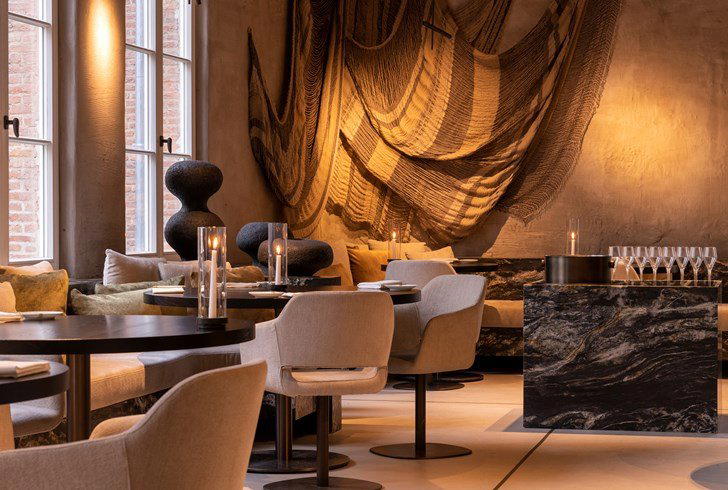
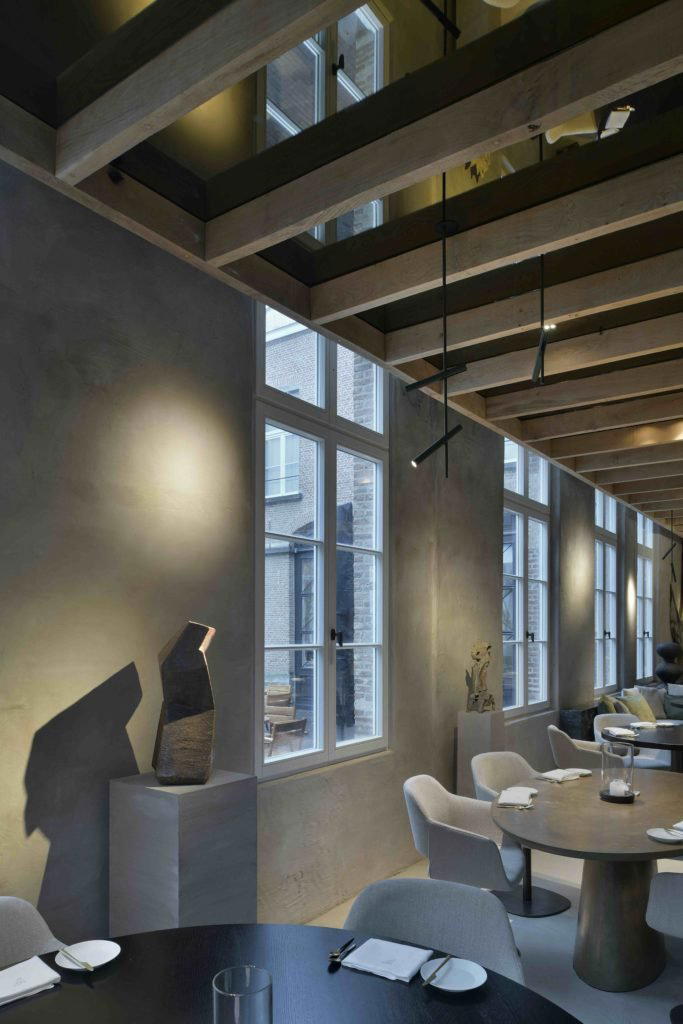
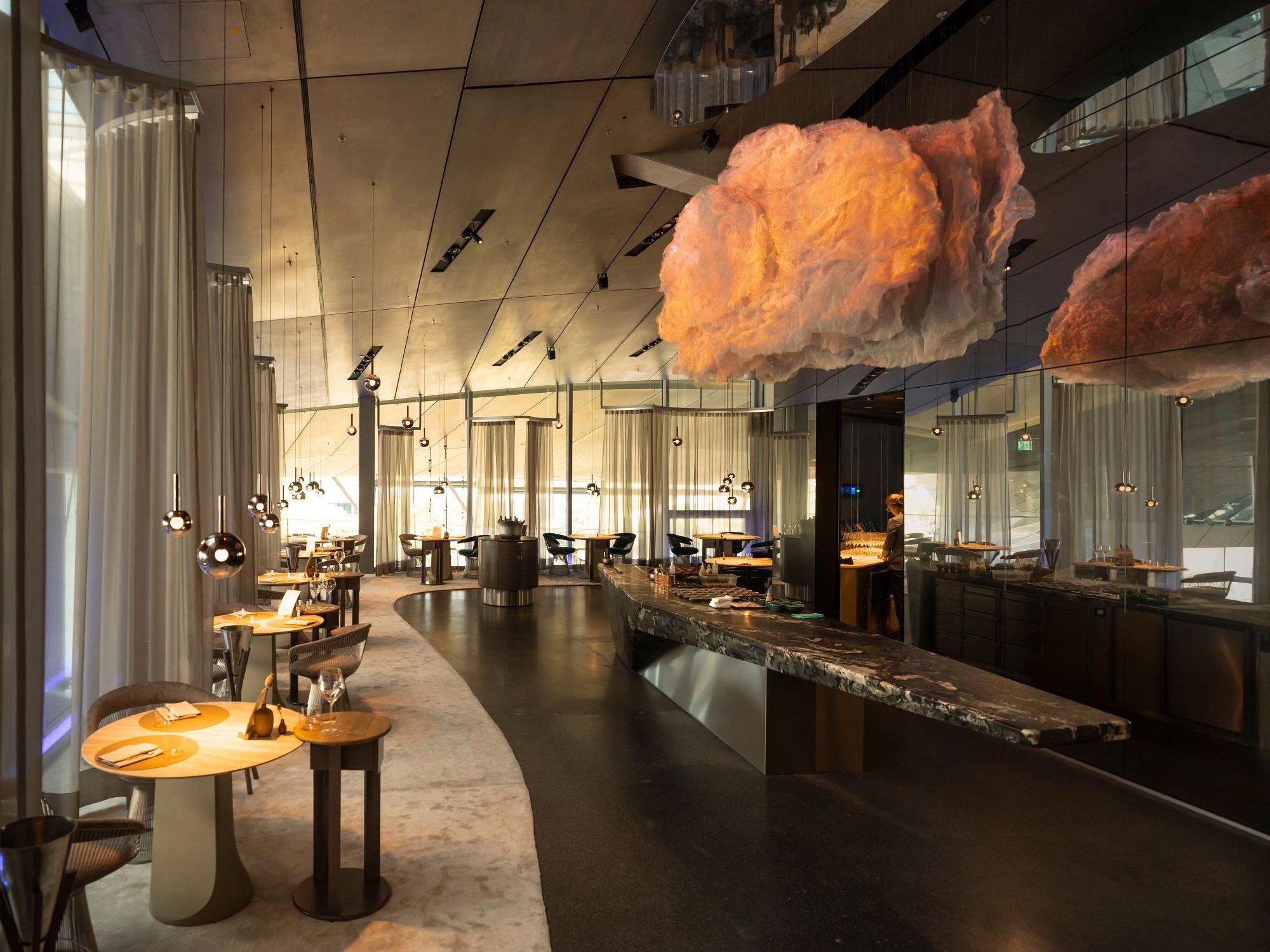
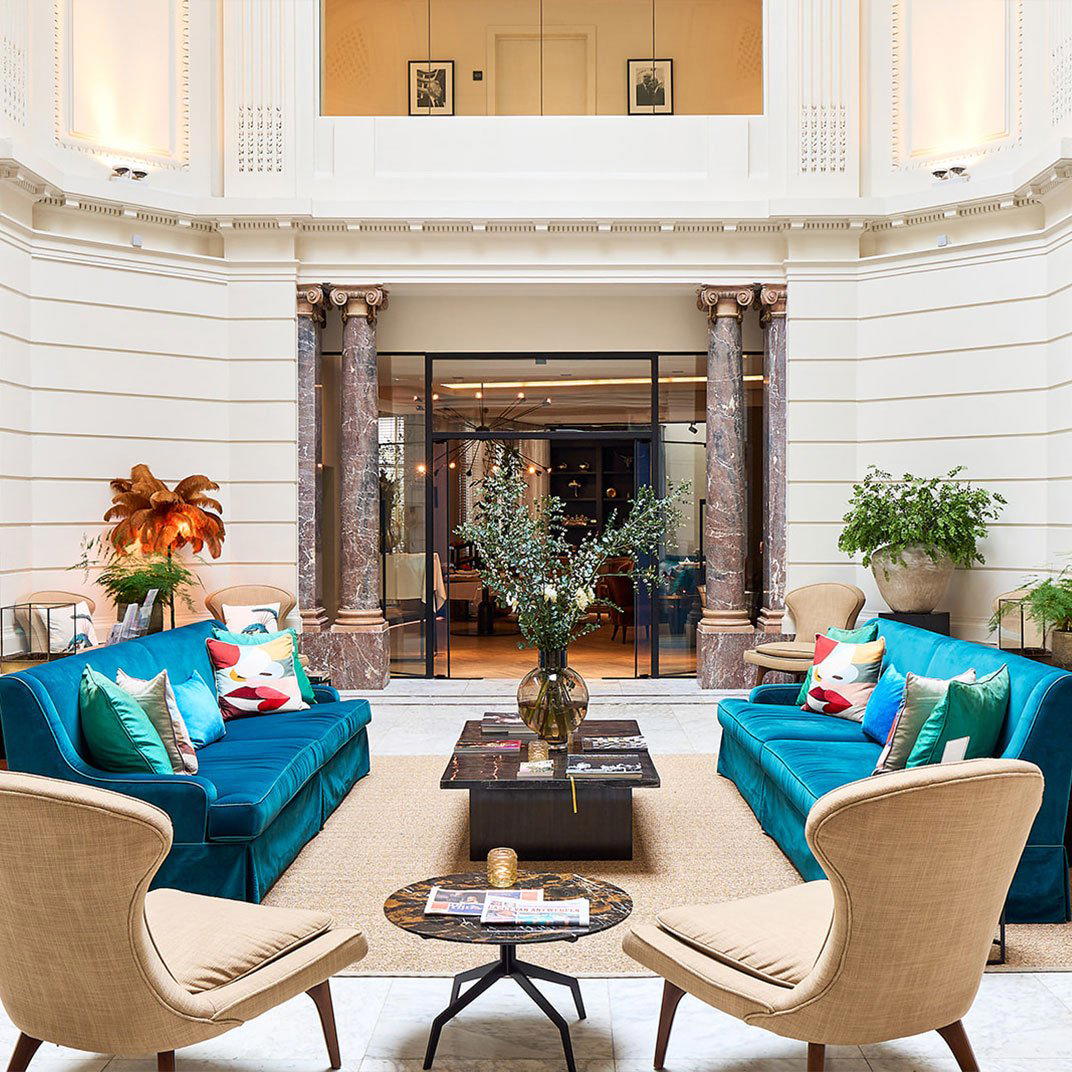
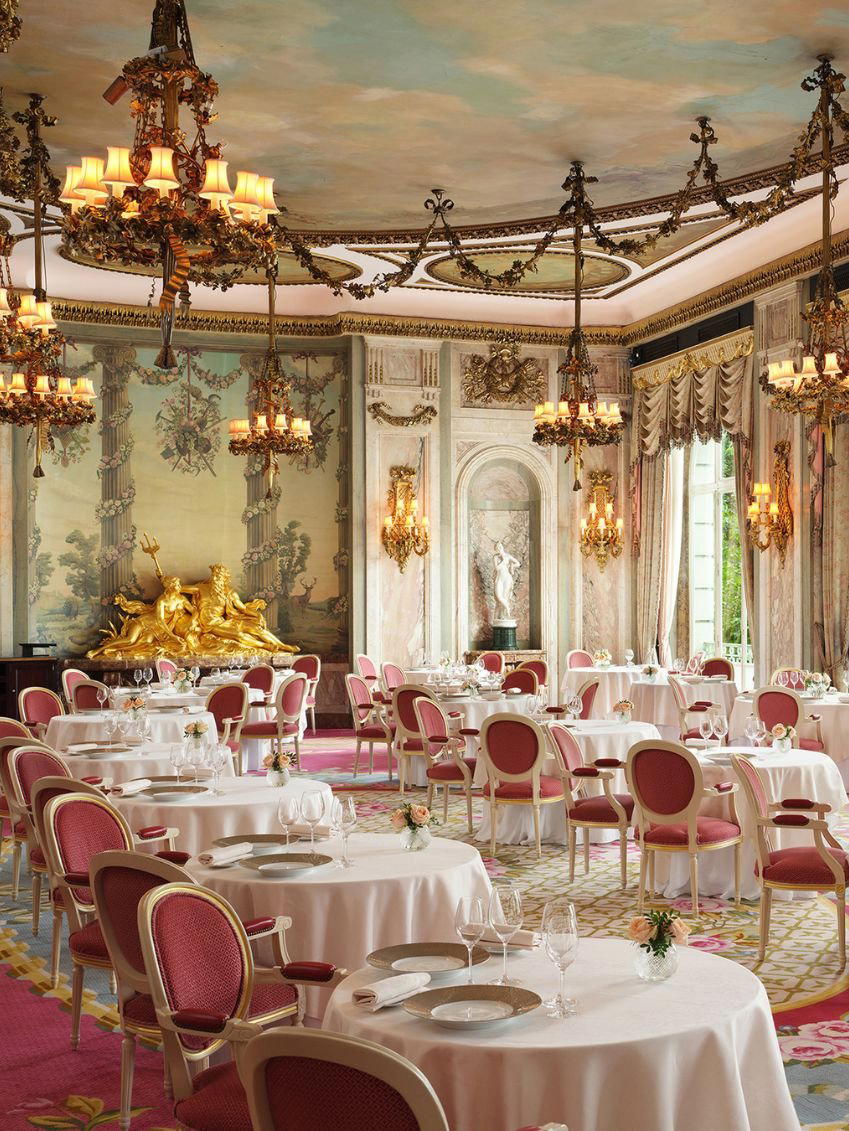
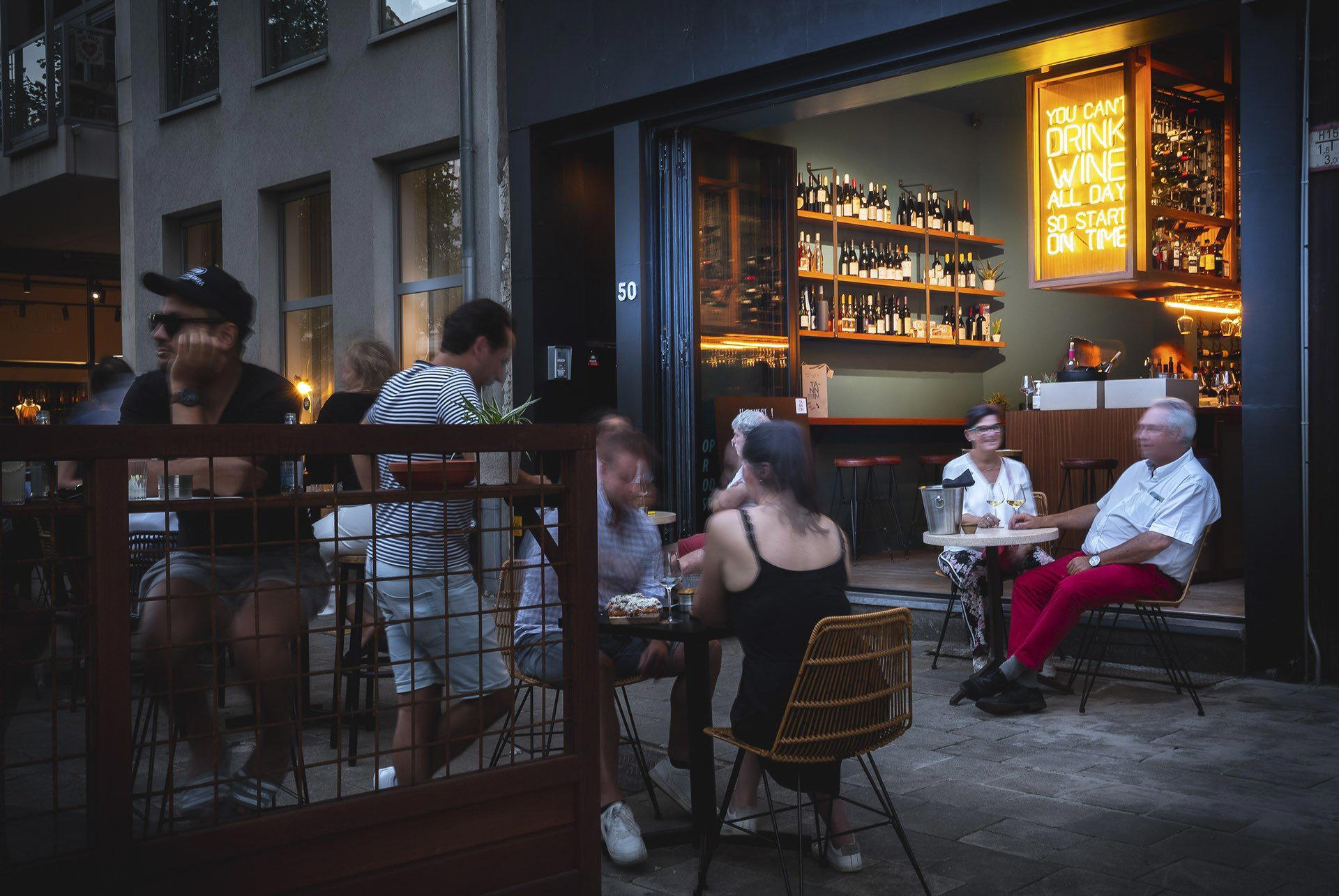
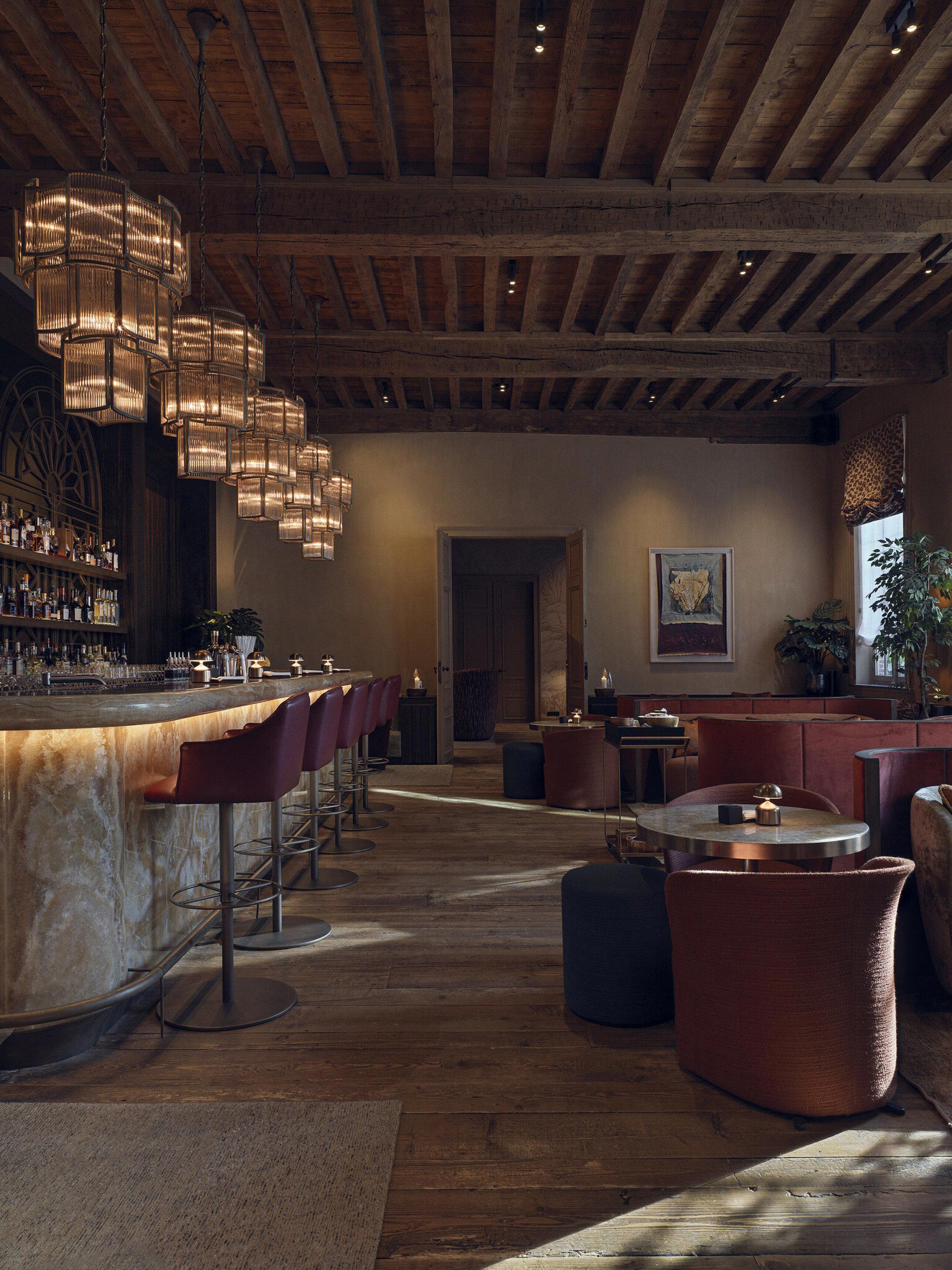
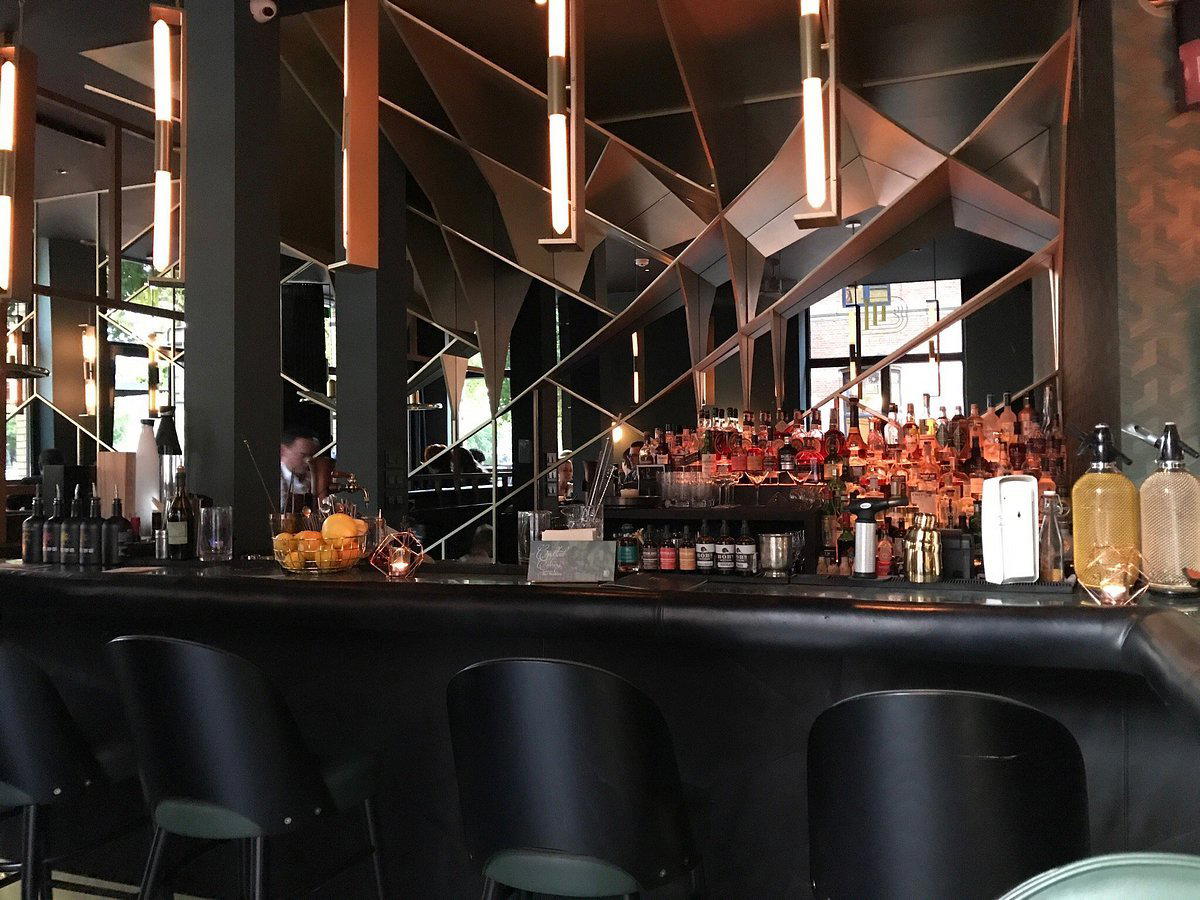
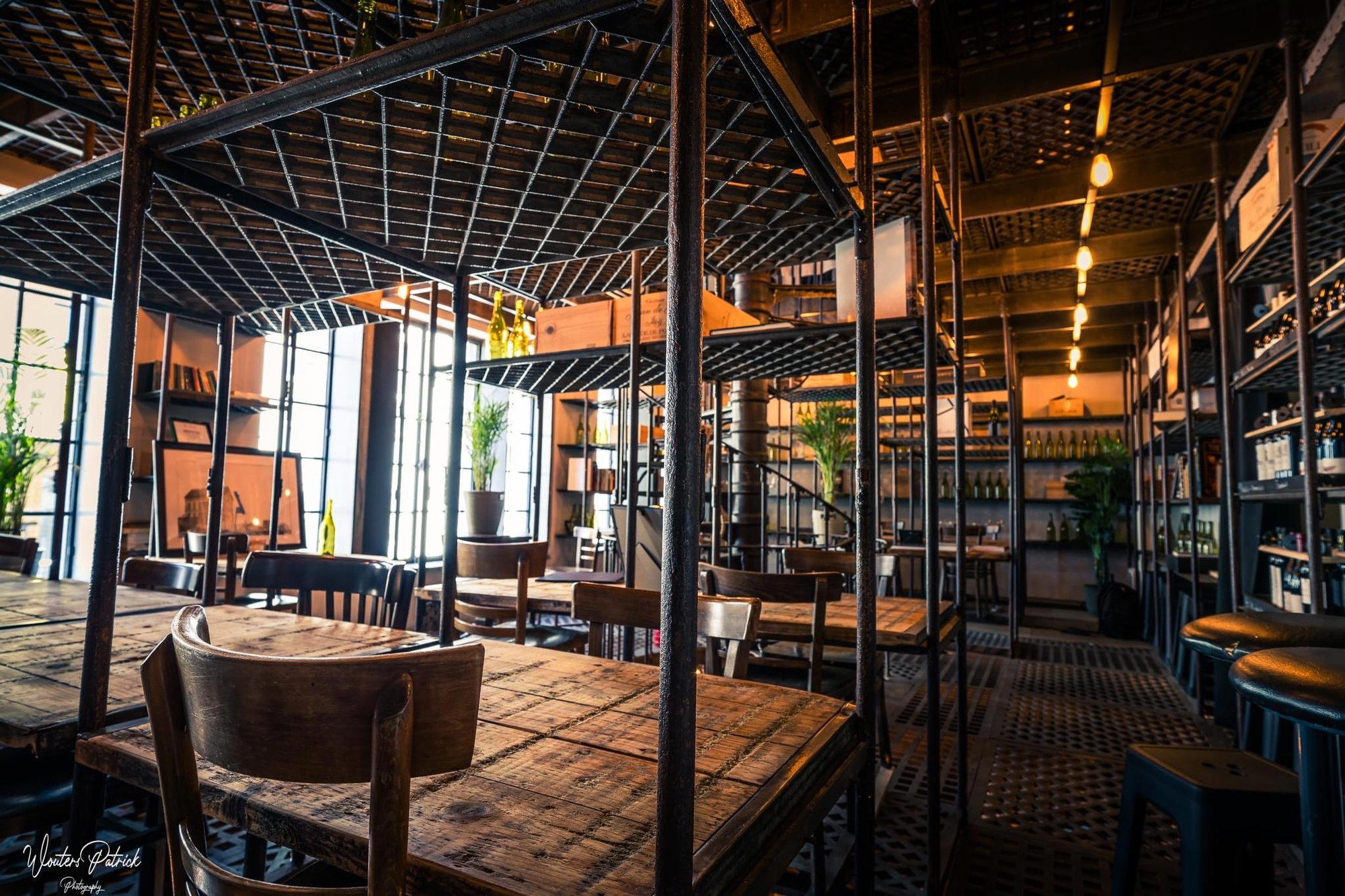
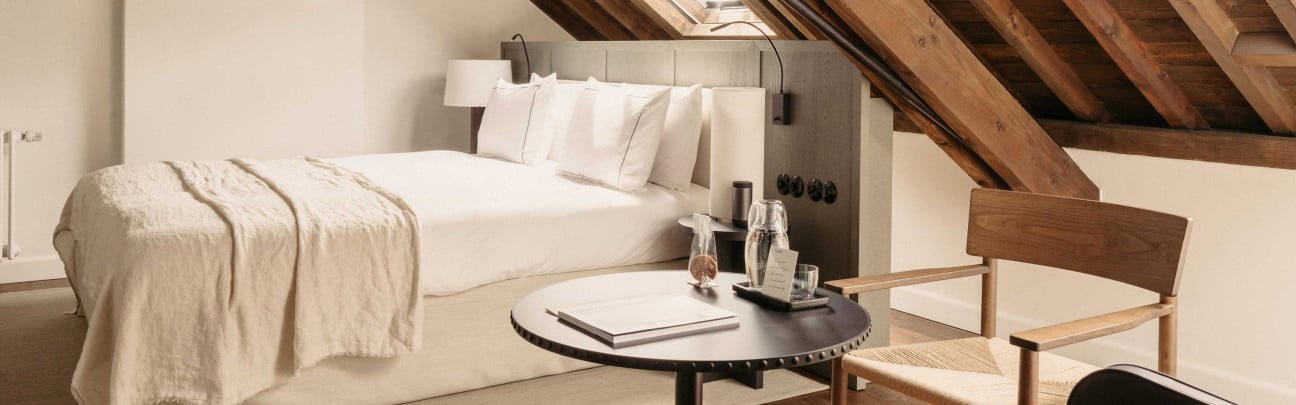
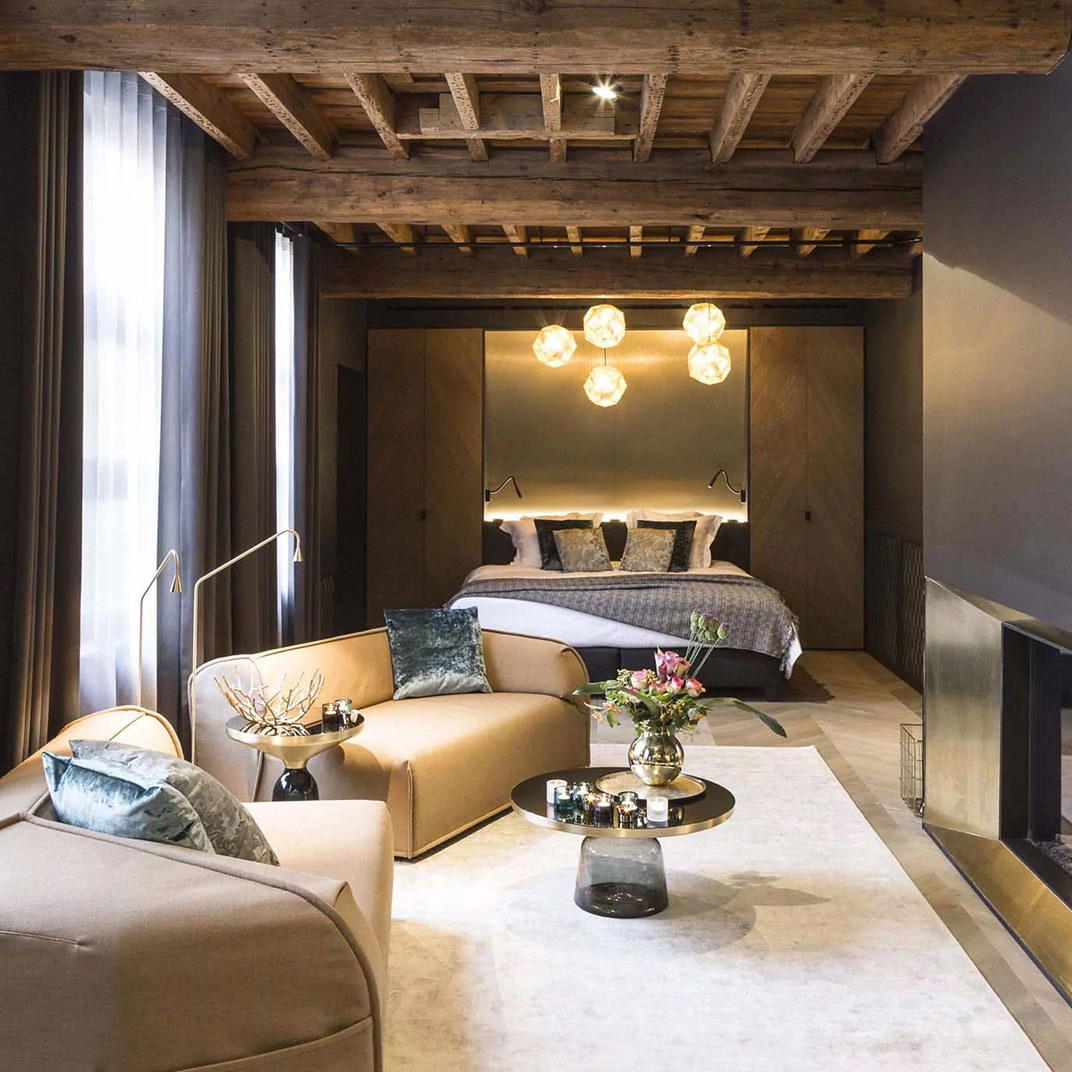
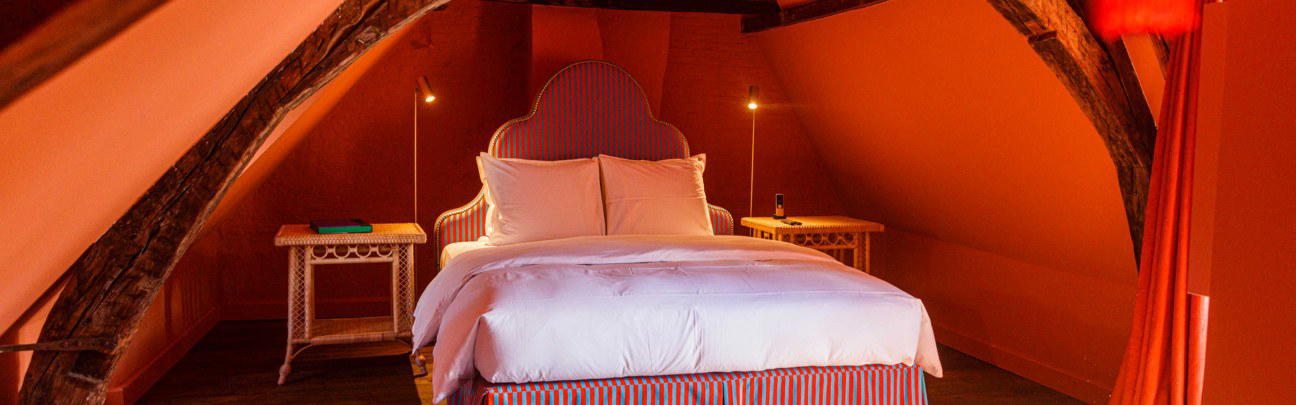
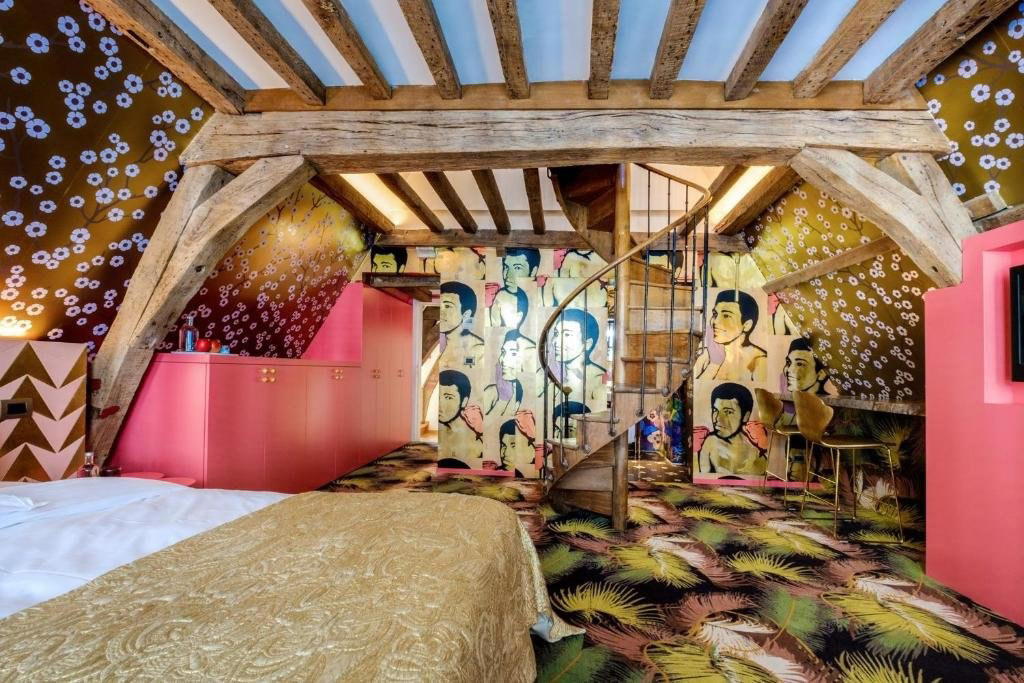
Relaxed industrial-chic decor with a laidback, stylish atmosphere well-suited for sharing meals with friends.
Know Before You Go
- Getting there
- Vinkenstraat 1, 2018 Antwerpen, Belgium