Purfinger Haberer
Our verdict
Purfinger Haberer sits on Neufarner Strasse in Vaterstetten, a suburban municipality on Munich's eastern fringe where traditional Bavarian dining culture runs deep. The restaurant represents the kind of neighbourhood institution that anchors local food life outside the city's more celebrated dining districts. Visitors exploring the broader Munich metropolitan area will find it a grounding counterpoint to the region's high-profile fine dining scene.

Pearl is the En Primeur Club membership app, where members save venues, book tables and use the concierge.
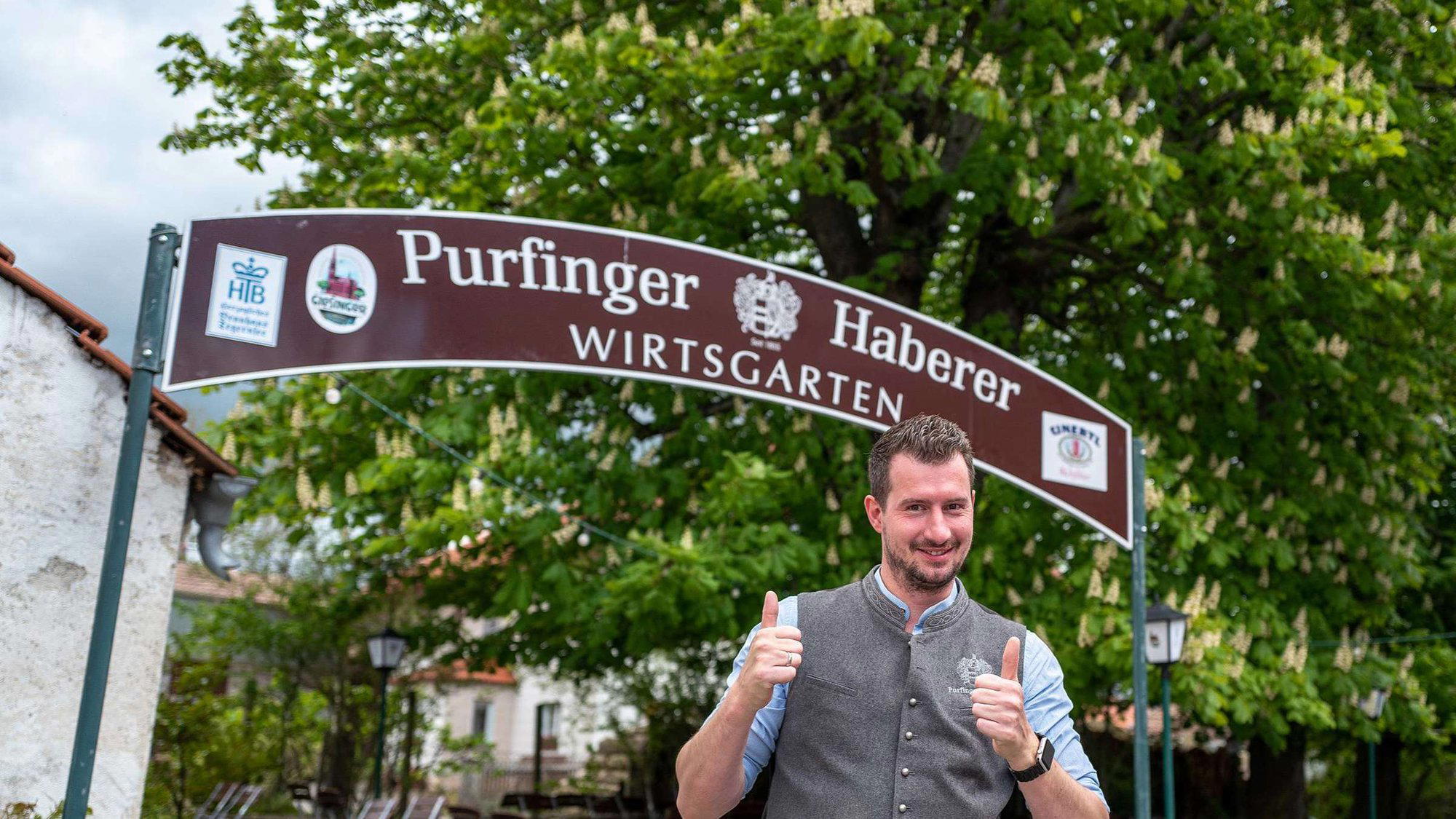
Bavarian Roots, Suburban Setting: The Dining Culture Around Vaterstetten
The towns that ring Munich's eastern periphery rarely appear in fine dining guides, yet they sustain a dense network of restaurants rooted in southern German cooking traditions that predate the city's current restaurant boom by decades. Vaterstetten, a municipality of roughly 25,000 residents situated in the Landkreis Ebersberg, sits in this quietly active culinary zone. Purfinger Haberer, addressed on Neufarner Strasse 20, is part of that fabric, a local address in a suburb where the eating culture is defined less by experimentation than by continuity and community. Understanding what draws visitors here requires understanding what this kind of Bavarian dining culture actually means at street level, away from the Michelin-chased restaurants of the Innenstadt.
For broader context on where to eat across the area, our full Vaterstetten restaurants guide maps the town's dining options against each other. Nearby, Alte Post Parsdorf and Der Wolfsbarsch offer useful points of comparison within the same municipality.
The Cultural Weight of the Gasthaus Tradition
Southern Germany's gasthaus tradition carries a specific cultural logic. These are not restaurants built around chef celebrity or tasting menu ambition. They function as social infrastructure, places where regular clientele returns for the same dishes, where the menu shifts with season and supply rather than with editorial trend cycles, and where the dining room exists in deliberate tension with the pace of the world outside. The tradition draws from centuries of Bavarian inn culture, in which the Wirt (innkeeper) held genuine community authority. That legacy still shapes how suburban restaurants like Purfinger Haberer are experienced by the people who live around them, even where specific details about format or menu remain difficult to verify from outside.
This stands in sharp contrast to Germany's high-end tier, where addresses like Aqua in Wolfsburg, Schwarzwaldstube in Baiersbronn, and Vendôme in Bergisch Gladbach operate inside a globally legible fine dining grammar with allocation-style bookings, multi-course tasting formats, and documented wine programs. Vaterstetten operates on a different register entirely, one that is no less culturally significant for being harder to quantify.
Munich's Eastern Fringe and What It Offers
Munich's restaurant conversation concentrates heavily on the city centre and the Schwabing-Maxvorstadt corridor, with occasional extensions south toward the Isar meadows. The eastern suburban belt around Vaterstetten, Parsdorf, and Kirchheim gets proportionally less editorial attention, which creates a genuine knowledge gap for visitors staying in the area or travelling through it. What that gap obscures is a set of neighbourhood restaurants with genuine longevity and local loyalty, qualities that are, in their own way, as hard to manufacture as a Michelin star.
The Munich metropolitan area has produced serious fine dining recognition in recent years. JAN in Munich represents the city's contemporary ambitions at the upper tier. But the suburban ring east of Munich functions differently, as a residential community with its own dining rhythms, seasonal preferences, and appetite for familiarity over novelty. That distinction matters for any visitor calibrating expectations before making the trip.
What can be said is that a Vaterstetten address at street level implies a neighbourhood-facing operation, almost certainly priced below the €€€€ bracket occupied by places like Waldhotel Sonnora in Dreis, Schanz in Piesport, or Restaurant Haerlin in Hamburg. The operational model of a suburban Bavarian restaurant typically emphasises volume, regularity, and accessibility over the kind of specialist format discipline that defines Germany's top-tier creative restaurants such as CODA Dessert Dining in Berlin or ES:SENZ in Grassau.
Internationally, the contrast is even sharper. The level of format precision at Le Bernardin in New York City or the tasting architecture at Atomix in New York City operates in a category with no meaningful overlap with a Vaterstetten neighbourhood restaurant. The comparison is not a criticism, it is a clarification of what kind of dining decision this represents.
What Bavarian Suburban Dining Actually Looks Like
In practice, the restaurants that anchor towns like Vaterstetten tend to share a set of structural features: a menu rooted in regional produce and southern German technique, a wine list weighted toward German and Austrian producers, lunch service that functions as the primary revenue engine, and a relationship with regulars that shapes the room's atmosphere more than any design intervention could. Dishes across this category typically include roasted meats, fresh-water fish from Bavarian lakes and rivers, dumplings in various forms, and seasonal vegetable preparations tied to the agricultural calendar of Upper Bavaria.
This is food culture with genuine geographic specificity. The ingredients and preparations that define cooking in the Landkreis Ebersberg do not appear at Victor's Fine Dining by Christian Bau in Perl or ATAMA by Martin Stopp in Sankt Ingbert. They belong to a different, more grounded expression of German culinary identity, one that survives precisely because it does not try to be those things. Similarly, restaurants in this category occupy a distinct position from formal French-influenced addresses like Bagatelle in Trier or the theatrical presentation formats seen at ammolite - The Lighthouse Restaurant in Rust.
Planning a Visit
Purfinger Haberer is located at Neufarner Str. 20, 85646 Vaterstetten. Vaterstetten is accessible from Munich via the S-Bahn S4 line to Vaterstetten station, placing the town approximately 20 kilometres east of Munich's city centre. For visitors based in central Munich, this is a direct commuter-rail journey rather than a significant detour. Given the absence of published hours, booking information, or contact details in any verified source, prospective diners are advised to confirm current opening times and reservation requirements directly with the venue before visiting. Parking in suburban Vaterstetten is generally available on-street near the Neufarner Strasse address, which is consistent with the residential and light commercial character of that part of town.
Frequently asked questions
What's Purfinger Haberer's location?
Purfinger Haberer is located at Neufarner Str. 20, 85646 Vaterstetten, Germany, Vaterstetten.
Is Purfinger Haberer easy to reach from central Munich by public transport?
Vaterstetten is served by the S-Bahn S4 line from Munich city centre, making Purfinger Haberer at Neufarner Str. 20 accessible without a car. Journey time from Munich Hauptbahnhof to Vaterstetten station runs approximately 30 minutes depending on the service. The address sits within the town, so a short walk from the station is expected.
What's the must-try dish at Purfinger Haberer?
Specific menu details for Purfinger Haberer at Neufarner Str. 20 in Vaterstetten have not been documented in available editorial records. In the gasthaus tradition that anchors towns like Vaterstetten, seasonal regional produce and southern Bavarian staples typically form the core of the menu. Contacting the venue directly is the most reliable way to confirm current offerings.
Do they take walk-ins at Purfinger Haberer?
No booking policy data has been published for Purfinger Haberer at Neufarner Str. 20, Vaterstetten. Gasthaus-format restaurants in Munich's eastern suburban ring commonly accommodate walk-ins during off-peak hours, though weekend evenings tend to fill quickly with local regulars.
What's Purfinger Haberer best at?
Purfinger Haberer sits in Vaterstetten, a town whose restaurant culture centres on community-rooted, regional cooking rather than tasting-menu ambition. That context points toward dependable Bavarian cooking over culinary showmanship, though the specifics require direct confirmation.
Is Purfinger Haberer allergy-friendly?
No allergen or dietary accommodation data has been documented for Purfinger Haberer in Vaterstetten. Guests with specific dietary requirements should contact the restaurant at Neufarner Str. 20 before visiting to confirm what the kitchen can accommodate.
Cost Snapshot
| Venue | Cuisine | Price | Awards | Notes |
|---|---|---|---|---|
| Purfinger HabererThis venue (the venue you are viewing) | Traditional Bavarian with Modern Raffinesse | $20–30 | Not listed | Not listed |
| Aqua | Not listed | Not listed | Michelin 3 Star | Contemporary German, Italian/Japanese, Creative |
| Schwarzwaldstube | Modern French Fine Dining | $150–200 | 3 Michelin Stars · World's 50 Best #47 | French, Classic French |
| CODA Dessert Dining | Dessert-Inspired Fine Dining | $200–300 | 2 Michelin Stars · World's 50 Best #82 | Creative |
| Vendôme | Modern German Haute Cuisine | $200–300 | 2 Michelin Stars · World's 50 Best #47 | Modern European, Creative |
| Tantris | Modern French Fine Dining | $300–500 | 2 Michelin Stars · World's 50 Best #73 | Modern French, French Contemporary |
Continue exploring
More in Vaterstetten
Restaurants in Vaterstetten
All restaurants in Vaterstetten →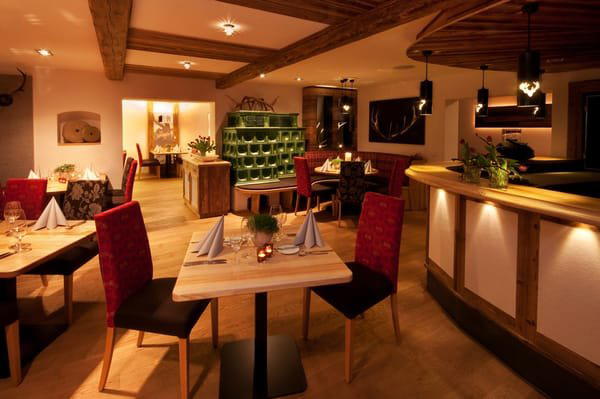

Bars in Vaterstetten
Browse all →
Details
- Cozy
- Rustic
- Classic
- Family
- Group Dining
- Casual Hangout
- Beer Garden
- Beer Program
- Local Sourcing
- Garden
- A La Carte
- Beer Program
- Vegetarian Friendly
- Vegan Options
- Gluten Free Options
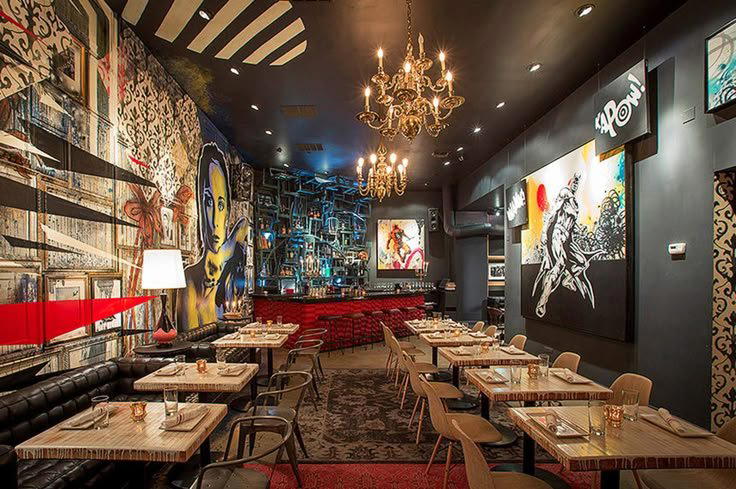
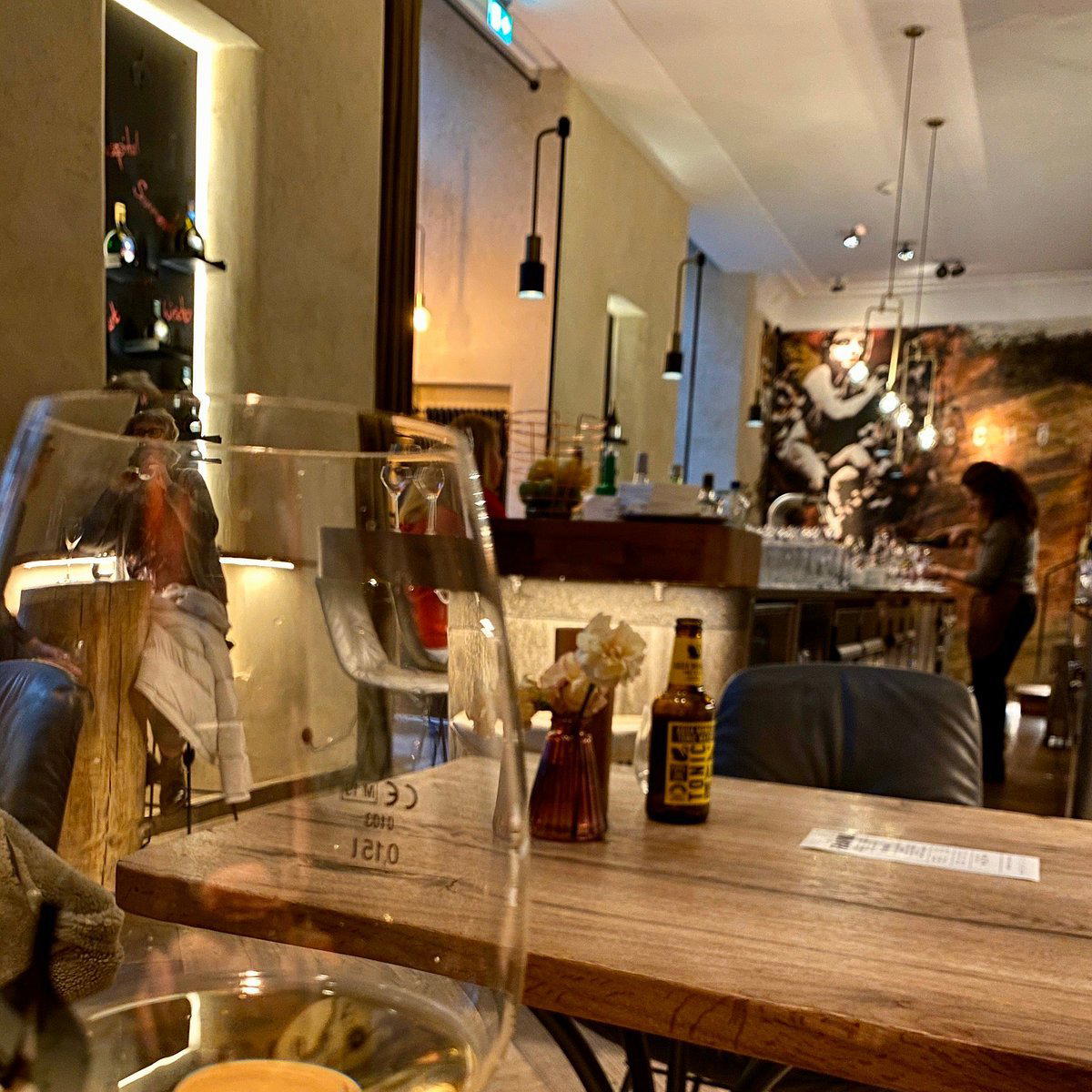
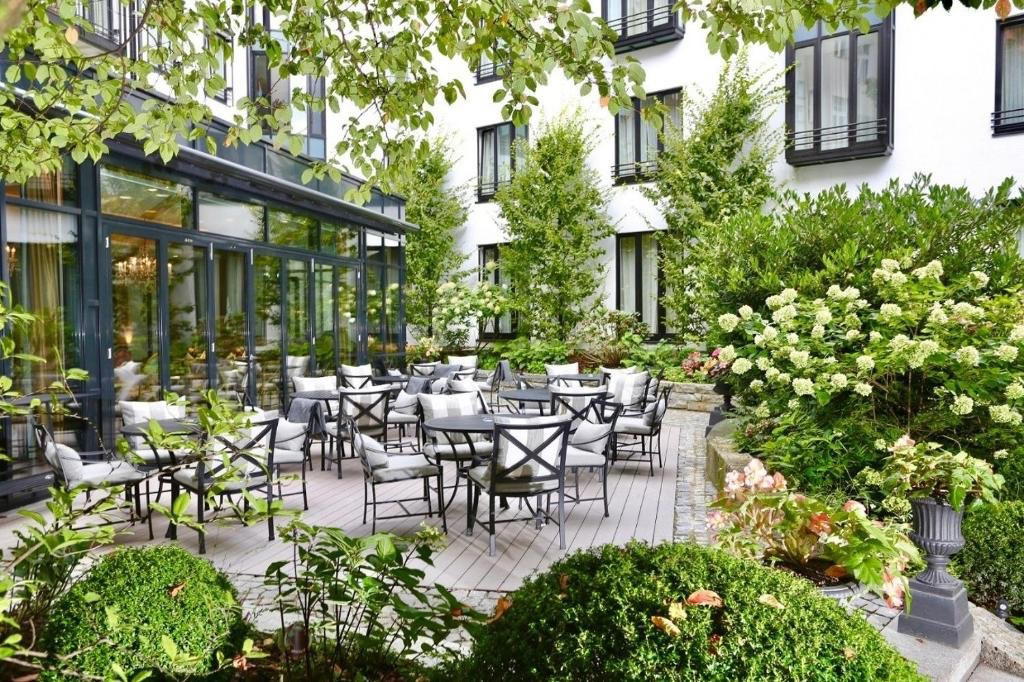
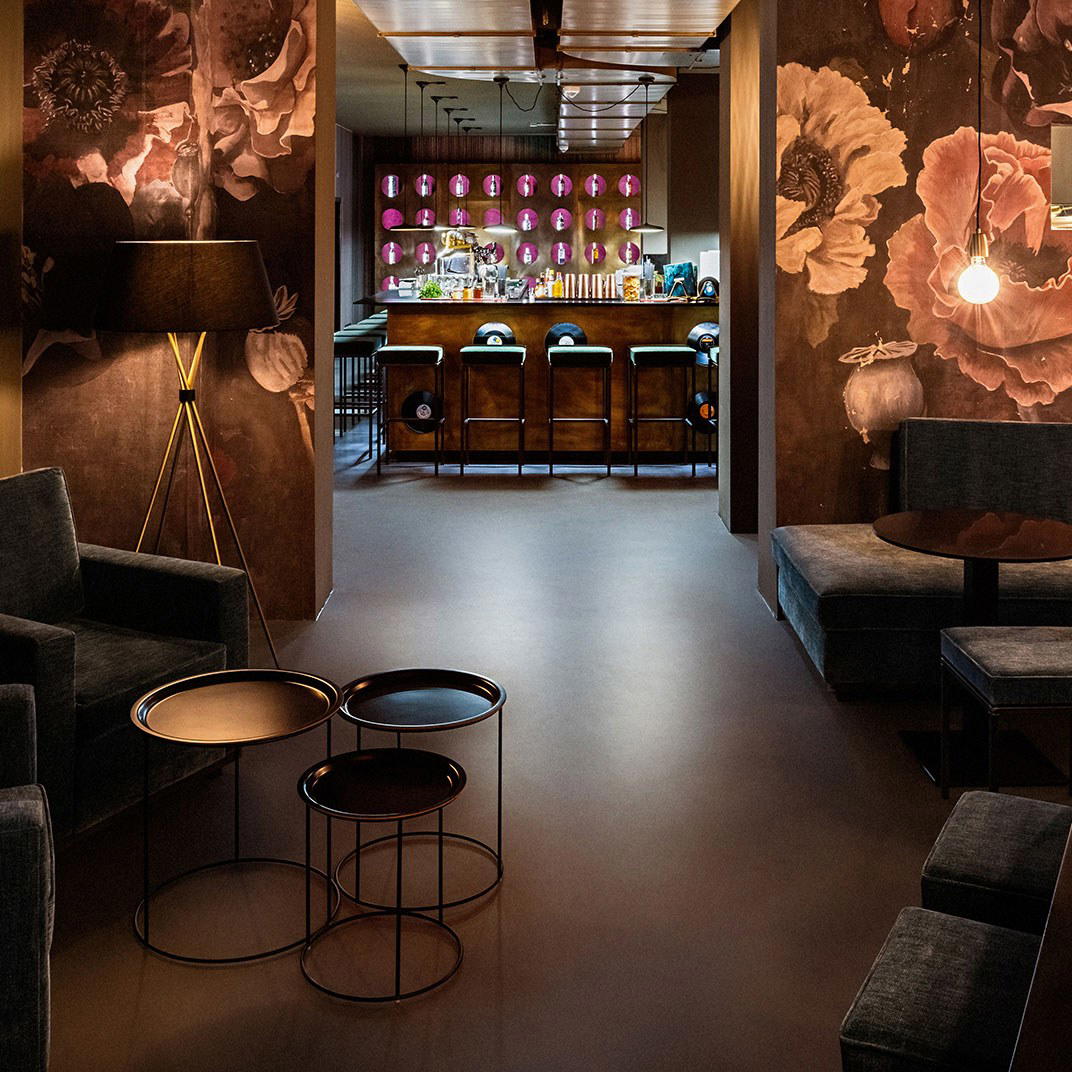
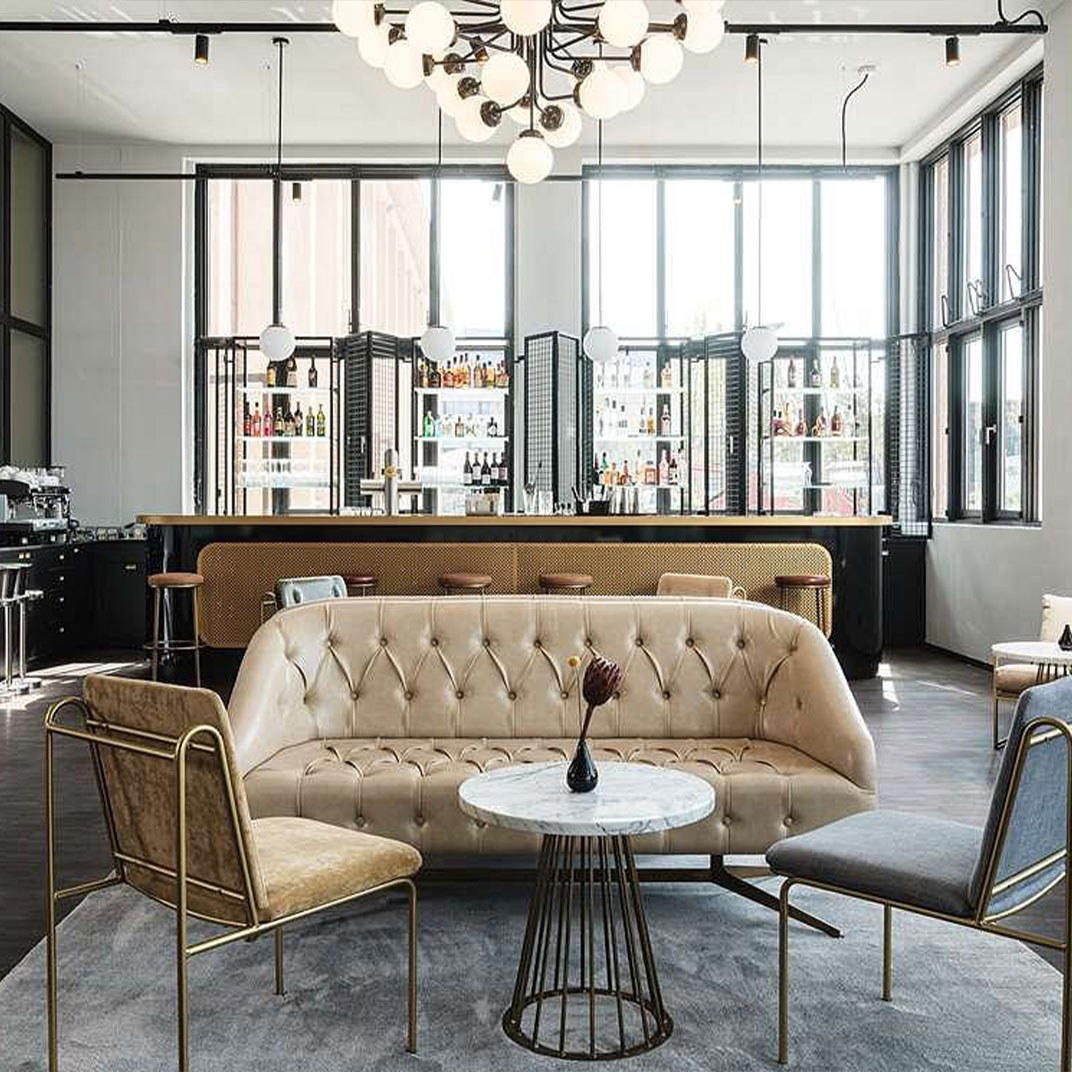
Cozy mix of traditional charm with a beautiful old tiled stove and modern elements, plus a gemütliches beer garden atmosphere.