Alte Post Parsdorf
Alte Post Parsdorf serves Traditional German Steakhouse fare in a historic building with a beer garden, anchored by Wiener Schnitzel and a beer program for lunch or dinner.
Pearl is the En Primeur Club membership app — saves, bookings, and concierge access live there. Same editors, same standards.
- Address
- Dorfpl. 3, 85599 Vaterstetten, Germany
- Phone
- +4989716717950
- Website
- altepost-parsdorf.de
- Directions
- Get directions
 Saves & bookings on Pearl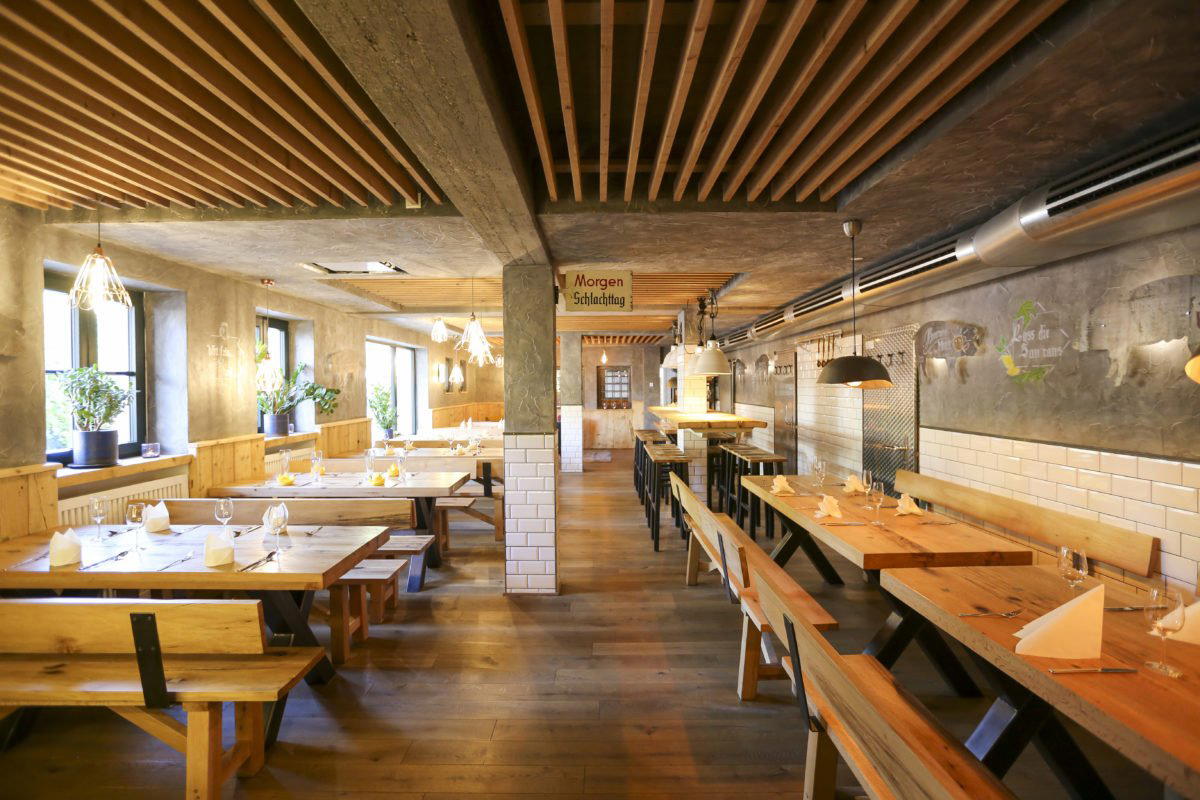
Village Dining East of Munich: What the Postal-Inn Format Tells You
Alte Post Parsdorf is a restaurant in Vaterstetten, Germany, serving Traditional German Steakhouse fare at a casual price tier. The Gasthaus-as-relay-point was the original hospitality infrastructure of rural Germany: a place where travellers stopped, ate simply, and moved on. When a modern restaurant inherits that address, the building itself sets expectations about warmth, directness, and a certain lack of ceremony that the more theatrical end of German dining, think Aqua in Wolfsburg with its elaborate tasting menus or Schwarzwaldstube in Baiersbronn with its Black Forest setting, deliberately steps away from. Alte Post Parsdorf, at Dorfplatz 3 in the Vaterstetten municipality, sits within that village-inn tradition, positioned on the central square of Parsdorf rather than in the anonymity of a retail strip or a hotel corridor.
That address matters beyond sentiment. Dorfplatz restaurants in Bavarian towns answer to a different set of local rhythms than city-centre operations. The clientele is predominantly local and repeat, which tends to sharpen accountability around consistency and sourcing in ways that tourist-facing restaurants rarely need to worry about. In that sense, the postal-inn format is an editorial signal about the dining model long before you read a menu.
Ingredient Sourcing and the Bavarian Supply Chain
The region east of Munich, stretching from Vaterstetten through Ebersberg district and into the agricultural belt toward the Inn valley, has one of Bavaria's more intact short-supply-chain networks. Farms producing dairy, pork, and vegetables for local gastronomy here have not been entirely absorbed into the large wholesale networks that feed Munich's restaurant density. That structural fact matters when reading what village restaurants in this corridor can plausibly offer in terms of regional produce.
Bavarian gastronomy at the village level has historically been defined by a tight seasonal rotation: white asparagus in late spring, game in autumn, freshwater fish from regional rivers and lakes, and the dairy-heavy winter menu that draws on preserved and fermented products. Restaurants working with local suppliers in Ebersberg district can access Mangalitza pork from smaller breeders, Simmental beef from regional farms, and seasonal mushroom harvests that Munich-based purchasing departments rarely bother to pursue because the volumes are too small for their operations. The village Gasthaus, buying in smaller quantities from closer sources, has a geographic advantage in this specific supply model.
This context is not decoration. It explains why dining east of Munich, at addresses like Alte Post Parsdorf, can be genuinely different from eating in the city, not necessarily more refined in the sense that JAN in Munich or ES:SENZ in Grassau are refined, but more directly connected to the agricultural calendar of the immediate countryside.
Vaterstetten's Dining Character
Vaterstetten is not a destination dining town in the way that Baiersbronn or the Moselle valley have become known for concentrated fine-dining clusters. Its restaurant community, which includes Der Wolfsbarsch and Purfinger Haberer alongside the restaurant, serves a predominantly residential population with suburban Munich commuter demographics. The dining circuit here is built around reliability and value relative to Munich prices, not around destination tasting menus or award-chasing.
That positioning places Vaterstetten's restaurants in a different competitive context from the high-end German addresses that dominate coverage elsewhere: places like Vendôme in Bergisch Gladbach, Victor's Fine Dining by Christian Bau in Perl, or Waldhotel Sonnora in Dreis. Where those restaurants compete on technical ambition and international recognition, Vaterstetten's dining scene competes on something more local: the quality of the relationship between kitchen and community, the faithfulness to Bavarian seasonal cycles, and the absence of the price premium that Munich's inner districts now command.
What to Know Before You Visit
Several practical details require direct confirmation. Hours, current menu format, booking policy, and seasonal closures should be confirmed before travelling. The Parsdorf location within Vaterstetten is accessible by public transit, making it a realistic evening option for Munich-based visitors without a car.
The village-square setting and the Dorfplatz address suggest a format that rewards relaxed bookings. For those accustomed to the booking disciplines of restaurants like CODA Dessert Dining in Berlin or Restaurant Haerlin in Hamburg, the experience of planning around a Bavarian village Gasthaus operates on entirely different logistical terms.
Comparable village-inn dining in the broader German context, from the Moselle corridor restaurants like Schanz in Piesport and Bagatelle in Trier to smaller regional addresses like ATAMA by Martin Stopp in Sankt Ingbert and ammolite in Rust, each reflects its regional supply chain and local dining culture. The restaurant operates within that same local-specificity logic, even if its profile is quieter than those more documented addresses.
For reference points further afield, the sourcing-forward philosophy that defines European village dining is visible at different scales in restaurants like Le Bernardin in New York City, where product sourcing is an explicit editorial frame, or Atomix in New York City, where ingredient provenance is built into the menu narrative. The Alte Post sits at the opposite end of that attention economy, but the underlying logic of place-specific sourcing applies across the range.
Fast Comparison
Comparable venues nearby, for context on price, style, and recognition.
| Venue | Cuisine | Price | Notes |
|---|---|---|---|
| Alte Post ParsdorfThis venue — the venue you are viewing | Traditional German Steakhouse | $$ | Not listed |
| Purfinger Haberer | Traditional Bavarian with Modern Raffinesse | $$ | Vaterstetten |
| Der Wolfsbarsch | Premium Seafood & Fine Fish | $$$ | Vaterstetten |
| Restaurant Erber | Traditional Bavarian Regional Cuisine | $$ | Fischerhäuser |
| Michaeligarten Restaurant | Traditional Bavarian Beer Garden | $$ | Rammersdorf |
| Zum Sollner Hirschen | Classic Bavarian | $$ | Solln |
Continue exploring
More in Vaterstetten
Restaurants in Vaterstetten
Browse all →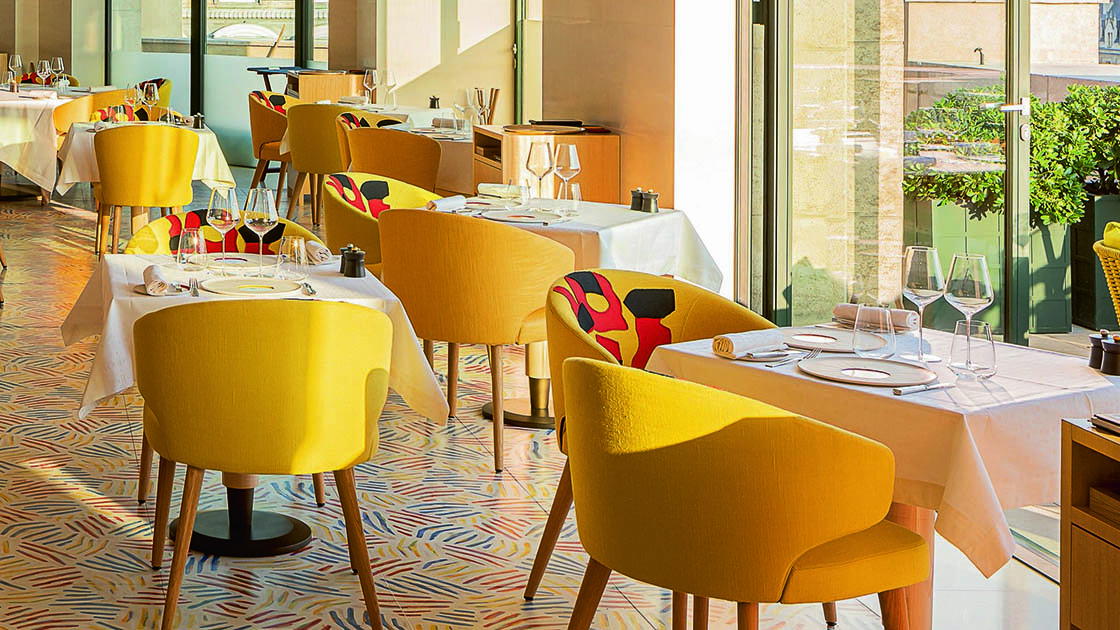
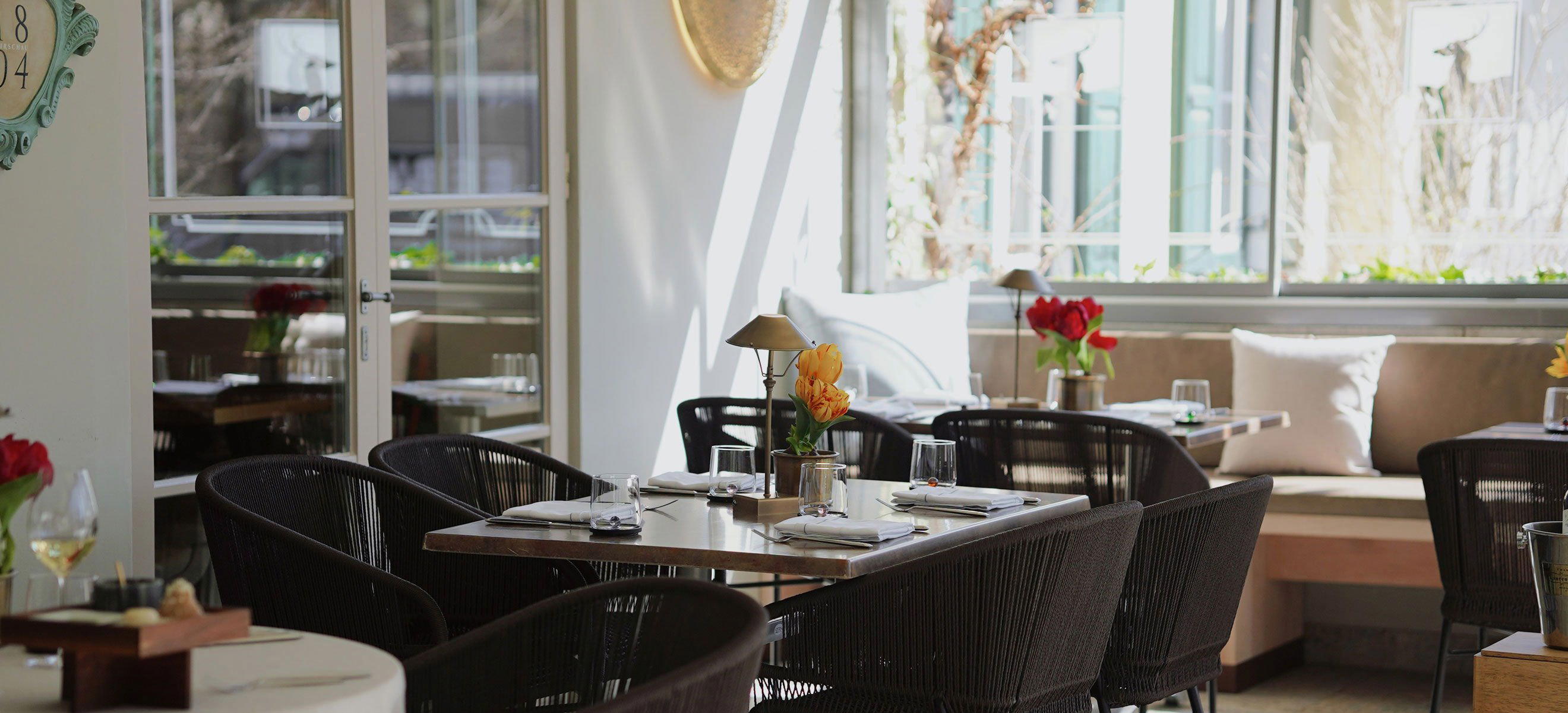
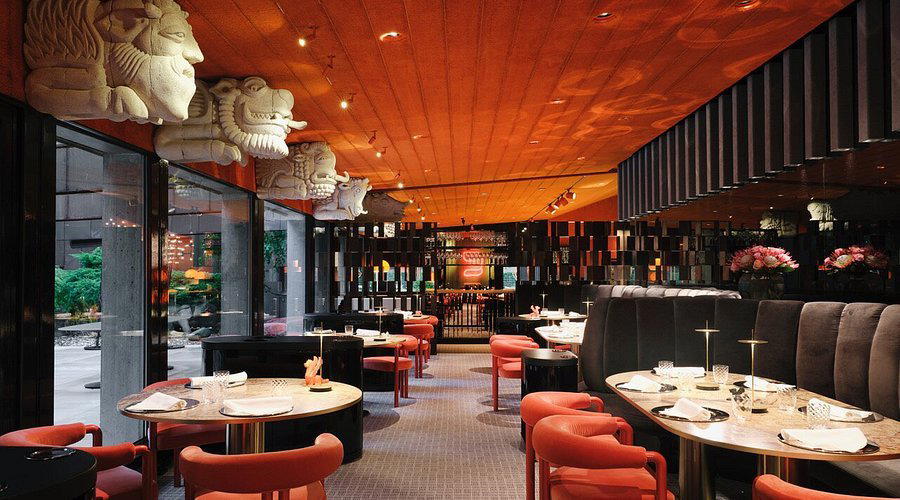
Bars in Vaterstetten
Browse all →
At a Glance
- Rustic
- Cozy
- Classic
- Family
- Casual Hangout
- Historic Building
- Beer Garden
- Beer Program
Current opening hours
- Monday
- Closed
- Tuesday
- 11:30 AM–2 PM, 5–10 PM
- Wednesday
- 11:30 AM–2 PM, 5–10 PM
- Thursday
- 11:30 AM–2 PM, 5–10 PM
- Friday
- 11:30 AM–2 PM, 5–10 PM
- Saturday
- 11:30 AM–10 PM
- Sunday
- 11:30 AM–10 PM
Hours can change for holidays and private events. Last verified .
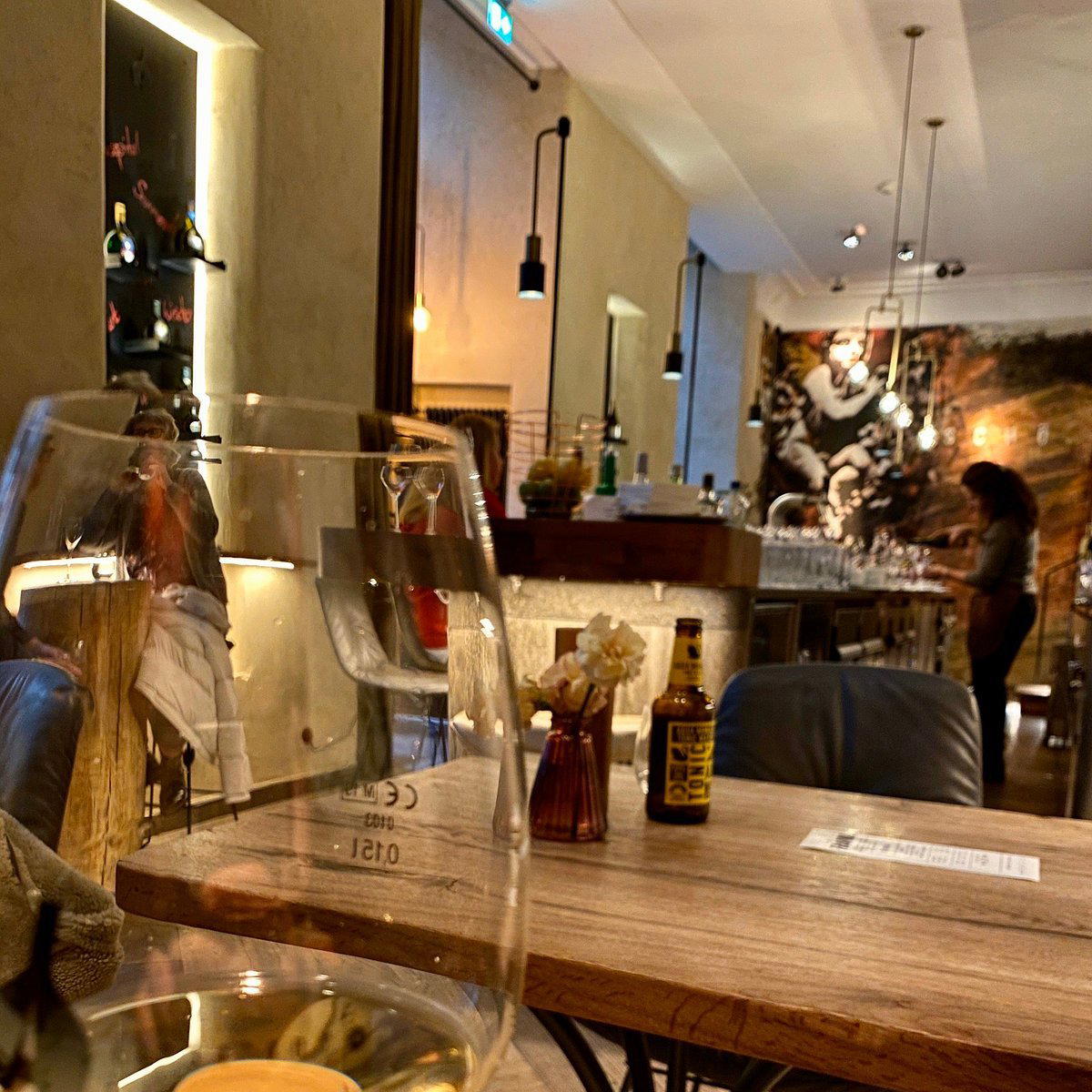
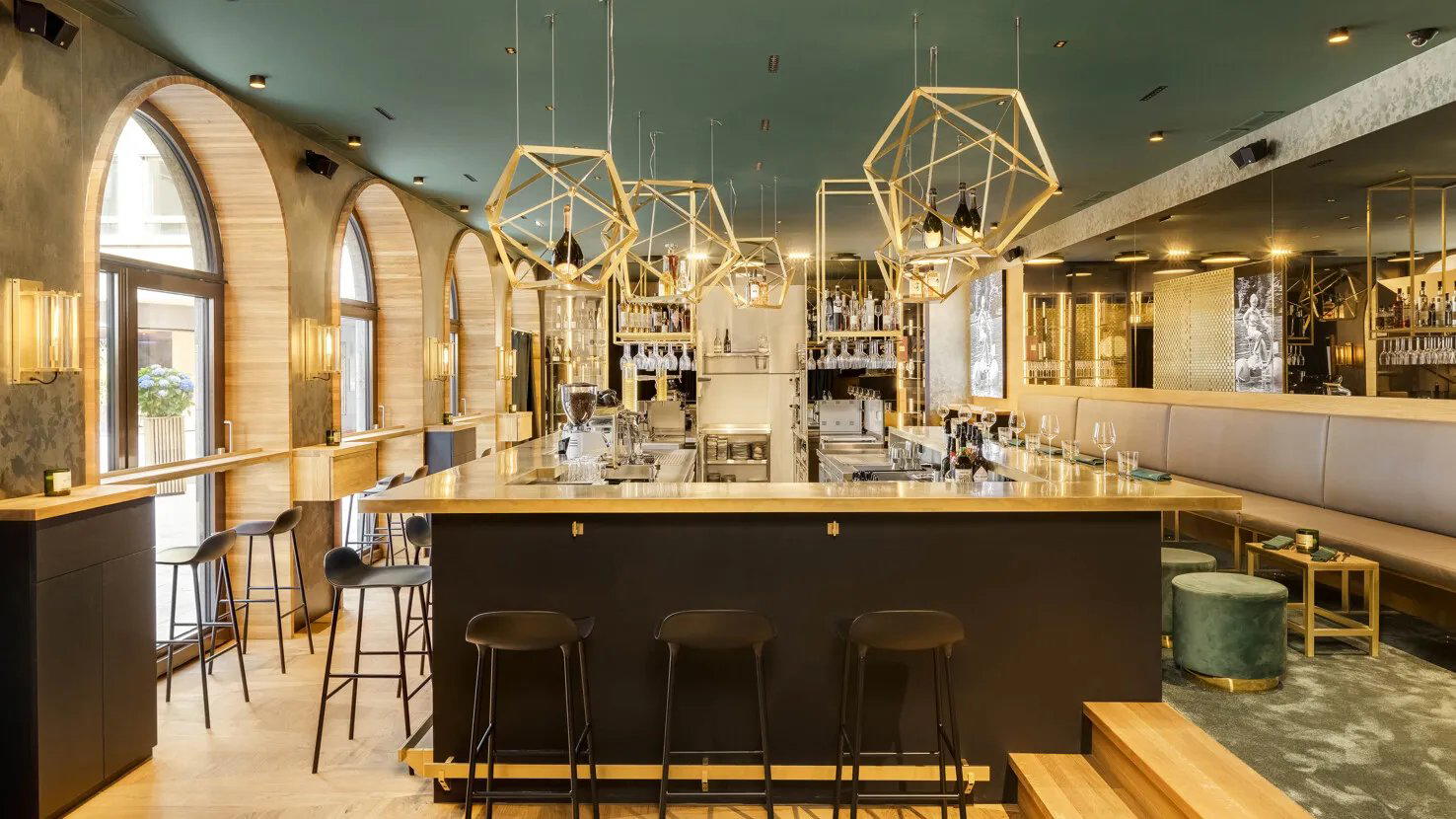
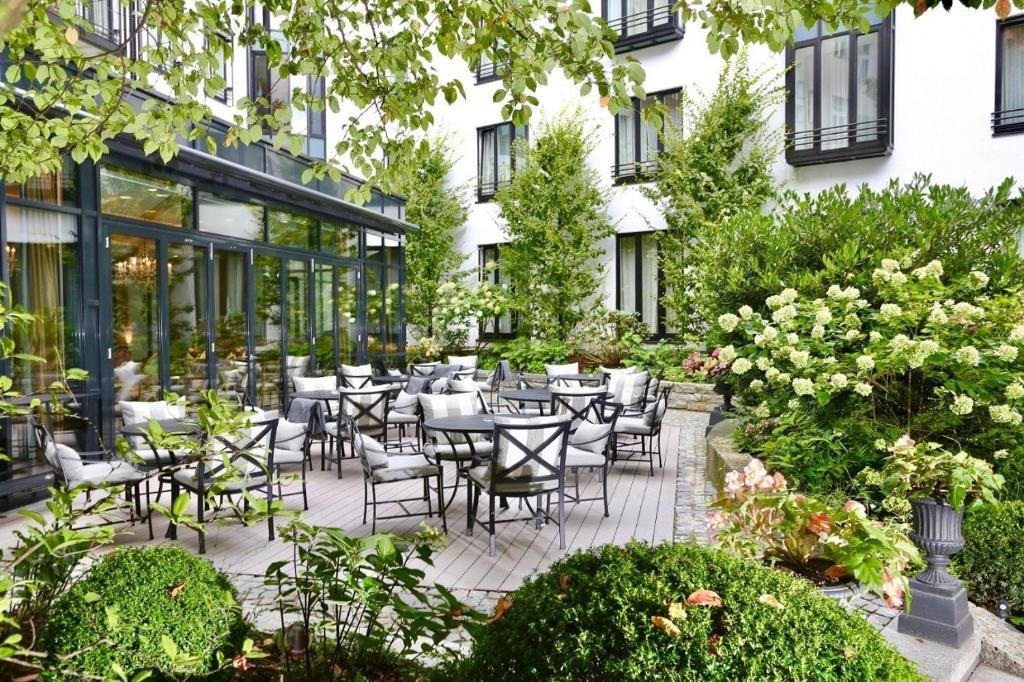
Cozy rustic atmosphere with beautiful ambiance as noted in guest reviews.