Der Wolfsbarsch

Der Wolfsbarsch sits in Vaterstetten, a residential municipality southeast of Munich, and holds a White Star recognition from Star Wine List, a signal of a wine program taken seriously in a town where that kind of commitment is not the default. The restaurant's name references the European sea bass, placing fish and the sourcing decisions around it at the centre of the kitchen's identity.
Pearl is the En Primeur Club membership app — saves, bookings, and concierge access live there. Same editors, same standards.
- Address
- Wendelsteinstraße 10, 85591 Vaterstetten, Germany
- Phone
- +49 8106 9988201
- Website
- der-wolfsbarsch.de
- Directions
- Get directions
 Saves & bookings on Pearl
A Seafood-Focused Address in Munich's Eastern Suburbs
The suburb of Vaterstetten occupies a particular position in the greater Munich dining map: close enough to the city's S-Bahn network to draw residents who work in Munich but live at a quieter remove, far enough that restaurants here build their followings through neighbourhood loyalty rather than tourist traffic. In that context, a restaurant named after the European sea bass, der Wolfsbarsch in German, signals something deliberate. Fish-focused restaurants in suburban Bavaria are not a dominant category, and naming a restaurant after a single species points toward a kitchen that has made sourcing decisions, not just cooking decisions, its defining commitment.
Wendelsteinstraße 10 is not a dining-district address. There is no cluster of competing tables nearby, no strip of wine bars to extend the evening into. What this address offers instead is the kind of local constancy that suburban restaurants either earn over time or fail to hold. Der Wolfsbarsch has built enough of a reputation that it earned a White Star from Star Wine List in April 2023, recognition that acknowledges wine programming of genuine depth, not just a list assembled to satisfy a price point. For restaurants outside major city centres, that kind of external validation carries particular weight.
What the Name Tells You About the Kitchen
Restaurants that anchor their identity to a specific ingredient, a fish species, a cut of meat, a regional grain, are making a claim about sourcing before the menu is even read. The European sea bass is a demanding reference point. Wild-caught bass from the Mediterranean or Atlantic commands a different quality tier than farmed alternatives, and any kitchen naming itself after the species is implicitly entering a conversation about where its fish comes from and how it arrives at the table.
This framing places Der Wolfsbarsch in a broader pattern visible across German fine dining: a move away from classical French-influenced menus toward ingredient-first programs where provenance is the editorial voice of the plate. The contrast is clear when you consider how differently Germany's fish-forward kitchens approach sourcing. At Aqua in Wolfsburg, seafood sits within a multi-influence contemporary framework. At JAN in Munich, the sourcing philosophy is explicit and drives the season-to-season structure of the menu. The restaurant, working at a different scale and in a different setting, operates within the same broader argument: that particularly interesting restaurant conversations in Germany right now happen around where ingredients originate, not just how they are prepared.
The Wine Program and What It Signals
Star Wine List's White Star designation is awarded to restaurants whose wine programs meet a specific standard of depth, curation, and presentation. Receiving this recognition in Vaterstetten places the restaurant in a smaller comparable set than its suburban postcode might suggest. Germany's most celebrated wine lists tend to cluster in the same places as its celebrated kitchens. A White Star in suburban Munich is not common, and for a fish-focused restaurant it carries a particular implication: that the wine selection has been built to work specifically alongside seafood, whether through German Riesling and Spätburgunder, or a broader European range weighted toward acid-driven, mineral-forward styles that complement bass and its relatives on the plate.
For comparison, ES:SENZ in Grassau, another Bavarian address operating outside Munich's immediate centre, demonstrates how regional restaurants build wine credibility that reflects their culinary identity rather than simply imitating city-centre lists. The restaurant appears to operate with similar intent.
Where It Sits in the Regional Context
Vaterstetten is accessible by S-Bahn from Munich's city centre, placing it within reasonable reach of diners willing to leave the city for a specific dining purpose. That profile, suburban, ingredient-driven, wine-serious, describes a category of European restaurant that often goes underdiscovered precisely because it lacks the postcode signal of a city-centre address. Some of Germany's most considered cooking happens outside the metropolitan spotlight, from Schwarzwaldstube in Baiersbronn in the Black Forest to Vendôme in Bergisch Gladbach east of Cologne. The restaurant does not operate at those scales, but it occupies the same structural position: a serious kitchen in a location that requires a decision to visit rather than a casual walk-in.
For those planning a broader Munich-area dining itinerary, it is worth reading alongside the city's more prominent fish-forward addresses. Munich's own seafood-leaning restaurants draw from similar Alpine-adjacent sourcing networks, and understanding the suburban counterpart enriches the broader picture.
Internationally, the philosophy of letting a single species anchor a restaurant's identity has deep precedent. Le Bernardin in New York City has built one of the longest-running cases for seafood as a fine-dining anchor. Emeril's in New Orleans demonstrates how a regional culinary identity can sustain a restaurant's purpose across decades. The restaurant is operating on a different scale entirely, but the underlying argument, that a kitchen's relationship to a specific ingredient can carry an entire dining identity, is one with serious international precedent.
Planning Your Visit
The restaurant is at Wendelsteinstraße 10, 85591 Vaterstetten. Booking in advance is advisable given the restaurant's local following and the specificity of its offering. Dress code is smart casual. Also worth checking at the time of booking: current hours and any private dining or event formats the restaurant may offer.
Fast Comparison
Comparable venues nearby, for context on price, style, and recognition.
| Venue | Cuisine | Price | Notes |
|---|---|---|---|
| Der WolfsbarschThis venue — the venue you are viewing | Premium Seafood & Fine Fish | $$$ | Not listed |
| Purfinger Haberer | Traditional Bavarian with Modern Raffinesse | $$ | Vaterstetten |
| Alte Post Parsdorf | Traditional German Steakhouse | $$ | Parsdorf |
| Haxnbauer | Traditional Bavarian | $$$ | Altstadt |
| The Lonely Broccoli | Modern Bavarian Steakhouse | $$$ | Freimann |
| Burger & Lobster Bank | American Steakhouse with Lobster | $$$ | Lehel |
Recognition history
Dated appearances from independent guides and award organizations, with the underlying list record or original source where available.
Star Wine List
Star Wine List
Continue exploring
More in Vaterstetten
Restaurants in Vaterstetten
Browse all →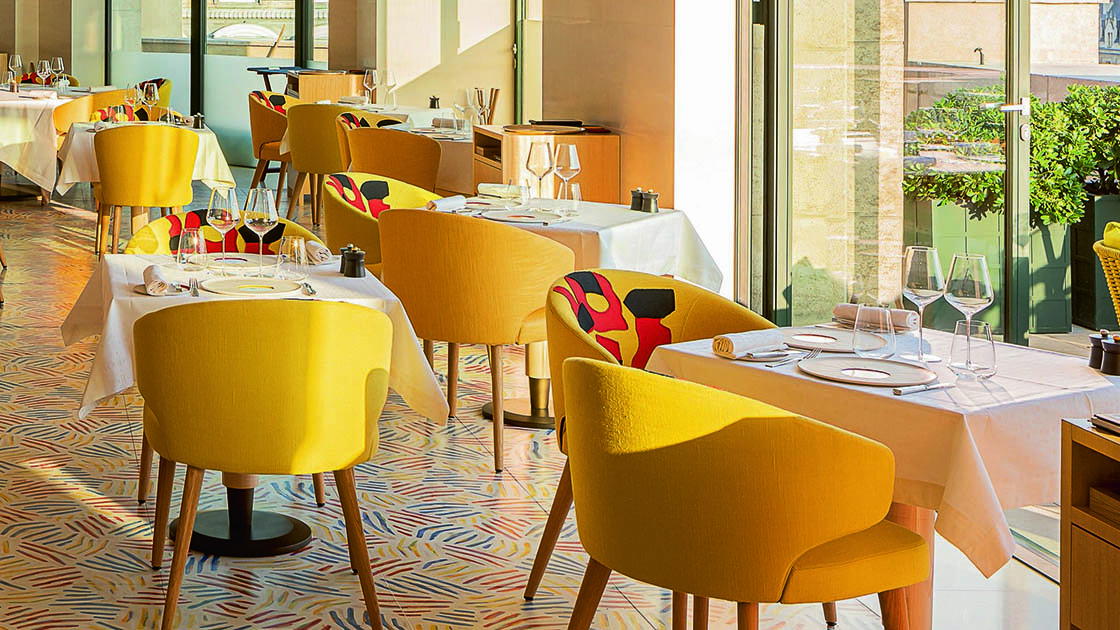
Bars in Vaterstetten
Browse all →
At a Glance
- Elegant
- Cozy
- Sophisticated
- Date Night
- Special Occasion
- Open Kitchen
- Extensive Wine List
- Local Sourcing
Current opening hours
- Monday
- Closed
- Tuesday
- 11:30 AM–2:15 PM, 5:30–9:15 PM
- Wednesday
- 11:30 AM–2:15 PM, 5:30–9:15 PM
- Thursday
- 11:30 AM–2:15 PM, 5:30–9:15 PM
- Friday
- 11:30 AM–2:15 PM, 5:30–9:15 PM
- Saturday
- 11:30 AM–2:15 PM, 5:30–9:15 PM
- Sunday
- Closed
Hours can change for holidays and private events. Last verified .
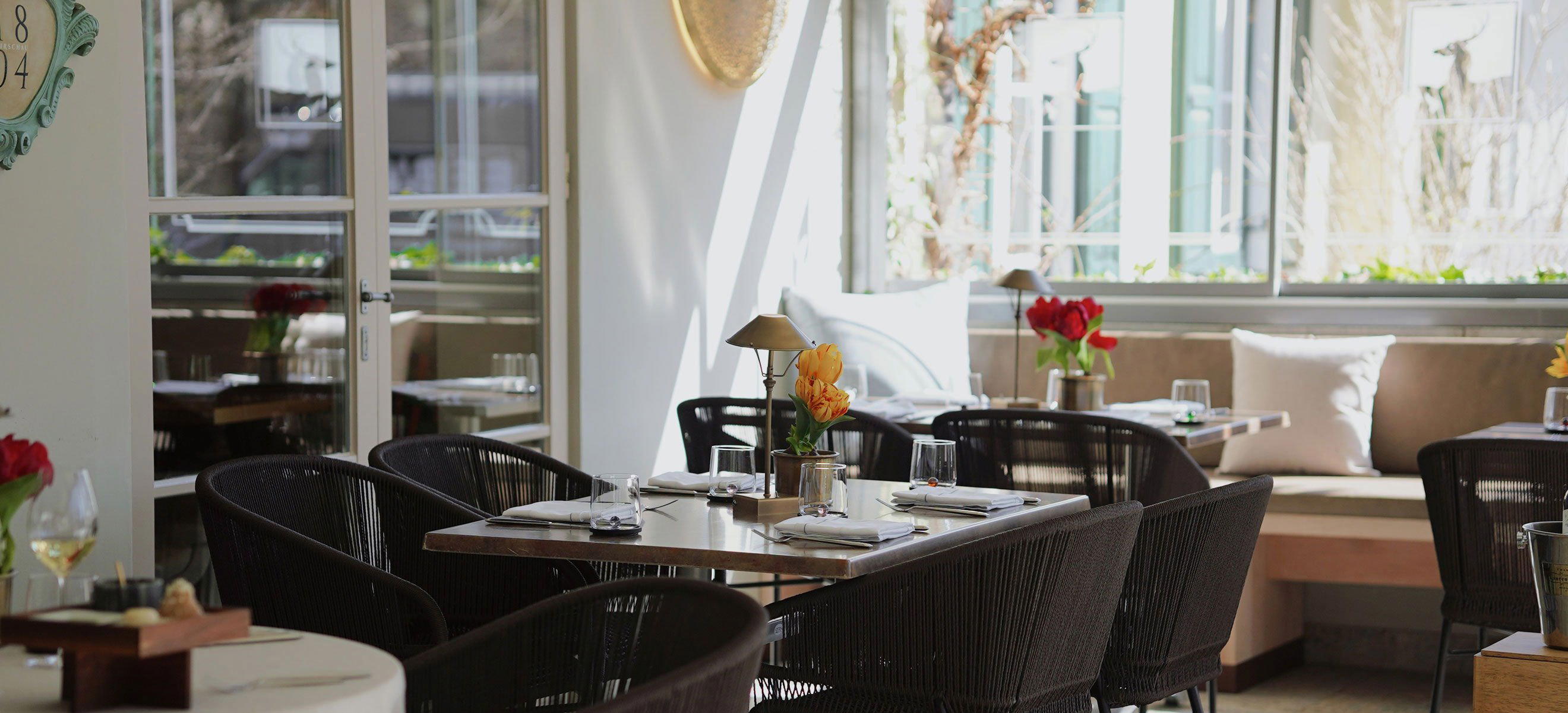
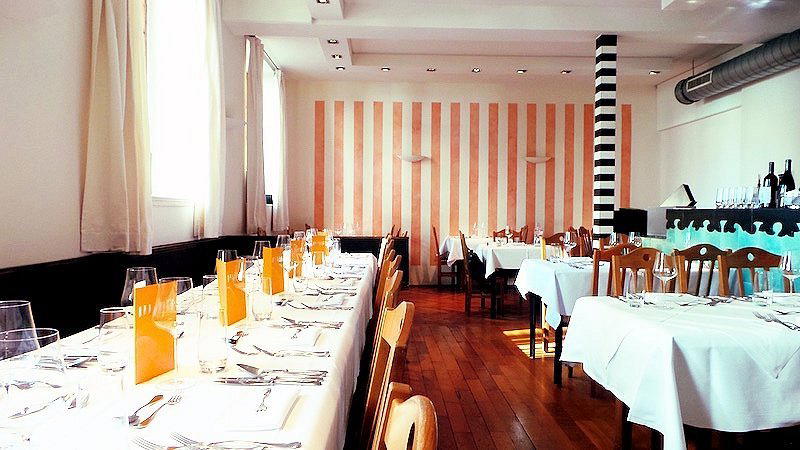
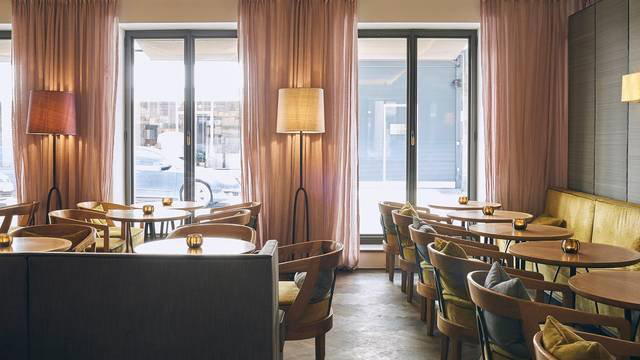
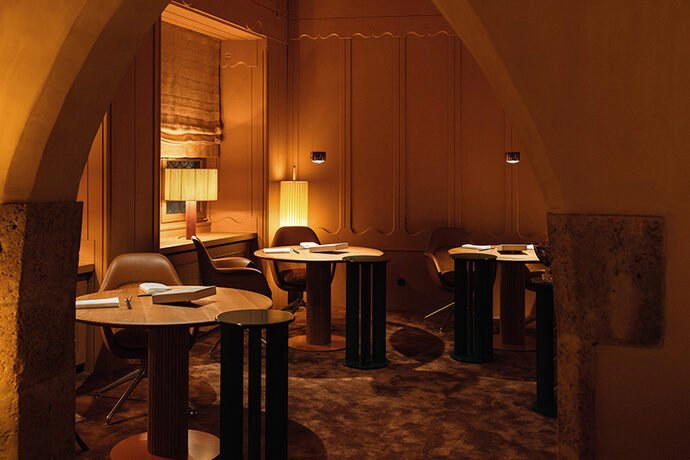
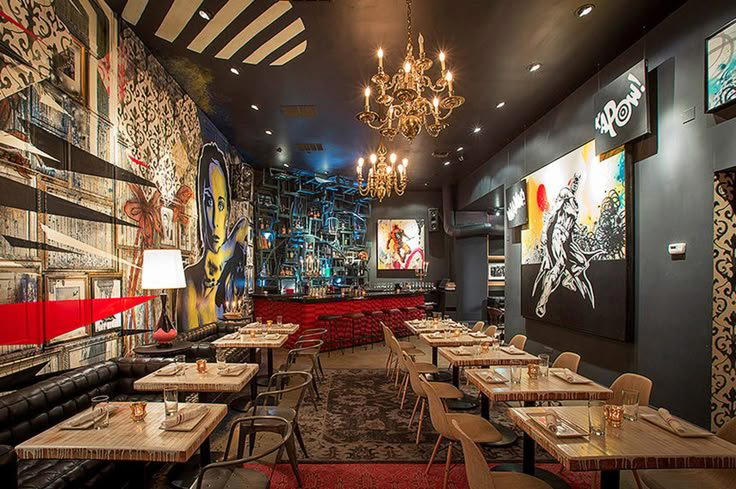
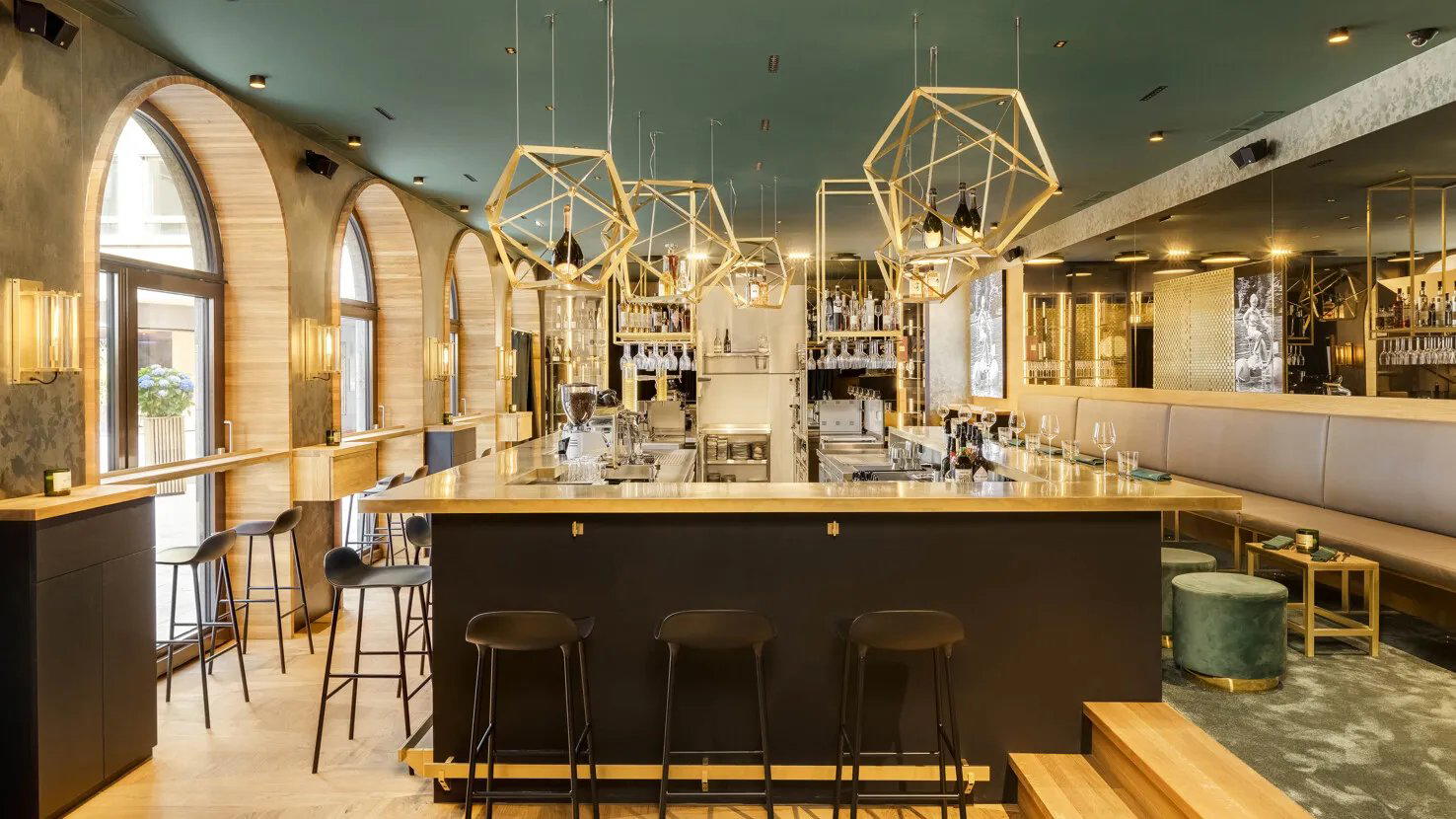
Stylish and tasteful interior with a calm yet lively atmosphere, featuring an elegant seafood restaurant setting.