Sango
Sango occupies a corner of South Miami that sits well outside the city's downtown dining circuit, positioning it as a neighbourhood-anchored address rather than a scene restaurant. The kitchen works at the intersection of local Florida produce and globally trained technique, a combination that defines a growing tier of Miami dining that moves past the obvious. For those willing to travel south of the city's more publicised corridors, the address rewards the detour.
Pearl is the En Primeur Club membership app — saves, bookings, and concierge access live there. Same editors, same standards.
- Address
- 9485 SW 160th St, Miami, FL 33157
- Phone
- +13052520279
- Website
- facebook.com
- Directions
- Get directions
 Saves & bookings on Pearl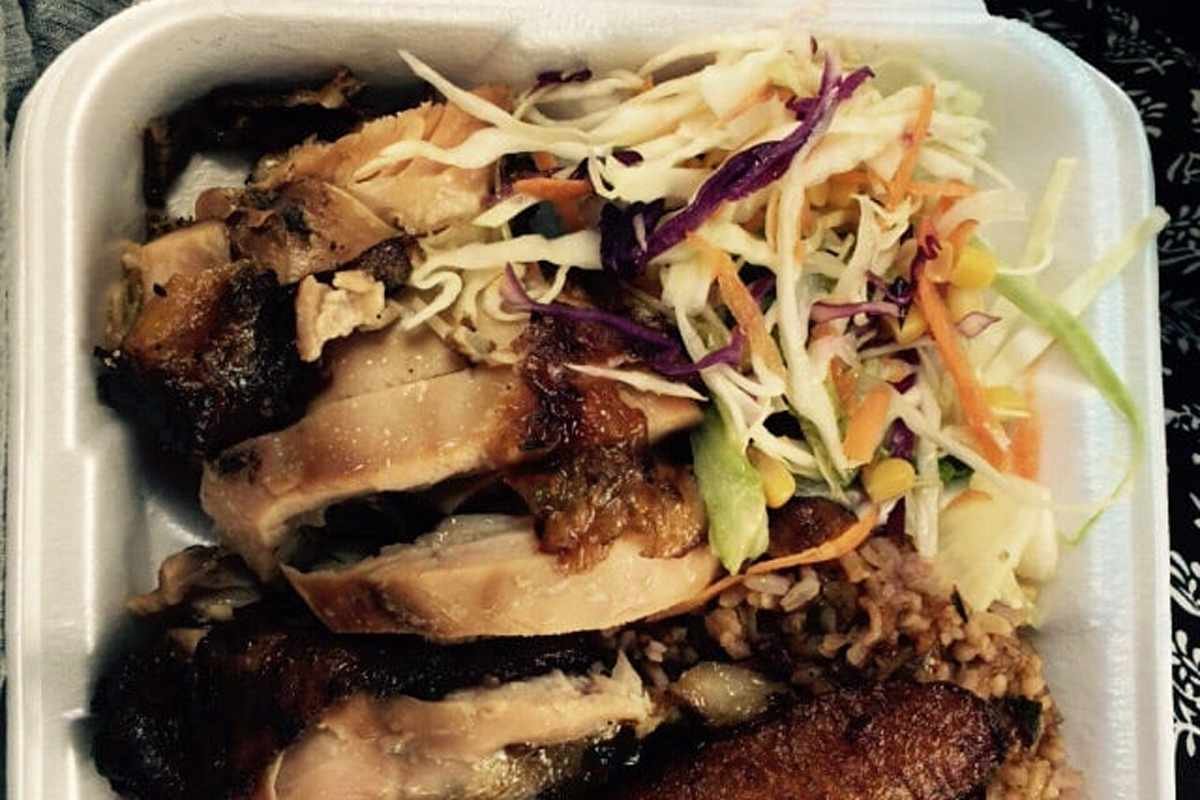
South Miami's dining geography rarely makes it into the first paragraph of city dining coverage. The attention lands on Brickell, Wynwood, and the Design District, where the critical mass of press-courting openings and recognisable names keeps the conversation concentrated. The stretch of SW 160th Street where Sango sits at 9485 sits closer to the suburban residential grid than to any recognised dining corridor, which means anyone who ends up here has sought it out rather than stumbled in. That kind of deliberate patronage tends to shape a room differently from venues that rely on foot traffic and passing curiosity.
Miami's broader dining culture has been moving in two directions simultaneously: an upward pull toward internationally backed, high-investment formats similar to what L'Atelier de Joël Robuchon Miami represents at the French end of the spectrum, and a quieter, more deliberate current of neighbourhood-rooted kitchens that prioritise sourcing and technique over spectacle. Sango belongs to that second current. Its address in the 33157 zip code places it geographically and culturally outside the city's most-photographed dining zones, which is, depending on what you want from a meal, either a deterrent or the entire point.
Florida Produce, Trained Hands
The editorial argument for Sango connects to one of the more interesting structural tensions in American fine dining right now: the gap between where premium ingredients are grown and where the kitchens capable of handling them are located. Florida's agricultural output is substantial. The state produces a significant share of the country's citrus, winter vegetables, and tropical fruit, and its coastal waters supply stone crab, grouper, and spiny lobster that appear on menus from New York to Los Angeles. Yet the kitchens that have historically commanded the most critical attention for their use of local product have tended to cluster in California, the Pacific Northwest, and the Northeast. The equation is beginning to shift.
Across Miami, a cohort of kitchens has emerged that treats Florida ingredients as a starting point rather than a garnish. Ariete in Coconut Grove applies modern American technique to Cuban-inflected sourcing with a seriousness that has drawn sustained recognition. ITAMAE applies Peruvian precision to local seafood in a format that reads closer to a Lima counter than a Miami tourist trap. Boia De demonstrates that Italian contemporary cooking can function as a neighbourhood restaurant rather than a destination format. What these kitchens share is a willingness to apply rigorous imported methods to what grows or swims within a short radius. Sango's position in the 33157 corridor places it in a part of the city where that argument gets made with less audience, which can mean either a kitchen cooking for itself or a kitchen cooking for a loyal local constituency who have decided it is worth the trip from elsewhere.
The local-ingredients-plus-global-technique model has precedent at the upper end of American dining. Blue Hill at Stone Barns in Tarrytown built its entire identity around that argument, taking it to a point where the farm itself became the menu's protagonist. Single Thread Farm in Healdsburg operates a similar model in Northern California, where the kitchen's Japanese-inflected technique meets estate-grown produce. In Miami, the equivalent conversation happens with different raw materials: mangoes, callaloo, Florida bay scallops, and the tropical citrus varieties that don't survive shipping to northern markets. A kitchen willing to build around those products rather than defaulting to imported truffle and Wagyu is making a statement about place that extends beyond the plate.
The South Miami Dining Tier
Miami's dining criticism has historically concentrated on a handful of neighbourhoods, leaving South Miami and the surrounding Palmetto Bay area underwritten relative to their actual dining activity. This is partly a function of media geography and partly a function of where the city's hospitality investment has concentrated. The result is that venues in the 33157 corridor operate in a lower-visibility tier regardless of their quality, which creates both a challenge for operators and an opportunity for diners willing to move past the obvious. The comparison is instructive: Cote Miami in Brickell draws immediate national attention because it operates in a location where press concentration is high. A kitchen of equivalent ambition in South Miami operates in near-anonymity by comparison.
Nationally, the pattern of critically underwritten suburban or exurban restaurants producing serious food is well-documented. Addison in San Diego operated for years at a high technical level before the Michelin Guide's California edition brought broader visibility to what local diners already knew. The Inn at Little Washington sits nearly two hours from New York City and has held three Michelin stars for years, demonstrating that geography outside a major media market does not preclude serious recognition. In Miami, the critical infrastructure for venues outside the city's primary corridors remains thinner than it should be, which means the editorial work of identifying what matters in South Miami falls to those willing to move past the Instagram-optimised shortlist.
The broader American dining comparison set rewards the exercise of looking further. Lazy Bear in San Francisco built a format around a specific dining ritual rather than a visible location. Alinea in Chicago is not on a street anyone would walk past by accident. Providence in Los Angeles sits on a block that requires intention. The common thread is that proximity to a recognisable dining district is not a prerequisite for seriousness, and the reverse is equally true.
Know Before You Go
- Address
- 9485 SW 160th St, Miami, FL 33157
- Neighbourhood
- South Miami / Palmetto Bay corridor, south of the city's primary dining districts
- Getting There
- The address sits outside Miami's core transit grid; driving or ride-share is the practical approach from central Miami neighbourhoods
- Reservations
- Contact details are not confirmed in current records; plan ahead and verify booking method before travelling from elsewhere in the city
- Phone
- Not confirmed in current records
- Website
- Not confirmed in current records
- Cuisine Type
- Not confirmed in current records; the editorial framing here is grounded in the venue's geographic and contextual positioning within Miami's dining tier
- Price Range
- Not confirmed in current records; for Miami comparison context, see our full Miami restaurants guide
Given the venue's location outside central Miami and the limited confirmed contact information in current records, it is worth verifying current hours and booking availability before making the journey south. The SW 160th Street address is approximately a 25-30 minute drive from Brickell and Wynwood under normal traffic conditions, which in Miami means that timing the visit outside peak commute windows is a practical consideration.
At a Glance
- Lively
- Casual Hangout
Current opening hours
- Monday
- 11 AM–9 PM
- Tuesday
- 11 AM–9 PM
- Wednesday
- 11 AM–9 PM
- Thursday
- 11 AM–9 PM
- Friday
- 11 AM–9 PM
- Saturday
- 11 AM–9 PM
- Sunday
- 10 AM–5 PM
Hours can change for holidays and private events. Last verified .
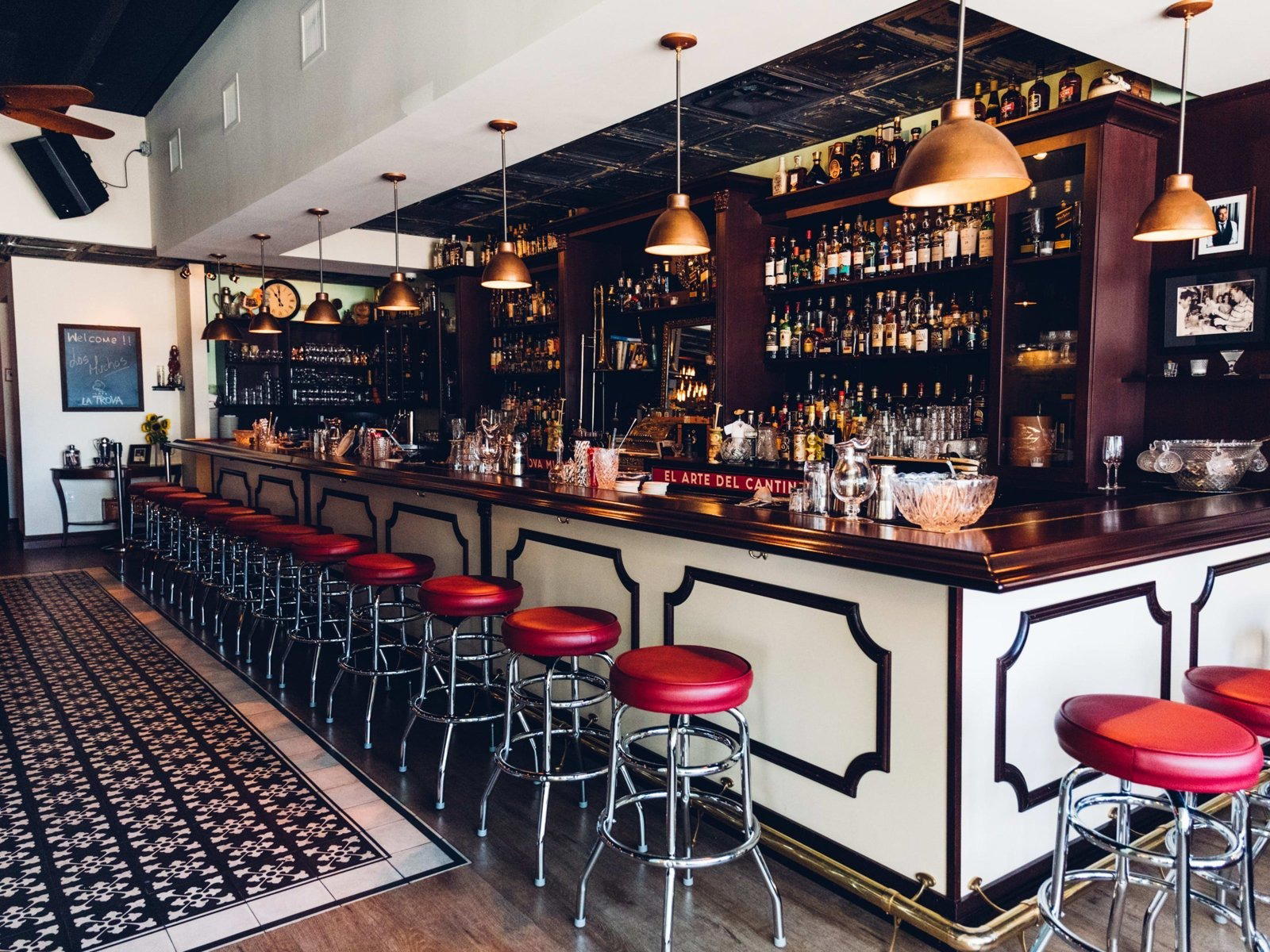
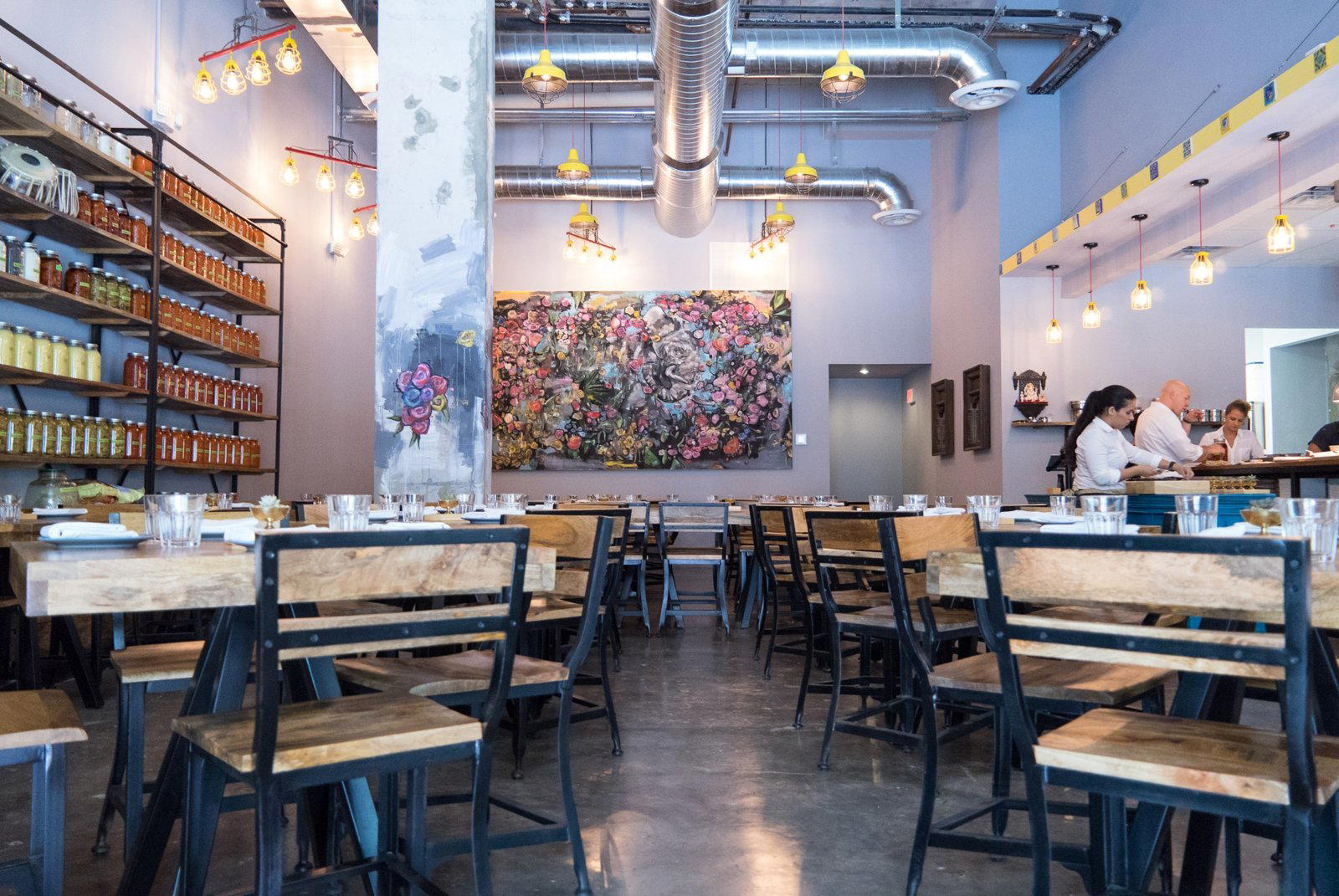
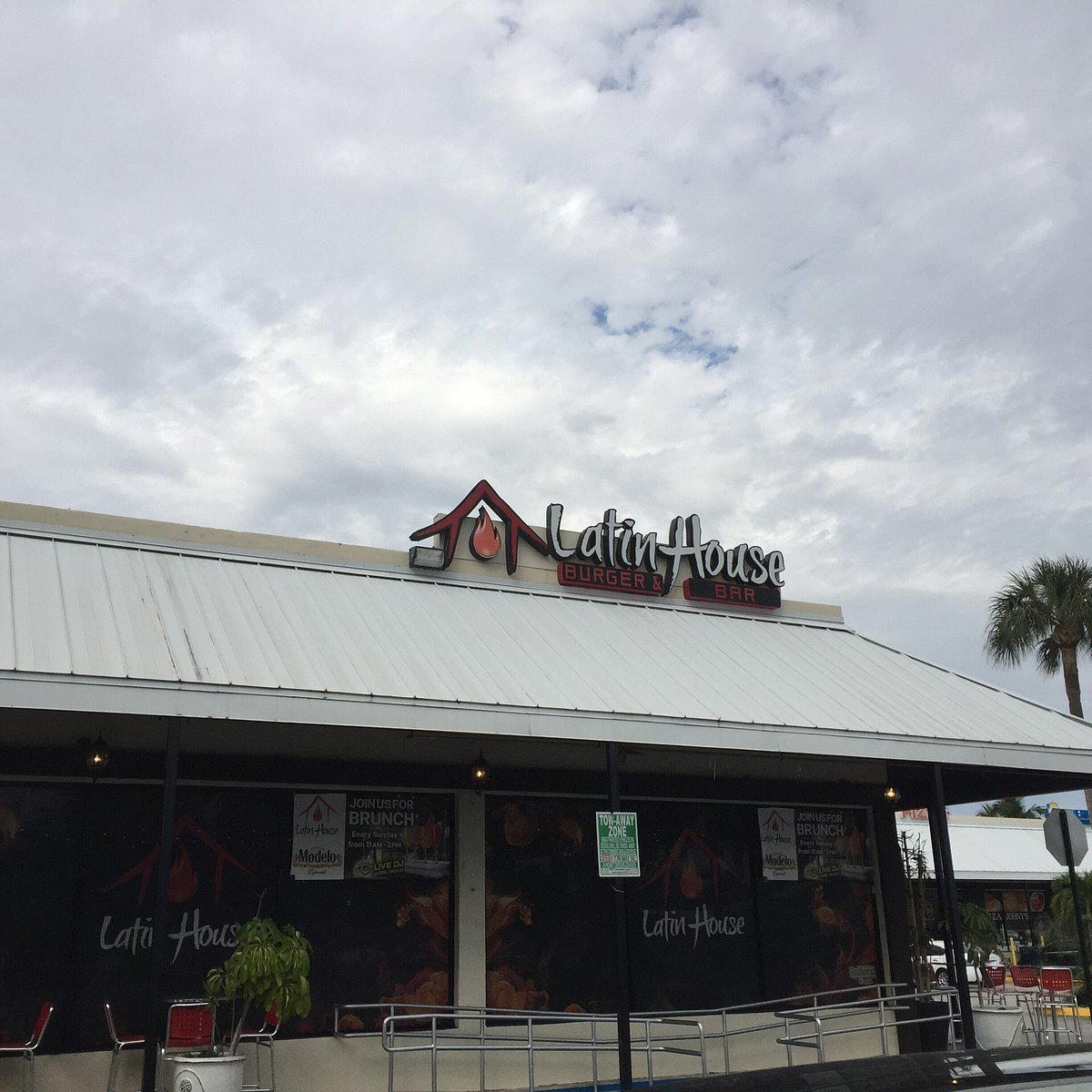
Casual takeout spot with minimal ambiance focused on lively people-watching from constant customer traffic.
Know Before You Go
- Getting there
- 9485 SW 160th St, Miami, FL 33157