Primo


We're Smart World 1 Radish
Our verdict
Primo sits on two acres of mid-coast Maine farmland, running one of the most self-contained kitchens in American dining. Chef-owner Melissa Kelly built the restaurant around a genuine farm-to-table circuit — vegetables, livestock, and oysters all raised on-site — with a Sunday menu composed entirely of zero-kilometre production. Recognized by Opinionated About Dining's 2025 North American rankings, Primo is the clearest argument Rockland makes for destination dining.

Pearl is the En Primeur Club membership app — saves, bookings, and concierge access live there. Same editors, same standards.
- Address
- 2 Main St, Rockland, ME 04841
- Phone
- (207) 596-0770
- Website
- primorestaurant.com
- Directions
- Get directions
- Booking
- Book on Resy
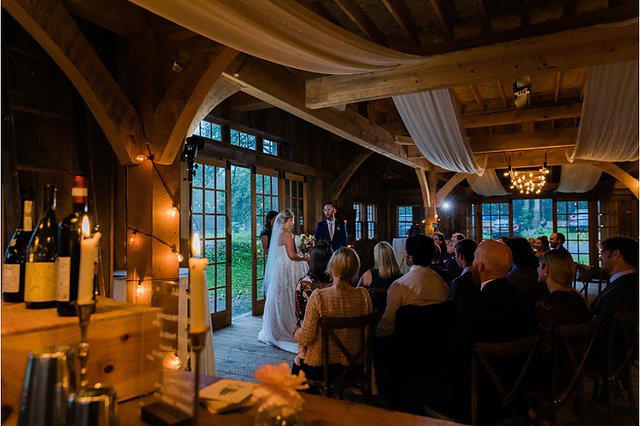
A Farm That Happens to Have a Dining Room
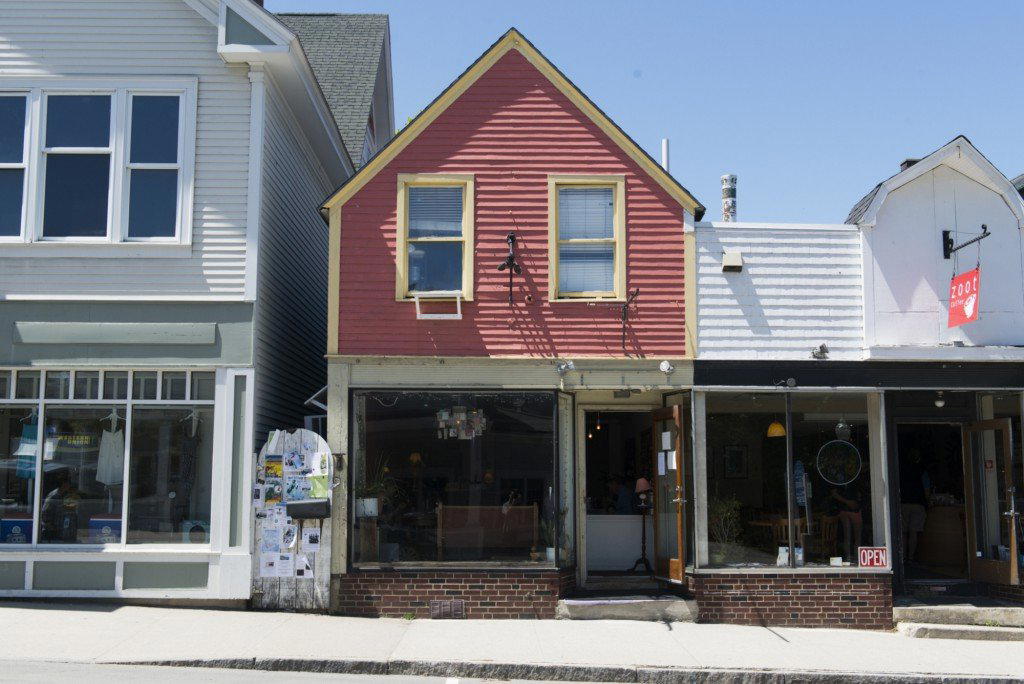
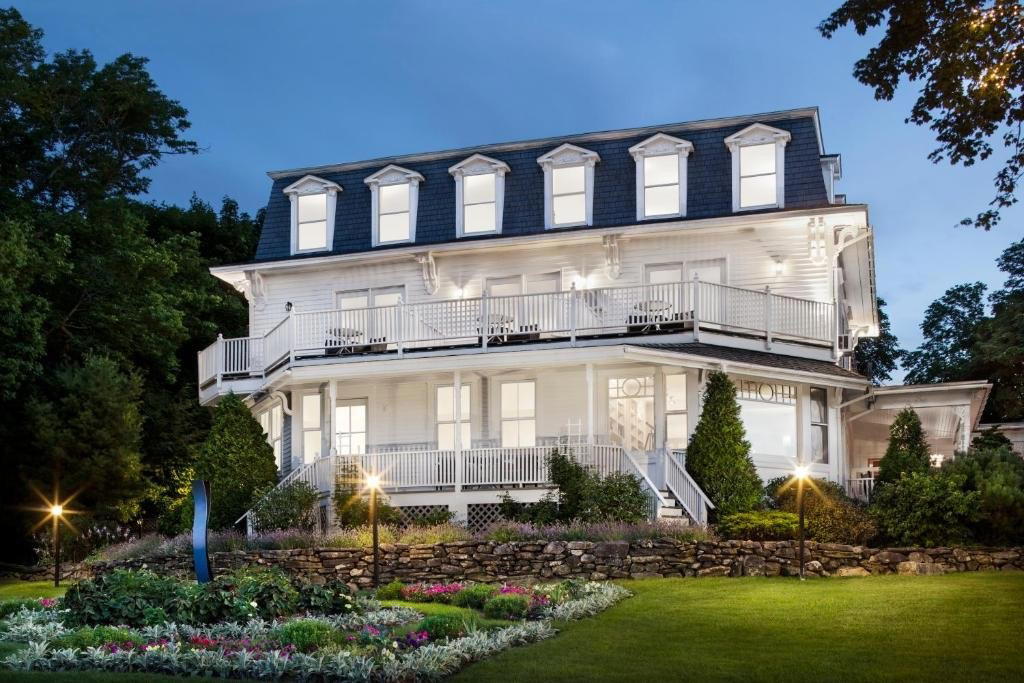
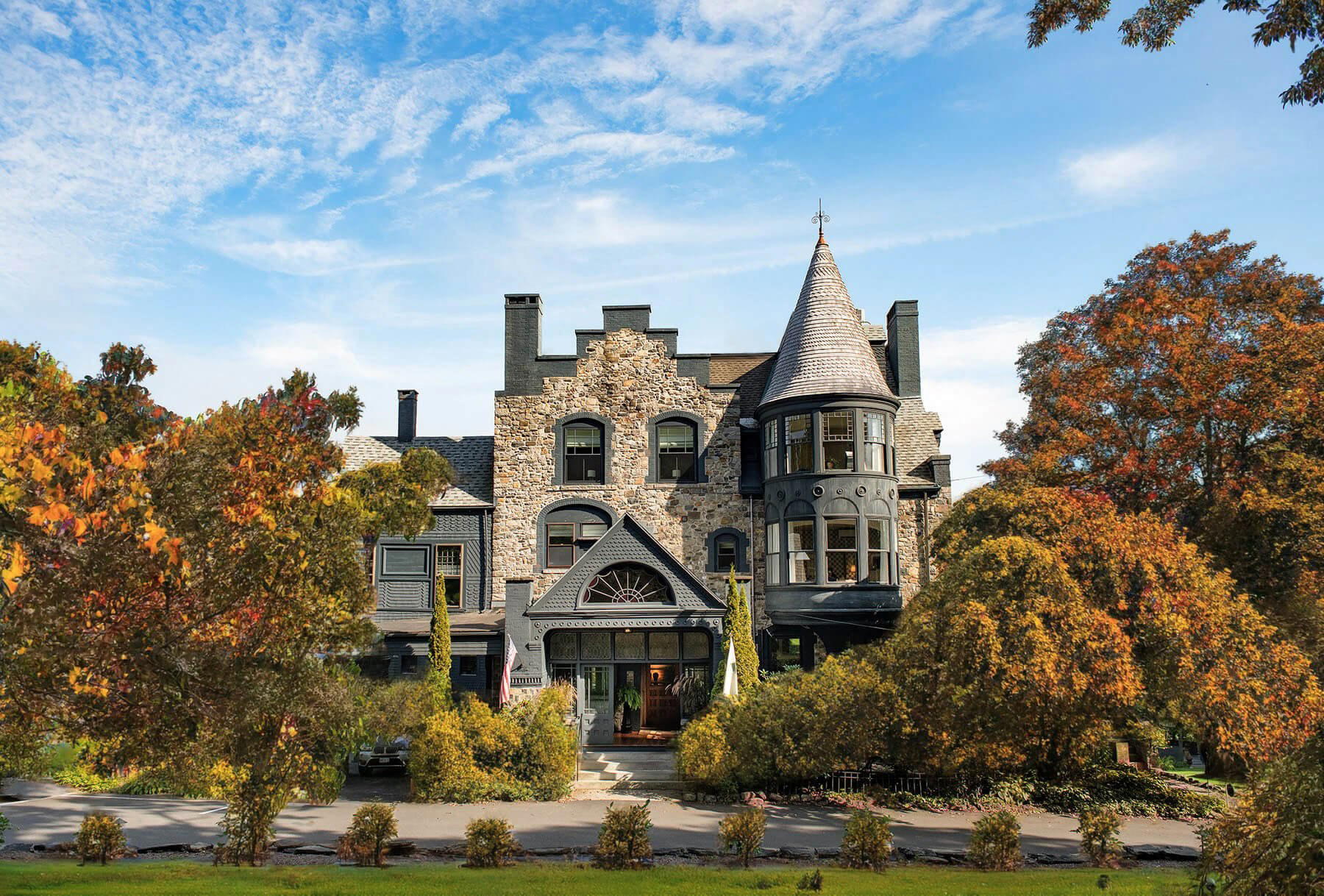
The approach to Primo sets the register before you reach the door. Two Main Street in Rockland puts you at the edge of the mid-coast's working waterfront, but the property reads more like a working farm than a restaurant address. The kitchen garden, the chicken coops, and the cultivated beds are visible from the exterior — they are not decorative. They are the supply chain. In an era when the phrase "farm-to-table" has been stretched to cover little more than a weekly farmers' market delivery, Primo operates on a different premise entirely: the farm and the kitchen are the same enterprise, and the menu reflects what that farm produces on any given week.
This model has a direct parallel in northern Italian regional cooking, where the relationship between a kitchen and its surrounding land has always been the point, not a marketing angle. Emilian trattorias built around a single estate's produce, Piedmontese tables that follow the truffle and the harvest rather than a fixed menu — Primo belongs to that tradition by logic rather than by geography. The Italian designation is not a style choice. It reflects a philosophy of seasonal, ingredient-led cooking in which the growing cycle drives the plate, not the other way around.
The Farm as Culinary Architecture
The concept Melissa Kelly calls the "full circle kitchen" describes a closed loop: what the farm raises, the kitchen processes and serves; what the kitchen produces as waste feeds back into the farm cycle. Vegetables anchor the menu across all seasons, shifting with what the Maine growing calendar allows. Livestock, including chickens raised on the property, and oysters from Primo's own cultivation appear alongside that produce. The result is a menu that changes not because of a chef's creative calendar but because the farm's output changes. That is a structural discipline most restaurants with farm-to-table ambitions do not actually maintain.
The Sunday menu formalizes this discipline into a zero-kilometre format, where every element on the plate has been grown, raised, or produced on-site. In American dining, the restaurants that operate with this level of supply-chain integration form a small and specific peer group. Blue Hill at Stone Barns in Tarrytown runs a comparable closed-farm model at a different scale and price point. Single Thread Farm in Healdsburg pursues a similar farm-kitchen integration within a more formal Japanese-influenced format. Primo sits in that conversation while operating in a decidedly informal register, no tasting menu architecture, no tableside theatrics, no dress code inference from the price point.
Where Primo Sits in American Dining
2025 Opinionated About Dining recognition for North America places Primo inside the tier of restaurants that serious American food travelers track. OAD rankings weight subjective diner experience and are compiled from a community of engaged eaters rather than anonymous inspector visits, making them a meaningful signal of sustained quality rather than a single-night assessment.
Contrast with the urban end of the American fine dining spectrum is instructive. Restaurants like Le Bernardin in New York City, Alinea in Chicago, or The French Laundry in Napa operate on the formal, high-production end of the American dining arc. Lazy Bear in San Francisco and Providence in Los Angeles each represent distinct regional inflections of serious contemporary cooking. Primo's position in this company is earned not through format or price-point alignment but through the seriousness of its sourcing logic and its sustained critical presence over years of operation. Addison in San Diego and The Inn at Little Washington each carry different regional identities; Primo's identity is almost entirely defined by place, mid-coast Maine, with all the growing limitations and seasonal specificity that implies.
It is also worth locating Primo within the Italian tradition it draws from, even if that tradition is being practiced in Maine rather than Lombardy. The farm-rooted Italian kitchen is older than the restaurant concept itself. What Primo adds is a New England growing calendar, shorter seasons, different cold-weather staples, Atlantic shellfish, applied to that framework. For international context, the ambition is not dissimilar from what cenci in Kyoto does by grafting Italian technique onto Japanese seasonal produce, or what 8½ Otto e Mezzo Bombana in Hong Kong represents for Italian cooking adapted to a different geography. The cuisine travels; the terroir changes the conversation.
Rockland as a Dining Destination
Rockland's restaurant scene punches above the weight its size and tourist-season geography would suggest. The mid-coast has drawn serious kitchen talent partly because land is accessible, sourcing infrastructure around fishing and farming is genuine, and the summer visitor base supports higher-end spending. Primo was an early signal of that potential. Sammy's Deluxe represents the seasonal, New England-inflected end of Rockland's current dining range, and together these restaurants sketch out a scene worth planning around rather than stumbling across.
For visitors building a stay around the dining, Rockland's hotel options range from waterfront properties to smaller inns suited to the pace of the mid-coast. The broader guide to Rockland restaurants covers the full range, from casual harbourside spots to the kind of destination tables that warrant the drive from Portland or Boston. Those interested in the drinks side of the visit can check Rockland's bar scene, local winery options, and experiences in the area, the mid-coast's combination of art institutions, working waterfront, and coastal access makes it a more layered destination than a single-restaurant stop.
Planning a Visit
Primo is located at 2 Main Street in Rockland, Maine, a direct address on the town's central street, within walking distance of the waterfront and the Farnsworth Art Museum. The relaxed, farm-adjacent atmosphere means there is no formal dress expectation, and the ethos runs deliberately counter to the kind of high-tension, reservation-scarcity experience that defines urban fine dining. That said, Primo's OAD recognition and sustained reputation mean booking ahead is the sensible approach, particularly during the summer and early fall seasons when mid-coast Maine traffic peaks and the farm's production is at its fullest. Sunday visits carry the specific draw of the zero-kilometre menu, for anyone for whom the sourcing logic is the primary appeal, that is the session to plan around. For a broader sense of what else Rockland offers during a stay, the experiences guide and hotels guide are the logical next steps.
Frequently asked questions
Where do I go for Primo?
Primo is located at 2 Main St, Rockland, ME 04841, Rockland.
Fast Comparison
| Venue | Cuisine | Price | Awards | Notes |
|---|---|---|---|---|
| PrimoThis venue — the venue you are viewing | Farm-to-Table Italian | $50–100 | We're Smart World 1 Radish | Not listed |
| Le Bernardin | French Seafood Fine Dining | $300–500 | 3 Michelin Stars · World's 50 Best #13 | French, Seafood |
| Atomix | Modern Korean Tasting Menu | $300–500 | 2 Michelin Stars · World's 50 Best #7 | Modern Korean, Korean |
| Lazy Bear | Modern American Tasting Menu | Not listed | 2 Michelin Stars · World's 50 Best #25 | Progressive American, Contemporary |
| Alinea | Avant-Garde Molecular Gastronomy | $300–500 | 2 Michelin Stars · World's 50 Best #37 | Progressive American, Creative |
| Masa | Seasonal Hokkaido Tempura Omakase | $150–200 | Tabelog 100 #34 | Sushi, Japanese |
Recognition history
Dated appearances from independent guides and award organizations, with the underlying list record or original source where available.
Opinionated About Dining Top Restaurants in North America
Opinionated About Dining
We're Smart World 1 Radish
We're Smart World
Continue exploring
More in Rockland
More from Chef Mellisa Kelly
Browse all →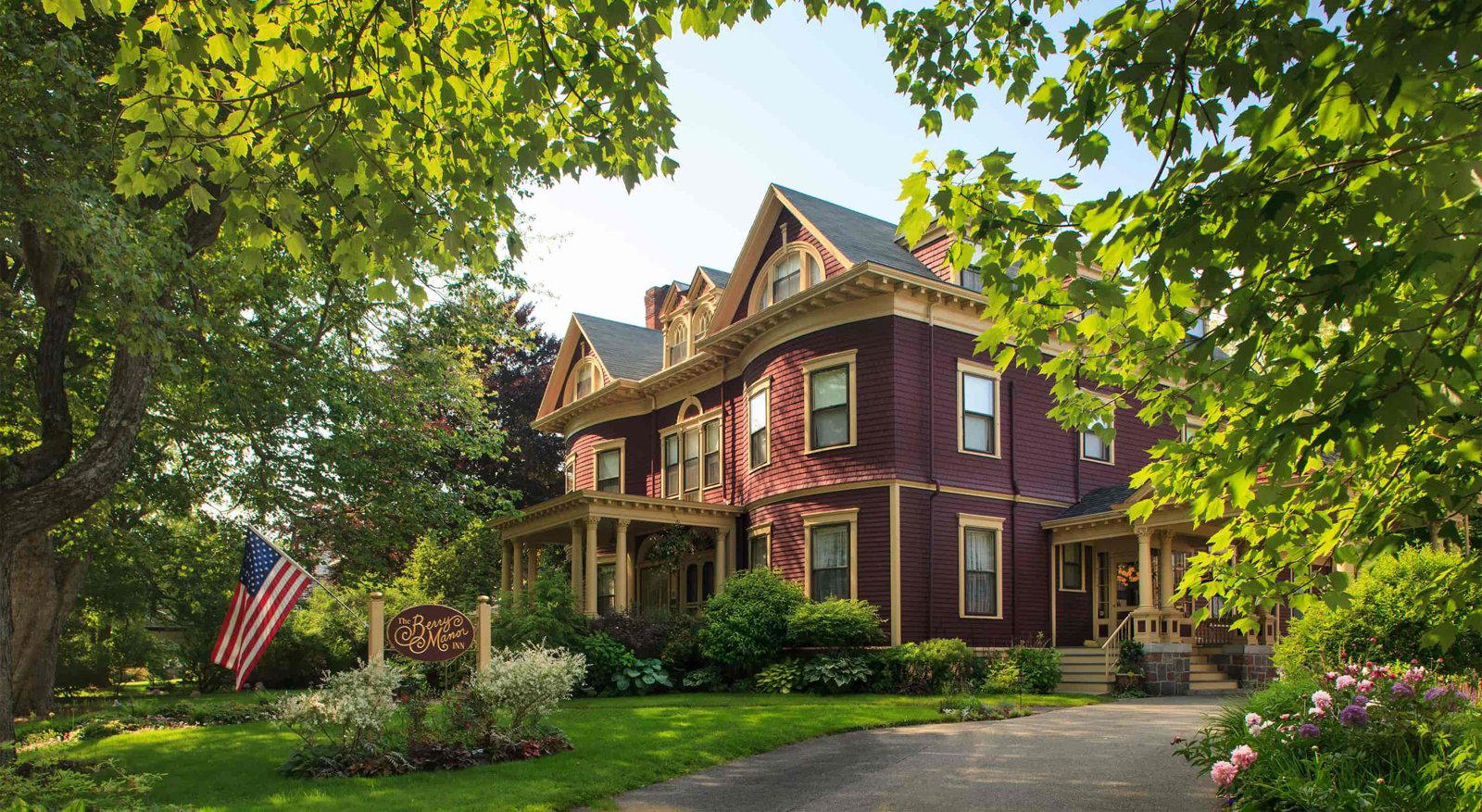
Restaurants in Rockland
Browse all →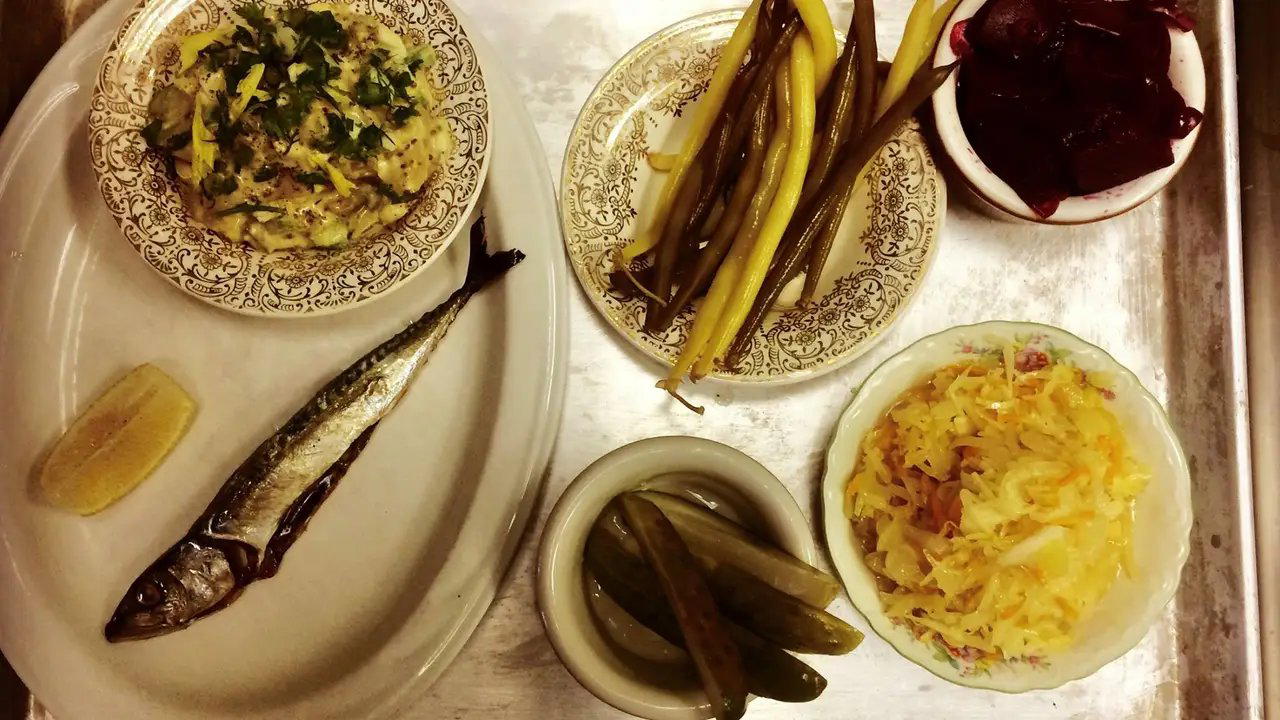
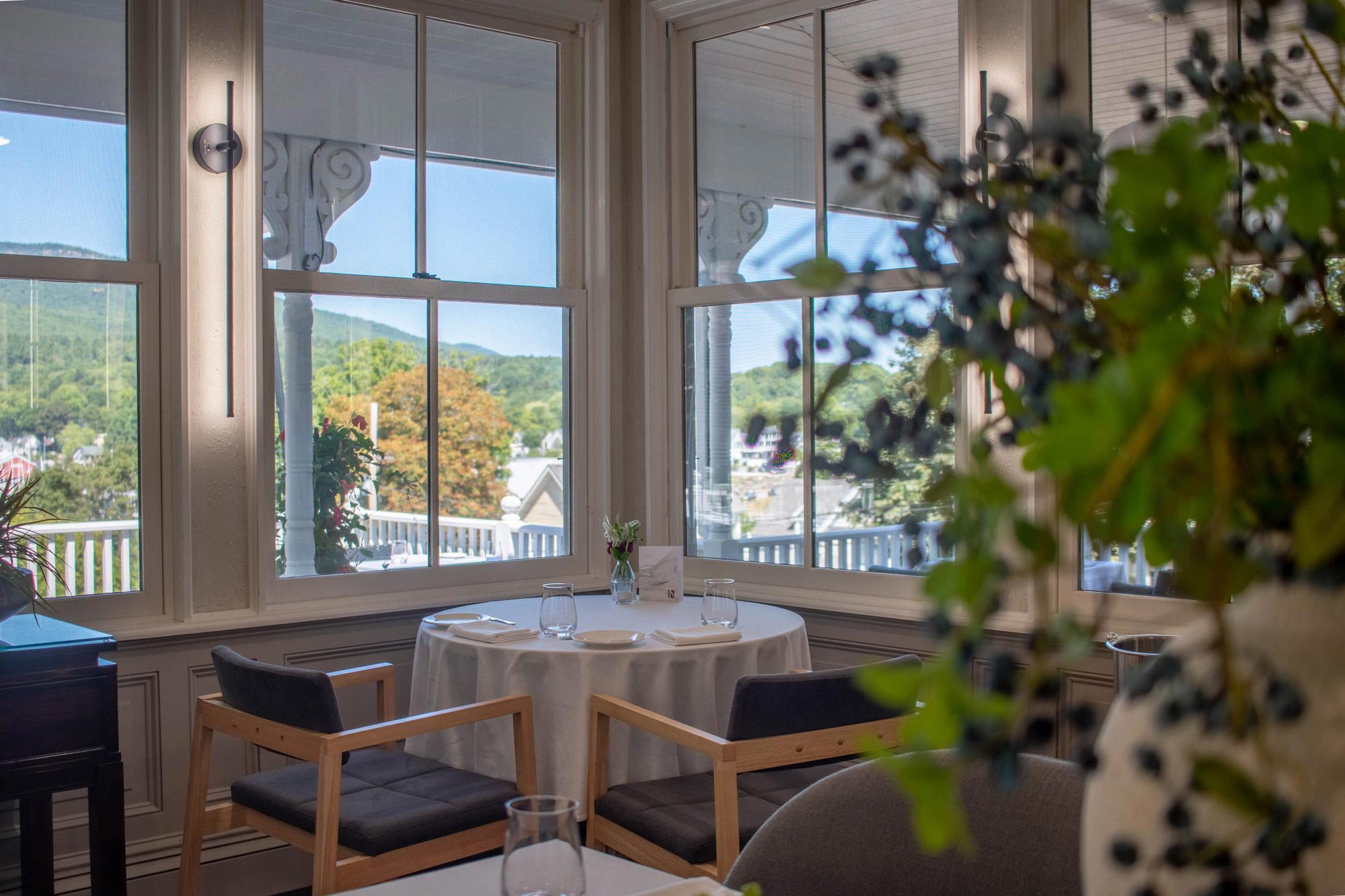

Details
- Rustic
- Cozy
- Elegant
- Date Night
- Special Occasion
- Open Kitchen
- Extensive Wine List
- Farm To Table
- Local Sourcing
- A La Carte
- Small Plates
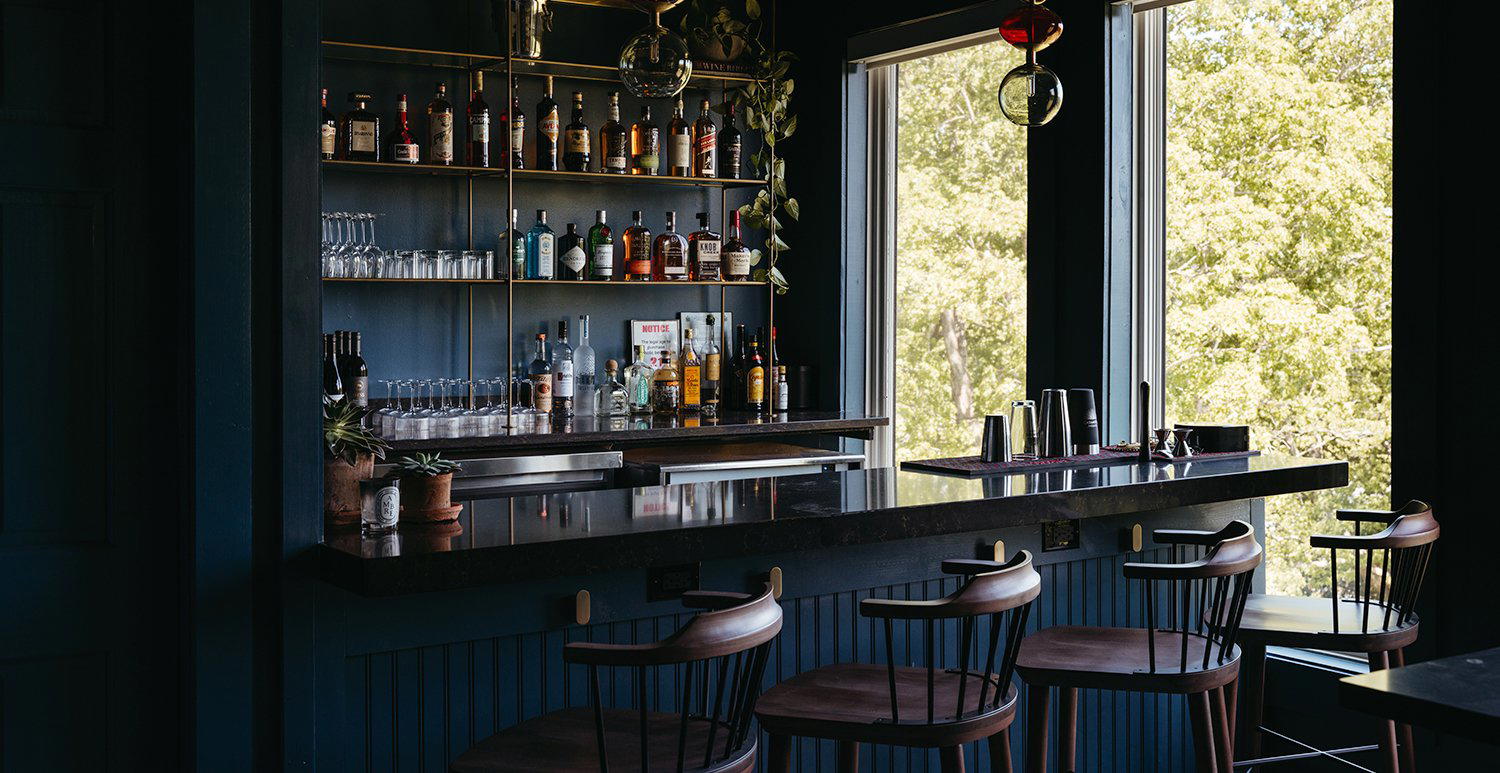
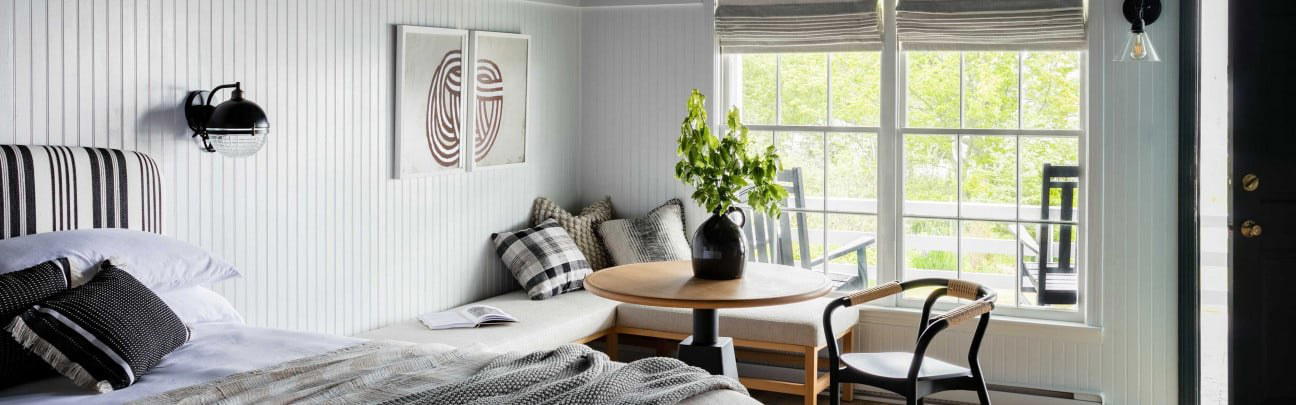
Warm, relaxed, and homey with a rustic charm, wood floors, bench seating, and a casual yet elegant atmosphere.