J’s Oyster
A Portland waterfront institution on Portland Pier, J's Oyster is the kind of raw bar that earns its reputation through consistency rather than ceremony. The setting is working-harbour casual, the shellfish comes straight off Maine's cold Atlantic waters, and the crowd ranges from longshoremen to out-of-towners who know exactly where to go when the oyster craving hits.

Pearl is the En Primeur Club membership app, where members save venues, book tables and use the concierge.
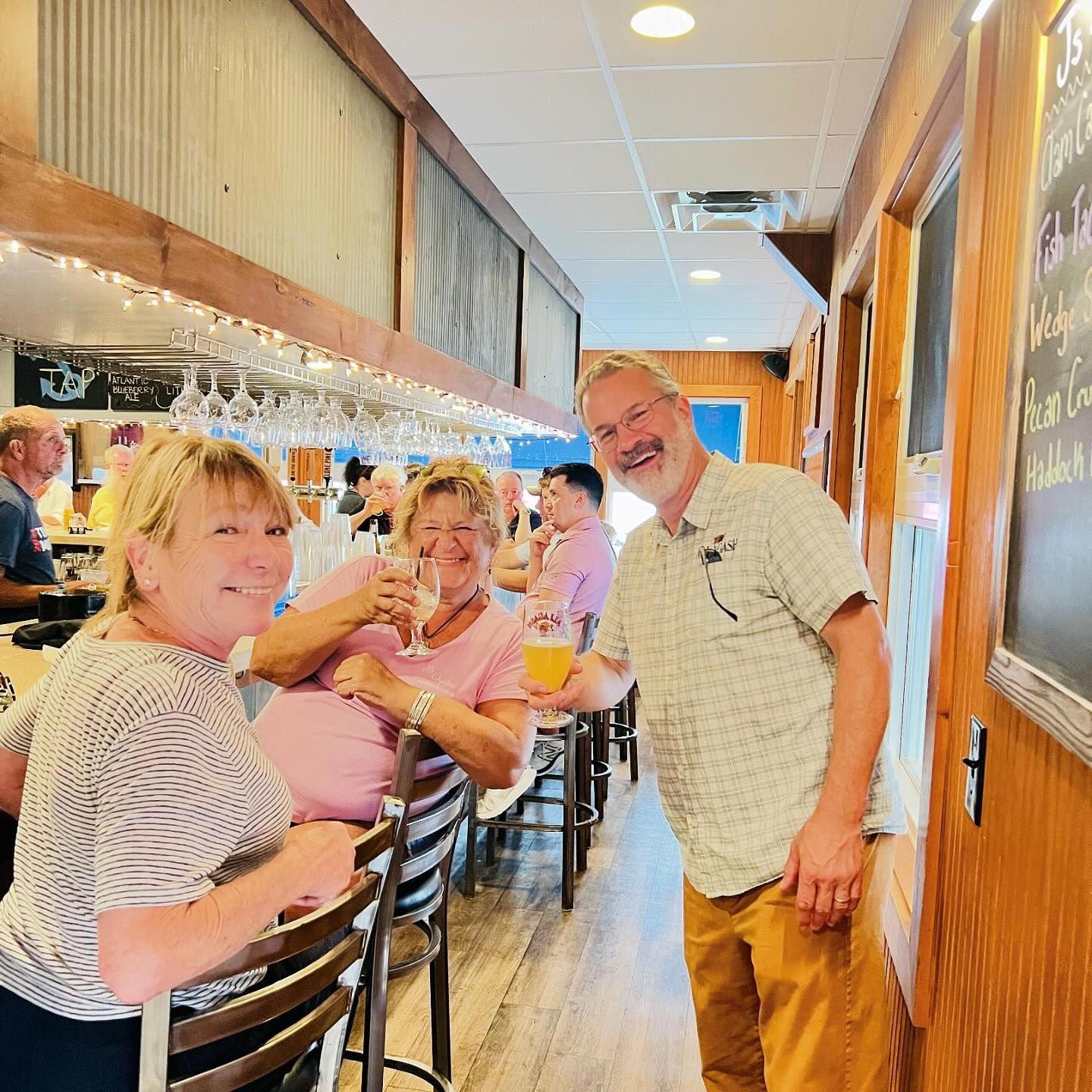
Portland Pier sits at the functional edge of Portland's Old Port, where the tourist-facing cobblestone streets give way to actual dock infrastructure. The smell of brine arrives before the building does. J's Oyster occupies that liminal zone between the working waterfront and the city's increasingly polished food scene, a spot that has operated on its own terms while the neighbourhood around it has shifted considerably. In a city where the restaurant conversation now tilts toward farm-to-table tasting menus and craft beverage programs, J's represents a different and older tradition: the American raw bar as an unpretentious daily institution, not a special-occasion destination.
What the Maine Coast Tastes Like, Without the Theatre
The raw bar tradition in New England predates any modern dining trend by generations. Maine's cold, nutrient-rich coastal waters produce shellfish, particularly oysters and clams, with a salinity and firmness that warmer Atlantic environments rarely replicate. The briny complexity you get from a Maine oyster is a function of water temperature and tidal movement, not kitchen technique. Places like J's derive their authority from proximity and consistency: the distance between ocean and ice is short, and the turnover is high. That's the structural advantage of a working waterfront location, and it's an advantage that no amount of interior design can manufacture.
This matters for how you sequence a meal here. The arc isn't built around a chef's composed vision or a tasting menu's escalating complexity. It builds instead through the logic of the sea itself: start cold and raw, move toward warmed and briny, finish with something simple and satisfying. A tray of oysters on the half shell, ordered by variety when available, so you can track the difference between harvesting zones, sets the register. The liquor is cold and clean. The shell edges are intact. From there, clams and chowder shift the temperature and texture, the cream and salt of a properly made New England chowder functioning as a kind of palate transition between the sharp rawness of shellfish and whatever comes next.
The Pier's position means the kitchen has always worked within a certain logic: keep the format tight, move volume, let the product carry the weight. That's a discipline that distinguishes the better American raw bars from the ones that compensate with sauce lists and tableside ceremony. At J's, the sequencing is honest, there's no attempt to make the shellfish into something it isn't.
Where J's Sits in Portland's Food Scene
Portland, Maine punches well above its population in restaurant density and quality. The city's dining identity has consolidated around a few clear strengths: hyper-local sourcing, particularly from the Gulf of Maine; a serious craft brewing culture; and a growing cocktail bar scene that rewards exploration. For the full picture of what's on offer across categories, our full Portland restaurants guide covers the territory in detail.
Within that context, J's occupies a specific niche that the city's newer openings don't threaten. The tasting-menu restaurants and the design-led hotel bars serve a different function. J's is where you go when you want shellfish without appointment, without a dress code conversation, and without a bill that requires planning. That's a durable position in any port city, and Portland's relationship with its working waterfront gives it legitimacy that a landlocked raw bar couldn't claim.
The comparison set for J's isn't Portland's farm-to-table rooms or its craft cocktail bars, venues like Teardrop Lounge or 10 Barrel Brewing Portland serve a different occasion entirely. Nor does it compete with the neighbourhood bars found further afield like 3808 N Williams Ave or 7316 N Lombard St. J's is its own category: the working waterfront raw bar that happens to be in a city with a serious food culture.
For readers coming to J's from a broader interest in American bar and oyster culture, the North American raw bar and cocktail scene worth tracking includes Bar Leather Apron in Honolulu, Jewel of the South in New Orleans, Julep in Houston, Kumiko in Chicago, Superbueno in New York City, and ABV in San Francisco, each operating in a distinct regional tradition. Internationally, The Parlour in Frankfurt on the Main shows how the format translates into a European context.
The Waterfront Visit: What to Expect
The environment at J's is not designed for lingering in the hotel-bar sense. The space is compact, the atmosphere shaped by the pier's physical character rather than an interior designer's brief. This is a feature, not a deficiency. The American raw bar in its truest form is a democratic institution: you come in, you eat shellfish, you drink something cold, and you leave satisfied. The unpretentious format is what allows J's to serve the full range of Portland's population, locals who've been coming for years alongside visitors who found it through word of mouth.
Timing matters. The waterfront is most alive in the warmer months, when the pier itself is active and the contrast between the cold shellfish and the outdoor air is sharpest. Midweek visits tend to be quieter than weekend afternoons, when Old Port foot traffic peaks.
Know Before You Go
- Address: 5 Portland Pier, Portland, ME 04101
- Reservations: No confirmed booking system available, walk-in format suits the raw bar tradition
- Leading timing: Weekday visits reduce wait times; summer months bring peak waterfront activity
- Dress code: None, the pier location sets the tone
- Getting there: Portland Pier is walkable from the Old Port and the city's central hotels
Budget Reality Check
Comparable venues nearby, for context on price, style, and recognition.
| Venue | Cuisine | Price | Notes |
|---|---|---|---|
| J’s OysterThis venue (the venue you are viewing) | Old Port, pub | $30–50 | Not listed |
| Crown Jewel | Not listed | Not listed | Great Diamond Island, cocktail_bar |
| Chaval | Not listed | Not listed | West End, cocktail_bar |
| The Highroller Lobster Co. | Not listed | $20–30 | Old Port, beer_bar |
| Allagash Brewing Company | Not listed | $20–30 | Riverton Drive, beer_bar |
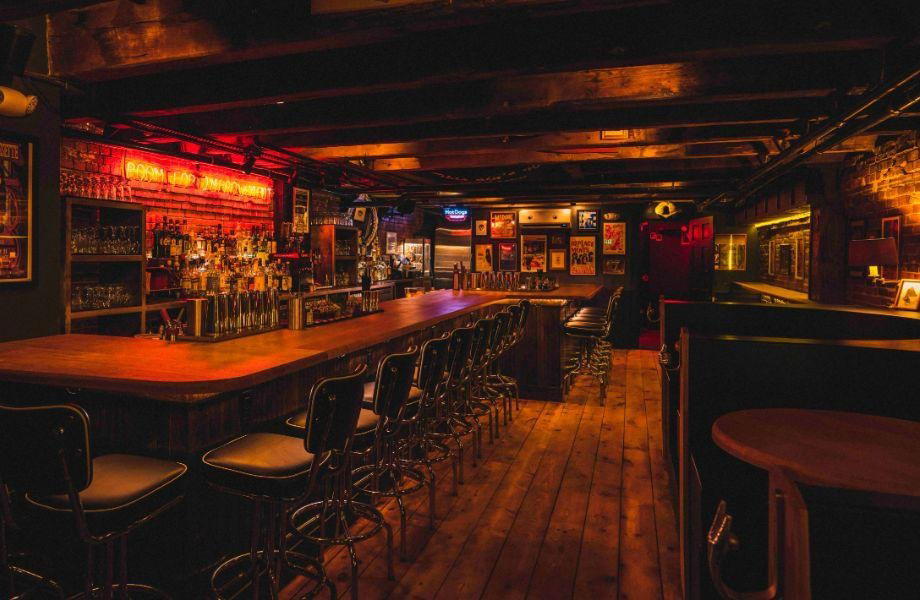
| Room for Improvement | Not listed | $20–30 | Old Port, cocktail_bar |
Continue exploring
More in Portland
Bars in Portland
All bars in Portland →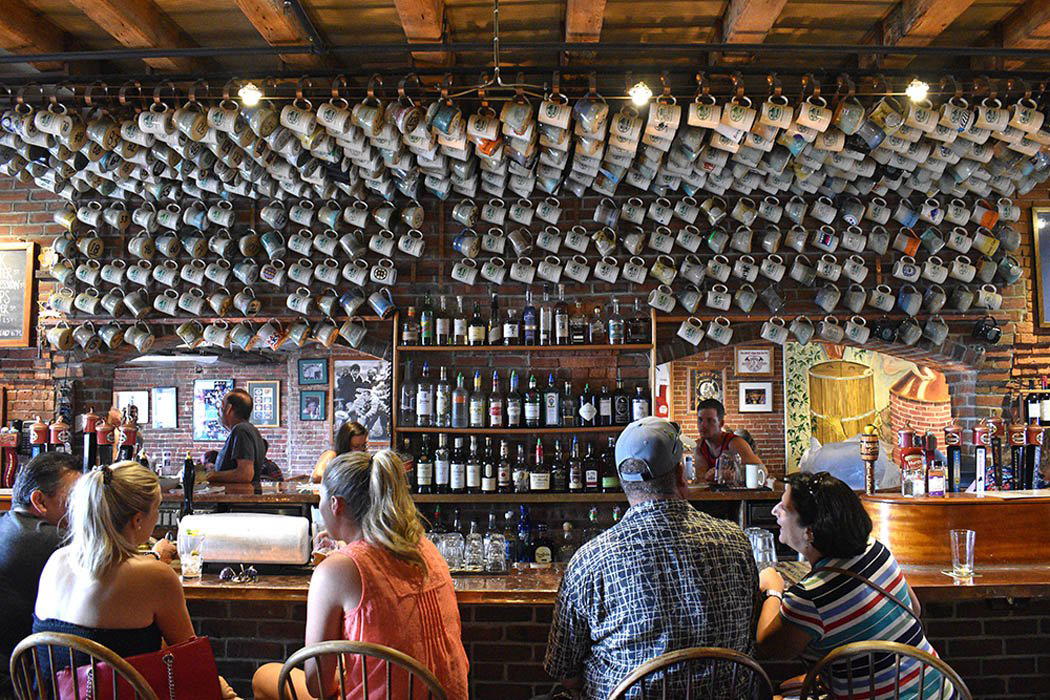
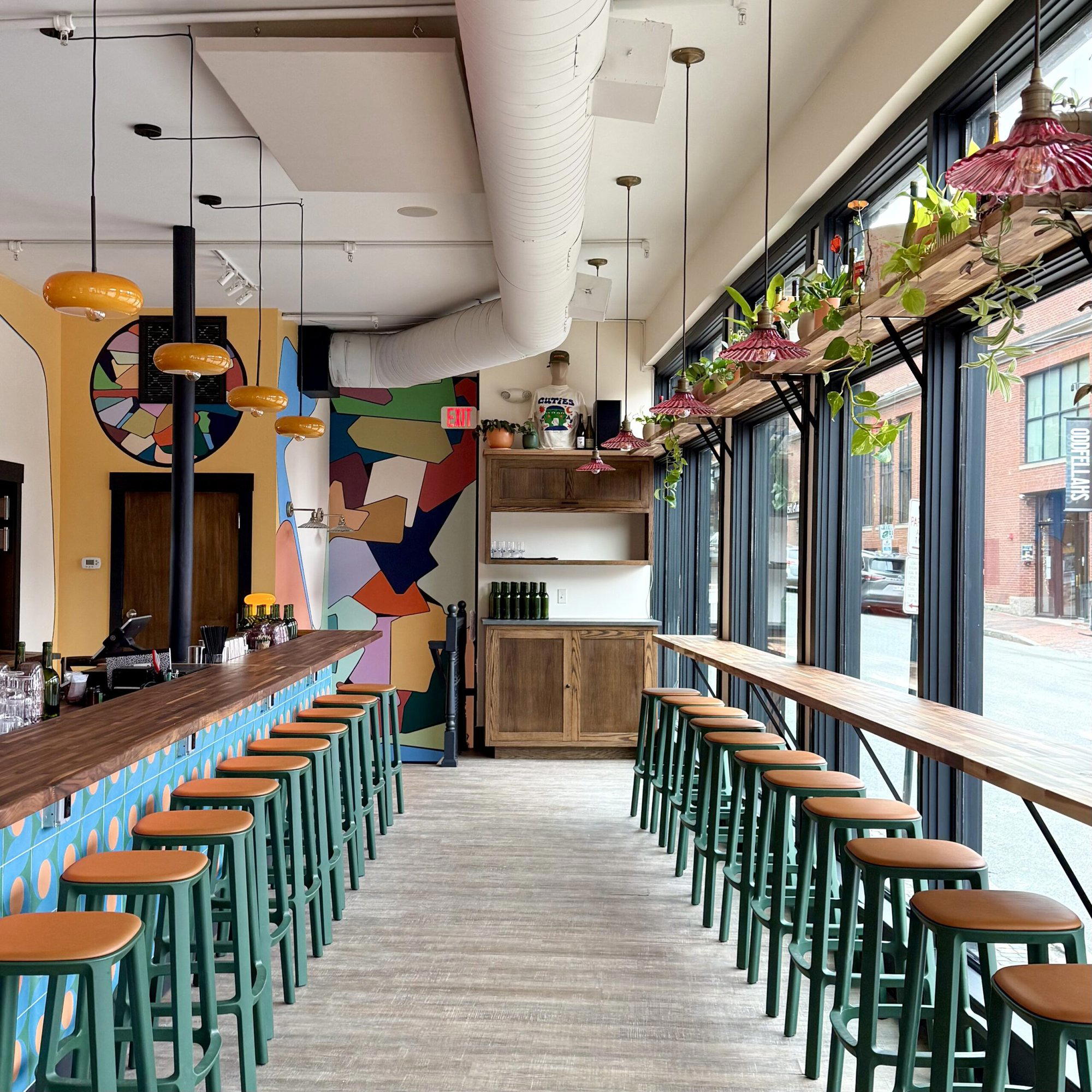
Restaurants in Portland
All restaurants in Portland →


Details
- Cozy
- Rustic
- Classic
- Casual Hangout
- Waterfront
- Seated Bar
- Waterfront
Current opening hours
- Monday
- 11:30 AM–9 PM
- Tuesday
- 11:30 AM–9 PM
- Wednesday
- 11:30 AM–9 PM
- Thursday
- 11:30 AM–9 PM
- Friday
- 11:30 AM–10 PM
- Saturday
- 11:30 AM–10 PM
- Sunday
- 11:30 AM–5 PM
Hours can change for holidays and private events. Hours as of .
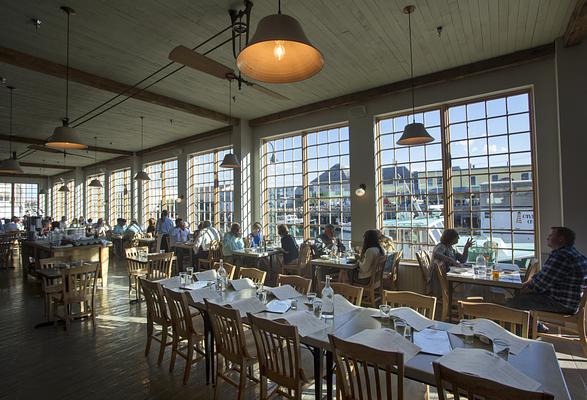
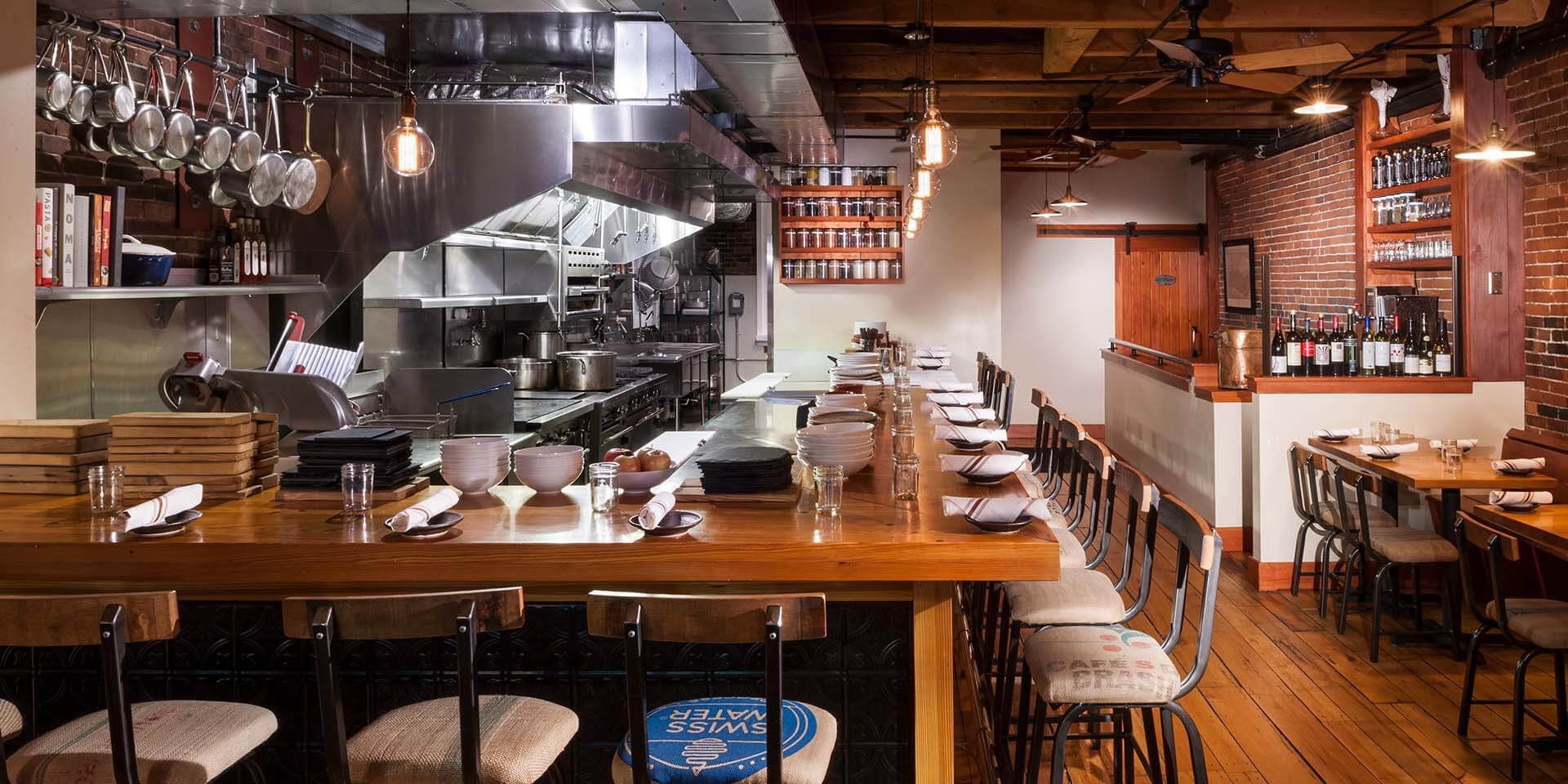
Warm, inviting, and cozy with nautical New England charm, wooden paneling, and harbor views.